تريد العديد من العلامات التجارية للأغذية المجمدة الشحن بدونها الثلج الجاف لأن الثلج الجاف يزيد من تعقيد التعامل, قواعد الناقل, التدريب على السلامة, وتلقي مخاوف العملاء. في بعض الحالات, الشحن المجمد الخالي من الثلج الجاف ممكن. في حالات أخرى, يظل الثلج الجاف المصدر البارد الأكثر عملية للحفاظ على حالة الوصول المتجمد عبر الطرق الطويلة أو عالية المخاطر.
ولا ينبغي أن يعتمد القرار على التفضيل وحده. يجب أن يعتمد على نوع المنتج, شرط الوصول المطلوب, كتلة الحمولة, وقت العبور, العزل, التعرض المحيطي, قواعد الناقل, وبيانات التحقق من الصحة.
ماذا يعني "المجمدة" لتصميم التعبئة والتغليف
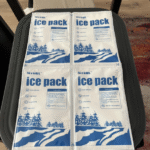
تشير إرشادات التعامل مع الأغذية الآمنة من إدارة الغذاء والدواء (FDA) إلى تخزين الفريزر عند درجة حرارة 0 درجة فهرنهايت / -18درجة مئوية أو أقل. تعد هذه نقطة مرجعية مفيدة لبرامج الأطعمة المجمدة لأنها تفصل العبوات المجمدة عن العبوات المبردة. قد تعمل أنظمة العبوات الهلامية المبردة على إبقاء الطعام باردًا, لكنهم لا يبقون المنتج مجمداً دائمًا.
الثلج الجاف أبرد بكثير من الثلج المجمد العادي حزم هلام. تنص هيئة المسح الجيولوجي الأمريكية على أن الثلج الجاف هو ثاني أكسيد الكربون الصلب ويتسامى عند -78.5 درجة مئوية / -109.3° f. هذا البرد الشديد هو السبب وراء قدرة الثلج الجاف على حماية المنتجات المجمدة, ولكن لهذا السبب أيضًا يجب التعامل معه بعناية وإبقائه منفصلاً عن المنتجات التي يمكن أن تتلف عن طريق الاتصال المباشر.
خيارات خالية من الثلج الجاف لشحن الأطعمة المجمدة
| خيار | حيث يمكن أن تعمل | القيد الرئيسي | ما لاختبار |
|---|---|---|---|
| شاحن معزول عالي الأداء مع عبوات جل مجمدة | طرق قصيرة مجمدة, حمولات مجمدة كثيفة, التعرض المحيطي المعتدل. | قد لا يحمل حالة تجميد حقيقية في الطرق الساخنة الطويلة. | درجة حرارة المنتج الأساسية وعلامات الذوبان/إعادة التجميد. |
| حزمة PCM سهلة الانصهار أو مجمدة | تحتاج المنتجات المجمدة إلى سلوك حراري أكثر تحكمًا من عبوات الجل القياسية. | يتطلب الاختيار الصحيح لتغيير المرحلة والتكييف. | حالة بي سي ام, درجة حرارة المنتج, والتعرض للطريق. |
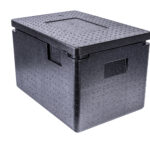
| رغوة EPS مع الطوب الجليدي | التسليم المجمد المحلي أو الإقليمي حيث يتم التحكم في المسار. | قد يكون الوزن ومساحة التخزين مرتفعين. | عقد الوقت, مقاومة السحق, وحالة استلام العميل. |
| حلقة تبريد EPP قابلة لإعادة الاستخدام | بقالة مغلقة, المأكولات البحرية, أو توصيل الوجبات المجمدة. | يتطلب العودة اللوجستية وعملية التنظيف. | إعادة استخدام المتانة, تنظيف, والتكرار الحراري. |
| هلام هجين + نظام بطانة معزول | المنتجات التي يجب أن تظل باردة جدًا ولكن ليس بالضرورة أن تكون مجمدة بشدة. | غير مناسب إذا كان "التجميد الصلب" مطلوبًا عند الوصول. | معايير قبول المنتج وهامش سلامة الأغذية. |
من المرجح أن يعمل النظام الخالي من الجليد الجاف عندما يكون الطريق قصيرًا, الحمولة كثيفة ومجمدة بالكامل, العزل قوي, الكرتون لديه مساحة صغيرة للرأس, الشحنة تتجنب تأخير عطلة نهاية الأسبوع, وحالة الوصول المطلوبة تسمح بالتليين الجزئي. من غير المرجح أن تعمل من أجل الآيس كريم, طرق الطرود الصيفية الطويلة, أو المنتجات التي يجب أن تصل مجمدة تمامًا.
عندما لا تزال هناك حاجة للثلج الجاف
غالبًا ما تظل هناك حاجة إلى الثلج الجاف عندما يجب أن يظل المنتج مجمداً أثناء النقل الطويل, التعرض المحيطي الدافئ, أو ظروف الميل الأخير غير مؤكدة. كما أنه مناسب أيضًا عندما يكون المنتج ذو كتلة حرارية منخفضة, يذوب بسرعة, أو لديه متطلبات مظهر صارمة مثل الآيس كريم, الحلويات المجمدة, والمأكولات البحرية المتميزة.
تحدد FedEx الثلج الجاف على أنه مبرد جاف للمواد المجمدة وتنص على أن الثلج الجاف يطلق غاز ثاني أكسيد الكربون, لذلك يجب ألا تكون العبوة مغلقة بإحكام. توصي إرشادات UPS الخاصة بالأغذية والشحن القابل للتلف أيضًا بإبقاء المحتويات منفصلة عن الثلج الجاف واستخدام حاوية رغوة EPS داخل صندوق من الورق المقوى المموج.
قواعد الثلج الجاف الرسمية التي يجب معرفتها قبل الاقتباس
| متطلبات | القاعدة المدعومة بالمصدر | لماذا يهم |
|---|---|---|
| تنفيس | تنص PHMSA على أن عبوات الثلج الجاف يجب أن تسمح بإطلاق الغاز لمنع تراكم الضغط. تنص إدارة الطيران الفيدرالية (FAA) أيضًا على أن العبوات يجب ألا تكون محكمة الغلق ويجب أن تسمح بالتنفيس. | يمنع تمزق العبوة بسبب ضغط غاز ثاني أكسيد الكربون. |
| وضع العلامات | تنص PHMSA على أن الحزم يجب أن تعرض اسم الشحن الصحيح ورقم المعرف مثل "الثلج الجاف".,"UN1845, والكتلة الصافية عند الاقتضاء. | يدعم التعامل مع الناقل والاتصالات التنظيمية. |
| الحد الجوي للركاب | قوائم التوجيه FAA PackSafe 2.5 كجم / 5.5 رطل أو أقل لكل طرد ولكل راكب للثلج الجاف المستخدم لتعبئة المواد القابلة للتلف. | مهم لسيناريوهات أمتعة الركاب; قد تختلف قواعد الشحن التجاري حسب الناقل والتنظيم. |
| فصل المنتج | توصي UPS بفصل المحتويات عن الثلج الجاف. | يقلل من التجميد الزائد وتلف الاتصال. |
| التغليف الخارجي | توصي UPS باستخدام رغوة EPS داخل الورق المقوى المموج لشحنات المواد الغذائية/القابلة للتلف. | يجمع بين العزل وحماية كرتون الشحن. |
للشحن التجاري, قم دائمًا بتأكيد قواعد الثلج الجاف الخاصة بالناقل, لوائح الدولة, الوثائق, ومتطلبات التدريب قبل الشحن. هذه المقالة ليست شهادة شحن البضائع الخطرة.
كيفية تقييم ما إذا كان يمكنك تجنب الثلج الجاف
ابدأ بتحديد شرط الوصول المطلوب. هل يحتاج المنتج أن يصل مجمداً, أدناه -18 درجة مئوية, مجمدة جزئيا, أو ببساطة بارد وآمن? ثم قم بتقييم المسار. لا يختلف التسليم المحلي المجمد الخاضع للرقابة على مدار 24 ساعة عن مسار الطرود لمدة 48 ساعة الذي يعبر المناطق الساخنة في الصيف.
أدوات اتخاذ القرار مفيدة
تحقق من التفاصيل قبل اختيار التغليف
يمكن أن تساعدك هذه الأدوات السريعة في مقارنة مخاطر المسار, احتياجات التحجيم, خيارات المبرد, وتفاصيل التعبئة والتغليف قبل أن تطلب عرض أسعار.
مولد قائمة التحقق من الامتثال
قم ببناء قائمة مرجعية عملية لمراجعة التغليف, شحن, والتوثيق.
بناء قائمة مرجعيةسائل التبريد & مرجع PCM
قارن خيارات سائل التبريد وPCM عندما يحتاج المسار إلى دعم إضافي لدرجة الحرارة.
قارن الخياراتمقاومة سقوط المواد العازلة
مراجعة مقاومة السقوط وعوامل المناولة قبل اختيار المواد العازلة.
تحقق من المقاومةالتالي تقييم كتلة المنتج. قد تحافظ شحنة المأكولات البحرية المجمدة الكثيفة على درجة حرارة أفضل من علبة صغيرة من المعجنات المجمدة خفيفة الوزن. قم أيضًا بتقييم حساسية المنتج. يحتاج الآيس كريم عادةً إلى تحكم أكثر صرامة في التجميد مقارنة بالعديد من صواني الوجبات المجمدة لأن تغيرات الملمس تكون واضحة.
أخيراً, بدائل الاختبار. قارن تصميم الجل المجمد الخالي من الثلج الجاف أو تصميم PCM بتصميم الثلج الجاف باستخدام نفس الحمولة, كرتون, وظائف مسجل البيانات, وملف تعريف المسار. يجب الحكم على النتيجة من خلال درجة حرارة المنتج وجودة المنتج, ليس فقط من خلال ما إذا كان الصندوق لا يزال "يشعر بالبرد".
تصميم العبوة للشحن المجمد الخالي من الثلج الجاف
| عنصر التصميم | النظر الموصى به |
|---|---|
| تجميد المنتج مسبقًا | قم بتحميل المنتج من حالة التجميد المستقرة, ليس من حالة تجميد جزئيا. |
| العزل | استخدام العزل الكافي; قد لا تحمي البطانات الرقيقة الأطعمة المجمدة على الطرق الطويلة. |
| نوع المبرد | فكر في استخدام عبوات الجل المجمدة, طوب الجليد, أو حزم PCM حسب الهدف والطريق. |
| مساحة الرأس | تقليل المساحة الهوائية غير الضرورية داخل الكرتون. |
| مراقبة الرطوبة | استخدم البطانات والمواد الماصة في حالة الذوبان, التكثيف, أو التطهير ممكن. |
| اختيار العبور | استخدم خدمات أسرع وتجنب أيام الشحن التي تؤدي إلى تأخير عطلة نهاية الأسبوع. |
| تصديق | استخدم مسجلات البيانات وحدد ما يعنيه "الوصول المجمد المقبول".. |
حالات العمل حيث يمكن للتصميم الخالي من الثلج الجاف تحسين العمليات
يمكن للأنظمة الخالية من الثلج الجاف أن تقلل من تعقيد التعامل مع المخاطر, تحسين تجربة العملاء, تبسيط تخزين المستودعات, وتجنب نقص الجليد الجاف خلال مواسم الذروة. يمكنهم أيضًا تسهيل شحنات المواد الغذائية ذات العلامات التجارية الخاصة لأن الحزمة قد تتطلب عددًا أقل من الاتصالات المتعلقة بالمخاطر.
لكن, وفورات التكاليف ليست تلقائية. قد يتطلب التصميم الخالي من الثلج الجاف المزيد من العزل, عبوات جل مجمدة أكبر, كرتون أثقل, أو خدمة شحن أسرع. يجب أن تشمل التكلفة الإجمالية للأرض التغليف, تجميد المبرد, تَعَب, وزن الشحن, مستوى خدمة الناقل, فقدان المنتج, وشكاوي العملاء.
التعليمات
يمكن شحن الأطعمة المجمدة بدون ثلج جاف?
أحيانا. ذلك يعتمد على المنتج, وقت الطريق, العزل, كتلة الحمولة, درجة حرارة البداية, التعرض المحيطي, وحالة وصول مقبولة. يجب اختبار الأنظمة الخالية من الثلج الجاف قبل الإطلاق.
لماذا يتم تنظيم الثلج الجاف?
الجليد الجاف يسامي غاز ثاني أكسيد الكربون. يجب أن تسمح العبوات بتنفيس الغاز وقد تتطلب وضع علامات ووثائق محددة حسب نوع الشحنة وشركة النقل.
هل الثلج الجاف أفضل دائمًا للأغذية المجمدة؟?
لا. الثلج الجاف بارد جدًا ويمكن أن يؤدي إلى تجميد بعض المنتجات أو إتلافها. قد يؤدي أيضًا إلى إنشاء مخاوف تتعلق بالتعامل مع العملاء. يكون ذلك مفيدًا عندما تكون الحماية المجمدة الحقيقية مطلوبة وتكون العبوة مصممة بشكل صحيح.
ما هو أكبر خطر عند استبدال الثلج الجاف?
الخطر الأكبر هو افتراض أن عبارة "ما زال باردًا" تعني "ما زال متجمدًا". استخدم بيانات درجة حرارة المنتج وفحوصات الجودة لتحديد النجاح.
الوجبات الجاهزة النهائية
يمكن شحن الأطعمة المجمدة الخالية من الثلج الجاف لبعض المنتجات والطرق, ولكن يجب إثبات ذلك عن طريق اختبار الحزمة. لا تزال هناك حاجة إلى الثلج الجاف عندما يجب أن يظل المنتج مجمداً لفترة طويلة, حار, أو عبور غير مؤكد. القرار الصحيح يقارن درجة حرارة المنتج, خطر الطريق, قواعد الناقل, تجربة العملاء, وتكلفة التشغيل الإجمالية.