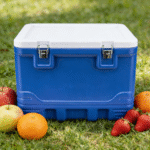
cooler box qualification for سلسلة التبريد: دليل عملي لاختيار سلسلة التبريد
أ مربع مبرد qualification for سلسلة التبريد should be chosen as part of a cold-chain system, ليس كقائمة بذاتها حاوية معزولة. يبدأ القرار العملي بمتطلبات درجة حرارة المنتج, ثم ينتقل إلى حجم الحمولة, التعرض للطريق, تكوين المبرد, التعامل مع الانضباط, استلام الشيكات, وأدلة الموردين. تجمع هذه المقالة المحسّنة هذه القطع معًا لمشتري B2B الذين يحتاجون إلى طريقة واضحة لمقارنة الخيارات دون الاعتماد على مطالبات الكتيب واسعة النطاق. ويوضح أيضًا متى يكون الصندوق مناسبًا, عند الحاجة إلى مؤهل إضافي, وما يمكن أن يساعدك Tempk في توضيحه قبل الطلب.
إجابة عملية: Treat a cooler box qualification for سلسلة التبريد as one component of a qualified or controlled packaging setup. تأكيد نطاق درجة الحرارة المطلوبة, وقت التعرض المتوقع, ملف تعريف الطريق, خطة المبرد, حجم قابل للاستخدام, واحتياجات التوثيق قبل مقارنة السعر أو المظهر.
Start with the role of the cooler box qualification for سلسلة التبريد
قبل مقارنة المواد, define what the cooler box qualification for سلسلة التبريد is expected to do. هل هو حماية جودة الطعام المبرد لعدد قليل من محطات التسليم؟, نقل الأدوية بين المرافق, عقد اللقاحات أثناء التوعية, أو دعم المسار الصيدلاني الموثق? كل حالة تغير معيار الأدلة. لتوصيل الطعام, تنظيف, متانة, راحة التحميل, وقد يهيمن تسليم العملاء. للخدمات اللوجستية الطبية, متطلبات تسمية المنتج, أدلة درجة الحرارة, وتصبح مراجعة الجودة أكثر أهمية.
يمنع هذا التمييز خطأ الشراء الشائع: التعامل مع كل حاوية معزولة على أنها نظام شحن يتم التحكم بدرجة حرارته. من الممكن أن يكون الصندوق معزولًا ولكنه لا يزال غير مؤهل لمسارك. يمكن أن تكون هناك مادة عالية الأداء وتفشل إذا كان المبرد خاطئًا. أ صندوق قابل لإعادة الاستخدام يمكن أن يقلل من نفايات التغليف ويظل يشكل خطرًا إذا عاد تالفًا أو متسخًا. الهدف العملي هو مطابقة دور الصندوق مع مخاطر المنتج, التعرض للطريق, وعبء التوثيق.
من خريطة الطريق إلى قرار التعبئة
يعد رسم خرائط الطريق بمثابة الجسر بين متطلبات المنتج واختيار التغليف. اكتب مكان وجود الصندوق المعبأ قبل إرساله, كيف يسافر, سواء كان يغير المركبات, كم من الوقت ينتظر عند كل تسليم, ما إذا كان يمكن فتح الغطاء, وماذا يفعل المتلقي عند الوصول. This map shows whether the cooler box qualification for سلسلة التبريد needs only practical insulation for a short controlled route or whether it needs a documented packout and qualification plan.
للشحنات الطبية والمتعلقة باللقاحات, يحتاج العديد من المشترين أيضًا إلى خطة لمراقبة درجة الحرارة. المسجل لا يحمي المنتج, لكنه يخلق أدلة للمراجعة. موضع المسجل, حالة المعايرة, حدود التنبيه, ويجب تحديد عملية استرداد البيانات قبل بدء المسار. لتوصيل المواد الغذائية والصيدلية, قد تكون المراقبة أقل رسمية, لكن إرسال الشيكات واستلامها لا يزال يساعد الفرق على اكتشاف نقاط الضعف قبل ظهور الشكاوى أو تعليق المنتج.
المقايضات المادية التي تؤثر على العمليات اليومية
المواد تؤثر أكثر من الأداء الحراري. أنها تؤثر على التعامل مع العمال, تنظيف, كفاءة العودة, مساحة التخزين, وضع العلامات, فحص الضرر, ومقدار التدريب اللازم للحزم القابلة للتكرار. the material may be EPP, VIP, بو, EPS, or another insulation; qualification focuses on the complete system, ليس فقط القشرة. للمشترين, هذا الوصف مفيد فقط عندما يتم ترجمته إلى عمليات: مدى ثقل الوحدة المعبأة, مدى سهولة قيام الموظفين بتنظيفه, مدى الضرر المرئي, ما إذا كان الغطاء يغلق بنفس الطريقة في كل مرة, ومقدار مساحة الحمولة المتبقية بعد المبرد.
تقوم أقوى فرق الشراء بمقارنة المواد من خلال شروط الاستخدام. يسألون ما إذا كان سيتم فتح الصندوق أثناء الولادة, ما إذا كان سيتم مكدسة, ما إذا كان سيتم إرجاعها فارغة, سواء تعرض للمطر أو لأشعة الشمس المباشرة, وما إذا كان فريق الجودة سيقوم بمراجعة سجلات درجات الحرارة. هذه التفاصيل تجعل اختيار المواد مرتبطًا بالمخاطر بدلاً من تحويلها إلى تمرين كتالوج.
مصفوفة المشتري قبل اختيار الموردين
استخدم مصفوفة المشتري هذه قبل السؤال عن السعر. فهو يبقي المناقشة مركزة على مخاطر سلسلة التبريد بدلاً من أوصاف الكتالوج.
| نقطة تفتيش | ماذا للتحقق | لماذا يهم |
|---|---|---|
| نطاق درجة الحرارة | تأكد من متطلبات المنتج قبل اختيار مادة التبريد أو الصندوق | لا يمكن الحكم على الصندوق دون معايير القبول |
| تعرض الطريق | إرسال الخريطة, منتظر, ينقل, تسليم, والاستلام | غالبًا ما تحدث الدقائق الأكثر خطورة خارج المركبات |
| حمولة قابلة للاستخدام | قياس المساحة الداخلية بعد المبرد, المقسمات, ويتم تضمين الأوراق | يمكن أن يبالغ الحجم الإجمالي في تقدير ما يمكن شحنه بالفعل |
| خطة إعادة الاستخدام | تعريف التنظيف, يعود, فحص الضرر, وقواعد التقاعد | إعادة الاستخدام دون رقابة يمكن أن يتحول إلى خطر خفي |
| أدلة المورد | اسأل عن شروط الاختبار, اتساق العينة, وعملية التحكم في التغيير | تحتاج المشتريات إلى إثبات أن الإنتاج مطابق للعينة المعتمدة |
الجدول ليس بديلاً لمراجعة الجودة, ولكنه يساعد على مواءمة المشتريات, العمليات, والفرق الفنية قبل طلب العينات. كما أنه يجعل محادثات الموردين أكثر دقة. بدلاً من المطالبة بأطول فترة انتظار أو بأقل سعر, يمكنك أن تسأل ما إذا كانت الأدلة الموجودة خلف الصندوق تتطابق مع منتجك, طريق, حمولة, وشروط التعامل.
ما يجب تأكيده قبل القياس من العينة إلى الطلب بالجملة
التوسع هو المكان الذي تصبح فيه العديد من قرارات التغليف جاهزة للعمل. قد تبدو العينة اليدوية صحيحة, لكن الاستخدام بالجملة يكشف ما إذا كان الغطاء يُغلق بشكل متكرر, ما إذا كان يمكن للموظفين حزم أمتعتهم بسرعة, ما إذا كانت التسميات تظل قابلة للقراءة, ما إذا كانت الصناديق مكدسة بأمان, وما إذا كانت الملحقات سهلة الإدارة. قبل تقديم طلب أكبر, تحديد بالضبط ما تمت الموافقة عليه.
قم بتأكيد النقاط التالية:
– الأبعاد المعتمدة, تصميم الإغلاق, مادة عازلة, إدراج, والاكسسوارات.
- مساحة حمولة قابلة للاستخدام بعد المبرد, أقسام, تسميات, ويتم تضمين الوثائق.
- ملف تعريف الاختبار أو دليل الأداء والظروف التي تم إنشاؤها بموجبها.
- تنظيف, تقتيش, وقواعد التقاعد للصناديق القابلة لإعادة الاستخدام.
- اتساق الإنتاج, اتصالات التحكم في التغيير, وتغليف الوحدات الجاهزة قبل التسليم.
- الذي يملك تعليمات الحزمة, تدريب الموظفين, واستلام الشيكات بعد وصول الصناديق.
تحمي هذه المراجعة كلا من المشتري والمورد. فهو يمنح المورد هدفًا أكثر وضوحًا ويمنح المشتري سجلاً لمقارنة الوحدات التي تم تسليمها مقابل التكوين المعتمد.
أدوات اتخاذ القرار مفيدة
تحقق من التفاصيل قبل اختيار التغليف
يمكن أن تساعدك هذه الأدوات السريعة في مقارنة مخاطر المسار, احتياجات التحجيم, خيارات المبرد, وتفاصيل التعبئة والتغليف قبل أن تطلب عرض أسعار.
حاسبة علبة الثلج
تقدير كمية عبوات الثلج الهلامي للشحنات المبردة والتخطيط العملي للمسار.
تقدير عبوات الثلجمرجع المواد العازلة
قارن بين خيارات المواد العازلة لاحتياجات التعبئة والتغليف المختلفة لسلسلة التبريد.
قارن الموادمحدد التعبئة والتغليف
قارن بين خيارات التغليف المعزولة حسب المنتج, طريق, ودرجة الحرارة اللازمة.
البحث عن التعبئة والتغليفالعلامات التحذيرية أثناء التقييم
- رقم واحد بدون شروط: تعتبر مطالبة وقت الانتظار غير مكتملة إلا إذا كنت تعرف ملف التعريف المحيط, حمولة, سائل التبريد, ومدى القبول.
- المواد باعتبارها الدليل الوحيد: إي بي بي, VIP, بو, أو يصف EPS العزل, لا طريق التأهيل في حد ذاته.
- عدم تطابق العينة: يجب أن تكون وحدات الإنتاج مطابقة للعينة المعتمدة في المادة, إنهاء, إدراج, والاكسسوارات.
- لا توجد عملية استلام: إذا لم يتحقق أحد من الطرود عند الوصول, قد يتم اكتشاف المشاكل بعد تأخير التخلص من المنتج.
- لا توجد خطة لإعادة الاستخدام: تنظيف, تجفيف, تتبع, يعد فحص الأضرار جزءًا من نظام الصندوق.
يمكن تجنب هذه الأخطاء لأنها في الغالب مشكلات عملية وليست أسرارًا في علم العزل. A cooler box qualification for سلسلة التبريد becomes more reliable when operations define how the box is prepared, الذي يتحقق منه, ومتى يجب إزالته من الاستخدام. كلما كان المنتج أكثر حساسية, كلما كانت هذه العملية أكثر رسمية.
الحدود الملائمة التي يجب الاتفاق عليها قبل الموافقة عليها
A cooler box qualification for سلسلة التبريد is a strong fit for pharma, مصل, عينة مختبرية, and food shipments where evidence of temperature control is needed before scale-up. It becomes more questionable for informal one-off use where no acceptance criteria, خطة المراقبة, or responsible quality review exists. هذه الحدود مهمة لأن تغليف السلسلة الباردة غالبًا ما تفشل القرارات في الحالات المتطرفة. صندوق يسهل تبريره على المدى القصير, قد يكون المسار الذي يتم التحكم فيه هو الاختيار الخاطئ على طريق طويل مع مراحل مكشوفة, عمليات التسليم المتكررة, أو جهاز استقبال لا يمكنه مراجعة أدلة درجة الحرارة بسرعة.
إذا كانت حالة الاستخدام منخفضة المخاطر, قد يركز المشتري على المتانة, قابلية التنظيف, تدريب المستخدم, وما إذا كان من الممكن تعبئة الصندوق بنفس الطريقة كل يوم. إذا كانت حالة الاستخدام أعلى خطورة, وينبغي للمشتري رفع مستوى الأدلة. وقد يتضمن ذلك معلومات اختبار المورد, حزمة مكتوبة, مراقبة درجة الحرارة, مراجعة الطريق, وموافقة الجودة. القرار لا يتعلق بجعل كل شحنة معقدة. يتعلق الأمر بزيادة التحكم عند قيمة المنتج, التوقعات التنظيمية, أو التعرض للمسار يجعل الافتراضات باهظة الثمن.
حالة المشتري التي توضح القرار
Consider a buyer selecting a cooler box qualification for سلسلة التبريد for recurring clinic deliveries. الشحنة ليست طرد لمرة واحدة; ويتكرر أسبوعيا, مع نفس موقع الإرسال, عدة عمليات تسليم, والمتلقي الذي يجب أن يتخذ قرارات سريعة بشأن المنتج. يقارن المشتري صندوقين. واحد لديه سعر أقل ومواصفات بسيطة. والآخر لديه تعليمات حزمة أكثر وضوحا, اتساق إغلاق أفضل, والمورد على استعداد لمناقشة شروط الاختبار وضوابط العينة إلى الإنتاج.
قد لا يكون الخيار الأقوى هو الصندوق الذي يتمتع بالادعاء الأكثر إثارة للإعجاب. إنه الخيار الذي يمكن للمشتري أن يعمل به باستمرار. إذا تغير المسار لاحقًا, يجب على المشتري مراجعة الحزمة مرة أخرى بدلاً من افتراض أن الموافقة الأصلية لا تزال سارية.
استلام الشيكات يكمل قرار التغليف
The shipment is not finished when the cooler box qualification for سلسلة التبريد leaves the dispatch table. يجب على المتلقي أن يعرف ما يجب فعله عند وصول الصندوق. للسلع الحساسة, قد يعني ذلك التحقق من الحالة المادية للمربع, تأكيد التسميات, مراجعة سجل درجات الحرارة, مع ملاحظة وقت الاستلام, ونقل الحمولة مرة أخرى إلى التخزين الخاضع للرقابة دون تأخير. لعمليات قابلة لإعادة الاستخدام, ثم يدخل المربع الفارغ في عملية أخرى: يعود, تنظيف, تجفيف, فحص الملحقات, والفحص قبل استخدامه مرة أخرى.
غالبًا ما تكشف خطوة الاستلام هذه ما إذا كان الصندوق قد تم اختياره جيدًا. إذا كان من الصعب إغلاق الغطاء, إذا كان التخطيط الداخلي يربك المتلقي, إذا كان من الصعب العثور على المسجل, أو إذا كان من الصعب فحص الصندوق المرتجع, تضيف العبوة مخاطر تشغيلية. لذلك يجب على المشتري العملي أن يسأل كيف يتصرف الصندوق في نهاية الطريق, ليس فقط كيف يبدو قبل الإرسال. التغليف الجيد يحمي المنتج ويجعل القرار التالي أسهل للأشخاص الذين يتعاملون معه.
التعليمات
How do I know whether a cooler box qualification for سلسلة التبريد is suitable for my shipment?
ابدأ بنطاق درجة الحرارة المطلوب, مدة الطريق, نقاط التسليم, حجم الحمولة, واحتياجات التوثيق. ثم قارن مادة الصندوق, خطة المبرد, تعليمات الحزمة, وأدلة الموردين. الملاءمة ليست مواصفات واحدة; إنها تطابق بين نظام الصندوق والمسار الخاص بك.
ماذا يجب أن أسأل قبل طلب العينات?
اسأل عن الأبعاد الداخلية والخارجية, حجم قابل للاستخدام بعد المبرد, تفاصيل المواد والإغلاق, الحزمة الموصى بها, شروط الاختبار, متطلبات التنظيف, وأي عملية للتحكم في التغيير. للطرق الطبية, إشراك مراجعي الجودة قبل الموافقة على العينة.
هل الصندوق القابل لإعادة الاستخدام دائمًا أفضل من الشاحن ذو الاستخدام الواحد?
لا. تعمل إعادة الاستخدام بشكل أفضل عندما تتمكن من التعافي, ينظف, فحص, وإعادة توزيع الصناديق باستمرار. إن طريق التصدير أحادي الاتجاه أو التسليم غير المنضبط في الميل الأخير قد يبرر نموذج تعبئة مختلف.
هل يمكنني الاعتماد على مطالبة المورد بوقت الانتظار؟?
التعامل معها كنقطة انطلاق. نسأل ما الملف الشخصي المحيطة, حمولة, سائل التبريد, وتم استخدام نطاق القبول. إذا كان طريقك مختلفا, قد تكون هناك حاجة إلى اختبارات إضافية أو حزمة منقحة.
خاتمة
The right cooler box qualification for سلسلة التبريد is the one that fits the product requirement, التعرض للطريق, حمولة, خطة المبرد, نمط التعامل, ومستوى الأدلة. ابدأ بتحديد نطاق درجة الحرارة وعملية الشحن, ثم قارن المواد والموردين بهذا الواقع. استخدم العينات لاختبار الملاءمة وسير العمل, ليس فقط المظهر. للطرق الطبية أو المتعلقة باللقاحات, حافظ على الحذر في لغة المؤهلات وأشرك مراجعي الجودة قبل التوسع. لعمليات قابلة لإعادة الاستخدام, علاج التنظيف, يعود, وفحص الأضرار كجزء من نظام التعبئة والتغليف.
حول Tempk
يوفر تيمبك العبوة المعزولة الخيارات ومناقشات التعبئة والتغليف المخصصة لسلسلة التبريد للأغذية, صيدلية, الدواء, مصل, وسيناريوهات الشحن الحساسة لدرجة الحرارة. When buyers evaluate a cooler box qualification for سلسلة التبريد, يمكن لـ Tempk المساعدة في مقارنة EPP, VIP, VPU, وغيرها من الأشكال المعزولة ضد الطريق, حمولة, سائل التبريد, واحتياجات إعادة الاستخدام. نبقي المحادثة عملية: ما يجب أن يحميه الصندوق, كيف سيتم تعبئتها, كيف سيتم التعامل معها, وما هي الأدلة التي يجب على المشتري التحقق منها قبل القياس.
ناقش طريقك, حمولة, نطاق درجة الحرارة المستهدفة, وإعادة استخدام الخطة مع Tempk قبل طلب العينات, لذا فإن توصية التغليف الأولى تكون أقرب إلى الشحنة التي تحتاج بالفعل إلى تشغيلها.