صندوق تبريد مكعبات الثلج: كيفية اختيار نظام الطوب الجليدي المناسب
طوب الجليد Cooler Box should be chosen as part of a complete سلسلة التبريد system. يقوم الطوب بتخزين طاقة التبريد, لكن الشحنة تظل محمية فقط عندما يتم مطابقة الطوب مع الحاوية المعزولة المناسبة, حجم الحمولة, طريقة التكييف, مدة الطريق, وإجراءات التشغيل. التعبئة الجيدة قابلة للتكرار, قابلة للقياس, وواقعية للأشخاص الذين سيحزمونها ويستلمونها.
إن أسلوب الشراء الأكثر أمانًا هو البدء بمتطلبات المنتج ثم العمل بشكل عكسي. تحديد نطاق درجة الحرارة المسموح بها, وقت الطريق, التعرض المحيطي, حجم الحزمة, درجة حرارة تحميل المنتج, واحتياجات التوثيق. ثم اختر صندوق تبريد من الطوب الجليدي يناسب الحاوية والعملية. يعد هذا الأسلوب مهمًا بشكل خاص عندما تحتاج صناديق التبريد إلى منطقة اتصال كافية بغاز التبريد مع ترك مساحة للمنتج, فواصل, وسهولة استرجاعها.
القرار السريع
استخدم الطوب الجليدي الصلب عندما تحتاج إلى هندسة قابلة للتكرار, التعامل النظيف, مصادر باردة قابلة لإعادة الاستخدام, ونمط التعبئة الذي يمكن تعليمه عبر العديد من الشحنات. استخدم عبوات هلامية مرنة عندما تكون الحمولة غير منتظمة أو يكون الاتصال السطحي الوثيق أكثر أهمية من التحكم في الشكل. ضع في اعتبارك طوب أو ألواح PCM عندما يحتاج المنتج إلى نطاق درجة حرارة أكثر تحديدًا. خذ بعين الاعتبار الثلج الجاف أو الأنظمة النشطة فقط عندما يتطلب المنتج والطريق هذه الخيارات حقًا.
لا تختار الطوب الجليدي فقط من حيث الحجم أو السعر. الطوب الصحيح هو الذي يناسب تجويف المنتج, يدعم نطاق درجة الحرارة المستهدفة, يمكن أن تكون مشروطة بشكل موثوق, وينفذ داخل نظام التعبئة والتغليف المحدد. لصندوق تبريد الطوب الجليدي, يجب على المشترين مطابقة شكل الطوب مع الجدران الأكثر برودة, مساحة الغطاء, القناة الأساسية, ونمط الوصول إلى الحمولة.
ما يمكن أن يفعله الطوب الجليدي وما لا يمكنه فعله
يمكن للطوب الجليدي إضافة كتلة حرارية, امتصاص الحرارة التي تدخل العبوة, وجعل تكرار الحزمة أسهل. ويمكنه أيضًا تقليل الماء الذائب مقارنة بالثلج السائب وقد يدعم إعادة الاستخدام في عملية الحلقة المغلقة. لا يمكن ذلك, في حد ذاته, تأهيل شحنة, التغلب على العزل السيئ, إصلاح تأخير الطريق, أو إثبات أن العبوة مناسبة لكل منتج حساس لدرجة الحرارة.
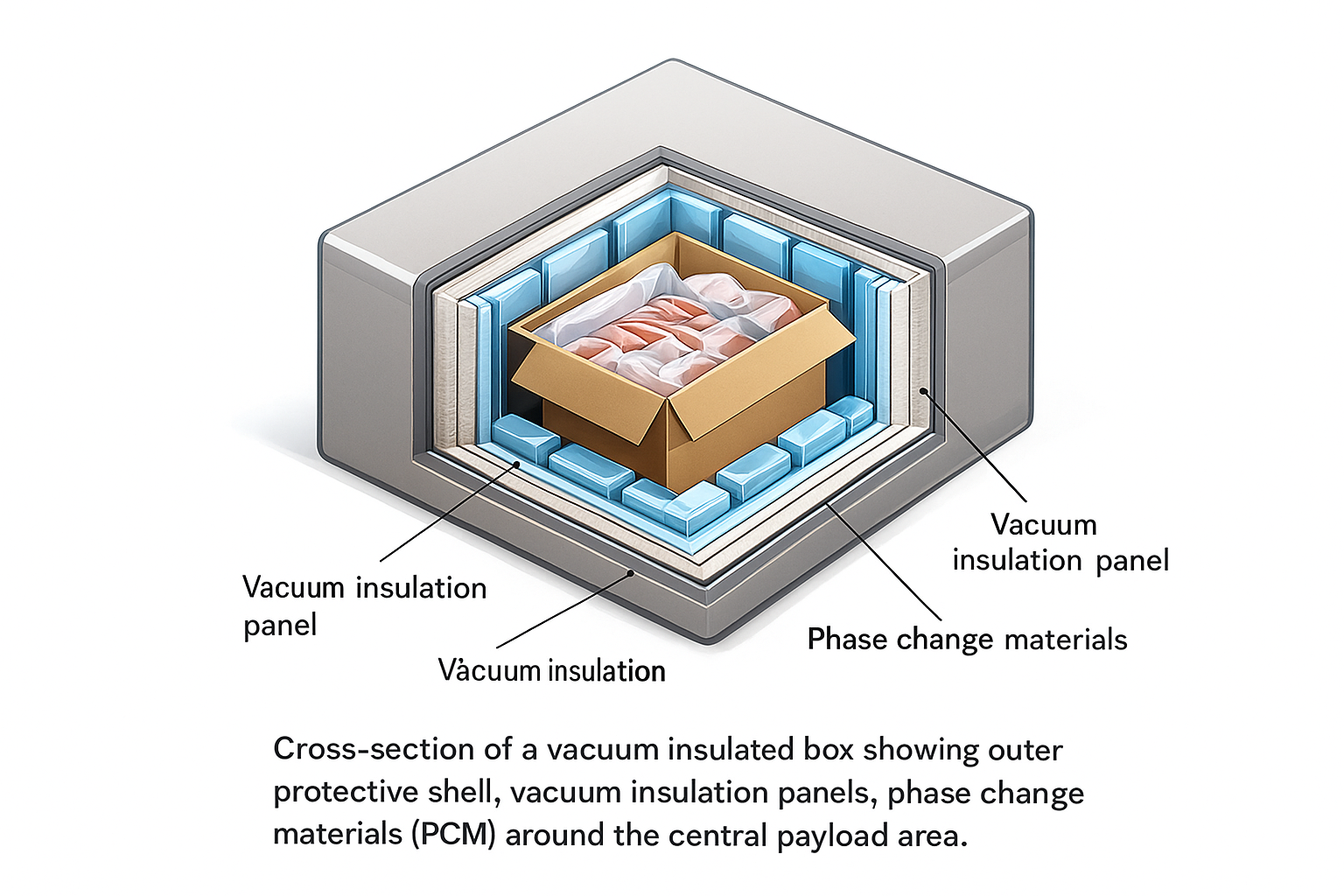
تعمل الحزمة السلبية لأن عدة أجزاء تعمل معًا. الصندوق المعزول, شنطة, بطانة, أو غطاء البليت يبطئ نقل الحرارة. يوفر الطوب قدرة التبريد. كتلة المنتج تمنع تغير درجة الحرارة. تعمل الفواصل على تقليل الاتصال البارد المباشر. تعليمات التعبئة تتحكم في التنوع البشري. الرصد يوفر الأدلة. إذا تغير جزء واحد, قد يتغير ملف تعريف درجة الحرارة النهائية.
هذا هو السبب في أن المشترين ذوي الخبرة يقومون بتقييم النظام بأكمله. قد يكون أداء الطوب الذي يعمل بشكل جيد في صندوق تبريد واحد أقل من الأداء في بطانة رقيقة. قد تفشل الحزمة التي تحمي الحمولة الكاملة مع نصف الحمولة. قد يحتاج التصميم الذي يعمل في الربيع إلى المراجعة في الصيف أو الشتاء. اسم المنتج وحده ليس دليلاً كافياً على الإطلاق.
ملائم, حجم قابل للاستخدام, وحماية الحمولة
يجب التحقق من الملاءمة مع العبوة الكاملة, ليس مع حاوية فارغة. قياس الحاوية بعد العزل, بطانات, المقسمات, الأوراق, أجهزة مراقبة درجة الحرارة, مادة ماصة, ويتم تضمين الطوب. المساحة المتبقية هي تجويف الحمولة الصالحة للاستخدام. من الشائع أن يبالغ المشترون في تقدير السعة عندما ينظرون فقط إلى أبعاد الكرتون الخارجية.
لصناديق التبريد الصلبة, مبردات EPP, مبردات طبية, وصناديق معزولة قابلة لإعادة الاستخدام, يجب أن يجلس الطوب بشكل آمن دون الضغط على الغطاء, تشويه الخطوط الملاحية المنتظمة, أو سحق المنتج. وينبغي أيضًا أن يسمح للعمال بتحميل الحزمة بسرعة وبشكل متسق. إذا كان يجب على الموظفين الارتجال في وضع الطوب, العبوة ليست جاهزة للقياس.
حماية المنتج ليست حرارية فقط. لا ينبغي أن يتسرب الطوب, استراحة, يحول, تلوث منطقة المنتج, أو خلق مشاكل التكثيف التي تلحق الضرر بالملصقات والكرتون. إذا كانت الشحنة تحتوي على قوارير هشة, أنابيب العينات, عبوات طعام طرية, أو كرتون البيع بالتجزئة, يجب أن يتضمن التصميم حواجز أو مقصورات تمنع الضغط المباشر.
نطاق درجة الحرارة والتكييف
تعتمد طريقة التكييف الصحيحة على المنتج. قد يكون الطوب المجمد مناسبًا لبعض الأطعمة المبردة أو البضائع المجمدة, ولكن قد يكون ذلك محفوفًا بالمخاطر بالنسبة للمنتجات التي لا يجب تجميدها. قد يحتاج لبنة PCM إلى دورة حرارة محددة للوصول إلى حالة الطور المقصودة. مشروطة حزمة المبرد قد يكون أكثر أمانًا لبعض التطبيقات الصيدلانية المبردة من الطوب المستخدم مباشرة من الفريزر العميق.
للقاحات المبردة والعديد من البيولوجيا المناعية, نطاق التخزين المشترك هو 2 درجة مئوية إلى 8 درجات ج, وبعض المنتجات يمكن أن تتلف بالتجميد. المنتجات الأخرى لها متطلبات مختلفة. يجب على المشترين تأكيد تسمية المنتج, حدود الاستقرار, وإجراءات الجودة المحلية قبل الموافقة على التعبئة والتغليف. لا ينبغي أبدًا وصف قوالب الثلج بأنها متوافقة تلقائيًا مع الاستخدام الصيدلاني.
يجب أن توضح تعليمات التعبئة المدة التي يجب أن يتم فيها تجميد الطوب أو تكييفه, حيث يجب تخزينه, كيف يتعرف العمال على الطوب الجاهز, وماذا تفعل عندما يذوب الطوب جزئيًا. بدون هذه التفاصيل, يمكن لعاملين استخدام نفس الطوب والحاوية ولكنهما ينتجان نتائج حرارية مختلفة.
مخاطر الطريق: مدة, التعرض المحيطي, والتعامل
مدة الطريق أطول من وقت النقل في ورقة الحجز. ويشمل التدريج قبل التحميل, بيك اب الناقل, التعامل مع المحور, الجمارك أو الرصيف يسكن الوقت, تسليم الميل النهائي, وتأخير الاستلام. لصندوق تبريد الطوب الجليدي, قد يتضمن المسار نقاط تعرض غير مرئية أثناء مناقشة مكتبية بسيطة. يجب أن تشكل نقاط التعرض تلك العبوة.
درجة الحرارة المحيطة مهمة في كلا الاتجاهين. يمكن للطقس الدافئ أن يستنفد قدرة التبريد. يمكن للطقس البارد أن يفرط في تبريد المنتج الذي يجب أن يظل مبردًا ولكن ليس مجمداً. يأخذ التصميم الجيد في الاعتبار المظهر الموسمي وقد يستخدم عبوات مختلفة لمواسم الحرارة والبرودة.
أنماط التعامل مهمة أيضًا. إن حقيبة التوصيل المفتوحة عشرين مرة تتصرف بشكل مختلف عن شاحن الطرود المختوم. قد تؤدي الباليتة المغلفة بإحكام إلى تقييد تدفق الهواء حول الأغطية الحرارية. قد يواجه الصندوق المخزن بجوار باب حجرة التحميل ضغطًا أكبر من الضغط الذي يواجهه الصندوق المنقول مباشرة إلى الشاحنة. غالبًا ما تشرح هذه التفاصيل العملية سبب نجاح عملية التعبئة في الاختبار ولكنها تواجه صعوبات في العمليات.
قائمة مراجعة الموردين للطلبات بالجملة أو المخصصة
لأن حالة الاستخدام ودليل الشراء أمر أساسي في هذا الموضوع, يجب أن يكون تقييم الموردين محددًا. اسأل عن المعلومات التي تؤثر على اللياقة, أداء, التكرار, وتوسيع نطاقها. للأبعاد الداخلية, إزالة الغطاء, قابلية التكديس, جيوب من الطوب, تصميم خالي من الصرف, تنظيف, وقطع الغيار, يجب على المشتري توثيق القرارات قبل تقديم طلب كبير.
الأبعاد الخارجية, الوزن المملوء, تسامح, وكمية الكرتون.
مادة القشرة أو الفيلم, نوع المبرد الداخلي, ونطاق درجة الحرارة الموصى به.
تعليمات تكييف المجمدة, مبردة, أو استخدام PCM.
التوافق مع صندوق التبريد المحدد, شنطة, بطانة, شاحن البليت, أو الكرتون الخارجي.
أدوات اتخاذ القرار مفيدة
تحقق من التفاصيل قبل اختيار التغليف
يمكن أن تساعدك هذه الأدوات السريعة في مقارنة مخاطر المسار, احتياجات التحجيم, خيارات المبرد, وتفاصيل التعبئة والتغليف قبل أن تطلب عرض أسعار.
أداة اختيار العبوة
قارن بين خيارات التغليف المعزولة حسب المنتج, طريق, ودرجة الحرارة اللازمة.
البحث عن التعبئة والتغليفحاسبة الثلج الجاف
تقدير احتياجات الثلج الجاف للشحنات المجمدة أو شديدة البرودة قبل التعبئة.
تقدير الثلج الجافمقاومة سقوط المواد العازلة
مراجعة مقاومة السقوط وعوامل المناولة قبل اختيار المواد العازلة.
تحقق من المقاومةحجم الحمولة الصالحة للاستخدام بعد تركيب جميع الطوب والعوازل.
تسريب, ضغط, يسقط, أو فحوصات الجودة المرئية التي يستخدمها المورد.
أصل العينة وما إذا كان الإنتاج سيستخدم نفس الأدوات والمواد.
تغيير الإخطار للراتنج, قالب, كاب, فيلم, صيغة, حجم التعبئة, أو تغييرات التعبئة والتغليف.
مو, مهلة, وضع العلامات المخصصة, تكوين الكرتون, والتعبئة البليت الواردة.
دعم للاختبار التجريبي, رسومات العبوة, وكرر اتساق الطلب.
تتضمن محادثات الموردين الأكثر فائدة هندسة التغليف, العمليات, شراء, والجودة. يمكن للمشتريات التفاوض على السعر والمهلة الزمنية. يمكن أن تؤكد العمليات قدرة التجميد والتعامل معها. يمكن لهندسة التعبئة والتغليف اختبار الملاءمة ودرجة الحرارة. يمكن للجودة مراجعة الوثائق والاستجابة للرحلة. تعمل وجهات النظر الأربع جميعها على تقليل المخاطر قبل توسيع نطاقها.
يكلف: انظر إلى ما هو أبعد من سعر الوحدة
سعر الوحدة من الطوب هو تكلفة واحدة فقط. التكلفة الإجمالية تشمل الشحن الداخلي, تخزين, مساحة الفريزر, التعامل مع العمالة, وقت التعبئة, تلف المنتج, الطوب البديل, تنظيف, اللوجستية العكسية, وتكلفة الشحنات الفاشلة. قد يصبح الطوب الرخيص باهظ الثمن إذا كان يفرض صندوقًا أكبر, يضيف الكثير من الوزن, أو يسبب نتائج درجة حرارة غير متناسقة.
للبرامج القابلة لإعادة الاستخدام, احسب معدل إعادة الاستخدام العملي بدلاً من افتراض دورات غير محدودة. قد يتم فقدان الطوب, متصدع, ملوثة, أو يحتفظ بها العملاء. لا يزال بإمكان عمليات الحلقة المغلقة تحقيق قيمة قوية عند التحكم في الاسترداد, التنظيف بسيط, ويتم تنظيم دوران الفريزر. تتطلب الطرق ذات الاتجاه الواحد حسابات مختلفة.
ولا ينبغي أن يعني التحكم في التكاليف إزالة هوامش السلامة بشكل أعمى. الطريقة الأفضل هي ضبط حجم العبوة بشكل صحيح من خلال الاختبار. إذا أظهرت البيانات أن عددًا أقل من الطوب لا يزال يحمي الحمولة ضمن ملف تعريف المسار المعتمد, يمكن للشركة تقليل الوزن والتكلفة بثقة. إذا أظهرت البيانات أن الحزمة هامشية, يمكن أن يكون تقليل الطوب اقتصادًا زائفًا.
عندما لا يكون الطوب الجليدي كافيا
قد لا يكون الطوب الجليدي كافيًا للطرق الطويلة أو غير المؤكدة, الجمارك غير المنضبطة تسكن الوقت, منتجات شديدة البرودة, بيولوجية ذات قيمة عالية, الحمولات ذات درجة حرارة ضيقة للغاية, أو الشحنات التي تتطلب مراقبة نشطة مستمرة. وقد تكون أيضًا غير مناسبة عندما لا يتمكن المستلم من إدارة الطوب المذاب, يعود, تنظيف, أو التخلص منها.
صندوق تبريد, قفص مقاوم للماء, أو لا ينبغي وصف الكيس المعزول بأنه يمكن التحكم في درجة حرارته إلا إذا تم تقييم النظام الكامل للاستخدام المقصود. يمكن للصندوق البلاستيكي أن يحمي من الصدمات والرطوبة بينما يسمح للمنتج بالانجراف خارج نطاقه. يمكن للحاوية القابلة لإعادة الاستخدام أن تقلل من النفايات بينما لا تزال بحاجة إلى التأهيل.
عندما يكون الخطر مرتفعا, يجب على المشترين أن يسألوا ما إذا كان الشاحن الحراري مؤهل, نظام بي سي ام, نظام الثلج الجاف, النقل المبرد, حاوية نشطة, أو الخدمة المراقبة أكثر ملاءمة. يعتبر الطوب الجليدي من الأدوات القيمة, لكنها ليست إجابة عالمية.
خطة التنفيذ
ابدأ بمتطلبات مكتوبة: منتج, نطاق درجة الحرارة, مدة الشحن, طريق, حاوية, كمية الحمولة, وعملية الاستلام. ثم قم بإنشاء حزمة واحدة أو اثنتين من العبوات المرشحة باستخدام صندوق تبريد مكعبات الثلج المقترح. اختبرها باستخدام العبوة الحقيقية والحمولة التمثيلية. تضمين وقت التدريج, طريقة التحميل, والتعرض الموسمي المتوقع.
بعد الاختبار, اكتب تعليمات التعبئة البسيطة. تشمل عدد الطوب, موقع, تكييف, فواصل, وضع المسجل, خطوات الإغلاق, ونقاط التفتيش. تدريب العمال بالصور أو الرسوم البيانية. قم بمراجعة شحنات الإنتاج الأولى عن كثب لمعرفة ما إذا كانت التعليمات ستنجو من الظروف الحقيقية.
أخيراً, تعيين مشغلات المراجعة. أعد فحص العبوة عندما تكون كمية المنتج, طريق, موسم, الناقل, عملية المستودع, حاوية, بطانة, أو تغييرات المورد. نظام السلسلة الباردة ليس عملية شراء لمرة واحدة. إنها عملية تشغيل يجب أن تظل متوافقة مع المسار والمنتج.
التعليمات
كم عدد الطوب الجليدي الذي ينبغي استخدامه? لا يوجد رقم عالمي. ذلك يعتمد على نطاق درجة الحرارة, عزل الحاويات, كتلة الحمولة, مدة الطريق, التعرض المحيطي, وتكييف الطوب. اختبر العبوة الفعلية قبل القياس.
هل يمكن للطوب الجليدي أن يحل محل الشاحن المؤهل؟? لا. وقد يكونون جزءًا من شركة شحن مؤهلة, لكنهم لا يصنعون حزمة مؤهلة بأنفسهم. تحتاج الشحنات عالية المخاطر إلى نظام موثق معتمد للطريق والمنتج المقصودين.
هل الأحجام المخصصة تستحق العناء؟? الأحجام المخصصة تستحق النظر فيها عندما يهدر الطوب القياسي مساحة, إنشاء تخطيطات غير مستقرة, أو منع التعبئة المتكررة. يجب التحقق من القيمة مقابل تكلفة الأدوات, مو, موافقة العينة, والمرونة المستقبلية.
حول Tempk
و Tempk, نحن نركز على العملي تغليف السلسلة الباردة للطعام, الأدوية, التكنولوجيا الحيوية, وغيرها من الشحنات الحساسة لدرجة الحرارة. تشمل مجموعة منتجاتنا العامة عبوات جل الثلج, حزم الثلج الجاف, طوب الجليد, أكياس معزولة, بطانات الصندوق المعزولة, صناديق إي بي بي, صناديق الشحن الباردة, أغطية البليت الحرارية, ومواد سلسلة التبريد ذات الصلة. لمشاريع صندوق تبريد الطوب الجليدي, نحن نساعد المشترين على التفكير من خلال المبرد, حاوية, حمولة, طريق, وعملية التعامل معًا بدلاً من التعامل مع الطوب كملحق منفصل.
ناقش حزمتك
مشاركة نطاق درجة الحرارة الخاصة بك, مدة الشحن, حجم الحمولة, وظروف المناولة المتوقعة لمناقشة الحل العملي لصندوق تبريد الطوب الجليدي. اطلب بكميات كبيرة, عينة, أو إرشادات مخصصة قبل الموافقة على إعادة التعبئة.