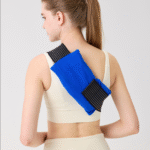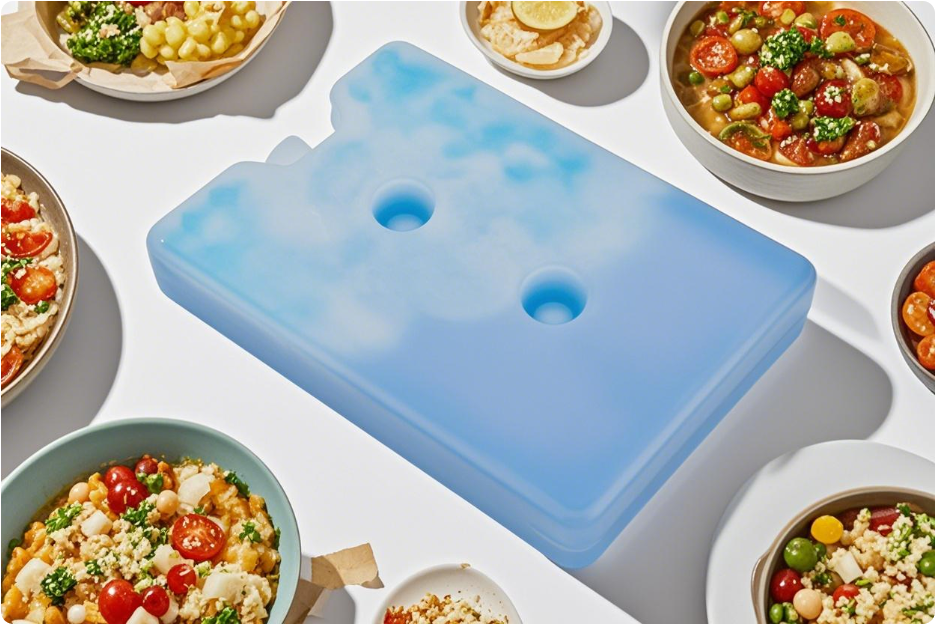
طوب جل الثلج لعمليات سلسلة التبريد القابلة لإعادة الاستخدام: دليل الاختيار العملي
An ice gel brick for reusable سلسلة التبريد operations is best understood as a reusable passive refrigerant used with an نظام التغليف المعزول. يمكن أن يساعد في الحفاظ على الظروف المبردة أو المجمدة المختارة عن طريق امتصاص الحرارة أثناء النقل, لكنها لا تخلق سلسلة تبريد كاملة في حد ذاتها. قابلة لإعادة الاستخدام تغليف السلسلة الباردة, يعتمد الطوب المناسب على نطاق درجة الحرارة المطلوبة, مدة الطريق, حساسية المنتج, العزل, عملية التكييف, وقدرة المشتري على تكرار عملية التعبئة.
القرار العملي هو مطابقة مادة التبريد مع المسار. لبنة تعمل بشكل جيد لحقائب توصيل الطعام, طرق الصيدلية, العينات المخبرية, طلبات البقالة, مجموعات الوجبات, صناديق المأكولات البحرية, شحنات اللحوم, وغيرها من البضائع ذات السلسلة الباردة المتكررة في حاوية واحدة قد تكون غير مناسبة في حاوية أخرى أو في محيط آخر. تعمل إعادة الاستخدام فقط عندما تتمكن العملية من التحكم في الإرجاع, تنظيف, تقتيش, إعادة التجميد, عدد المخزون, وإزالة الوحدة التالفة. لذلك يجب على المشترين تقييم النظام بالكامل بدلاً من الاعتماد على ادعاء عام مثل طويل الأمد, قابل لإعادة الاستخدام, أو غير سامة.
ابدأ بمتطلبات درجة الحرارة
السؤال الأول ليس حجم الطوب. هذا هو شرط درجة حرارة المنتج. بعض الشحنات تحتاج إلى حماية مبردة, يحتاج البعض إلى حماية مجمدة, ويجب على البعض تجنب التجميد. يمكن للطوب القابل لإعادة الاستخدام أن يقلل من هدر الوحدة في الممرات ذات الحلقة المغلقة, ولكنها تتطلب أيضًا انضباطًا في التشغيل ومخزونًا مجمدًا كافيًا لذروات الذروة اليومية. يجب على المشتري كتابة النطاق المستهدف, الحد الأقصى لمدة الشحن, التعرض المحيطي المتوقع, واستلام قاعدة القبول قبل اختيار الطوب. بدون هذه التفاصيل, يمكن للمورد أن يوصي فقط بمنتج عام.
للمنتجات الخاضعة للتنظيم أو ذات القيمة العالية, يجب أن تأتي متطلبات درجة الحرارة من مالك المنتج, فريق الجودة, أو إجراءات التشغيل القياسية اللوجستية المعمول بها. للطعام, يجب أن تتماشى مع برنامج سلامة وجودة المنتج. لمنتجات الرعاية الصحية, يجب أن يتوافق مع شروط التخزين الموضحة وأي متطلبات تأهيل. الطوب هو أداة تستخدم لدعم هذا المطلب; فهو ليس المطلب نفسه.
تحديد دور الطوب في النظام
يعد الطوب الهلامي الجليدي مكونًا واحدًا فقط في نظام السلسلة الباردة. يخزن الطوب الطاقة الباردة, الصندوق المعزول يبطئ اكتساب الحرارة, يتحكم تكوين التعبئة في الاتصال, وتوقيت التحكم في العملية. يمكن للطوب القابل لإعادة الاستخدام أن يقلل من هدر الوحدة في الممرات ذات الحلقة المغلقة, ولكنها تتطلب أيضًا انضباطًا في التشغيل ومخزونًا مجمدًا كافيًا لذروات الذروة اليومية. تعتمد النتيجة النهائية على درجة حرارة بدء الحمولة, مدة الطريق, التعرض المحيطي, الانضباط التحميل, تلقي التفتيش, وأي مراقبة لدرجة الحرارة تستخدم للشحنة.
في حزمة سلبية, كل جزء لديه وظيفة. يبدأ المنتج باردًا. يمتص الطوب الهلام الجليدي الحرارة. العزل يبطئ دخول الحرارة. تتحكم العبوة في مكان وضع الطاقة الباردة. المشغل يحد من وقت التدريج. يتحقق المتلقي من الحالة. إذا كان جزء واحد ضعيفا, الشحنة بأكملها في خطر. لهذا السبب لا ينبغي للمشتري تقييم الجليد الطوب هلام بشكل منفصل عن صندوق التبريد, بطانة رغوة, غطاء البليت, أو حقيبة معزولة.
التنسيب مهم بشكل خاص. يمكن للطوب العلوي أن يحمي من تعرض الغطاء وتجمع الهواء الدافئ بالقرب من الطبقة العليا. يمكن أن يقلل الطوب الجانبي من اكتساب حرارة الجدار. قد يساعد الوضع السفلي في بعض الأحمال الكثيفة ولكنه قد يؤدي أيضًا إلى حدوث ضغط أو خطر التجمد. يمكن أن تصبح الزوايا مناطق دافئة إذا لم تكن محمية. التعبئة الجيدة تعادل التبريد, حجم قابل للاستخدام, حماية المنتج, وسرعة العامل.
اختر التعبئة والقشرة الصحيحة
قد تكون الحشوة عبارة عن جل ذو أساس مائي, بي سي إم, أو صيغة التبريد الأخرى. غالبًا ما يتم اختيار حشوة الهلام للتعامل العملي وتقليل حركة السائل المتدفق الحر. يمكن اختيار تعبئة PCM عندما تحتاج الشحنة إلى سلوك أكثر تحديدًا لتغيير الطور. قد يكون الطوب المائي البسيط مناسبًا للعديد من التطبيقات الباردة العامة. لتغليف سلسلة التبريد القابلة لإعادة الاستخدام, يجب أن يعتمد الاختيار على درجة حرارة المنتج, حساسية التجميد, وطول المسار بدلاً من اسم المنتج وحده.
تحمي القشرة الحشوة وتحدد قدرًا كبيرًا من المتانة التشغيلية. يجب على المشترين النظر إلى نوع البلاستيك, سمك الجدار, تصميم الغطاء أو اللحام, قوة الزاوية, ونظافة السطح. في عمليات قابلة لإعادة الاستخدام, سيتم تجميد الطوب, التعامل معها, مكدسة, مغسول, عاد, وتجميدها مرة أخرى. يجب أن يتناسب مع الشاحن بعد التجميد ويجب ألا ينتفخ, كسر, أو تسرب خلال الدورات العادية. يجب اختبار العينات بعد الاستخدام المتكرر, ليس فقط عندما تكون جديدة.
قد يخزن الطوب الأثقل المزيد من طاقة التبريد, ولكنه قد يؤدي أيضًا إلى زيادة وزن الشحن وتقليل حجم الحمولة. قد يتناسب الطوب الرقيق مع الجدار بشكل أنيق, ولكنه قد لا يدعم المسارات الأطول. قد يكون الطوب الكبير فعالاً بالنسبة للحاويات السائبة وغير ملائم للطرود الصغيرة. الخيار الأفضل هو الذي يلبي متطلبات درجة الحرارة بأقل احتكاك تشغيلي.
إرشادات التطبيق لعمليات سلسلة التبريد القابلة لإعادة الاستخدام
لحقائب تسليم المواد الغذائية, طرق الصيدلية, العينات المخبرية, طلبات البقالة, مجموعات الوجبات, صناديق المأكولات البحرية, شحنات اللحوم, وغيرها من البضائع ذات السلسلة الباردة المتكررة, يجب أن تحمي العبوة المنتج دون خلق مخاطر جديدة. حساب الخدمات اللوجستية العكسية, سعة الفريزر, عمالة التنظيف, معدل الخسارة, تتبع الباركود أو التسمية, متانة القشرة, واتساق العينة إلى الإنتاج.. في الممارسة العملية, وهذا يعني اختبار الطوب بالحمولة الحقيقية, ليس مع صندوق فارغ. كثافة المنتج, شكل الكرتون, فجوات الهواء, والتعبئة الأولية كلها تغير منحنى درجة الحرارة. يتصرف الطوب الموضوع أمام كرتونة مجمدة كثيفة بشكل مختلف عن الطوب الموضوع بجوار كيس رقيق, زجاجة, أو صينية.
لا توافق على العبوات القابلة لإعادة الاستخدام دون تحديد الجهة التي سترجعها, يغسل, يتفقد, يتجمد, ويتتبع كل لبنة. يمكن لبنة هلام الجليد تحسين المسار, لكنها لا يمكن أن تحل محل التبريد المسبق, الصرف الصحي, تلقي الانضباط, أو قواعد التعامل الخاصة بالمنتج. إذا تغيرت العملية وزن الحمولة, الناقل, العزل, أو الموسم, يجب مراجعة الحزمة مرة أخرى. يمكن أن تؤدي التغييرات الصغيرة في المسار إلى تغيرات كبيرة في درجة الحرارة عندما يقترب التبريد السلبي من الحد الأقصى.
قارن الطوب مع المبردات الأخرى
يعتبر الثلج السائب بسيطًا وغير مكلف في بعض العمليات, ولكنها تخلق مياهًا ذائبة ويمكن أن تلحق الضرر بالتغليف. عبوات هلامية مرنة تناسب المساحات غير المنتظمة, ولكنها قد تكون أقل متانة في حالة إعادة الاستخدام المكثف. الثلج الجاف مفيد للمتطلبات شديدة البرودة, لكنه يتطلب معالجة دقيقة, تنفيس, وقبول الناقل لأنه يطلق غاز ثاني أكسيد الكربون. يوفر التبريد الميكانيكي تحكمًا نشطًا ولكنه ليس عمليًا لكل طرد صغير أو طريق قصير. طوب هلام الجليد يجلس في المنتصف: أنظف من الجليد السائب, غالبًا ما تكون أكثر متانة من العبوات المرنة, وأبسط من العديد من الأنظمة النشطة.
يجب إجراء هذه المقارنة مع المسار. إذا كان يجب أن يظل المنتج شديد البرودة, إن الطوب الهلامي الجليدي ليس بديلاً مباشرًا للثلج الجاف. إذا كان المنتج حساسًا للتجميد, قد يكون الطوب المجمد العادي عدوانيًا للغاية بدون فاصل أو PCM أكثر دفئًا. إذا لم يتم استرداد الحزمة, قد لا يحقق الطوب القابل لإعادة الاستخدام فوائد الاستدامة. إذا كان الصندوق المعزول ضعيفا, إضافة المزيد من الطوب قد لا يحل المشكلة.
إطار الاختيار العملي
يمكن للمشتري استخدام إطار بسيط. أولاً, تحديد نطاق درجة حرارة المنتج وحالة الاستلام المقبولة. ثانية, تحديد الطريق, بما في ذلك التدريج, عبور, وتأخير الاستلام. ثالث, اختر الحاوية المعزولة وقم بتقدير حجم الحمولة الصالحة للاستخدام بعد وضع المبردات. الرابع, حدد حجم الطوب, يملأ, والعد. الخامس, اختبار العبوة في ظل الظروف الأكثر خطورة. السادس, اكتب إجراءً تشغيليًا قياسيًا واضحًا للتكييف, التعبئة, يعود, تنظيف, والتفتيش.
يمنع هذا الإطار الأخطاء الشائعة. إنه يتجنب شراء الطوب الكبير جدًا بالنسبة للصندوق, بارد جدًا بالنسبة للمنتج, بطيء جدًا في التجميد, ثقيلة جدًا بالنسبة للعمال, أو هشة للغاية بحيث لا يمكن إعادة استخدامها. كما أنه يساعد الموردين على تقديم توصيات أكثر فائدة لأنه يمكنهم الاستجابة لظروف المسار بدلاً من التخمين من خلال اسم المنتج أو الفئة العامة.
أدوات اتخاذ القرار مفيدة
تحقق من التفاصيل قبل اختيار التغليف
يمكن أن تساعدك هذه الأدوات السريعة في مقارنة مخاطر المسار, احتياجات التحجيم, خيارات المبرد, وتفاصيل التعبئة والتغليف قبل أن تطلب عرض أسعار.
حاسبة الثلج الجاف
تقدير احتياجات الثلج الجاف للشحنات المجمدة أو شديدة البرودة قبل التعبئة.
تقدير الثلج الجافأداة اختيار العبوة
قارن بين خيارات التغليف المعزولة حسب المنتج, طريق, ودرجة الحرارة اللازمة.
البحث عن التعبئة والتغليفبطانة الصندوق & تحجيم غطاء البليت
تحقق من منطق تحديد حجم بطانة الصندوق وغطاء منصة التحميل لمشاريع التغليف المعزولة.
تقدير الحجمأسئلة الموردين قبل الطلب بالجملة
يجب أن يشمل الطلب بالجملة التقنية, التشغيلية, وأسئلة الجودة. اسأل عن الأبعاد الخارجية, الوزن المملوء, مادة القشرة, نوع التعبئة, تعليمات التكييف, كمية التغليف, إرشادات التنظيف, وتعليمات التخلص من الوحدة التالفة. اسأل ما إذا كان من الممكن تخصيص الطوب حسب الحجم, لون, منطقة التسمية, أو ملء درجة الحرارة إذا لزم الأمر. اسأل ما إذا كانت مجموعات الإنتاج تتطابق مع العينات وما إذا كان يتم الإبلاغ عن تغييرات المواد أو القالب.
لتغليف سلسلة التبريد القابلة لإعادة الاستخدام, يجب على المشترين أيضًا أن يسألوا عن متانة الدورة, معايير التفتيش, طريقة التنظيف, تتبع المخزون, وقدرة التجميد على التجديد. تكشف هذه الأسئلة ما إذا كان المورد يفهم التطبيق أم لا. لا يحتاج المورد الموثوق إلى الوعد بأن قالبًا واحدًا يعمل في كل طريق. بدلاً من, يجب على المورد شرح الاستخدام المقصود, القيود, وما يحتاج المشتري إلى اختباره.
قد تشمل التوثيق SDS, مواصفات المنتج, بيان مادي, معلومات التعامل غير السامة, الإقرارات المتعلقة بالأغذية عند الاقتضاء, تعليمات التعبئة, ودعم التحكم في التغيير. للرعاية الصحية أو بيئات الجودة الصارمة, قد تكون هناك حاجة إلى تأهيل إضافي للطريق وموافقة داخلية. لا تفترض أن صفحة المنتج أو العينة كافية للشحنات الحساسة للامتثال.
تشغيل الطوب يومًا بعد يوم
يعتمد النجاح اليومي على التكييف وتدفق المخزون. يجب فصل الطوب المجمد عن الطوب المرتجع. يجب أن تسمح رفوف الفريزر بتدوير الهواء. يجب أن تعرف فرق التعبئة الحد الأدنى لوقت التجميد والعدد الصحيح من الطوب لكل صندوق. يجب تنظيف الطوب المعاد, تفتيشها, وإعادة تجميدها قبل إعادة استخدامها. يجب إزالة الطوب التالف من الخدمة على الفور.
الاستلام مهم أيضًا. يجب أن يعرف الفريق المتلقي ما إذا كان سيعيد الطوب أم لا, التخلص منه, فحصها, أو سجل حالة الشحن. في برنامج حلقة مغلقة, كل لبنة مفقودة تقلل من الاستدامة وترفع التكلفة. في برنامج كبير الحجم, يمكن أن تمنع تسميات الطريق البسيطة أو الترميز اللوني خلط أنواع مختلفة من الطوب. في برنامج منظم, قد يكون استلام الشيكات جزءًا من سجل الجودة.
الاستدامة دون الغسل الأخضر
يمكن لطوب هلام الثلج القابل لإعادة الاستخدام أن يدعم لوجستيات سلسلة التبريد منخفضة النفايات, ولكن فقط عندما تكون إعادة الاستخدام حقيقية. تتحسن حالة الاستدامة عندما يتمكن الشاحن من استعادة الطوب, تنظيفها بكفاءة, إبقاء معدلات الخسارة منخفضة, واستخدامها لعدة دورات. يضعف عندما يتم شحن الطوب في اتجاه واحد, تم التخلص منها, أو يتم استبدالها بشكل متكرر بسبب التلف. يجب على المنتج أيضًا حماية الحمولة; يعد تجنب تلف المنتج أحد أهم الفوائد البيئية والاقتصادية للتغليف الجيد لسلسلة التبريد.
يجب على المشترين تحديد مطالبات الاستدامة من الناحية التشغيلية. قابلة لإعادة الاستخدام تعني أنه من المتوقع أن يعود الطوب. إن المواد القابلة لإعادة التدوير تعني أن المواد المنتهية الصلاحية يمكن أن تدخل في مسار إعادة التدوير المناسب حيثما كان ذلك متاحًا. غير سامة تعني أن التعبئة مخصصة للتعامل بشكل أكثر أمانًا في ظل الظروف المذكورة, لا يعني ذلك أنها صالحة للأكل أو مناسبة لكل استخدام. يجب أن تكون صديقة للبيئة مدعومة بشرح محدد, ليست تسمية غامضة.
متى يجب إعادة النظر في التصميم
القيد الرئيسي هو أن الطوب المتجمد لا يخلق تبريدًا غير محدود. فهو يمتص الحرارة حتى تنفد سعة التبريد المخزنة فيه. ولا يكفي أن يتم إرسال الطوب إلى طرق الطرود ذات الاتجاه الواحد دون وجود مسار استرداد واقعي. كما أنه لا يستطيع تصحيح المنتج الدافئ, أغطية مفتوحة, تأخر التسليم, عزل مفقود, أو فريق تعبئة غير مدرب. للمنتجات الخاضعة للتنظيم أو ذات القيمة العالية, ينبغي مراجعة تكوين الشاحن الكامل من خلال الجودة, الخدمات اللوجستية, أو فريق التعبئة والتغليف قبل الاستخدام الروتيني.
أعد النظر في التصميم إذا وصلت الشحنات دافئة, إذا أظهرت المنتجات ضررًا بالتجميد, إذا قام العمال بتغيير العبوة لتوفير الوقت, إذا لم يتم تكييف الطوب بشكل كامل, أو إذا كانت العوائد منخفضة جدًا بحيث لا تتناسب مع اقتصاديات إعادة الاستخدام. قم أيضًا بمراجعة التصميم عند تغير الفصول, تتغير الناقلات, تغيرات وزن الحمولة, أو تضيف الشركة فئة منتج جديدة. التغليف السلبي حساس للتفاصيل التشغيلية.
الوجبات الجاهزة للمشتري النهائي
إن قالب جل الثلج المناسب لعمليات سلسلة التبريد القابلة لإعادة الاستخدام هو الذي يناسب عملية سلسلة التبريد الكاملة. يجب أن يكون لديه التعبئة الصحيحة, كتلة, قوة القشرة, متطلبات التكييف, وشكل الحمولة والطريق. ويجب أن تكون مدعومة بمعلومات عملية عن المورد ويتم التحقق منها في العبوة الفعلية. عندما تتم محاذاة هذه القطع, يمكن أن يكون الطوب موثوقًا به, قابل لإعادة الاستخدام, ومصدر بارد يمكن التحكم فيه لتغليف سلسلة التبريد القابلة لإعادة الاستخدام.
التعليمات
كم مرة يمكن إعادة استخدام قالب جل الثلج؟?
ذلك يعتمد على المواد, التعامل, تنظيف, ومعدل الضرر. اسأل المورد عن توقعات المتانة ومعايير الفحص.
ما الذي يجعل إعادة الاستخدام ناجحة?
حلقة العودة التي تسيطر عليها, ملكية واضحة, إجراءات التشغيل القياسية للتنظيف, وسعة الفريزر الكافية تجعل إعادة الاستخدام عملية.
هل يمكن أن يذهب الطوب القابل لإعادة الاستخدام إلى المستهلكين؟?
يمكنهم ذلك, لكن التعافي يكون أصعب ما لم يكن لدى العلامة التجارية وديعة, يلتقط, أو برنامج العودة.
كيف ينبغي للمشترين التحقق من صحة حزمة الطوب الجليدي الجديدة؟?
ابدأ بالحمولة المقصودة, مدة الطريق, ملف تعريف المحيط, وحاوية معزولة. قم بتعبئة الطوب تمامًا كما سيستخدمه العمال, وضع أجهزة مراقبة درجة الحرارة في أماكن ذات معنى, واختبار المسار الأكثر خطورة قبل توسيع نطاق التكوين.
حول Tempk
Tempk, تديرها شركة شنغهاي تيمبك الصناعية., المحدود., يركز على التعبئة والتغليف سلسلة التبريد ل النقل الذي يتم التحكم في درجة حرارته. نحن نقدم عبوات جل الثلج, الطوب الجليد الفريزر, حزم على غرار الثلج الجاف, أكياس معزولة, إي بي بي و صناديق الشحن الباردة, بطانات الصندوق المعزولة, أغطية البليت, ومواد التعبئة والتغليف ذات الصلة للأغذية, الأدوية, والشحنات الحساسة لدرجة الحرارة. لمشاريع الطوب هلام الجليد, مراكز الدعم لدينا هي مطابقة تنسيق المبرد, العزل, طريقة التعبئة, ومتطلبات الطلب بالجملة على المسار والحمولة.
احصل على نصائح حول التغليف
شارك نطاق درجة الحرارة المطلوبة, مدة الشحن, حجم الحمولة, وطريق المناولة للحصول على نصيحة عملية بشأن التغليف أو توصية بتركيب قوالب ثلج كبيرة الحجم.