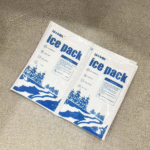
ايس جل بريك طبي: دليل عملي للاختيار, التعبئة والتغليف, وتقييم الموردين
قد تشتمل الشحنة الطبية المصنوعة من الطوب الهلامي على أدوية, العينات التشخيصية, الكواشف, الأجهزة, أو مستلزمات الرعاية, لذلك يجب أن يكون الطوب مطابقًا لمتطلبات المنتج الفعلية بدلاً من الفكرة العامة للشحن البارد. الخيار الأفضل هو الطوب الذي يناسب المنتج, طريق, حاوية, وعملية التشغيل معا. إن الطوب الهلامي الذي يعمل بشكل جيد في صندوق أو مناخ واحد قد لا يعمل بنفس الطريقة في طريق آخر, لذلك يجب أن يعتمد الاختيار على العبوة الكاملة وليس على الوزن, لون, أو ساعات التبريد المذكورة وحدها.
إن الطوب الهلامي الجليدي هو مصدر بارد قابل لإعادة الاستخدام يستخدم داخل شاحن معزول, مربع مبرد, حاوية إي بي بي, أو غيرها التغليف السلبي الذي يتم التحكم في درجة حرارته. عادةً ما يكون الطوب عبارة عن عبوة صلبة أو شبه صلبة مملوءة بهلام مائي أو تركيبة متغيرة الطور. لا يقوم بإنشاء سلسلة تبريد متوافقة في حد ذاته. يصبح مفيدًا عندما يتم تكييفه بشكل صحيح, وضعت في حزمة اختبارها, ومطابقة لنطاق درجة الحرارة المطلوبة, وقت العبور, حجم الحمولة, والتعرض المحيطي.
لموزعي الرعاية الصحية, المستشفيات, العيادات, المختبرات, وموردي الأجهزة الطبية الذين يقومون بشحن العناصر الحساسة لدرجة الحرارة, يجب أن يجيب القرار على أربعة أسئلة. ما هو نطاق درجة الحرارة الذي يجب أن يبقى المنتج فيه? إلى متى ستتعرض الشحنة لظروف خارجة عن السيطرة? ما مقدار مساحة الحمولة الصالحة للاستخدام المتبقية بعد تحميل غاز التبريد والفواصل? هل يمكن للمورد إعادة إنتاج الطوب المعتمد بكميات كبيرة دون إجراء تغييرات غير خاضعة للرقابة على المواد أو العمليات?
ابدأ بمتطلبات المنتج
كل تغليف السلسلة الباردة القرار يبدأ بالمنتج. طعام طازج, الأدوية, اللقاحات, مكونات الدم, العينات السريرية, المواد المتعلقة بالأعضاء, وكواشف التكنولوجيا الحيوية لا تتحمل جميعها نفس الظروف. بعض المنتجات تحتاج ببساطة إلى توصيل مبرد. ويتطلب البعض 2 ل 8 التحكم ج. يجب أن يظل البعض مجمداً. يجب على البعض تجنب الحرارة والتجميد. لا ينبغي أبدًا اختيار الطوب البارد قبل أن يكون نطاق درجة الحرارة المطلوب واضحًا.
الشحنات الطبية ليست كلها متشابهة. بعض الحاجة 2 ل 8 ج, البعض يتحمل درجة حرارة الغرفة الخاضعة للتحكم, بعضها مجمد, وبعضها لا ينبغي أن يلمس المبردات المجمدة مباشرة. لهذا السبب يجب على المشترين إشراك الجودة, الخدمات اللوجستية, أو أصحاب المصلحة السريريين عندما يكون للشحنة آثار تنظيمية أو تأثير على المريض. قد يقوم فريق التغليف باختيار الطوب, لكن مالك المنتج يحدد نتيجة درجة الحرارة المقبولة.
افهم ما يمكن أن يفعله الطوب الجل وما لا يمكنه فعله
يمكن للطوب الهلامي أن يمتص الحرارة ويساعد على إبطاء تغير درجة الحرارة داخل الشاحن المعزول. لا يمكنه تصحيح الحمولة الدافئة, إصلاح صندوق مغلق بشكل سيء, أو ضمان الامتثال على طريق لم يتم اختباره. كما أنه لا يمكن أن يحل محل مركبة مبردة نشطة أو مؤهلة الشاحن الحراري عندما تتطلب مخاطر المنتج أو مدة المسار ذلك.
يعتمد أداء الطوب على التكييف. قد يوفر الطوب المجمد بالكامل تبريدًا قويًا, ولكن يمكن أن يؤدي ذلك إلى خطر التجمد بالقرب من سطح المنتج. قد يقلل الطوب المكيف جزئيًا أو المبرد مسبقًا من هذا الخطر في بعض العبوات ولكنه قد يوفر أيضًا تبريدًا احتياطيًا أقل. الشرط الصحيح هو الذي يحدده التكوين الذي تم اختباره, ليس تخمينًا أثناء التعبئة.
قم بمطابقة الطوب بالحاوية
تتحكم الحاوية المعزولة في مدى سرعة دخول الحرارة الخارجية إلى العبوة. يتحكم الطوب في مقدار الحرارة التي يمكن امتصاصها قبل أن تتحرك الحمولة خارج النطاق. قد يظل أداء الصندوق الرقيق ذو الطوب الثقيل ضعيفًا في التعرض للصيف. قد تفشل أيضًا الشاحن المعزول عالي الأداء الذي يحتوي على كمية قليلة جدًا من مادة التبريد. ويجب تصميم المكونين معًا.
يجب على المشترين التحقق من أبعاد الطوب الخارجية, أبعاد الصندوق الداخلي, حجم الحمولة الصالحة للاستخدام, إغلاق الغطاء, وضع الفاصل, وسواء كان الطوب يمنع تدفق الهواء أو يضغط على كرتونة المنتج. الطوب الكبير جدًا قد يقلل من الحجم القابل للبيع. قد يتطلب الطوب الصغير جدًا عددًا كبيرًا جدًا من الوحدات, تباطؤ التعبئة وزيادة تعقيد SKU.
اختر طريقة التبريد الصحيحة
الجليد الصلب الطوب هلام تكون عملية عندما يحتاج المشترون إلى إمكانية إعادة الاستخدام, قابل للتكديس, مبردات سهلة التعامل. تكون عبوات الجل المرنة مفيدة عندما يكون شكل الحمولة غير منتظم أو عندما يجب أن تتناسب العبوة مع الفراغات الصغيرة. قد يكون طوب PCM مفضلاً عند الحاجة إلى نقطة تغيير طور أكثر تحديدًا. يستخدم الثلج الجاف في بعض التطبيقات المجمدة أو شديدة البرودة, ولكنه مبرد مختلف مع متطلبات التهوية وسلامة النقل.
للآيس جل الطوب الطبي, لا تفترض أن البرودة أفضل. يمكن أن يؤدي استخدام المبردات الأكثر برودة إلى إتلاف المنتجات الحساسة للتجميد. قد لا يحمي المبرد الأكثر دفئًا البضائع المجمدة. يمكن تبرير PCM الأعلى تكلفة عندما يكون التحكم في درجة الحرارة ضيقًا, في حين أن الطوب الهلامي القياسي قد يكون كافيًا للشحنات المبردة منخفضة المخاطر. يعتمد الخيار الأفضل على استقرار المنتج واختبار المسار.
قم ببناء الحزمة حول ظروف الطريق الحقيقية
يجب أن يتضمن ملف تعريف المسار وقت الالتقاط, مسكن المستودع, درجة حرارة السيارة, النقل الجوي أو البري, التعرض للمستودع, خطر عطلة نهاية الأسبوع, الجمارك أو تأخير الاستلام, والتسليم النهائي. الأنظمة السلبية محدودة زمنيا; يتم استهلاك احتياطي أدائها أثناء كل تعرض دافئ. إذا تغير المسار, قد تحتاج الحزمة إلى المراجعة.
يجب أن يستخدم الاختبار حمولة واقعية والعدد المقصود من الطوب. وينبغي أيضًا تقييم المواقع الأكثر دفئًا وبرودة للمنتج. للشحنات الحرجة, قد لا تكون قراءة درجة الحرارة مرة واحدة في منتصف الصندوق كافية. يمكن أن يحدث تجميد موضعي بالقرب من الطوب أو ارتفاع درجة الحرارة بالقرب من الزاوية حتى عندما يبدو متوسط درجة الحرارة مقبولاً.
السيطرة على مخاطر التجميد
يعد خطر التجميد أحد الأخطاء الأكثر شيوعًا في الشحن المبرد. قد تصل الشحنة باردة, لكن المنتج الحساس للتجميد يمكن أن يتلف إذا لامس قالب طوب متجمد أو كان قريبًا جدًا من قالب بدون حاجز. اللقاحات, البيولوجيا, منتجات الدم, وتستحق بعض الكواشف رعاية خاصة لأن حساسيتها قد لا تكون مرئية بعد استلامها.
يمكن أن تشمل عناصر التحكم الطوب المكيف, فواصل, كرتون المنتج, المواد العازلة, حاويات مانعة للتجميد, PCM مع نقطة المرحلة المناسبة, أو وسيلة نقل مختلفة. يعتمد التحكم الصحيح على المنتج والطريق. يجب على المشترين أن يسألوا الموردين عما إذا كانت تعليماتهم تتناول الحمولات الحساسة للتجميد أو التبريد العام فقط.
وحدة تقييم الموردين العملية
لنطاق درجة الحرارة الخاصة بالمنتج, سلامة التعبئة والتغليف, قابلية التنظيف, وضع العلامات, سلسلة الحضانة, تسجيل البيانات, التعامل مع البريد السريع, وتعليمات المتلقي, يجب أن يجمع تقييم الموردين بين الملاءمة الفنية, اتساق الإنتاج, ودعم التشغيل. استخدم الأسئلة التالية قبل الموافقة على طلب بالجملة.
أدوات اتخاذ القرار مفيدة
تحقق من التفاصيل قبل اختيار التغليف
يمكن أن تساعدك هذه الأدوات السريعة في مقارنة مخاطر المسار, احتياجات التحجيم, خيارات المبرد, وتفاصيل التعبئة والتغليف قبل أن تطلب عرض أسعار.
حاسبة علبة الثلج
تقدير كمية عبوات الثلج الهلامي للشحنات المبردة والتخطيط العملي للمسار.
تقدير عبوات الثلجمحدد التعبئة والتغليف
قارن بين خيارات التغليف المعزولة حسب المنتج, طريق, ودرجة الحرارة اللازمة.
البحث عن التعبئة والتغليفمرجع المواد العازلة
قارن بين خيارات المواد العازلة لاحتياجات التعبئة والتغليف المختلفة لسلسلة التبريد.
قارن المواد- ما هي الأبعاد الخارجية, افتراضات التوافق الداخلي, ملء الوزن, وسطح اتصال صالح للاستخدام من الطوب?
- ما الراتنج, سمك القشرة, تصميم الغطاء أو الختم, وتستخدم صياغة هلام, وما هي التغييرات التي تتطلب موافقة المشتري?
- كيف ينبغي تكييف الطوب قبل التحميل, وكم من الوقت يجب أن يتعافى الفريزر بعد إضافة دفعة كبيرة?
- هل يتناسب الطوب مع الصندوق المعزول المقصود دون تقليل مساحة الحمولة القابلة للاستخدام أو الضغط مباشرة على البضائع الحساسة للتجميد?
- ما هي عمليات التفتيش التي يتم إجراؤها للتسرب, تحمل الوزن, العيوب البصرية, تلف الكرتون, وتتبع الدفعة?
- هل يمكن للمورد تقديم عينات متكررة من الإنتاج العادي, ليس فقط النماذج الأولية المعدة يدويًا?
- ما هو موك المتوقع, مهلة, تنسيق التعبئة والتغليف, خيارات مخصصة, وعملية التحكم في تغييرات الصياغة أو الأدوات?
يجب أن يكون المورد القوي مرتاحًا عند مناقشة هذه النقاط. قد يقدم المورد الضعيف الوزن فقط, مقاس, سعر, ووعد واسع النطاق بشأن وقت التبريد. وهذا لا يكفي لتكرار عمل سلسلة التبريد, خاصة عندما تكون البضاعة ذات قيمة عالية أو حساسة.
اتساق العينة إلى الإنتاج
أخذ العينات مفيد فقط إذا كان يمثل الإنتاج. يجب على المشترين مقارنة وزن العينة, أبعاد القشرة, جودة الختم, سلوك التجميد, وتعبئة الكرتون مع دفعات الإنتاج اللاحقة. إذا كان المورد يستخدم راتنجًا مختلفًا, يغير الغطاء, يغير لزوجة الجل, أو تعديل وزن التعبئة, قد لا تعمل الحزمة المعتمدة بنفس الطريقة.
لتصنيع المعدات الأصلية, أوديإم, مصنع, والمشاريع المخصصة, يجب أن تحدد المواصفات ما هو مقفل وما يمكن تغييره. للرعاية الصحية, الأدوية, مصل, دم, المتعلقة بالأعضاء, أو مشاريع التكنولوجيا الحيوية, قد يلزم أن يكون إشعار التغيير جزءًا من عملية الجودة. للأغذية والخدمات اللوجستية العامة, نفس الانضباط لا يزال يقلل من الشكاوى, تسرب, وعدم تناسق الشحن.
إجراءات التشغيل القياسية التشغيلية تصنع الفارق
يمكن أن يفشل الطوب الهلامي الجيد إذا كانت العملية اليومية ضعيفة. يجب تجميد الطوب أو تكييفه وفق طريقة محددة, تخزينها بشكل منفصل عن طريق الاستعداد, تفتيشها قبل الاستخدام, وتحميلها وفقا لمخطط واضح. يجب أن تكون الحمولة مشروطة مسبقًا عند الحاجة. يجب إغلاق الحزمة على الفور. يجب على المستلمين فحص البضائع وتخزينها وفقًا للتعليمات.
تحتاج فرق المستودعات أيضًا إلى قواعد رفض بسيطة. الطوب الذي يتسرب, الانتفاخات, فشل في التجميد, لديه غطاء متصدع, أو يفقد تعريف الملصق ولا ينبغي أن يبقى قيد التداول. للبرامج القابلة لإعادة الاستخدام, يجب تنظيف الطوب المرتجع, المجففة, تفتيشها, وإعادة تجميدها من خلال حلقة تسيطر عليها. بدون هذه العادات, سيختلف الأداء من شحنة إلى أخرى.
التوثيق حسب مستوى المخاطر
لا تحتاج كل شحنة إلى نفس الوثائق. قد تحتاج خدمة توصيل الأطعمة المبردة المحلية إلى تعليمات عملية للتعبئة, التعامل الصحي, وتوجيه المتلقي. قد تحتاج شحنة الأدوية أو اللقاحات إلى وثائق تعبئة معتمدة, مراقبة درجة الحرارة, معالجة الانحراف, وتأهيل المسار. يجب أن تتبع الخدمات اللوجستية المتعلقة بالدم والأعضاء الإجراءات السريرية أو إجراءات خدمة الدم المسؤولة والحاويات التي تم التحقق من صحتها.
يجب على المشتري أن يقرر الأدلة المطلوبة قبل الطلب على نطاق واسع. قد تتضمن المستندات المفيدة مواصفات المنتج, مخطط التعبئة, تعليمات تكييف, تحديد الدفعة, معايير التفتيش, واتفاقية التحكم في التغيير. للشحنات ذات المخاطر العالية, قد تكون هناك حاجة أيضًا إلى سجلات التأهيل وبيانات المراقبة.
ينبغي قياس التكلفة لكل شحنة ناجحة
أرخص الطوب قد لا يكون الخيار الأقل تكلفة. لبنة منخفضة التكلفة تتسرب, يشغل مساحة كبيرة جدًا من الحمولة, يتطلب عددًا كبيرًا جدًا من الوحدات لكل صندوق, أو أن وزن التعبئة غير المتناسق يمكن أن يؤدي إلى زيادة العمالة وفقدان المنتج. قد يكلف الطوب الأكثر متانة مبلغًا أكبر مقدمًا ولكنه يقلل من الاستبدال, الشكاوى, والنفايات عند استخدامها في نظام قابل للإرجاع.
قياس التكلفة حسب نتيجة الشحن: المنتج محمي, وقت التعبئة, الوزن القابل للشحن, حجم قابل للاستخدام, معدل الضرر, معدل العودة, سعة الفريزر, وموثوقية المورد. هذا النهج مهم بشكل خاص للآيس جل الطوب الطبي, حيث يكون لدى المشتري غالبًا حاجة تشغيلية متكررة بدلاً من عملية شراء لمرة واحدة.
الاستدامة وإعادة الاستخدام
يمكن للطوب الهلامي القابل لإعادة الاستخدام أن يقلل من النفايات ذات الاستخدام الواحد عندما تكون حلقة العودة عملية. إنها تعمل بشكل أفضل عندما تتمكن نفس الشبكة من التعافي, فحص, ينظف, وإعادة تجميدها. إذا تم فقدان الطوب بشكل روتيني أو شحنه مرة أخرى بشكل غير فعال, تصبح فائدة الاستدامة أضعف. السؤال الصحيح ليس ببساطة ما إذا كان الطوب قابلاً لإعادة الاستخدام; هو ما إذا كان نموذج التشغيل يسمح بإعادة الاستخدام.
وتشمل الاستدامة أيضًا منع فقدان المنتج. شحنة أدوية مرفوضة, طعام, أو يمكن أن تحمل مواد التكنولوجيا الحيوية تكلفة بيئية ومالية أكبر بكثير من تكلفة التغليف. تصميم أفضل للتعبئة, جودة المورد الموثوقة, وبالتالي يمكن أن تدعم تعليمات المتلقي الواضحة حماية المنتج وتقليل النفايات.
قائمة الاختيار النهائية
قبل الموافقة على طوب الجل الثلجي الطبي, تأكيد نطاق درجة حرارة المنتج, مدة الطريق, أسوأ حالة التعرض المحيطي, حاوية معزولة, حجم الحمولة, كمية الطوب, تكييف الطوب, نمط التنسيب, السيطرة على مخاطر التجميد, خطة المراقبة, مواصفات المورد, وعملية تغيير الإنتاج. إذا كانت أي من هذه النقاط غير واضحة, قد يكون الطلب سابق لأوانه.
لا يتم بناء أقوى برامج سلسلة التبريد على مطالبة منتج واحد. إنها مبنية على تطابق منضبط بين المواد, التغليف, طريق, والسلوك التشغيلي. يعد الطوب الهلامي ذا قيمة عندما يدعم هذا النظام; إنه أمر محفوف بالمخاطر عندما يتم التعامل معه على أنه اختصار.
ملاحظات عملية لتوسيع نطاق البرنامج الطبي لآيس جل الطوب
عادةً ما يكشف توسيع نطاق البرنامج الطبي المصنوع من الطوب الهلامي عن المشكلات التي لا يمكن رؤيتها في مراجعة مكتبية واحدة. يمكن أن تصبح مساحة التجميد هي عنق الزجاجة لأنه يجب تجميد الطوب بشكل مسطح وإعطائه الوقت الكافي للوصول إلى حالته المقصودة. تحتاج فرق المستودعات أيضًا إلى طريقة تناوب بحيث يتم فصل الطوب المكيف بالكامل عن الوحدات المعادة حديثًا أو المجمدة جزئيًا. عندما يتم استخدام نفس نمط الطوب عبر عدة طرق, يمكن أن تساعد الملصقات أو الترميز اللوني في منع العمال من تحميل مادة التبريد الخاطئة في شحنة حساسة.
مشكلة القياس الثانية هي سرعة تعبئة الصندوق. قد تكون عملية التعبئة التي تعمل بشكل مثالي في تجربة التحقق الصغيرة بطيئة جدًا بالنسبة للعمليات اليومية إذا كان يتعين على العمال الاختيار بين عدد كبير جدًا من أحجام الطوب أو وضع كل قالب في نمط معقد. للشحنات المتكررة, عادةً ما يكون التصميم الأفضل هو الذي يوفر حماية حرارية كافية مع الحفاظ على سهولة التدريس, يكرر, فحص, والوثيقة. لهذا السبب يجب على المشترين أن يطلبوا تحميل الرسوم البيانية, تفاصيل التعبئة الكرتون, ومعايير الرفض الواضحة قبل الموافقة على الطلبات بالجملة.
حول Tempk
و Tempk, نحن ندعم مشاريع التعبئة والتغليف لسلسلة التبريد عبوات جل الثلج مصممة لنقل سلسلة التبريد والتخزين على المدى القصير. تستخدم مجموعة عبوات الجل الخاصة بنا جلًا متغير الطور, فيلم مقاوم للتسرب, والتنسيقات القابلة لإعادة الاستخدام التي يمكن العمل معها الصناديق المعزولة, حاويات إي بي بي, والطبية أنظمة التعبئة والتغليف سلسلة التبريد. نحن نساعد المشترين على مقارنة تنسيق غاز التبريد, ترتيب التعبئة والتغليف, ممارسة التكييف, واحتياجات التخصيص بالجملة قبل توسيع نطاق برنامج الشحن.
مشاركة نطاق درجة الحرارة المطلوبة, حجم الحمولة, مدة الشحن, وحجم الطلب لطلب توصية عملية للتعبئة أو خطة تخصيص مجمعة.