الشركة المصنعة لحزمة جل البوليمر فائقة الامتصاص ومقرها الهند: إطار الشراء العملي
مقدمة
مشتري يبحث عن بوليمر فائق الامتصاص في الهند الشركة المصنعة لحزمة هلام يحتاج عادة إلى أكثر من كمادة باردة. الهدف هو تأمين تنسيق المبرد الذي يناسب المسار, يحمي المنتج, ويمكن توفيره بنفس الجودة في كل مرة. هذا يبدو بسيطا, لكن الاختيار الصحيح يعتمد على نطاق درجة الحرارة, طريقة التكييف, هندسة الحزمة, سلوك التكثيف, وكيف يتم بناء الشاحن الخارجي حول الحمولة.
بعبارة أخرى, الطريقة الذكية لمقارنة منتجات عبوات هلام البوليمر فائقة الامتصاص هي معاملتها كجزء من نظام الشحن. بمجرد إلقاء نظرة على المنتج بهذه الطريقة, الأسئلة الرئيسية تصبح أكثر وضوحا: ما هو سلوك درجة الحرارة الذي تحتاجه, ما هو التنسيق الذي يناسب الحزمة, ما هي المخاطر التشغيلية الأكثر أهمية, وأي مورد يمكنه الحفاظ على ثبات العينة المعتمدة على الدفعات المستقبلية.
ما يعنيه المشترون عادةً بهذا المنتج
تعمل عبوة جل البوليمر فائقة الامتصاص على وضع كيمياء الهلام نفسها بالقرب من مركز قرار الشراء. تستخدم العديد من تركيبات الجل ذات الأساس المائي البوليمرات مثل بولي أكريلات الصوديوم لتثبيت الماء وإنشاء كتلة مقاومة للتسرب مع خصائص معالجة أفضل من السائل السائب وحده. من منظور المشتريات, الأسئلة المهمة ليست فقط ما هو اسم البوليمر, ولكن مدى ثبات خلط الجل, مملوء, ومختومة على نطاق الإنتاج. يجب أن تبدو حزمة SAP الجيدة وكأنها منتج خاضع للرقابة, ليس مجرد كيس من الماء مع مثخن.
عبر حالات الاستخدام العامة لسلسلة التبريد, الغرض الحقيقي من سائل التبريد الهلامي هو إبطاء ارتفاع درجة الحرارة أو تثبيت العبوة خلال جزء محدد من المسار. فهو يساعد على امتصاص الحمل الحراري أثناء انتظار الشحنة على الرصيف, يتحرك من خلال محور الطرود, أو يجلس عند المرسل إليه لفترة قصيرة. يبدو ذلك بسيطًا, لكن الأداء يرتبط دائمًا بالشاحن الخارجي, كمية العزل, درجة حرارة المنتج البداية, وطريقة وضع العبوة حول الحمولة.
بسبب ذلك, نادرًا ما يشتري المشترون ذوو الخبرة بالوزن الاسمي وحده. يريدون أن يعرفوا مما تتكون العبوة, كيف ينبغي أن تكون مشروطة, ما هي درجات الحرارة التي من المفترض أن تدعمها, وما إذا كان بإمكان المورد تكرار نفس التعبئة, ختم, والأبعاد في كل مرة. الحزمة عبارة عن بند واحد فقط في قائمة المواد, ولكنه يحدد غالبًا ما إذا كان باقي النظام يعمل كما هو متوقع.
خيارات التصميم التي تغير النتائج
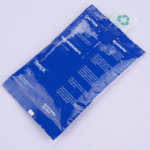
يتم تصنيع معظم المبردات الهلامية حول بنية مألوفة: فيلم مرن أو كيس مصفح مملوء بالماء ونظام تشكيل الهلام الذي يثبت السائل في مكانه. في السوق العمومي, غالبًا ما يعتمد نظام التبلور على مواد مثل بولي أكريلات الصوديوم أو المكثفات المشتقة من السليلوز, في حين أن الحقيبة الخارجية قد تستخدم البولي إيثيلين وحده أو صفائح أقوى مثل PA/PE لتحسين مقاومة الثقب. ما يهم المشترين ليس اسم الكيمياء في حد ذاته, ولكن الطريقة التي تتصرف بها الصيغة بعد التكييف, بعد التعامل المتكرر, وبعد ضغط العبوة على زوايا المنتج داخل الكرتون.
تُظهر نطاقات المنتجات العامة أيضًا أن عائلة واحدة من عبوات الجل لا تغطي جميع احتياجات درجات الحرارة. تم تصميم بعضها حول الخدمة المبردة بالقرب من 0 درجة مئوية, يستخدم البعض تركيبات ذات درجة حرارة منخفضة للتوزيع المجمد, ويتم ضبط بعض متغيرات تغيير الطور على نطاقات أضيق مثل 3 درجات مئوية, 5درجة مئوية, 7درجة مئوية, أو نطاقات أكثر دفئا تسيطر عليها. هذا مهم لأن العبوة الباردة ليست حزمة أفضل تلقائيًا. للمنتجات الحساسة للتجميد, قد يكون المبرد ضيق النطاق أكثر أمانًا من هلام الماء المتجمد, في حين أن الأطعمة المجمدة قد تحتاج إلى شيء أكثر برودة بكثير مما يمكن أن يوفره الجل المبرد القياسي.
نطاقات الحجم في السوق واسعة بنفس القدر. العبوات الصغيرة يمكن أن تكون فقط بضعة أوقيات, بينما تمتد تنسيقات الشحن الأكبر حجمًا إلى الفوط الثقيلة, أكياس كبيرة, أو حزم فئة 80 أوقية وما بعدها. الحجم الاسمي, لكن, ليس سوى جزء من القصة. شكل, توزيع التعبئة, والاتساق من وحدة إلى وحدة كلها تؤثر على كيفية ملاءمة مادة التبريد للكرتون وكيفية استخدام المشغلين له في الميدان. قد يكون أداء العبوة التي يبلغ وزنها 16 أونصة والتي يتم التحكم فيها جيدًا أفضل من الناحية العملية من العبوة الأكبر اسميًا والتي تختلف كثيرًا في السمك أو موضع التعبئة.
لا يحتاج المشتري إلى درجة علمية في الكيمياء لاستخدام هذه المعلومات بشكل جيد. الوجبات الجاهزة العملية بسيطة: اسأل المورد عن نطاق درجة الحرارة المخصص للعبوة, كيف ينبغي أن تكون مشروطة, وما إذا كان سيتم الحفاظ على نفس نظام الغشاء والتعبئة بمجرد انتقال الطلب من العينات إلى الإنتاج.
يعتمد الأداء الحراري على العبوة بأكملها. يمكن أن تكون القواعد العامة التقريبية مفيدة للتقدير المبكر, لكن لا ينبغي أبدًا أن تحل محل التقييم القائم على المسار. نفس حمولة غاز التبريد يمكن أن تتصرف بشكل مختلف تمامًا اعتمادًا على حجم الكرتون, سمك العزل, كتلة الحمولة, درجات حرارة البداية, ونمط التعرض المحيط من خلال الطريق. حتى موقع العبوة داخل الصندوق مهم, لأن التحميل العلوي, التحميل الجانبي, والوضع الملتف يغير مسار الحرارة وخطر الاتصال البارد المباشر.
يعد الاحتفاظ بالوقت على الورق أقل أهمية من ملف تعريف المسار الحقيقي. يمكن أن تكون الممرات القصيرة ذات التعرض المتكرر للإرساء أصعب من الممرات الأطول التي تظل داخل شبكة خاضعة للتحكم. طريقة التكييف مهمة لأن العبوة صلبة مجمدة, نصف مكيفة, أو المبردة إلى درجة حرارة مستهدفة ضيقة سوف تتصرف بشكل مختلف تمامًا في نفس الكرتون. هندسة الحزمة مهمة أيضًا. الفجوات, اتصال مباشر, ويمكن أن يؤدي موضع مادة التبريد حول الحمولة إلى تغيير توزيع درجة الحرارة والتكثيف.
حيث يناسب وأين لا
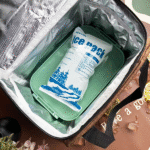
الطريقة العملية لمقارنة الخيارات هي تقسيمها إلى ثلاث مجموعات. تعتبر الأكياس والوسائد المرنة هي الأفضل عندما يكون شكل الحمولة غير منتظم ويكون الاتصال الوثيق مهمًا. تعمل الوسادات المسطحة بشكل جيد عندما تكون مساحة الرأس محدودة ويتم ترتيب الشحنة في طبقات. تعتبر الكتل والطوب مناسبة بشكل أفضل عندما تحتاج إلى هندسة قابلة للتكرار, تدريب أبسط, وحزمة تبقى في موضع محدد داخل الشاحن. تستحق الإنشاءات المقاومة للعرق نظرة منفصلة عندما تكون الصناديق مبللة, تسميات, أو الأكمام المطبوعة تخلق شكاوى يمكن تجنبها.
يؤثر سلوك الشكل والسطح أيضًا على النتائج الميدانية. يمكن للوسائد والأكياس المرنة أن تزيد من مساحة الاتصال حول العناصر غير المنتظمة, بينما تعمل الكتل والطوب على تبسيط الحزم الموحدة. تساعد الإنشاءات المقاومة للعرق عند حدوث مشكلة في تلف الملصق أو وجود علب كرتونية مبللة. يمكن للحزم شبه الصلبة تحسين الاتساق في العمليات المتكررة, ولكنها قد تتطلب وجود شاحن أفضل لتجنب الفراغات غير المستخدمة. بعبارة أخرى, الحزمة الأفضل أداءً هي تلك التي تناسب الهدف الحراري وسير العمل المادي في نفس الوقت.
للمشتريات, الدرس واضح ومباشر: تقييم عبوة الجل داخل نظام الشحن, وليس كسلعة قائمة بذاتها. اطلب اختبار العينة في الكرتونة أو الحقيبة المقصودة, وتأكد من أن تعليمات التكييف واقعية للأشخاص الذين سيقومون بتعبئة الطلب بالفعل.
تتطلب لوجستيات الرعاية الصحية الحساسة لدرجة الحرارة وجود حدود واضحة بين مكون التبريد ونظام الشحن المؤهل. عبوة جل, كيس, حاجز, أو يمكن أن يكون الطوب جزءًا واحدًا من النظام, ولكنها لا تضمن في حد ذاتها النقل المتوافق. للمنتجات الطبية وغيرها من مواد الرعاية الصحية الخاضعة للرقابة, يحتاج المشترون عادةً إلى التفكير في مخاطر الطريق, نطاق درجة الحرارة المسموح بها, العزل, تعليمات الحزمة, وكيف سيتم التعامل مع الرحلات عند الإرسال والاستلام.
كيفية مقارنة الموردين قبل الطلب بالجملة
إذا كنت تشتري منتجات عبوات هلام البوليمر فائقة الامتصاص من حيث الحجم, يجب أن تعتمد القائمة المختصرة على التكرار بدلاً من لغة الكتيب. يحتاج المورد إلى إثبات أن نفس العبوة التي وافقت عليها كعينة يمكن تصنيعها مرة أخرى بنفس سلوك الجل, جودة الختم, والأبعاد. هذا مهم بشكل خاص للسلبي العام شحن السلسلة الباردة, حيث يمكن أن يؤدي تغيير بسيط في سمك العبوة أو سلوك التكييف إلى تغيير النتيجة في هذا المجال. عندما تقترب من الشركة المصنعة مباشرة, ادفع إلى ما هو أبعد من ورقة المبيعات واسأل عن التحكم في الإنتاج, ليس فقط خيارات كتالوج البضائع تامة الصنع.
يمكن لشركة تصنيع عبوات هلام البوليمر فائقة الامتصاص ومقرها الهند أن تكون جذابة عندما يحتاج المشروع إلى خبرة في مجال البوليمر وتحويل مرن. لهذه البرامج, يستحق اتساق المواد الخام اهتمامًا إضافيًا لأن تركيبة الجل ونظام الامتصاص يحددان اللزوجة إلى حد كبير, سلوك التسرب, والتكرار. اسأل عن أنواع البوليمر فائقة الامتصاص المستخدمة, كيف يتم فحص الكثير الواردة, وما إذا كان بإمكان المورد الحفاظ على نفس الكيمياء من خلال عمليات إعادة الطلب المستقبلية. يجب أن يكون الشريك المناسب قادرًا على التحدث بوضوح عن مراقبة التركيبة والاستعداد للتصدير.
إذا كنت تريد بيانات فنية ذات معنى, اطلب المعلمات التي تتصل مباشرة للاستخدام. تشمل العناصر المفيدة وزن التعبئة الاسمي, تحمل السماكة, الأبعاد الخارجية, هيكل الفيلم, نطاق التكييف الموصى به, وأي توجيهات بشأن التخفيف قبل الاستخدام. إذا كانت العبوة قابلة لإعادة الاستخدام, اسأل عن كيفية تعريف إعادة الاستخدام وما هي علامات التآكل التي يجب أن تؤدي إلى الإزالة من الخدمة. للرعاية الصحية أو استخدام المنتجات الحساسة, اطلب أوضح بيان متاح عن الاستخدام المقصود وأي دعم ذي صلة لنظام الجودة.
أدوات اتخاذ القرار مفيدة
تحقق من التفاصيل قبل اختيار التغليف
يمكن أن تساعدك هذه الأدوات السريعة في مقارنة مخاطر المسار, احتياجات التحجيم, خيارات المبرد, وتفاصيل التعبئة والتغليف قبل أن تطلب عرض أسعار.
مقاومة سقوط المواد العازلة
مراجعة مقاومة السقوط وعوامل المناولة قبل اختيار المواد العازلة.
تحقق من المقاومةمحدد التعبئة والتغليف
قارن بين خيارات التغليف المعزولة حسب المنتج, طريق, ودرجة الحرارة اللازمة.
البحث عن التعبئة والتغليفبطانة الصندوق & تحجيم غطاء البليت
تحقق من منطق تحديد حجم بطانة الصندوق وغطاء منصة التحميل لمشاريع التغليف المعزولة.
تقدير الحجمومن المعقول أيضًا أن نسأل كيف يتحكم المورد في تباين الإنتاج. يمكن أن تفشل عبوة الجل حتى عندما تكون الكيمياء صحيحة إذا انحرفت درجة حرارة الختم, ملء الأوزان المنتشرة بعيدا جدا, أو يتغير الكثير من الأفلام دون سابق إنذار. ولهذا السبب يجب أن تكون الموافقة على العينة وإشعار التغيير جزءًا من المحادثة التجارية, لم يتم إضافة فكرة لاحقة بعد ظهور العدد الأول في هذا المجال.
قائمة مرجعية عملية للموردين
التحقق من الأبعاد الداخلية والخارجية, ملء الوزن, ونطاق السُمك بحيث تناسب العبوة حقًا الكرتون أو الحقيبة المقصودة.
اسأل عن كيمياء الهلام أو درجة حرارة الطور المستخدمة, ما هي طريقة التكييف المطلوبة, وما إذا كانت هناك حاجة للتلطيف قبل التعبئة.
مراجعة هيكل الفيلم, نمط الختم, مقاومة الثقب, وأي طبقة للتحكم في الرطوبة إذا كان يجب أن تظل الملصقات أو الصناديق الكرتونية جافة.
تأكيد ترميز الكمية, خيارات وضع العلامات, وما إذا كان بإمكان المورد دعم إمكانية التتبع والتعرف المتسق عبر عمليات إعادة الطلب.
طلب ضوابط العينة إلى الإنتاج: الاحتفاظ بالعينة المعتمدة, تغيير الإخطار, واتساق الدفعة على وزن التعبئة وجودة الختم.
مناقشة موك, مهلة, عدد الحالات, نمط البليت, وما إذا كان التجديد السريع أو التخصيص الموسمي أمرا واقعيا.
إذا كانت هناك حاجة إلى التخصيص, توضيح الطباعة, مقاس, فيلم, أو خيارات كيمياء الهلام واسأل كيف تؤثر هذه التغييرات على المهلة الزمنية والتكرار.
لتوريد الصادرات, تأكيد وضوح الوثيقة, وضع العلامات على الكرتون, وكيف يتعامل المورد مع الموافقة على العينة قبل الإنتاج الضخم.
أخطاء تكلف الوقت والمال
الخطأ الشائع الأول هو التعامل مع كل عبوة جل على أنها قابلة للتبديل. يمكن أن تتصرف علبتان بنفس الحجم بشكل مختلف بسبب كيمياء الجل, تعليمات التكييف, فيلم, والبناء السطحي ليس هو نفسه. الخطأ الثاني هو الشراء بالوزن الاسمي وحده. الوزن مهم, ولكن البصمة, سماكة, وغالبًا ما يكون موضع العبوة مهمًا بنفس القدر في الكرتون الحقيقي.
خطأ آخر يمكن تجنبه هو تجاهل التكثيف والمعالجة. قد يحافظ المسار على درجة الحرارة ولكنه لا يزال يفشل تجاريًا بسبب تسرب العبوة, يصبح الصندوق رطبًا, أو لا يستطيع المشغلون اتباع تعليمات التكييف بشكل متسق. الخطأ الأخير هو افتراض أن عينة واحدة ناجحة تثبت تلقائيًا موثوقية العرض على المدى الطويل. والسؤال الأكبر هو ما إذا كان المورد يستطيع إعادة إنتاج تلك العينة شهرًا بعد شهر دون الانحراف الصامت عن المواصفات.
تعمل مناقشات الاستدامة في هذه الفئة بشكل أفضل عندما تظل عملية. العبوات القابلة لإعادة الاستخدام يمكنها تقليل النفايات وتحسين اتساق العبوات, لكنها منطقية فقط عند استرجاعها, تقتيش, والتجديد واقعي. تظل الحزم ذات الاتجاه الواحد مفيدة لبرامج الطرود ذات الحلقة المفتوحة, خاصة عندما تكون تكلفة العودة تفوق المنفعة المادية. السؤال الصحيح ليس قابلاً لإعادة الاستخدام مقابل يمكن التخلص منه في الملخص; إنه الحل الذي يقلل من إجمالي الهدر والفشل في شبكتك الفعلية.
الأسئلة المتداولة
س: كيف أعرف حجم عبوة الجل التي يجب شراؤها? أ: ابدأ بالطريق, حساسية المنتج, العزل, ووضع الحزمة. الحجم مهم, ولكنه جزء واحد فقط من التصميم الحراري.
س: هل العبوات القابلة لإعادة الاستخدام هي الخيار الأفضل دائمًا؟? أ: فقط عند الاسترجاع, تقتيش, والتجديد واقعي. خلاف ذلك, قد يكون التنسيق أحادي الاتجاه أكثر أمانًا من الناحية التشغيلية.
س: ما هي المستندات التي يجب أن أطلبها من المورد؟? أ: اطلب ورقة المواصفات, توجيه التكييف, المعلومات المادية, تفاصيل تعريف الكثير, وبيانات واضحة بشأن أي مطالبات خاصة مثل استخدام الغذاء أو الاستخدام الطبي المقصود.
ملخص
أفضل برنامج لتعبئة جل البوليمر فائق الامتصاص هو البرنامج الذي يتناسب مع درجة الحرارة المطلوبة, تنسيق الحزمة, سير العمل, واتساق العرض في قرار واحد. عندما يقوم المشترون بمقارنة الحزم بهذه الطريقة, وعادة ما يتجنبون الأخطاء الأكثر تكلفة: درجة حرارة المرحلة الخاطئة, وثائق ضعيفة, ضعف التحكم في التكثيف, والموردين الذين لا يستطيعون تكرار العينة المعتمدة. وهذا هو ما يحول عبوة الجل البسيطة إلى مكون شحن يمكن الاعتماد عليه.
حول Tempk
و Tempk, نحن نركز على تغليف السلسلة الباردة وحلول التحكم في درجة الحرارة التي طورتها شركة Shanghai Tempk Industrial Co., المحدود., أنشئ في 2011. تشمل مجموعة منتجاتنا العامة عبوات جل الثلج, عبوات ثلج مملوءة بالماء, حزم الثلج الجاف, الطوب الجليد الفريزر, صناديق وبطانات معزولة, أغطية البليت المعزولة, ومنتجات سلسلة التبريد ذات الصلة. كما نقدم خدمات التحقق من التحكم في درجة الحرارة, مما يدعم مناقشة عملية أكثر حول ملاءمة المسار بدلاً من لغة كتالوج المنتج وحدها.
الخطوة التالية
إذا كنت تقارن الموردين أو تخطط لحجم مخصص, اطلب توصية قائمة على المسار قبل تثبيت المواصفات المجمعة.