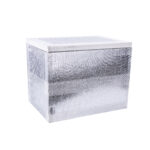
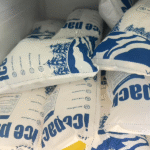
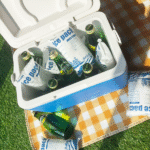
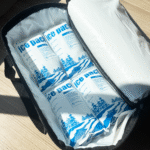
If you are evaluating insulated box distributor biological tissues options in 2026, the decision is bigger than choosing a box with thick walls. You need a thermal system that protects human or animal tissue specimens, graft-related materials, and temperature-sensitive tissue transport kits, fits the real lane, and stays practical for the people who pack, يتحرك, receive, and audit the shipment. The strongest programs now combine repeatable pack-out, clearer qualification data, and a smarter balance between performance, تكلفة الشحن, and disposal or return handling.
This optimized version brings together the strongest ideas from procurement practice, التحقق الفني, و 2026 واقع السوق. You will see how to write a better specification, how to test what truly matters, and how to compare packaging choices by successful delivery, not by empty-box price alone. The aim is a complete decision framework you can use with confidence.
ما سوف يجيب عليه هذا الدليل
- how insulated box distributor biological tissues should be matched to human or animal tissue specimens, graft-related materials, and temperature-sensitive tissue transport kits and the real transit profile
- which insulation, سائل التبريد, and pack-out choices work best for biological tissues risk
- what compliance, تصديق, and documentation evidence you should request from the supplier
- how to balance freight cost, سرعة التعامل, الاستدامة, and receiving experience
- how to turn all of that into a stronger final specification and approval checklist
Why does insulated box distributor biological tissues matter more than a generic cooler?
A strong insulated box distributor biological tissues program matters because the package is not only holding cold; it is protecting product value, ثقة الامتثال, and receiving speed at the same time. Whether you ship through tissue bank to hospital, regional distributor to surgical center, and research tissue transfer between institutions, the result depends on four linked variables: payload starting temperature, نظام العزل, refrigerant behavior, and time outside controlled storage. If one of those variables drifts, the shipment may still look acceptable on the outside while the product has already taken a hidden quality hit.
For biological tissues work, the usual failure point is not always dramatic. It often starts with package leakage, then grows through misclassification of the shipment or temperature loss during weekend holds. Buyers understandably compare wall thickness, but real performance is a system question. You need to know what happens when the box is partially loaded, when the route runs late, when the driver makes extra stops, and when the receiver opens the shipment in a warmer room than planned. A dependable design makes the correct pack-out obvious and reduces reliance on operator memory.
What usually fails first when execution is weak?
The first weak point is often repeatability. Operators may place coolant in slightly different positions, skip conditioning time, compress the payload too tightly, or leave too much empty air inside the cavity. Those small errors matter because human or animal tissue specimens, graft-related materials, and temperature-sensitive tissue transport kits may have limited thermal mass and little tolerance for drift. A better package uses guides, الفواصل, fixed nests, or clearly separated layers so the pack-out stays consistent from one shift to the next. That is how you turn a clever design into a usable one.
| عامل القرار | أفضل الممارسات | خطأ شائع | لماذا يهمك |
| هدف درجة الحرارة | 2–8°C for refrigerated tissue workflows | Using one generic cold profile | Protects the actual product instead of a guess |
| تصميم الممر | Qualify against the worst credible route | Buying for average transit only | Creates buffer for delays and hot handoffs |
| طريقة التعبئة والتغليف | Fixed layout with clear operator steps | Relying on memory or improvisation | Cuts avoidable excursions |
| Receiving flow | يفتح, فحص, and confirm fast | Forcing staff to unpack blindly | Reduces handling time and audit stress |
نصائح عملية يمكنك استخدامها
- Confirm the shipment classification before choosing packaging.
- Use a receiving-friendly layout so staff can inspect without disturbing the payload.
- Build weekend and holiday buffers into the qualified hold time.
مثال الحالة: A specialty distributor standardized one tissue transport family with refrigerated and frozen variants. Receiver training became easier, audit readiness improved, and fewer packages were held at intake for documentation questions.
How do you choose insulation, سائل التبريد, and payload fit for insulated box distributor biological tissues?
Material choice should follow the lane, ليس الموضة. في الممارسة العملية, 95 kPa secondary packaging where required, absorbent layers, and rigid outer cartons solve different problems. High-performance systems are useful when you face long or uncertain routes, الجمارك تسكن, or strict product windows. Simpler constructions can work very well on disciplined short lanes if the payload is preconditioned correctly and the box fit is tight. The right answer depends on hold time, set point, كثافة الحمولة, تكلفة الشحن, return model, and how consistently staff can execute pack-out.
إذا كنت تقارن الموردين, ask how the design handles package leakage and misclassification of the shipment. للعديد من المشترين, the smarter win is not a heavier box but better geometry. A tighter internal fit reduces dead air, lowers coolant demand, and helps the payload cool or stay cold more evenly. When overcooling is a concern, conditioned gel packs or PCM usually beat an oversized pile of very cold refrigerant. When freight cost dominates, the smallest validated box often delivers the best economics.
Which material system usually fits best?
Start by grouping your lanes into low, واسطة, and high risk. Low-risk lanes may accept lighter paper-based or reusable solutions if the payload is well prepared and the route is predictable. Medium-risk lanes often benefit from robust EPP, بو, or hybrid fiber systems. High-risk lanes, especially those with long dwell, الثلج الجاف, or strict release criteria, often justify premium insulation and clearer pack-out controls. The key is matching the material system to the route instead of assuming the strongest material is always the smartest purchase.
| Material or coolant choice | حيث يشرق | التنازل عن ميزة ممن أجل الحصول على أخرى | ماذا يعني لك |
| 95 kPa secondary packaging where required | Longer or more variable lanes | ارتفاع تكلفة الوحدة | Buys performance margin where delays are real |
| absorbent layers | Moderate risk with simpler operations | May need tighter route control | Often improves cost and usability balance |
| rigid outer cartons | Targeted performance or easier handling | Must be matched carefully to the set point | Can reduce pack-out errors |
| تجويف بالحجم الصحيح | Lower freight and better temperature stability | Less flexibility for odd payloads | Cuts empty space and excess coolant |
نصائح عملية يمكنك استخدامها
- Use a receiving-friendly layout so staff can inspect without disturbing the payload.
- Build weekend and holiday buffers into the qualified hold time.
- Keep lot traceability and serial information tied to the packaging workflow.
مثال الحالة: A specialty distributor standardized one tissue transport family with refrigerated and frozen variants. Receiver training became easier, audit readiness improved, and fewer packages were held at intake for documentation questions. The lesson is that material choice works best when it is paired with a realistic pack-out method and a receiver-friendly layout.
How should you write the final specification for insulated box distributor biological tissues?
A strong final specification translates strategy into a package that teams can actually buy, علية, مراجعة, وحجم. ابدأ بمتطلبات درجة حرارة المنتج, the worst credible route, the smallest and largest routine payload, and the exact refrigerant conditioning method. Then specify the acceptance criteria: نطاق درجة الحرارة الداخلية, مدة, logger plan, physical integrity, العلامات والتسميات, and any receiving checks. This turns a vague request for an insulated box into a controlled program.
التالي, write down what must not change without formal review. That usually includes insulation type, سمك الجدار, coolant chemistry or set point, أدخل الهندسة, الاحتواء الثانوي, and critical assembly steps. If those details can drift without notice, the test report loses value fast. The best optimized programs also define a supplier response path for deviations, seasonal review, and new-lane onboarding so the packaging keeps improving after launch instead of becoming frozen in theory.
A practical approval sequence
Approve the route and payload first, then the design, then the SOP, then the commercial model. Many teams do this backwards and end up qualifying a package that is operationally awkward. When you follow the sequence, you can compare suppliers more fairly and make sure the design is still workable for warehouse staff, receiving teams, and quality reviewers. That is the difference between a successful pilot and a dependable program.
| Specification element | ما يجب تحديده | لماذا يهم | Best practice for 2026 |
| الهدف الحراري | 2–8°C for refrigerated tissue workflows | Prevents generic pack selection | Tie it to the product label or protocol |
| الملف الشخصي لين | Worst credible route and dwell | Builds realistic hold time | Use seasonal lane families, not one average route |
| Critical components | العزل, سائل التبريد, إدراج, الأختام | Protects validated performance | Put them under change control |
| إثبات عملي | SOP, logger plan, استلام الشيكات | Turns design into repeatable execution | Train and audit the full workflow |
نصائح عملية يمكنك استخدامها
- Write the pack-out method into the specification, not only into training slides.
- Define revalidation triggers before the first production order.
- Make receiving speed and auditability part of the approval criteria.
مثال الحالة: An optimized specification is clear enough for operations, specific enough for quality, and realistic enough for finance.
ما الاختبار, امتثال, and documentation should support insulated box distributor biological tissues?
Compliance should begin before the first prototype is approved. For this application, the relevant reference points include CDC specimen shipping guidance, ها هو بي 650 for Category B where applicable, USP <1079>, and chain-of-identity and chain-of-custody procedures. These do not all do the same job. Some describe transport rules, some describe thermal testing practice, and some describe how the product itself should be stored, التعامل معها, or procured. A serious supplier should explain how the package design, تسميات, علامات, خطوات التعبئة, and qualification report fit together.
Ask for a qualification summary that states the intended temperature band, payload mass and geometry, coolant conditioning method, profile used, مدة, وضع المسجل, تمرير المعايير, and any limits on route or season. في البرامج المنظمة أو ذات القيمة العالية, that document is almost as important as the shipper itself. It tells you whether the design was proven for your lane or merely for a marketing scenario. في 2026, buyers also expect stronger change control so material substitutions or assembly tweaks do not silently change field performance.
Which standards matter most in practical use?
The easiest way to handle standards is to split them into three buckets. Transport rules tell you how the shipment must be packed, ملحوظ, or documented. Testing standards tell you how the packaging should be challenged before approval. Product-specific operating guidance tells your team how to store, receive, and respond to deviations. When a supplier can explain all three clearly, audits are easier, training is cleaner, and troubleshooting gets faster.
| Standard or rule | ما يغطيه | ما يجب أن تسأل |
| CDC specimen shipping guidance | Operational or regulatory reference relevant to the lane | Ask the supplier to explain exactly how this requirement affects the package design and SOP. |
| ها هو بي 650 for Category B where applicable | Packaging and marking expectations for Biological Substance, شحنات الفئة ب | Ask how the shipper handles triple packaging, absorbent material, and required outer marks. |
| USP <1079> | Risk-based storage and transport practice for drug and healthcare supply chains | Ask for lane assumptions, وضع المسجل, and deviation response rules. |
| chain-of-identity and chain-of-custody procedures | Operational or regulatory reference relevant to the lane | Ask the supplier to explain exactly how this requirement affects the package design and SOP. |
نصائح عملية يمكنك استخدامها
- Request the tested payload drawing or layout, not only the report summary.
- Check whether the supplier documents revalidation triggers and seasonal limits.
- Make sure operations, جودة, and transport teams review the same pack-out instruction.
مثال الحالة: Good compliance is not paperwork added at the end. It is the structure that keeps the package trustworthy after scale-up.
كيف التكلفة, العمليات, and sustainability affect insulated box distributor biological tissues decisions?
The lowest unit price is rarely the lowest shipped cost. A box that is cheap to buy but oversized, hard to assemble, easy to mispack, or awkward for receiving can cost more in labor, الشحن, المطالبات, and waste than a slightly better design. You should compare landed cost per successful delivery rather than carton price per empty unit. That approach is especially useful for tissue bank logistics manager, hospital supply team, and specialty distributor, because handling time and exception management often hide inside the budget until something goes wrong.
Operational fit should be tested honestly. If staff work under time pressure, the design should make the correct pack-out hard to mess up. If returns matter, folding or reusable elements may beat one-way systems. If the end user cares about disposal, the components should separate cleanly and the instructions should be easy to follow. Sustainability is strongest when it is measured across material use, مكعب الشحن, خطر التلف, and recovery practicality together. A package is not genuinely better if it creates more product loss or user frustration.
Where do the biggest savings usually come from?
In most cold-chain programs, the fastest savings come from right-sizing. Smaller external cube reduces freight. Better internal fit lowers coolant demand. Clear pack-out steps reduce labor time and training drift. Stronger receiving ergonomics shorten inspection time and help teams release the shipment faster. Those gains are usually more durable than chasing the cheapest board grade or the thinnest insulation wall. Better design discipline often pays back faster than teams expect.
| سائق التكلفة | Poor approach | نهج أفضل | ماذا يعني لك |
| Freight cube | Oversized universal box | Right-sized validated family | Lower transport cost without blind risk |
| وقت العمل | Complex assembly with loose parts | Guided layout and fewer touch points | أسرع, more repeatable pack-out |
| الاستثناءات | Reactive troubleshooting only | Defined logger review and escalation | Less time spent on preventable failures |
| الاستدامة | Single metric or claim-based choice | Full system view including product loss | More credible environmental improvement |
نصائح عملية يمكنك استخدامها
- Model total shipped cost, not just packaging purchase cost.
- Watch how long pack-out and receiving take during a live trial.
- Make disposal or return handling part of the design review.
مثال الحالة: The most economical thermal package is usually the one that prevents errors, trims freight, and protects product at the same time.
2026 developments and trends for biological tissues
In specimen and tissue logistics, 2026 demand is centered on simpler compliance and cleaner traceability. CDC guidance continues to emphasize correct classification, التغليف المناسب, and overnight shipment where appropriate, while current transport references still rely heavily on IATA packing instructions for biological materials. The result is a buyer preference for packaging kits that make the correct build obvious and reduce the chance of mislabeling, تسرب, or receiving confusion.
ما الذي يتغير الآن?
- Kitted systems with preassigned component positions are replacing loosely assembled shipper sets.
- Digital chain-of-custody expectations are rising alongside thermal control expectations.
- Smaller specimen volumes are increasing attention to payload stabilization inside the cavity.
The market insight is that compliance convenience now has real commercial value. المختبرات, tissue banks, and distributors prefer packages that reduce training burden and speed intake, because every avoided packaging error saves time across multiple teams.
What final checklist should you use before launch?
Before launch, confirm seven things. واحد, the route family is defined. اثنين, the payload range is approved. Three, the temperature target is tied to product rules. Four, coolant conditioning is clear. Five, the tested configuration matches production. Six, receiving checks are documented. سبعة, revalidation triggers are written down. If any of those are missing, the packaging program still has a structural gap.
Then run a brief live simulation with the actual staff who will pack and receive the shipment. Watch for hesitation, إعادة صياغة, or misunderstood steps. Many cold-chain projects fail not because the design is weak, but because the last mile of human execution was never truly rehearsed.
الأسئلة المتداولة
What is the first compliance question for tissue shipments?
You need to know how the material is classified for transport, because that determines packaging, وضع العلامات, والتوثيق.
Do tissue distributors need different boxes for refrigerated and frozen lanes?
عادة نعم. The coolant type, wall construction, and pack-out spacing often change with the required temperature band.
Why does a distributor care about packaging presentation?
Because receiving teams must inspect quickly and correctly. Good layout reduces mistakes during urgent handoff.
Can one distributor stock generic tissue shippers?
Stock helps, but the best distributors also control lot traceability, instructions, and validation evidence for the intended lane.
ملخص وتوصيات
The core lesson is clear. The best insulated box distributor biological tissues choice is not the heaviest box or the cheapest quote. It is the design that matches the real temperature target, the real lane, the real payload size, and the real receiving workflow. When you compare insulation, سائل التبريد, ملائم, تصديق, and supplier controls together, you lower excursion risk and usually lower total shipped cost as well.
Your next step is to build a written specification with the lane profile, payload range, طريقة التكييف, logger plan, and revalidation triggers. Then compare suppliers against that specification rather than against marketing claims. This is the fastest way to turn a packaging search into a dependable program. Build your final specification around the real lane, the real payload, and the real receiving process.
حول Tempk
و Tempk, we focus on passive cold-chain packaging for applications such as biological tissues, life-science logistics, and temperature-sensitive distribution. We work on the details that usually decide field success: وضوح العبوة, تناسب المواد, route realism, and documented validation support. Our approach is to balance protection, سهولة الاستخدام, and practical cost so the packaging can work in daily operations rather than only in a sample test.
If you are reviewing a new lane or replacing an underperforming pack, start with the payload, طريق, and receiving process. That is usually enough to identify the right insulation family, coolant method, and qualification path for the next step.