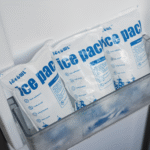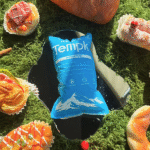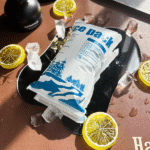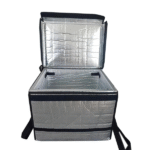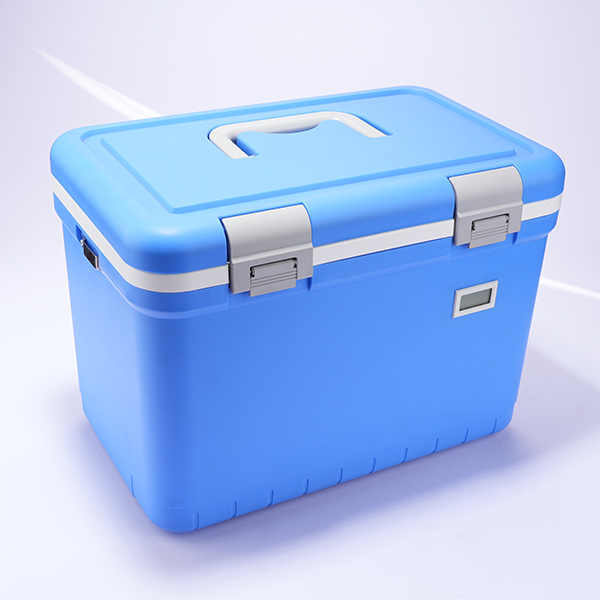
صندوق معزول لموردي المواد الكيميائية للمشتريات العملية لسلسلة التبريد
موثوق مربع معزول لمورد المواد الكيميائية يجب أن تساعدك على التحكم في المخاطر العملية التي تظهر بعد أمر الشراء: أخطاء التعبئة, التعرض للحارة, تناسب الحمولة, وضعف الأدلة عند التشكيك في الشحنة. الاختيار الصحيح ليس أغلى صندوق أو أخف بطانة; إنه نظام التغليف الذي يناسب المواد الكيميائية الحساسة للحرارة, الكواشف المخبرية, المواد اللاصقة المتخصصة, عينات الراتنج, سوائل المعايرة, والمواد التحليلية, النطاق المطلوب, الطريق, واحتياجات وثائق المشتري دون تقديم ادعاءات لا يستطيع المورد دعمها.
كما تحمي المواصفات الواضحة العلاقة مع الموردين. إذا كان طلبك يقول فقط صندوق معزول, قد يقتبس موردون مختلفون هياكل مختلفة, كميات قابلة للاستخدام, بطانات, الإغلاق, وافتراضات المبرد. يصف الاستفسار الأفضل نطاق درجة الحرارة وحدود التعامل المذكورة في SDS, الورقة الفنية, أو مواصفات العملاء, الطريق, الحمولة, ونقاط التعامل التي يجب السيطرة عليها.
تتطلب الشحنات الكيميائية من المورد والشاحن تأكيد صحيفة بيانات السلامة, تصنيف المخاطر, الاحتواء, التوافق, وضع العلامات, وقواعد النقل المعمول بها. لا يعتبر الصندوق المعزول حزمة معتمدة للمواد الخطرة تلقائيًا. يستخدم ISTA 7E كمرجع للحرارة تغليف النقل في أنظمة تسليم الطرود, لكن الملف الشخصي القياسي ليس هو نفسه المؤهل الخاص بالحارة. يجب التحقق من مطالبات وقت الانتظار مقابل الحمولة, ملف تعريف المحيط, عبوة, ومعايير القبول. يجب أن تكون مطالبات التغليف البيئي محددة وداعمة. كلمات واسعة مثل القابلة للتحلل, قابل لإعادة التدوير, قابل للتسميد, أو صديقة للبيئة تحتاج إلى سياق نهاية العمر, الأدلة المادية, والبنية التحتية المحلية للتعافي.
حدد المهمة قبل مقارنة الصندوق المعزول بموردي المواد الكيميائية
تبدأ أقوى عملية اختيار قبل عروض أسعار الموردين. تحديد ما يجب أن تحميه الحزمة, ما يجب إثباته, وما هو التعامل مع الواقع الذي سيواجهه. للمواد الكيميائية الحساسة لدرجة الحرارة, الكواشف المخبرية, المواد اللاصقة المتخصصة, عينات الراتنج, سوائل المعايرة, والمواد التحليلية, تتضمن أوضاع الفشل الرئيسية عدم التوافق الكيميائي, تسرب, تسمية خاطئة غير آمنة, التدهور الناجم عن درجة الحرارة, ومطالبات التخلص غير المناسبة. هذه المخاطر عملية, لذلك يجب أن تكون المواصفات عملية أيضًا: النطاق المستهدف, وقت العبور, التعرض للتسليم, حجم الحمولة, احتياجات المبرد أو البطانة, وعملية الاستلام.
يمكن للمورد المساعدة في تحسين هذه التفاصيل, ولكن لا ينبغي للمشتري الاستعانة بمصادر خارجية للمتطلبات بأكملها. إذا كان المورد لا يعرف الطريق, حساسية المنتج, ومعايير القبول, وستكون التوصية مبنية على افتراضات. تقلل لغة الشراء الجيدة من هذه الافتراضات وتجعل مناقشات الأداء اللاحقة أكثر عدلاً لكلا الجانبين.
افصل الصندوق, الحزمة, والأدلة
الصندوق ليس سوى جزء واحد من النتيجة. تتضمن الحزمة تخطيط المنتج, المبرد أو PCM, بطانة, ملء باطلة, إنهاء, تسميات, وأي جهاز مراقبة. تتضمن الأدلة بيانات الاختبار, تعليمات الحزمة, محاكمات الممرات, تلقي السجلات, ومراجعة الجودة. عندما يتم فصل هذه الأجزاء الثلاثة, يمكن للمشترين أن يروا بالضبط ما تم إثباته وما لا يزال بحاجة إلى التحقق.
هذا التمييز يمنع المبالغة. قد يكون الصندوق المعزول مناسبًا للممر بعد المراجعة, ولكنه غير مؤهل تلقائيًا لكل مسار. يمكن لمسجل البيانات توثيق الرحلة, لكنها لا تستطيع منع واحد. يمكن للمواد المستدامة أن تقلل من النفايات, ولكن لا يزال يتعين عليها حماية المنتج. الحدود الواضحة تجعل عملية الشراء النهائية أكثر قابلية للدفاع عنها.
مطابقة التكوين لنمط الشحن
| نقطة تفتيش المشتريات | كيفية استخدامه | ما لا ينبغي افتراضه |
|---|---|---|
| تناسب المنتج | ابدأ بمجموعة المنتجات, حساسية, ومعايير القبول | لا تفترض أن صندوقًا معزولًا واحدًا يناسب كل منتج في المسار |
| صالح الطريق | قارن الحزمة مع التحميل الحقيقي, التدريج, وسلوك التسليم | لا تساوي ملف تعريف المختبر المفضل مع جميع الطرق الميدانية |
| تناسب المواد | عزل التوازن, قوة, تنظيف, تصرف, وخيارات العودة | لا تستبدل بيانات الأداء بمطالبة مادية |
| التوثيق مناسب | اطلب تعليمات الحزمة وسجلات الاختبار أو التأهيل المتاحة | لا تتعامل مع لغة التسويق كدليل على الامتثال |
| تناسب توسيع النطاق | التحقق من اتساق العينة إلى الإنتاج وإخطار تغيير المورد | لا توافق على عينة دون معرفة ما يحدث في الإنتاج بالجملة |
استخدم هذا الجدول كأداة فحص, ليس كبديل لتجربة التغليف. والغرض من ذلك هو جعل الافتراضات مرئية حتى الشراء, مستودع, الخدمات اللوجستية, ويمكن لفرق الجودة مناقشة نفس الحقائق قبل الموافقة على العينات أو الطلبات المجمعة.
الأسئلة التي تكشف نضج المورد
يظهر نضج المورد في الأسئلة التي يطرحها المورد. سوف يرغب المورد الجاد في معرفة مجموعة المنتجات, أبعاد الحمولة, مدة الممر, التعرض المحيطي, عملية التعبئة, وما إذا كانت المراقبة مطلوبة. قد يطلب المورد الضعيف فقط حجم الصندوق وكمية الطلب. هذا لا يعني أن المنتج سيء, ولكن هذا يعني أنه يجب على المشتري أن يعمل بجد أكبر لتحديد المخاطر.
اسأل عن كيفية مقارنة وحدات العينة بوحدات الإنتاج. اسأل ما إذا كانت بدائل المواد تتطلب الإخطار. اسأل ماذا يحدث إذا كانت الخطوط الملاحية المنتظمة, لوحة الرغوة, أو تغييرات الإغلاق. اسأل ما إذا كان بإمكان المورد تقديم تعليمات التعبئة التي يمكن لموظفي المستودع اتباعها دون دعم هندسي. للطلبات بالجملة, غالبًا ما تكون هذه التفاصيل أكثر أهمية من الاختلافات الصغيرة في سعر الوحدة.
حيث يجب أن تظل لغة الامتثال حذرة
قد تتضمن الشحنات المنظمة وسلسلة التبريد متطلبات العملاء, قواعد النقل, إجراءات الجودة, أو إرشادات خاصة بالسوق. التعبئة والتغليف يمكن أن تدعم تلك المتطلبات, ولكن لا ينبغي وصفها بأنها متوافقة عالميًا بدون أدلة. لشحنات الرعاية الصحية, قد يتم تطبيق ملصقات IATA ووثائق درجة الحرارة اعتمادًا على كيفية حجز الشحنة والتعامل معها. للطعام, قد تتضمن توقعات النقل الصحي التبريد, تنظيف, والحماية من التلوث. للمواد الكيميائية, تعد مراجعة SDS وتصنيف المخاطر أمرًا ضروريًا.
الصياغة الأكثر أمانا هي التشغيلية: التحقق من نطاق المنتج, التحقق من الحزمة, التحقق من ملف الاختبار, والتحقق من احتياجات التوثيق مع فريق الجودة أو الخدمات اللوجستية. هذه اللغة أقل دراماتيكية من الوعد بالامتثال الشامل, ولكنه أكثر فائدة للمشتريات الحقيقية.
مثال عملي: الانتقال من الموافقة على العينة إلى الأوامر الروتينية
تخيل أن المشتري يوافق على صندوق عينة لعينات الكاشف. العينة تبدو جيدة, وصول المنتج بحالة مقبولة, وسعر الوحدة عملي. ويظهر الخطر لاحقا, عندما يبدأ المستودع في تنفيذ الأوامر الروتينية، يقوم القائمون على التعبئة بتفسير التخطيط بشكل مختلف. شخص واحد يضع المبرد في الأعلى, آخر يضعه على الجانبين, والثالث يضيف المستندات بطريقة تترك فجوة في الغطاء.
الحل ليس بالضرورة صندوقًا مختلفًا. قد يكون مخطط الحزمة أكثر وضوحًا, التحكم المسبق في سائل التبريد, قائمة مرجعية للاستلام, واتفاقية المورد بأن مواد الإنتاج سوف تتطابق مع العينة المعتمدة. هذا هو المكان الذي تصبح فيه عملية شراء التغليف الناضج مراقبة الجودة التشغيلية بدلاً من الشراء البسيط.
أدوات اتخاذ القرار مفيدة
تحقق من التفاصيل قبل اختيار التغليف
يمكن أن تساعدك هذه الأدوات السريعة في مقارنة مخاطر المسار, احتياجات التحجيم, خيارات المبرد, وتفاصيل التعبئة والتغليف قبل أن تطلب عرض أسعار.
مقاومة سقوط المواد العازلة
مراجعة مقاومة السقوط وعوامل المناولة قبل اختيار المواد العازلة.
تحقق من المقاومةحاسبة الثلج الجاف
تقدير احتياجات الثلج الجاف للشحنات المجمدة أو شديدة البرودة قبل التعبئة.
تقدير الثلج الجافمرجع المواد العازلة
قارن بين خيارات المواد العازلة لاحتياجات التعبئة والتغليف المختلفة لسلسلة التبريد.
قارن الموادالتفاصيل التي تحدد ما إذا كان حجم الشراء نظيفًا أم لا
تكون الموافقة على العينة مفيدة فقط عندما تشبه العمل الروتيني. إذا كان أمر الإنتاج يستخدم كرتونة مختلفة, قطع الخطوط الملاحية المنتظمة, كثافة الرغوة, إنهاء, حجم المبرد, منطقة التسمية, أو تسلسل التعبئة, قد لا تمثل العينة المعتمدة المنتج الذي تم شحنه. اسأل المورد عن كيفية إبلاغ التغييرات وكيف يمكنك تحديد الإصدار المعتمد في المخزون الوارد.
يجب أن يكون التدريب على المستودعات جزءًا من عملية الشراء. أفضل التعليمات بسيطة بما يكفي ليتبعها الموظفون الجدد أثناء نوبة العمل المزدحمة: منتج شرط مسبق, تحضير المبرد, مكان الحمولة, مكان المبرد, أغلق الصندوق, تطبيق التسميات, وقت قياسي, والانتقال إلى الإرسال. إذا كانت الحزمة تتطلب حكمًا يفهمه مهندس واحد فقط, فهي هشة للغاية بالنسبة للحجم.
تحتاج فرق الاستقبال أيضًا إلى معايير واضحة. يجب أن يعرفوا ما إذا كانوا سيفحصون المسجل أم لا, التحقق من حالة التعبئة والتغليف, تسجيل وقت الوصول, ضرر الصورة, أو عزل الشحنة لمراجعة الجودة. لم يتم الانتهاء من التعبئة والتغليف عندما يلتقطها الساعي; وينتهي عندما يتمكن المتلقي من اتخاذ قرار واثق.
للشحنات المتعلقة بالمواد الكيميائية, يجب أن تكون مراجعة التغليف بجانب مراجعة السلامة. الحاوية الداخلية, غطاء الأمن, مادة ماصة, الاحتواء الثانوي, العزل الحراري, ووضع العلامات الخارجية كلها لها أدوار. إذا تم تنظيم المنتج على أنه خطر, يجب أن يتبع اختيار العبوة متطلبات النقل المعمول بها وليس متطلبات عامة تغليف السلسلة الباردة التفضيل.
التعليمات
هو صندوق معزول لمورد كيميائي يكفي للتحكم في درجة الحرارة بنفسه?
لا. الصندوق المعزول يبطئ نقل الحرارة, ولكنها تحتاج عادةً إلى الشروط المسبقة المناسبة للمنتج, المبرد أو PCM, تخطيط الحزمة, طريقة الإغلاق, وعملية التعامل. للشحنات ذات المخاطر العالية, يجب على المشترين أيضًا أن يقرروا ما إذا كانت هناك حاجة لمراقبة درجة الحرارة. تعامل مع الصندوق كجزء من النظام بدلاً من كونه ضمانًا مستقلاً.
ماذا يجب أن أسأل المورد قبل طلب العينات؟?
اسأل عن الأبعاد الداخلية والخارجية, مساحة حمولة قابلة للاستخدام, الهيكل المادي, طريقة الإغلاق, خيارات التبريد المتوافقة, تعليمات التعبئة, أدلة الاختبار المتاحة, وضوابط العينة إلى الإنتاج. قم أيضًا بوصف مسارك ومجموعة المنتجات. يمكن للمورد تقديم توصية أفضل عندما تكون حالة الاستخدام واضحة.
هل يمكنني الاعتماد على مطالبات وقت الحجز المنشورة؟?
تكون مطالبات وقت الانتظار المنشورة مفيدة فقط عندما تكون شروط الاختبار واضحة. تحقق من الحمولة, كمية المبرد, ملف تعريف المحيط, تحميل المنتج, حدود القبول, وما إذا كانت النتيجة جاءت من ملف تعريف معملي أو تجربة فعلية. إذا كانت الظروف لا تشبه شحنتك, تعامل مع المطالبة كنقطة بداية, ليس دليلا.
كيف أقارن بين صندوق قابل لإعادة الاستخدام وشاحن يمكن التخلص منه؟?
قارن أكثر من تكلفة الوحدة. فكر في لوجستيات الإرجاع, تنظيف, معدل الخسارة, مساحة المستودع, مكعب الشحن, مخاطر المنتج, وكم مرة يتكرر المسار. أ صندوق قابل لإعادة الاستخدام يمكن أن تكون جذابة على الطرق ذات الحلقة المغلقة, في حين أن الأنظمة التي تستخدم لمرة واحدة أو القابلة لإعادة التدوير قد تناسب شحنات التصدير أو التجارة الإلكترونية أحادية الاتجاه بشكل أفضل.
هل يمكن استخدام هذا النوع من الصناديق للمواد الكيميائية الخطرة?
فقط بعد مراجعة السلامة. يجب على المورد والشاحن تأكيد SDS, تصنيف المخاطر, التوافق مع العبوة الداخلية, احتواء التسرب, تسميات, وقواعد النقل المعمول بها. العزل لا يجعل العبوة مناسبة للمواد الخطرة في حد ذاته.
خاتمة
أفضل صندوق معزول لمورد المواد الكيميائية هو الصندوق الذي يناسب المنتج, طريق, عبوة, احتياجات التوثيق, وفريق التشغيل. ويجب أن تحمي الشحنة دون إخفاء عدم اليقين وراء المطالبات الواسعة.
عادة شراء مفيدة أخرى هي فصل الشروط الضرورية عن التفضيلات. يجب أن تشمل مجموعة المنتجات, تناسب الحمولة, سلامة الإغلاق, التعرض للطريق, وأي وثائق مطلوبة. تشمل التفضيلات كفاءة التخزين, انخفاض وزن المواد, لون, منطقة الطباعة, أو طريق التخلص المحدد. عندما يتم مزج الاثنين معاً, قد ترفض الفرق الحزمة المناسبة حرارياً لسبب تجميلي أو تقبل الحزمة الضعيفة لأنها تبدو ملائمة.
يجب على المشترين أيضًا الاحتفاظ بسجل بسيط عن سبب اختيار الحزمة. السجل لا يحتاج إلى أن يكون طويلا. يمكن أن يذكر نوع المنتج, افتراض المسار, نسخة الحزمة, تمت مراجعة أدلة الموردين, وأي حدود قبلها الفريق. يساعد هذا السجل عند فحص الشحنة بعد أشهر أو عندما يرث مدير مشتريات جديد المشروع.
يجب أن تشمل مقارنة التكاليف التكاليف غير المباشرة. قد يؤدي الصندوق الأرخص إلى زيادة وقت العمل, استخدام المبرد, ضرر, إعادة التعبئة, مكالمات خدمة العملاء, أو شكاوى التخلص. قد يكون هناك ما يبرر الحزمة الأكثر تكلفة على الطريق حيث تكون قيمة المنتج, خطر الرفض, أو عرض العلامة التجارية مرتفع. يعتمد عرض التكلفة الصحيح على الشحنة بأكملها, ليس فقط خط الفاتورة للتغليف.
استخدم مناقشات الموردين للتحقق من النطاق, طريق, شهادة, وعملية التوسع. بمجرد أن تكون هذه النقاط واضحة, يصبح الدفاع عن قرار الشراء أسهل وأسهل في التكرار.
حول Tempk
يساعد Tempk المشترين على التقييم العبوة المعزولة الصناعية الحساسة لدرجة الحرارة, معمل, والشحنات B2B. نحن نركز على ملاءمة التغليف, الدعم الحراري, التعامل, والحاجة إلى التحقق من تفاصيل السلامة أو التوافق قبل الاستخدام. للتطبيقات المتعلقة بالمواد الكيميائية, نحن نشجع المشترين على مراجعة متطلبات SDS, التغليف الداخلي, الاحتواء, وقواعد النقل المعمول بها إلى جانب تصميم الصندوق المعزول.