كيفية تحديد حقيبة غداء معزولة مبطنة بورق الألمنيوم
أفضل طريقة لاختيار حقيبة غداء معزولة الرقائق المبطنة بالداخل هي كتابة حالة الاستخدام قبل قراءة قائمة الميزات. اذكر ما يجب أن يكون مناسبًا, حيث تنتقل الوجبة المعبأة, أدفأ تعرض موثوق به, ما هي المصادر الباردة التي سيتم استخدامها, وحيث يستأنف التبريد. ثم قم بتقييم الحقيبة كتجميع كامل. قد تساعد البطانة العاكسة في الحصول على حرارة مشعة, ولكن العزل, إنهاء, طبقات, حمولة, ويقرر روتين المستخدم ما إذا كان المنتج مناسبًا للوظيفة. تقوم هذه الطريقة بتحويل شراء الكتالوج الغامض إلى مواصفات يمكن أخذ عينات منها, تم اختباره, وتكرر.
اكتب ملخص أداء من جملة واحدة
يجب أن يذكر الملخص العملي المحتويات, طريق, التعامل, ونقطة النهاية. "احمل معك وجبة مبردة مختومة, مشروب, "ومصدرين باردين مكيفين من المنزل إلى ثلاجة المكتب أثناء التنقل الصباحي العادي" مفيد. "حافظ على الغداء طازجًا طوال اليوم" ليس كذلك. العبارة الأولى يمكن قياسها ومراقبتها; والثاني ليس له درجة حرارة محددة, وقت, بيئة, أو نوع الطعام.
قم ببناء الموجز باستخدام ستة مدخلات:
- قم بإدراج الحاويات الدقيقة واتجاهها المعبأ.
- تحديد المواد القابلة للتلف وإرشادات سلامة الأغذية المطبقة.
- خريطة كل بيئة, بما في ذلك المركبات, خزائن, مكاتب, في الهواء الطلق, والثلاجات.
- تحديد مصادر التبريد وكيف سيقوم المستخدمون بتكييفها ووضعها.
- وصف الافتتاح, تنظيف, تجفيف, وسلوك التخزين.
- حدد الأدلة المطلوبة قبل الموافقة على الطلب.
غالبًا ما يغير هذا التمرين اختيار المنتج. الحقيبة المخصصة فقط لسد مسافة قصيرة قد تعطي الأولوية لملاءمة الثلاجة المدمجة. قد تحتاج حقيبة الطاقم الميداني إلى إفساح المجال لمبرد أكبر وخطة تخزين خاضعة للرقابة. قد يقدر البرنامج المدرسي التصميم الداخلي السهل الاستخدام والسحاب أكثر من الميزات الزخرفية.
الموجز أيضًا يحدد الحدود. حامل الغداء اليومي ليس مؤهلاً تلقائيًا شاحن يتم التحكم في درجة حرارته, حاملة الدواء, أو نظام نقل الغذاء التجاري. قد تتطلب التطبيقات الخاصة بالمنتج والمنظمة عبوات مختلفة, يراقب, مؤهل, والمراجعة المهنية.
اقرأ الحقيبة من الخارج إلى الداخل
الغلاف الخارجي يعالج التآكل, الأوساخ, العلامة التجارية, ونقل الأحمال. تحقق مما إذا كان نسجها, طلاء, والدرزات تناسب الإعداد. قد يكون القماش الترويجي الناعم مناسبًا للهدايا المكتبية ولكنه قصير الأجل على أرضية موقع العمل. يجب تثبيت المقابض في المناطق الحاملة, ويجب أن تظل الحقيبة المعبأة متوازنة عند رفعها.
خلف القشرة توجد الطبقة العازلة الرئيسية. قد يكون رغوة, العزل الليفي, هيكل الهواء المحاصر, أو مادة أخرى. وقيمتها تأتي من المادة والاستمرارية. يشعر حول القاعدة, غطاء, زوايا, والخط البريدي. رفيع, مضغوط, أو تشكل المناطق المفقودة مسارات أسهل للحرارة. سمك الجدار وحده لا يمكن التنبؤ بالمدة بسبب المادة, بناء, هندسة, والحزمة الكاملة مهمة أيضًا.
يوصف الوجه الداخلي عادة بالرقائق, لكن الكلمة غير دقيقة. قد يكون السطح اللامع عبارة عن رقائق الألومنيوم, البوليمر الممعدنة, الطباعة المعدنية, أو صفح مقوى. اطلب وصفًا لكل طبقة على حدة عند الاتصال المباشر بالطعام, التنظيف المتكرر, Recyclabality, أو المتانة تؤثر على الشراء. لا يمكن للمظهر العاكس أن يكشف عن نوع المادة اللاصقة, فيلم دعم, مقاومة الثقب, أو طريقة إغلاق الحواف.
أخيراً, فحص الإغلاق. لا يزال من الممكن أن يترك السحاب الكامل فجوات في الزوايا أو يتشوه عند تعبئة الحقيبة. يحتاج السديلة إلى تداخل كافٍ. تحتاج الطبقة العلوية إلى مساحة للتدحرج بشكل صحيح. أغلق العينة مع الحاويات الفعلية ومصادر التبريد الموجودة بالداخل, ثم انظر واستشعر حول المحيط. التفتيش المحمل هو الذي يهم.
افهم ما يمكن أن تفعله البطانة العاكسة وما لا يمكنها فعله
تصل الحرارة إلى الوجبة الباردة بثلاث طرق رئيسية. يجري من خلال الجدران ونقاط الاتصال, يتحرك مع دخول الهواء وتدويره, والانتقال بالإشعاع بين الأسطح. يقوم الوجه العاكس بمعالجة جزء من المكون المشع عندما يواجه مجالا هوائيا. وتشير التوجيهات الرسمية بشأن الحواجز الإشعاعية إلى أن وجود مجال جوي مجاور ضروري لهذه الآلية. عند الضغط على البطانة مباشرة على الحاوية, تختلف الشروط.
النواة العازلة تبطئ التوصيل. يحد الإغلاق من تبادل الهواء بالحمل الحراري. تمتص المصادر الباردة الحرارة الواردة. يؤدي بدء درجة حرارة الطعام إلى ضبط الحمل الحراري الأولي. هذه الأدوار متكاملة, ولهذا السبب لا تستطيع إحدى الميزات تحديد وقت احتجاز آمن.
فكر في وضع حاوية باردة بجانب مشروب بدرجة حرارة الغرفة. يضيف المشروب الحرارة داخل الكيس. وذوبان جزئيا حزمة باردة لديه قدرة تبريد أقل من تلك المكيفة على النحو المنشود. سحّاب مفتوح بشكل متكرر يسمح بدخول الهواء الدافئ. تضيف الشمس المباشرة حملاً مشعًا في الخارج. وبالتالي، يمكن لنفس الكيس إنتاج درجات حرارة مختلفة خلال يومين عاديين.
تجنب عبارة "يظل باردًا لمدة X ساعة" ما لم تكن المطالبة مرفقة بتكوين محدد. يجب أن تشير الأدلة ذات الصلة إلى الحقيبة بالضبط, ملف تعريف المحيط, حمولة, سائل التبريد, درجات حرارة البداية, مواقع الاستشعار, جدول الافتتاح, حد, وتمرير القاعدة. بدون هذا السياق, المدة هي اختصار تسويقي وليست نتيجة أداء قابلة للتحويل.
اجعل الحزمة آمنة وقابلة للتكرار
لوجبات الغداء الباردة القابلة للتلف, ابدأ بالطعام المبرد بالفعل. تم تصميم العزل لإبطاء التغيير; لا ينبغي أن يتوقع منه تبريد الوجبة الدافئة بسرعة. استخدم حاويات الطعام المغلقة, مما يقلل من الاتصال المباشر بالبطانة ويجعل التنظيف أسهل. أبقِ الكيس بعيدًا عن مصادر الحرارة وانقله إلى الثلاجة في الوجهة كلما توفرت.
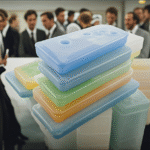
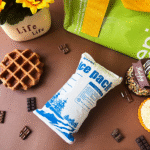
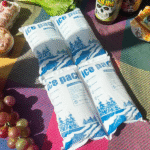
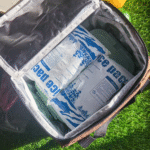
الولايات المتحدة الرسمية. تنصح إرشادات سلامة الأغذية بحفظ المواد القابلة للتلف الباردة عند درجة حرارة 40 درجة فهرنهايت, حوالي 4 درجات مئوية, أو أقل واستخدام مصدرين باردين على الأقل في حقيبة غداء معزولة. يجب على المشترين والمستخدمين في الأسواق الأخرى اتباع سلطات سلامة الأغذية المحلية المسؤولة لديهم. عدد الحزم ليس هو المشكلة الوحيدة: يجب أن تكون المصادر مشروطة على النحو المنشود, تناسب دون فرض الإغلاق, ويتم وضعها حول العناصر القابلة للتلف.
يمكن أن يكون تسلسل متكرر:
- تبريد الطعام والشراب مقدما;
- حالة مصادر التبريد وفقا لتعليماتهم;
- ضع مصدرًا واحدًا أسفل أو بجانب الحاوية القابلة للتلف وآخر فوق أو على الجانب الآخر;
- املأ الفراغات غير الضرورية بالمحتويات المخططة بدلاً من العناصر الدافئة غير ذات الصلة;
- أغلق الكيس بالكامل وقلل من فتحه;
- قم بتبريده عند الوصول عندما يكون ذلك ممكنًا;
- ينظف, جاف, وفحص الحقيبة بعد الاستخدام.
يعد هذا الروتين أكثر فائدة من الوعد العام لأنه يخبر المستخدمين بما يجب التحكم فيه. كما أنه يكشف عن مشكلة الحجم على الفور. إذا لم يكن من الممكن إغلاق الكيس بالحاويات ومصادر التبريد في أماكنها المقصودة, إنه صغير جدًا بالنسبة لتلك الحزمة بغض النظر عن حجم الكتالوج.
استخدم بطاقة أداء المشتري التي تكافئ الأدلة
| منطقة القرار | سؤال الموافقة | أدلة قوية | سبب التوقف |
|---|---|---|---|
| ملاءمة وظيفية | هل تغلق الحقيبة المحملة وتحملها بشكل مريح? | تجربة مع حاويات تمثيلية, شرب, أواني, والمصادر الباردة | يتم الحكم على الملاءمة من الأبعاد الخارجية أو من عينة فارغة |
| بناء | هل العزل والبطانة مستمران عند النقاط الحرجة? | الانتهاء من فحص العينة ووصف المواد الخاضعة للرقابة | الفجوات غير المبررة, الرغوة المكشوفة, أو صياغة "الرقائق الحرارية" الغامضة |
| المطالبة الحرارية | هل تتطابق الأدلة مع السيناريو المقصود؟? | المادة الاختبارية المحددة, عبوة, ملف تعريف المحيط, القياسات, وقاعدة القبول | مدة العنوان بدون شروط |
| حدود الاتصال الغذائي | هل الطعام سائب أو داخل حاويات مغلقة? | بيان الاستخدام المقصود والمستندات ذات الصلة لسطح التلامس الدقيق | بيان عام "درجة الغذاء" بدون أي مادة أو شروط |
| صحة | هل يمكن تنظيف الكيس وتجفيفه بواسطة المستخدم الحقيقي? | تم تأكيد طريقة العناية الكتابية للمنتج المجمع | طيات عميقة لا يمكن الوصول إليها, احتفظت بالرطوبة, أو مطالبات الغسيل غير المدعومة |
| كرر الطلب | هل سيتطابق الإنتاج مع العينة المعتمدة؟? | المواصفات التي تسيطر عليها, تحديد الكثير, وتغيير الإخطار | يجوز للمورد استبدال البطانة, رغوة, لاصق, أو الرمز البريدي دون مراجعة |
| المطالبة البيئية | هل الصياغة مدعومة للمنتج والسوق بالكامل؟? | أدلة محددة وتعليمات واقعية لنهاية الحياة | لغة واسعة النطاق "صديقة للبيئة" أو "قابلة لإعادة التدوير بالكامل" تعتمد على مكون واحد |
تعطي بطاقة الأداء الأدلة أهمية أكبر من الإشارات البصرية. كما أنه يبقي الأسئلة المختلفة منفصلة: الأداء الحراري لا يثبت ملاءمة الاتصال بالأغذية, ووثائق الاتصال بالأغذية لا تثبت المدة. قد يحتاج المورد إلى الإجابة على كليهما, ولكن لا ينبغي دمج السجلات في طلب شهادة غامض.
للمشتريات الشخصية الصغيرة, ليس كل صف يحتاج إلى ملف رسمي. للمدرسة, مكان العمل, خدمة الطعام, بيع بالتجزئة, أو البرامج الترويجية, المواصفات الخاضعة للرقابة والإجابات المكتوبة تحمي المشتري عند إعادة طلب المنتج أو توزيعه على العديد من المستخدمين.
أدوات اتخاذ القرار مفيدة
تحقق من التفاصيل قبل اختيار التغليف
يمكن أن تساعدك هذه الأدوات السريعة في مقارنة مخاطر المسار, احتياجات التحجيم, خيارات المبرد, وتفاصيل التعبئة والتغليف قبل أن تطلب عرض أسعار.
مولد قائمة التحقق من الامتثال
قم ببناء قائمة مرجعية عملية لمراجعة التغليف, شحن, والتوثيق.
بناء قائمة مرجعيةحاسبة علبة الثلج
تقدير كمية عبوات الثلج الهلامي للشحنات المبردة والتخطيط العملي للمسار.
تقدير عبوات الثلجسائل التبريد & مرجع PCM
قارن خيارات سائل التبريد وPCM عندما يحتاج المسار إلى دعم إضافي لدرجة الحرارة.
قارن الخياراتقم بتعيين حدود ملامسة الأغذية قبل مراجعة المستندات
إن أبسط خيار تشغيلي هو حفظ الطعام في حاويات محكمة الغلق. ثم تعمل الحقيبة في المقام الأول كاحتواء ثانوي, تقليل منطقة الاتصال المباشر المقصودة. لا يزال من الممكن حدوث الانسكابات, لذلك يجب أن تظل البطانة قابلة للتنظيف ومناسبة للاستخدام المعلن عنها, لكن حقيبة الغداء ليست وعاء الطعام.
إذا كان الطعام السائب يهدف إلى لمس البطانة, تصبح مراجعة الامتثال أكثر تحديدًا. السطح الدقيق, طبقات الدعم حيث قد تكون الهجرة ذات صلة, لاصق, الأطعمة, مدة الاتصال, درجة حرارة, حالة الاستخدام المتكرر, وسوق الوجهة كلها أهمية. يجب أن تغطي أدلة المورد البناء النهائي والشروط المقصودة, ليس مجرد فيلم خام يُباع تحت اسم مشابه.
داخل الاتحاد الأوروبي, أنظمة (المفوضية الأوروبية) لا 1935/2004 يضع مبادئ السلامة العامة والخمول للمواد الملامسة للأغذية. أنظمة (المفوضية الأوروبية) لا 2023/2006 يغطي ممارسات التصنيع الجيدة, وتدابير محددة مثل التنظيم (الاتحاد الأوروبي) لا 10/2011 قد تنطبق على الطبقات البلاستيكية. وتستخدم الولايات القضائية الأخرى أطرها الخاصة. يجب أن تتمتع فرق المشتريات بالجودة المناسبة أو الوظيفة التنظيمية التي تقرر المستندات المطلوبة.
لا تعامل علامة CE كشهادة عامة لملامسة الطعام. علامة CE مطلوبة فقط لفئات المنتجات التي تغطيها قواعد الاتحاد الأوروبي التي تفرضها على وجه التحديد; لا تصبح حقيبة الغداء العادية متوافقة بمجرد عرض العلامة. تتبع المراجعة الصحيحة الاستخدام المقصود وقواعد المنتج المعمول بها.
إعادة استخدام التصميم حول الرعاية والاحتفاظ
و حقيبة معزولة قد تجمع بين المنسوجات, رغوة, أفلام, احباط أو تعدين, لاصق, الشريط البريدي, خيط, حبر, تسميات, والتعزيزات. البناء متعدد الطبقات المستعبدين يمكن أن يجعل فصل المواد أمرًا صعبًا. لا ينبغي أبدًا استنتاج إمكانية إعادة التدوير من البطانة اللامعة, رمز إعادة التدوير على مكون واحد, أو الاسترداد النظري للمادة الخام.
تبدأ خطة الاستدامة الأكثر مصداقية بالفائدة. اختر الهندسة التي سيحملها الناس, عمل فني لن يصبح قديمًا بعد حملة قصيرة, وإغلاق ينجو من التعامل المقصود. قم بإزالة الجيوب, طبقات زخرفية, والتعبئة الفردية التي لا تخدم موجز الأداء. قم بتوفير تعليمات العناية التي تساعد المستخدمين على الحفاظ على الحقيبة نظيفة وجافة دون الإضرار بالصفائح.
لبرنامج مملوك للمنظمة, تحديد متى يتم فحص الحقائب وإزالتها من الخدمة. قد يكون الإصلاح مناسبًا للحزام الخارجي إذا كان من الممكن إجراؤه بأمان, في حين أن قطع بطانة جانب الطعام أو التلوث الذي يتعذر الوصول إليه قد يتطلب التقاعد. يجب أن تعكس تعليمات نهاية العمر خيارات المجموعة المحلية الفعلية بدلاً من بيان عالمي.
ولا تصبح إعادة الاستخدام منفعة بيئية إلا عندما تحدث. يمكن أن تكون الحقيبة الأكثر تواضعًا التي يتم استخدامها بانتظام خيارًا أفضل للبرنامج من العناصر المعقدة التي يتركها المستخدمون في المنزل. يوفر التوزيع التجريبي دليلاً على الاحتفاظ بالموظفين, تنظيف, وأوضاع الفشل قبل أن يقفل طلب كبير مواد غير ضرورية.
تشغيل بوابة العينة إلى الإنتاج
الموافقة على ثلاثة أشياء على حدة: البناء, العمل الفني, والحزمة. تؤكد عينة البناء الأبعاد, مواد, صنعة, إنهاء, والرعاية. عينة العمل الفني تؤكد اللون, الموضع, الوضوح, وأي مطالبات. تؤكد تجربة العبوة أن الوجبة الحقيقية ومصادر التبريد مناسبة وأن المستخدمين العاديين يمكنهم تشغيل الكيس بشكل صحيح.
تسجيل العينة والمواصفات المقبولة. تحديد المكونات الهامة التي لا يمكن تغييرها دون مراجعة, بما في ذلك الخطوط الملاحية المنتظمة, العزل, لاصق, صدَفَة, إنهاء, والخياطة الحاملة. تحديد معايير العيب المرئي للتصفيح, حواف مكشوفة, رائحة, تلوث, خياطة غاب, عملية الرمز البريدي, وعيوب الطباعة. بالنسبة لمطالبات الأداء, قم بتوصيل المطالبة بالتكوين الذي تم اختباره بالضبط.
عند الاستلام, فحص الاختيار المعقول من أمر الإنتاج وفقًا لخطة الجودة الخاصة بالمشتري. مقارنة الأبعاد والبناء مع المرجع, تشغيل عمليات الإغلاق تحت الحمل التمثيلي, وتحقق من ملصقات التغليف والعناية. إذا تغيرت مادة أو عملية, قم بإيقاف الإصدار مؤقتًا حتى يتم فهم التأثير على الأداء والوثائق.
التعليمات
ما هي المواصفات الأولى للتأكيد?
تأكد من الملاءمة الداخلية للحزمة الكاملة. حاويات المواد الغذائية, شرب, أواني, ويجب أن تتناسب مصادر التبريد المقصودة مع توجه عملها أثناء إغلاق الإغلاق بشكل طبيعي. بمجرد إثبات اللياقة, مقارنة استمرارية العزل, بناء الخطوط الملاحية المنتظمة, صحة, والأدلة وراء الادعاءات.
هل رقائق الألومنيوم أفضل من الفيلم المعدني؟?
وليس كقاعدة عالمية. أفضل بنية تعتمد على السلوك الإشعاعي, طبقات الدعم, ثقب ومقاومة المرن, تنظيف, ظروف الاتصال الغذائي, وزن, متانة, وجودة التصنيع. احصل على وصف الطبقة وقم بتقييم الكيس النهائي للاستخدام المقصود بدلاً من الاختيار حسب اسم المادة فقط.
هل يمكن أن تبقى الحقيبة بأمان في السيارة حتى الغداء؟?
لا تفترض ذلك. يمكن أن تؤدي الأجزاء الداخلية للمركبة إلى تعرض شديد للحرارة, وقد لا ينطبق الاختبار الذي يتم إجراؤه في غرفة معتدلة. استخدم التبريد أو أي وسيلة تحكم مناسبة أخرى حيثما أمكن ذلك, اتبع إرشادات سلامة الأغذية المحلية, واطلب الأدلة ذات الصلة بالسيناريو قبل تقديم المطالبة بالمدة.
كيف يمكنني التحقق من عبارة "بطانة الغذاء الصف".?
اسأل عن السطح النهائي والبناء الذي يغطيه البيان, الأطعمة المقصودة وظروف الاتصال, الولاية القضائية المعمول بها, والإعلان الداعم أو سجلات الاختبار. قد لا تغطي شهادة المواد الخام المواد اللاصقة, الطباعة, طبقات, أو صفح تم تغييره في الحقيبة المجمعة.
ما الذي يجعل الطلب قابلاً لإعادة الاستخدام حقًا?
يجب أن يكون المنتج مفيدًا بدرجة كافية للاحتفاظ به, متينة بما يكفي للتعامل المقصود, وقابلة للتنظيف وفقًا للطريقة التي سيتبعها المستخدمون. يحتاج البرنامج أيضًا إلى الفحص والتوجيه في نهاية العمر. "قابل لإعادة الاستخدام" على صفحة المنتج لا يثبت أن الاستخدام المتكرر سيحدث.
الموافقة على الوظيفة, ليس التألق
يتبع القرار الموثوق به بشأن حقيبة الغداء تسلسلًا واضحًا: تحديد الوجبة والطريق, التحقق من الملاءمة المحملة, فهم البناء متعدد الطبقات, مراجعة المطالبات ضد ظروف الاختبار, ضبط حدود الاتصال الغذائي, والتحكم في التنظيف وتكرار الطلبات. يمكن أن يكون السطح المبطن بالرقائق جزءًا مفيدًا من التجميع, لكنه لا يخلق البرد ولا يضمن المدة. عندما يتم تصميم المنتج والروتين معًا, تدعم الحقيبة التعامل مع الطعام بشكل أكثر أمانًا, قبول أفضل للمستخدم, وإعادة استخدام أكثر مصداقية.
حول Tempk
Tempk هي العلامة التجارية لشركة Shanghai Tempk Industrial Co., المحدودة. نحن ندعم المشترين B2B مع اختيار معزول و تغليف السلسلة الباردة ومنتجات التعبئة والتغليف ذات التحكم في درجة الحرارة ذات الصلة. تركز مساهمتنا في مشروع حقيبة الغداء على المتطلبات: توضيح المحتويات, عبوة, التعرض, أسئلة مادية, والحدود التشغيلية بين شركة النقل المريحة ونظام التغليف الخاضع للرقابة. يظل المشترون مسؤولين عن تطبيق سلامة الأغذية, امتثال, اختبار, وعمليات مراجعة المطالبات المناسبة لأسواقها.
أرسل إلى Tempk ملخص الأداء المكون من جملة واحدة, أبعاد الحاوية, ترتيب المصدر البارد, توقعات التنظيف, وترتيب السياق لبدء المقارنة العملية.