دليل عملي لبطانيات البليت المعزولة للشحن
بطانيات البليت المعزولة For Shipping are best understood as a pallet-level risk control for moments when palletized freight that needs added protection from temperature swings during transport leave the most protected part of the سلسلة التبريد. يمكنهم إبطاء نقل الحرارة, تقليل التعرض أثناء عمليات التسليم, ودعم إجراء شحن أكثر اتساقًا. لا ينبغي معاملتها كبديل عالمي للمعدات المبردة, التعبئة والتغليف المؤهلة, يراقب, أو قواعد التعامل الخاصة بالمنتج.
الاختيار الصحيح يبدأ بالمسار. اسأل أين يجلس البليت, من يتعامل معها, كم من الوقت قد يتعرض لها, ما إذا كان الجزء السفلي والزوايا محمية, وما هي الأدلة التي يحتاجها فريقك قبل الموافقة على الاستخدام المتكرر. عندما يتم الرد على تلك الأسئلة, يصبح الغطاء أداة عملية بدلاً من طبقة زخرفية حول البليت.
حدد الوظيفة قبل تحديد المنتج
أحد أخطاء الشراء الشائعة هو البدء بمواصفات المنتج ثم محاولة فرضها على كل مسار. الطريقة الأفضل هي تحديد الوظيفة. لشحن الشحنات, قد تكون المهمة هي حماية البليت أثناء التحميل, تقليل التعرض للرصيف القصير, درع البضائع أثناء نقل المطار, دعم الانضباط التدريج المستودع, أو أضف عازلًا أثناء الحرارة الموسمية أو البرودة. تشير كل وظيفة إلى تصميم غلاف مختلف.
إذا كانت المهمة قصيرة التدريج, قد تكون السرعة وسهولة الاستخدام أكثر أهمية من العزل الثقيل. إذا كانت المهمة هي التعامل مع التصدير, قد تكون الإزالة سهلة الاستخدام ووضع العلامات الواضحة أكثر أهمية. إذا تكررت المهمة التوزيع الإقليمي, قد تحدد العودة والتنظيف ما إذا كانت الأغطية القابلة لإعادة الاستخدام اقتصادية أم لا. إذا كانت المهمة تتعلق بالرعاية الصحية الحساسة أو البضائع ذات القيمة العالية, قد يكون للتوثيق ومراجعة الجودة نفس القدر من الأهمية مثل بناء المواد.
يمنع هذا الأسلوب أيضًا الإفراط في المطالبة. يمكن للغطاء أن يبطئ نقل الحرارة على سطح البليت; فهو لا يخلق تبريدًا أو تسخينًا نشطًا من تلقاء نفسه. وهو يدعم العملية فقط عندما يتم تعريف العملية. قبل أن تسأل أي غلاف هو الأفضل, اسأل ما هي المشكلة التي من المفترض أن يحلها الغلاف وما هي النتيجة التي يمكن اعتبارها نجاحًا.
قم بتخطيط التعرض الحقيقي للمنصة
تبدأ خريطة المسار الأكثر فائدة في لحظة اكتمال منصة التحميل. من هناك, تتبع كل خطوة من خلال الشاحنة, الشحن الجوي, الشحن البحري, مستودع, جمارك, وممرات الاستلام النهائية. لاحظ متى تترك البليت منطقة خاضعة للرقابة, سواء كان ينتظر بالقرب من باب قفص الاتهام, كيف يتم تحميله, سواء كان يمر عبر محطة, وماذا يحدث عند الاستلام. تكتشف العديد من الفرق أن الخطر الرئيسي لا يكمن في طول فترة السفر، بل في فترة الانتظار القصيرة غير المنضبطة.
بالنسبة للشحنات المنقولة على منصات والتي تحتاج إلى حماية إضافية من تقلبات درجات الحرارة أثناء النقل, يجب أن تتضمن الخريطة حالة المنتج عند بداية الشحن. يكون الغطاء أكثر فعالية عندما يكون الحمل في الحالة المقصودة بالفعل. إذا كان المنتج لا يزال يبرد, غير مكيفة بالكامل, أو المواصفات الخارجية, تغطيته قد يبطئ التصحيح. ولهذا السبب، قم بتأكيد الحدود الخاصة بالمنتج واستخدام الأغطية كجزء من خطة الشحن, ليس كضمان.
ويجب أن توضح الخريطة أيضًا من هو المسؤول في كل نقطة. إن الغطاء الذي يطبقه فريق المصدر ولكن تتم إزالته مبكرًا جدًا بواسطة الناقل قد لا يحمي التعرض المقصود. قد يختفي الغطاء القابل لإعادة الاستخدام الذي يصل إلى جهاز الاستقبال دون تعليمات الإرجاع. تحول ملكية الإجراء المعدات السلبية إلى عنصر تحكم مُدار.
قم بمطابقة هيكل الغطاء مع المسار
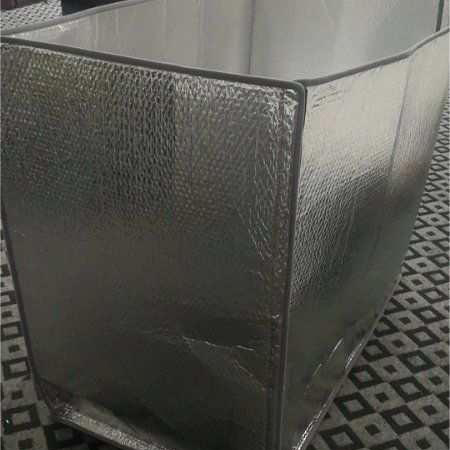
يجب أن يتبع هيكل الغطاء احتياجات المسار. تعتبر الأسطح العاكسة مفيدة عندما تكون الحرارة المشعة وأشعة الشمس مهمة. تعمل النوى العازلة على إبطاء حركة الحرارة حول البليت. تعتبر اللحامات والإغلاقات المعززة مهمة في المكان الذي تتحرك فيه المنصات عبر الرافعات الشوكية, مقطورات, أو المحطات. قد تكون الإستراتيجية السفلية أو الإستراتيجية الأساسية مهمة عندما توضع البليت على الرصيف الساخن, أرضيات باردة, أو لوحات قفص الاتهام.
للمشترين الشحن, غالبًا ما تكون تفاصيل الملاءمة أكثر أهمية من الاسم التسويقي للمنتج. تحقق من ارتفاع البليت المغلف, انتفاخ الكرتون, حماة الزاوية, نوافذ التسمية, الأشرطة, والوصول إلى الماسح الضوئي. اسأل ما إذا كان من الممكن تأمين الغطاء من خلال ارتداء العمال للقفازات أو العمل بسرعة. يمكن لمشكلة ملائمة صغيرة إنشاء قناة هوائية, الباركود المحظور, أو اختصار المشغل.
يجب أن يأخذ القرار المادي أيضًا في الاعتبار التنظيف والتخزين. تعتبر أغطية الشحن القابلة لإعادة الاستخدام عملية عند تكرار الممرات وتكون تكلفة الاسترداد أقل من خطر التخلص المتكرر والتلف. إذا كان المسار في اتجاه واحد أو لم يتمكن المتلقي من إدارة عمليات الإرجاع, قد يكون التنسيق المختلف أكثر واقعية. إذا كان الطريق حلقة مغلقة, قد يكون من المفيد النظر في غطاء أكثر متانة وقابل لإعادة الاستخدام, شريطة أن يتم تضمين الفحص والتنظيف في العملية.
ما يجب التحقق منه مع الموردين
| سؤال المشتري | لماذا يهم لهذه الكلمة الرئيسية | خطر إذا تم تجاهله |
|---|---|---|
| ما هو حجم منصة التحميل وارتفاعها الذي يناسبه الغطاء فعليًا بعد تغليف الحمولة? | يؤكد اللياقة البدنية ودوره في الطريق | قد يترك الغطاء فجوات أو يتم استخدامه لغرض خاطئ |
| هو الأداء المعلن بناءً على ملف تعريف الاختبار الذي يشبه مسار الشحن? | يربط الأداء بظروف المسار | قد لا تنطبق المطالبات على منصة التحميل الخاصة بك أو ملف تعريف التعرض |
| كيف ينبغي أن الجزء السفلي من البليت, زوايا, وتكون محمية المناطق التسمية? | يبقي العمليات قابلة للتطبيق في الشحن والاستلام | تسميات, الحطابين, أو قد يتم حظر خطوات التفتيش |
| هل يمكن تنظيف نفس الغطاء, مطوية, عاد, وتفتيشها باستمرار? | يدعم التكرار ومراجعة الجودة | يمكن أن تؤدي المادة المتغيرة أو عملية الإرجاع السيئة إلى حدوث تناقضات |
| ما هي الوثائق المتاحة للمواد, أبعاد, والاختبار الحراري? | يوضح ما إذا كان المورد يمكنه دعم مراجعة الشراء | قد يفتقر المشتري إلى أدلة للموافقة أو التوسع |
لا تتعلق مراجعة المورد هذه بجعل عملية الشراء صعبة. يتعلق الأمر بمنع العينة الرخيصة من أن تصبح مشكلة تشغيل باهظة الثمن. إذا كان المورد يستطيع الإجابة على هذه الأسئلة بوضوح, يمكن للمشتري مقارنة الخيارات على الطريق المناسب بدلاً من السعر وحده.
عندما تكون أغطية البليت مناسبة
تعتبر بطانيات البليت المعزولة للشحن مناسبة تمامًا عندما يكون الخطر مؤقتًا, مرئي, وقابلة للتكرار. إنها مفيدة عندما تتحرك منصة نقالة عبر منطقة قصيرة غير خاضعة للرقابة, ينتظر أثناء التحميل, يمر عبر محطة, أو يحتاج إلى حماية إضافية مع الاستمرار في الاعتماد على عملية سلسلة التبريد الرئيسية. يمكنهم أيضًا المساعدة في توحيد سلوك المستودع من خلال منح الموظفين إجراءً واضحًا عندما تغادر منصة نقالة المنطقة الخاضعة للتحكم.
أدوات اتخاذ القرار مفيدة
تحقق من التفاصيل قبل اختيار التغليف
يمكن أن تساعدك هذه الأدوات السريعة في مقارنة مخاطر المسار, احتياجات التحجيم, خيارات المبرد, وتفاصيل التعبئة والتغليف قبل أن تطلب عرض أسعار.
مرجع المواد العازلة
قارن بين خيارات المواد العازلة لاحتياجات التعبئة والتغليف المختلفة لسلسلة التبريد.
قارن الموادمقاومة سقوط المواد العازلة
مراجعة مقاومة السقوط وعوامل المناولة قبل اختيار المواد العازلة.
تحقق من المقاومةحاسبة علبة الثلج
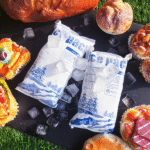
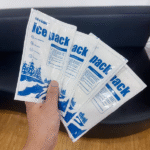
تقدير كمية عبوات الثلج الهلامي للشحنات المبردة والتخطيط العملي للمسار.
تقدير عبوات الثلجفهي ليست مناسبة تمامًا عندما لا يكون لدى المسار نظام للتحكم في درجة الحرارة, عندما تبدأ المنتجات بانتظام خارج حالتها المطلوبة, عندما يستمر التعرض لفترة أطول مما تم تصميم الغطاء من أجله, أو عندما لا يملك أحد التطبيق والإزالة. لشحن البضائع, وقد تكون أيضًا غير كافية عندما يحتاج المنتج إلى الشاحن المؤهل, حاوية نشطة, المبردة المراقبة, أو تأهيل المسار الرسمي.
أفضل إجابة هي في بعض الأحيان مزيج. يمكن إقران غطاء البليت مع النقل المبرد, بطانات معزولة, حزم المبرد, أو SOP التدريجي الأقوى. لا يحتاج الغلاف إلى حل كل مشكلة ليكون ذا قيمة. إنها تحتاج إلى حل الجزء الصحيح من المشكلة.
سير عمل تنفيذي واقعي
- تحديد متطلبات المنتج والتأكد من الحالة المقبولة للشحن على منصات نقالة والتي تحتاج إلى حماية إضافية من تقلبات درجات الحرارة أثناء النقل.
- قم بتخطيط الطريق ووضع علامة على كل نقطة تعرض غير خاضعة للتحكم أو شبه خاضعة للتحكم.
- قياس البليت ملفوفة بالكامل, بما في ذلك الارتفاع العلوي, زوايا, تسميات, وأي جهاز مراقبة.
- اختبر غطاء العينة مع موظفي المستودع أثناء التحميل الفعلي أو سير العمل المرحلي.
- قم بمراجعة الأدلة الحرارية المتاحة وتحقق مما إذا كانت ظروف الاختبار تشبه المسار.
- اكتب إجراءً بسيطًا يغطي التطبيق, إزالة, تقتيش, تخزين, تنظيف, والعودة.
- استخدام تلقي ردود الفعل و, عند الاقتضاء, مراقبة درجة الحرارة لتحديد ما إذا كان سيتم توسيع نطاق الغطاء لتكرار الشحنات.
سير العمل هذا يبقي القرار مرتبطًا بالعمليات الحقيقية. كما أنه ينشئ سجلاً للمشتريات, الخدمات اللوجستية, ويمكن لفرق الجودة أن تناقش معًا. تكون هذه المراجعة المشتركة مفيدة بشكل خاص عندما تبدو العينة الأولى مقبولة ولكن الشركة تستعد لشحنات أكبر أو أكثر انتظامًا.
مثال عملي: من العينة إلى تكرار المسار
تخيل أن المشتري يقوم بتقييم بطانيات المنصات المعزولة للشحن بعد رؤية الاستثناءات على طريق واحد. يؤكد الفريق أولاً أن معدات التخزين والنقل الرئيسية تعمل. ثم يقوم بمراجعة المسار ويكتشف أن المنصات تنتظر بالقرب من الباب أثناء تسلسل المسار. يتم اختبار غطاء العينة على منصة نقالة مغلفة حقيقية, مع تطبيق توقيت الموظفين والتحقق من الوصول إلى التسمية. يسجل المتلقي ما إذا كان الغطاء قد وصل بشكل صحيح وما إذا كانت حالة البليت مقبولة.
بعد المحاكمة, لا يوافق المشتري على الغلاف لمجرد أنه يبدو قويًا. يتحقق المشتري مما إذا كان الغطاء قد تم استخدامه في النقطة الصحيحة, ما إذا كان الموظفون وجدوا ذلك عمليًا, ما إذا كانت الوثائق كافية, وما إذا كان سلوك الطريق قد تحسن. إذا كان الجواب نعم, يمكن إضافة الغلاف إلى SOP. إذا كان الجواب لا, قد يقوم الفريق بتعديل عملية التدريج, اختر هيكل غطاء آخر, أو استخدم طريقة مختلفة للتحكم في درجة الحرارة.
التعليمات
تعتبر بطانيات البليت المعزولة للشحن كافية للتحكم الكامل في درجة الحرارة?
لا. توفر بطانيات البليت المعزولة للشحن العزل السلبي وحماية السطح, لكنها لا تقوم بتبريد أو تسخين الحمل بشكل فعال. وتكون مفيدة للغاية عندما تقلل التعرض أثناء نقاط الخطر المتوقعة مثل تحديد المراحل, تسليم, والتحميل. لمتطلبات درجة الحرارة الصارمة, لا تزال بحاجة إلى قواعد التعامل الخاصة بالمنتج, معدات النقل المناسبة, وخطة المراقبة.
ما الذي يجب التحقق منه قبل طلب أغطية البليت?
ابدأ مع وسيلة النقل, يسكن الوقت, البليت مناسبا, خطة التعافي, وإجراءات الاستلام. ثم اسأل عن الأبعاد المجهزة الفعلية, بناء المواد, تصميم الإغلاق, طريقة التنظيف, وأي وثائق اختبار تتوافق مع المسار المتوقع الخاص بك. الغلاف الذي يبدو مناسبًا في الكتالوج قد لا يعمل على غلاف مغلف, غير متساو, أو منصة نقالة أطول من المعيار.
هل الأغطية القابلة لإعادة الاستخدام أفضل من الأغطية ذات الاستخدام الواحد؟?
يمكن أن تكون الأغطية القابلة لإعادة الاستخدام أفضل في الممرات المتكررة مع تدفق العودة, المشغلين المدربين, ومراقبة التنظيف. قد تكون أغطية الاستخدام الفردي أكثر عملية عندما يكون التعافي مستحيلاً أو عندما يكون المسار مجزأ للغاية. يعتمد الاختيار الصحيح على إجمالي تكلفة المناولة, سياسة النفايات, والانضباط التشغيلي.
كيف تتناسب أغطية البليت مع خطة الشحن الأوسع?
وينبغي معاملتهم كطبقة للحد من المخاطر. لا تزال الخطة الأوسع تتضمن التخزين الصحيح, تعليمات الناقل, تسلسل التحميل, تلقي التفتيش, وأي مراقبة لدرجة الحرارة يطلبها مالك المنتج. تعمل الأغطية بشكل أفضل عندما يكون للمسار مسؤوليات واضحة بالفعل.
خاتمة
أفضل استخدام لبطانيات البليت المعزولة للشحن لا يعد بالتحكم المثالي في درجة الحرارة, ولكن لتقليل التعرض المعروف على مستوى البليت. ابدأ بمتطلبات المنتج, خريطة الطريق, تأكد من المدة التي يمكن أن تبقى فيها البليت خارج المنطقة المقصودة, وتحقق مما إذا كان الغطاء يناسب الحمولة المغلفة في التشغيل الحقيقي. ثم اطلب الوثائق التي تدعم المادة, أبعاد, والاستخدام المقصود. عندما تكون تلك الأساسيات واضحة, يصبح غطاء البليت جزءًا عمليًا من خطة سلسلة التبريد بدلاً من كونه وظيفة إضافية مفعمة بالأمل.
حول Tempk
تعمل Tempk مع مشتري B2B للمقارنة تغليف السلسلة الباردة للممرات الحقيقية, مشتمل أغطية البليت, أكياس معزولة, بطانات, صناديق تبريد, وحزم التبريد. لهذا الموضوع, دورنا هو مساعدتك في طرح الأسئلة المناسبة: ما يتم شحنه, حيث يحدث التعرض, كيف يتم التعامل مع البليت, وما هي الأدلة التي يحتاجها فريقك قبل التوسع من العينة إلى الطلبات المتكررة.
أرسل Tempk فئة المنتج, تنسيق البليت, ومسار الشحن الذي تريد حمايته, وسنساعدك على تحديد خيارات التغليف العملية.