الشركة المصنعة لحزمة الثلج الجاف لنقل الجبن: دليل عملي للمشترين بالجملة
إن أفضل شركة مصنعة لتعبئة الثلج الجاف لنقل الجبن هي تلك التي تتوافق مع المنتج, طريق, هدف درجة الحرارة, وعملية التشغيل. لنقل الجبن, يجب أن يبدأ قرار الشراء بحساسية المنتج وينتهي بالمورد الذي يمكنه دعم إعداد العبوة القابلة للتكرار, تعليمات التعامل واضحة, واتساق العينة إلى الإنتاج. يمكن أن تكون علبة الثلج الجاف ذات قيمة, ولكنها ليست إجابة شاملة لكل مشكلة في سلسلة التبريد.
الجبن المجمد, شحنات احتياطية طويلة, أو الطرق التي تم التحقق من صحة مصدر شديد البرودة فيها قد تكون مناسبة لحزم شديدة البرودة. حزم هلام, طوب الجليد, أو غالبًا ما يكون ضبط المواد المتغيرة الطور أسهل في ممرات الجبن المبردة. يعد هذا التمييز مهمًا لأن فرق الشراء غالبًا ما تقارن المنتجات حسب تكلفة الوحدة أو وقت الانتظار المعلن عنه مع تجاهل الحجم القابل للاستخدام, فصل الحزمة, وضع الحمولة, واستلام الفحص. تحدد هذه التفاصيل ما إذا كانت الشحنة ستبقى في الحالة المقصودة أم لا.
يجب أن تغطي المحادثة القوية مع الموردين تعريف المواد, أبعاد, كتلة الحزمة, توافق العزل, افتراضات الطريق, احتياجات التنظيف, وضع العلامات, التتبع, السيطرة على التغيير, والتخطيط للمهلة الزمنية. الهدف ليس شراء أبرد حزمة. الهدف هو شراء مكون تعبئة قابل للتكرار يعمل داخل نظام سلسلة تبريد كامل.
ماذا تعني حزمة الثلج الجاف في الواقع في مجال المشتريات
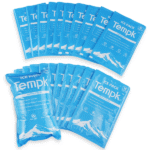
يمكن أن يعني مصطلح كيس الثلج الجاف أشياء مختلفة في كتالوجات مختلفة. يستخدمه بعض الموردين لثاني أكسيد الكربون الصلب الموجود في الشاحن كمبرد. يستخدمه موردون آخرون للحصول على رطوبة, قابل لإعادة الاستخدام حزمة باردة التي يتم نقعها أو تحضيرها, المجمدة, ثم يستخدم كمصدر تبريد قوي. لا ينبغي للمشتري بالجملة أن يفترض أبدًا أن كلا المنتجين لهما نفس قواعد التعامل, الملف الشخصي للسلامة, أو السلوك الحراري.
هذا التمييز مهم في نقل الجبن. يطلق الثلج الجاف الصلب غاز ثاني أكسيد الكربون ويتطلب تعبئة غير محكمة الإغلاق. تعمل العبوة الرطبة القابلة لإعادة الاستخدام مثل العبوة الباردة, على الرغم من أنه قد يتم تسويقه لأداء بارد جدًا. قبل الطلب من الشركة المصنعة, اسأل عن الوصف المادي, تعليمات التحضير, متطلبات التخزين, وما إذا كان المقصود من الحزمة أن تحل محل, ملحق, أو تجنب الثلج الجاف الحقيقي.
عندما تكون عبوات الثلج الجاف مناسبة لنقل الجبن
حزم الثلج الجاف أو العبوات ذات نمط الثلج الجاف تكون أكثر منطقية عندما يكون المنتج قادرًا على تحمل الظروف شديدة البرودة ويحتاج المسار إلى تبريد احتياطي قوي. للجبن, وهذا يعني عادة الجبن المجمد, شحنات احتياطية طويلة, أو الطرق التي تم التحقق من صحة مصدر شديد البرودة فيها. يجب استخدام العبوة مع العزل المناسب, الانفصال عن الحمولة, وتكوين التعبئة الذي تم فحصه مقابل المسار المتوقع.
لا يتم تحديد الملاءمة الجيدة من خلال اسم المنتج وحده. يتم تحديده من خلال نطاق درجة الحرارة المقبولة, مدة الشحن, كتلة الحمولة, حجم الكرتون, التعرض المحيطي, ومعالجة التأخير. يجب على المشترين مقارنة الحزمة بالمسار بدلاً من مقارنة الحزم بشكل منفصل.
عندما تكون عبوة الثلج الجاف خيارًا خاطئًا
يمكن لحزمة الثلج الجاف الخاطئة أن تشكل خطرًا كبيرًا مثل الشحنة الدافئة. في نقل الجبن, يمكن للثلج الجاف أن يفرط في تجميد الجبن, خلق التكثيف بعد الاحترار, وتغيير الملمس إذا لم يتم فصل العبوة عن المنتج. قد يؤدي وضع مصدر شديد البرودة على علبة المنتج إلى تجميد السطح بينما يظل مركز الحمولة في حالة مختلفة. قد تتأثر المنتجات الحساسة أيضًا بالتكثيف, هشاشة التغليف, ضرر التسمية, أو التعامل مع المخاطر.
وفي بعض الأحيان يكون البديل الأكثر أمانًا أقل دراماتيكية: حزم هلام, طوب الجليد, أو غالبًا ما يكون ضبط المواد المتغيرة الطور أسهل في ممرات الجبن المبردة. قد يكون من الأسهل التأهل لمصدر بارد أكثر اعتدالًا, أسهل لتدريب فرق المستودعات على الاستخدام, وأسهل في الاستلام دون معاملة خاصة. لا ينبغي للمشترين اختيار الثلج الجاف لمجرد أن الطريق ساخن أو طويل.
يجب على المشترين مقارنة المواصفات قبل الطلب
المواصفات الأولى هي البعد, ولكن يجب على المشترين فصل الحجم الخارجي عن الحجم القابل للاستخدام. قد تؤدي العبوة التي تناسب الكرتون على الورق إلى تقليل تجويف المنتج إلى حد كبير بحيث يتم ضغط الحمولة الصافية أو إزاحتها. لنقل الجبن, المساحة القابلة للاستخدام مهمة لأن العبوة يجب أن تترك مساحة للفواصل, أجهزة مراقبة درجة الحرارة, توسيد, وحمولة الجبن الفعلية.
تشمل الفحوصات العملية الأخرى قوة العبوة, مقاومة التسرب, الانتهاء من السطح, منطقة التسمية, عدد الكرتون, بصمة التخزين, وقت التجميد, قابلية التنظيف, رائحة, وتعامل الموظفين. للطلبات المتكررة, اسأل عن تحديد الكمية وما إذا كان المورد سيخطر المشترين قبل تغيير الفيلم, مادة ماصة, تخطيط الخلية, أبعاد, أو كمية التعبئة.
قائمة مراجعة تقييم الموردين بالجملة
يجب أن تتجاوز المحادثة المفيدة للشركة المصنعة سعر الوحدة. اسأل عن الأبعاد الداخلية والخارجية, وزن العبوة أو مواصفات التعبئة, عدد الخلايا أو التخطيط, طريقة التحضير, كمية الكرتون, أبعاد القضية, كمية البليت, وظروف التجميد أو التخزين الموصى بها. تساعد هذه التفاصيل المشتري على حساب الحجم القابل للاستخدام, مساحة المستودع, وخطوات العمل قبل وصول الطلب بالجملة الأول.
اسأل كيف يتحكم المورد في اتساق العينة مع الإنتاج. تظهر العديد من المشاكل فقط بعد أن يوافق المشتري على العينة ثم يتلقى طلبًا كبيرًا مع تغييرات طفيفة في سمك الفيلم, حجم العبوة, الامتصاص, قوة الختم, أو عدد الكرتون. لنقل الجبن, يمكن أن تؤثر هذه التغييرات الصغيرة على وضع العبوة, معدل التبريد, وتدريب الموظفين. المواصفات المكتوبة تقلل من هذا الخطر.
اسأل عن التخصيص فقط بعد أن تكون الملاءمة الفنية واضحة. حجم مخصص, تعليمات مطبوعة, تغليف الملصقات الخاصة, تكوين الكرتون, أو يمكن أن تكون أعداد العبوات المختلفة ذات قيمة, لكن لا ينبغي لهم إخفاء الافتراضات الحرارية الضعيفة.
تصميم الحزم: أكثر من الحزمة نفسها
حزمة السلسلة الباردة هي نظام. ويشمل الكرتون الخارجي أو الصندوق, سمك العزل, مصدر بارد, فاصل, تحميل المنتج, ملء باطلة, طريقة الإغلاق, وضع التسمية, وأحيانا مراقبة درجة الحرارة. تغيير أي جزء يمكن أن يغير النتيجة. ولهذا السبب يجب على المشترين تجنب الموافقة على عبوات الثلج الجاف بناءً على اختبار الفريزر أو صورة المورد فقط.
للجبن, موقع الحزمة مهم بشكل خاص. المبرد وضعت على القمة, أقل, أو حول الحمولة يمكن أن تخلق أنماطًا مختلفة لدرجات الحرارة. تتصرف الحمولة الكاملة بشكل مختلف عن علبة نصف فارغة. تتصرف الكراتين المنقولة بشكل مختلف عن الطرود المفردة. يجب أن تعكس الحزمة التجريبية نمط التحميل الحقيقي بدلاً من مربع العينة المبسط.
أدوات اتخاذ القرار مفيدة
تحقق من التفاصيل قبل اختيار التغليف
يمكن أن تساعدك هذه الأدوات السريعة في مقارنة مخاطر المسار, احتياجات التحجيم, خيارات المبرد, وتفاصيل التعبئة والتغليف قبل أن تطلب عرض أسعار.
محدد التعبئة والتغليف
قارن بين خيارات التغليف المعزولة حسب المنتج, طريق, ودرجة الحرارة اللازمة.
البحث عن التعبئة والتغليفمولد قائمة التحقق من الامتثال
قم ببناء قائمة مرجعية عملية لمراجعة التغليف, شحن, والتوثيق.
بناء قائمة مرجعيةمرجع المواد العازلة
قارن بين خيارات المواد العازلة لاحتياجات التعبئة والتغليف المختلفة لسلسلة التبريد.
قارن الموادأمان, جودة الغذاء, وحدود الامتثال
إذا تم استخدام الثلج الجاف الصلب الفعلي, يجب أن تسمح العبوة بخروج غاز ثاني أكسيد الكربون. تعتبر الحاويات المحكمة الإغلاق غير آمنة لأن الضغط يمكن أن يتراكم مع تسامي الثلج الجاف. يحتاج الموظفون أيضًا إلى التدريب على التهوية, استخدام القفازات, حماية العين عند الاقتضاء, والتخلص الآمن. هذه الاحتياطات ليست تفاصيل اختيارية; فهي جزء من استخدام الثلج الجاف بشكل مسؤول في عملية الشحن.
تتطلب شحنات المواد الغذائية معالجة صحية بالإضافة إلى التحكم في درجة الحرارة. المركبات, كرتون, بطانات, ويجب أن تظل أسطح التغليف نظيفة, وينبغي حماية المنتجات من التلوث أثناء النقل. لنقل الجبن, لا يمكن للكمادة الباردة أن تعوض سوء الصرف الصحي, التعبئة والتغليف التجزئة سحقت, المنتجات المتسربة, أو بيئة تحميل قذرة.
وتحتاج الشحنات الصيدلانية والبيولوجية إلى حدود أكثر وضوحا. حزمة باردة, مربع معزول, أو الحاوية القابلة لإعادة الاستخدام ليست مؤهلة تلقائيًا نظام شحن يتم التحكم بدرجة حرارته. متطلبات المنتج, ظروف الطريق, تكوين التعبئة, يراقب, الوثائق, وتلقي التفتيش، كل ذلك يحتاج إلى مراجعة من قبل فريق الجودة أو الخدمات اللوجستية للمشتري قبل الاستخدام الروتيني.
يكلف, يضيع, والملاءمة التشغيلية
غالبًا ما يبدأ المشترون بالجملة بتكلفة الوحدة, لكن التكلفة الحقيقية للحزمة تشمل العمالة, سعة الفريزر, مساحة التخزين, مكعب كرتون, فقدان المنتج, قيود الناقل, والتعامل مع التخلص منها أو إعادتها. قد تكلف العبوة الأرخص للقطعة الواحدة أكثر إذا كانت تتطلب وقتًا إضافيًا للتجميد, يبطئ التعبئة, أو زيادة عدد الكراتين المرفوضة عند الاستلام.
يمكن للحزم القابلة لإعادة الاستخدام أن تقلل من النفايات ذات الاستخدام الواحد عندما تكون هناك حلقة استرداد عملية. تكون أقل فائدة عندما تذهب الشحنات إلى مستهلكين غير معروفين, أجهزة الاستقبال البعيدة, أو المواقع دون عملية العودة. لتوزيع الألبان المتخصصة, يجب أن يرتبط قرار الاستدامة بعمليات حقيقية: معدل العودة, عملية التنظيف, حزمة الحياة, معدل الضرر, وما إذا كان من الممكن فرز العبوة وإعادة استخدامها دون إرباك موظفي المستودع.
أخطاء الطلب الشائعة التي يجب تجنبها
أحد الأخطاء الشائعة هو طلب الحد الأقصى لوقت الانتظار دون تحديد الحمولة. عقد تغييرات الوقت مع كتلة المنتج, حجم الكرتون, العزل, درجة الحرارة المحيطة, درجة حرارة البداية, كمية العبوة, ومعالجة التأخير. إن وقت الانتظار المطالب به ليس ضمانًا عالميًا, خاصة لنقل الجبن. يجب على المشترين أن يسألوا عن الشروط التي تم استخدامها لمناقشة الأداء.
خطأ آخر هو تجاهل تغيير الأبعاد من العينة إلى الطلب بالجملة. قد يؤدي أي تغيير بسيط في عرض العبوة إلى منع الشاحن من الإغلاق بشكل صحيح أو دفع المنتج مقابل مادة التبريد. يمكن أن يؤدي التغيير في عدد الكرتون إلى تعطيل خط التعبئة. تساعد معايير التفتيش الواردة المكتوبة على منع هذه المفاجآت.
كيفية تحويل مطالبات الموردين إلى مواصفات قابلة للاستخدام
تحويل كل بيان المورد إلى شرط. إذا قال المورد أن العبوة تبقى باردة لفترة طويلة, اسأل في أي مربع, مع ما الحمولة, تحت أي ملف تعريف المحيطة, ومع كم حزمة. إذا قال المورد أن العبوة مناسبة لنقل الجبن, اسأل عن نطاق درجة حرارة المنتج وما هي حدود التعامل المفترضة.
قم ببناء مواصفات الشراء حول تفاصيل قابلة للقياس: أبعاد, كتلة الحزمة, وصف المواد, كمية الكرتون, طريقة التحضير, التوافق مع الشاحن المختار, احتياجات وضع العلامات, مظهر مقبول, معايير التسرب, وتوقعات إشعار التغيير. تعد هذه المواصفات أكثر قيمة من مطالبة تسويقية واسعة النطاق لأنه يمكن فحصها عند وصول الشحنات المجمعة.
بعد الموافقة, إبقاء الحزمة تحت السيطرة. لا تسمح لموظفي المستودع باستبدال صندوق معزول مختلف, تقليل كمية العبوة, تغيير تحميل المنتج, أو تخطي وقت التجميد دون مراجعة. معظم حالات فشل سلسلة التبريد تأتي من تغييرات صغيرة تبدو غير ضارة حتى يتم الضغط على المسار.
الأسئلة الشائعة العملية
هل يمكن استخدام كيس الثلج الجاف لكل شحنة مبردة؟?
لا. عادة ما يتم أخذ الثلج الجاف والثلج الجاف بعين الاعتبار عند الحاجة إلى احتياطي تبريد قوي. تحتاج العديد من المنتجات المبردة إلى عبوة هلامية أكثر اعتدالًا أو مادة متغيرة الطور حتى لا يتجمد المنتج.
في حالة ملامسة العبوة للمنتج مباشرة?
الاتصال المباشر عادة ما يكون خطأ. فاصل, بطانة, أو غالبًا ما تكون هناك حاجة إلى تخطيط داخلي لتقليل التجميد المحلي, نقل الرطوبة, كشط, وتلف تسمية.
ما الذي يجب اختباره قبل الطلب بالجملة?
اختبار الحزمة الكاملة, ليس فقط الحزمة. الشاحن المعزول, تحميل المنتج, كمية المبردات, إغلاق الكرتون, ملف تعريف المحيط, ويسكن الوقت كلها تؤثر على الأداء.
عبارة عن كيس من الثلج الجاف المرطب مثل الثلج الجاف الصلب?
ليس دائما. يستخدم بعض المشترين هذه العبارة للإشارة إلى الكمادات الباردة القابلة لإعادة الاستخدام والمرطبة والمجمدة. ويعني البعض الآخر ثاني أكسيد الكربون الصلب. تأكيد المادة, طريقة التعامل, وقواعد النقل مع المورد.
حول Tempk
لوازم تيمبك تغليف السلسلة الباردة المنتجات للأغذية, الأدوية, والشحنات الحساسة لدرجة الحرارة, بما في ذلك عبوات الثلج, عبوات الثلج الجاف المرطب, أكياس معزولة, أنظمة الكرتون المعزولة, صناديق برودة EPP, صناديق طبية لكبار الشخصيات, وخيارات التعبئة والتغليف سلسلة التبريد ذات الصلة. نحن ندعم المشترين الذين يحتاجون إلى خيارات عملية للتعبئة بدلاً من منتج عام واحد. لمشاريع حزمة الثلج الجاف, دورنا هو المساعدة في مطابقة المصدر البارد, تنسيق العزل, حمولة, مدة الشحن, وطريقة التعامل قبل تقديم الطلب بالجملة.
تحدث إلى Tempk
شارك بنوع المنتج, نطاق درجة الحرارة المستهدفة, وقت العبور المتوقع, حجم الشحنة, وشروط الطريق لمشروع نقل الجبن الخاص بك. يمكن أن تساعدك شركة Tempk في مقارنة خيارات عبوات الثلج الجاف السائبة, أشكال التغليف المعزولة, وتكوينات التعبئة المخصصة قبل الالتزام بكميات الإنتاج.
ملاحظات الطرح العملية
قبل الشحنة الروتينية الأولى, إنشاء تعليمات تعبئة من صفحة واحدة لنقل الجبن. يجب أن توضح طريقة تحضير العبوة, عدد العبوات, موقع الحزمة, مادة فاصلة, اتجاه المنتج, إغلاق الكرتون, موقع التسمية, وخطوات الاستلام. تقلل هذه الوثيقة من انحراف التدريب وتساعد على الشراء, جودة, وتناقش فرق المستودعات نفس التكوين.