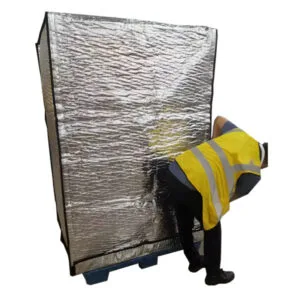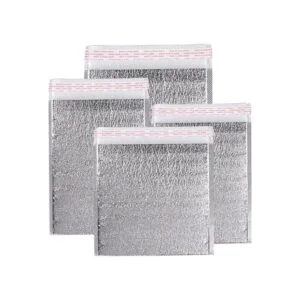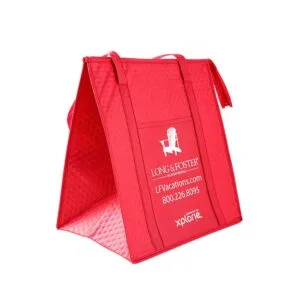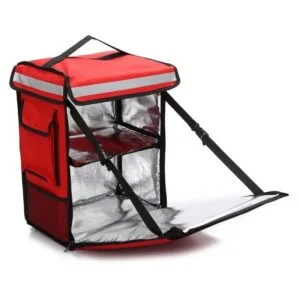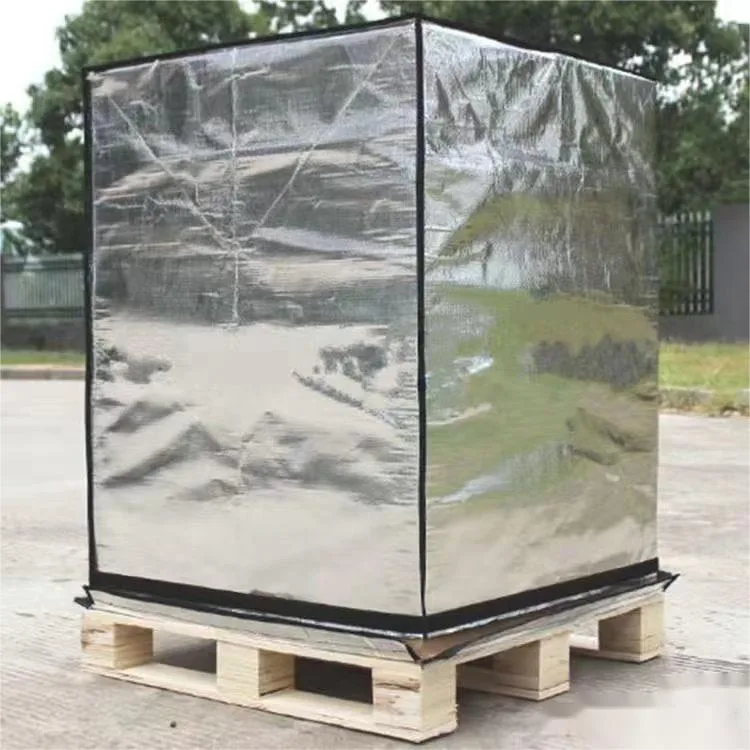
أغطية حرارية لمنصة التحميل للتخزين بالجملة التي تناسب الحمولة, موقع, والعملية
الأفضل الأغطية الحرارية البليت للتخزين بالجملة لا يتم اختيارها بالسمك وحده. ويتم اختيارها عن طريق مطابقة مجموعة الغطاء الكاملة مع منصة نقالة معروفة, التعرض المعروف, وعملية مستودع قابلة للتكرار. يقوم الغطاء بعد ذلك بإبطاء التبادل الحراري غير المرغوب فيه لهذا الحدث المحدد. لا يولد التبريد, الحفاظ على نقطة محددة إلى أجل غير مسمى, أو استبدال غرفة باردة, مركبة مبردة, أو قرار جودة المنتج.
يعمل نهج المظروف التشغيلي هذا على حل العديد من أخطاء الشراء الشائعة. بدلاً من السؤال عن الغطاء "الأكثر عزلاً".,"ستسأل عن التكوين الذي يظل قابلاً للاستخدام ومدعومًا بالأدلة الموجودة في قفص الاتهام الخاص بك, على الأرض الخاصة بك, حول حمولتك, ومن خلال التأخير تحتاج فعلا إلى إدارة.
ارسم الحد قبل تسمية الحل
ابدأ برسم حدود بسيط. ضع البليت في المنتصف وقم بتسمية كل شيء يمكن أن يتبادل الحرارة أو الرطوبة معه: هواء الغرفة, مسودات الباب, السقف والأضواء, الأحمال المجاورة, الخرسانة أو الفولاذ تحت البليت, وأي تعرض في الهواء الطلق. أضف المسار والتوقيت. غالبًا ما تكشف هذه الصورة أن طلب الشراء ليس في الحقيقة "تخزينًا ضخمًا". قد يكون مخرجًا للغرفة يتم التحكم فيه, قفص الاتهام الانتظار, نقل عبر المبنى, رف الفائض, أو تعليق الطوارئ.
أضف الآن حدود المنتج. سجل حالة التخزين المعتمدة, سواء كان التجميد أو ارتفاع درجة الحرارة ضارًا بشكل خاص, مدى تجانس الحمل عندما يترك مساحة يمكن التحكم فيها, ومن يقرر ما إذا كانت الرحلة مقبولة أم لا. تختلف المتطلبات بين الأطعمة, الأدوية, المواد الكيميائية, الإلكترونيات, والمواد الصناعية. قد لا تكون درجة الحرارة المطبوعة على أمر عمل المستودع هي معيار الجودة الكامل.
أخيراً, إضافة الحدود التشغيلية. لاحظ أبعاد البليت بعد التغليف, حالة المتراكمة, تردد التحميل الجزئي, معدات مناولة المواد, وضع العلامات, ضوابط النار, احتياجات الصرف الصحي, ووصول العامل. إن الغطاء الذي يبدو قابلاً للحرارة ولكن لا يمكن تثبيته بشكل آمن أو ثابت لا يعد وسيلة تحكم فعالة.
الإخراج عبارة عن بيان مشكلة قصير. على سبيل المثال: "قم بتخزين مجموعة محددة من المنصات المجهزة مسبقًا أثناء التدريج الداخلي للخارج بجانب الباب 4, بما في ذلك حالة تأخير موثقة, دون عرقلة بطاقات الهوية أو الوصول إلى منصة التحميل. يعد هذا أكثر فائدة للمورد وفريق الاختبار من "الحاجة إلى بطانية حرارية لمدة 48 ساعة". ينص على وظيفة دون اختراع نتيجة.
قرر ما إذا كان الغطاء هو التحكم الصحيح
سلبي أغطية البليت جذابة لأنها لا تحتاج إلى طاقة ويمكن نشرها حول الأحمال الموجودة. هذه المزايا لا تجعلها مناسبة لكل المخاطر. استخدم التسلسل الهرمي للتحكم بناءً على شدة التعرض ومدته.
إذا كانت البضاعة تتطلب التخزين المستمر المبرد أو المجمد, يجب أن تكون وحدة التحكم الأساسية عادةً عبارة عن معدات مصممة, مراقبة, والحفاظ عليها لهذا الشرط. إذا كان النقل يتجاوز بانتظام قدرة العزل السلبي, تحسين الجدولة, إضافة التدريج التي تسيطر عليها, أو استخدم حاوية مناسبة يمكن التحكم في درجة حرارتها. إذا كان التعرض قصيرا, يمكن التنبؤ به, ومعتدلة بدرجة كافية للدراسة, قد يكون الغطاء طبقة ثانوية متناسبة.
وقد يدعم الغطاء أيضًا خطة الطوارئ, ولكن فقط بعد أن تحدد الخطة النقطة التي تنتقل عندها البضائع إلى التبريد الاحتياطي أو أي حل مؤهل آخر. المقاومة السلبية يمكن أن تبطئ التغير في درجة الحرارة; ولا يمكن أن يخبرك ما إذا كان المنتج لا يزال قابلاً للإصدار. بيانات, المعايير المعتمدة, ومراجعة الجودة تخدم هذا الدور.
ارفض خيار التغطية عندما يشكل خطرًا أكبر. تشمل الأمثلة المواد السائبة بالقرب من عجلات السيارة, التدخل مع الرشاشات الرف, عدم القدرة على رؤية التسميات المنظمة, مخاطر التلوث غير المتوافقة, أو الظروف الخارجية التي يمكنها رفع العلبة أو نقعها. قد تكون إعادة تصميم العمل أكثر أمانًا من فرض غطاء من القماش عليه.
ترجمة الغطاء إلى مناطق وظيفية
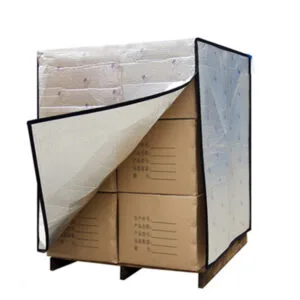
يمكن فهم الغطاء النهائي على أنه خمس مناطق وظيفية. يجعل هذا العرض مقارنات الموردين أكثر وضوحًا من قائمة الأسماء التجارية للمواد.
منطقة مواجهة للإشعاع: الوجه الخارجي يواجه الأضواء, أسطح السقف, شمس, أو المناطق المحيطة الباردة. الخصائص العاكسة يمكن أن تقلل من التبادل الإشعاعي, ولكن فقط في الاتجاه والحالة ذات الصلة. الأوساخ, اتصال مباشر, تلف الطلاء, والطيات يمكن أن تغير التأثير.
منطقة مقاومة: يعمل القلب العازل على إبطاء تدفق الحرارة الموصل عبر اللوحة. فعاليتها تعتمد على الهيكل, سماكة, ضغط, رُطُوبَة, طبقات, والشيخوخة. لا تختلف بيانات اللوحة الاسمية عن أداء الغطاء النهائي.
منطقة التحكم الجوي: التنانير, يتداخل, اللوحات, والإغلاقات تحد من حركة الهواء. قد تهيمن فجوة صغيرة مستمرة على اختلاف بسيط بين قلوب العزل, خاصة في تدفق الرياح أو المروحة.
منطقة الاتصال: البليت, أرضية, رف, أو يشكل سطح المقطورة الحد الأدنى. غطاء خماسي الجوانب يترك هذا المسار مميزًا. تصبح أي قاعدة معزولة جزءًا من استقرار الحمل, صحة, والتأهيل.
منطقة الواجهة البشرية: مقابض, تسميات, الإغلاق, خطوط أضعاف, وتحدد نقاط الإمساك ما إذا كان العمال يقومون بتثبيت النظام بشكل صحيح. تؤثر هذه التفاصيل أيضًا على الضرر وإعادة الاستخدام.
تحدد تفسيرات نقل الحرارة الصادرة عن وزارة الطاقة التوصيل, الحمل الحراري, والإشعاع كوسيلة أساسية. تربط مراجعة المنطقة الوظيفية هذه المبادئ بتفاصيل المستودع. كما أنها تمنع الطبقة العاكسة الخارجية من تلقي كل الاهتمام أثناء الفجوة السفلية, العزل الرطب, أو الإغلاق الفاشل يتحكم في النتيجة.
الرطوبة تعبر عدة مناطق. يمكن أن يتعرض الحمل البارد الذي يدخل الهواء الرطب إلى التكثيف حتى تحت غطاء مقاوم للماء. الماء يمكن أن يضعف الكراتين, تسميات غامضة, جعل الأرضيات زلقة, أو أدخل صفح التالفة. تحديد متى يتم تثبيت الغطاء, كيفية التعامل مع الوحدات الرطبة, حيث يجففون, وكيف يتم الكشف عن دخول المياه المخفية.
بناء الأدلة في طبقات
يجب أن تنضج أدلة الأداء مع انتقال عملية الشراء من المفهوم إلى الحجم. كل مرحلة تجيب على سؤال مختلف.
| مرحلة الأدلة | السؤال الرئيسي | مخرجات مفيدة |
|---|---|---|
| مراجعة الوثيقة | هل البناء يمكن تحديده ومناسب للفحص? | وصف الطبقة, أبعاد, التسامح, معلومات المواد والسلامة, الحدود المعلنة |
| صالح والتعامل مع المحاكمة | هل يمكن للعمال استخدامه بشكل آمن على كل عائلة تحميل معتمدة? | ملاحظات التثبيت, خريطة الفجوة, تخليص المعدات, رؤية التسمية, ملاحظات الضرر |
| الدراسة الحرارية التي تسيطر عليها | هل يقوم التكوين بتخزين التحدي المحدد? | بروتوكول, بيانات الاستشعار معايرة, التدرجات, كرر النتائج, ملاحظات الرطوبة والنزاهة |
| طيار الموقع | هل تعمل العملية في ظل عمليات التسليم والتأخير الحقيقية؟? | امتثال, بيانات السكن, استثناءات, ردود فعل المشغل, نتائج مراقبة الأصول |
| التحقق الروتيني | هل يظل الأداء المعتمد ذا مصداقية مع مرور الوقت؟? | التفتيش الوارد, مراجعة التغيير, الشيكات غطاء العمر, سجلات الاتجاه والانحراف |
هذا التسلسل يتجنب النقيضين. لا يتطلب الأمر برنامجًا حراريًا باهظ الثمن للغطاء الذي يفشل في التجربة الأولى الملائمة, ولا يخطئ في أن الملاءمة المريحة هي دليل على الحرارة. الأدلة تنمو مع المخاطر والالتزام.
تنشر ISTA معايير الاختبار الحراري الرسمية وملفات تعريف النقل, بما في ذلك المعيار 7E للحرارة الخاصة بتسليم الطرود تغليف النقل والمعيار 20 العمليات ل حاويات شحن معزولة. يمكن لهذه الأطر أن توجه التفكير المنضبط, ولكن يجب احترام نطاقها. لا يتم التحقق من صحة غطاء منصة التحميل المستخدم لتجهيز المستودعات الثابتة لمجرد أن التقرير يشير إلى ملف تعريف ISTA. تحديد ما إذا كانت الطريقة تمثل التطبيق الفعلي وما هي التعديلات التي تم إجراؤها.
لدراسة تسيطر عليها, تحديد بناء البليت, درجات حرارة البداية, تكوين الغطاء, الملف البيئي, حدود الكلمة, حركة الهواء, الرطوبة عند الاقتضاء, التعامل مع الأحداث, نظام الاستشعار, مدة, ومعايير القبول. خريطة النقاط الدافئة والباردة المحتملة. لا تضع كل مسبار في المركز, حيث توفر الكتلة الحرارية أكبر قدر من التخزين المؤقت. قم بتوثيق قواعد البيانات المفقودة وكرر الأساس المنطقي قبل رؤية النتائج.
كن حذرًا بشأن المدة المعلنة للمورد. بسأل: المدة إلى أي معيار, تحت أي نمط المحيطة, مع ما الحمولة, في أي حالة البداية, باستخدام مواقف الاستشعار? يمكن أن يكون الاختبار صالحًا تمامًا لتكوينه ولا يزال غير ذي صلة بتكوينك.
أدوات اتخاذ القرار مفيدة
تحقق من التفاصيل قبل اختيار التغليف
يمكن أن تساعدك هذه الأدوات السريعة في مقارنة مخاطر المسار, احتياجات التحجيم, خيارات المبرد, وتفاصيل التعبئة والتغليف قبل أن تطلب عرض أسعار.
مولد قائمة التحقق من الامتثال
قم ببناء قائمة مرجعية عملية لمراجعة التغليف, شحن, والتوثيق.
بناء قائمة مرجعيةحاسبة الثلج الجاف
تقدير احتياجات الثلج الجاف للشحنات المجمدة أو شديدة البرودة قبل التعبئة.
تقدير الثلج الجافمحدد التعبئة والتغليف
قارن بين خيارات التغليف المعزولة حسب المنتج, طريق, ودرجة الحرارة اللازمة.
البحث عن التعبئة والتغليفاكتب تعليمات العمل حول أوضاع الفشل
يجب أن توضح التعليمات أكثر من كيفية سحب الغطاء فوق منصة نقالة. يجب أن يمنع الطرق التي يمكن التنبؤ بها لفشل التحكم.
قبل التثبيت, يقوم المشغل بالتحقق من هوية البليت, عائلة التحميل المعتمدة, بدء حالة الإصدار, معرف الغلاف, جفاف, نظافة, طبقات, العزل, الإغلاق, وترتيبات التسمية. يتم تثبيت الغطاء في الاتجاه المحدد في الموقع المحدد. يتم تأمين جميع اللوحات والتنانير, بمواد خالية من العجلات ومسارات المشي. تبدأ ساعة السكون وفقًا لمشغل محدد.
أثناء التدريج, تبقى البليت فقط في المواضع المعتمدة. يتم تجنب الفتح ما لم يسمح الإجراء بذلك; إذا حدث الوصول, يقوم الموظفون بتسجيلها أو إعادة تشغيل القاعدة التي حددها فريق الجودة. الانتقال إلى باب غير موافق عليه, ساحة في الهواء الطلق, بقعة مضاءة بنور الشمس, أو يؤدي السطح المعدني إلى التصعيد بدلاً من الاستمرار غير الرسمي.
في نهايةالمطاف, يقوم الموظفون بإزالة الغطاء بأمان, فحص الحمل كما هو مطلوب, التقاط بيانات الرصد, وتوجيه الغطاء لتنظيف العودة, تنظيف, بصلح, الحجر الصحي, أو التقاعد. لا يمكن أبدًا قبول الغطاء التالف بمجرد مضاعفته بغطاء آخر لم يتم تقييمه. يمكن لطبقتين تغيير التعامل, رُطُوبَة, سلوك النار, والإغلاق دون أساس أداء معروف.
يجب أن تظهر المساعدات البصرية فجوات أقل مقبولة, أمر الإغلاق, عرض التسمية الصحيحة, والأضرار المشتركة. يجب على المشرفين مراقبة الأداء أثناء الورديات الأكثر ازدحامًا وأثناء المواسم الباردة أو الحارة. قد تفشل العملية المصممة في تجربة هادئة عندما يتعامل المشغلون مع عدة منصات في وقت واحد.
تسلط معلومات التعامل مع المواد في مستودعات إدارة السلامة والصحة المهنية في الولايات المتحدة الضوء على الممرات الواضحة والتخليص الآمن للمعدات. سوف تختلف القوانين المحلية وقواعد المنشأة, لكن الدرس العملي واسع النطاق: يجب أن يتناسب العزل مع نظام الحركة الآمنة. نار, مبنى, شركة التأمين, وقد تكون هناك حاجة أيضًا إلى مراجعات الصرف الصحي اعتمادًا على المنتج وترتيبات التخزين.
شراء البرنامج, ليس فقط الألواح
يؤدي الشراء بالجملة إلى تضخيم نقاط الغموض الصغيرة. تحول الأبعاد بمقدار سنتيمتر واحد, إغلاق منقول, أو يمكن أن تصبح الصفائح المستبدلة مئات من التركيبات غير المتناسقة. يجب أن يذكر طلب عرض الأسعار الهندسة والبناء المعتمدين, التحمل الحرجة, وضع العلامات, التغليف, التفتيش الوارد, تغيير الإخطار, وتوثيق التوقعات.
اطلب من الموردين فصل الحقائق إلى ثلاث مجموعات:
الخصائص التي تم تحديدها: مواد, حَشد, أبعاد, الإغلاق, وضوابط الصنعة.
الأداء المدعوم: النتائج مرتبطة بعينة مسماة, حمولة, حساب تعريفي, ومعيار القبول.
افتراضات التطبيق: الشروط التي يجب على المشتري تأكيدها من خلال المراجعة أو التأهيل الخاص به.
هذا الانفصال يكافئ الصراحة. قد يكون المورد الذي يوضح الحدود بوضوح شريكًا أقوى من المورد الذي يقدم مطالبات بشأن درجة الحرارة العالمية.
تقييم اتساق العينة إلى الإنتاج. احتفظ بعينة معتمدة أو مواصفات تفصيلية, وتحديد ما تتحقق منه الشيكات الواردة. لبرنامج قابل لإعادة الاستخدام, طلب قيود التنظيف, معايير التفتيش, طريقة الإصلاح المسموح بها, ومؤشرات التقاعد. اسأل ماذا يحدث إذا أصبح أحد المكونات غير متوفر. لا ينبغي أن يدخل استبدال المواد في الإنتاج قبل مراجعة تأثيره.
تجنب مطالبات العائد على الاستثمار المخترعة. بدلاً من, بناء نموذج تكلفة خاص بالموقع يحتوي على عملية الاستحواذ, الشحن, تخزين, العمل لتثبيت وإزالة, تنظيف, تجفيف, إصلاحات, اللوجستية العكسية, خسارة, يراقب, مؤهل, والتخلص منها. قارنها بالطريقة الحالية على نفس العدد من أحداث البليت. قم بتضمين حالات فشل الخدمة والمخزون المقيد في حلقة الإرجاع.
جعل إعادة الاستخدام والاستدامة قابلة للقياس
يمكن للأغطية القابلة لإعادة الاستخدام أن تقلل من شراء الحماية التي يمكن التخلص منها على الحلقات المغلقة الثابتة. يمكنهم أيضًا السفر فارغًا لمسافات طويلة, تتطلب تنظيفًا كثيفًا للموارد, تختفي عند عمليات التسليم, أو تصبح غير صالحة للاستعمال بعد التلوث. الأداء البيئي هو نتيجة للنظام, وليس ملصقًا مرفقًا بالمنتج.
حدد مقارنة وظيفية مثل حدث منصة نقالة محمي بشكل صحيح ضمن التعرض المعتمد. تتبع الدورات الفعلية, معدل العودة, تردد التنظيف, مواد الإصلاح, خسارة, وأسباب التقاعد. حدد ما إذا كان بإمكان مجموعة الغطاء الدخول إلى تيار إعادة التدوير المحلي الحقيقي أو ما إذا كانت الطبقات المختلطة تمنع ذلك. إن "القابلية لإعادة التدوير" بدون طريق التجميع والمعالجة لا توفر سوى قيمة تشغيلية قليلة.
خيارات التصميم يمكن أن تحسن النتيجة. الملكية الواضحة والمعرفات الفريدة تقلل من الخسارة. تعمل عائلات الأحمال القياسية على تقليل الأضرار الناجمة عن سوء الملاءمة. يمكن لعمليات الإغلاق القابلة للاستبدال والإصلاح الخاضع للرقابة تمديد الخدمة. يمكن لطريقة الطي والتخزين حماية الوجه العاكس والعزل. لكن, يجب أن تظل كل حالة إصلاح أو قديمة ضمن برنامج الفحص والتحقق.
مراجعة البيانات بعد الطيار. إذا كانت الأغطية فعالة من الناحية الفنية ولكن نادرًا ما يتم إرجاعها, تحتاج خطة الاستدامة إلى عمل لوجستي. إذا حدث معظم الضرر في زاوية حادة واحدة, قد يحتاج بناء البليت أو التعزيز إلى التعديل. إذا كانت طوابير التنظيف تسبب نقصًا, تغطية المخزون أو أساليب النظافة تحتاج إلى إعادة تصميم. الأدلة يجب أن تغير البرنامج.
خاتمة: مظروف تشغيل جاهز للإصدار
قبل النشر الكامل, تلخيص الاستخدام المعتمد في صفحة واحدة. تشمل عائلات الأحمال المغطاة, حالة البداية, المواقع المسموح بها, أقصى تقييم يسكن, الظروف الموسمية, التكوين الأساسي, صور التثبيت, المراقبة المطلوبة, معايير التفتيش, التعرضات المحظورة, وإجراءات التصعيد. مرجع الدراسة الداعمة والمواصفات الخاضعة للرقابة.
يتيح هذا المظروف المكون من صفحة واحدة للمشغلين اتخاذ قرارات سريعة مع الحفاظ على الملف الفني الأعمق. كما أنه يحافظ على التخزين المؤقت السلبي مختلفًا عن التحكم النشط في درجة الحرارة. عند التأخير, موقع, حالة الغطاء, أو يقع المنتج خارج المغلف, الإجراء الصحيح هو التصعيد, ليس التفاؤل.
يمكن لأغطية البليت الحرارية للتخزين السائب أن تحسن المرونة عند حدود التدريج والنقل عندما يكون دورها محدودًا بشكل متعمد. تحديد التعرض أولا, فحص جميع الجوانب الستة للحمل, اختبار التكوين النهائي, والتحكم في كل من الأشخاص والمواد من خلال التوسع. هذه هي الطريقة التي يصبح بها الغطاء البسيط جزءًا موثوقًا به من عمليات المستودع دون أن يُطلب منه أداء مهمة التبريد.
حول Tempk
تديرها شركة شنغهاي تيمبك الصناعية., المحدود., تمبك هو تغليف السلسلة الباردة العلامة التجارية التي تتضمن صفحات منتجاتها أغطية البليت الحرارية, العبوة المعزولة وصناديق, المبردات, وأجهزة PCM. على صفحات الحل, يمتد الدعم المذكور إلى مراجعة الحزمة, تخطيط موقف المسجل, وتخطيط التحقق من الصحة. لتخطيط النشر, يمكننا ربط تلك الأنشطة بتحميل العائلات, التعرض للموقع, التعامل مع الغطاء, يراقب, وإعادة استخدام الافتراضات. لا يزال يتعين على العميل تحديد مظروف تشغيل المستودع, الموافقة على معايير القبول, وتحديد ما إذا كانت الأدلة على التكوين المقترح الكامل كافية.
استخدم خريطة التعريض ومصفوفة عائلة التحميل لفتح المناقشة مع Tempk. أضف حدود المعالجة وتوقعات الأدلة حتى تظل المراجعة مركزة على النشر.