Selecting a United States Manufacturer for SAP Gel Packs: دليل عملي للشراء والمواصفات
جيد حزمة هلام SAP United States manufacturer decision comes down to fit: مناسب للمنتج, تناسب الطريق, تناسب روتين التعبئة, وتناسب مستوى المخاطرة التي تتحملها بالفعل.
تعتبر هذه النظرة المتوازنة مهمة لأن المشترين غالبًا ما يتم دفعهم نحو التطرف. جانب واحد يقلل من قرار سعر الحقيبة ويفتقد التسرب, تَعَب, وتكاليف التلف. الجانب الآخر يبالغ في هندسة البرنامج ويدفع مقابل الأداء الذي لا يحتاجه المسار فعليًا. الطريقة الأفضل هي مطابقة تنسيق المبرد مع مهمة الشحن الحقيقية ثم التحقق من أن المورد يمكنه إعادة إنتاجه باستمرار.
تجمع الأقسام أدناه بين نصائح الشراء العملية, النقاط المرجعية الفنية العامة, والتحذيرات الخاصة بالتطبيق حتى تتمكن من اتخاذ قرار أكثر ثقة دون تحويل مراجعة الحزمة البسيطة إلى مشروع معقد للغاية.
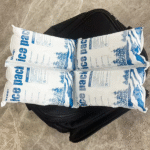
للولايات المتحدة. المشترين, domestic manufacturing is often evaluated for repeatability, مهلة, regulatory paperwork, and freight predictability rather than patriotism alone. Public U.S. cold-chain catalogs also show a wide commercial size range, from small 6-ounce packs to large multi-pound formats.
حيث يضيف هذا التنسيق قيمة حقيقية
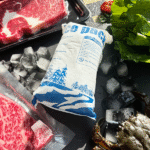
A SAP gel pack is usually a strong choice when you need clean handling, موضع يمكن التنبؤ به, التخزين المؤقت الحراري المعتدل, وتنسيق يمكن توسيع نطاقه عبر الشحنات المتكررة. إنه مفيد بشكل خاص عندما تكون المياه الذائبة السائبة مشكلة, عندما تكون منطقة الاتصال بالمنتج مهمة, أو عندما تحتاج إلى حقيبة تأخذ مساحة أقل من الزجاجة الصلبة أو الطوب.
قد يكون هذا اختيارًا خاطئًا عندما يكون المسار متطلبًا للغاية بحيث تحتاج الشحنة إلى نظام مؤهل طويل الأمد, عندما يكون المنتج شديد الحساسية للبرودة, أو عندما لا تتناسب هندسة العبوة مع الكرتون دون سحق الحمولة. في تلك الحالات, قد تكون الإجابة الأفضل هي مبرد مختلف, مستوى عزل مختلف, أو إعادة تصميم كاملة للنظام السلبي.
وهذا هو السبب في أن أفضل الموردين لا يتعاملون مع كل فرصة على أنها عملية بيع للمخزون. أنها تساعدك على تحديد درجة الحرارة المستهدفة, خطر الطريق, طريقة التعامل, وتكلفة الفشل أولا. بمجرد أن يكون ذلك واضحا, عادة ما يكون الدفاع عن تنسيق المبرد الصحيح أسهل داخليًا.
ما الذي تفعله الحزمة فعليًا أثناء النقل
A SAP gel pack works as a thermal buffer inside a passive shipping system. لا يسبب البرد من تلقاء نفسه. يقوم بتخزين طاقة التبريد أثناء التبريد أو التجميد, ثم يمتص الحرارة الواردة بينما الشاحن المعزول يبطئ معدل ارتفاع درجة الحرارة. هذا يبدو بسيطا, لكن الأداء الحقيقي يتغير مع وقت التكييف, وضع الحزمة, تعبئة الكرتون, درجة حرارة خارجية, وكم مرة يتم فتح الصندوق.
تشير الإرشادات العامة لسلسلة التبريد وكتالوجات المنتجات إلى نفس الحقيقة العملية: وقت الانتظار ليس أبدًا رقمًا ثابتًا يخص العبوة وحدها. قد يعرض الكتالوج أ 24 ل 48 نافذة ساعة, لكن هذا الرقم منطقي فقط مع قيمة عزل الصندوق, الملف الشخصي المحيط, وكمية المبرد المستخدمة. للشحنات ذات المخاطر العالية, الطريقة الصحيحة لمقارنة الخيارات هي اختبار الحزمة الكاملة بدلاً من نسخ المطالبة من مسار آخر.
في العديد من العمليات, يقارن المشترون الأغطية المرنة, الحقائب المسطحة, الطوب الصلب, والعناصر المستندة إلى PCM. تعمل التنسيقات المرنة على تحسين الاتصال ويمكن أن تلتف حول هندسة المنتج. يمكن أن يكون وضع التنسيقات الصلبة أسهل بشكل متوقع وقد تقاوم الضغط بشكل أفضل. يعنيPCM مادة تغيير الطور: مبرد مصمم للتجميد والذوبان حول نقطة درجة حرارة أكثر تحديدًا من الجل المائي القياسي. يمكن أن يكون ذلك مفيدًا عندما تريد تحكمًا أضيق في درجة الحرارة, ولكنه يثير أيضًا الحاجة إلى تكييف وتصميم أكثر انضباطًا.
الاختلافات في التنسيق التي تهم في المشتريات
معظم التجارية حزم هلام مبنية من عنصرين: فيلم خارجي مرن ووسيط تبريد داخلي. تُظهر معلومات المنتج العامة العديد من الأساليب الشائعة. تعتمد بعض العبوات على المواد الهلامية البوليمرية ذات الأساس المائي والتي تظل شبه صلبة بدلاً من أن تتحول إلى كتلة صلبة من الجليد. يستخدم البعض البوليمرات فائقة الامتصاص, في كثير من الأحيان المواد القائمة على بولي أكريلات الصوديوم, لقفل الماء في هيدروجيل. يستخدم البعض الآخر كربوكسي ميثيل السليلوز أو الأنظمة ذات الصلة لإنشاء هلام مقاوم للتسرب ذو ملمس وتدفق مختلفين.
الحزمة الخارجية ليست تفاصيل بسيطة. يتم وصف منتجات سلسلة التبريد المتينة بشكل شائع بالبولي إيثيلين, بولي نايلون, صفح النايلون, أو الإنشاءات القائمة على مادة TPU اعتمادًا على ما إذا كان الهدف هو متانة النقل, التحكم في الرطوبة, أو راحة ملامسة الجسم. لحزم الشحن, تعد مقاومة الثقب وقوة الختم أمرًا بالغ الأهمية لأن التسرب يمكن أن يؤدي إلى تلف الكراتين, تسميات, مواد ماصة, أو الحمولة نفسها. للعلاج وحزم العناية الشخصية, نعومة, المرونة, وغالبًا ما تصبح دورات التسخين أو التجميد المتكررة ذات أهمية متساوية.
يحتاج المشترون أيضًا إلى التمييز بين عبوات الجل القياسية وعناصر PCM الأكثر تحديدًا لدرجة الحرارة. تُستخدم عبوة الجل القياسية ذات النمط 0 درجة مئوية على نطاق واسع للشحن المبرد. تتوفر الصيغ تحت الصفر وخيارات PCM لتطبيقات درجة الحرارة المجمدة أو التي يتم التحكم فيها. الاختيار الصحيح يعتمد على متطلبات المنتج, ليس بشأن الخيار الذي يبدو أكثر تقدمًا. يمكن لنظام هلام قياسي مجهز جيدًا أن يتفوق على حل PCM باهظ الثمن عندما يكون المسار قصيرًا وتكون الحمولة متسامحة, بينما يمكن أن يكون العكس صحيحًا بالنسبة للممرات الأطول أو ذات النطاق الأضيق.
عندما تكون عبوة الجل القياسية كافية
لا تحتاج كل شحنة حساسة لدرجة الحرارة إلى نفس المستوى من الهندسة. قد يعمل الطريق المحلي القصير للأغذية المبردة أو السلع الاستهلاكية بشكل جيد مع عبوة هلام قياسية ومتواضعة مربع معزول. طريق أطول, حمولة دوائية ذات قيمة أعلى, أو قد يتطلب نطاق التحكم الضيق نظام شحن أكثر كفاءة, مبرد مختلف, أو كليهما.
ولهذا السبب يجب على المشترين مقاومة إغراء مقارنة المنتجات بالبرودة وحدها. السؤال الصحيح هو ما إذا كان التنسيق المحدد مناسبًا للمنتج, مدة العبور, ملف تعريف التعامل, و نتيجة الفشل. في العديد من التطبيقات الروتينية, تعتبر عبوة الجل المتينة حلاً معقولاً واقتصاديًا. في العمليات ذات المخاطر العالية, قد يكون مجرد عنصر واحد من التصميم الحراري الأكثر تطلبًا.
تعزز إرشادات سلسلة التبريد العامة لنقل الأدوية والرعاية الصحية هذه النقطة من خلال التمييز بين مكونات التعبئة والتغليف والأنظمة المؤهلة. يساعدك المورد الجيد على تحديد هذه الحدود مبكرًا بدلاً من الإشارة ضمنًا إلى أنه يمكن حل كل مشكلة مبردة أو مجمدة عن طريق شراء كيس أكثر برودة.
لماذا يعتبر الانضباط المشروط أكثر أهمية مما يتوقعه العديد من المشترين؟
غالبًا ما يتم التعامل مع التكييف على أنه أحد تفاصيل المستودع, لكنه يؤثر بقوة على الأداء. حزمة مجمدة جزئيًا فقط, الإفراط في الذوبان, أو تم تنظيمها بشكل غير متسق قبل التعبئة لن تتصرف مثل العبوة التي تم اختبارها. وهذا هو أحد الأسباب التي تجعل الموردين يبدون في بعض الأحيان وكأنهم "يغيرون" الأداء حتى عندما تكون الصيغة هي نفسها: تغيرت طريقة العمل اليومية.
تعتمد طريقة التحقق الصحيحة على المخاطر. للسلع الاستهلاكية المبردة الروتينية, قد يكون اختبار العينة المنضبطة في الشاحن المقصود كافياً. للمختبر, الأدوية, أو غيرها من التطبيقات الحساسة, قد يحتاج نظام التغليف الكامل إلى مؤهل رسمي, ملف تعريف الطريق, أو على الأقل دراسة درجة حرارة أكثر تنظيما. تؤكد إرشادات منظمة الصحة العالمية بشأن نقل المنتجات الصيدلانية الحساسة للحرارة أيضًا على ضرورة تأهيل أنظمة التعبئة والتغليف قبل الاستخدام.
عند تشغيل الطيار, تسجيل أكثر من درجة حرارة الذروة. سجل المدة التي كانت فيها العبوات مكيفة, كم تم استخدامها, حيث تم وضعهم, كتلة الحمولة, الملف الشخصي المحيط, وحالة الكرتون عند الاستلام. هذه التفاصيل تجعل النتائج قابلة لإعادة الاستخدام. بدونهم, غالبًا ما تكرر الفرق نفس الاختبار دون أن تدرك أن طريقة التعبئة قد تغيرت.
نقاط القرار التي تفصل بين الاقتباس الجيد والحل الجيد
تناسب أولا: مقارنة الأبعاد الداخلية والخارجية, الملف الشخصي المجمدة, ومساحة حمولة قابلة للاستخدام بدلاً من الاعتماد على مساحة مسطحة, القياسات غير المجمدة.
الهدف الحراري التالي: تحديد ما إذا كانت الحزمة تدعم المجمدة, مبردة, درجة حرارة الغرفة التي تسيطر عليها, أو التخزين المؤقت للحرارة البسيطة, ثم ارفض أي شيء خارج هذا الغرض.
جودة المواد والختم: اسأل ما هو فيلم الحقيبة, كيف يتم صنع التماس, وكيف يتحكم المورد في مقاومة التسرب والانفجار.
طريقة التشغيل: قفل روتين التكييف, وقت بقاء الفريزر, نافذة ذوبان الجليد إذا كانت ذات صلة, ووضع العبوة بدقة في الكرتون.
أدوات اتخاذ القرار مفيدة
تحقق من التفاصيل قبل اختيار التغليف
يمكن أن تساعدك هذه الأدوات السريعة في مقارنة مخاطر المسار, احتياجات التحجيم, خيارات المبرد, وتفاصيل التعبئة والتغليف قبل أن تطلب عرض أسعار.
سائل التبريد & مرجع PCM
قارن خيارات سائل التبريد وPCM عندما يحتاج المسار إلى دعم إضافي لدرجة الحرارة.
قارن الخياراتحاسبة الثلج الجاف
تقدير احتياجات الثلج الجاف للشحنات المجمدة أو شديدة البرودة قبل التعبئة.
تقدير الثلج الجافأداة تقييم مخاطر المسار
قم بمراجعة ظروف المسار قبل اختيار التغليف لمتطلبات التشغيل الحقيقية.
فحص مخاطر المسارملاءمة الطريق: اختبار ضد المسار الحقيقي, بما في ذلك التعرض الموسمي, عدد عمليات التسليم, وتلقي خطر التأخير.
الاتساق في التسويق: إعطاء وزن أكبر لتتبع الكثير, السيطرة على التغيير, ومواءمة العينة مع الإنتاج بدلاً من الادعاءات العامة حول كونها متميزة أو صديقة للبيئة.
تعتبر نقاط القرار هذه مفيدة لأنها تجلب المشتريات, العمليات, والجودة في نفس المحادثة. عندما تتمكن المجموعات الثلاث من قراءة نفس الموجز المكتوب ونفس إجابات المورد, يصبح من الأسهل كثيرًا اختيار التنسيق الذي سيظل يعمل بعد ستة أشهر من الآن.
What Buyers Should Ask a U.S. SAP Gel Pack Manufacturer
مراجعة الموردين الأكثر فائدة قيد التشغيل, ليست ترويجية. اطلب من الشركة المصنعة المدرجة في القائمة المختصرة الإجابة على نفس الأسئلة بنفس التنسيق, ثم قارن الردود المكتوبة جنبًا إلى جنب. يكشف هذا النهج عن ادعاءات غامضة بسرعة ويجعل إدارة الاختبار التجريبي أسهل.
Confirm the resin or gel system the factory is actually using. In SAP packs, the polymer chemistry, absorption rate, and final gel texture influence swelling, تجميد السلوك, and seam stress.
Request the target fill mass tolerance for each SKU. Small deviations can change the shape of the finished pack and the hold time of the pack-out.
Ask whether the pack is intended for single use, دورات إعادة استخدام متعددة, or a limited number of freeze-thaw events. The answer affects cost and film choice.
Review outer-film construction and seal testing. Durable U.S. catalog products commonly use thick polyethylene or puncture-resistant poly-nylon structures to manage handling stress.
Check branding and custom-print capability only after the thermal and mechanical basics are settled. Attractive printing does not fix poor fit or inconsistent fill.
If you need food, مختبر, or healthcare use, ask for the supporting documents that matter in your category, such as SDS, التصريحات المادية, and lot identification practices.
طلب الانضباط التحكم في التغيير. إذا قام المصنع بتغيير الفيلم, ملء الكيمياء, إعدادات الختم, أو أبعاد الحقيبة, يجب أن تعرف قبل أن يصل التغيير إلى مرحلة الإنتاج.
اسأل من يملك الأسئلة الفنية بعد الإطلاق. يمكن للشركة المصنعة القوية أن تشرح سلوك العبوة, تكييف, وإمكانية تتبع الكمية دون إعادتك إلى نسخة المبيعات.
عادةً ما يكون من الأسهل التعامل مع المورد الذي يجيب على هذه النقاط بوضوح لاحقًا عند تغيير المسار, تظهر شكوى, أو تتم إضافة SKU جديد.
أخطاء شائعة تسبب مشاكل في درجة الحرارة لاحقًا
الخطأ الشائع الأول هو الشراء باسم التنسيق بدلاً من الوظيفة الحرارية. قد يقوم اثنان من الموردين بتقديم حزمة جل أو غلاف هلامي, ولكن قد يتم إنشاء أحدهما لحارة طرد قصيرة مبردة بينما الآخر مخصص للعلاج المباشر للجسم أو للاستخدام في اتجاه واحد منخفض التكلفة. لا يخبرك الملصق بما يكفي من تلقاء نفسه.
الخطأ الثاني هو افتراض أن البرودة هي الأفضل دائمًا. هذا المنطق يمكن أن يلحق الضرر بمستحضرات التجميل, زهور حساسة للبرد, وبعض المنتجات الصيدلانية بنفس السهولة التي تحميها بها. تبدأ عملية الشراء الجيدة بالنطاق المقبول للمنتج وتصميم العبوة الكاملة.
الخطأ الثالث هو الموافقة على العينة دون قفل المواصفات. تحولات صغيرة في حجم الحقيبة, فيلم, أو يمكن أن تغير كتلة التعبئة كيفية تجميد العبوة, يناسب, ويؤدي. إذا لم يتمكن المورد من الحفاظ على محاذاة العينة والإنتاج, أنت تقوم بإعادة اختبار كل أمر بشكل فعال دون معرفة ذلك.
أخيراً, تتجاهل العديد من الفرق شروط الاستلام. اسأل كيف يجب أن تبدو العبوة عند الوصول, ما عتبة التسرب مقبولة, وكيف ينبغي لموظفي المستودعات أو خدمة العملاء الإبلاغ عن المشاكل. يصبح برنامج الشراء أقوى بكثير عندما يتم الاتفاق على معايير الفشل قبل سفن الطلبيات الكبيرة الأولى.
التعليمات
كم من الوقت ستحافظ عبوة الجل على الشحنة باردة?
لا يوجد رقم واحد صادق لكل شحنة. غالبًا ما تشير صفحات المنتجات العامة إلى أ 24 ل 48 نطاق الساعة لتنسيقات معينة, لكن وقت الانتظار الفعلي يعتمد على العزل, الظروف المحيطة, عدد الحزمة, كتلة الحمولة, وكيف يتم تكييف المبرد ووضعه.
ما يهم أكثر عند مقارنة الشركات المصنعة: الكيمياء أو الفيلم?
كلاهما مهم, ولكن غالبًا ما يتم التغاضي عن جودة الفيلم والختم. يتم إهدار مادة هلامية جيدة إذا تسربت الحقيبة, يتصفّح, أو يتجمد في شكل يؤدي إلى إتلاف الحمولة. أفضل الشركات المصنعة تدير صياغة الجل, ملء الوزن, اختيار الفيلم, والتحكم في الختم كمواصفات واحدة.
متى يجب أن تنتقل من حزمة الجل القياسية إلى PCM أو نظام مؤهل?
تحرك لأعلى عندما يكون المنتج ذو قدرة تحمل محدودة لدرجة الحرارة, الطريق طويل أو لا يمكن التنبؤ به, أو أن تكلفة الفشل مرتفعة. بي سي ام و الشاحنين المؤهلين إضافة قيمة عندما يحلون مشكلة محددة; فهي ليست ترقيات تلقائية لكل حارة.
خلاصة القول
The strongest SAP gel pack program is the one that fits the route, المنتج, وروتين التشغيل دون إضافة تعقيد يمكن تجنبه. ويعني ذلك عادةً اختيار مورد أو مصنع يمكنه شرح الحزمة من حيث النظام: درجة الحرارة المستهدفة, طريقة التكييف, تناسب الكرتون, متانة, والتكرار من العينة إلى الإنتاج.
إذا قمت بمقارنة الخيارات بهذه الطريقة, من المرجح أن تقلل من شكاوى درجة الحرارة, تجنب التغليف الزائد, والحفاظ على قرارات الشراء مستندة إلى أداء الشحن الحقيقي بدلاً من لغة الكتالوج العامة.
حول Tempk
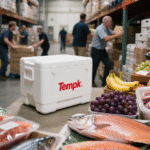
و Tempk, نحن نركز على التعبئة والتغليف التي يمكن التحكم في درجة حرارتها عبر المواد الغذائية, طبي, الأدوية الحيوية, وتطبيقات التبريد اليومية. تشمل مجموعة منتجاتنا العامة المنتجات المخصصة حزم الجليد, أكياس معزولة وصناديق, أغطية البليت الحرارية, ناقلات الأنسولين, وغيرها من العبوات المخصصة للتحكم في درجة الحرارة, ويسلط موقعنا الضوء على اختيار المواد, ضبط الجودة, ومختبر معتمد من CNAS. وهذا يمنح المشترين نقطة بداية عملية عندما يحتاجون إلى تنسيق حزمة هلامية مرتبطة بظروف التشغيل الحقيقية بدلاً من التوصية بمقاس واحد يناسب الجميع.
الخطوة التالية
إذا كنت تقوم بإعداد أمر تجريبي, تحديد الطريق, نطاق درجة الحرارة المستهدفة, حجم الحمولة, ووضع الحزمة قبل طلب العينات. سيؤدي ذلك إلى جعل مقارنة الموردين أسرع ويمنحك أساسًا أفضل لطلب بالجملة ناجح.