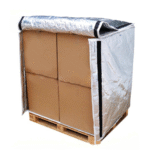
اختيار بطانيات البليت المعزولة للتسليم إلى الميل الأخير
بطانيات البليت المعزولة يكون تسليم الميل الأخير منطقيًا عندما يتمكن الفريق من تحديد التعرض المؤقت الذي يحتاج إلى سلبي, حماية تكميلية. إنهم غير مناسبين للمهام الغامضة مثل "الحفاظ على السلسلة الباردة" أو "تغطية أي تأخير." يمكن للبطانية أن تبطئ التبادل الحراري أثناء عبور البليت للرصيف, في انتظار النقل المخطط له, أو يتحرك من خلال عملية تسليم قصيرة. لا يمكن تبريد الحمل, استبدال مركبة مبردة أو شاحن مؤهل, إثبات حالة المنتج, تجاوز المتطلبات الخاصة بالمنتج, أو تأهيل حارة. ولذلك يجب أن يبدأ الاختيار بحدود القرار, ليست عينة النسيج.
قرر ما إذا كانت الفجوة مناسبة للبطانية
القرار الأول هو ما إذا كانت المشكلة هي التعرض المؤقت حقًا. إذا كانت منصة التحميل تقضي معظم المسار داخل مركبة مناسبة خاضعة للرقابة وتحتاج إلى حماية إضافية أثناء الحركة بين تلك المركبة ومنشأة خاضعة للرقابة, قد يكون للبطانية دور داعم منطقي. إذا كان المسار يفتقر إلى عنصر تحكم أساسي يمكن الاعتماد عليه, ومن غير المرجح أن تكون التغطية السلبية هي نقطة البداية الصحيحة.
وصف الفجوة كحدث. "تنتظر منصة التحميل الصادرة بجوار الرصيف المفتوح بينما تعود المركبة التي يتم التحكم فيها إلى موضعها" قابل للتنفيذ. "الميل الأخير يصبح دافئًا" ليس كذلك. يجب أن يذكر وصف الحدث الموقع, منتج, المعالج المسؤول, البيئة المحيطة, العملية المتوقعة, ويحدث سبب التعرض.
ثم اسأل ما إذا كان من الممكن إزالة هذه الفجوة. تنسيق أفضل للمواعيد, التدريج الداخلي, قاعدة جاهزة قبل الإصدار, الأوراق التي تم مسحها مسبقا, أو أن الاتصال المباشر بالمستقبل قد يمنع التعرض. لا يزال بإمكان البطانية دعم العملية المنقحة, ولكن لا ينبغي أن يحافظ على تأخير يمكن للعمليات القضاء عليه.
إذا بقيت الفجوة, تأكيد متطلبات المنتج. استخدم معلومات المنتج والجودة المعتمدة, ليست مجموعة سلسلة تبريد عامة. تحدد حساسية المنتج ما إذا كان التخزين المؤقت السلبي مناسبًا وما هي الأدلة المطلوبة. لا يمكن افتراض أن الغطاء المستخدم حول المكونات الثابتة مناسب للأدوية, البيولوجيا, منتجات التشخيص, أو الأطعمة التي تتطلب التحكم في درجة الحرارة من أجل السلامة.
تحديد عنصر التحكم الأساسي بعد ذلك. مركبات يمكن التحكم بدرجة حرارتها, مؤهَل الشاحنين السلبيين, حاويات نشطة, والحزم المعتمدة تؤدي وظائف مختلفة. توجد بطانية البليت خارج تلك الأنظمة وقد تغير تعرضها أو تدفق الهواء. يجب على الفريق المسؤول عن تصميم النقل أن يقرر ما إذا كانت المجموعة مناسبة أم لا.
أخيراً, إنشاء قاعدة التوقف. ماذا يحدث إذا تأخرت السيارة, جهاز الاستقبال مغلق, البطانية تالفة, يبدأ الحمل خارج حالته, أو المراقبة تشير إلى وجود قلق? يجب ألا تحول الحماية السلبية التأخير غير المتوقع إلى انتظار غير محدود. يحتاج المسار إلى حالة طوارئ معتمدة ومالك تصعيد.
حدود القرار هذه هي أيضًا مرشح شراء. يجب على المورد الذي يفهم الاستخدام أن يسأل عن التعرض, البليت, والعملية. وعد بأن البطانية وحدها ستحافظ على كل منتج "في درجة الحرارة" يتخطى المعلومات اللازمة للحصول على توصية موثوقة.
اختر عنصر التحكم الذي يطابق وضع الفشل
لا يتم حل كل مخاوف درجة حرارة الميل الأخير عن طريق إضافة العزل. تتطلب أوضاع الفشل المختلفة تدخلات مختلفة, ويمكن دمج العديد من الضوابط بعد مراجعة المخاطر. تتمثل مهمة المشتري في مطابقة عنصر التحكم مع الفشل بدلاً من اختيار العنصر الأسهل للشراء.
| وضع الفشل الملحوظ | اتجاه التحكم أكثر صلة | الدور المحتمل لبطانية البليت | افتراض لتجنب |
|---|---|---|---|
| نقل قصير من خلال رصيف أو ساحة غير خاضعة للرقابة | تنسيق عملية التسليم والحفاظ على نظام النقل الأساسي المعتمد | أضف تغطية سلبية أثناء الحركة المحددة | الغطاء يجعل وقت النقل غير ذي صلة |
| لا يمكن لحجرة السيارة الحفاظ على الظروف المطلوبة | بصلح, يستبدل, تأهل, أو إعادة تصميم السيارة الأساسية أو نظام الشحن | لا شيء كبديل; إمكانية الاستخدام التكميلي لاحقًا بعد حل المشكلة الأساسية | المزيد من العزل يصحح فشل التبريد |
| يؤثر فتح الباب المتكرر على المنصات المتبقية | مراجعة ترتيب المسار, استخدام المقصورة, تدفق الهواء, وصول, والرصد | قم بتقليل التبادل المحيطي المباشر إذا تم إثبات الوصول الآمن والملاءمة | إن تغطية البليت تثبت أن المنتج بقي مقبولاً |
| جهاز الاستقبال يؤخر التفريغ | تحسين التحكم في المواعيد وتحديد عملية الانتظار والتصعيد | قم بتخزين عملية التسليم المخطط لها بينما يكون جهاز الاستقبال جاهزًا | قد ينتظر السائق إلى أجل غير مسمى لأن الحمولة مغطاة |
| تحتاج الحالات الفردية إلى التحكم في درجة الحرارة | استخدم شاحنًا أو حزمة مؤهلة مناسبة للمنتج | التدريع الخارجي المحتمل فقط إذا تم تقييمه بالتكوين الكامل | غطاء البليت يؤهل كل حالة بداخله |
| الحالة غير معروفة بعد الولادة | استخدم عملية مراقبة ومراجعة مناسبة | لا توجد وظيفة الرصد; ويمكن استخدامه جنبا إلى جنب مع المراقبة | يخلق العزل دليلاً أو يقرر إصدار المنتج |
يرسم الجدول خطًا بين الحماية, يتحكم, والأدلة. تنتمي البطانية بشكل أساسي إلى عمود الحماية. التبريد أو المؤهلين التغليف الحراري قد توفر السيطرة الأولية, في حين أن الرصد والسجلات تدعم الأدلة. إن التعامل مع هذه الوظائف على أنها قابلة للتبديل يخلق مخاطر.
تمنع هذه المقارنة أيضًا حدوث خطأ شائع في الميزانية. يمكن أن تبدو البطانية أقل تكلفة من إعادة تصميم المسار, لكن الخيارين قد لا يحلان نفس المشكلة. إذا كانت السيارة غير مناسبة أو إذا كان المتلقي يقوم بشكل روتيني بإنشاء فترات انتظار طويلة غير منضبطة, قد يؤدي شراء الأغطية إلى زيادة التكلفة دون إصلاح وضع الفشل.
في بعض الأحيان يكون القرار الأفضل هو التحكم المشترك. قد تحمل المركبة المناسبة التي يتم التحكم فيها العبء الحراري الرئيسي, قد تحمي البطانية المجهزة البليت أثناء النقل, قد يوفر المسجل البيانات المطلوبة, وقد تحد عملية التعيين من الإقامة. يجب تقييم المجموعة كنظام تشغيل كامل, مع مسؤولية واضحة عن كل مكون.
ينطبق نفس المنطق عندما يكون المنتج موجودًا بالفعل الشاحنين المؤهلين. قد تؤدي البطانية حول البليت إلى تقليل التعرض الخارجي, لكنه يغير السياق الذي تم اختباره. يجب أن يقرر فريق الجودة ما إذا كانت المؤهلات الحالية تغطي هذا الترتيب أو ما إذا كانت هناك حاجة إلى مزيد من التقييم. العزل الإضافي ليس ضارًا تلقائيًا; يمكن أن تؤثر على التكييف, تدفق الهواء, التعامل, والوصول.
حدد بطانية يمكن للمشغلين استخدامها فعليًا
بمجرد الموافقة على الدور المقصود, تحويلها إلى المواصفات التشغيلية. مواصفات مفيدة تغطي مناسبة, بناء, التعامل, رعاية, تعريف, شهادة, وتغيير السيطرة. لا تحتاج إلى أرقام أداء مخترعة لتكون دقيقة.
ابدأ بهندسة البليت. توفير البصمة المحملة, نطاق الارتفاع, الشكل العلوي, نتوءات, نمط التفاف, حماية الزاوية, والتعامل مع الفتحات. تأكد مما إذا كان من المتوقع أن يتناسب نفس الغطاء مع المنصات الكاملة والجزئية. يجب وضع عينة فوق الحمل الحقيقي حتى يتمكن الفريق من رؤية الفجوات, المواد الزائدة, الإغلاق, والوصول إلى التسمية.
يجب أن يدعم الملاءمة التعامل الآمن. يجب ألا يسير الغطاء بالقرب من العجلات, حجب رؤية السائق, إخفاء الضرر, تتداخل مع تأمين الحمل, أو تتطلب تسلقًا غير آمن. إذا كان المعالجون بحاجة إلى الوصول أثناء التسليم, يجب أن يسمح التصميم بهذا الوصول دون ترك المنصة بأكملها مكشوفة أو تشجيع القطع والطي المرتجل.
مراجعة البناء الكامل. اطلب من المورد شرح الهيكل العازل, الأسطح الخارجية والداخلية, طبقات, الإغلاق, اللوحات, تعزيز, وميزات تحديد الهوية. تجنب ترجمة اسم المادة إلى نتيجة حرارية غير مدعومة. يعتمد الأداء على التجميع وحالة التثبيت.
تحديد الاحتياجات البيئية والنظافة. هل سيواجه الغطاء المطر, التكثيف, الاحواض القذرة, بقايا الطعام, أو التنظيف المتكرر? مقاومة الرطوبة, التوافق التنظيف, تجفيف, الفصل, وينبغي معالجة التخزين بمعلومات المورد وإجراءات الموقع. لا تفترض ذلك "قابل لإعادة الاستخدام" يعني سهولة التعقيم أو مناسبة لكل فئة من فئات المنتجات.
يستحق تحديد الهوية اهتمامًا أكبر مما يتلقاه عادةً. قد تحتاج العمليات إلى التمييز بين الحجم, الاستخدام المقصود, حالة نظيفة, ملكية, أو حالة التفتيش. يجب أن تظل التسميات أو العلامات قابلة للقراءة خلال عملية المعالجة المتوقعة. إذا كان التتبع المتسلسل مرغوبًا, تأكد من كيفية إرفاق المعرفات وما إذا كان التنظيف أو الطي يؤثر عليها.
معايير التفتيش والتقاعد تحتاج إلى شكل عملي. دموع, الثقوب, فصل التماس, الإغلاقات المتضررة, تلوث, الرطوبة المحاصرة, فقدان الهوية, أو قد يتطلب العزل المشوه الفصل. يجب أن تعتمد حدود القبول الدقيقة على التصميم, توجيهات الموردين, وعملية مخاطر المشتري. لا يعد عدد إعادة الاستخدام المفترض بديلاً عن فحص الحالة.
طلب التحكم في التغيير قبل الموافقة على التوريد بالجملة. تغيير لاحق في المواد, سماكة, التماس, إنهاء, طلاء, أو قد تؤدي الأبعاد إلى تغيير التكوين الذي تمت مراجعته حتى عندما يظل اسم المنتج كما هو. حدد كيفية قيام المورد بإبلاغ التغييرات وكيف يتحقق الاستلام من مطابقة وحدات الإنتاج للعنصر المعتمد.
أخيراً, اذكر الأدلة المتوقعة مع المنتج. وقد يشمل ذلك المواصفات, تعليمات الرعاية, توجيه التفتيش, الإقرارات المادية ذات الصلة بالاستخدام, والبيانات الحرارية السياقية. يجب أن تتبع قائمة الأدلة المخاطر الفعلية وإجراءات الشركة, ليس طلبًا عامًا لكل شهادة يمكن للمورد تقديمها.
إثبات حالة الاستخدام دون تحويل الإصدار التجريبي إلى وعد
يجب على الطيار الإجابة على سؤال محدد: هل يمكن استخدام هذه البطانية المحددة بأمان وثبات في عملية التسليم المحددة هذه, وهل تلبي العملية الكاملة معايير قبول فريق المنتج؟? ولا ينبغي تصميمه لتوليد مدة تسويقية واسعة.
اكتب معايير الاستخدام والقبول المقصودة قبل الإصدار التجريبي. قم بتضمين المنتج أو الحمل التمثيلي, تكوين البليت, تركيب الغطاء, مراقبة النقل الأساسي, خطوة الطريق, عملية الاستلام, غرض المراقبة, المسؤوليات, ومسار الانحراف. إذا تغيرت شروط المحاكمة, قم بتسجيل التغيير بدلاً من التعامل مع التشغيل بهدوء على أنه مكافئ.
أدوات اتخاذ القرار مفيدة
تحقق من التفاصيل قبل اختيار التغليف
يمكن أن تساعدك هذه الأدوات السريعة في مقارنة مخاطر المسار, احتياجات التحجيم, خيارات المبرد, وتفاصيل التعبئة والتغليف قبل أن تطلب عرض أسعار.
سائل التبريد & مرجع PCM
قارن خيارات سائل التبريد وPCM عندما يحتاج المسار إلى دعم إضافي لدرجة الحرارة.
قارن الخياراتمرجع المواد العازلة
قارن بين خيارات المواد العازلة لاحتياجات التعبئة والتغليف المختلفة لسلسلة التبريد.
قارن الموادحاسبة علبة الثلج
تقدير كمية عبوات الثلج الهلامي للشحنات المبردة والتخطيط العملي للمسار.
تقدير عبوات الثلجاستخدم المقارنة فقط عندما تكون آمنة من الناحية الأخلاقية والعملية. يجب ألا يؤدي تكوين التحكم إلى تعريض المنتج الحساس للخطر عن عمد. اعتمادا على نظام الجودة, يجوز للفريق استخدام محاكيات المنتج, العمل البيئي الخاضع للرقابة, التجارب التشغيلية المراقبة, أو غيرها من الطرق المعتمدة. تصميم الدراسة ينتمي إلى الموظفين الفنيين والجودة المؤهلين.
وينبغي اختيار مواقف المراقبة للإجابة على الأسئلة المذكورة. قد يميز المستشعر الخارجي التعرض بالقرب من الغطاء, بينما قد يمثل موضع آخر الحمل. ملاءمة الجهاز, حالة المعايرة, نهج أخذ العينات, التنشيط, استرجاع, ومراجعة البيانات كلها مهمة. ولا ينبغي تعميم أثر واحد على كل موقع منصة نقالة أو منتج.
تسجيل بيانات العملية وكذلك بيانات درجة الحرارة. جاهزية المركبة, وقت الإرسال, تركيب الغطاء, فتح الباب, بداية النقل, قبول المتلقي, إزالة, الأحداث المحيطة, والانحرافات تساعد في تفسير السجل الحراري. بدون تلك التفاصيل, وقد تظهر النتيجة أن شيئًا ما قد حدث دون الكشف عن السبب.
السيناريو الافتراضي: يستخدم أحد موردي المختبرات مركبة يتم التحكم فيها لتوصيل المواد التشخيصية على منصات نقالة إلى العديد من المواقع الحضرية. يمر النقل النهائي في أحد المباني عبر ساحة خدمة مكشوفة. يقوم الفريق بتقييم البطانية المجهزة فقط لعملية النقل هذه. خلال الطيار, يكتشف المعالجون أن ملصق المسح الخاص بجهاز الاستقبال موجود أسفل غطاء مغلق, لذلك يفتحون الغطاء في الخارج قبل أن يصبح باب المبنى جاهزًا. قد تحتوي البطانية على خصائص مادية مقبولة, لكن سير العمل ليس مناسبًا بعد. يقوم الفريق بنقل معلومات المسح الضوئي إلى حقيبة المستندات التي يمكن الوصول إليها, يعيد تدريب عملية التسليم, يكرر التقييم, ويحافظ على السيارة التي يتم التحكم فيها باعتبارها التحكم الحراري الأساسي طوال الوقت.
مراجعة النتائج السلبية لقيمة العملية. سوء اللياقة, إغلاق صعب, رفع غير آمن, التخزين الرطب, تحديد غير قابل للقراءة, أو التثبيت غير المتسق هي أسباب وجيهة لرفض الخيار أو إعادة تصميمه حتى عندما يبدو اختبار الغرفة مناسبًا. الموثوقية التشغيلية هي جزء من الأداء الحقيقي.
يجب أن تحدد الموافقة الحدود. قائمة تنسيق البليت, تسليم, السيطرة الأولية, تثبيت, يراقب, تنظيف, تقتيش, ومحفزات التغيير التي يشملها القرار. طرق جديدة, منتجات, المركبات, مراجعات الغلاف, مواسم, أو قد تتطلب شروط الاستلام المراجعة. الهدف هو الاستخدام الخاضع للرقابة, ليس إعلانًا دائمًا أن البطانية موجودة "مؤهَل" في العزل.
قم بتوسيع نطاق الشراء دون فقدان التكوين المعتمد
ينطوي الطلب بالجملة على مخاطر لا يمكن للعينة الناجحة الكشف عنها. تحتاج المنظمة إلى الحفاظ على هوية العنصر, اتساق الإنتاج, تمرين, صيانة, والأدلة مع انتقال الغطاء من أداة تجريبية إلى معدات روتينية.
يجب على المشتريات ربط مواصفات الشراء بالعينة التي تمت مراجعتها. أبعاد, بناء, الإغلاق, علامات, وثائق, التغليف, ويجب أن تكون توقعات إشعار التغيير واضحة. إذا سمح بالبدائل, تحديد من يوافق عليها. لا ينبغي قبول الغلاف المشابه بصريًا تلقائيًا للاستخدام الخاضع للرقابة.
يمكن أن يكون التفتيش الوارد متناسبًا ولكنه ذو معنى. تأكيد هوية العنصر, حالة, وضع العلامات, البناء المتوقع, الأبعاد الرئيسية, والتوثيق. قد تكون الفحوصات المبنية على العينات مناسبة بموجب نظام الجودة الخاص بالمشتري, ولكن ينبغي تحديد الطريقة وليس ارتجالها بعد وصول الشحنة.
خطة حالة المخزون. جديد, مطلق سراحه, قيد الاستخدام, في انتظار التنظيف, تالف, ولا ينبغي أن تصبح البطانيات المتقاعدة كومة لا يمكن تمييزها. يجب أن يحمي التخزين الأغطية النظيفة من الأوساخ, رُطُوبَة, سحق, حواف حادة, وحركة المرور. قد تساعد تعليمات الطي في الحفاظ على الملاءمة المتسقة إذا كانت متوافقة مع التصميم.
يجب أن يستخدم التدريب التكوين المعتمد وبيئة المعالجة الحقيقية. تشمل الإرسال, مستودع, السائقين, أجهزة الاستقبال حيثما أمكن ذلك, موظفي التنظيف, وكل من يراجع الانحرافات. يحتاج الناس إلى فهم ما تفعله البطانية وما لا تفعله. وتساعدهم هذه المعرفة على التصعيد بدلاً من الاعتماد على شعور زائف بالأمان.
يمكن للوجستيات العكسية تحديد ما إذا كانت إعادة الاستخدام مجدية اقتصاديًا. قرر من سيجمع الغطاء, حيث يعود, كيف يتم وضع علامة على حالتها, ومن ينتبه عند فقدان أحد العناصر. البطانية المتينة التي نادرًا ما تعود قد لا توفر القيمة المتوقعة. قد تؤدي عملية الإرجاع التي تخلط بين العناصر الملوثة والنظيفة إلى حدوث مشكلة تشغيلية أكبر.
مراقبة العملية بعد الإطلاق. مراجعة أخطاء التثبيت, الأغطية التالفة, تأخير المتلقي, عوائد غاب, فشل التنظيف, أحداث المسجل, والانحرافات. يمكن أن تشير الاتجاهات إلى مشكلة تتعلق بالمورد, فجوة التدريب, ضعف الطريق, أو الاستخدام المقصود غير واقعي. قم بتصحيح المصدر بدلاً من التعامل مع كل مشكلة كسبب لإضافة غلاف آخر.
يجب أن تشمل مقارنة التكلفة دورة الحياة بأكملها: شراء, التعامل, تخزين, تنظيف, تقتيش, يعود, خسارة, الإصلاح حيثما يسمح بذلك, والتقاعد. تجنب مطالبة الادخار غير المدعومة. استخدم حجم المسار الخاص بالمؤسسة, عملية العمل, تجربة الخسارة, وتكاليف الجودة لتحديد ما إذا كان الخيار جديرًا بالاهتمام.
تستمر إدارة الموردين بعد الشراء. التأكد بشكل دوري من أن المواصفات وحالة التصنيع تظل تحت السيطرة, وخاصة بعد الإخطارات أو الاختلافات الملحوظة. إذا كان التغيير يمكن أن يؤثر على اللياقة, التعامل, صحة, أو السلوك الحراري, تقييمه قبل الاستخدام الروتيني.
الأسئلة المتداولة
كيف أعرف ما إذا كان طريقي يحتاج إلى بطانية نقالة معزولة؟?
قم بتخطيط كل انتقال بين المساحات الخاضعة للرقابة وحدد التعرض المحيطي المؤقت. إذا كان نظام النقل الأساسي مناسبًا وظلت عملية تسليم معينة معرضة للخطر, قد تكون بطانية تستحق التقييم. إذا كان الطريق يفتقر إلى التحكم الموثوق في درجة الحرارة, لديه مسكن مفتوح, أو لديه متطلبات منتج غير مؤكدة, قم بتصحيح هذه المشكلات أولاً بدلاً من توقع حل التغطية السلبية لها.
ما هي الوثائق التي يجب على المشتري طلبها من المورد؟?
طلب المستندات ذات الصلة بالاستخدام المقصود, مثل مواصفات السلعة, تفاصيل البناء والأبعاد, تعليمات التثبيت والرعاية, توجيه التفتيش, معلومات التحكم في التغيير, والدعم السياقي لأي مطالبة حرارية. اسأل عن التكوين والشروط التي تم اختبارها. لا يعد عنوان الشهادة أو بيان الأداء المعزول كافيًا لإثبات الملاءمة لمنصة التحميل والمسار.
يمكن للبطانية تمديد وقت التسليم المسموح به?
ليس تلقائيا. يجب أن تأتي أي مدة مسار مسموح بها أو حد التسليم من تصميم النقل المعتمد والأدلة الداعمة. قد تقلل البطانية من التعرض في ظل ظروف محددة, ولكن لا ينبغي استخدامه لتمديد وقت الانتظار عن طريق الافتراض. إذا تغيرت عملية التشغيل, يجب على فريق الجودة أو سلامة الأغذية المسؤول مراجعة التأثير وتحديد ما إذا كان هناك حاجة إلى مزيد من التقييم.
هل ما زلت بحاجة لمراقبة درجة الحرارة?
استخدم المراقبة وفقًا للمنتج, طريق, اتفاقية الجودة, والمتطلبات المعمول بها. لا تحتوي البطانية على وظيفة تسجيل ولا يمكنها إظهار حالة المنتج. المراقبة أيضًا لا توفر الحماية الحرارية, لذا فإن الأداتين ليستا بديلتين. تحديد مدى ملاءمة الجهاز, الموضع, استرجاع, مراجعة, والاستجابة للرحلة ضمن خطة النقل.
متى يجب التقاعد عن البطانية القابلة لإعادة الاستخدام؟?
يجب أن يتبع التقاعد معايير الحالة المعتمدة بناءً على تصميم المنتج, توجيهات الموردين, احتياجات النظافة, وتقييم مخاطر المشتري. الأضرار التي لحقت العزل, طبقات, الإغلاق, الأسطح, أو تحديد الهوية; التلوث المستمر; الرطوبة المحاصرة; أو قد يتطلب فقدان اللياقة الفصل. لا تعتمد فقط على المظهر أو على عدد إعادة الاستخدام المفترض.
خاتمة
يعد اختيار بطانية البليت المعزولة بمثابة قرار نظام متنكر في صورة شراء منتج. يمكن أن يكون الغطاء ذا قيمة عندما يقلل من التعرض المؤقت المحدد ويتناسب بشكل آمن مع خطة النقل السليمة بالفعل. انها ليست التبريد, شاحن مؤهل, يراقب, الموافقة على المنتج, أو تأهيل المسار.
تحديد الفجوة, إزالة التأخير الذي يمكن تجنبه, الحفاظ على السيطرة الأولية, وتعيين قاعدة التوقف. ثم حدد الملاءمة, التعامل, بناء, صحة, تعريف, تقتيش, شهادة, وتغيير السيطرة. استخدم إصدارًا تجريبيًا محددًا للتأكد من أن الأشخاص يمكنهم تكرار العملية المقصودة وأن التكوين الكامل يفي بالمعايير المعتمدة.
عند شراء الموازين, الحفاظ على التكوين الذي تمت مراجعته سليمًا من خلال مراقبة المورد, التفتيش الوارد, تمرين, إدارة الحالة, يعود, والمراجعة المستمرة. تكتسب البطانية مكانها من خلال دعم عملية التسليم الخاضعة للرقابة, ليس من خلال حمل المطالبات التي لا يمكن للمنتج السلبي دعمها.
حول Tempk
اتصال Tempk بـ عبوة تسيطر عليها درجة الحرارة و حلول سلسلة التبريد يشكل عرضًا على مستوى النظام لبطانيات البليت. نحن نتعامل مع كل بطانية كطبقة تكميلية محتملة حول شحنة محددة. متطلبات المنتج, مراقبة النقل الأساسي, البليت مناسبا, التعرض المؤقت, يراقب, التعامل, ولا تزال الأدلة الحارة تحكم القرار. لا تقوم شركة Tempk بوضع البطانية كبديل للتبريد, التغليف الحراري المؤهل, تعليمات خاصة بالمنتج, أو تأهيل المسار; يجب تقييم الاستخدام المقترح ضمن العملية الفعلية للعميل.
مشاركة نقطة التعرض الخاصة بك, بناء البليت, وطريقة النقل الأساسية مع Tempk لتأطير العينة الصحيحة وأسئلة الموردين.