مورد حزمة الثلج الجاف لنقل الخضروات: من الاقتباس إلى الطريق المؤهل
التسليم من المورد حزمة الثلج الجاف لمشروع نقل الخضار لا ينبغي أن يكون مربعا عبوات باردة. يجب أن يكون طريقًا خاضعًا للرقابة: يتم تحديد المبرد بشكل صحيح, يتم تحديد الحدود الآمنة للخضروات, الحزمة قابلة للتكرار, يتم اختبار التأخير المحتمل, والمستقبلون يعرفون ما يجب فحصه. هذه النتيجة مهمة بشكل خاص لأن "حزمة الثلج الجاف" يمكن أن تصف ثاني أكسيد الكربون الصلب الحقيقي أو ورقة قابلة لإعادة الاستخدام يتم تنشيطها بالماء. يعتبر الثلج الجاف الحقيقي باردًا جدًا بحيث لا يمكن التعامل معه كمبرد عالمي للمنتجات الطازجة, في حين أن العبوات ذات الأساس المائي المجمد يمكن أن تسبب أيضًا تجميد التلامس. تساعد عملية الخمس بوابات في عملية الشراء, جودة, العمليات, ويتوصل الموردون إلى قرار يمكن الدفاع عنه معًا.
البوابات الخمس
كل بوابة تجيب على سؤال مختلف. إن اجتياز بوابة لاحقة لا يمكن أن يعوض عن الإجابة المفقودة في وقت سابق من العملية.
| بوابة القرار | سؤال للإغلاق | الحد الأدنى من الأدلة | سبب التوقف أو إعادة التصميم |
|---|---|---|---|
| 1. الهوية والاستخدام المقصود | ما المبردات التي يتم شراؤها, وهل الحمولة طازجة أم مجمدة? | وصف المنتج, معلومات السلامة, شكل المنتج, والطريق المقصود | اسم غامض "الثلج الجاف" أو الثلج الجاف الحقيقي مقترح بشكل افتراضي للخضروات الطازجة |
| 2. غلاف السلعة | ما هي درجات حرارة المنتج وحدود الجودة المطبقة? | مواصفات السلعة المعتمدة, بدء حالة اللب, مراجعة الرطوبة والحساسية | مجموعة واحدة مبردة عامة تستخدم للمحاصيل غير المتوافقة |
| 3. بنية الحزمة | كيف سيكون المبرد, العزل, حمولة, والحواجز تعمل معًا? | رسم, فاتورة المواد, تعليمات تكييف, وتسلسل التحميل | كمية المكونات المقتبسة دون تحديد الموضع أو افتراضات الحمل الحراري |
| 4. مؤهل | هل يحمي النظام الدقيق المواقع الساخنة والباردة عبر الممر؟? | ملامح المحيطة المحددة, أجهزة استشعار معايرة, كرر أشواط, وتقييم جودة المنتج | بيانات المتوسط فقط, لا توجد أجهزة استشعار للنقطة الباردة, أو لا يوجد تحدي الشتاء |
| 5. مراقبة الإنتاج | يمكن لكل شحنة إعادة إنتاج النظام المعتمد? | خطة التفتيش, تمرين, التتبع, إشعار التغيير, إجراء الاستلام, ومشغلات المراجعة | تختلف العينة عن الإنتاج أو أن المشغلين يرتجلون عملية الترطيب ووضع العبوة |
الجدول هو أيضا خريطة المسؤولية. يمكن للمشتريات الخاصة المقارنة التجارية, ولكن يجب على مالك المنتج أو فريق الجودة الموافقة على حدود السلعة. يمكن لهندسة التعبئة والتغليف والمورد تطوير التكوين. يجب أن تثبت العمليات أنها تستطيع تنفيذ الإجراء, بينما تقوم فرق الاستلام بإغلاق حلقة الملاحظات.
بوابة 1: إزالة الغموض من "حزمة الثلج الجاف"
يجب أن تستخدم مواصفات الشراء اسمًا تقنيًا واسمًا تجاريًا بشكل منفصل.
إذا كان المبرد هو ثاني أكسيد الكربون الصلب, أطلق عليه "الثلج الجاف"., ثاني أكسيد الكربون, صلب, UN1845" حيث يتطلب سياق الشحن المعمول به هذا التعريف. عند الضغط الجوي الطبيعي فإنه يتصاعد عند حوالي -78.3 درجة مئوية. وهذا ما يفسر قدرته على النقل المجمد وخطره على الأنسجة الطازجة. وهذا ما يفسر أيضًا سبب ضرورة إطلاق الغاز من العبوة بدلاً من إغلاقها بإحكام.
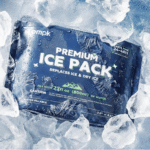
إذا كان المنتج عبارة عن ورقة ترطيب, وصفها بأنها عبوة باردة من البوليمر المنشط بالماء والتي يتم تجميدها قبل الاستخدام. تم نشر Tempk هيدرات الثلج الجاف يستخدم غشاء منفذ, ماصة البوليمر, والفيلم المركب. هذا المنتج لا يحتوي على ثاني أكسيد الكربون الصلب. الوصف الواضح يمنع المعالجة غير الضرورية للبضائع الخطرة ويخبر القائمين على التعبئة بأن الترطيب وتكييف الفريزر مطلوبان.
إذا كانت حزمة هلام, الطوب الصلب, أو PCM مصاغة, تحديد نوع التعبئة, السلوك الانتقالي حيثما يكون مدعومًا, الكتلة الاسمية, البناء الخارجي, وتكييف. عدم السماح للمورد باستبدال فئة بأخرى دون موافقة لمجرد تطابق الأبعاد الخارجية.
كما تقوم البوابة الأولى بفصل الخضروات الطازجة عن الخضروات المجمدة المصنعة. قد يكون الثلج الجاف الحقيقي مرشحًا عقلانيًا للحمولة التي يجب أن تظل مجمدة. للخيار الطازج, خَسّ, طماطم, الفلفل, البطاطس, أو الاسكواش, درجة حرارته القصوى تخلق خطر تجميد واضح. ويجب أن يحمل أي اقتراح لاستخدامه مبررًا فنيًا محددًا وضوابط للاتصال بالمنتج, تركيز الغاز, سلامة العمال, قواعد النقل, والتأهيل. في العديد من التطبيقات الجديدة, يعتبر المبرد أو المعدات المبردة الأقل عدوانية نقطة البداية الأفضل.
بوابة 2: إنشاء مظروف السلعة
"الحفاظ على الهدوء" ليس من المواصفات. ويحدد غلاف السلعة التعرض المقبول والظروف التي تؤثر على الجودة.
ابدأ بنموذج المنتج. ليس للخس الكامل والخضار الورقية المقطوعة التزامات متطابقة فيما يتعلق بسلامة الأغذية. في الولايات المتحدة ذات الصلة. العمليات, توصي إرشادات إدارة الغذاء والدواء (FDA) بتلقي الخضار الورقية المقطعة وحفظها عند درجة حرارة 5 درجات مئوية أو أقل. وهذا هو الحد الأعلى للسلامة, ليست تعليمات للسماح للعبوات المجمدة بلمس المنتج. يجب التحقق من التبني المحلي وخطة سلامة الأغذية الخاصة بالشركة.
التالي, تحديد منطقة التعامل الأمثل للمحصول وإصابات درجات الحرارة المنخفضة. وزارة الزراعة الأمريكية, المنظمة, وتظهر توجيهات جامعة كاليفورنيا في ديفيس التنوع:
يتم التعامل مع العديد من الخضروات الورقية والمعتدلة بالقرب من 0 درجة مئوية, لكن هامش التجميد الخاص بها قد يكون صغيرًا.
يكون الخيار بشكل عام أفضل في درجة حرارة تتراوح بين 10 درجات مئوية إلى 12.5 درجة مئوية ويمكن أن يصاب بصدمة تقشعر لها الأبدان عند أقل من 10 درجات مئوية تقريبًا., مع تأثير يتأثر بالزمن والصنف.
يتم التعامل مع الفلفل الحلو عادة عند درجة حرارة 7.5 درجة مئوية تقريبًا لتخزينه لفترة أطول; يمكن أن يؤدي التعرض الأقل إلى ظهور أعراض تقشعر لها الأبدان اعتمادًا على المدة والنضج.
القرع, القرع ذو القشرة الصلبة, وتتطلب البطاطا الحلوة معالجة أكثر دفئًا من العديد من المحاصيل الورقية.
تختلف حساسية التجميد. يمكن أن تتأذى البطاطس والطماطم بشكل دائم بسبب التجميد الطفيف, في حين أن الملفوف الناضج قد يتحمل التجميد الخفيف بشكل أفضل. ولا يعد التسامح سببا للتصميم دون الحد المعتمد.
يجب أن تتناول المواصفات نطاقات الهدف والعمل, ليس فقط نقطة محددة. يجب أن يحدد كيفية قياس درجة حرارة اللب, كم من الوقت قد تستمر الرحلات إذا تم قبول أي منها, وما هي عيوب الجودة التي تؤدي إلى التعليق أو الرفض. تشمل الرطوبة, التسامح التكثيف, توافق الإيثيلين, نضج, الصنف, وحياة السوق المتوقعة عندما تكون مادية.
تحتاج الأحمال المختلطة إلى قرار توافق واضح. قد تكون درجة الحرارة المتوسطة المشتركة مناسبة لرحلة قصيرة, ولكن ينبغي الموافقة عليه كحل وسط مع تحديد مدة محددة. لا يمكن للكمادات الباردة أن تجعل البروكلي والخيار متطابقين بيولوجيًا.
أخيراً, سجل حالة البداية. لا يمكن معالجة المنتج الذي يصل إلى 18 درجة مئوية كما لو تم تبريده مسبقًا إلى 8 درجات مئوية. عادة ما يتم استخدام التغليف السلبي بشكل أفضل للحفاظ على الحمولة المعدة. تؤكد إرشادات النقل التابعة لوزارة الزراعة الأمريكية على الإزالة السريعة لحرارة الحقل وتلاحظ أن تبريد النقل ليس أداة تبريد مسبق غير محدودة. يجب أن يستخدم اختبار العبوة درجة حرارة التحميل الفعلية المعتمدة, بما في ذلك الاختلاف الطبيعي.
بوابة 3: تصميم النظام حول تدفق الحرارة
الكمادات الباردة ليس لها مدة ذات معنى في حد ذاتها. أداء الشاحن ينبثق من حمولته, العزل, سائل التبريد, هندسة, التعرض المحيطي, والتعامل معها.
ابدأ بالأبعاد الداخلية القابلة للاستخدام. غالبًا ما يقتبس الموردون حجم الصندوق الخارجي أو الحجم الداخلي الإجمالي, لكن الحواجز وسائل التبريد تستهلك مساحة الحمولة. قم بقياس الخضروات المعبأة في عبواتها الأولية والحفاظ على مسارات التهوية عند الحاجة. المنتجات المسحوقة, فتحات مسدودة, أو أن الغطاء الذي يتم فتحه بواسطة عبوة كبيرة الحجم ليس حلاً حرارياً.
ثم ضع المبرد وفقًا لتدفق الحرارة المتوقع وحساسية المنتج. قد تحتاج الطرود المكشوفة من جميع الجوانب إلى حماية موزعة. قد تواجه منصة نقالة داخل مقطورة مبردة خطرًا بشكل رئيسي أثناء التدريج وفتح الباب. يمكن أن تنزلق الطبقة المجمدة الموضوعة على الجزء العلوي حول الخضروات غير المنتظمة وتزيد من ملامستها. يمكن أن يبقى الطوب الصلب في القناة ولكنه قد يخلق سطحًا باردًا مركّزًا.
استخدام الفواصل عمدا. منصات مموجة, الأكمام, قنوات مصبوبة, والمساحات الهوائية يمكن أن تقلل من التوصيل المباشر. سمكهم, استجابة الرطوبة, والموقف ينتمي إلى فاتورة المواد. تعمل الإضافات غير الرسمية التي تتم على خط التعبئة على تغيير المقاومة الحرارية ولا ينبغي قبولها دون مراجعة.
التكييف جزء من التصميم. يمكن أن تصف كلمة "Frozen" العبوات عند درجات حرارة بداية مختلفة جدًا. قد تقدم العبوة التي يتم إزالتها من الفريزر شديد البرودة في البداية سطحًا أكثر خطورة من السطح الذي تم تلطيفه إلى حالة خاضعة للرقابة. تختلف ورقة الترطيب أيضًا باختلاف امتصاص الماء, وقت الصرف, توجيه, وتوحيد الخلايا. يجب أن تحدد تعليمات العمل شروطًا قابلة للقياس يمكن للموقع إعادة إنتاجها.
يتبع الثلج الجاف الحقيقي بنية مختلفة. يتطلب إطلاق الغاز, التعبئة والتغليف المتوافقة, التعامل الآمن, والكمية المحددة للحمولة والمسار المجمدين الفعليين. للنقل الجوي, تشير مواد IATA الحالية إلى تعليمات التعبئة 954, تنفيس الحزمة, UN1845 العلامات, عبارة "ثاني أكسيد الكربون, صلب" أو "ثلج جاف," والوزن الصافي للثلج الجاف, تخضع لتغيرات المشغل والدولة. تدير هذه الضوابط البضائع الخطرة; أنها لا تثبت أداء درجة حرارة المنتج.
ميزانية حرارية بسيطة
يجب أن تأخذ المناقشة الهندسية في الاعتبار الحرارة من خلال العزل, دخول الهواء الدافئ من الفتحات, الحرارة المتبقية في الحمولة, حرارة التنفس من المنتجات الحية, التعامل مع التعرض, والطاقة التي يمتصها المبرد. وينبغي أيضا أن تعترف بمخاطر الجانب البارد. تؤدي إضافة سائل التبريد إلى زيادة سعة التبريد المتاحة، ولكنها يمكن أن تؤدي إلى تعميق المستويات المنخفضة المحلية أو إطالة فترة التعرض للتبريد.
هذه الميزانية ذات الوجهين تغير سؤال التصميم. بدلا من السؤال, "كم عدد العبوات التي تحافظ على برودة الصندوق?" بسأل, "ما هو الترتيب الذي يحافظ على كل موقع منتج ذي صلة داخل المغلف المعتمد من خلال الملف الشخصي?هذه الصياغة تجعل الفشل الدافئ والبارد واضحين بنفس القدر.
بوابة 4: درجة الحرارة المؤهلة والجودة القابلة للبيع
ينبغي كتابة بروتوكول التأهيل قبل الاختبار. خلاف ذلك, يتم تفسير النتائج بسهولة حول النتيجة المرجوة.
حدد ما يلي على الأقل:
الصندوق الخارجي الدقيق, العزل, بطانات, الحواجز, الشريط, والإغلاق;
نوع الخضار, الصنف أو النضج حيثما كان ذلك مهمًا, التعبئة والتغليف الأولية, كتلة, ترتيب, وبدء درجة حرارة اللب;
منتج التبريد, كثير, كتلة مكيفة, حالة البداية, رقم, والموقع;
صيف, شتاء, وملفات تعريف التأخير المبررة ببيانات المسار أو متطلبات التصميم المحافظة;
نماذج المسجل, حالة المعايرة, الفاصل الزمني لأخذ العينات, وضع الاستشعار, ومزامنة الساعة;
أدوات اتخاذ القرار مفيدة
تحقق من التفاصيل قبل اختيار التغليف
يمكن أن تساعدك هذه الأدوات السريعة في مقارنة مخاطر المسار, احتياجات التحجيم, خيارات المبرد, وتفاصيل التعبئة والتغليف قبل أن تطلب عرض أسعار.
حاسبة علبة الثلج
تقدير كمية عبوات الثلج الهلامي للشحنات المبردة والتخطيط العملي للمسار.
تقدير عبوات الثلجسائل التبريد & مرجع PCM
قارن خيارات سائل التبريد وPCM عندما يحتاج المسار إلى دعم إضافي لدرجة الحرارة.
قارن الخياراتحاسبة الثلج الجاف
تقدير احتياجات الثلج الجاف للشحنات المجمدة أو شديدة البرودة قبل التعبئة.
تقدير الثلج الجافمعايير قبول درجة الحرارة, قواعد الرحلة, ومدة الاختبار;
عمليات التفتيش المادية وفحص جودة الإنتاج عند التفريغ وبعد فترة مراقبة مناسبة;
عدد عمليات التشغيل وقواعد التعامل مع القيم المتطرفة أو انحرافات الاختبار.
موضع المستشعر يستحق الاهتمام. ضع قطع الأشجار في المناطق الدافئة المتوقعة بالقرب من الأغطية أو الزوايا المكشوفة, في مركز الحمولة, وفي المناطق الباردة المتوقعة بجوار الحواجز والمبرد. قم بتأمينها بحيث لا يتمكن اهتزاز النقل من نقلها إلى اتصال مباشر بالحزمة. قم بقياس تعرض اللب أو السطح التمثيلي حيث يعتمد قرار المنتج عليه.
متوسط درجة الحرارة هو معيار إطلاق ضعيف لصندوق غير موحد. إذا تجمدت طبقة خيار واحدة بينما يظل الوسط دافئًا, يمكن أن يؤدي حساب متوسط الاثنين إلى إنشاء رقم مطمئن لا يصف أي خيار فعلي. قم بمراجعة كل أثر مهم.
جودة ما بعد الاختبار تغلق النقطة العمياء الثانية. قد تظهر الإصابة بالتبريد بعد تدفئة الخضار أثناء التوزيع أو العرض. يمكن أن تتضمن خطة التفتيش الحفر, المناطق المغمورة بالمياه, ليونة الأنسجة, تغير اللون الداخلي, فساد, ذبول, اصفرار, رائحة, وحزم الرطوبة بما يتناسب مع المحصول. يعد الامتثال الحراري والحالة القابلة للبيع نتائج تكميلية.
تلعب اختبارات الغرفة الخاضعة للرقابة وطياري المسار أدوارًا مختلفة. تدعم الغرفة التكرار في مواجهة تحدي محدد. طيار يكشف عن تأخيرات في التعبئة, الفرز, تحميل السيارة, انقلاب الحزمة, الجمارك تسكن, ممارسة التسليم, وتلقي التنفيذ. غالبًا ما يستخدم البرنامج القائم على المخاطر اختبارًا خاضعًا للرقابة أولاً ثم يتحقق من التصميم على الممرات التمثيلية.
برنامج الفلفل الجرس الافتراضي
تخيل مستوردًا للخدمات الغذائية ينقل الفلفل الأخضر عبر ممر أرضي. ممارساتها الحالية تستخدم المجمدة حزم هلام يتم وضعها مباشرة على الكراتين الداخلية لأنه تم إخبار الموظفين أن البرودة تعني النضارة.
عند البوابة 1, يؤكد المشتري أن العبوات عبارة عن هلام مائي, ليس الثلج الجاف. عند البوابة 2, يعتمد فريق الجودة مظروفًا خاصًا بالفلفل مستنيرًا بتجربة المنتج الخاصة به وإرشادات ما بعد الحصاد, والذي عادة ما يضع الفلفل الأخضر في درجة حرارة حوالي 7.5 درجة مئوية ويتعرف على مخاطر التبريد أثناء التخزين البارد. يسجل درجة حرارة التعبئة المعتمدة, نضج, الحد الأقصى لوقت الطريق, والأعراض التي يجب فحصها.
عند البوابة 3, تم تطوير نموذجين أوليين. يستخدم المرء PCM مكيفة في القنوات الثابتة. يحتفظ الآخر بتنسيق الجل الموجود ولكنه يضيف خطوة تلطيف وحاجز محددين. كلاهما يحافظ على نفس الحمولة والإغلاق القابلين للاستخدام. لا يفترض الفريق أن أيًا من التصميمين متفوق.
بوابة 4 يقارن كلا النظامين في فصل الصيف, شتاء, وتأخير التشكيلات الجانبية. يتم وضع أجهزة الاستشعار بالقرب من العبوات, في الزوايا, أسفل الغطاء, وفي مركز الحمولة. تستمر مراجعة الجودة بعد الوصول إلى الحفر, تمرغ الماء, تغير لون تجويف البذور, أو يمكن أن يظهر الاضمحلال. يقوم طيار المسار الحقيقي بعد ذلك بالتحقق مما إذا كان المشغلون يتبعون التسلسل أم لا.
عند البوابة 5, يتم تجميد التكوين المحدد كرسم وتعليمات عمل. يجب على المورد إخطار المشتري قبل تغيير الفيلم المهم, هلام, أبعاد, أو الختم. يقوم المستودع بتدقيق التكييف ووضع العبوات, بينما تسجل أجهزة الاستقبال العيوب والاستثناءات في درجات الحرارة.
ليست هناك حاجة إلى نتيجة اختبار مخترعة لجعل المثال مفيدًا. إنه يوضح كيف تصبح عادة الكمادات الباردة الغامضة مقارنة موثقة مع صاحب القرار في كل مرحلة.
بوابة 5: جعل الحزمة المعتمدة قابلة للتكرار
يكشف القياس عن التباين الذي يمكن أن يخفيه النموذج الأولي للمختبر. يجب أن تغطي خطة مراقبة الإنتاج كلاً من عمليات التصنيع للموردين والمشتري.
من ناحية المورد, الاتفاق على الرسومات المعتمدة, ضوابط المواد الخام, التحمل الشامل والأبعاد, فحص الختم, معايير التسرب, الامتصاص حيثما ينطبق ذلك, تحديد الدفعة, أخذ العينات, التعامل مع عدم المطابقة, والاحتفاظ بالسجلات. حدد التغييرات التي تتطلب إشعارًا مسبقًا. بوليمر مختلف, مقياس الفيلم, لاصق, مزود, أداة التشكيل, نافذة الختم, أو موقع التصنيع يمكن أن يغير السلوك الجسدي أو الحراري.
إن اتساق العينة إلى الإنتاج يستحق فحصًا رسميًا. مقارنة وحدات الإنتاج بالعينات المعتمدة من حيث الحجم, كتلة, ختم, التنشيط, ملائم, وأي خاصية حرارية رئيسية. قد يبدو تغيير اللون أو التصميم المطبوع تجميليًا ولكنه قد يشير إلى بنية فيلم مختلفة; التحقيق بدلا من الافتراض.
في موقع التعبئة, إيصال التحكم, تخزين, الترطيب, التجميد, هدأ, تقتيش, تحميل, والإغلاق. تحتاج المجمدات إلى تدفق هواء وسعة كافية لحجم الدفعة الفعلي. يحتاج المشغلون إلى قواعد للحزم المجمدة جزئيًا, الخلايا التالفة, تلوث, ذوبان ممتد, والمنتج الذي يصل خارج نطاق درجة حرارة البداية.
في الوجهة, إنشاء فحص الاستلام القياسي. لاحظ تلف الكرتون, الرطوبة, حركة الحزمة, حالة المبرد المتبقية, درجات حرارة اللب في مواقع محددة, حالة المسجل, وعيوب المنتج الظاهرة. حدد من يمكنه الإفراج عن الشحنة ومتى تكون مراجعة الجودة مطلوبة.
يجب أن تؤدي ردود الفعل إلى اتخاذ إجراءات خاضعة للرقابة. الحدث الدافئ لا يبرر حزمة أخرى تلقائيًا; قد يكون السبب هو خطوة التبريد المسبق المتأخرة, غطاء مفقود, أو يسكن رصيف طويل. قد يتطلب الحدث البارد تكييفًا أو تغييرات في الحاجز بدلاً من استخدام منظم حرارة أعلى. يعود أي تغيير في التصميم إلى البوابة المناسبة.
سعر المخاطرة, ليس فقط الحزمة
يمكن تنظيم المقارنة التجارية في أربع مجموعات تكلفة.
اكتساب: سعر العبوة, الكرتون والعزل, الطباعة, عينات, الأدوات, الحد الأدنى للطلب, والشحن الداخلي.
تحضير: ماء الترطيب, مساحة الفريزر, طاقة, تَعَب, منطقة هدأ, معدات الحماية, فقدان الثلج الجاف قبل التحميل, والتدريب.
توزيع: الوزن والحجم الصادر, التعامل مع البضائع الخطرة حيثما ينطبق ذلك, رسوم الناقل الإضافية, العودة اللوجستية, تنظيف, فرز, وخسارة الأصول.
فشل: الخضروات المرفوضة أو المنخفضة, اعتمادات العملاء, إعادة التسليم, التخلص من النفايات, التحقيقات, وفقد العمر الافتراضي.
يمكن لهذا النموذج عكس ميزة سعرية واضحة. قد تصل ورقة الترطيب إلى شكل مضغوط وتقلل من مساحة التخزين, ولكنها تتطلب مزيدًا من التحكم في الإعداد. قد يكون الطوب الصلب القابل لإعادة الاستخدام أكثر تكلفة في البداية ويكون أداؤه جيدًا على طريق مغلق, ولكن تكون غير اقتصادية في تسليم الطرود في اتجاه واحد. قد يحافظ الثلج الجاف الحقيقي على المنتج المجمد ولكنه يضيف وزنًا, التسامي, والتزامات التعامل.
اطلب من الموردين أن يذكروا التكوين والخدمات المحددة بشكل منفصل. سعر المكون, العزل, دعم الاختبار, الطباعة المخصصة, الأدوات, ويجب أن تكون الشحن مرئية. تجنب مقارنة مقترح النظام الذي تم اختباره مع عرض أسعار غير مؤهل كما لو كانا متساويين.
سجل مخاطر الإنذار المبكر
| نمط الفشل | ما قد يشير | الاحتواء الفوري | استجابة طويلة المدى |
|---|---|---|---|
| المنتجات المنقوعة في الماء أو الناعمة بجوار العبوات | الاتصال بالتجميد أو البرودة الشديدة | امسك المنتج المتأثر وافحص المواقع المعينة | مراجعة التكييف, الحواجز, الموضع, والحد الأدنى للقبول |
| مركز دافئ مع طبقات خارجية باردة | سوء توزيع سائل التبريد أو زيادة كثافة الحمولة | قم بتقييم جميع آثار أجهزة الاستشعار قبل إطلاقها | إعادة تصميم تدفق الهواء, موقف الحزمة, أو حمولة قابلة للاستخدام |
| كرتونة مبللة أو منهارة | التكثيف, تسرب, أو عدم التوافق المادي | فصل الحزم التالفة وحماية الحمولة | تقييم سلامة الحزمة, بطانات, رطوبة, وقوة المجلس |
| تختلف خلايا الترطيب في الحجم | امتصاص الماء المتغير, عملية نقع, أو المواد | التوقف عن استخدام الوحدات خارج الحالة المعتمدة | تشديد طريقة الترطيب وضوابط امتصاص المورد |
| عدم قبول حامل الهواء للثلج الجاف | التوثيق, وضع العلامات, تنفيس, أو مشكلة المشغل | لا العطاء حتى تصحيحها | أنشئ قائمة مرجعية للبضائع الخطرة الخاصة بالطريق |
| تمر درجة الحرارة ولكن تظهر العيوب لاحقًا | إصابة تقشعر لها الأبدان غير مرئية عند التفريغ | تمديد عقد الجودة حيثما يبرر ذلك | إضافة ملاحظة ما بعد الاحترار إلى التأهيل |
يقوم السجل بتحويل الأعراض إلى مسارات التحقيق. كما أنه لا يشجع الزيادة الانعكاسية في سائل التبريد. وينبغي أن تتناول الإجراءات التصحيحية الآلية, ويجب إعادة اختبار الحزمة المحدثة عندما يؤثر التغيير على الأداء.
الأسئلة المتداولة
من يجب أن يوافق على نطاق درجة الحرارة لنقل الخضروات?
يجب أن يوافق عليه مالك المنتج وفريق الجودة أو سلامة الأغذية باستخدام اللوائح المعمول بها, متطلبات العملاء, إرشادات ما بعد الحصاد, وتجربة المنتج. يمكن لمورد التغليف أن يصمم نحو النطاق ولكن لا ينبغي له تحديد الحد البيولوجي وحده. سجل نموذج المنتج, مصدر, طريقة القياس, وقواعد الرحلة.
هل وقت الانتظار المعلن للمورد كافٍ للموافقة على الشراء?
فقط إذا كانت المطالبة تتوافق مع نظامك الكامل ومعايير القبول. قم بمراجعة الصندوق, العزل, حمولة, درجات حرارة البداية, تكييف المبرد, الموضع, ملف تعريف المحيط, أجهزة استشعار, مدة, والتكرار. لا يمكن نقل نتيجة مكون فقط أو صندوق فارغ مباشرة إلى شحنة خضروات محملة.
لماذا نختبر ملف تعريف الشتاء عندما تكون المشكلة هي الحفاظ على برودة المنتجات?
يمكن أن يؤدي التعرض لفصل الشتاء إلى فشل الجانب البارد. جدران المركبات, مناطق الفرز, وقد تؤدي العبوات المجمدة بالكامل إلى دفع الخضروات الحساسة إلى ما دون نطاقها الآمن. وبالتالي، يمكن للتصميم الصيفي فقط اجتياز اختبارات الاحترار مع التسبب في البرودة أو التجمد في الطقس البارد.
عندما يكون الثلج الجاف خيارًا معقولًا?
يكون الأمر الأكثر منطقية هو أن تظل الحمولة نفسها مجمدة, مثل الخضروات المعالجة المجمدة, والشاحن مصمم لدرجة الحرارة القصوى وإطلاق الغاز. استخدام الخضروات الطازجة ليس تطبيقًا افتراضيًا. قواعد الناقل, تهوية, سلامة العمال, توافق الحزمة, ويجب معالجة جميع المؤهلات.
ما ينبغي أن يؤدي إلى إعادة التأهيل?
يمكن أن تشمل المحفزات تغييرات على الخضار, شكل المنتج, حمولة, صندوق, العزل, حاجز, سائل التبريد, كمية العبوة, تكييف, المواد الموردة, موقع التصنيع, طريق, الناقل, مدة, أو التعرض المحيطي. يجب أيضًا أن تؤدي اتجاهات الانحراف وعيوب الاستلام المتكررة إلى المراجعة. حدد المشغلات في خطة التحكم في التغيير قبل الإطلاق.
سؤال الإصدار النهائي
قبل الموافقة على الطلب, اطرح سؤالا واحدا: هل يمكن للمنظمة أن تشرح وتعيد إنتاج سبب حماية هذا التكوين الدقيق لهذه الخضروات على هذا الطريق بالضبط?
A complete answer identifies the refrigerant without ambiguity, sets commodity-specific limits, controls precooling and conditioning, fixes the packout geometry, tests both hot and cold locations, assesses product quality, meets true dry-ice safety and transport rules where relevant, and manages changes. إذا كان أي رابط مفقود, buying more packs will not repair the logic.
حول Tempk
Tempk provides hydrate cold sheets, حزم هلام, طوب الجليد, الصناديق المعزولة, وغيرها تغليف السلسلة الباردة عناصر. Its hydrate dry ice pack is activated with water and frozen; it is distinct from solid carbon dioxide. We can use a buyer’s commodity envelope, حمولة, طريق, صندوق, and operating process to discuss component and packout options. مؤهل, مدة, and suitability should remain tied to the final tested configuration and the buyer’s approved acceptance criteria.
CTA: Bring Tempk your route brief and current packout drawing to identify the next decision gate, compare suitable samples, وتخطيط الأدلة قبل الانتقال إلى الإنتاج الحجمي.