تصدير بطانة الصندوق التي يتم التحكم في درجة حرارتها: كيفية اختيار البطانة المناسبة للشحنات الحقيقية
يجب مقارنة تصدير بطانة الصندوق التي يتم التحكم في درجة حرارتها من خلال عدسة الأداء, ملائم, وتكلفة التشغيل الإجمالية. يمكن أن تكون بطانة الصندوق التي يتم التحكم في درجة حرارتها طريقة عملية لترقية الكرتون المموج لتبريده, المجمدة, أو الشحنات الحساسة للحرارة, ولكنه يعمل فقط عندما الخطوط الملاحية المنتظمة, سائل التبريد, منتج, كرتون, طريق, وتم تصميم عملية المناولة كحزمة واحدة.
يبدأ القرار المفيد بملخص شحنة واضح: نوع المنتج, نطاق درجة الحرارة المطلوبة, مدة الشحن, حجم الكرتون, حجم الحمولة, خطة المبرد, التعرض الموسمي, كمية الطلب, وتلقي التوقعات. بمجرد تحديد تلك الحقائق, يمكن مراجعة تصدير بطانة الصندوق التي يتم التحكم في درجة حرارتها بشكل عادل عبر الموردين بدلاً من الحكم عليها من خلال رقم واحد.
إجابة سريعة للمشترين
اختر بطانة صندوقية يمكن التحكم بدرجة حرارتها فقط بعد التأكد من ثلاثة أشياء: تناسبها الكرتون والحمولة, وهو يدعم هدف درجة الحرارة المطلوبة للمسار المقصود, ويمكن للمورد تكرار المواصفات بالكمية المطلوبة. إذا كانت أي من هذه النقاط غير واضحة, السعر غير قابل للمقارنة بعد.
للشحنات ذات المخاطر الأقل, قد توفر البطانة المعزولة المرنة ما يكفي من العزل الحراري عند إقرانها مع المبرد المناسب ونافذة التسليم. للأغذية عالية المخاطر, الأدوية, البيولوجية, أو الشحنات الطويلة, اختبارات إضافية, يراقب, أو أ الشاحن المؤهل قد تكون هناك حاجة. ينبغي التعامل مع البطانة كمكون واحد في نظام تعبئة أكبر.
كيف تخلق الخطوط الملاحية المنتظمة القيمة
تخلق بطانة الصندوق التي يتم التحكم في درجة حرارتها قيمة عن طريق إبطاء نقل الحرارة, تحسين الحماية الداخلية للكرتون, وجعل تكرار الحزمة أسهل. يمكن أن يساعد أيضًا المشترين على استخدام الصناديق الكرتونية المموجة القياسية بدلاً من تحويل كل شحنة إلى مبرد صلب. هذه المرونة هي أحد أسباب شيوع بطانات الصناديق التي يتم التحكم بدرجة حرارتها في التجارة الإلكترونية للأغذية, المأكولات البحرية, ألبان, مستحضرات التجميل, مجموعات المختبر, وشحنات الرعاية الصحية المختارة.
القيمة ليست حرارية فقط. يمكن للبطانة أن تقلل من أضرار المناولة, احتفظ بحزم الجل في وضع يمكن التنبؤ به, تحسين تجربة فتح علبة, وتقليل مساحة المستودع عندما يتم شحنه بشكل مسطح. للمشترين بالجملة, يمكن أن تكون هذه الفوائد التشغيلية مهمة بقدر أهمية سعر المادة.
المواد والأشكال للمقارنة
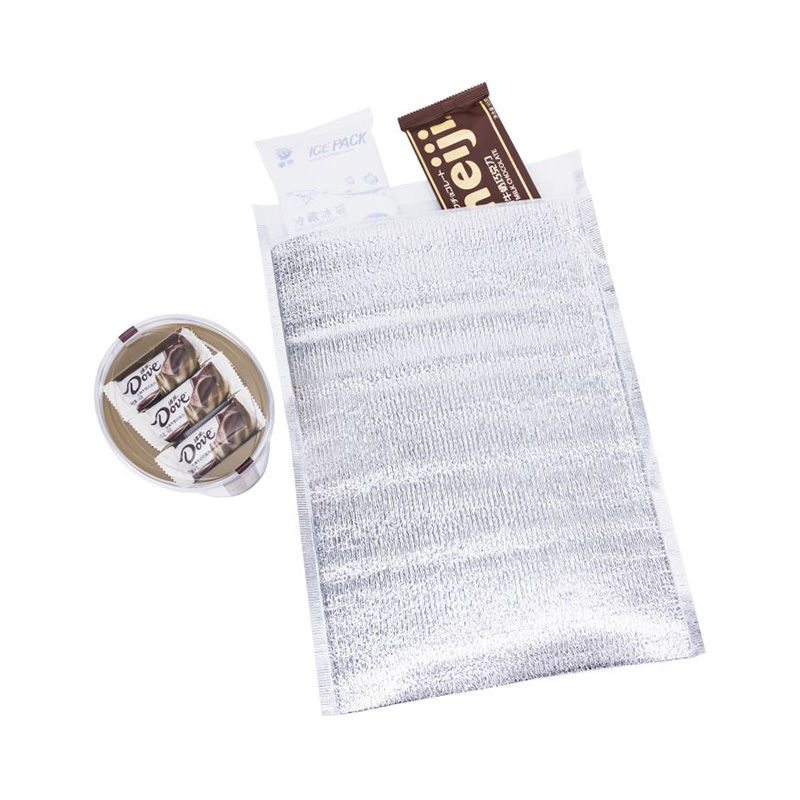
يحدد اختيار المواد الأساس لأداء وتكلفة بطانة الصندوق التي يتم التحكم في درجة حرارتها. بطانات الفقاعات العاكسة خفيفة وصغيرة الحجم. تصميمات الفقاعات المزدوجة يمكن أن تضيف الصلابة والتخزين المؤقت. يمكن أن توفر بطانات الرغوة توسيدًا وسمكًا ثابتًا. يمكن أن تدعم بطانات الورق أو الألياف أهداف تقليل النفايات عندما يكون مسار إعادة التدوير واقعيًا. يمكن للهياكل الهجينة أن تجمع بين الفوائد, ولكنها قد تجعل الفصل في نهاية الاستخدام أكثر صعوبة أيضًا.
يجب على المشترين تجنب الاختيار حسب اسم المادة وحده. اسأل كيف يتم تحويل الخطوط الملاحية المنتظمة, كيف تغلق الحواف, ما إذا كانت البطانة تناسب الكرتون المقصود, مقدار مساحة الحمولة المتبقية القابلة للاستخدام, وكيف تتصرف المادة عند تعرضها للتكثيف, ضغط, أو التعامل المتكرر.
محركات السعر التي يجب أن تكون مرئية في عرض الأسعار
يؤثر نوع المادة وسمكها على سعر بطانات الصناديق التي يتم التحكم في درجة حرارتها, لكنهم ليسوا المحركين الوحيدين للتكلفة. عدد الطبقات, وزن الفيلم, كثافة الرغوة, هيكل الفقاعة, وزن أساس الورق, الانتهاء من السطح, مواد لاصقة, وختم الحافة كلها تؤثر على المواد الخام وتكلفة التحويل.
الأبعاد مهمة لأن التغيير البسيط في حجم الكرتون يمكن أن يزيد من استخدام المواد ومكعب الشحن. يجب على المشترين مقارنة الأبعاد الخارجية, الأبعاد الداخلية, سمك الخطوط الملاحية المنتظمة, وحجم الحمولة الصالحة للاستخدام. يمكن للبطانة التي تناسب الكرتون بشكل غير محكم أن تهدر المساحة وتسمح بحركة الهواء; يمكن للواحدة التي تناسبها بإحكام شديد أن تسحق الزوايا أو تعقد عملية التعبئة.
تؤثر كمية الطلب على كفاءة الإعداد, ولكن عادةً ما يظهر أقل سعر للوحدة عندما تكون المواصفات مستقرة. حجم مخصص, احباط مطبوع, تسميات خاصة, أدوات جديدة, أخذ العينات, ويمكن أن تؤدي قطع الإنتاج الصغيرة إلى رفع التكلفة. في المقابل, التخصيص قد يقلل من العمالة, تحسين الملاءمة, وتقليل تلف المنتج عند القيام به بشكل صحيح.
وينبغي إدراج تكاليف الشحن والتخزين في المقارنة. يمكن للبطانات القابلة للطي أن تقلل من تكاليف المستودعات والنقل الداخلي مقارنة بالعزل الصلب الضخم. لكن, بطانات سميكة جدا, إدراجات معقدة, أو قد تستمر كميات الطلب الكبيرة في خلق ضغط تخزين. لأوامر التصدير, غالبًا ما يكون لتعبئة البليت وعدد الكرتون أهمية بقدر سعر الوحدة.
يجب أن يفصل الاقتباس العملي تكلفة المواد عن التكلفة الاختيارية. اطلب من الموردين تحديد الطباعة المخصصة, الأدوات, وضع العلامات, دعم الاختبار, تنسيق التعبئة والتغليف, وشروط الشحن. تسهل خطوط الأسعار الواضحة مقارنة البائعين دون مقارنة المنتجات المختلفة عن طريق الخطأ.
حدود الأداء ومخاطر سوء الاستخدام
الخطوط الملاحية المنتظمة ليست هي نفسها المؤهلة بالكامل نظام شحن يتم التحكم بدرجة حرارته. إنه يبطئ انتقال الحرارة داخل الكرتون, لكن النتيجة النهائية لا تزال تعتمد على التكييف المسبق للمنتج, نوع المبرد, التعبئة والتغليف, جودة الإغلاق, التعرض المحيطي, مدة التسليم, وكيفية التعامل مع الطرود بعد الاستلام.
قد تكون بطانة الصندوق التي يتم التحكم في درجة حرارتها غير كافية عندما يكون الطريق طويلاً, التعرض المحيطي شديد, المنتج لديه نطاق مسموح به ضيق, أو أن الحمولة ذات قيمة عالية. في تلك الحالات, قد يحتاج المشترون إلى شاحن معزول مؤهل, مبرد مختلف, مراقبة أكثر قوة, النقل النشط الذي يتم التحكم في درجة حرارته, أو تكوين التعبئة والتغليف المعتمد.
لا ينبغي الخلط بين مقاومة الماء والتحكم في درجة الحرارة. قد تقاوم البطانة التكثيف أو التعرض للسائل الخفيف, لكن هذا لا يثبت أنه قادر على الحفاظ على درجة الحرارة المطلوبة. ولا ينبغي الخلط بين إعادة التدوير والاستدامة أيضًا. قد تؤدي البطانة القابلة لإعادة التدوير التي تفشل وتتسبب في هدر المنتج إلى نتائج أسوأ من التصميم الأقل قابلية لإعادة التدوير والذي يحمي المنتج بشكل موثوق.
لشراء الصادرات, يجب أن تكون مواصفات الخطوط الملاحية المنتظمة مكتوبة بشكل واضح بما فيه الكفاية حتى يتمكن فريق الاستلام من فحصها دون تخمين. يجب على المشترين تأكيد إعلان المواد, عدد الكرتون, أبعاد مطوية, التعبئة البليت, علامات الشحن, تحديد حصة الإنتاج, وكيف سيتم التعامل مع المواد غير المطابقة بعد وصولها.
طعام, فارما, ومتطلبات الطريق
ينبغي أن تستند قرارات التغليف الحراري إلى متطلبات درجة حرارة محددة. قد تركز شحنات المواد الغذائية على نضارة المنتج, الحد من التلف, والتعامل الصحي. قد تتطلب الشحنات الصيدلانية والبيولوجية ظروف تخزين موثقة, العبوات المؤهلة, مراقبة معايرة, معالجة الانحراف, والسجلات. يمكن أن تظهر نفس الخطوط الملاحية المنتظمة في كلا العالمين, لكن الأدلة المطلوبة ليست هي نفسها.
تعد معايير اختبار الصناعة وممارسات التأهيل مفيدة لأنها تجبر المشتري على تحديد المسار المتوقع, وقت, التعرض الموسمي, حمولة, والتعبئة. ملفات تعريف اختبار الطرود, دراسات الغرفة الحرارية, ويمكن أن تساعد بيانات الحارة في مقارنة التصاميم, ولكن النتيجة تنطبق على التكوين الذي تم اختباره. تغيير حجم الكرتون, كتلة المنتج, كمية المبرد, أو طريقة الإغلاق يمكن أن تغير الأداء.
للأدوية وغيرها من سلع الرعاية الصحية الحساسة لدرجة الحرارة, يجب أن يأخذ اختيار التغليف بعين الاعتبار وضع العلامات على المنتج, نطاق التخزين, درجات الحرارة الخارجية المتوقعة, مدة النقل, والمساحة المطلوبة للشحنة. يجب أن يفهم الموظفون أيضًا كيفية تجميع الصناديق المعزولة بحيث لا تؤدي المبردات إلى إتلاف المنتج مباشرة ويتم اتباع التكوين الموسمي المقصود.
لنقل المواد الغذائية, يجب أن يتذكر المشترون أن التغليف ليس سوى عنصر تحكم واحد. قد تحتاج المركبات أو المعدات إلى أن تكون قابلة للتنظيف وقادرة على الحفاظ على درجات الحرارة المطلوبة. تحميل, عبور, تلقي, وقد تكون ممارسات التسجيل جزءًا من نظام سلامة الأغذية اعتمادًا على الولاية القضائية وفئة المنتج.
أدوات اتخاذ القرار مفيدة
تحقق من التفاصيل قبل اختيار التغليف
يمكن أن تساعدك هذه الأدوات السريعة في مقارنة مخاطر المسار, احتياجات التحجيم, خيارات المبرد, وتفاصيل التعبئة والتغليف قبل أن تطلب عرض أسعار.
مرجع المواد العازلة
قارن بين خيارات المواد العازلة لاحتياجات التعبئة والتغليف المختلفة لسلسلة التبريد.
قارن الموادبطانة الصندوق & تحجيم غطاء البليت
تحقق من منطق تحديد حجم بطانة الصندوق وغطاء منصة التحميل لمشاريع التغليف المعزولة.
تقدير الحجمحاسبة علبة الثلج
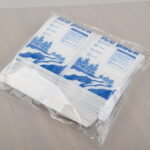
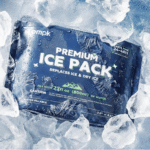
تقدير كمية عبوات الثلج الهلامي للشحنات المبردة والتخطيط العملي للمسار.
تقدير عبوات الثلجقائمة مراجعة عملية للموردين لعروض الأسعار والطلبات المجمعة
لأن مصادر التصدير والتخطيط اللوجستي الدولي هو قرار الشراء, يجب أن تتجاوز محادثة المورد سعر الوحدة. يمكن للمورد المفيد أن يشرح أين تعمل البطانة بشكل جيد, حيث لا, وما هي المعلومات المطلوبة قبل الإصدار التجريبي أو الطلب بالجملة. تساعد الأسئلة التالية في تحويل عرض الأسعار إلى مواصفات خاضعة للرقابة.
تأكيد الأبعاد الداخلية والخارجية بشكل منفصل. يؤثر الحجم الخارجي على ملاءمة الكرتون ومنصة نقالة, بينما يحدد الحجم الداخلي الحمولة الصالحة للاستخدام بعد سمك البطانة, طيات, المبردات, ويتم تضمين ملء الفراغ.
اسأل كيف يتحكم المورد في اتساق العينة مع الإنتاج. قد يكون أداء عينة ما قبل الإنتاج جيدًا, ولكن يجب أن تتطابق حصص الإنتاج مع الصفائح المتفق عليها, سماكة, عرض الختم, لاصق, نمط أضعاف, وتناسب الكرتون.
تحديد الحزمة قبل الاقتباس. اذكر نطاق درجة حرارة المنتج, كتلة الحمولة, نوع المبرد, وزن المبرد, مدة الشحن, طريق, التعرض الموسمي, واستلام عملية التفتيش. الاقتباس بدون هذه المدخلات هو مجرد اقتباس مادي, ليس حل الشحن.
مراجعة تفاصيل الإغلاق والتجميع. اللوحات, شرائط الشريط, خطوط أضعاف, مجمعات, والدرزات تؤثر على سرعة التعبئة وتسرب الحرارة. قد تكون التغييرات الصغيرة مهمة عندما يتم تعبئة مئات أو آلاف الطرود كل يوم.
توضيح موك, مهلة, الطباعة المخصصة, وضع العلامات, التعبئة البليت, وقواعد التحكم في التغيير. هذه النقاط التجارية تؤثر على التكلفة, ولكنها تؤثر أيضًا على مدى سرعة قيام المشتري بتغيير حجم الكرتون أو تحديث مواصفات المادة.
تحقق من النظافة, رائحة, مقاومة الرطوبة, واحتياجات التتبع. قد يحتاج مشترو المواد الغذائية والرعاية الصحية إلى ترميز الكمية, ظروف التعبئة والتغليف النظيفة, البيانات المادية, وإجراءات التعامل مع البطانات المرفوضة أو التالفة.
لأوامر التصدير, تأكيد تنسيق قائمة التعبئة, علامات الكرتون, أبعاد البليت, التصريحات المادية, افتراضات مصطلح التجارة الدولية, وما إذا كان يتم التعامل مع قطع الغيار أو مطالبات النقص قبل أو بعد إطلاق الشحنة.
كيفية تشغيل الطيار قبل القياس
يجب أن يستخدم الطلب التجريبي لبطانات الصناديق التي يتم التحكم في درجة حرارتها تكوين التغليف الفعلي. قم بتعبئة المنتج أو حمولة واقعية, حالة المبرد على النحو المنشود, أغلق الكرتونة بنفس الطريقة التي سيغلقها بها عمال الإنتاج, وقم بتعريض الطرد للطريق المخطط أو ملف تعريف الاختبار ذي الصلة. سجل درجة حرارة المنتج, التعرض المحيطي, وقت التعبئة, حالة المنتج, وردود الفعل المتلقي.
يجب أن يتضمن الإصدار التجريبي عينات كافية للكشف عن اختلاف التجميع. لا تثبت عملية التعبئة المثالية التي يقوم بها المهندس أن فريق التعبئة المزدحم يمكنه تكرار الطريقة. تشمل عوامل التشغيل العادية, ظروف التعبئة الذروة حيثما أمكن ذلك, وتعليمات واضحة. إذا كان من الصعب طي البطانة أو إغلاقها, تصحيحه قبل الطلب بالجملة.
استخدم النتائج التجريبية لتحسين الأبعاد, نمط أضعاف, كمية المبرد, قوة الكرتون, وتلقي التعليمات. ثم قم بتأمين المواصفات مع المورد. المواصفات الخاضعة للرقابة تحمي السعر, جودة, والأداء عبر عمليات إعادة الطلب.
التحكم في التكلفة دون فقدان هدف سلسلة التبريد
يبدأ التحكم في تكلفة بطانات الصناديق التي يتم التحكم في درجة حرارتها بتقليل عدم اليقين. يجب على المشترين اختبار أصغر بطانة تحمي الحمولة في المسار المقصود, بدلاً من اختيار المواد الأكثر سمكًا أو الأرخص تلقائيًا. الحجم الصحيح يمكن أن يقلل من المواد, مكعب كرتون, وزن المبرد, وتكلفة التخزين في نفس الوقت.
يمكن أن يؤدي توحيد أحجام الكرتون أيضًا إلى تقليل التكلفة. إذا كان بإمكان العديد من المنتجات استخدام نفس حجم البطانة دون المساس بمساحة الحمولة, قد يحصل المشتري على كفاءة إنتاجية أفضل ومراقبة أبسط للمخزون. لكن, يمكن أن يؤدي الإفراط في التقييس إلى نتائج عكسية عندما يتم إجبار نفس البطانة على منتجات ذات مخاطر حرارية مختلفة جدًا.
عمالة التعبئة هي تكلفة مخفية أخرى. بطانة تنفتح بسرعة, لديه طيات واضحة, يغلق بغطاء موثوق, والحفاظ على عبوات الجل في وضع قابل للتكرار يمكن أن يقلل من الأخطاء. بطانة تحتاج إلى شريط إضافي, تدريب إضافي, أو قد تكون إعادة العمل أكثر تكلفة مما يقترحه الاقتباس.
غالبًا ما تكون المقارنة الأكثر فائدة هي التكلفة الإجمالية لكل شحنة ناجحة. يتضمن هذا العرض سعر الخطوط الملاحية المنتظمة, استخدام المبرد, تكلفة الكرتون, تَعَب, مكعب الشحن, تخزين, المطالبات, تصرف, وخسارة المنتج. كما أنها تشجع المشترين على اختيار المواصفات التي يمكن تكرارها بأمان عبر المواسم.
التعليمات
ما هو العامل الأكثر أهمية في تصدير بطانة الصندوق التي يتم التحكم في درجة حرارتها؟?
العامل الأكثر أهمية هو ما إذا كان عرض الأسعار يتطابق مع تكوين شحنة محدد. سعر المواد وحده لا يكفي.
هل يمكن لحجم بطانة واحد أن يغطي كل منتج?
في بعض الأحيان يمكن لحجم واحد أن يغطي مجموعة من المنتجات المماثلة, لكن إجبار بطانة واحدة على حمولات مختلفة يمكن أن يؤدي إلى إهدار المكعب أو تقليل الحماية.
كيف ينبغي للمشترين مقارنة مطالبات الاستدامة؟?
اسأل ما هي المادة, ما إذا كان مقبولاً في تيار إعادة التدوير المقصود, ما إذا كان الانفصال مطلوبا, وما إذا كانت الخطوط الملاحية المنتظمة لا تزال تلبي هدف أداء المسار.
متى يجب على المشتري طلب مؤهل إضافي?
اطلب مؤهلاً إضافيًا عندما يكون المنتج ذو قيمة عالية, منظم, حساسة لنطاقات درجات الحرارة الضيقة, يتم شحنها على ممرات طويلة أو قاسية, أو تم تغييرها من العبوة التي تم اختبارها.
حول Tempk
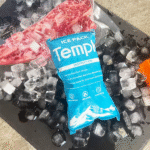
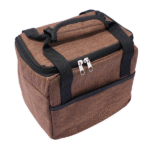
يدعم Tempk السلسلة الباردة و عبوة تسيطر عليها درجة الحرارة مع منتجات مثل بطانات الصندوق المعزولة, عبوات جل الثلج, حزم الثلج الجاف, أكياس معزولة, صناديق تبريد, و أغطية البليت الحرارية. لمشاريع بطانة الصندوق التي يتم التحكم في درجة حرارتها, نحن نركز على ملاءمة الكرتون العملية, التعامل مع خفيفة الوزن, تخزين قابل للطي, والتخصيص الذي يمكن أن يتطابق مع ملف شحنة المشتري. دورنا هو مساعدة المشترين على مقارنة اختيار المواد, تصميم العبوة, ومتطلبات الطلب دون التعامل مع بطانة واحدة كإجابة عالمية لكل منتج أو طريق.
احصل على إرشادات التغليف
مشاركة حجم الكرتون الخاص بك, نطاق درجة الحرارة, مدة الطريق, حمولة, وكمية الطلب المستهدفة لمناقشة خيار بطانة الصندوق المناسب الذي يمكن التحكم في درجة حرارته. اطلب التوجيه قبل توسيع نطاق الطلب بالجملة أو المخصص.