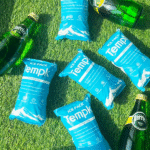
دليل الشراء العملي لحزمة الثلج الهلامية سلسلة بارد الطعام
صانع المواد الغذائية لا يشتري عبوات جل الثلج من أجل شراء الحزم. الهدف هو الحفاظ على جودة المنتج وسلامة الغذاء من خلال طريق قد يشمل أرصفة دافئة, تأخير الناقل, وتسليم الميل الأخير. عادةً ما يأتي الاختيار الأكثر موثوقية من الجمع بين المسار العملي المناسب, الانضباط الفني, وفحص واقعي للموردين.
أ حزمة هلام باردة أو عادةً ما يتم اختيار كيس الثلج الهلامي في شحن المواد الغذائية عندما تريد منظفًا, مبرد أكثر قابلية للإدارة من الثلج السائب وخيار أبسط من الثلج الجاف للعديد من الأطعمة المبردة. إنه يعمل بشكل جيد عندما يكون الهدف هو إبطاء ارتفاع درجة الحرارة في الكراتين المعزولة, بريدية بطانة, وحزم نمط مجموعة الوجبات. والمفتاح هو أن البرامج الغذائية تختلف على نطاق واسع. بعض العناصر تحتاج فقط إلى الحماية من الحرارة المعتدلة, بينما يجب على الآخرين البقاء مبردين بشكل موثوق, وغالبًا ما تحتاج الأطعمة المجمدة تمامًا إلى استراتيجية أكثر برودة مما يمكن أن توفره عبوات الجل القياسية على الطرق الأطول. يصبح القرار أسهل بكثير بمجرد الفصل بين الأسئلة الثلاثة: ما هي درجة الحرارة التي يحتاجها المنتج حقًا, كيف يتصرف الطريق, ومدى قدرة المورد على إعادة إنتاج التنسيق المختار باستمرار.
ما الذي يجب أن تفعله الحزمة المناسبة بالفعل؟
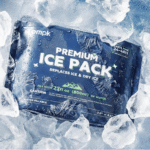
بعبارات واضحة, كيس الثلج الهلامي عبارة عن كيس تبريد مرن أو شبه صلب يستخدم داخل أنظمة شحن المواد الغذائية المعزولة. في العديد من سلاسل التوريد، يعمل بمثابة مادة تبريد قابلة لإعادة الاستخدام أو يمكن التخلص منها بدلاً من استخدامه كنظام شحن مستقل. قد يطلق عليها اسم حزمة هلام شحن المواد الغذائية, إدراج المبرد, أو اسم تجاري آخر حسب الصناعة. ما يهم المشتري هو أقل من التسمية وأكثر من مزيج الحجم, ملء الكتلة, سلوك المرحلة, متانة الفيلم, وكيف تتناسب العبوة مع الحاوية المعزولة.
تعتبر عبوات الثلج الهلامية بمثابة المبرد الافتراضي للعديد من برامج الأطعمة المبردة لأنها أسهل في التعامل معها من الثلج الجاف وأسهل في وضعها في علب الكرتون الجاهزة للطرود. تعمل معظم أشكال الجل القياسية عن طريق تخزين الطاقة الباردة أثناء تكييف الفريزر ثم امتصاص الحرارة أثناء ذوبان الجليد. يعتمد وقت الانتظار العملي على أكثر من العبوة وحدها: جودة العزل, كتلة المنتج, درجة حرارة المنتج الأولية, وضع الحزمة, والتعرض الخارجي كل ذلك يغير النتيجة. من وجهة نظر هندسية, يقوم المشتري بالفعل بإدارة تدفق الحرارة من خلال حزمة التغليف الكاملة. قد يؤدي وجود جدار أكثر سمكًا أو بطانة أفضل إلى تقليل عدد عبوات غاز التبريد المطلوبة, في حين أن الشاحن المعزول بشكل سيئ يمكن أن يمحو ميزة المبرد الأثقل.
معظم عبوات هلام الطعام عبارة عن مبردات ذات أساس مائي ومغلقة في فيلم بلاستيكي. إنها تمتص الحرارة أثناء ذوبان الجليد وتساعد على استقرار تقلبات درجة الحرارة داخل العبوة المعزولة. يعتمد أدائها على كتلة العبوة, درجة حرارة البداية, العزل, حجم المربع, تحميل المنتج, والتعرض المحيطي. الحزمة نفسها مهمة, لكن النظام المحيط به هو الذي يقرر ما إذا كان الطعام سيبقى في النطاق أم لا.
يجب على مصنعي المواد الغذائية فصل المبردة, المجمدة, والمنتجات الحساسة للحرارة فقط قبل البدء في مقارنة أوزان العبوات أو أسعارها.
من المهم أيضًا فصل العبوة الخارجية الواقية عن العبوة المؤهلة نظام شحن يتم التحكم بدرجة حرارته. يمكن أن تساعد عبوة الجل أو الطوب في التحكم في درجة الحرارة, ولكنها لا تجعل الشحنة متوافقة أو تم التحقق من صحتها تلقائيًا. قد تختلف المتطلبات حسب المنتج, طريق, ظروف التعامل, وإجراءات الجودة الخاصة بالشاحن.
كيفية اختيار الطريق, منتج, والتعامل مع الواقع
في كثير من الحالات, تعتبر عبوات الثلج الهلامية مفيدة للغاية عندما تحتاج الفرق إلى مصدر بارد يمكن وضعه بشكل متكرر, يتم التعامل معها بشكل نظيف, وتحجيمها عبر شحنات متعددة. تشمل الحمولات النموذجية الوجبات الجاهزة, البروتينات الطازجة, ألبان, صناديق الوجبات الخفيفة, منتجات الجبن والأطعمة الجاهزة, والأطعمة المتخصصة الموسمية. هذا لا يعني أن كل حمولة تحتاج إلى نفس الحزمة. وهذا يعني أنه يمكن تعديل التنسيق إذا قام المشتري بتحديد المسار وقيود المنتج بوضوح.
عادة ما يحتاج المشترون إلى التخطيط لمخاطر الطريق لتشمل عمليات التسليم الفاسدة أو الدافئة, غارقة المموج من التكثيف, تجميد الأضرار التي لحقت الأطعمة الحساسة, تقلب الطرود الموسمية, ووقت انتظار غير كافٍ لأن حجم العبوة لا يتناسب مع شركة الشحن.
شحنة حلويات مبردة, صندوق أدوات الوجبات الذي يحتوي على البروتينات والمنتجات, ويمكن لأخذ عينات الأطعمة الجاهزة المتميزة استخدام عبوات الجل, ومع ذلك، فإن التعبئة الصحيحة ليست هي نفسها. يحتاج بعض المشترين إلى تغطية حائط واسعة في جهاز إرسال الخطوط الملاحية المنتظمة. ويحتاج البعض الآخر إلى وضع الطوب بشكل منظم لحماية الكراتين الثقيلة أثناء مناولة الطرود. الموضوع الشائع هو أن تنسيق الحزمة يجب أن يتطابق مع حساسية المنتج وهندسة الصندوق.
أحد الأخطاء المتكررة هو افتراض أن البرودة هي الأفضل دائمًا. يمكن أن تتفتح طبقات الشوكولاتة, الأطعمة المستحلبة يمكن أن تعاني من تلف الملمس, ويمكن أن تسبب المنتجات الطازجة مشاكل في الجودة إذا كان الاتصال المباشر باردًا جدًا. يهدف برنامج الغذاء الأفضل إلى نطاق درجة الحرارة المناسب, ليست أدنى درجة حرارة يمكن أن يخلقها الفريزر.
في نفس الوقت, يجب على المشترين احترام الحدود: نادرًا ما يغطي حجم العبوة القياسي جميع وحدات SKU الغذائية; قد تحتاج الأطعمة المجمدة إلى ثلج جاف أو نظام تجميد أثقل; يمكن أن يحدث تلف في الملصقات والكرتون إذا لم تتم إدارة الرطوبة; ولا تزال سلامة الأغذية تعتمد على التحكم الكامل في العملية وانضباط المسار.
لقطة التحديد
| خيار | حيث يناسب أفضل | القوة الرئيسية | ما يجب التحقق منه |
| الجليد السائب | بعض توزيع المواد الغذائية المبردة المحلية | مألوفة وباردة جدا | يخلق مياهًا ذائبة ويضعف العديد من الكراتين |
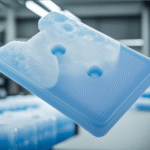
| عبوة جل مسطحة | أطقم الوجبات, عناصر لذيذة, وبطانات الطرود | وضع مرن وسهولة التعامل | يمكن أن يتحرك وقد لا يناسب الصناديق الثقيلة |
| جل طوب جليدي | كرتونة ذات حمولة أعلى وهندسة حزمة قابلة للتكرار | وضع أكثر اتساقًا وقابلية للتكديس | يضيف وزنًا وقد يخلق بقعًا باردة دون انفصال |
| الجليد الجاف | الأطعمة المجمدة وطرق تجميد أطول | يحافظ على ظروف تجميد أقوى | القيود التشغيلية وليست مثالية للعديد من الأطعمة المبردة |
قائمة مراجعة الموردين التي تهمك بالفعل
لا يتعلق اختيار الشركة المصنعة بإيجاد أقل تكلفة للوحدة بقدر ما يتعلق بتأكيد قدرة المصنع على إنتاج المواصفات التي تحتاجها بالفعل. أفضل محادثات الشراء تربط بين تصميم المنتج, التعامل مع الواقع, وتوفير الموثوقية في بطاقة أداء واحدة بدلاً من التعامل معها كقرارات منفصلة.
قبل وضع طلب بالجملة, يجب على المشترين ترجمة مشكلة الشحن إلى ملخص مكتوب للتغليف. يجب أن يغطي هذا الموجز نطاق درجة الحرارة المستهدف, نوع الحمولة, أبعاد الشاحن, وقت العبور المتوقع, الإجهاد المحيطي, تسلسل التحميل, وشروط الاستلام. بمجرد كتابة هذه النقاط, مناقشات حول موك, الأدوات, التخزين, أو يصبح السعر أكثر إنتاجية لأن الجميع يتحدثون عن نفس الهدف الفني.
أدوات اتخاذ القرار مفيدة
تحقق من التفاصيل قبل اختيار التغليف
يمكن أن تساعدك هذه الأدوات السريعة في مقارنة مخاطر المسار, احتياجات التحجيم, خيارات المبرد, وتفاصيل التعبئة والتغليف قبل أن تطلب عرض أسعار.
مقاومة سقوط المواد العازلة
مراجعة مقاومة السقوط وعوامل المناولة قبل اختيار المواد العازلة.
تحقق من المقاومةمحدد التعبئة والتغليف
قارن بين خيارات التغليف المعزولة حسب المنتج, طريق, ودرجة الحرارة اللازمة.
البحث عن التعبئة والتغليفمدقق مخاطر الطريق
قم بمراجعة ظروف المسار قبل اختيار التغليف لمتطلبات التشغيل الحقيقية.
تحقق من مخاطر الطريق- التأكد من الأبعاد الداخلية والخارجية بعد التجميد, ليس فقط الأبعاد الاسمية في درجة حرارة الغرفة.
- اطلب ملء التسامح الوزن, كتلة باردة قابلة للاستخدام, وطريقة التكييف المستهدفة قبل الشحن.
- التحقق من هيكل الراتنج أو الفيلم, تصميم التماس, وتوقعات مقاومة التسرب تحت ضغط التعامل الحقيقي.
- تحقق من مدى ملاءمة العبوة للشاحن المعزول, بما في ذلك تغطية الجدار, تدخل الغطاء, وفصل المنتج.
- مراجعة قابلية التكديس, التعشيش, وإرجاع الكفاءة إذا كان سيتم استخدام الحزمة في برامج قابلة لإعادة الاستخدام أو حلقات حمل.
- نسأل كيف التسميات, باركود, ترميز التاريخ, أو يتم تطبيق إمكانية تتبع الكمية والتحكم فيها.
- اطلب دليلاً على أن جودة العينة تتوافق مع جودة الإنتاج, بما في ذلك أي عملية للتحكم في التغيير للمواد أو الأبعاد.
- اطلب بيانات التعبئة أو الأداء الحراري التي تعكس كتلة حمولتك, نوع الشاحن, وملف تعريف محيطي واقعي.
- توضيح ماذا يحدث إذا كانت المواد الخام, صياغة هلام, سمك الفيلم, أو يتغير موقع التصنيع بعد الموافقة.
- اسأل ما إذا كانت الشركة المصنعة تقدم أفلامًا قياسية أو خالية من العرق.
- تأكد من أوزان العبوات التي تناسب البروتينات المبردة, ألبان, أو طرق الطرود الصيفية دون تكلفة شحن باهظة.
- اطلب إرشادات حول كيفية أداء العبوات مع نوع العزل الذي اخترته وحجم الكرتون.
اطلب البيانات التي تعكس العبوة الكاملة بدلاً من اختبار مادة التبريد المستقلة. عادةً ما تُظهر مجموعة البيانات المفيدة نوع الشاحن, مستوى العزل, كتلة الحمولة, التحدي المحيطي, وضع الحزمة, ومدة الاختبار. بدون هذا السياق, يمكن لموردين تقديم مطالبات مماثلة بشأن وقت الانتظار مع وصف ظروف اختبار مختلفة تمامًا. يريد المشترون الجادون فهم شروط الحدود, ليس فقط النتيجة الرئيسية.
تحتاج برامج نقل الأغذية إلى ضوابط صحية ومصدر تبريد مناسب, ولكن يجب تقييم الحزمة كجزء من الشاحن الكامل. إذا كان أي مكون مخصصًا لحالات ملامسة الطعام, وينبغي التحقق من ملاءمة المواد لظروف الاستخدام المقصودة. لا تزال الممارسات العامة لطلب الطعام عبر البريد تعتمد على التغليف الخارجي القوي, العزل, ومبرد مناسب للطريق. للشحنات المنظمة أو الحساسة للجودة, يجب قراءة مطالبات التغليف بعناية. أ حزمة المبرد يمكن أن تدعم أهداف الامتثال, ولكنه عادةً ما يكون جزءًا واحدًا فقط من العملية الموثقة. تمرين, تعليمات التعبئة, استلام الشيكات, تأهيل الطريق, والمتطلبات الخاصة بالمنتج كلها تؤثر على ما إذا كانت الشحنة مناسبة بالفعل.
من ناحية الاستدامة والعمليات, غالبًا ما يقدر المشترون أن تقليل التغليف الزائد يوفر في كثير من الأحيان المزيد من الكربون مقارنة بتغيير كيمياء الهلام وحده; يمكن للخيارات الآمنة للتصريف أو القابلة لإعادة التدوير أن تقلل من إحباط المستخدم النهائي من التخلص منها; والعبوات القابلة للإرجاع منطقية بالنسبة لحلبات التوزيع المحلية أو حلقات التوزيع المغلقة. في الممارسة العملية, يقوم المشترون بشكل متزايد بتقييم التأثير التشغيلي الإجمالي: وزن الشحن, مساحة التخزين في الفريزر, سهولة الاستلام, التعامل مع النفايات, وخطر فقدان المنتج إذا أصبح المسار غير مستقر. يمكن أن تكلف الحزمة الأكثر متانة أو الأفضل استهدافًا في بعض الأحيان مبلغًا أكبر مقدمًا مع الاستمرار في خفض التكلفة الحقيقية لبرنامج الشحن.
أخطاء الشراء الشائعة
بالنسبة للأطعمة التي يجب أن تظل مجمدة, قد لا تكون علبة الثلج القياسية كافية بمفردها للطرق الطويلة أو الدافئة.
بمجرد الموافقة على الحزمة, يصبح التحكم في التغيير أمرًا بالغ الأهمية. اختلافات صغيرة في مورد الفيلم, نسبة هلام, حجم التعبئة, تخطيط الطباعة, أو يمكن أن تؤدي إعدادات خط التصنيع إلى تغيير الأبعاد, مقاومة التسرب, أو سلوك التعبئة. يقوم الموردون المحترفون بتوثيق هذه التغييرات وإبلاغها قبل أن تؤثر على الشحنات الحية.
شروط الاستلام مهمة أكثر مما يتوقعه العديد من المشترين. إذا تم فتح الكراتين في حوض ساخن, ترك على الأرض قبل التفتيش, أو إعادة تعبئتها في درجة حرارة الغرفة, يجب أن يعوض المبرد المختار التباين التشغيلي وكذلك التعرض العابر. هذا هو السبب في الشراء, العمليات, ويجب على فرق الجودة مراجعة سير عمل الوجهة معًا بدلاً من التعامل مع مادة التبريد كقرار شراء فقط.
سعر الوحدة ليس سوى جزء واحد من الاقتصاد. قد تؤدي الحزمة الأكبر أو الأرخص إلى زيادة تكلفة الشحن, تقليل حمولة المنتج, خطوط تعبئة بطيئة, أو خلق المزيد من النفايات عند الاستلام. على النقيض من ذلك, يمكن أن تؤدي الحزمة الأفضل في بعض الأحيان إلى خفض التكلفة الإجمالية لأنها تقلل من فقدان المنتج, يتجنب التعبئة الزائدة, ويبسط التعامل معها. وبالتالي فإن المحادثات الجيدة مع الموردين تقارن التكلفة الإجمالية للاستخدام, ليس فقط سعر العبوة الواحدة.
التفاصيل التشغيلية التي لا ينبغي تجاهلها
وينبغي أيضًا النظر في سعة التخزين والتجميد مبكرًا. يمكن أن يصبح البرنامج الذي يبدو جذابًا على الورق أمرًا صعبًا إذا كانت بصمة العبوة تهدر مساحة الفريزر, يتطلب أوقات تكييف طويلة, أو يحتاج إلى مساحة تخزين أكبر مما يمكن أن يدعمه الموقع. الملاءمة التشغيلية في الأصل هي جزء من ملاءمة المنتج.
تعد معالجة نهاية العمر جزءًا من تجربة المشتري أيضًا. قد يهتم المستلمون بما إذا كان من الممكن إعادة استخدام العبوة, مقدار السائل المتبقي تحت التصرف, وما إذا كان الصرف أو التعامل مع النفايات يصبح مصدر إزعاج في منطقة الاستقبال. نادرًا ما تظهر هذه التفاصيل في أعلى ورقة الأسعار, ومع ذلك، فهي تؤثر بقوة على رضا الموردين بعد طرحها.
التعليمات
هل عبوات الجل آمنة لشحن المواد الغذائية؟?
يتم استخدامها على نطاق واسع حول شحنات المواد الغذائية, ولكن لا يزال يتعين على المشترين التحقق من ملاءمة المواد, مقاومة التسرب, وما إذا كان أي مكون يمكنه ملامسة الطعام أو سطح ملامس للطعام.
هل تحتاج جميع الأطعمة المبردة إلى نفس تنسيق العبوة؟?
لا. عناصر المخابز, وجبات جاهزة, المأكولات البحرية, ألبان, ويمكن أن تتفاعل الحلويات بشكل مختلف مع التعرض للبرد ووقت العبور.
متى يكون الثلج الجاف أفضل من علبة الجل?
غالبًا ما يكون الثلج الجاف أفضل للمنتجات التي يجب أن تظل مجمدة, خاصة على الطرق الأطول أو الأكثر دفئًا.
الكلمة النهائية
عادة ما تأتي النتيجة الأقوى من الجمع بين الاختيار العملي للحزمة, الانضباط الفني, وفحص واقعي للموردين. هذا هو ما يحول كيس الثلج الهلامي من مصدر بارد عام إلى جزء يمكن الاعتماد عليه في عملية التوزيع الخاصة بك.
حول Tempk
و Tempk, نحن نركز على التعبئة والتغليف للتحكم في درجة الحرارة شحن السلسلة الباردة. تأسست في 2011 كعلامة تجارية لشركة Shanghai Huizhou Industrial, نحن نقدم عبوات ثلج هلامية, الطوب الفريزر, الصناديق المعزولة, بطانات, و تغليف السلسلة الباردة للأغذية الطازجة والأدوية الحيوية. يتم دعم أعمالنا التطويرية بواسطة R&مركز D يعمل بممارسات CNAS وISTA المتوافقة, وتشمل شبكة التصنيع لدينا مرافق حاصلة على شهادة ISO في الصين. يساعدنا هذا المزيج في دعم تنسيقات العرض القياسية والحزم المخصصة للتوزيع الحساس لدرجة الحرارة.
الخطوة التالية: ملخص واضح عن حساسية المنتج, مدة الطريق, وتسهل هندسة التعبئة والتغليف اختيار تنسيق غاز التبريد المناسب أو خطة التوريد بالجملة.