نظام سلسلة التبريد للقاحات: كيف يعمل & لماذا يهم?
ال نظام سلسلة تبريد اللقاحات هو أساس برامج التحصين الحديثة. إنها شبكة من الناس, المعدات والإجراءات التي تحافظ على اللقاحات ضمن حدود درجة الحرارة الآمنة من التصنيع إلى الحقن. بدون نظام سلسلة تبريد لقاح قوي, تفقد اللقاحات فعاليتها بسرعة – تشير الدراسات إلى أن اللقاحات تتعرض لدرجات حرارة أعلى 8 درجة مئوية يمكن أن تفقد ما يصل إلى 20 % من فعاليتها في ساعة واحدة فقط. يشرح هذا الدليل كيفية عمل نظام سلسلة تبريد اللقاحات, تتراوح درجات الحرارة الموصى بها, تكنولوجيا المراقبة والاتجاهات الناشئة حتى تتمكن من حماية كل جرعة.
ما هو نظام سلسلة تبريد اللقاحات وسبب أهميته – بما في ذلك العناصر الأساسية (الموظفين, المعدات والإجراءات).
نطاقات درجات الحرارة الآمنة للقاحات وفئاتها - مبردة, اللقاحات المجمدة والفائقة البرودة وعواقب الرحلات الحرارية.
المعدات الهامة للتخزين والنقل – ثلاجات, المجمدات, مسجلات البيانات الرقمية و حاويات معزولة.
أفضل الممارسات للمراقبة وإجراءات التشغيل الموحدة – كيفية استخدام مسجلات البيانات الرقمية, تسجيل درجات الحرارة وتدريب الموظفين..
طرق النقل وخيارات التعبئة والتغليف - حزم هلام, الثلج الجاف, النيتروجين السائل والخدمات اللوجستية IoTenabled.
الابتكارات واتجاهات السوق ل 2025 – سلسلة الكتل, تخزين بالطاقة الشمسية, تحسين مسار الذكاء الاصطناعي ونمو السوق العالمية للوجستيات سلسلة تبريد اللقاحات.
ما هو نظام سلسلة تبريد اللقاحات ولماذا هو ضروري?
يضمن نظام سلسلة تبريد اللقاحات بقاء اللقاحات ضمن نطاق درجة الحرارة الموصوف لها طوال رحلتها. وتضم موظفين مدربين, المعدات المصممة لهذا الغرض وإجراءات التشغيل القياسية. دون أن تعمل هذه المكونات معًا, قد تتعرض اللقاحات للحرارة أو البرودة الضارة, مما يؤدي إلى فقدان الفاعلية, الجرعات الضائعة وتفشي الأمراض التي يمكن الوقاية منها. في الحقيقة, تشير الأبحاث إلى ذلك بقدر ما 35 % من اللقاحات معرضة للخطر بسبب سوء التعامل مع درجة الحرارة, مما أدى إلى حملات إعادة التطعيم المكلفة وانخفاض ثقة الجمهور.
لماذا يحمي التحكم في درجة الحرارة الفاعلية
اللقاحات هي منتجات بيولوجية. الحرارة يمكن أن تتحلل البروتينات والدهون; يمكن أن يسبب التجميد بلورات ثلجية تلحق الضرر ببنيتها. تتطلب معظم اللقاحات الروتينية التبريد بين 2 درجة مئوية و 8 درجة مئوية. تتطلب اللقاحات الحية الموهنة مثل الحماق وبعض تركيبات كوفيد-19 التجميد بين -50 درجة مئوية و-15 درجة مئوية, بينما غالبًا ما تحتاج لقاحات mRNA إلى تخزين شديد البرودة بين -90 درجة مئوية و-60 درجة مئوية. التعرض لدرجات حرارة أعلى 8 درجة مئوية لمدة ساعة واحدة فقط قد تقلل من الفاعلية بمقدار 20 %. على العكس من ذلك, يؤدي تجميد اللقاحات المحتوية على الألومنيوم إلى تكتلها وضررها الذي لا يمكن إصلاحه. ولذلك فإن الحفاظ على النطاق الصحيح أمر بالغ الأهمية لتحقيق الفعالية.
العناصر الأساسية لنظام سلسلة تبريد اللقاحات
ال ثلاثة عناصر رئيسية لنظام سلسلة تبريد اللقاحات هي الأفراد, المعدات والإجراءات:
الموظفين - يقوم لقاح مدرب ومعالج سلسلة التبريد بإدارة التخزين, يراقب درجات الحرارة ويحتفظ بالسجلات. يجب أن يكون في كل منشأة منسق معين مسؤول عن تدريب الموظفين, طلب المخزون وتنفيذ خطط الطوارئ.
معدات – ثلاجات مصممة لهذا الغرض, المجمدات, ثلاجات مثلجة (ILRs), صناديق باردة, يضمن مسجلو البيانات ومركبات النقل بقاء اللقاحات في النطاق. يمكن أن تكون المعدات كهربائية (مدعوم من التيار الكهربائي أو الطاقة الشمسية) أو غير كهربائية (حزم الجليد وحاملي اللقاح).
إجراءات – إجراءات التشغيل القياسية (SOPS) شرح كيفية تحميل الوحدات, ترتيب اللقاحات حسب تاريخ انتهاء الصلاحية, تسجيل درجات الحرارة والاستجابة للرحلات. دون إجراءات واضحة, لا يمكن للمعدات والأشخاص منع الضرر الناتج عن درجات الحرارة.
يحمي نظام سلسلة تبريد اللقاحات القوي فعالية اللقاحات, يقلل من الهدر ويبني ثقة الجمهور.
كيف يعمل نظام سلسلة تبريد اللقاحات عبر سلسلة التوريد
يبدأ نظام سلسلة تبريد اللقاح في مصنع التصنيع ويستمر عبر مرافق التخزين الوطنية والمحلية حتى العيادة. عند كل رابط, يجب الحفاظ على درجات الحرارة وتوثيقها. بحسب منظمة الصحة العالمية, تنتقل اللقاحات من الشركة المصنعة إلى المتاجر الأولية, مخازن المنطقة والعيادات عبر المركبات المبردة أو المعزولة, الصناديق الباردة وحاملات اللقاحات. تستخدم مراحل النقل هذه نطاقات خاضعة للرقابة مثل +2 درجة مئوية إلى +8 درجة مئوية للقاحات المبردة، و-15 درجة مئوية إلى -25 درجة مئوية للقاحات المجمدة. يستخدم كل متجر معدات مثل مبردات المشي (WICs), مجمدات وكين (WIFs), الثلاجات المثلجة والمجمدات العميقة للحفاظ على الجرعات آمنة.
تصنيع – يتم إنتاج اللقاحات في ظل ظروف صارمة ويتم تبريدها على الفور. يتم تعبئتها في قوارير أو محاقن وتوضع فيها حاويات الشحن مع مسجلات البيانات والمبردات. يجب على الشركات المصنعة التنسيق مع مقدمي الخدمات اللوجستية للتحضير لاحتياجات درجات الحرارة المحددة.
التخزين الأساسي والمنطقة – تستقبل مبردات Walkin ومجمدات Walkin الشحنات السائبة. يقوم الموظفون بمراقبة درجات الحرارة مرتين يوميًا على الأقل والتأكد من دوران المخزون باستخدام "انتهاء الصلاحية الأول"., طريقة "الخروج أولاً"..
مواصلات – عربات معزولة, تنقل الشاحنات المبردة أو صناديق التبريد السلبية اللقاحات إلى المرافق الإقليمية أو المحلية. يسافر مسجلو البيانات مع الشحنات, تسجيل درجات الحرارة على الأقل كل 30 دقائق.
التخزين والإدارة المحلية – تستخدم العيادات ثلاجات مغطاة بالثلج أو مجمدات صغيرة لتخزين اللقاحات حتى موعد تناولها. يحافظ حاملو اللقاح على درجة الحرارة الصحيحة أثناء جلسات التوعية. يقوم الموظفون بالتحقق من درجات الحرارة الدنيا/القصوى كل يوم عمل ويقومون بتحديث السجلات.
من خلال الحفاظ على سلسلة التبريد من البداية إلى النهاية, ويضمن نظام سلسلة تبريد اللقاح أن كل جرعة توفر الحماية المقصودة منها.
نطاقات درجات الحرارة الآمنة وفئات اللقاحات
تتطلب اللقاحات المختلفة ظروف تخزين مختلفة. تعد معرفة نطاق درجة الحرارة المطلوبة لكل نوع من أنواع اللقاحات أمرًا ضروريًا لنظام سلسلة تبريد اللقاحات. تلخص الفئات التالية المتطلبات الرئيسية:
| فئة اللقاحات | نطاق درجة الحرارة | اللقاحات سبيل المثال | دلالة |
| مبردة | 2 درجة مئوية – 8 درجة مئوية (36 درجة فهرنهايت – 46 ° f) | الانفلونزا, DTaP, فيروس الورم الحليمي البشري, MMR ومعظم اللقاحات الروتينية | النطاق الأكثر شيوعا. الحفاظ على حولها 5 درجة مئوية تقلل من التقلبات. |
| المجمدة | –50 درجة مئوية – –15 درجة مئوية (–58 درجة فهرنهايت – 5 ° f) | الحماق, mpox (جينيوس) وبعض لقاحات كوفيد19 | مطلوب للقاحات الحية الموهنة; التعرض لدرجات حرارة أكثر دفئا يضر بالمكونات الفيروسية. |
| شديد البرودة | –90 درجة مئوية – –60 درجة مئوية (–130 درجة فهرنهايت – –76 درجة فهرنهايت) | لقاحات mRNA مثل Pfizer-BioNTech Comirnaty | ضروري للتخزين على المدى الطويل. يمكن إذابة بعض القوارير وتخزينها في مكان بارد 2 درجة مئوية -8 درجة مئوية لمدة تصل إلى عشرة أسابيع. |
تندرج معظم اللقاحات المستخدمة اليوم ضمن فئة المبردات ويجب ألا يتم تجميدها أبدًا. يتسبب تجميد اللقاحات المدعمة بالألمنيوم في حدوث تكتلات وأضرار لا يمكن إصلاحها. على العكس من ذلك, بعض الصيغ (على سبيل المثال, لقاحات مرنا) تفقد فعاليتها بسرعة إذا سمح لها بالذوبان ويجب حفظها في المجمدات شديدة البرودة أو نقلها إلى مخزن مبرد قبل الاستخدام مباشرة..
عواقب الرحلات درجة الحرارة
حتى الانحرافات البسيطة خارج النطاق الموصوف يمكن أن يكون لها عواقب وخيمة. التعرض لمدة ساعة أعلاه 8 يمكن أن تقلل درجة الحرارة من فعالية اللقاح بما يصل إلى 20 %. يجب التخلص من اللقاحات المجمدة التي تم إذابتها عن طريق الخطأ, ولا يمكن إعادة اللقاحات شديدة البرودة التي تزيد حرارتها عن -60 درجة مئوية إلى التخزين. لأنه لا يمكن استعادة الفاعلية, يعطي نظام سلسلة تبريد اللقاح الأولوية للوقاية من خلال التحكم الدقيق في درجة الحرارة ومراقبتها.
المعدات الأساسية لنظام سلسلة تبريد اللقاحات
المعدات المصممة خصيصًا هي العمود الفقري لنظام سلسلة تبريد اللقاحات. الثلاجات المنزلية ليست كافية لأنها تعاني من تقلبات كبيرة في درجات الحرارة والتبريد غير المتساوي. فئات المعدات التالية تبقي اللقاحات ضمن النطاق:
الثلاجات والمجمدات الصيدلانية – تحافظ هذه الوحدات على درجات حرارة ثابتة ضمن النطاق الموصى به وتتضمن ميزات مثل الإنذارات, أبواب ورفوف قابلة للقفل تسمح بتدفق الهواء. ثلاجات مثلجة (ILRs) تخزين اللقاحات في +2 درجة مئوية إلى +8 درجة مئوية ولها وقت الاحتفاظ 20 ساعات في 43 درجة مئوية, مما يعني أنها تحافظ على درجة الحرارة أثناء انقطاع التيار الكهربائي. تحتفظ المجمدات العميقة بـ -15 درجة مئوية إلى -25 درجة مئوية وتخزن عبوات الثلج أو اللقاحات التي تتطلب التجميد.
مجمدات فائقة البرودة - مصممة للقاحات mRNA, تحافظ هذه الوحدات على -90 درجة مئوية إلى -60 درجة مئوية. غالبًا ما تتطلب طاقة احتياطية ولها سعة أصغر بسبب سمك العزل.
الصناديق الباردة وحاملات اللقاحات – الحاويات السلبية المبطنة بالعازل والمملوءة بأكياس الثلج المكيفة أو المواد المتغيرة الطور (PCMS). يتم استخدامها لجلسات النقل أو التوعية ويمكن صيانتها +2 درجة مئوية إلى +8 درجة مئوية لمدة تصل إلى 96 ساعات في الظروف الحارة.
الشاحنات المعزولة والمركبات المبردة – سيارات مجهزة بوحدات تبريد لنقل اللقاحات بين المحاور. يتم استخدامها لكل من المبردة (+2 درجة مئوية إلى +8 درجة مئوية) وتجميد (-15 درجة مئوية إلى -25 درجة مئوية) منتجات.
ثلاجات تعمل بالطاقة الشمسية - مثالية للمناطق النائية التي لا يوجد بها كهرباء موثوقة. يستخدمون الألواح الشمسية والبطاريات للحفاظ على درجات حرارة اللقاح. الشمسية التخزين البارد يقلل من تكاليف الطاقة; متوسط الكهرباء التجارية 13.10 سنتا لكل كيلووات ساعة في 2024, بينما تراوحت أسعار الطاقة الشمسية من 3.2 ل 15.5 سنتا لكل كيلوواط ساعة.
تجنب المعدات غير الكافية
لا يُنصح باستخدام الثلاجات المنزلية المجمعة أو الثلاجات ذات التصميم الداخلي. غالبًا ما يعانون من تقلبات في درجات الحرارة ولديهم حجرات تجميد يمكنها تجميد اللقاحات عن طريق الخطأ. عندما تكون وحدات الصنف الصيدلاني غير متوفرة, يمكن استخدام الثلاجة المستقلة بشكل مؤقت ولكنها تتطلب مراقبة دقيقة. ضع اللقاحات دائمًا في صناديقها الأصلية بعيدًا عن الجدران والأبواب, ولا تقم أبدًا بتخزين الأطعمة أو المشروبات في نفس الوحدة.
مراقبة درجة الحرارة: مسجلات البيانات الرقمية وأفضل الممارسات
المراقبة المستمرة لدرجة الحرارة هي قلب نظام سلسلة تبريد اللقاح. الولايات المتحدة. مراكز السيطرة على الأمراض والوقاية منها (CDC) توصي باستخدام مسجلات البيانات الرقمية (DDLs), والتي تسجل درجات الحرارة على فترات محددة مسبقًا وتوفر تاريخًا مفصلاً. على عكس موازين الحرارة البسيطة, تقوم DDLs بالتقاط الاتجاهات وتنبيه الموظفين قبل تعرض اللقاحات للخطر.
ميزات مسجل البيانات الرقمي الفعال
يجب أن يتضمن DDL الموثوق به:
| ميزة | لماذا يهم | فائدة |
| مسبار مخزنة | يقيس درجة حرارة السائل بدلا من الهواء, محاكاة ظروف اللقاح | يمنع الإنذارات الكاذبة عند فتح الأبواب ويقلل من عمليات النقل غير الضرورية |
| إنذار خارج النطاق | ينبه الموظفين على الفور عند انحراف درجات الحرارة | تمكن من اتخاذ إجراءات تصحيحية سريعة, توفير اللقاحات |
| الفاصل الزمني للتسجيل للبرمجة | يسمح بالتسجيل على الأقل كل 30 دقائق | يوفر تاريخًا مفصلاً لدرجة الحرارة لعمليات التدقيق |
| المعايرة والدقة | يضمن عدم اليقين بمقدار ± 0.5 درجة مئوية والمعايرة الدورية قراءات موثوقة | يضمن الامتثال ويحمي فعالية اللقاح |
| الاتصال السحابي والوصول عن بعد | يرسل البيانات والتنبيهات في الوقت الحقيقي إلى الأجهزة البعيدة | يعزز الرقابة ويسهل الاستجابة السريعة |
يوصي مركز السيطرة على الأمراض (CDC) بأن تحتوي كل وحدة تخزين ونقل على DDL وأن يتوفر جهاز نسخ احتياطي واحد على الأقل. يجب على الموظفين تنزيل ومراجعة بيانات DDL كل أسبوعين على الأقل والاحتفاظ بالسجلات لمدة ثلاث سنوات. يجب أن تشير شهادات المعايرة إلى النموذج, رقم سري, تاريخ المعايرة, وعدم اليقين.
إجراءات التشغيل القياسية والتدريب
فالرصد وحده لا يكفي بدون إجراءات واضحة وموظفين مدربين. يجب على كل منشأة أن تضع إجراءات تشغيل موحدة تغطي التخزين, التعامل, يراقب, الاستجابة لحالات الطوارئ والتوثيق. تشمل الممارسات الرئيسية:
تسجيل درجات الحرارة الدنيا والقصوى في بداية كل يوم عمل; إذا عرضت DDL قراءات الحد الأدنى/الحد الأقصى, لا يزال الموظفون يسجلونها يوميًا.
تدريب جميع الموظفين الذين يتعاملون مع اللقاحات, مع دورات توجيهية وتجديدية سنوية. تقوم التدريبات القائمة على السيناريوهات بإعداد الفرق لمواجهة انقطاع التيار الكهربائي, فشل المعدات والكوارث الطبيعية.
إنشاء خطة الطوارئ الخطوط العريضة لمصادر الطاقة الاحتياطية, مواقع التخزين البديلة ومعلومات الاتصال.
الاحتفاظ بالوثيقة – الاحتفاظ بسجلات درجات الحرارة وشهادات المعايرة لمدة ثلاث سنوات على الأقل.
تضمن إجراءات التشغيل القياسية القوية أن يعمل نظام سلسلة تبريد اللقاح بسلاسة حتى أثناء الأحداث غير المتوقعة.
النقل والتغليف: حماية اللقاحات أثناء التنقل
الحفاظ على درجات الحرارة أثناء النقل لا يقل أهمية عن أثناء التخزين. يستخدم نظام سلسلة تبريد اللقاحات طرق تعبئة ومبردات مختلفة اعتمادًا على نطاق درجة الحرارة المطلوبة. وفقا لأبحاث السوق, تم تقييم سوق لوجستيات سلسلة تبريد اللقاحات العالمية بـ دولار أمريكي 3.5 مليار في 2024 ومن المتوقع أن يصل إلى الدولار 5.9 مليار من قبل 2034 مع معدل نمو سنوي مركب قدره 5.3 %. النمو مدفوع بزيادة إنتاج اللقاحات, التقدم في تقنيات التعبئة والتغليف وزيادة الوعي بالصحة والعافية.
طرق التعبئة والتغليف والمبردات
الجليد الجاف (ثاني أكسيد الكربون الصلب) - يوفر درجات حرارة حوالي -78 درجة مئوية ومناسب للشحنات المجمدة أو شديدة البرودة. إنه يتسامى بدلاً من أن يذوب, لكن لوائح الشحن تحد من المبلغ الذي يمكن استخدامه.
أدوات اتخاذ القرار مفيدة
تحقق من التفاصيل قبل اختيار التغليف
يمكن أن تساعدك هذه الأدوات السريعة في مقارنة مخاطر المسار, احتياجات التحجيم, خيارات المبرد, وتفاصيل التعبئة والتغليف قبل أن تطلب عرض أسعار.
أداة اختيار العبوة
قارن بين خيارات التغليف المعزولة حسب المنتج, طريق, ودرجة الحرارة اللازمة.
البحث عن التعبئة والتغليفمرجع المواد العازلة
قارن بين خيارات المواد العازلة لاحتياجات التعبئة والتغليف المختلفة لسلسلة التبريد.
قارن الموادمنشئ قائمة التحقق من الامتثال
قم ببناء قائمة مرجعية عملية لمراجعة التغليف, شحن, والتوثيق.
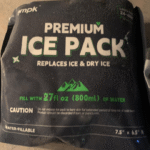
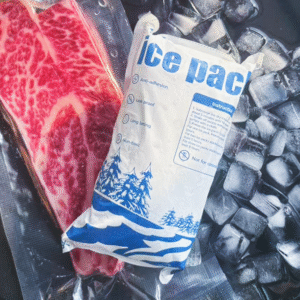
بناء قائمة مرجعيةعبوات الجل ومواد تغيير الطور (PCMS) - يحافظ على 2 درجة مئوية -8 درجة مئوية للقاحات المبردة. تمتص أجهزة PCM الحرارة أو تطلقها عند درجات حرارة محددة, تمديد أوقات الانتظار.
النيتروجين السائل - يتيح الظروف المبردة أقل من -150 درجة مئوية لعلاجات الخلايا والجينات.
استخدم الحاويات وتصميمات العبوات التي تم التحقق من صحتها والتي تتوافق مع الظروف المحيطة ووقت النقل المتوقع. قم دائمًا بتضمين DDL تمت معايرته داخل الشحنات وحدد طرق الشحن التي تقلل من وقت العبور والمناولة.
أجهزة الاستشعار التي تدعم إنترنت الأشياء والخدمات اللوجستية المعتمدة على الذكاء الاصطناعي
تعتمد لوجستيات سلسلة التبريد الحديثة بشكل متزايد على أجهزة استشعار ذكية تنقل درجة الحرارة في الوقت الحقيقي, الرطوبة وبيانات الموقع. عندما تكتشف أجهزة الاستشعار درجات حرارة غير آمنة, يقومون بتنبيه المستخدمين تلقائيًا عبر الرسائل النصية, البريد الإلكتروني أو تطبيق الهاتف المحمول. يوفر دمج أجهزة الاستشعار مع نظام تحديد المواقع العالمي (GPS) الرؤية عبر سلسلة التوريد ويسمح بالتدخل السريع. الذكاء الاصطناعي (منظمة العفو الدولية) تقوم الخوارزميات بتحليل بيانات حركة المرور والطقس لتحسين المسارات وتقليل وقت العبور. تحدد التحليلات التنبؤية الأنماط وتطلق التنبيهات قبل حدوث الرحلات, جعل نظام سلسلة تبريد اللقاح أكثر مرونة.
الابتكارات التي تشكل نظام سلسلة تبريد اللقاحات في 2025
يتطور نظام سلسلة تبريد اللقاحات بسرعة. التقنيات الناشئة في 2025 تعزيز الشفافية, الاستدامة والكفاءة, المساعدة في تلبية الطلب المتزايد على اللقاحات والامتثال للوائح الأكثر صرامة. يسلط الضوء على العديد من الابتكارات الرئيسية:
Blockchain للتتبع الشامل – تسجل تقنية دفتر الأستاذ الموزع كل معاملة في سلسلة التوريد, إنشاء سجل درجة الحرارة العبث, أحداث الموقع والتسليم. تسهل هذه الشفافية عمليات التدقيق وتقلل من مخاطر معالجة البيانات.
غرفة تبريد تعمل بالطاقة الشمسية – توفر وحدات الطاقة الشمسية خارج الشبكة تبريدًا موثوقًا به في المناطق ذات الكهرباء غير المستقرة. التخزين البارد بالطاقة الشمسية يقلل من تكاليف التشغيل; في 2024 متوسط الكهرباء التجارية 13.10 ¢/كيلوواط ساعة بينما تراوحت أسعار الطاقة الشمسية من 3.2 ل 15.5 ¢ / كيلوواط ساعة.
أجهزة الاستشعار الذكية IoTenabled - أجهزة الاستشعار اللاسلكية تقدم البيانات والتنبيهات في الوقت الحقيقي, الحد من المخاطر التشغيلية. مقرونة بنظام تحديد المواقع, أنها تسمح برؤية كاملة من الأصل إلى الوجهة.
تحسين المسار المدعوم بالذكاء الاصطناعي - يقوم الذكاء الاصطناعي بتحليل أنماط حركة المرور والطقس لاختيار الطرق التي تحافظ على استقرار درجة الحرارة وتقليل وقت العبور.
المجمدات المبردة المحمولة – تحافظ الوحدات المدمجة على درجة حرارة تتراوح بين -80 درجة مئوية إلى -150 درجة مئوية, تمكين النقل الآمن للعلاجات الخلوية والجينية واللقاحات شديدة البرودة.
التغليف المستدام – حاويات قابلة لإعادة التدوير, أغلفة حرارية قابلة للتحلل وقابلة لإعادة الاستخدام عبوات باردة تقليل التأثير البيئي مع الحفاظ على درجة الحرارة.
لا تعمل هذه الابتكارات على تعزيز الأداء فحسب، بل تعمل أيضًا على مواءمة نظام سلسلة تبريد اللقاحات مع بيئة الشركة, الاجتماعية والحوكمة (ESG) الالتزامات.
رؤى السوق ومحركات النمو
يدعم قطاع سلسلة التبريد الصناعات الغذائية والدوائية, لكن اللقاحات تمثل شريحة عالية المخاطر. من المتوقع أن ينمو سوق سلسلة التبريد العالمية من الدولار الأمريكي 418.81 مليار في 2025 إلى USD 1,416.67 مليار من قبل 2034, تمثيل أ 14.5 % معدل النمو السنوي المركب (CAGR). أمريكا الشمالية تحمل حوالي 36 % من الإيرادات وتواصل الاستثمار في التقنيات الموفرة للطاقة. في نفس الوقت, سوف يتوسع سوق الخدمات اللوجستية لسلسلة تبريد اللقاحات المخصصة من دولار أمريكي 3.5 مليار في 2024 إلى USD 5.9 مليار من قبل 2034.
تشمل محركات النمو:
ارتفاع إنتاج اللقاحات – يتطلب النشر المستمر لمعززات mRNA والعلاجات الخلوية المزيد من سعة سلسلة التبريد.
الابتكارات التكنولوجية – أجهزة استشعار إنترنت الأشياء, تعمل تقنية blockchain والذكاء الاصطناعي على تحسين الكفاءة وتقليل الهدر.
توسيع نطاق الوصول إلى الرعاية الصحية – تتطلب برامج التحصين الريفية والمبادرات العالمية للقضاء على الأمراض تخزينًا باردًا موثوقًا به في المناطق النائية.
الامتثال التنظيمي - مبادئ توجيهية أكثر صرامة لمراقبة درجة الحرارة, التوثيق والأمن يجبران المرافق على ترقية المعدات والأنظمة.
التركيز على الاستدامة – تعطي الحكومات والشركات الأولوية للطاقة المتجددة والمواد القابلة لإعادة التدوير في عمليات سلسلة التبريد.
يساعد فهم هذه الاتجاهات المؤسسات على توقع الاحتياجات المستقبلية وتخطيط الاستثمارات وفقًا لذلك.
2025 أحدث التطورات والاتجاهات
2025 يجلب تطورات جديدة تعيد تشكيل نظام سلسلة تبريد اللقاحات:
أصبحت سلاسل التبريد المتصلة هي القاعدة – تكامل أجهزة استشعار إنترنت الأشياء, يعزز الذكاء الاصطناعي وتقنية blockchain الرؤية الشاملة والتدخل الاستباقي. يمكن للمرافق مراقبة الشحنات في الوقت الفعلي والاستجابة السريعة للرحلات.
الامتثال والتدقيق أكثر صرامة – الهيئات التنظيمية مثل مركز السيطرة على الأمراض, تتطلب منظمة الصحة العالمية والناتج المحلي الإجمالي للاتحاد الأوروبي مراقبة مستمرة لدرجة الحرارة, حفظ السجلات التفصيلية والمعايرة المنتظمة.
ارتفاع الطلب على التخزين فائق البرودة – إن شعبية معززات الحمض النووي الريبي (mRNA) والمواد البيولوجية تدفع إلى الاستثمار في المجمدات المبردة والتعبئة المتخصصة.
تكامل الاستدامة – تعتمد الشركات وحدات تعمل بالطاقة الشمسية والتغليف القابل لإعادة التدوير لتقليل استهلاك الطاقة والنفايات.
سلسلة توريد اللقاحات الرقمية (DVSC) – تقوم تكنولوجيا المعلومات الحديثة بتتبع وإدارة عمليات اللقاحات في الوقت الحقيقي, تعزيز الشفافية والكفاءة. الاستراتيجية العالمية لمنظمة الصحة العالمية بشأن الصحة الرقمية (2020-2025) يشجع البلدان على الاستفادة من التقنيات الرقمية لتحسين إدارة سلسلة توريد اللقاحات.
من خلال تبني هذه الاتجاهات, يمكن للمنظمات أن تحمي أنظمة سلسلة تبريد اللقاحات الخاصة بها في المستقبل.
الأسئلة المتداولة
س 1: كم من الوقت يمكن تخزين لقاحات mRNA في درجات حرارة الثلاجة؟?
بعد الذوبان, قد يتم الاحتفاظ ببعض لقاحات mRNA مثل Pfizer-BioNTech Comirnaty 2 درجة مئوية -8 درجة مئوية لمدة تصل إلى عشرة أسابيع. قم دائمًا بالرجوع إلى ملحق المنتج الخاص بالشركة المصنعة ومراقبة درجات الحرارة بشكل مستمر.
Q2: ماذا أفعل إذا تعرض اللقاح لدرجات حرارة أعلى من ذلك؟ 8 درجة مئوية?
أي رحلة في درجة الحرارة قد تؤدي إلى تدهور الفاعلية. في الحال الحجر الصحي على اللقاحات المتضررة, قم بتسميتها "لا تستخدم".,"واتصل بالشركة المصنعة أو برنامج التحصين للحصول على إرشادات. تشير الدراسات إلى أن التعرض لمدة ساعة واحدة أعلاه 8 درجة مئوية قد تقليل فعالية اللقاح بنسبة تصل إلى 20 %. لا تقم أبدًا بإعطاء جرعات معرضة للخطر.
س 3: هل يمكنني استخدام الثلاجة المنزلية لتخزين اللقاحات؟?
لا يجوز استخدام الثلاجات المنزلية إلا في حالة عدم توفر وحدات من الدرجة الصيدلانية. الوحدات المركبة والثلاجات ذات التصميم الداخلي غير مقبولة; لديهم درجات حرارة متفاوتة ويمكنهم تجميد اللقاحات. إذا تم استخدام الثلاجة المنزلية, وضع اللقاحات في المركز, بعيدا عن الجدران والباب, ومراقبة درجات الحرارة عن كثب.
س 4: كم مرة يجب أن أسجل درجات الحرارة؟?
يوصي مركز السيطرة على الأمراض (CDC) بفحص وتوثيق درجات الحرارة الدنيا والقصوى على الأقل مرتين يوميا وتنزيل البيانات من المسجلات الرقمية كل أسبوعين أو بعد أي رحلة. إذا كان المسجل الخاص بك يعرض قراءات الحد الأدنى/الحد الأقصى, تسجيلها في بداية كل يوم عمل.
س 5: ما الذي يجب أن تتضمنه خطة سلسلة التبريد الطارئة?
ينبغي أن تغطي خطة قوية مصادر الطاقة الاحتياطية, مواقع تخزين بديلة, حاويات النقل ومعلومات الاتصال في حالات الطوارئ. قم بإجراء تدريبات منتظمة وتأكد من أن جميع الموظفين يعرفون خطوات نقل اللقاحات بأمان أثناء انقطاع التيار الكهربائي أو تعطل المعدات.
ملخص وتوصيات
في 2025 أصبح نظام سلسلة تبريد اللقاحات أكثر أهمية من أي وقت مضى. يتطلب الحفاظ على فعالية اللقاحات الالتزام الصارم بنطاقات درجات الحرارة (2 درجة مئوية -8 درجة مئوية لمعظم اللقاحات, -50 درجة مئوية - -15 درجة مئوية للقاحات الحية الموهنة و -90 درجة مئوية - -60 درجة مئوية لتركيبات mRNA). استخدم الثلاجات الصيدلانية, المجمدات والوحدات فائقة البرودة; تجنب الثلاجات المنزلية والاكتظاظ. ينفذ مسجلات البيانات الرقمية المعايرة مع تحقيقات مخزنة, أجهزة إنذار واتصال سحابي لمراقبة درجات الحرارة بشكل مستمر. يطور إجراءات التشغيل القياسية, تدريب الموظفين بانتظام, والاستعداد لحالات الطوارئ. يعتنق الابتكارات مثل أجهزة استشعار إنترنت الأشياء, تحسين مسار الذكاء الاصطناعي, إمكانية تتبع blockchain والتخزين بالطاقة الشمسية لتعزيز الكفاءة والاستدامة. أخيراً, البقاء على اطلاع حول اتجاهات السوق, التغييرات التنظيمية والتقنيات الجديدة لتأمين نظام سلسلة تبريد اللقاحات الخاص بك في المستقبل.
خطة العمل: الخطوات التالية لتحسين نظام سلسلة تبريد اللقاحات
تدقيق المعدات الخاصة بك – تقييم ثلاجاتك الحالية, المجمدات ومسجلات البيانات. استبدل أي مجموعة أو وحدات نمطية بنماذج من الدرجة الصيدلانية. التحقق من شهادات المعايرة وتخطيط عمليات الاستبدال للوحدات التي تقترب من نهاية عمرها التشغيلي.
تنفيذ أو ترقية المراقبة الرقمية - استثمر في مسجلات البيانات الرقمية عالية الدقة مع تحقيقات جليكول, أجهزة الإنذار خارج النطاق والاتصال السحابي. تأكد من أن الفاصل الزمني للتسجيل هو على الأقل كل 30 دقائق واحتفظ بأجهزة النسخ الاحتياطي.
تطوير إجراءات التشغيل القياسية الشاملة وبرامج التدريب – إنشاء إجراءات مكتوبة تغطي التخزين, ينقل, الرصد والاستجابة لحالات الطوارئ. تدريب جميع الموظفين عند التوظيف وتقديم دورات تنشيطية سنوية. إجراء تدريبات منتظمة لاختبار خطة الطوارئ.
استكشاف الابتكارات والاستدامة – تقييم جدوى ثلاجات تعمل بالطاقة الشمسية لمواقع خارج الشبكة و مستشعرات إنترنت الأشياء للرصد الحقيقي. فكر في خيارات التغليف المستدامة مثل الحاويات القابلة لإعادة الاستخدام والأغطية الحرارية القابلة للتحلل.
مراقبة السوق والتحديثات التنظيمية – ابق على اطلاع بالمبادئ التوجيهية المتطورة من مركز السيطرة على الأمراض, منظمة الصحة العالمية والسلطات الوطنية. مراقبة اتجاهات السوق مثل نمو سوق الخدمات اللوجستية لسلسلة تبريد اللقاحات والتقنيات الناشئة.
باتباع خطة العمل هذه، يمكنك تقوية نظام سلسلة تبريد اللقاحات لديك, تقليل النفايات والتأكد من أن كل جرعة يتم تناولها توفر مناعة كاملة.
حول Tempk
Tempk هي شركة رائدة في مجال الابتكار حلول سلسلة التبريد للرعاية الصحية وعلوم الحياة. نقوم بتصميم وتصنيع الثلاجات الصيدلانية, المجمدات, حاويات معزولة وأنظمة مراقبة درجة الحرارة. تتميز منتجاتنا بالعزل المتقدم, مسجلات البيانات الرقمية مع الاتصال السحابي وخيارات تكامل الطاقة الشمسية, تمكين التخزين الموثوق به في المواقع النائية. نحن ملتزمون بالاستدامة ونقدم عبوات قابلة لإعادة الاستخدام وأغلفة حرارية قابلة للتحلل لتقليل التأثير البيئي. مع R مخصص&فريق D ومعايير الجودة الصارمة, نحن نساعدك حماية اللقاحات ودعم الامتثال التنظيمي.
جاهز لتحسين نظام سلسلة تبريد اللقاحات لديك? اتصل بأخصائياتنا اليوم لإجراء تقييم مخصص واكتشاف كيف يمكن أن يساعدك Tempk في الحفاظ على الفاعلية, الحد من النفايات واحتضان الابتكارات 2025.