صندوق سلسلة تبريد VIP لتكامل مسجل البيانات: إطار الاختيار
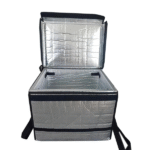
عادةً ما يكون خيار سلسلة التبريد الأكثر أمانًا هو الخيار الذي يشرح حدوده بوضوح قبل تقديم الطلب الأول. أ صندوق سلسلة التبريد لكبار الشخصيات for data logger integration can be a strong option when the shipment needs compact thermal protection, ولكن ينبغي تقييمه كجزء من نظام سلبي كامل للتحكم في درجة الحرارة. يتضمن هذا النظام الغلاف المعزول, خطة المبرد أو PCM, إعداد الحمولة, تعليمات التعبئة, نهج الرصد, التعامل مع الاتصالات, وتلقي المراجعة. مهمة المشتري هي توصيل تلك الأجزاء بالمنتج, الممر, والقرار الذي سيتم اتخاذه بعد التسليم.
لمدير الجودة, تغليف السلسلة الباردة engineer, فريق الامتثال اللوجستي, نقطة البداية المفيدة هي الطريق الحقيقي: الشحنات التي تتطلب إثبات تاريخ درجة الحرارة بالإضافة إلى الحماية الحرارية. الخطر الأساسي هو أن المسجل الموجود في الموقع الخطأ قد يسجل سجلًا مضللًا لدرجات الحرارة, while a well-مربع معزول without readable data may still leave the receiving team unable to decide whether to release the shipment. إذا طلب المشتري فقط حجم الصندوق أو المدة المطالب بها, قد لا يكون لدى المورد معلومات كافية للتوصية بتكوين آمن وقابل للتكرار. يصف الموجز الأفضل حالة المنتج, نطاق درجة الحرارة المطلوبة, وقت العبور المتوقع, نقاط التسليم, أدلة التعبئة والتغليف, وما الذي سيقبله أو يرفضه الفريق المتلقي.
السؤال العملي الأول هو ما إذا كان المنتج يحتاج إلى التبريد, المجمدة, درجة حرارة الغرفة التي تسيطر عليها, أو نطاق محدد آخر. يجب أن تتطابق حدود المسجل مع نطاق الشحن المعتمد للمنتج; يجب تأكيد نطاقات اللقاحات والأدوية من خلال تعليمات المنتج أو ملفات الجودة. ولذلك ينبغي مراجعة شركة الشحن VIP وفقًا لمتطلبات المنتج الفعلية وحالة المسار, ليس ضد وعد عام. عندما تكون معلومات استقرار المنتج محدودة, الإجراء الصحيح هو طلب التوضيح واختبار الأدلة, لا لسد الفجوة مع الافتراضات.
يجب أن يتضمن تكامل المسجل الجانب الإنساني من عملية استرجاع البيانات. قرر من يبدأ تشغيل الجهاز, الذي يتحقق من أنه قيد التشغيل, من يقوم باسترجاع الملف, الذي يراجع الإنذارات, وكيفية تخزين التقرير. لا يزال من الممكن أن يفشل جهاز التسجيل المناسب تقنيًا كدليل إذا لم يتم تشغيله, لا يمكن العثور عليها, أو ينتج تقريرًا لا يعرف المتلقي كيفية تفسيره.
ابدأ بحساسية المنتج, ليس نوع الحاوية
يجب أن يبدأ إطار الاختيار النهائي بحساسية المنتج. بالنسبة للشحنات التي تتطلب إثباتًا لتاريخ درجة الحرارة بالإضافة إلى الحماية الحرارية, قد تحتاج الحزمة إلى منع ارتفاع درجة الحرارة, التجميد, التكثيف, حركة الحمولة, أو فجوات الأدلة. نطاق درجة الحرارة ليس سوى جزء واحد من المتطلبات. تحتاج أيضًا إلى معرفة ما إذا كان المنتج حساسًا للتجميد, ما إذا كان يجب أن تظل الحمولة جافة, ما إذا كان الفريق المتلقي يحتاج إلى تقرير قابل للقراءة, وما إذا كانت وحدة الجودة ستقوم بمراجعة الانحرافات.
يمنع هذا الأسلوب حدوث خطأ شائع في الشراء: اختيار حاوية لأنها تحمل علامة مميزة, ثم اكتشف لاحقًا أن العبوة غير متطابقة مع المنتج. يكون الهامش الحراري مفيدًا فقط عندما يعرف الفريق ما الذي يحميه, كم من الوقت قد يستمر التعرض, وما هي الأدلة التي سيتم مراجعتها عند التسليم. يعد ملخص الشحنة المكتوب بعناية أكثر قيمة من قائمة طويلة من الميزات العامة.
تحويل المسار إلى ملخص تغليف قابل للاختبار
يحول الموجز القابل للاختبار فكرة الشحن التقريبية إلى متطلب جاهز للمورد. يجب أن يذكر نوع المنتج, النطاق المطلوب, عائلة الطريق, الحد الأقصى المتوقع للتعرض, تفاصيل الحمولة, تفضيل المبرد أو تقييده, حاجة المراقبة, واستلام القرار. لصندوق سلسلة التبريد VIP لتكامل مسجل البيانات, يجب أن يحدد هذا الموجز أيضًا وضع الفشل الرئيسي: قد يقوم المسجل الموجود في الموقع الخطأ بتسجيل سجل درجات حرارة مضلل, في حين أن الصندوق المعزول جيدًا والذي لا يحتوي على بيانات قابلة للقراءة قد يترك الفريق المتلقي غير قادر على اتخاذ قرار بشأن الإفراج عن الشحنة.
لا يجب أن يكون الموجز مثاليًا في المسودة الأولى. لا بد من أن تكون صريحة. إذا كانت القيمة غير معروفة, ضع علامة عليه كسؤال لمراجعة الجودة أو الخدمات اللوجستية. على سبيل المثال, لا تكتب وقتًا ثابتًا للتعليق إلا إذا كنت تعرف ملف التعريف المحيط ومعايير القبول. لا تكتب سعة الحمولة إلا إذا كنت تعرف ما إذا كنت تقصد إجمالي الحجم الداخلي أو مساحة المنتج القابلة للاستخدام بعد تحميل سائل التبريد والفواصل.
جدول القرار للمراجعة العملية
| منطقة القرار | ماذا تقرر | ما لا ينبغي افتراضه |
|---|---|---|
| متطلبات المنتج | المدى الهدف, سياسة الرحلة, حساسية للتجميد أو الرطوبة. | لا تفترض أن نطاقًا واحدًا يناسب كل منتج. |
| النظام الحراري | حاوية VIP, سائل التبريد, فواصل, تكييف الحمولة, والإغلاق. | لا تعامل الصندوق بمفرده كنظام مؤهل. |
| تعرض الطريق | وقت العبور, الملف الموسمي, جمارك, يسكن, والميل الأخير. | لا تستخدم وقت الرحلة المقرر كتعرض إجمالي. |
| شهادة | إعداد المسجل, إثبات المعايرة, الوصول إلى التقرير, قواعد الاستلام. | لا تفترض أن المراقبة تحمي المنتج. |
| توسيع النطاق | اتساق العينة, مراقبة تغيير الإنتاج, تدريب باكر. | لا توافق على الإنتاج من تجربة عينة فضفاضة. |
يساعد إطار العمل هذا على منع الإفراط في الشراء وعدم التحديد في نفس الوقت. يتيح الشراء, الخدمات اللوجستية, وتناقش فرق الجودة نفس الحقائق قبل الموافقة على العبوة.
عندما تكون حاوية VIP مناسبة تمامًا, وعندما لا يكون كذلك
تعتبر حاوية VIP مناسبة تمامًا عندما تكون قيمة المنتج, خطر الطريق, أو ضيق المساحة يبرر العزل المتميز والتعبئة الأكثر انضباطًا. ويكون أقل ملاءمة عندما لا يتمكن الفريق من تحديد متطلبات درجة الحرارة, لا يمكن تكييف المبرد مسبقًا, لا يمكن استرداد بيانات الشحنة, أو يحتاج إلى تحكم نشط في درجة الحرارة بدلاً من العزل السلبي. مسجل البيانات يسجل الأدلة; لا يحمي المنتج. الحماية تأتي من الحزمة التي تم التحقق من صحتها, سائل التبريد, تناسب الحمولة, وعملية التعامل.
وينبغي أن يأخذ القرار في الاعتبار أيضًا المرسل إليه. مختبر, مستشفى, موزع, أو قد يكون لدى عميل الأسرة سلوك تلقي مختلف تمامًا. إذا لم يتمكن المستلم من فك حزمته على الفور أو تفسير تقرير المسجل, يجب أن تتضمن خطة التعبئة والتغليف تعليمات استلام واضحة وجهات اتصال للتصعيد.
الأدلة التي ترغب فرق الجودة عادةً في رؤيتها
عادةً ما تريد فرق الجودة أدلة تتوافق مع مستوى المخاطر. لصندوق سلسلة التبريد VIP لتكامل مسجل البيانات, قد يشمل ذلك متطلبات شحن المنتج, البيانات الفنية للموردين, تعليمات الحزمة, ملخص اختبار الملف الشخصي, ملاحظات مراجعة العينة, إعدادات المسجل, معلومات المعايرة, واستلام قواعد التفتيش. الحزمة الدقيقة تعتمد على المنتج والسوق, لذلك لا ينبغي للمقال أن يدعي أن حزمة وثائق واحدة إلزامية في كل مكان.
ما يهم هو إمكانية تتبع القرار. عندما تتم الموافقة على المسار, يجب أن يعرف الفريق إصدار التغليف الذي تم استخدامه, ما هو إعداد سائل التبريد الذي تم اختباره, الذي قام بتدريب الحزم, وما هو التغيير الذي قد يؤدي إلى إعادة المراجعة. وهذا مهم بشكل خاص عندما تصبح العينة شحنة إنتاج أو عندما يتم توسيع المسار إلى منطقة جديدة.
أسئلة الموردين التي تكشف عن الاستعداد الحقيقي
اسأل المورد عن مدى ارتباط التكوين الذي تم اختباره بمسارك, ليس فقط ما إذا كانت الحاوية معزولة. اسأل ما إذا كانت أبعاد الحمولة تتضمن مساحة سائل التبريد. اسأل عما يحدث في حالة تلف لوحة VIP. اسأل ما إذا كان الكرتون الخارجي أو الغلاف الخارجي مصممًا لطريقة التعامل التي تستخدمها. اسأل ما إذا كانت تعليمات التعبئة واضحة بما يكفي لموظفي المستودع الذين لم يصمموا العبوة.
أدوات اتخاذ القرار مفيدة
تحقق من التفاصيل قبل اختيار التغليف
يمكن أن تساعدك هذه الأدوات السريعة في مقارنة مخاطر المسار, احتياجات التحجيم, خيارات المبرد, وتفاصيل التعبئة والتغليف قبل أن تطلب عرض أسعار.
مرجع المواد العازلة
قارن بين خيارات المواد العازلة لاحتياجات التعبئة والتغليف المختلفة لسلسلة التبريد.
قارن الموادبطانة الصندوق & تحجيم غطاء البليت
تحقق من منطق تحديد حجم بطانة الصندوق وغطاء منصة التحميل لمشاريع التغليف المعزولة.
تقدير الحجمحاسبة الثلج الجاف
تقدير احتياجات الثلج الجاف للشحنات المجمدة أو شديدة البرودة قبل التعبئة.
تقدير الثلج الجافاسأل أيضًا عما لن يطالب به المورد. يجب أن يكون المورد الحذر على استعداد للقول بأن الأداء يعتمد على المسار, حمولة, تكوين المبرد, والتعامل معها. وهذا الحذر ليس ضعفا. إنها علامة على أن مناقشة التغليف ترتكز على واقع سلسلة التبريد.
ملاحظات المشتريات لمراجعة العينة إلى الإنتاج
يجب ألا تنتهي الموافقة على العينة بالفحص البصري. لصندوق سلسلة التبريد VIP لتكامل مسجل البيانات, يجب على المشتري مقارنة العينة بوحدة الإنتاج, يتأكد مواد التغليف, مراجعة الحزمة المكتوبة, وتحديد التغيير الذي يتطلب إعادة الموافقة. وهذا مهم عندما يتم تعبئة التجربة الأولى من قبل شخص فني ولكن يتم تعبئة الشحنات الروتينية من قبل موظفي المستودعات تحت ضغط الوقت. لا يزال من الممكن أن تؤدي حزمة VIP المصممة جيدًا إلى نتائج غير متسقة إذا كانت العملية غير قابلة للتعليم.
قد يتضمن ملف المشتريات العملي نماذج من الصور, خطوات الحزمة, وصف المواد, افتراضات الطريق, متطلبات المراقبة, وتلقي الإجراءات. إذا كان المورد يقدم التخصيص, التعامل مع كل تغيير كمتغير التصميم. غطاء مختلف, بطانة, كرتون, مقبض, مقسم, أو يمكن لتنسيق سائل التبريد تغيير طريقة تعبئة النظام والتعامل معه. يجب أن تشمل المشتريات الجودة والعمليات قبل زيادة حجم الشراء.
التعليمات
هل صندوق سلسلة التبريد لكبار الشخصيات لتكامل مسجل البيانات مؤهل تلقائيًا لشحنتي?
لا. يمكن أن تكون حاوية VIP جزءًا من نظام التعبئة والتغليف المؤهل, لكن الشحنة لا تزال بحاجة إلى المراجعة وفقًا لنطاق درجة حرارة المنتج, ملف تعريف الطريق, حمولة, إعداد المبرد, عملية التعامل, وقواعد الاستلام. اطلب سياق الاختبار وتعليمات العبوة قبل التعامل مع الحاوية على أنها معتمدة للاستخدام في الإنتاج.
هل يحل عزل VIP محل عبوات الجل؟, بي سي إم, الثلج الجاف, أو التبريد النشط?
لا. عزل VIP يبطئ نقل الحرارة; فهو لا يخلق البرد من تلقاء نفسه. لا تزال العديد من الأنظمة السلبية بحاجة إلى مادة تبريد أو تغيير طور مختارة لمجموعة المنتجات. إذا كانت الشحنة تتطلب تحكمًا نشطًا في درجة الحرارة, قد لا يكون صندوق VIP السلبي كافيًا.
أين يجب وضع مسجل البيانات داخل الحزمة?
يجب أن يتطابق موضع المسجل مع غرض المراقبة. قد لا يعكس الموقع المناسب بالقرب من الغطاء مخاطر الحمولة الصافية, في حين أن قطع الأشجار المدفونة بعمق قد تفوت التعرض عند الحواف. تحديد خريطة الموضع, حدود التنبيه, تنسيق التقرير, وتلقي المراجعة قبل بدء الشحنات الروتينية.
ماذا يجب أن أسأل المورد قبل طلب العينات؟?
شارك مجموعة المنتجات, طريق, أبعاد الحمولة, التعرض المتوقع, والحاجة إلى التوثيق. اسأل كيف تم اختبار العينة, مقدار مساحة الحمولة الصالحة للاستخدام المتبقية بعد المبرد, ما إذا كانت الحزمة مكتوبة بوضوح, وما هي التغييرات التي تتطلب المراجعة قبل القياس.
هل يقوم المسجل بحماية الشحنة؟?
لا. يسجل المسجل تاريخ درجة الحرارة وقد يقدم إنذارات أو أدلة, اعتمادا على النموذج, لكن الحماية الحرارية تأتي من نظام التعبئة والتغليف وعملية المناولة. تعامل مع المسجل كجزء من الإثبات وصنع القرار, وليس كجهاز تبريد.
يجب أن تشمل مقارنة التكلفة أكثر من سعر الوحدة. حزمة تستخدم المساحة بكفاءة, يقلل من إعادة العمل, يحسن أدلة الإصدار, أو تبسيط عملية التعبئة قد يبرر ارتفاع تكلفة الوحدة في بعض الممرات. والعكس يمكن أن يكون صحيحا أيضا: تعتبر الحاوية المتميزة إهدارًا إذا كان الطريق منخفض المخاطر وكان الشاحن الذي تم اختباره بشكل أبسط يلبي المتطلبات.
التدريب جزء من أداء التغليف. يجب أن يعرف الموظفون كيفية التهيئة المسبقة لسائل التبريد, تحميل الحمولة, تجنب سحق الأجزاء الداخلية, ضع المسجل, أغلق الغطاء, تطبيق التسميات, وتسجيل وقت الإرسال. إذا كانت التعليمات تتطلب حكم الخبراء في كل خطوة, قد لا يكون التصميم جاهزًا للعمليات الروتينية.
هناك نقطة أخرى تستحق التدقيق وهي عملية اتخاذ القرار للفريق المتلقي. إذا وصلت الشحنة مع إنذار, الكرتون الخارجي التالف, تقرير مفقود, أو تأخير التسليم, يجب أن يعرف شخص ما إذا كان سيتم إطلاق سراحه, الحجر الصحي, أو التصعيد. لا ينبغي اختراع هذا القرار في قفص الاتهام. يجب أن تكون مكتوبة في تعليمات الشحن حتى تكون الحزمة, بيانات, ومراجعة الجودة تعمل معًا.
يجب على المشتري أيضًا أن يسأل عن كيفية التعامل مع التغيرات الموسمية. صيف, شتاء, ويمكن أن تتطلب مسارات موسم الكتف تكييفًا مختلفًا لسائل التبريد أو هوامش تعبئة مختلفة. قد توفر حاوية VIP عزلًا مفيدًا عبر المواسم, ولكن يجب مراجعة ملف تعريف المسار ومعايير القبول قبل استخدام نفس الحزمة على مدار العام.
خاتمة
ينبغي اختيار صندوق سلسلة تبريد VIP لتكامل مسجل البيانات كنظام سلسلة تبريد كامل, وليس كمربع معزول. ابدأ بحساسية المنتج, تحديد الطريق, طلب الأدلة التي تتوافق مع حالة الاستخدام, ومراجعة كيفية تعبئة الحزمة واستلامها قبل القياس. إذا كان لا يمكن ربط المطالبة بالشروط, تحويله إلى سؤال المورد.
حول Tempk
يتمثل دور Tempk في مناقشة التغليف لكبار الشخصيات في المساعدة في تحويل ملخص الشحنة إلى محادثة عملية حول التغليف بدلاً من التعامل مع الصندوق كسلعة عامة. نحن نركز على التفاصيل العملية مثل نطاق درجة الحرارة المطلوبة, تناسب الحمولة, توافق المبرد, التعرض للطريق, واحتياجات المراقبة. للمشاريع التي تتضمن صناديق VIP, حاويات معزولة, حزم هلام, حزم PCM, أو عبوات سلسلة التبريد ذات الصلة, تبدأ المناقشة الأكثر فائدة بمسارك وملفك التعريفي للمنتج. لا تحتاج Tempk إلى تحويل كل شحنة إلى الحل الأكثر تعقيدًا; الهدف هو مساعدة المشترين على مقارنة الخيارات بعناية واختيار اتجاه التغليف الذي يمكن مراجعته بواسطة فرق العمليات والجودة الخاصة بهم.
اطلب من Tempk مراجعة مسارك, حمولة, ومتطلبات درجة الحرارة لذا فإن مناقشة التغليف لكبار الشخصيات تبدأ من واقع الشحن, ليست مطالبة مربع عام.