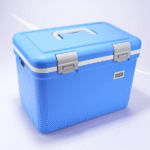
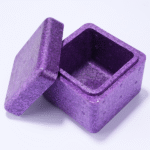
صندوق شحن VIP لنقل المنتجات العضوية: دليل الاختيار العملي
أ صندوق شحن VIP بالنسبة لنقل المنتجات العضوية، فإن الأمر يستحق النظر فيه عندما يترك العزل العادي هامشًا ضئيلًا جدًا للحمولة, طريق, أو التعامل مع المخاطر. إنه ليس بديلاً عن تخطيط الطريق, اختيار المبرد, مراقبة درجة الحرارة, أو مراجعة الجودة. الطريقة الصحيحة لشرائه هي التعامل مع الصندوق كجزء من نظام التحكم السلبي في درجة الحرارة والتحقق من كيفية تصرف هذا النظام مع شحنتك الفعلية.
ابدأ بمهمة الشحن, ليس وصف المربع
تصف عبارة صندوق شحن VIP لنقل المنتجات العضوية فئة الحاوية, لكنها لا تحدد الوظيفة. يتم تحديد الوظيفة من خلال البضائع, نطاق درجة الحرارة المطلوبة, طول التعرض, حجم الحمولة, عدد عمليات التسليم, والحالة التي سيتم فيها قبول الشحنة عند الاستلام. للتوت العضوي, الخضار الورقية, الفطر, الأعشاب, مجموعات المنتجات المعدة, وعينات المنتجات الطازجة الممتازة, يمكن أن تختلف هذه المتغيرات بشكل حاد من طريق إلى آخر. قد تكون الحاوية التي تعمل من أجل تسليم مخطط له لفترة قصيرة غير مناسبة لحارة الطرود المتأخرة أو مسار درجات الحرارة المختلطة.
تبدأ عملية الاختيار العملية بخمسة أجزاء من المعلومات: ما هي الحمولة, مقدار المساحة الداخلية القابلة للاستخدام التي تحتاجها, نطاق درجة الحرارة الذي يجب حمايته, كم من الوقت قد تكون الشحنة خارج التخزين الخاضع للرقابة, ومن سيقوم بفحص الطرد في الوجهة. وينبغي أيضًا تفسير المصطلح المبرد بعناية. في العديد من عمليات البحث عن الشراء، فهذا يعني صندوقًا سلبيًا مخصصًا للحمولات المبردة, ليست وحدة تعمل بالطاقة تعمل على تبريد المحتويات بشكل فعال.
هذا التمييز مهم لأن صندوق VIP يبطئ نقل الحرارة; فهو لا يخلق درجة حرارة صحيحة في حد ذاته. المصدر البارد, طريقة الشروط المسبقة, درجة حرارة الحمولة قبل التعبئة, طريقة إغلاق الغطاء, وإجراءات الاستلام كلها تؤثر على النتيجة النهائية. إذا لم يتم التحكم في تلك الخطوات, يمكن أن يؤدي العزل العالي إلى إخفاء العمليات الضعيفة حتى يكشف تسجيل درجة الحرارة أو رفض المنتج عن المشكلة.
حيث يساعد عزل VIP وأين لا يساعد
يتم استخدام الألواح المعزولة بالفراغ لأن إزالة الكثير من الهواء من قلب اللوحة يمكن أن يقلل من انتقال الحرارة بالحمل الحراري عبر الطبقة العازلة. في الممارسة العملية, اللوحة ليست سوى جزء واحد من الصندوق. لا يزال من الممكن أن تدخل الحرارة من خلال الغطاء, طبقات, زوايا, مناطق المزلاج, الألواح التالفة, وتبادل الهواء عند فتح الصندوق. ولهذا السبب يجب تقييم الحاوية النهائية والحزمة معًا.
للتوت العضوي, الخضار الورقية, الفطر, الأعشاب, مجموعات المنتجات المعدة, وعينات المنتجات الطازجة الممتازة, وتكون الفائدة عادةً هامشًا حراريًا إضافيًا في عبوة أصغر أو أخف وزنًا, مساحة حمولة أكثر قابلية للاستخدام من بعض تنسيقات العزل الضخمة, أو حماية أفضل خلال فترات قصيرة من التعرض للبيئة المحيطة. الخطر يكمن في التعامل مع علامة VIP على أنها وعد. يجب التحقق من الأداء المعلن للمورد وفقًا لشروط الاختبار, افتراضات الحمولة, ملف تعريف المحيط, تكوين المبرد, ومعايير القبول.
تتطلب أنظمة VIP أيضًا الوعي بالتعامل. يمكن أن تفقد اللوحة المثقوبة أو المكسرة أدائها. قد تصبح الحافة سيئة الحماية جسرًا حراريًا. الغطاء الذي لا يغلق بنفس الطريقة في كل مرة يمكن أن يؤدي إلى نتائج غير متناسقة. هذه ليست أسباب لتجنب تقنية VIP; فهي أسباب تشمل التفتيش, تمرين, والاتساق بين العينة والإنتاج في قرار الشراء.
العقلية الأكثر فائدة هي أن نسأل ما الذي يحله العزل. في هذا الموضوع, الخطر الأساسي هو التكثيف, كدمات, خلط حساس للإيثيلين, فجوات الصرف الصحي, مطالبات التعامل غير المعتمدة, الفصل السيئ, وتبريد المنتجات الحساسة. إذا كان المربع لا يقلل بشكل مباشر من تلك المخاطر, حاوية معزولة أبسط, مركبة مبردة, حاوية نشطة, أو قد تكون حزمة مختلفة أكثر ملاءمة.
عندما يكون هذا النوع من الحاويات هو الإجابة الخاطئة
لا يعد صندوق شحن VIP لنقل المنتجات العضوية الخيار الأكثر أمانًا أو اقتصادًا تلقائيًا. قد تكون الإجابة خاطئة عندما لا يتم فهم متطلبات تنفس السلعة أو الرطوبة, يحتاج الطريق إلى تبريد نشط, أو لا يتم التحكم في الفصل العضوي والتنظيف. قد يكون أيضًا غير مناسب إذا كان الفريق يحتاج إلى حاجز معقم يمكن التخلص منه, إذا رفض العميل إرجاع العبوة, أو إذا كان المصدر البارد المطلوب للحمولة لا يمكن التعامل معه بأمان في المسار.
يعتبر هذا الفحص السلبي ذا قيمة لأنه يمنع الإفراط في الشراء. بعض الشحنات تحتاج فقط إلى بطانة معزولة بسيطة, مركبة مبردة, أ غطاء البليت الحراري, أو تغيير في إجراءات التسليم. أما الشحنات الأخرى فتحتاج إلى نظام شحن حراري مؤهل مع مراقبة ومعايير قبول موثقة. يجب اختيار الحاوية بعد تحديد الخطر, ليس قبل ذلك.
يجب على المشترين أن يطلبوا من الموردين ذكر الاستخدام المقصود بشكل واضح مثل مزايا المنتج. يمكن للمورد المفيد أن يشرح الغرض الذي تم تصميم الصندوق للقيام به, ما هي الافتراضات التي تدعم أدائها, وما هي الشروط التي تتطلب اختبارات إضافية. غالبًا ما يكون هذا النوع من تحديد الحدود أكثر فائدة من قائمة طويلة من الميزات الترويجية.
المواصفات التي تغير قرار الشراء فعلياً
يمكن أن يبدو صندوق شحن VIP لنقل المنتجات العضوية قويًا من الناحية الفنية ويظل فاشلاً في المسار الحقيقي إذا كانت الحزمة لا تتطابق مع الحمولة. يجب أن تسمح المساحة الداخلية بالمنتج, سائل التبريد, فواصل, الوثائق, وأي مسجل بيانات يناسب دون الضغط على الغطاء أو وضع المنتج على جدار دافئ. يجب على المشترين أن يطلبوا حجمًا قابلاً للاستخدام, ليس فقط الأبعاد الخارجية.
يجب تقسيم التعرض للطريق إلى أجزاء عملية: التبريد المسبق, التعبئة, الالتقاط الأول, نقل السيارة, انطلاق المستودع, التعامل مع الهواء أو الطرود, محاولة التسليم, واستلام الفحص. تحدث العديد من الرحلات في هذه الواجهات لأن المسؤولية تتغير. لذلك يجب أن يكون تحديد المربع متصلاً بتعيين المسار, ليس فقط لمدة الشحن الاسمية.
| نقطة تفتيش المشتري | ما للتأكيد | لماذا يؤثر على الأداء |
|---|---|---|
| حساسية البضائع | حدود درجة الحرارة والتعامل الخاصة بالمنتج | يمنع استخدام عبوة واحدة للمنتجات غير المتوافقة |
| تعرض الطريق | الوقت المتوقع خارج التخزين الخاضع للرقابة ونقاط البقاء المحتملة | يحدد الهامش الحراري المطلوب بعد وقت العبور العادي |
| تناسب الحمولة | حجم قابل للاستخدام بعد المبرد, بطانات, والفواصل | يتجنب سحق البضائع أو تقليل تدفق هواء التبريد |
| خطة المبرد | حزمة هلام, بي سي إم, الثلج الجاف, أو أي مصدر بارد آخر إذا كان ذلك مناسبًا | الصندوق يبطئ اكتساب الحرارة; يوفر المبرد الطاقة الحرارية |
| شهادة | تقرير الاختبار, محاكمة عينة, أو معلومات تأهيل المسار | يقلل الاعتماد على المطالبات التسويقية |
لقد تم صياغة الجدول بشكل متعمد على أنه تحقق وليس أداءً مضمونًا. هذه هي الطريقة الأكثر أمانًا لمقارنة الموردين. إذا كان بإمكان المورد شرح الافتراضات الكامنة وراء المطالبة, يمكن للمشترين أن يقرروا ما إذا كانت هذه الافتراضات تشبه طريقهم. إذا كانت الافتراضات مفقودة, ينبغي التعامل مع المطالبة كنقطة انطلاق للأسئلة, ليس أساس الشراء.
من المزرعة إلى الموزع, صناديق إنتاج التجارة الإلكترونية, عينات التصدير, تسليم البقالة في المناطق الحضرية, وممرات سلسلة التبريد الإقليمية, عملية الاستلام مهمة أيضًا. يمكن أن يفقد الصندوق المبني جيدًا قيمته إذا تركه المرسل إليه دون فتحه في منطقة دافئة, يتجاهل سجل درجة الحرارة, أو إرجاع الحاوية دون تفتيش. قم بتضمين فريق الوجهة عند تصميم الحزمة.
التوثيق يحول الصندوق إلى عملية يمكن التحكم فيها
لشحنات المواد الغذائية, نادراً ما يتم الحكم على قرارات التغليف من خلال المظهر فقط. يحتاج المشتري عادة إلى دليل على أن الشحنة كانت معبأة بشكل صحيح, تحركت في ظل الظروف المتوقعة, ويتم استلامه في حالة تدعم الإفراج أو القبول. يجب على مشتري المواد الغذائية النظر في ممارسات النقل الصحي, الأسطح القابلة للتنظيف, الفصل, التحكم في التسرب, وممارسات درجة الحرارة التي تمنع الغذاء من أن يصبح غير آمن أو غير مقبول. تحتاج المنتجات العضوية أيضًا إلى الانضباط في التعامل الذي يحمي السلامة العضوية ويتجنب التلوث بالمخلفات غير العضوية.
يمكن لحاوية VIP السلبية أن تدعم هذه العملية, ولكنها لا تجعل الشحنة متوافقة تلقائيًا, مؤهَل, أو مقبولة لكل سوق. الامتثال يعتمد على فئة المنتج, طريق, الناقل, إجراءات الشاحن, اللوائح المحلية, واتفاق الجودة بين الطرفين. ولهذا السبب فإن الصياغة الحذرة مهمة: قد يكون الصندوق مناسبًا لاستخدام محدد بعد المراجعة, ولكن لا ينبغي وصفها بأنها معتمدة عالميا.
قد تتضمن المستندات المفيدة ورقة مواصفات المنتج, وصف المواد, إرشادات التنظيف, تعليمات الحزمة, تعليمات الشروط المسبقة, ملخص الاختبار, خريطة وضع المسجل, تلقي القائمة المرجعية, وعملية الإبلاغ عن الرحلات أو الأضرار. للحصول على عينة غذائية منخفضة المخاطر, قد يكون هذا بسيطًا. للبيولوجيا أو اللقاحات, غالبًا ما يكون عبء التوثيق أعلى بكثير ويجب مراجعته من قبل فريق الجودة.
أدوات اتخاذ القرار مفيدة
تحقق من التفاصيل قبل اختيار التغليف
يمكن أن تساعدك هذه الأدوات السريعة في مقارنة مخاطر المسار, احتياجات التحجيم, خيارات المبرد, وتفاصيل التعبئة والتغليف قبل أن تطلب عرض أسعار.
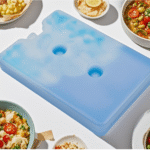
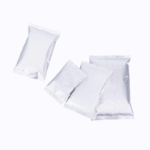
سائل التبريد & مرجع PCM
قارن خيارات سائل التبريد وPCM عندما يحتاج المسار إلى دعم إضافي لدرجة الحرارة.
قارن الخياراتمقاومة سقوط المواد العازلة
مراجعة مقاومة السقوط وعوامل المناولة قبل اختيار المواد العازلة.
تحقق من المقاومةحاسبة الثلج الجاف
تقدير احتياجات الثلج الجاف للشحنات المجمدة أو شديدة البرودة قبل التعبئة.
تقدير الثلج الجافالهدف العملي ليس العمل الورقي في حد ذاته. هو لمنع النزاعات عند التكثيف, كدمات, خلط حساس للإيثيلين, فجوات الصرف الصحي, مطالبات التعامل غير المعتمدة, الفصل السيئ, وتبريد المنتجات الحساسة. عملية واضحة تخبر المستودع, الناقل, المتلقي, وفريق الشراء ما يجب أن يحدث قبل اعتبار الصندوق جاهزًا للاستخدام المتكرر.
ما يجب تأكيده قبل القياس من العينة إلى الإنتاج
لمشتري المنتجات الذين يؤكدون قابلية التنظيف, اختيار الخطوط الملاحية المنتظمة, حدود تدفق الهواء, عزل المبرد, استرداد الصندوق, والتعامل مع السلع المحددة, يجب أن يتضمن قرار الشراء أسئلة تشغيلية يسهل التغاضي عنها أثناء مقارنة العينات. العينة التي تبدو قوية على المكتب قد تتصرف بشكل مختلف بعد تكرار التعامل مع البريد السريع, تنظيم الغرفة الباردة, التكثيف, أو عودة النقل.
- اسأل ما إذا كان بإمكان المورد شرح العبوة الخاصة بالتوت العضوي, الخضار الورقية, الفطر, الأعشاب, مجموعات المنتجات المعدة, وعينات المنتجات الطازجة المتميزة بدلاً من الاقتباس من الأبعاد الخارجية فقط.
- تأكد مما إذا كان الأداء المعلن يعتمد على ملف تعريف اختبار محدد, حمولة, كمية المبرد, ومعيار القبول.
- قارن المساحة الداخلية القابلة للاستخدام مع الحمولة الفعلية بعد سائل التبريد, المقسمات, ويتم تضمين أجهزة المراقبة.
- مراجعة كيفية الأغطية, يتوقف, الأختام, زوايا, وتتحمل المقابض التعامل المتكرر في حالة إعادة استخدام الحاوية.
- تحديد من يقوم بفحص الحاويات المعادة وما هي الأضرار التي تتطلب الإصلاح أو الإزالة من الخدمة.
- التأكد من مطابقة وحدات الإنتاج للعينة المعتمدة في هيكل العزل, تصميم الإغلاق, مادة, ومنطقة وضع العلامات.
هذه الأسئلة عملية عمدا. لا يحتاج المشترون إلى أن يقوم كل مورد بنفس اختيار التصميم. إنهم بحاجة إلى الوضوح الكافي لمقارنة المخاطر. قد تكون الحاوية الأثقل قليلاً مقبولة إذا كانت تعمل على تحسين متانة الإرجاع. قد يكون الصندوق الأكثر إحكاما أفضل إذا كانت تكلفة الشحن مهمة, ولكن فقط إذا كان سائل التبريد والحمولة الصافية لا يزالان مناسبين دون ضغط. قد يكون هناك ما يبرر هيكل VIP المتميز للبضائع ذات القيمة العالية, ولكن فقط إذا كانت العملية قادرة على حماية الألواح أثناء إعادة استخدامها.
يجب أن تتضمن الموافقة على العينة أيضًا توقعًا للتحكم في التغيير. إذا قام المورد لاحقًا بتغيير تخطيط اللوحة, مادة بطانة, نمط مزلاج, إدراج الرغوة, أو توصية المبرد, يجب أن يعرف المشتري قبل تسليم الكثير من الإنتاج. للشحنات المنظمة أو ذات القيمة العالية, حتى التغييرات الجسدية الصغيرة قد تتطلب المراجعة.
مثال عملي: كيف يمكن للمشتري استخدام القائمة المرجعية
تخيل أن أحد موردي التوت العضوي يقوم بشحن عينات إلى المشتري دون سحق الفاكهة, محاصرة التكثيف, أو الخلط مع مخلفات المناولة غير العضوية. قد يبدأ الفريق بطلب صندوق شحن لكبار الشخصيات لنقل المنتجات العضوية, لكن اسم الحاوية ليس سوى الطبقة الأولى من القرار. إنهم بحاجة إلى تحديد كمية المنتج التي تدخل في كل شحنة, حيث سيتم وضع المبرد, كيف سيتم تكييف الصندوق مسبقًا, كم من الوقت يمكن أن تنتظر أثناء التسليم, وما هو السجل الذي يجب على المتلقي الاحتفاظ به.
أثناء مراجعة العينة الأولى, يجب على الفريق تعبئة الحاوية تمامًا كما سيتم تعبئتها أثناء التشغيل. وهذا يعني استخدام حمل المنتج الحقيقي أو ما يعادله حرارياً بشكل معقول, تكوين المبرد الفعلي, نفس الخطوط الملاحية المنتظمة أو المقسم, وموقع مسجل البيانات المخطط للإنتاج. إذا كان فريق البريد السريع أو المستودع سيتعامل مع الشحنة, يجب تضمينها في التجربة لأن وقت فتح الغطاء والتعامل القاسي يمكن أن يغير النتائج.
وقد يكشف القرار عن مقايضات. قد يحمي صندوق VIP درجة الحرارة بشكل أفضل من شاحن الرغوة الأساسي, ولكنها قد تحتاج إلى تسميات العودة, مساحة التنظيف, وطريقة لاستبدال المكونات البالية. حاوية أصغر قد تقلل من تكلفة الشحن, ولكن إذا لم يترك مجالًا لسائل التبريد أو خلق ضغطًا على الحمولة, فالادخار الظاهر باطل. الخيار الأقوى هو الخيار الذي يتوافق مع الأدلة الحرارية وسلوك التشغيل اليومي.
الأخطاء التي تؤدي إلى مخاطر سلسلة التبريد بعد أمر الشراء
العديد من حالات الفشل المرتبطة بصندوق شحن VIP لنقل المنتجات العضوية لا تنتج عن مادة عازلة نفسها. أنها تأتي من القرارات المتخذة حول منطقة الجزاء: هرع التعبئة, وضع العلامات الضعيفة, الشروط المسبقة المفقودة, لا ملكية العائدات, أو لا توجد خطة لتأخير التسليم. وهذه مخاطر يمكن التحكم فيها إذا ظهرت مبكرًا.
- التعامل مع وقت الانتظار المنشور باعتباره وعدًا عالميًا بدلاً من السؤال عن ملف التعريف المحيط, حمولة, وتم استخدام الحزم.
- تجاهل درجة حرارة الحمولة قبل التعبئة. يمكن للمنتج الدافئ الموضوع في صندوق سلبي أن يستهلك السعة الحرارية بسرعة.
- بافتراض أن مسجل البيانات أو جهاز تعقب GPS يحمي درجة الحرارة. يوفر الرصد الأدلة والتنبيهات; لا يحل محل العزل أو المبرد.
- استخدام صندوق قابل لإعادة الاستخدام دون قاعدة فحص الإرجاع. يمكن أن تؤدي لوحة VIP التالفة أو مكون الغطاء المفقود إلى تغيير الأداء.
- اختيار الأبعاد الخارجية قبل التحقق من المساحة القابلة للاستخدام. يمكن لسائل التبريد والفواصل الداخلية تقليل مساحة الحمولة بشكل كبير.
- السماح للفريق المتلقي باتخاذ قرار القبول بشكل غير رسمي. يجب تحديد الشيكات المستلمة قبل مغادرة الشحنة للمنشأ.
الخيط المشترك هو الافتراض. يفترض المشتري أن الصندوق سيغطي حالة عدم اليقين في المسار, يفترض المستودع أن سائل التبريد قد تم تكييفه بشكل صحيح, يفترض الساعي أن المرسل إليه سيكون جاهزًا, ويفترض المتلقي أن بيانات المسجل هي مسؤولية شخص آخر. من المزرعة إلى الموزع, صناديق إنتاج التجارة الإلكترونية, عينات التصدير, تسليم البقالة في المناطق الحضرية, وممرات سلسلة التبريد الإقليمية, يجب تحويل كل افتراض إلى خطوة بسيطة, مالك, أو قاعدة القبول.
التعليمات
هو صندوق شحن لكبار الشخصيات لنقل المنتجات العضوية مثل حاوية مبردة نشطة?
لا. في معظم سياقات شراء سلسلة التبريد, صندوق VIP أو حاوية شحن مبردة VIP عبارة عن حزمة معزولة سلبية. إنه يبطئ نقل الحرارة ويعمل مع حمولة مكيفة, سائل التبريد, بي سي إم, حزم هلام, الثلج الجاف عند الاقتضاء, أو طريق متحكم فيه. لا يتم تبريده بشكل فعال مثل الثلاجة التي تعمل بالطاقة ما لم يتم تحديد نظام نشط منفصل.
ما هي المعلومات التي يجب أن أقدمها للمورد قبل طلب عرض الأسعار؟?
مشاركة نوع الحمولة, نطاق درجة الحرارة المطلوبة, مدة الشحن, التعرض المحيطي المتوقع, أبعاد الحمولة, عمليات تسليم الطريق, خطة إعادة الاستخدام, واستلام المتطلبات. للتوت العضوي, الخضار الورقية, الفطر, الأعشاب, مجموعات المنتجات المعدة, وعينات المنتجات الطازجة الممتازة, يحتاج المورد أيضًا إلى فهم ما إذا كانت الشحنة منخفضة المخاطر, المتعلقة بالأغذية, المتعلقة بالرعاية الصحية, أو تخضع لمراجعة الجودة.
هل يمكن لحاوية VIP ضمان الامتثال لسلسلة التبريد?
لا يمكن لأي مكون تعبئة أن يضمن الامتثال في حد ذاته. الامتثال يعتمد على متطلبات المنتج, إجراءات الشاحن, التعامل مع الناقل, يراقب, الوثائق, والقواعد المحلية. يمكن أن تكون حاوية VIP جزءًا من عملية متوافقة أو مؤهلة عند تحديدها, تم اختباره, معبأة, واستخدامها في ظل ظروف محددة.
كيف ينبغي فحص صناديق VIP القابلة لإعادة الاستخدام?
يجب فحص الصناديق المرتجعة للتأكد من عدم وجود لوحات تالفة, قذائف متشققة, المزالج المكسورة, بطانات قذرة, التسميات المفقودة, رائحة, المناطق الرطبة, والتغييرات التي قد تؤثر على الإغلاق. يجب أن تكون قواعد التفتيش بسيطة بما يكفي لتتبعها فرق المستودعات, ويجب إصلاح أي وحدة تالفة, تم اختباره إذا لزم الأمر, أو إزالتها من الخدمة.
ما الذي يجعل شحن المنتجات العضوية مختلفًا؟?
تحتاج شحنات المنتجات العضوية إلى حماية من درجة الحرارة بالإضافة إلى الانضباط في التعامل الذي يحمي السلامة العضوية. يجب على المشترين التأكد من الأسطح القابلة للتنظيف, ممارسات الفصل, اختيار الخطوط الملاحية المنتظمة, التحكم في التكثيف, وما إذا كانت عملية التعبئة والتغليف تناسب عملياتها المعتمدة ومتطلبات المشتري.
خاتمة
يجب اختيار صندوق شحن VIP لنقل المنتجات العضوية كنظام شحن, وليس ككائن مستقل. ابدأ بالحمولة, نطاق درجة الحرارة المطلوبة, التعرض للطريق, عمليات التسليم, خطة المبرد, وعملية الاستلام. ثم قارن الموردين بالأدلة, حجم قابل للاستخدام, وضوح الحزمة, والاتساق من العينة إلى الإنتاج.
القرار الأقوى عادة ما يكون متحفظا: التحقق من الادعاءات التي تؤثر على سلامة المنتج أو قبوله, تجنب الوعود العالمية, وتحديد كيفية تعبئة الحاوية, مراقبة, تلقى, تنظيفها, وإعادة استخدامها. يمكن للصندوق الأفضل أن يخلق هامشًا حراريًا أكبر, ولكن فقط عملية خاضعة للرقابة هي التي تحول هذا الهامش إلى أداء موثوق لسلسلة التبريد.
حول Tempk
يدعم Tempk تغليف السلسلة الباردة مناقشات للمشترين الذين يحتاجون إلى الحماية الحرارية السلبية العملية بدلاً من لغة التغليف العامة. لهذا الموضوع, يتمثل دورنا في مساعدة الفرق على مراجعة الصندوق المعزول وسائل التبريد المناسب لطرق المنتجات الطازجة حيث تكون درجة الحرارة, رُطُوبَة, ويجب أن تكون النظافة متوازنة. يمكننا مناقشة حجم الحمولة, التعرض للطريق, المبرد أو PCM مناسب, التعامل مع قابلة لإعادة الاستخدام, وما يجب التحقق منه قبل الموافقة على العينة أو الطلب بالجملة. الهدف ليس الادعاء بأن صندوقًا واحدًا يناسب كل شحنة, ولكن لمساعدتك على تضييق نطاق الحاوية والتعبئة التي تتوافق مع ظروف التشغيل الحقيقية لديك.
شارك طريقك, حمولة, نطاق درجة الحرارة المستهدفة, وإعادة استخدام التوقعات مع Tempk. يمكننا مساعدتك في مقارنة ما إذا كان صندوق شحن VIP لنقل المنتجات العضوية خيارًا معقولًا أو ما إذا كان يجب مراجعة نهج التعبئة السلبي الآخر أولاً.