| شرط 1: للمحترفين |
ما يجب أن يعرفه المشترون عن أكياس التبريد الهلامية في مصادر OEM لسلسلة التبريد
يمكن أن يكون الحصول على كيس مبرد هلامي من الصين أمرًا منطقيًا عندما تحتاج إلى حجم مخصص, مطبعة, أو الحجم. الخطأ هو التعامل مع المنتج كسلعة عند حدوث تغييرات بسيطة في الفيلم, يملأ, أو يمكن للختم تغيير الأداء في العالم الحقيقي. عادةً ما يصبح قرار الشراء أكثر وضوحًا بمجرد التوقف عن السؤال عن الحزمة "الأفضل" بشكل عام والبدء في السؤال عن التنسيق الأفضل لمسارك الفعلي ومنتجك.
يمكن أن تكون الشركة المصنعة لأكياس التبريد الهلامية في الصين خيارًا قويًا للمصادر عندما تحتاج إلى أحجام مخصصة, إنتاج بكميات كبيرة, وتكوينات مرنة للفيلم أو الطباعة. الفرصة حقيقية, ولكن الأمر نفسه ينطبق أيضًا على خطر المواصفات الغامضة. في تغليف السلسلة الباردة, يمكن أن تتصرف الحقيبة التي تبدو متشابهة على ورقة الأسعار بشكل مختلف تمامًا بمجرد تجميدها, معبأة في الشاحن, وتعرضه لضغوط النقل. وهذا هو السبب في أن المصادر الصينية الناجحة تعتمد بشكل أقل على السعر وحده وأكثر على المواصفات الواضحة, السيطرة على التغيير, والتحقق. بالنسبة لمعظم المستوردين, المشترين OEM, فرق التسمية الخاصة, ومديري المشتريات, أذكى نقطة بداية هي تحديد المسار, نطاق درجة الحرارة المقبولة, والطريقة التي ستجلس بها العبوة داخل الشاحن المعزول قبل مقارنة أي مصنع.
ما هو ولماذا يستخدمه المشترون
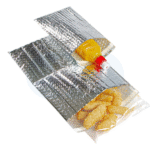
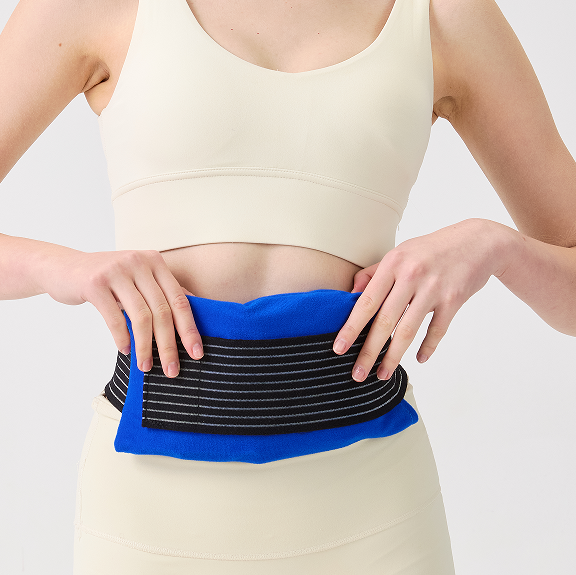
بعبارات واضحة, كيس التبريد الجل عبارة عن كيس مغلق أو على شكل وسادة حزمة المبرد مصممة لوضع مرن حول الحمولات. في العديد من سلاسل التوريد، يعمل بمثابة مادة تبريد قابلة لإعادة الاستخدام أو يمكن التخلص منها بدلاً من استخدامه كنظام شحن مستقل. يمكن أن يطلق عليه كيس التبريد, إدراج المبرد, أو اسم تجاري آخر حسب الصناعة. ما يهم المشتري هو أقل من التسمية وأكثر من مزيج الحجم, ملء الكتلة, سلوك المرحلة, متانة الفيلم, وكيف تناسب الحزمة حاوية معزولة.
للمبردات على شكل حقيبة, وتشمل التفاصيل الهامة صياغة هلام, جودة الختم, قوة الفيلم, ملء التسامح, واتساق الأبعاد بعد التجميد. يحتاج فريق المصادر أيضًا إلى معرفة ما إذا كان سيتم استخدام الحقيبة بشكل مسطح, مطوية, أو وضعها على بطانة لأن ذلك يؤثر على كيفية تصرف العبوة المجمدة في الكرتون الفعلي. يمكن أن تدعم العبوات على شكل حقيبة مبردة, المجمدة, أو ممرات معتدلة البرودة حسب التعبئة والتكييف, لذلك يجب على الشركة المصنعة أن تفهم استخدام الشحن الدقيق.
في كثير من الحالات, تعتبر أكياس التبريد الهلامية مفيدة للغاية عندما تحتاج الفرق إلى مصدر بارد يمكن وضعه بشكل متكرر, يتم التعامل معها بشكل نظيف, وتحجيمها عبر شحنات متعددة. تشمل الحمولات النموذجية شحنات المواد الغذائية, الطرود الصيدلانية, بريدية مستحضرات التجميل, أطقم المختبرات, والسلع العامة الحساسة لدرجة الحرارة. هذا لا يعني أن كل حمولة تحتاج إلى نفس الحزمة. وهذا يعني أنه يمكن تعديل التنسيق إذا قام المشتري بتحديد المسار وقيود المنتج بوضوح.
كيف يعمل في الشحنات الحقيقية
من السهل تخصيص المبردات على شكل حقيبة حسب الوزن, مطبعة, والأبعاد, وهذا هو أحد الأسباب التي تجعل العديد من المشترين يستوردونها من الشركات المصنعة الآسيوية ذات الحجم الكبير. تعمل معظم أشكال الجل القياسية عن طريق تخزين الطاقة الباردة أثناء تكييف الفريزر ثم امتصاص الحرارة أثناء ذوبان الجليد. يعتمد وقت الانتظار العملي على أكثر من العبوة وحدها: جودة العزل, كتلة المنتج, درجة حرارة المنتج الأولية, وضع الحزمة, والتعرض الخارجي كل ذلك يغير النتيجة.
عادةً ما يحتاج المشترون إلى التخطيط لتضمين عدم تطابق المواصفات بين العينة والإنتاج, ضعف الفيلم أو التماس في عبور التصدير, فترات زمنية أطول وتقلب الشحن, تصريحات مادية غير واضحة, وضعف التواصل حول تعليمات التكييف. عندما يكون التنسيق متطابقًا جيدًا مع المسار, الفوائد الرئيسية هي مرونة جيدة في تصنيع المعدات الأصلية, الأحجام والعلامات التجارية المخصصة, تناسب فعال حول المنتجات غير النظامية, إمكانية الإنتاج بكميات كبيرة, وتطبيق واسع النطاق عبر الممرات المجاورة للطعام والرعاية الصحية.
في نفس الوقت, يجب على المشترين احترام الحدود: يمكن للمصادر الخارجية أن تطيل دورات التجديد والتصحيح; السعر المنخفض المقتبس يمكن أن يخفي الشحن, جمارك, وتكلفة المخزون; لا تضمن الموافقة على العينة الاتساق على المدى الطويل ما لم يكن التحكم في التغيير واضحًا; ولا يزال المشترون بحاجة إلى اختبار خاص بالطريق بعد الاستيراد.
المكان الذي يناسبه بشكل أفضل - وأين لا يناسبه
يمكن للمشتري أن يبدأ بحقيبة عينة قياسية, ثم أدرك أن الكرتون النهائي يحتاج إلى نسبة عرض إلى ارتفاع مختلفة لتغطية الجدار بشكل أفضل. قد يحتاج برنامج آخر إلى طباعة الملصقات الخاصة, دعم الباركود, وتغليف التصدير على منصات نقالة. وقد يرغب ثلث في إنشاء مستودع احتياطي في أسواق الوجهة مع الحفاظ على الإنتاج الأولي في الخارج. تلك هي أسئلة تصميم المصادر, ليس فقط أسئلة السعر.
الخطأ الأكبر هو الموافقة على العينة الأولى وافتراض أن الإنتاج سيظل كما هو بدون عملية رسمية للتحكم في التغيير. لمواد السلسلة الباردة, تحولات صغيرة في ملء الجل, سمك الفيلم, أو يمكن أن يؤدي سلوك التجميد المسطح إلى تغيير تناسق التعبئة والأداء النهائي. لذلك يطلب المشترون الجادون عينات الإنتاج, الكثير من الوثائق, والاتفاق على ما يحدث إذا تغيرت المواد أو معلمات العملية.
يمكن أن تكون الشركة المصنعة في الصين خيارًا قويًا, ولكن فقط عندما تكون المواصفات مفصلة بما فيه الكفاية لتلك العينة, المادة الأولى, ويظل الإنتاج الضخم متوافقًا.
مقارنة التنسيق العملي
| خيار | تناسب نموذجي | ميزة | الحذر الرئيسي |
| حقيبة المخزون القياسية | التشغيل التجريبي والتطبيقات البسيطة | أسرع مسار للمصادر | قد لا يتناسب مع الشاحن النهائي أو الطريق بشكل جيد |
| حقيبة جل بحجم مخصص | كرتونة محددة أو هندسة الخطوط الملاحية المنتظمة | كفاءة تعبئة أفضل | يتطلب رسومات أكثر إحكاما وموافقة العينة |
| حقيبة مطبوعة/ملصق خاص | العلامة التجارية أو العرض الخاص بالبرنامج | تحسين تحديد الهوية والتعامل معها | يضيف التحكم في العمل الفني والمراجعة التعقيد |
| حقيبة مخصصة تعتمد على PCM | أنظمة تبريد ذات قيمة أعلى | تحكم أوثق في النطاق المستهدف | المزيد من المواصفات الفنية وأعمال التحقق من الصحة |
ما يجب على المشترين التحقق منه قبل الطلب بكميات كبيرة
لا يتعلق اختيار الشركة المصنعة بإيجاد أقل تكلفة للوحدة بقدر ما يتعلق بتأكيد قدرة المصنع على إنتاج المواصفات التي تحتاجها بالفعل. الأسئلة الأكثر فائدة هي تلك التي تربط بين تصميم المنتج, التعامل التشغيلي, وموثوقية العرض.
قبل وضع طلب بالجملة, يجب على المشترين ترجمة مشكلة الشحن إلى ملخص مكتوب للتغليف. يجب أن يغطي هذا الموجز نطاق درجة الحرارة المستهدف, نوع الحمولة, أبعاد الشاحن, وقت العبور المتوقع, الإجهاد المحيطي, تسلسل التحميل, وشروط الاستلام. بمجرد كتابة هذه النقاط, مناقشات حول موك, الأدوات, التخزين, أو يصبح السعر أكثر إنتاجية لأن الجميع يتحدثون عن نفس الهدف الفني.
- التأكد من الأبعاد الداخلية والخارجية بعد التجميد, ليس فقط الأبعاد الاسمية في درجة حرارة الغرفة.
- اطلب ملء التسامح الوزن, كتلة باردة قابلة للاستخدام, وطريقة التكييف المستهدفة قبل الشحن.
- التحقق من هيكل الراتنج أو الفيلم, تصميم التماس, وتوقعات مقاومة التسرب تحت ضغط التعامل الحقيقي.
- تحقق من مدى ملاءمة العبوة للشاحن المعزول, بما في ذلك تغطية الجدار, تدخل الغطاء, وفصل المنتج.
- مراجعة قابلية التكديس, التعشيش, وإرجاع الكفاءة إذا كان سيتم استخدام الحزمة في برامج قابلة لإعادة الاستخدام أو حلقات حمل.
- نسأل كيف التسميات, باركود, ترميز التاريخ, أو يتم تطبيق إمكانية تتبع الكمية والتحكم فيها.
- اطلب دليلاً على أن جودة العينة تتوافق مع جودة الإنتاج, بما في ذلك أي عملية للتحكم في التغيير للمواد أو الأبعاد.
- تحقق موك, مهلة, والخيارات المخصصة فقط بعد أن يكون الملاءمة الفنية واضحة, لذا فإن الملاءمة التجارية لا تتجاوز ملاءمة المسار.
- طلب الأبعاد المجمدة, ملء التسامح الوزن, هيكل الفيلم, طريقة الختم, وضوابط الموافقة على العمل الفني كتابياً.
- اسأل عن تصميم كرتونة التصدير, منصة نقالة, وكيف يتم حماية الأكياس من الثقب أثناء النقل عبر المحيطات.
- تحقق مما إذا كان المصنع يقدم عمليات تشغيل تجريبية, العينات المحتجزة, وإشعار التغيير الرسمي لتغييرات الفيلم أو التعبئة.
نصيحة الاختيار العملي
سعر الوحدة ليس سوى جزء واحد من الاقتصاد. قد تؤدي الحزمة الأكبر أو الأرخص إلى زيادة تكلفة الشحن, تقليل حمولة المنتج, خطوط تعبئة بطيئة, أو خلق المزيد من النفايات عند الاستلام. على النقيض من ذلك, يمكن أن تؤدي الحزمة الأفضل في بعض الأحيان إلى خفض التكلفة الإجمالية لأنها تقلل من فقدان المنتج, يتجنب التعبئة الزائدة, ويبسط التعامل معها. وبالتالي فإن المحادثات الجيدة مع الموردين تقارن التكلفة الإجمالية للاستخدام, ليس فقط سعر العبوة الواحدة.
وينبغي أيضًا النظر في سعة التخزين والتجميد مبكرًا. يمكن أن يصبح البرنامج الذي يبدو جذابًا على الورق أمرًا صعبًا إذا كانت بصمة العبوة تهدر مساحة الفريزر, يتطلب أوقات تكييف طويلة, أو يحتاج إلى مساحة تخزين أكبر مما يمكن أن يدعمه الموقع. الملاءمة التشغيلية في الأصل هي جزء من ملاءمة المنتج.
شروط الاستلام مهمة أكثر مما يتوقعه العديد من المشترين. إذا تم فتح الكراتين في حوض ساخن, ترك على الأرض قبل التفتيش, أو إعادة تعبئتها في درجة حرارة الغرفة, يجب أن يعوض المبرد المختار التباين التشغيلي وكذلك التعرض العابر. هذا هو السبب في الشراء, العمليات, ويجب على فرق الجودة مراجعة سير عمل الوجهة معًا بدلاً من التعامل مع مادة التبريد كقرار شراء فقط.
التفاصيل التشغيلية التي لا ينبغي تجاهلها
وينبغي مناقشة التخطيط للطوارئ قبل أمر الشراء الكبير الأول. إذا ارتفع الطلب, الطقس يقطع النقل, أو تغيير جوهري يتطلب إعادة الموافقة, يجب على المشتري معرفة ما إذا كان المخزون الاحتياطي, مستودعات بديلة, أو تتوفر تنسيقات بديلة. تعد مرونة العرض جزءًا من ملاءمة المنتج.
تعد معالجة نهاية العمر جزءًا من تجربة المشتري أيضًا. قد يهتم المستلمون بما إذا كان من الممكن إعادة استخدام العبوة, مقدار السائل المتبقي تحت التصرف, وما إذا كان الصرف أو التعامل مع النفايات يصبح مصدر إزعاج في منطقة الاستقبال. نادرًا ما تظهر هذه التفاصيل في أعلى ورقة الأسعار, ومع ذلك، فهي تؤثر بقوة على رضا الموردين بعد طرحها.
يجب التحقق من سير العمل الأصلي قبل الموافقة التجارية. إذا احتاج المشغلون إلى اختيار العبوات المجمدة من مجمدات متعددة, انتظر التدريج, ثم قم ببناء كرتون على عدة مقاعد, قد تؤدي العملية نفسها إلى تسخين مادة التبريد بشكل غير متساو. غالبًا ما يؤدي التنسيق الصحيح من الناحية الفنية ولكنه غير ملائم من الناحية التشغيلية إلى حدوث تباين في الشحنات الحية.
حيث تكون مخاطر المنتج عالية, يجب على المشترين الانتقال من الفحص إلى التأهيل على مراحل: قم أولاً بتأكيد المواصفات المادية, ثم قم بتجربة الحزمة في ظل الظروف المتوقعة, وعندها فقط قم بقياس الحجم. ويقلل هذا التسلسل من فرصة إبرام اتفاقية تجارية حول مادة تبريد تبدو جيدة في عزلة ولكن أداءها ضعيف في الشاحن النهائي.
يجب أن تتبع الموافقة على العينة تسلسلاً: مراجعة مقاعد البدلاء, فحص التجميد والملاءمة, محاكمة الشحنة, ومن ثم تأكيد الإنتاج. يعد التخطي مباشرة من عينة في درجة حرارة الغرفة إلى طلب كبير أمرًا محفوفًا بالمخاطر لأن بعض العبوات تتصرف بشكل مختلف تمامًا بمجرد تجميدها, محملة, ويتعرضون لضغوط العبور.
تعد الموسمية سببًا آخر لعدم تجميد المواصفات ونسيانها. تحتاج العديد من المسارات إلى عدد حزم مختلف, طريقة التكييف, أو تكوين الشاحن في ذروة الصيف عما يفعلونه في الطقس المعتدل. غالبًا ما يكون المورد الذي يمكنه دعم التعديلات الموسمية دون فقدان الاتساق أكثر قيمة من المورد الذي يبيع حزمة مخزون واحدة بسعر رخيص جدًا.
التعليمات
لماذا يطلب المشترون أكثر من مجرد عينة من الصورة؟?
لأن المظهر وحده لا يظهر قوة الختم, ملء الاتساق, تكرار الأبعاد, أو كيف تتصرف العبوة بعد التجميد.
هل المصادر الخارجية دائمًا أرخص بشكل عام?
ليس بالضرورة. قد تكون تكلفة الوحدة أقل, ولكن الشحن, تكلفة حمل المخزون, مهلة, ويمكن لجهود إدارة الجودة أن تغير تكلفة الهبوط الحقيقية.
ما هي الوثيقة الأولى التي يجب على المشتري تأمينها؟?
مواصفات مكتوبة تحدد الأبعاد, ملء الوزن, هيكل الفيلم, سلوك التجميد, وضع العلامات, ومعايير القبول.
إغلاق الوجبات الجاهزة
يأتي قرار الشراء الأكثر أمانًا من مطابقة كيس التبريد الهلامي للمنتج, الطريق, والتعبئة بدلاً من الشراء بحجم العبوة وحده. إذا كان المورد يستطيع إعطاء أبعاد واضحة, توجيه التكييف, وجودة متسقة, أنت أقرب كثيرًا إلى برنامج سلسلة التبريد القابل للتكرار.
حول Tempk
و Tempk, نحن نركز على التعبئة والتغليف للتحكم في درجة الحرارة شحن السلسلة الباردة. تأسست في 2011 كعلامة تجارية لشركة Shanghai Huizhou Industrial, نحن نقدم العرف حزم هلام, طوب الجليد, الصناديق المعزولة, بطانات, وأوسع عبوة تسيطر عليها درجة الحرارة صنع في الصين. يتم دعم أعمالنا التطويرية بواسطة R&مركز D يعمل بممارسات CNAS وISTA المتوافقة, وتشمل شبكة التصنيع لدينا مرافق حاصلة على شهادة ISO في الصين. يساعدنا هذا المزيج في دعم تنسيقات العرض القياسية والحزم المخصصة للتوزيع الحساس لدرجة الحرارة.
الخطوة التالية: ملخص واضح عن حساسية المنتج, مدة الطريق, وتسهل هندسة التعبئة والتغليف اختيار تنسيق غاز التبريد المناسب أو خطة التوريد بالجملة.
| شرط 2: عميق |
كيف يعمل كيس التبريد الجل فعليًا في مصادر OEM لسلسلة التبريد
يمكن أن يكون الحصول على كيس مبرد هلامي من الصين أمرًا منطقيًا عندما تحتاج إلى حجم مخصص, مطبعة, أو الحجم. الخطأ هو التعامل مع المنتج كسلعة عند حدوث تغييرات بسيطة في الفيلم, يملأ, أو يمكن للختم تغيير الأداء في العالم الحقيقي. تُظهر المراجعة الفنية بسرعة أن العبوة نفسها ليست سوى متغير واحد داخل مشكلة أكبر لإدارة الحرارة.
يمكن أن تكون الشركة المصنعة لأكياس التبريد الهلامية في الصين خيارًا قويًا للمصادر عندما تحتاج إلى أحجام مخصصة, إنتاج بكميات كبيرة, وتكوينات مرنة للفيلم أو الطباعة. الفرصة حقيقية, ولكن الأمر نفسه ينطبق أيضًا على خطر المواصفات الغامضة. في عبوات السلسلة الباردة, يمكن أن تتصرف الحقيبة التي تبدو متشابهة على ورقة الأسعار بشكل مختلف تمامًا بمجرد تجميدها, معبأة في الشاحن, وتعرضه لضغوط النقل. وهذا هو السبب في أن المصادر الصينية الناجحة تعتمد بشكل أقل على السعر وحده وأكثر على المواصفات الواضحة, السيطرة على التغيير, والتحقق. ولذلك يجب أن تبدأ المراجعة الفنية بالنطاق المستهدف, كتلة الحمولة, وهندسة التعبئة الفعلية بدلاً من صورة الكتالوج أو مطالبة وقت الانتظار الواحدة.
السلوك الحراري يأتي أولاً
للمبردات على شكل حقيبة, وتشمل التفاصيل الهامة صياغة هلام, جودة الختم, قوة الفيلم, ملء التسامح, واتساق الأبعاد بعد التجميد. يحتاج فريق المصادر أيضًا إلى معرفة ما إذا كان سيتم استخدام الحقيبة بشكل مسطح, مطوية, أو وضعها على بطانة لأن ذلك يؤثر على كيفية تصرف العبوة المجمدة في الكرتون الفعلي. يمكن أن تدعم العبوات على شكل حقيبة مبردة, المجمدة, أو ممرات معتدلة البرودة حسب التعبئة والتكييف, لذلك يجب على الشركة المصنعة أن تفهم استخدام الشحن الدقيق.
من السهل تخصيص المبردات على شكل حقيبة حسب الوزن, مطبعة, والأبعاد, وهذا هو أحد الأسباب التي تجعل العديد من المشترين يستوردونها من الشركات المصنعة الآسيوية ذات الحجم الكبير. تعمل معظم أشكال الجل القياسية عن طريق تخزين الطاقة الباردة أثناء تكييف الفريزر ثم امتصاص الحرارة أثناء ذوبان الجليد. يعتمد وقت الانتظار العملي على أكثر من العبوة وحدها: جودة العزل, كتلة المنتج, درجة حرارة المنتج الأولية, وضع الحزمة, والتعرض الخارجي كل ذلك يغير النتيجة. من وجهة نظر هندسية, يقوم المشتري بالفعل بإدارة تدفق الحرارة من خلال حزمة التغليف الكاملة. قد يؤدي الجدار السميك أو البطانة الأفضل إلى تقليل عدد حزم المبردات ضروري, في حين أن الشاحن المعزول بشكل سيئ يمكن أن يمحو ميزة المبرد الأثقل.
يمكن أن تدعم العبوات على شكل حقيبة مبردة, المجمدة, أو ممرات معتدلة البرودة حسب التعبئة والتكييف, لذلك يجب على الشركة المصنعة أن تفهم استخدام الشحن الدقيق.
مواد, شكل, وحزمة البناء
عندما يقوم المشترون بمقارنة أكياس التبريد الهلامية, تستحق مجموعة المواد اهتمامًا أكبر مما تحصل عليه عادةً. تحدد صيغة الجل السلوك الحراري الواسع, لكن الفيلم أو الغلاف الخارجي يحدد ما إذا كانت العبوة ستنجو من التجميد, الثناء, تكديس, والتعامل المتكرر دون تسرب. جودة التماس مهمة لأن العبوات المجمدة غالبًا ما تصبح أقل تسامحًا تحت التأثير. إن العبوة التي تعمل بشكل جيد في عينة الفريزر ولكنها تفشل بعد اهتزاز النقل لا تعتبر نجاحًا تقنيًا. لأشكال الحقيبة والوسادة, إن السلوك المسطح المتجمد وشكل الزاوية مهمان لأن تغيير الهندسة يمكن أن يغير تغطية الجدار داخل الصندوق.
بعبارات واضحة, كيس التبريد الجل عبارة عن كيس مغلق أو حزمة تبريد على شكل وسادة مصممة لوضعها بشكل مرن حول الحمولات الصافية. في العديد من سلاسل التوريد، يعمل بمثابة مادة تبريد قابلة لإعادة الاستخدام أو يمكن التخلص منها بدلاً من استخدامه كنظام شحن مستقل. يمكن أن يطلق عليه كيس التبريد, إدراج المبرد, أو اسم تجاري آخر حسب الصناعة. ما يهم المشتري هو أقل من التسمية وأكثر من مزيج الحجم, ملء الكتلة, سلوك المرحلة, متانة الفيلم, وكيف تتناسب العبوة مع الحاوية المعزولة.
تكييف, التعبئة والتغليف, والتدفق الحراري
التكييف هو متغير آخر لا يحظى بالتقدير. حتى كيس التبريد الهلامي المصمم جيدًا يمكن أن يؤدي أداءً سيئًا إذا قام المشغلون بتجميده لفترة قصيرة جدًا, ذوبان الجليد بشكل غير متناسق, أو قم بتحميله في الشاحن عند درجة حرارة البدء الخاطئة. في العديد من العمليات, إن الفرق بين الشحنة المستقرة ورحلة درجة الحرارة التي يمكن تجنبها يرجع إلى تعليمات واضحة للتعامل: نقطة ضبط الفريزر, الحد الأدنى لمدة التكييف, يشعر سطح الهدف, مواد الفصل, والحدود الزمنية بين الانتقاء والإرسال.
اطلب البيانات التي تعكس العبوة الكاملة بدلاً من اختبار مادة التبريد المستقلة. عادةً ما تُظهر مجموعة البيانات المفيدة نوع الشاحن, مستوى العزل, كتلة الحمولة, التحدي المحيطي, وضع الحزمة, ومدة الاختبار. بدون هذا السياق, يمكن لموردين تقديم مطالبات مماثلة بشأن وقت الانتظار مع وصف ظروف اختبار مختلفة تمامًا. يريد المشترون الجادون فهم شروط الحدود, ليس فقط النتيجة الرئيسية.
حيث تكون مخاطر المنتج عالية, يجب على المشترين الانتقال من الفحص إلى التأهيل على مراحل: قم أولاً بتأكيد المواصفات المادية, ثم قم بتجربة الحزمة في ظل الظروف المتوقعة, وعندها فقط قم بقياس الحجم. ويقلل هذا التسلسل من فرصة إبرام اتفاقية تجارية حول مادة تبريد تبدو جيدة في عزلة ولكن أداءها ضعيف في الشاحن النهائي.
حدود الامتثال ومراقبة المخاطر
ويحدد قطاع الاستخدام النهائي عبء الامتثال الحقيقي: طعام, مختبر, فارما, ومستحضرات التجميل كلها تطرح أسئلة مختلفة. بالنسبة لبرامج الاستيراد, يجب على المشترين أن يطلبوا أوصافًا مادية واضحة, وثائق السلامة, لغة وضع العلامات, وسجلات الجودة التي تتوافق مع السوق المقصود. يمكن للشركة المصنعة إنتاج الحقيبة, ولكن لا يزال المشتري يتحمل واجب تأهيل نظام الشحن الكامل. للشحنات المنظمة أو الحساسة للجودة, يجب قراءة مطالبات التغليف بعناية. يمكن أن تدعم حزمة المبرد أهداف الامتثال, ولكنه عادةً ما يكون جزءًا واحدًا فقط من العملية الموثقة. تمرين, تعليمات التعبئة, استلام الشيكات, تأهيل الطريق, والمتطلبات الخاصة بالمنتج كلها تؤثر على ما إذا كانت الشحنة مناسبة بالفعل.
يجب دائمًا تقييم مكون غاز التبريد ضمن عملية التعبئة والتغليف والمعالجة الكاملة.
أوضاع الفشل الأكثر شيوعًا مألوفة: حزم تحت مكيفة, عدد الحزمة غير صحيح, اتصال مباشر مع حمولة حساسة للتجميد, تسرب التماس بعد التعامل الخام, التكثيف المفرط عند الاستلام, والتغييرات في ملاءمة الكرتون بعد تمدد العبوة المجمدة أو تحركها. لا يتم حل أي من هذه المشكلات عن طريق لغة الكتالوج وحدها. يتم حلها عن طريق مراجعة التصميم, الانضباط التشغيلي, واتساق الموردين.
يمكن أن تكون الشركة المصنعة في الصين خيارًا قويًا, ولكن فقط عندما تكون المواصفات مفصلة بما فيه الكفاية لتلك العينة, المادة الأولى, ويظل الإنتاج الضخم متوافقًا.
ما الذي يطلبه المشترون المعتمدون على البيانات من الموردين؟
لا يتعلق اختيار الشركة المصنعة بإيجاد أقل تكلفة للوحدة بقدر ما يتعلق بتأكيد قدرة المصنع على إنتاج المواصفات التي تحتاجها بالفعل. أفضل محادثات الشراء تربط بين تصميم المنتج, التعامل مع الواقع, وتوفير الموثوقية في بطاقة أداء واحدة بدلاً من التعامل معها كقرارات منفصلة.
- التأكد من الأبعاد الداخلية والخارجية بعد التجميد, ليس فقط الأبعاد الاسمية في درجة حرارة الغرفة.
- اطلب ملء التسامح الوزن, كتلة باردة قابلة للاستخدام, وطريقة التكييف المستهدفة قبل الشحن.
- التحقق من هيكل الراتنج أو الفيلم, تصميم التماس, وتوقعات مقاومة التسرب تحت ضغط التعامل الحقيقي.
- تحقق من مدى ملاءمة العبوة للشاحن المعزول, بما في ذلك تغطية الجدار, تدخل الغطاء, وفصل المنتج.
- مراجعة قابلية التكديس, التعشيش, وإرجاع الكفاءة إذا كان سيتم استخدام الحزمة في برامج قابلة لإعادة الاستخدام أو حلقات حمل.
- نسأل كيف التسميات, باركود, ترميز التاريخ, أو يتم تطبيق إمكانية تتبع الكمية والتحكم فيها.
- اطلب دليلاً على أن جودة العينة تتوافق مع جودة الإنتاج, بما في ذلك أي عملية للتحكم في التغيير للمواد أو الأبعاد.
- اطلب بيانات التعبئة أو الأداء الحراري التي تعكس كتلة حمولتك, نوع الشاحن, وملف تعريف محيطي واقعي.
- توضيح ماذا يحدث إذا كانت المواد الخام, صياغة هلام, سمك الفيلم, أو يتغير موقع التصنيع بعد الموافقة.
- طلب الأبعاد المجمدة, ملء التسامح الوزن, هيكل الفيلم, طريقة الختم, وضوابط الموافقة على العمل الفني كتابياً.
- اسأل عن تصميم كرتونة التصدير, منصة نقالة, وكيف يتم حماية الأكياس من الثقب أثناء النقل عبر المحيطات.
- تحقق مما إذا كان المصنع يقدم عمليات تشغيل تجريبية, العينات المحتجزة, وإشعار التغيير الرسمي لتغييرات الفيلم أو التعبئة.
بمجرد الموافقة على الحزمة, يصبح التحكم في التغيير أمرًا بالغ الأهمية. اختلافات صغيرة في مورد الفيلم, نسبة هلام, حجم التعبئة, تخطيط الطباعة, أو يمكن أن تؤدي إعدادات خط التصنيع إلى تغيير الأبعاد, مقاومة التسرب, أو سلوك التعبئة. يقوم الموردون المحترفون بتوثيق هذه التغييرات وإبلاغها قبل أن تؤثر على الشحنات الحية.
تفسير مطالبات الأداء بعناية
الخطأ الأكبر هو الموافقة على العينة الأولى وافتراض أن الإنتاج سيظل كما هو بدون عملية رسمية للتحكم في التغيير. لمواد السلسلة الباردة, تحولات صغيرة في ملء الجل, سمك الفيلم, أو يمكن أن يؤدي سلوك التجميد المسطح إلى تغيير تناسق التعبئة والأداء النهائي. لذلك يطلب المشترون الجادون عينات الإنتاج, الكثير من الوثائق, والاتفاق على ما يحدث إذا تغيرت المواد أو معلمات العملية.
شروط الاستلام مهمة أكثر مما يتوقعه العديد من المشترين. إذا تم فتح الكراتين في حوض ساخن, ترك على الأرض قبل التفتيش, أو إعادة تعبئتها في درجة حرارة الغرفة, يجب أن يعوض المبرد المختار التباين التشغيلي وكذلك التعرض العابر. هذا هو السبب في الشراء, العمليات, ويجب على فرق الجودة مراجعة سير عمل الوجهة معًا بدلاً من التعامل مع مادة التبريد كقرار شراء فقط.
التفاصيل التشغيلية التي لا ينبغي تجاهلها
سعر الوحدة ليس سوى جزء واحد من الاقتصاد. قد تؤدي الحزمة الأكبر أو الأرخص إلى زيادة تكلفة الشحن, تقليل حمولة المنتج, خطوط تعبئة بطيئة, أو خلق المزيد من النفايات عند الاستلام. على النقيض من ذلك, يمكن أن تؤدي الحزمة الأفضل في بعض الأحيان إلى خفض التكلفة الإجمالية لأنها تقلل من فقدان المنتج, يتجنب التعبئة الزائدة, ويبسط التعامل معها. وبالتالي فإن المحادثات الجيدة مع الموردين تقارن التكلفة الإجمالية للاستخدام, ليس فقط سعر العبوة الواحدة.
يمكن أن يؤثر أيضًا استخدام منصات التحميل وسلوك الكرتون الخارجي على الاختيار الصحيح. عندما تكون كرتونة مكدسة بإحكام, ضغط الجدار الجانبي, ضغط الغطاء, وقد يؤدي انخفاض تدفق الهواء إلى تغيير طريقة بقاء العبوات المجمدة وذوبان الجليد. وهذا سبب آخر لتقييم مادة التبريد داخل وحدة الشحن الفعلية وليس كعنصر مستقل.
تعد الموسمية سببًا آخر لعدم تجميد المواصفات ونسيانها. تحتاج العديد من المسارات إلى عدد حزم مختلف, طريقة التكييف, أو تكوين الشاحن في ذروة الصيف عما يفعلونه في الطقس المعتدل. غالبًا ما يكون المورد الذي يمكنه دعم التعديلات الموسمية دون فقدان الاتساق أكثر قيمة من المورد الذي يبيع حزمة مخزون واحدة بسعر رخيص جدًا.
أقوى البرامج عادة ما تكون متعددة الوظائف. قد يؤدي الشراء إلى عملية تحديد المصادر, لكن مهندسي التعبئة والتغليف, موظفي العمليات, فرق الجودة, وغالبًا ما تشهد مواقع الاستقبال مخاطر مختلفة. يساعد تجميع وجهات النظر هذه معًا مبكرًا على منع الحزمة المقبولة تقنيًا من أن تصبح إحباطًا تشغيليًا.
وينبغي أيضًا النظر في سعة التخزين والتجميد مبكرًا. يمكن أن يصبح البرنامج الذي يبدو جذابًا على الورق أمرًا صعبًا إذا كانت بصمة العبوة تهدر مساحة الفريزر, يتطلب أوقات تكييف طويلة, أو يحتاج إلى مساحة تخزين أكبر مما يمكن أن يدعمه الموقع. الملاءمة التشغيلية في الأصل هي جزء من ملاءمة المنتج.
التعليمات
لماذا يطلب المشترون أكثر من مجرد عينة من الصورة؟?
لأن المظهر وحده لا يظهر قوة الختم, ملء الاتساق, تكرار الأبعاد, أو كيف تتصرف العبوة بعد التجميد.
هل المصادر الخارجية دائمًا أرخص بشكل عام?
ليس بالضرورة. قد تكون تكلفة الوحدة أقل, ولكن الشحن, تكلفة حمل المخزون, مهلة, ويمكن لجهود إدارة الجودة أن تغير تكلفة الهبوط الحقيقية.
ما هي الوثيقة الأولى التي يجب على المشتري تأمينها؟?
مواصفات مكتوبة تحدد الأبعاد, ملء الوزن, هيكل الفيلم, سلوك التجميد, وضع العلامات, ومعايير القبول.
الوجبات الجاهزة الفنية
من الناحية الفنية, أفضل كيس تبريد هلامي هو الذي يكون سلوكه المرحلي, هندسة, مواد, وتتوافق ضوابط الجودة مع الشحنة الحقيقية. بيانات, الانضباط تكييف, والتحكم في التغيير عادة ما يكون أكثر أهمية من مطالبات الأداء الواسعة.
أدوات اتخاذ القرار مفيدة
تحقق من التفاصيل قبل اختيار التغليف
يمكن أن تساعدك هذه الأدوات السريعة في مقارنة مخاطر المسار, احتياجات التحجيم, خيارات المبرد, وتفاصيل التعبئة والتغليف قبل أن تطلب عرض أسعار.
مدقق مخاطر الطريق
قم بمراجعة ظروف المسار قبل اختيار التغليف لمتطلبات التشغيل الحقيقية.
تحقق من مخاطر الطريقمحدد التعبئة والتغليف
قارن بين خيارات التغليف المعزولة حسب المنتج, طريق, ودرجة الحرارة اللازمة.
البحث عن التعبئة والتغليفمولد قائمة التحقق من الامتثال
قم ببناء قائمة مرجعية عملية لمراجعة التغليف, شحن, والتوثيق.
بناء قائمة مرجعيةحول Tempk
و Tempk, نحن نركز على التعبئة والتغليف للتحكم في درجة الحرارة لشحن السلسلة الباردة. تأسست في 2011 كعلامة تجارية لشركة Shanghai Huizhou Industrial, نحن نقدم حزم هلام مخصصة, طوب الجليد, الصناديق المعزولة, بطانات, والتغليف الأوسع الذي يمكن التحكم في درجة حرارته مصنوع في الصين. يتم دعم أعمالنا التطويرية بواسطة R&مركز D يعمل بممارسات CNAS وISTA المتوافقة, وتشمل شبكة التصنيع لدينا مرافق حاصلة على شهادة ISO في الصين. يساعدنا هذا المزيج في دعم تنسيقات العرض القياسية والحزم المخصصة للتوزيع الحساس لدرجة الحرارة.
الخطوة التالية: قبل أن تقوم بالارتقاء, قم بمحاذاة تنسيق الحزمة مع مسارك, حمولة, وشروط الاستلام، لذا تعتمد التوصية على الشحنة الحقيقية بدلاً من خط الكتالوج العام.
| شرط 3: الويب |
حقيبة جل التبريد من مصادر تصنيع المعدات الأصلية لسلسلة التبريد في العالم الحقيقي
يمكن أن يكون الحصول على كيس مبرد هلامي من الصين أمرًا منطقيًا عندما تحتاج إلى حجم مخصص, مطبعة, أو الحجم. الخطأ هو التعامل مع المنتج كسلعة عند حدوث تغييرات بسيطة في الفيلم, يملأ, أو يمكن للختم تغيير الأداء في العالم الحقيقي. وهذه الحاجة العملية هي أيضًا سبب تحول السوق نحو أسئلة أفضل حول المصادر بدلاً من مقارنات المنتجات العامة.
يمكن أن تكون الشركة المصنعة لأكياس التبريد الهلامية في الصين خيارًا قويًا للمصادر عندما تحتاج إلى أحجام مخصصة, إنتاج بكميات كبيرة, وتكوينات مرنة للفيلم أو الطباعة. الفرصة حقيقية, ولكن الأمر نفسه ينطبق أيضًا على خطر المواصفات الغامضة. في عبوات السلسلة الباردة, يمكن أن تتصرف الحقيبة التي تبدو متشابهة على ورقة الأسعار بشكل مختلف تمامًا بمجرد تجميدها, معبأة في الشاحن, وتعرضه لضغوط النقل. وهذا هو السبب في أن المصادر الصينية الناجحة تعتمد بشكل أقل على السعر وحده وأكثر على المواصفات الواضحة, السيطرة على التغيير, والتحقق. وهذا هو السبب أيضًا وراء تحول نقاشات السوق اليوم بعيدًا عن شراء مصدر بارد عام ونحو الحصول على مكون نظام يناسب المسار, المنتج, وسير العمل المتلقي.
لماذا ينظر المشترون إليه الآن
يواصل المشترون العالميون استخدام الصين لمكونات سلسلة التبريد المخصصة لأن قاعدة التوريد يمكن أن تدعم اختيار التنسيق الواسع والإنتاج القابل للتطوير. في نفس الوقت, يقوم العديد من المستوردين بموازنة التصنيع الخارجي مع المخزون الإقليمي أو العرض الاحتياطي من أجل تقليل مخاطر المهلة الزمنية, تقلبات الشحن, والتعرض لمصدر واحد. غالبًا ما تدور محادثات المشترين الحالية في هذا القطاع حول قيام المشترين بشكل متزايد بالحصول على أكياس مخصصة مع الاحتفاظ بالمخزون الاحتياطي بالقرب من أسواق الوجهة; إن الاهتمام القوي بالمصادر المزدوجة والمصانع الاحتياطية يقلل من مخاطر المصنع الواحد; والانضباط في المواصفات وإمكانية التتبع أكثر أهمية من موك الرئيسي وحده.
أصبحت استراتيجية السوق الآن أكثر أهمية مما كانت عليه قبل بضع سنوات لأن المشترين يقومون بموازنة التكلفة, صمود, وسرعة التغيير. تريد بعض البرامج مخزونًا محليًا أو إقليميًا من أجل سرعة الحركة, بينما يحتفظ الآخرون بتنسيق مخصص في الإنتاج الخارجي ويحميون مستويات الخدمة من خلال المخزون الاحتياطي. خطة المصادر الأقوى هي تلك التي تدعم مواصفات المنتج من خلال تقلبات الطلب الموسمية وانقطاع العرض. وتضيف الصين منطق المصادر الخاص بها. تظل الصين جذابة للمشترين الذين يريدون التخصيص, مرونة الأدوات, والإنتاج على نطاق واسع, ولكن يجب أن يكون تخطيط الشحن ومراقبة الجودة أكثر صرامة. تجمع فرق المشتريات بشكل متزايد بين الإنتاج المخصص في الخارج ومخزون السلامة المحلي لتحقيق التوازن بين التكلفة والاستجابة.
حالات الاستخدام في العالم الحقيقي في السوق الحالية
يمكن للمشتري أن يبدأ بحقيبة عينة قياسية, ثم أدرك أن الكرتون النهائي يحتاج إلى نسبة عرض إلى ارتفاع مختلفة لتغطية الجدار بشكل أفضل. قد يحتاج برنامج آخر إلى طباعة الملصقات الخاصة, دعم الباركود, وتغليف التصدير على منصات نقالة. وقد يرغب ثلث في إنشاء مستودع احتياطي في أسواق الوجهة مع الحفاظ على الإنتاج الأولي في الخارج. تلك هي أسئلة تصميم المصادر, ليس فقط أسئلة السعر.
في كثير من الحالات, تعتبر أكياس التبريد الهلامية مفيدة للغاية عندما تحتاج الفرق إلى مصدر بارد يمكن وضعه بشكل متكرر, يتم التعامل معها بشكل نظيف, وتحجيمها عبر شحنات متعددة. تشمل الحمولات النموذجية شحنات المواد الغذائية, الطرود الصيدلانية, بريدية مستحضرات التجميل, أطقم المختبرات, والسلع العامة الحساسة لدرجة الحرارة. هذا لا يعني أن كل حمولة تحتاج إلى نفس الحزمة. وهذا يعني أنه يمكن تعديل التنسيق إذا قام المشتري بتحديد المسار وقيود المنتج بوضوح.
عادةً ما يحتاج المشترون إلى التخطيط لتضمين عدم تطابق المواصفات بين العينة والإنتاج, ضعف الفيلم أو التماس في عبور التصدير, فترات زمنية أطول وتقلب الشحن, تصريحات مادية غير واضحة, وضعف التواصل حول تعليمات التكييف.
كيف تتغير أولويات المصادر
يواصل المشترون العالميون استخدام الصين لمكونات سلسلة التبريد المخصصة لأن قاعدة التوريد يمكن أن تدعم اختيار التنسيق الواسع والإنتاج القابل للتطوير. في نفس الوقت, يقوم العديد من المستوردين بموازنة التصنيع الخارجي مع المخزون الإقليمي أو العرض الاحتياطي من أجل تقليل مخاطر المهلة الزمنية, تقلبات الشحن, والتعرض لمصدر واحد.
من ناحية الاستدامة والعمليات, غالبًا ما يقدر المشترون أن الحقائب خفيفة الوزن تقلل من الشحن مقارنة بالأشكال الصلبة الأثقل; يتساءل المشترون بشكل متزايد عن الأفلام القابلة لإعادة التدوير, جل آمن للتصريف, وخيارات بلاستيكية مخفضة; وغالبًا ما تأتي مكاسب الاستدامة الأكثر عملية من ملاءمة الكرتون بشكل أفضل وتقليل التلف. في الممارسة العملية, يقوم المشترون بشكل متزايد بتقييم التأثير التشغيلي الإجمالي: وزن الشحن, مساحة التخزين في الفريزر, سهولة الاستلام, التعامل مع النفايات, وخطر فقدان المنتج إذا أصبح المسار غير مستقر. يمكن أن تكلف الحزمة الأكثر متانة أو الأفضل استهدافًا في بعض الأحيان مبلغًا أكبر مقدمًا مع الاستمرار في خفض التكلفة الحقيقية لبرنامج الشحن.
سعر الوحدة ليس سوى جزء واحد من الاقتصاد. قد تؤدي الحزمة الأكبر أو الأرخص إلى زيادة تكلفة الشحن, تقليل حمولة المنتج, خطوط تعبئة بطيئة, أو خلق المزيد من النفايات عند الاستلام. على النقيض من ذلك, يمكن أن تؤدي الحزمة الأفضل في بعض الأحيان إلى خفض التكلفة الإجمالية لأنها تقلل من فقدان المنتج, يتجنب التعبئة الزائدة, ويبسط التعامل معها. وبالتالي فإن المحادثات الجيدة مع الموردين تقارن التكلفة الإجمالية للاستخدام, ليس فقط سعر العبوة الواحدة.
وتضيف الصين منطق المصادر الخاص بها. تظل الصين جذابة للمشترين الذين يريدون التخصيص, مرونة الأدوات, والإنتاج على نطاق واسع, ولكن يجب أن يكون تخطيط الشحن ومراقبة الجودة أكثر صرامة. تجمع فرق المشتريات بشكل متزايد بين الإنتاج المخصص في الخارج ومخزون السلامة المحلي لتحقيق التوازن بين التكلفة والاستجابة.
قائمة مختصرة عملية للموردين
لا يتعلق اختيار الشركة المصنعة بإيجاد أقل تكلفة للوحدة بقدر ما يتعلق بتأكيد قدرة المصنع على إنتاج المواصفات التي تحتاجها بالفعل. الأسئلة الأكثر فائدة هي تلك التي تربط بين تصميم المنتج, التعامل التشغيلي, وموثوقية العرض.
قبل وضع طلب بالجملة, يجب على المشترين ترجمة مشكلة الشحن إلى ملخص مكتوب للتغليف. يجب أن يغطي هذا الموجز نطاق درجة الحرارة المستهدف, نوع الحمولة, أبعاد الشاحن, وقت العبور المتوقع, الإجهاد المحيطي, تسلسل التحميل, وشروط الاستلام. بمجرد كتابة هذه النقاط, مناقشات حول موك, الأدوات, التخزين, أو يصبح السعر أكثر إنتاجية لأن الجميع يتحدثون عن نفس الهدف الفني.
- التأكد من الأبعاد الداخلية والخارجية بعد التجميد, ليس فقط الأبعاد الاسمية في درجة حرارة الغرفة.
- اطلب ملء التسامح الوزن, كتلة باردة قابلة للاستخدام, وطريقة التكييف المستهدفة قبل الشحن.
- التحقق من هيكل الراتنج أو الفيلم, تصميم التماس, وتوقعات مقاومة التسرب تحت ضغط التعامل الحقيقي.
- تحقق من مدى ملاءمة العبوة للشاحن المعزول, بما في ذلك تغطية الجدار, تدخل الغطاء, وفصل المنتج.
- مراجعة قابلية التكديس, التعشيش, وإرجاع الكفاءة إذا كان سيتم استخدام الحزمة في برامج قابلة لإعادة الاستخدام أو حلقات حمل.
- نسأل كيف التسميات, باركود, ترميز التاريخ, أو يتم تطبيق إمكانية تتبع الكمية والتحكم فيها.
- اطلب دليلاً على أن جودة العينة تتوافق مع جودة الإنتاج, بما في ذلك أي عملية للتحكم في التغيير للمواد أو الأبعاد.
- تحقق موك, مهلة, والخيارات المخصصة فقط بعد أن يكون الملاءمة الفنية واضحة, لذا فإن الملاءمة التجارية لا تتجاوز ملاءمة المسار.
- طلب الأبعاد المجمدة, ملء التسامح الوزن, هيكل الفيلم, طريقة الختم, وضوابط الموافقة على العمل الفني كتابياً.
- اسأل عن تصميم كرتونة التصدير, منصة نقالة, وكيف يتم حماية الأكياس من الثقب أثناء النقل عبر المحيطات.
- تحقق مما إذا كان المصنع يقدم عمليات تشغيل تجريبية, العينات المحتجزة, وإشعار التغيير الرسمي لتغييرات الفيلم أو التعبئة.
ما يتجنبه المشترون الأذكياء
الخطأ الأكبر هو الموافقة على العينة الأولى وافتراض أن الإنتاج سيظل كما هو بدون عملية رسمية للتحكم في التغيير. لمواد السلسلة الباردة, تحولات صغيرة في ملء الجل, سمك الفيلم, أو يمكن أن يؤدي سلوك التجميد المسطح إلى تغيير تناسق التعبئة والأداء النهائي. لذلك يطلب المشترون الجادون عينات الإنتاج, الكثير من الوثائق, والاتفاق على ما يحدث إذا تغيرت المواد أو معلمات العملية.
تعد الموسمية سببًا آخر لعدم تجميد المواصفات ونسيانها. تحتاج العديد من المسارات إلى عدد حزم مختلف, طريقة التكييف, أو تكوين الشاحن في ذروة الصيف عما يفعلونه في الطقس المعتدل. غالبًا ما يكون المورد الذي يمكنه دعم التعديلات الموسمية دون فقدان الاتساق أكثر قيمة من المورد الذي يبيع حزمة مخزون واحدة بسعر رخيص جدًا.
بمجرد الموافقة على الحزمة, يصبح التحكم في التغيير أمرًا بالغ الأهمية. اختلافات صغيرة في مورد الفيلم, نسبة هلام, حجم التعبئة, تخطيط الطباعة, أو يمكن أن تؤدي إعدادات خط التصنيع إلى تغيير الأبعاد, مقاومة التسرب, أو سلوك التعبئة. يقوم الموردون المحترفون بتوثيق هذه التغييرات وإبلاغها قبل أن تؤثر على الشحنات الحية.
التفاصيل التشغيلية التي لا ينبغي تجاهلها
حيث تكون مخاطر المنتج عالية, يجب على المشترين الانتقال من الفحص إلى التأهيل على مراحل: قم أولاً بتأكيد المواصفات المادية, ثم قم بتجربة الحزمة في ظل الظروف المتوقعة, وعندها فقط قم بقياس الحجم. ويقلل هذا التسلسل من فرصة إبرام اتفاقية تجارية حول مادة تبريد تبدو جيدة في عزلة ولكن أداءها ضعيف في الشاحن النهائي.
وينبغي أيضًا النظر في سعة التخزين والتجميد مبكرًا. يمكن أن يصبح البرنامج الذي يبدو جذابًا على الورق أمرًا صعبًا إذا كانت بصمة العبوة تهدر مساحة الفريزر, يتطلب أوقات تكييف طويلة, أو يحتاج إلى مساحة تخزين أكبر مما يمكن أن يدعمه الموقع. الملاءمة التشغيلية في الأصل هي جزء من ملاءمة المنتج.
يجب التحقق من سير العمل الأصلي قبل الموافقة التجارية. إذا احتاج المشغلون إلى اختيار العبوات المجمدة من مجمدات متعددة, انتظر التدريج, ثم قم ببناء كرتون على عدة مقاعد, قد تؤدي العملية نفسها إلى تسخين مادة التبريد بشكل غير متساو. غالبًا ما يؤدي التنسيق الصحيح من الناحية الفنية ولكنه غير ملائم من الناحية التشغيلية إلى حدوث تباين في الشحنات الحية.
وينبغي مناقشة التخطيط للطوارئ قبل أمر الشراء الكبير الأول. إذا ارتفع الطلب, الطقس يقطع النقل, أو تغيير جوهري يتطلب إعادة الموافقة, يجب على المشتري معرفة ما إذا كان المخزون الاحتياطي, مستودعات بديلة, أو تتوفر تنسيقات بديلة. تعد مرونة العرض جزءًا من ملاءمة المنتج.
يمكن أن يؤثر أيضًا استخدام منصات التحميل وسلوك الكرتون الخارجي على الاختيار الصحيح. عندما تكون كرتونة مكدسة بإحكام, ضغط الجدار الجانبي, ضغط الغطاء, وقد يؤدي انخفاض تدفق الهواء إلى تغيير طريقة بقاء العبوات المجمدة وذوبان الجليد. وهذا سبب آخر لتقييم مادة التبريد داخل وحدة الشحن الفعلية وليس كعنصر مستقل.
يجب أن تتبع الموافقة على العينة تسلسلاً: مراجعة مقاعد البدلاء, فحص التجميد والملاءمة, محاكمة الشحنة, ومن ثم تأكيد الإنتاج. يعد التخطي مباشرة من عينة في درجة حرارة الغرفة إلى طلب كبير أمرًا محفوفًا بالمخاطر لأن بعض العبوات تتصرف بشكل مختلف تمامًا بمجرد تجميدها, محملة, ويتعرضون لضغوط العبور.
تعد معالجة نهاية العمر جزءًا من تجربة المشتري أيضًا. قد يهتم المستلمون بما إذا كان من الممكن إعادة استخدام العبوة, مقدار السائل المتبقي تحت التصرف, وما إذا كان الصرف أو التعامل مع النفايات يصبح مصدر إزعاج في منطقة الاستقبال. نادرًا ما تظهر هذه التفاصيل في أعلى ورقة الأسعار, ومع ذلك، فهي تؤثر بقوة على رضا الموردين بعد طرحها.
شروط الاستلام مهمة أكثر مما يتوقعه العديد من المشترين. إذا تم فتح الكراتين في حوض ساخن, ترك على الأرض قبل التفتيش, أو إعادة تعبئتها في درجة حرارة الغرفة, يجب أن يعوض المبرد المختار التباين التشغيلي وكذلك التعرض العابر. هذا هو السبب في الشراء, العمليات, ويجب على فرق الجودة مراجعة سير عمل الوجهة معًا بدلاً من التعامل مع مادة التبريد كقرار شراء فقط.
مقارنة التنسيق العملي
| خيار | تناسب نموذجي | ميزة | الحذر الرئيسي |
| حقيبة المخزون القياسية | التشغيل التجريبي والتطبيقات البسيطة | أسرع مسار للمصادر | قد لا يتناسب مع الشاحن النهائي أو الطريق بشكل جيد |
| حقيبة جل بحجم مخصص | كرتونة محددة أو هندسة الخطوط الملاحية المنتظمة | كفاءة تعبئة أفضل | يتطلب رسومات أكثر إحكاما وموافقة العينة |
| حقيبة مطبوعة/ملصق خاص | العلامة التجارية أو العرض الخاص بالبرنامج | تحسين تحديد الهوية والتعامل معها | يضيف التحكم في العمل الفني والمراجعة التعقيد |
| حقيبة مخصصة تعتمد على PCM | أنظمة تبريد ذات قيمة أعلى | تحكم أوثق في النطاق المستهدف | المزيد من المواصفات الفنية وأعمال التحقق من الصحة |
الوجبات الجاهزة في السوق
في سوق اليوم, يحصل المشترون على نتائج أفضل عندما يتعاملون مع أكياس التبريد الهلامية كجزء من استراتيجية التوريد والعمليات, ليس فقط كمواد استهلاكية. صالح الطريق, توريد المرونة, والتعامل الأنظف مع الاستخدام النهائي يشكل بشكل متزايد قرار الشراء.
حول Tempk
و Tempk, نحن نركز على التعبئة والتغليف للتحكم في درجة الحرارة لشحن السلسلة الباردة. تأسست في 2011 كعلامة تجارية لشركة Shanghai Huizhou Industrial, نحن نقدم حزم هلام مخصصة, طوب الجليد, الصناديق المعزولة, بطانات, والتغليف الأوسع الذي يمكن التحكم في درجة حرارته مصنوع في الصين. يتم دعم أعمالنا التطويرية بواسطة R&مركز D يعمل بممارسات CNAS وISTA المتوافقة, وتشمل شبكة التصنيع لدينا مرافق حاصلة على شهادة ISO في الصين. يساعدنا هذا المزيج في دعم تنسيقات العرض القياسية والحزم المخصصة للتوزيع الحساس لدرجة الحرارة.
الخطوة التالية: ملخص واضح عن حساسية المنتج, مدة الطريق, وتسهل هندسة التعبئة والتغليف اختيار تنسيق غاز التبريد المناسب أو خطة التوريد بالجملة.
| شرط 4: برو الأمثل |
طريقة أفضل لتقييم أكياس التبريد الهلامية لمصادر تصنيع المعدات الأصلية لسلسلة التبريد
يمكن أن يكون الحصول على كيس مبرد هلامي من الصين أمرًا منطقيًا عندما تحتاج إلى حجم مخصص, مطبعة, أو الحجم. الخطأ هو التعامل مع المنتج كسلعة عند حدوث تغييرات بسيطة في الفيلم, يملأ, أو يمكن للختم تغيير الأداء في العالم الحقيقي. عادةً ما يأتي الاختيار الأكثر موثوقية من الجمع بين المسار العملي المناسب, الانضباط الفني, وفحص واقعي للموردين.
يمكن أن تكون الشركة المصنعة لأكياس التبريد الهلامية في الصين خيارًا قويًا للمصادر عندما تحتاج إلى أحجام مخصصة, إنتاج بكميات كبيرة, وتكوينات مرنة للفيلم أو الطباعة. الفرصة حقيقية, ولكن الأمر نفسه ينطبق أيضًا على خطر المواصفات الغامضة. في عبوات السلسلة الباردة, يمكن أن تتصرف الحقيبة التي تبدو متشابهة على ورقة الأسعار بشكل مختلف تمامًا بمجرد تجميدها, معبأة في الشاحن, وتعرضه لضغوط النقل. وهذا هو السبب في أن المصادر الصينية الناجحة تعتمد بشكل أقل على السعر وحده وأكثر على المواصفات الواضحة, السيطرة على التغيير, والتحقق. يصبح القرار أسهل بكثير بمجرد الفصل بين الأسئلة الثلاثة: ما هي درجة الحرارة التي يحتاجها المنتج حقًا, كيف يتصرف الطريق, ومدى قدرة المورد على إعادة إنتاج التنسيق المختار باستمرار.
ما الذي يجب أن تفعله الحزمة المناسبة بالفعل؟
بعبارات واضحة, كيس التبريد الجل عبارة عن كيس مغلق أو حزمة تبريد على شكل وسادة مصممة لوضعها بشكل مرن حول الحمولات الصافية. في العديد من سلاسل التوريد، يعمل بمثابة مادة تبريد قابلة لإعادة الاستخدام أو يمكن التخلص منها بدلاً من استخدامه كنظام شحن مستقل. يمكن أن يطلق عليه كيس التبريد, إدراج المبرد, أو اسم تجاري آخر حسب الصناعة. ما يهم المشتري هو أقل من التسمية وأكثر من مزيج الحجم, ملء الكتلة, سلوك المرحلة, متانة الفيلم, وكيف تتناسب العبوة مع الحاوية المعزولة.
من السهل تخصيص المبردات على شكل حقيبة حسب الوزن, مطبعة, والأبعاد, وهذا هو أحد الأسباب التي تجعل العديد من المشترين يستوردونها من الشركات المصنعة الآسيوية ذات الحجم الكبير. تعمل معظم أشكال الجل القياسية عن طريق تخزين الطاقة الباردة أثناء تكييف الفريزر ثم امتصاص الحرارة أثناء ذوبان الجليد. يعتمد وقت الانتظار العملي على أكثر من العبوة وحدها: جودة العزل, كتلة المنتج, درجة حرارة المنتج الأولية, وضع الحزمة, والتعرض الخارجي كل ذلك يغير النتيجة. من وجهة نظر هندسية, يقوم المشتري بالفعل بإدارة تدفق الحرارة من خلال حزمة التغليف الكاملة. قد يؤدي وجود جدار أكثر سمكًا أو بطانة أفضل إلى تقليل عدد عبوات غاز التبريد المطلوبة, في حين أن الشاحن المعزول بشكل سيئ يمكن أن يمحو ميزة المبرد الأثقل.
للمبردات على شكل حقيبة, وتشمل التفاصيل الهامة صياغة هلام, جودة الختم, قوة الفيلم, ملء التسامح, واتساق الأبعاد بعد التجميد. يحتاج فريق المصادر أيضًا إلى معرفة ما إذا كان سيتم استخدام الحقيبة بشكل مسطح, مطوية, أو وضعها على بطانة لأن ذلك يؤثر على كيفية تصرف العبوة المجمدة في الكرتون الفعلي.
يمكن أن تدعم العبوات على شكل حقيبة مبردة, المجمدة, أو ممرات معتدلة البرودة حسب التعبئة والتكييف, لذلك يجب على الشركة المصنعة أن تفهم استخدام الشحن الدقيق.
كيفية اختيار الطريق, منتج, والتعامل مع الواقع
في كثير من الحالات, تعتبر أكياس التبريد الهلامية مفيدة للغاية عندما تحتاج الفرق إلى مصدر بارد يمكن وضعه بشكل متكرر, يتم التعامل معها بشكل نظيف, وتحجيمها عبر شحنات متعددة. تشمل الحمولات النموذجية شحنات المواد الغذائية, الطرود الصيدلانية, بريدية مستحضرات التجميل, أطقم المختبرات, والسلع العامة الحساسة لدرجة الحرارة. هذا لا يعني أن كل حمولة تحتاج إلى نفس الحزمة. وهذا يعني أنه يمكن تعديل التنسيق إذا قام المشتري بتحديد المسار وقيود المنتج بوضوح.
عادةً ما يحتاج المشترون إلى التخطيط لتضمين عدم تطابق المواصفات بين العينة والإنتاج, ضعف الفيلم أو التماس في عبور التصدير, فترات زمنية أطول وتقلب الشحن, تصريحات مادية غير واضحة, وضعف التواصل حول تعليمات التكييف.
يمكن للمشتري أن يبدأ بحقيبة عينة قياسية, ثم أدرك أن الكرتون النهائي يحتاج إلى نسبة عرض إلى ارتفاع مختلفة لتغطية الجدار بشكل أفضل. قد يحتاج برنامج آخر إلى طباعة الملصقات الخاصة, دعم الباركود, وتغليف التصدير على منصات نقالة. وقد يرغب ثلث في إنشاء مستودع احتياطي في أسواق الوجهة مع الحفاظ على الإنتاج الأولي في الخارج. تلك هي أسئلة تصميم المصادر, ليس فقط أسئلة السعر.
الخطأ الأكبر هو الموافقة على العينة الأولى وافتراض أن الإنتاج سيظل كما هو بدون عملية رسمية للتحكم في التغيير. لمواد السلسلة الباردة, تحولات صغيرة في ملء الجل, سمك الفيلم, أو يمكن أن يؤدي سلوك التجميد المسطح إلى تغيير تناسق التعبئة والأداء النهائي. لذلك يطلب المشترون الجادون عينات الإنتاج, الكثير من الوثائق, والاتفاق على ما يحدث إذا تغيرت المواد أو معلمات العملية.
في نفس الوقت, يجب على المشترين احترام الحدود: يمكن للمصادر الخارجية أن تطيل دورات التجديد والتصحيح; السعر المنخفض المقتبس يمكن أن يخفي الشحن, جمارك, وتكلفة المخزون; لا تضمن الموافقة على العينة الاتساق على المدى الطويل ما لم يكن التحكم في التغيير واضحًا; ولا يزال المشترون بحاجة إلى اختبار خاص بالطريق بعد الاستيراد.
لقطة التحديد
| خيار | حيث يناسب أفضل | القوة الرئيسية | ما يجب التحقق منه |
| حقيبة المخزون القياسية | التشغيل التجريبي والتطبيقات البسيطة | أسرع مسار للمصادر | قد لا يتناسب مع الشاحن النهائي أو الطريق بشكل جيد |
| حقيبة جل بحجم مخصص | كرتونة محددة أو هندسة الخطوط الملاحية المنتظمة | كفاءة تعبئة أفضل | يتطلب رسومات أكثر إحكاما وموافقة العينة |
| حقيبة مطبوعة/ملصق خاص | العلامة التجارية أو العرض الخاص بالبرنامج | تحسين تحديد الهوية والتعامل معها | يضيف التحكم في العمل الفني والمراجعة التعقيد |
| حقيبة مخصصة تعتمد على PCM | أنظمة تبريد ذات قيمة أعلى | تحكم أوثق في النطاق المستهدف | المزيد من المواصفات الفنية وأعمال التحقق من الصحة |
قائمة مراجعة الموردين التي تهمك بالفعل
لا يتعلق اختيار الشركة المصنعة بإيجاد أقل تكلفة للوحدة بقدر ما يتعلق بتأكيد قدرة المصنع على إنتاج المواصفات التي تحتاجها بالفعل. أفضل محادثات الشراء تربط بين تصميم المنتج, التعامل مع الواقع, وتوفير الموثوقية في بطاقة أداء واحدة بدلاً من التعامل معها كقرارات منفصلة.
قبل وضع طلب بالجملة, يجب على المشترين ترجمة مشكلة الشحن إلى ملخص مكتوب للتغليف. يجب أن يغطي هذا الموجز نطاق درجة الحرارة المستهدف, نوع الحمولة, أبعاد الشاحن, وقت العبور المتوقع, الإجهاد المحيطي, تسلسل التحميل, وشروط الاستلام. بمجرد كتابة هذه النقاط, مناقشات حول موك, الأدوات, التخزين, أو يصبح السعر أكثر إنتاجية لأن الجميع يتحدثون عن نفس الهدف الفني.
- التأكد من الأبعاد الداخلية والخارجية بعد التجميد, ليس فقط الأبعاد الاسمية في درجة حرارة الغرفة.
- اطلب ملء التسامح الوزن, كتلة باردة قابلة للاستخدام, وطريقة التكييف المستهدفة قبل الشحن.
- التحقق من هيكل الراتنج أو الفيلم, تصميم التماس, وتوقعات مقاومة التسرب تحت ضغط التعامل الحقيقي.
- تحقق من مدى ملاءمة العبوة للشاحن المعزول, بما في ذلك تغطية الجدار, تدخل الغطاء, وفصل المنتج.
- مراجعة قابلية التكديس, التعشيش, وإرجاع الكفاءة إذا كان سيتم استخدام الحزمة في برامج قابلة لإعادة الاستخدام أو حلقات حمل.
- نسأل كيف التسميات, باركود, ترميز التاريخ, أو يتم تطبيق إمكانية تتبع الكمية والتحكم فيها.
- اطلب دليلاً على أن جودة العينة تتوافق مع جودة الإنتاج, بما في ذلك أي عملية للتحكم في التغيير للمواد أو الأبعاد.
- اطلب بيانات التعبئة أو الأداء الحراري التي تعكس كتلة حمولتك, نوع الشاحن, وملف تعريف محيطي واقعي.
- توضيح ماذا يحدث إذا كانت المواد الخام, صياغة هلام, سمك الفيلم, أو يتغير موقع التصنيع بعد الموافقة.
- طلب الأبعاد المجمدة, ملء التسامح الوزن, هيكل الفيلم, طريقة الختم, وضوابط الموافقة على العمل الفني كتابياً.
- اسأل عن تصميم كرتونة التصدير, منصة نقالة, وكيف يتم حماية الأكياس من الثقب أثناء النقل عبر المحيطات.
- تحقق مما إذا كان المصنع يقدم عمليات تشغيل تجريبية, العينات المحتجزة, وإشعار التغيير الرسمي لتغييرات الفيلم أو التعبئة.
اطلب البيانات التي تعكس العبوة الكاملة بدلاً من اختبار مادة التبريد المستقلة. عادةً ما تُظهر مجموعة البيانات المفيدة نوع الشاحن, مستوى العزل, كتلة الحمولة, التحدي المحيطي, وضع الحزمة, ومدة الاختبار. بدون هذا السياق, يمكن لموردين تقديم مطالبات مماثلة بشأن وقت الانتظار مع وصف ظروف اختبار مختلفة تمامًا. يريد المشترون الجادون فهم شروط الحدود, ليس فقط النتيجة الرئيسية.
ويحدد قطاع الاستخدام النهائي عبء الامتثال الحقيقي: طعام, مختبر, فارما, ومستحضرات التجميل كلها تطرح أسئلة مختلفة. بالنسبة لبرامج الاستيراد, يجب على المشترين أن يطلبوا أوصافًا مادية واضحة, وثائق السلامة, لغة وضع العلامات, وسجلات الجودة التي تتوافق مع السوق المقصود. يمكن للشركة المصنعة إنتاج الحقيبة, ولكن لا يزال المشتري يتحمل واجب تأهيل نظام الشحن الكامل. للشحنات المنظمة أو الحساسة للجودة, يجب قراءة مطالبات التغليف بعناية. يمكن أن تدعم حزمة المبرد أهداف الامتثال, ولكنه عادةً ما يكون جزءًا واحدًا فقط من العملية الموثقة. تمرين, تعليمات التعبئة, استلام الشيكات, تأهيل الطريق, والمتطلبات الخاصة بالمنتج كلها تؤثر على ما إذا كانت الشحنة مناسبة بالفعل.
من ناحية الاستدامة والعمليات, غالبًا ما يقدر المشترون أن الحقائب خفيفة الوزن تقلل من الشحن مقارنة بالأشكال الصلبة الأثقل; يتساءل المشترون بشكل متزايد عن الأفلام القابلة لإعادة التدوير, جل آمن للتصريف, وخيارات بلاستيكية مخفضة; وغالبًا ما تأتي مكاسب الاستدامة الأكثر عملية من ملاءمة الكرتون بشكل أفضل وتقليل التلف. في الممارسة العملية, يقوم المشترون بشكل متزايد بتقييم التأثير التشغيلي الإجمالي: وزن الشحن, مساحة التخزين في الفريزر, سهولة الاستلام, التعامل مع النفايات, وخطر فقدان المنتج إذا أصبح المسار غير مستقر. يمكن أن تكلف الحزمة الأكثر متانة أو الأفضل استهدافًا في بعض الأحيان مبلغًا أكبر مقدمًا مع الاستمرار في خفض التكلفة الحقيقية لبرنامج الشحن.
أخطاء الشراء الشائعة
يمكن أن تكون الشركة المصنعة في الصين خيارًا قويًا, ولكن فقط عندما تكون المواصفات مفصلة بما فيه الكفاية لتلك العينة, المادة الأولى, ويظل الإنتاج الضخم متوافقًا.
بمجرد الموافقة على الحزمة, يصبح التحكم في التغيير أمرًا بالغ الأهمية. اختلافات صغيرة في مورد الفيلم, نسبة هلام, حجم التعبئة, تخطيط الطباعة, أو يمكن أن تؤدي إعدادات خط التصنيع إلى تغيير الأبعاد, مقاومة التسرب, أو سلوك التعبئة. يقوم الموردون المحترفون بتوثيق هذه التغييرات وإبلاغها قبل أن تؤثر على الشحنات الحية.
شروط الاستلام مهمة أكثر مما يتوقعه العديد من المشترين. إذا تم فتح الكراتين في حوض ساخن, ترك على الأرض قبل التفتيش, أو إعادة تعبئتها في درجة حرارة الغرفة, يجب أن يعوض المبرد المختار التباين التشغيلي وكذلك التعرض العابر. هذا هو السبب في الشراء, العمليات, ويجب على فرق الجودة مراجعة سير عمل الوجهة معًا بدلاً من التعامل مع مادة التبريد كقرار شراء فقط.
سعر الوحدة ليس سوى جزء واحد من الاقتصاد. قد تؤدي الحزمة الأكبر أو الأرخص إلى زيادة تكلفة الشحن, تقليل حمولة المنتج, خطوط تعبئة بطيئة, أو خلق المزيد من النفايات عند الاستلام. على النقيض من ذلك, يمكن أن تؤدي الحزمة الأفضل في بعض الأحيان إلى خفض التكلفة الإجمالية لأنها تقلل من فقدان المنتج, يتجنب التعبئة الزائدة, ويبسط التعامل معها. وبالتالي فإن المحادثات الجيدة مع الموردين تقارن التكلفة الإجمالية للاستخدام, ليس فقط سعر العبوة الواحدة.
التفاصيل التشغيلية التي لا ينبغي تجاهلها
يجب أن تتبع الموافقة على العينة تسلسلاً: مراجعة مقاعد البدلاء, فحص التجميد والملاءمة, محاكمة الشحنة, ومن ثم تأكيد الإنتاج. يعد التخطي مباشرة من عينة في درجة حرارة الغرفة إلى طلب كبير أمرًا محفوفًا بالمخاطر لأن بعض العبوات تتصرف بشكل مختلف تمامًا بمجرد تجميدها, محملة, ويتعرضون لضغوط العبور.
وينبغي أيضًا النظر في سعة التخزين والتجميد مبكرًا. يمكن أن يصبح البرنامج الذي يبدو جذابًا على الورق أمرًا صعبًا إذا كانت بصمة العبوة تهدر مساحة الفريزر, يتطلب أوقات تكييف طويلة, أو يحتاج إلى مساحة تخزين أكبر مما يمكن أن يدعمه الموقع. الملاءمة التشغيلية في الأصل هي جزء من ملاءمة المنتج.
أقوى البرامج عادة ما تكون متعددة الوظائف. قد يؤدي الشراء إلى عملية تحديد المصادر, لكن مهندسي التعبئة والتغليف, موظفي العمليات, فرق الجودة, وغالبًا ما تشهد مواقع الاستقبال مخاطر مختلفة. يساعد تجميع وجهات النظر هذه معًا مبكرًا على منع الحزمة المقبولة تقنيًا من أن تصبح إحباطًا تشغيليًا.
يجب التحقق من سير العمل الأصلي قبل الموافقة التجارية. إذا احتاج المشغلون إلى اختيار العبوات المجمدة من مجمدات متعددة, انتظر التدريج, ثم قم ببناء كرتون على عدة مقاعد, قد تؤدي العملية نفسها إلى تسخين مادة التبريد بشكل غير متساو. غالبًا ما يؤدي التنسيق الصحيح من الناحية الفنية ولكنه غير ملائم من الناحية التشغيلية إلى حدوث تباين في الشحنات الحية.
التعليمات
لماذا يطلب المشترون أكثر من مجرد عينة من الصورة؟?
لأن المظهر وحده لا يظهر قوة الختم, ملء الاتساق, تكرار الأبعاد, أو كيف تتصرف العبوة بعد التجميد.
هل المصادر الخارجية دائمًا أرخص بشكل عام?
ليس بالضرورة. قد تكون تكلفة الوحدة أقل, ولكن الشحن, تكلفة حمل المخزون, مهلة, ويمكن لجهود إدارة الجودة أن تغير تكلفة الهبوط الحقيقية.
ما هي الوثيقة الأولى التي يجب على المشتري تأمينها؟?
مواصفات مكتوبة تحدد الأبعاد, ملء الوزن, هيكل الفيلم, سلوك التجميد, وضع العلامات, ومعايير القبول.
الكلمة النهائية
عادة ما تأتي النتيجة الأقوى من الجمع بين الاختيار العملي للحزمة, الانضباط الفني, وفحص واقعي للموردين. هذا هو ما يحول كيس التبريد الهلامي من مصدر بارد عام إلى جزء يمكن الاعتماد عليه في عملية التوزيع الخاصة بك.
حول Tempk
و Tempk, نحن نركز على التعبئة والتغليف للتحكم في درجة الحرارة لشحن السلسلة الباردة. تأسست في 2011 كعلامة تجارية لشركة Shanghai Huizhou Industrial, نحن نقدم حزم هلام مخصصة, طوب الجليد, الصناديق المعزولة, بطانات, والتغليف الأوسع الذي يمكن التحكم في درجة حرارته مصنوع في الصين. يتم دعم أعمالنا التطويرية بواسطة R&مركز D يعمل بممارسات CNAS وISTA المتوافقة, وتشمل شبكة التصنيع لدينا مرافق حاصلة على شهادة ISO في الصين. يساعدنا هذا المزيج في دعم تنسيقات العرض القياسية والحزم المخصصة للتوزيع الحساس لدرجة الحرارة.
الخطوة التالية: ملخص واضح عن حساسية المنتج, مدة الطريق, وتسهل هندسة التعبئة والتغليف اختيار تنسيق غاز التبريد المناسب أو خطة التوريد بالجملة.