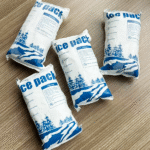
تحتاج شحنات الدم الكاملة إلى ممر مبرد خاضع للرقابة وحماية جسدية دقيقة. يجب أن تحافظ الحزمة على الحمولة داخل النطاق المقبول للمؤسسة المرخصة, حماية الحقيبة والقطاعات, إبقاء التسميات قابلة للقراءة, وتوفير السجلات التي تدعم قرارات الاستلام أو الإرجاع. إن حزمة الدم الكاملة ليست مثل طرد الطعام أو الدواء لأن الفريق المتلقي قد يحتاج إلى فحص أدلة درجة الحرارة, حالة الختم, سلامة القطاع, وحالة المنتج المرئية قبل الإصدار.
بيانات تخطيط نقل الدم الكامل
| نطاق درجة الحرارة النموذجية | التخزين شائع 1-6 ج, مع التخطيط لضوابط الشحن في كثير من الأحيان 1-10 ج عندما تسمح بذلك المنشأة المرخصة SOP. |
|---|---|
| الرطوبة والتكثيف | احتفظ بالتسميات, يلتف, أكياس ثانوية, والأوراق الجافة; يمكن أن يؤدي التكثيف إلى جعل الفحص البصري ومراجعة سلسلة الحراسة أكثر صعوبة. |
| التبريد المسبق | شرط مسبق للشاحن معزول, فواصل الحمولة, والمبرد قبل التحميل; لا تستخدم الشاحن لسحب المنتج الدافئ. |
| ضغط التغليف | دعم كيس الدم دون الضغط على الأنابيب, الموانئ, أو قطع المرفقات مقابل سائل التبريد المتجمد أو الجدران الصلبة. |
| موقف المبرد | استخدم الكمادات الباردة المكيفة ذات الطبقة العازلة. تجنب ملامسة التجميد المباشر للحقيبة, أنابيب, أو الموانئ. |
| مدة النقل | استخدم الطرق المحلية والإقليمية المعتمدة, مع مواضع المسجل في قلب الحمولة والحافة المواجهة للجدار. |
| الخسائر المشتركة | درجات الحرارة خارج النطاق, خطر تجميد الاتصال, التسميات الرطبة, تآكل الحقيبة, إجهاد الميناء, السجلات المفقودة, ورفض قرارات العودة إلى المخزون. |
| تغليف Tempk مناسب | الشاحن الطبي المعزول, حزم PCM أو هلام مكيفة, طبقة عازلة, بطانة ماصة, إدراج دعم الحقيبة, ختم العبث, وسجل المسجل. |
لماذا يحتاج الدم الكامل إلى عبوته الخاصة
يمكن أن يكون الدم الكامل عرضة للتعرض الدافئ والاتصال بالتجميد. يمكن أن تؤدي إضافة المزيد من سائل التبريد المجمد إلى خلق خطر جديد في حالة الكيس, أنبوب, أو الجزء يقع على سطح متجمد. يجب أن يتم تخزين الحمولة مؤقتًا وحفظها في تجويف ثابت حتى لا تنزلق الحقيبة, أضعاف بشكل حاد, أو اضغط ضد عبوات باردة أثناء اهتزاز الطريق, فرز البريد السريع, أو حمل اليد.
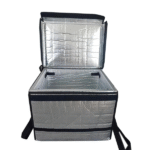
للتوزيع المعتمد, سوف يستخدم Tempk مؤهلاً الشاحن المعزول مع المبرد المكيف, حماية ماصة, إدراج دعم الحقيبة, ومسجل واحد على الأقل في منطقة المنتج. يجب أن تشتمل المسارات الأطول أو الأكثر خطورة على أداة تسجيل حافة بالقرب من النقطة المتوقعة الأكثر دفئًا أو برودة. يجب أن يغطي استلام الشيكات بيانات درجة الحرارة, حالة الختم, تآكل الحقيبة, مظهر مرئي, سهولة قراءة التسمية, ووقت الطريق.
أدوات اتخاذ القرار مفيدة
تحقق من التفاصيل قبل اختيار التغليف
يمكن أن تساعدك هذه الأدوات السريعة في مقارنة مخاطر المسار, احتياجات التحجيم, خيارات المبرد, وتفاصيل التعبئة والتغليف قبل أن تطلب عرض أسعار.
مرجع المواد العازلة
قارن بين خيارات المواد العازلة لاحتياجات التعبئة والتغليف المختلفة لسلسلة التبريد.
قارن الموادسائل التبريد & مرجع PCM
قارن خيارات سائل التبريد وPCM عندما يحتاج المسار إلى دعم إضافي لدرجة الحرارة.
قارن الخياراتبطانة الصندوق & تحجيم غطاء البليت
تحقق من منطق تحديد حجم بطانة الصندوق وغطاء منصة التحميل لمشاريع التغليف المعزولة.
تقدير الحجمنهج Tempk الموصى به
ابدأ من إجراءات التشغيل القياسية (SOP) الخاصة بالمؤسسة وملصق المكون. تحديد النطاق المسموح به, الحد الأقصى لوقت الطريق, موقع المسجل, ومعايير القبول قبل اختيار كتلة المبرد. استخدم طبقة عازلة بين المنتج وأي سائل تبريد متجمد, واستخدم الإغلاق الواضح للتلاعب عندما تكون سلسلة الحراسة مهمة. يجب أن يتضمن الاختبار النهائي عدد الأكياس الفعلي, درجة حرارة البداية, تكييف المبرد, حجم الشاحن, ملف تعريف المحيط, وعملية الاستلام.
تتضمن لائحة منتجات الدم eCFR متطلبات تخزين الدم الكامل ونطاقات الشحن, ويؤكد أيضًا على سلامة الحاوية, السجلات, والتفتيش. يجب أن تدعم عبوات Tempk سير العمل; ولا يحل محل إجراءات مؤسسة الدم المرخصة أو المسؤولية التنظيمية.