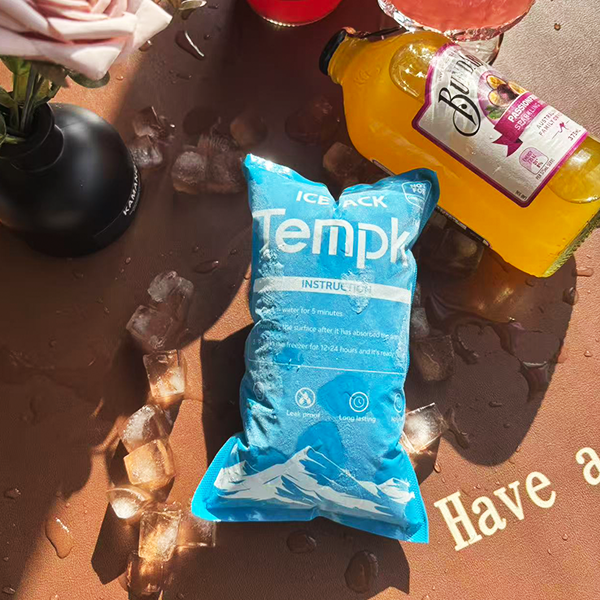
حزمة الثلج الجاف الخاضعة للرقابة بالجملة لبرنامج تغليف الزهور
جملة سليمة حزمة الثلج الجاف برنامج تغليف الزهور مبني على اتفاقيتين. الاتفاقية التجارية تغطي الكمية, أساس السعر, وحدة التعبئة والتغليف, تنبؤ بالمناخ, توصيل, والدعم. تحدد الاتفاقية الفنية المنتج الفعلي, تحضير, هوية الكثير, شهادة, السيطرة على التغيير, وحدود الاستخدام. تصل ورقة الترطيب التي تمت مناقشتها هنا جافة, يأخذ الماء, ويتم تجميده قبل التعبئة; إنه ليس ثاني أكسيد الكربون الصلب. إن الحفاظ على توافق هذه الاتفاقيات يسمح لتاجر الجملة بخدمة عملاء الزهور المتنوعين دون تقديم مكون مبرد سلبي كنظام مضمون لدرجة حرارة الزهرة.
المبدأ الأول: بيع المنتج الذي تم توفيره بالفعل
ابدأ ببيان هوية يمكن أن يتحمل الترجمة عبر الشركة المصنعة, تاجر الجملة, عميل, مستودع, والمتلقي:
هذا المنتج عبارة عن لوح تبريد ماص يتم تنشيطه بالماء ويتم توفيره جافًا ومجمدًا بعد الترطيب. إنه ليس ثاني أكسيد الكربون الصلب.
يجب أن يحدد الملف الفني بعد ذلك الحجم الجاف, تخطيط الخلية والتماس, المواد الوظيفية, التنشيط, الصرف, توجيه الفريزر, حدود التشذيب, معايير العيب, تخزين, ترميز الكثير, تعليمات نهاية الاستخدام, وتغيير الإخطار.
تجنب تسميات الفئات غير المحددة. "حزمة الثلج," "حزمة الثلج الجاف," "حزمة هلام," و "حزمة PCM" تستخدم في بعض الأحيان على نطاق واسع. يحتاج المشتري إلى معرفة ما بداخله وما هو العمل المطلوب قبل الاستخدام. تحدد الهوية تصميم المستودع, تدريب العمال, محادثات الناقل, والمطالبات البيئية.
التحكم في الصياغة عبر جميع المستندات. قد يكون الكتالوج مختصرا, ولكن لا ينبغي أن يتعارض مع التعليمات. يجب أن يستخدم عرض الأسعار رمز العنصر الخاضع للرقابة. يجب أن تحتفظ وحدة البيع بالجملة المعاد تعبئتها بالهوية والكمية. يجب ألا يشير إشعار المستلم إلى المنتج بالثلج الجاف الصلب.
هذا المبدأ الأول بسيط, ومع ذلك فهو يمنع العديد من الأخطاء النهائية.
المبدأ الثاني: تحديد مشكلة الزهور الخاصة بالعميل
تاجر الجملة يوفر مكونًا; يوفر العميل سياق التطبيق.
تختلف الزهور في تحمل البرد, حساسية تقشعر لها الأبدان, حساسية الإيثيلين, حالة المياه, نضج, والهشاشة الجسدية. تتطلب بعض نباتات الزينة الاستوائية معالجة أكثر دفئًا من العديد من الزهور المعتدلة. يمكن للباقات المختلطة أن تجمع عدة متطلبات في كرتونة واحدة.
قبل التوصية بالعينة, يجمع:
- أنواع الزهور أو المجموعات التجارية;
- طريقة الشحن الرطبة أو الجافة;
- حالة المغادرة والتبريد المسبق;
- فشل الجودة الحالية;
- كرتون, العزل, بطانة, ويدعم;
- كثافة الباقة واتجاهها;
- طريق, تسليم, والتعرض الموسمي;
- تأخير التسليم المسموح به;
- فحص الوصول;
- قدرة العملاء على الترطيب والتجميد.
اسأل ما الذي يحاول العميل إصلاحه. وصول دافئ, ذبول, التكثيف, تلون البتلة, ينبع عازمة, تليين الكرتون, وتأخير التسليم لها آليات مختلفة. إن إضافة الكتلة المجمدة لا يحلها جميعًا. أضرار الإيثيلين, على سبيل المثال, يتطلب ضوابط المصدر والفصل.
إذا لم يتمكن العميل من تحديد متطلبات الزهرة, إشراك فريق ما بعد الحصاد أو الجودة قبل تحديد الحزمة.
المبدأ الثالث: بناء كتالوج مع الحدود
يجب أن يجعل كتالوج الجملة عملية الاختيار أسهل دون الإشارة إلى اكتمال التحديد.
قم بتنظيم المنتجات من خلال التنسيق المتحكم فيه بدلاً من الوعود الواسعة. وصف تخطيط الخلية, الأبعاد الجافة, التنشيط, وخصائص التنسيب العملي. ثم تقديم أسئلة التطبيق: الكرتون المقصود, العزل, حساسية الزهرة, والطريق.
استخدم حدودًا واضحة:
- يجب ترطيب الورقة وتجميدها وفقًا للتعليمات.
- لا ينبغي افتراض أن الاتصال المباشر بالزهور آمن.
- العزل والاحتفاظ جزء من الحزمة.
- تنطبق الاختبارات المذكورة فقط على شروطها الموثقة.
- يجب على العملاء التحقق من التكوين باستخدام الزهور التمثيلية.
- النقل المحلي, صحة النبات, مادة, ويجب تأكيد متطلبات النفايات.
تجنب إدراج نطاق درجة حرارة أو مدة غير مدعومة. إذا كان المصدر يوفر اختبارا كاملا, تلخيص حدودها بدقة وإتاحة الشروط الأساسية للمشترين المؤهلين.
سجل المنتج مقابل سجل التطبيق
الاحتفاظ بسجلين مرتبطين. يتبع سجل المنتج الورقة عبر جميع العملاء. ينتمي سجل التطبيق إلى الحزمة والمسار المحددين للعميل.
| سجل المنتج الخاضع للرقابة | سجل طلبات العملاء |
|---|---|
| هوية العنصر ومراجعته | أنواع الزهور وحساسيتها |
| الأبعاد الجافة وتخطيط الخلية | كرتون, العزل, وهندسة الحمولة |
| تعليمات الترطيب والتجميد | إعداد العملاء وإطلاق الفريزر |
| قواعد التشذيب والعيب | عدد الأوراق, موضع, والاحتفاظ |
| الكثير من الشركات المصنعة والجملة | طريق, التعرض المحيطي, وعمليات التسليم |
| الإقرارات المادية | معايير درجة الحرارة وجودة الزهرة |
| تغيير حالة الإخطار | محاكمة, الانحرافات, وحالة الموافقة |
| تعليمات نهاية الاستخدام | الاستلام, يعود, أو عملية التخلص |
يمنع الفصل المسار الناجح لعميل واحد من أن يصبح مطالبة على مستوى المنتج. كما يتيح أيضًا تقييم تغييرات المنتج مقابل كل تطبيق متأثر.
المبدأ الرابع: قائمة مختصرة للموردين من خلال الأدلة
ابدأ بطلب يصف هوية المنتج واحتياجات خدمة البيع بالجملة. اطلب من كل مصدر الحصول على عينات خاضعة للرقابة والتعليمات الحالية. تأكد مما إذا كانت العينات تمثل بناء الإنتاج المقترح.
قم بمراجعة المواصفات للحصول على الوضوح الوظيفي. هل يمكن للمورد أن يشرح كيفية دخول الماء, كيف يتم الاحتفاظ بالخلايا, كيف يمكن تقسيم الورقة, وكيف يبدو الضرر? هل ضوابط الكمية والتعبئة مرئية? هل سيقوم المورد بإخطار التغييرات الوظيفية؟?
مطالبات أداء التدقيق. لكل مدة أو بيان درجة الحرارة, اسأل عن الحزمة الكاملة, حمولة, العزل, إعداد الورقة, كمية, الموضع, ملف تعريف المحيط, مواقف الاستشعار, ومعايير القبول. قد تساعد الأدلة الخاصة بالعينات الغذائية أو الطبية في فهم المكون ولكنها لا تحدد تلقائيًا مدى ملاءمة الزهرة.
مراجعة الإنتاج والاستجابة للمشكلة. اسأل كيف الأبعاد, طبقات, تلوث, التغليف, ويتم التحكم في ترميز الكمية. تحديد السجلات أو العينات المتاحة للشكاوى. الإجابات القوية تعترف بالظروف وعدم اليقين.
أخيراً, مقارنة استمرارية الأعمال. اسأل كيف يتم توصيل التوقعات, كيف يتم التعامل مع الطلب العاجل, وما إذا كان من الممكن حدوث بدائل. لا ينبغي أن تصل أي مواد بديلة إلى العملاء دون مراجعة فنية.
المبدأ الخامس: الموافقة على المسار من العينة إلى الكتالوج
يجب أن تستخدم الموافقة بالجملة القرارات المرحلية.
التحقق من الهوية. تأكد من أن العينة تطابق تعريف ورقة الترطيب والوثائق.
فحص التحضير. اجعل المشغلين العاديين يرطبون, بالُوعَة, تجميد, متفرق, وفحص عدة أوراق. تحديد ضوابط العملية المحلية وحدود المعدات.
شاشة الحزمة. استخدم الزهور التمثيلية, العزل, الحواجز, والكرتون. فحص توزيع درجة الحرارة, البرد المباشر, التكثيف, حركة, ونوعية الزهور.
الطيار العميل. اسمح للمستخدم المقصود بتنفيذ العملية في ظل عبء عمل وظروف مسار واقعية. سجل الانحرافات.
مقارنة الإنتاج. قم بمراجعة عينات الإنتاج المرتبطة بالدفعة مقابل المواصفات المعتمدة وسلوك التحضير.
إصدار الكتالوج. نشر المطالبات المدعومة على مستوى المنتج فقط. احتفظ بالنتائج الخاصة بالعميل في سجلات التطبيق.
لا تضع منتجًا في كتالوج البيع بالجملة لمجرد أن عينة واحدة أصبحت باردة. يجب أن يتبع التوافر التجاري هوية تقنية خاضعة للرقابة.
المبدأ السادس: تحضير عملية البيع بالجملة
يمكن لمستودع تاجر الجملة الحفاظ على السيطرة أو كسرها.
أدوات اتخاذ القرار مفيدة
تحقق من التفاصيل قبل اختيار التغليف
يمكن أن تساعدك هذه الأدوات السريعة في مقارنة مخاطر المسار, احتياجات التحجيم, خيارات المبرد, وتفاصيل التعبئة والتغليف قبل أن تطلب عرض أسعار.
مقاومة سقوط المواد العازلة
مراجعة مقاومة السقوط وعوامل المناولة قبل اختيار المواد العازلة.
تحقق من المقاومةبطانة الصندوق & تحجيم غطاء البليت
تحقق من منطق تحديد حجم بطانة الصندوق وغطاء منصة التحميل لمشاريع التغليف المعزولة.
تقدير الحجممدقق مخاطر الطريق
قم بمراجعة ظروف المسار قبل اختيار التغليف لمتطلبات التشغيل الحقيقية.
تحقق من مخاطر الطريقحماية الأوراق الجافة من الرطوبة, الأوساخ, ضغط, ثقب, وإعادة التعبئة غير المعتمدة. استخدم تمييزًا واضحًا بين العناصر. الحفاظ على حالة الشركة المصنعة وحالة البيع بالجملة عند تقسيم الكراتين الخارجية. استمر في إطلاق سراحك, محتجز, عاد, تالف, والمخزون المتقادم منفصل.
اتبع تعليمات تخزين المورد وضوابط المواعدة. لا تخترع الحياة على أساس المظهر. تدوير المخزون وفقا لذلك. عندما يقوم العملاء بإرجاع المنتج غير مفتوح, تقييم تاريخ التخزين قبل إعادته إلى المخزون القابل للبيع.
إصدار التعليمات الحالية مع كل وحدة ذات صلة. إذا كانت التعليمات المطبوعة غير عملية, التأكد من أن العملاء لديهم نسخة خاضعة للرقابة ويمكنهم تحديد مراجعتها. مبيعات القطارات, خدمة العملاء, وموظفي المستودعات على نفس هوية المنتج ونقاط التصعيد.
توقعات من خلال قناة العملاء, ليس فقط مجموع الوحدات. يجوز لعميل الطرود وعميل مزارع الكرتون استخدام نفس الورقة بأسعار مختلفة. التحولات الموسمية يمكن أن تغير هذا المزيج. حافظ على رؤية كافية لتجنب الاستبدالات غير المنضبطة والتقادم غير الضروري.
المبدأ السابع: سعر خدمة الجملة بأكملها
تطبيع عروض أسعار الموردين قبل مقارنتها. تأكيد بناء الورقة, أبعاد, عدد الخلايا, وحدة التعبئة والتغليف, تسميات, وثائق كثيرة, عينات, الدعم الفني, أساس التسليم, ونطاق التخصيص.
علاج الحد الأدنى لكمية الطلب, مستويات الأسعار, مهلة, الأدوات, وضع العلامات الخاصة, وشروط الدفع كمتغيرات للتأكيد. ولا ينبغي تقديمها كحقائق صناعية ثابتة.
نموذج تكلفة التشغيل لتاجر الجملة:
- التعامل مع الوارد والتفتيش;
- التخزين وإعادة التعبئة;
- وضع العلامات على الكثير والتحكم في المستندات;
- التدريب على المبيعات والتأهيل الفني;
- عينات العملاء;
- التحقيق في الشكوى;
- تالف, عاد, أو المخزون القديم;
- تقييم مصدر النسخ الاحتياطي;
- دعم نهاية الاستخدام.
ضع في اعتبارك أيضًا تكلفة استخدام العميل: عمل الترطيب, التعامل مع المياه, حمولة الفريزر, فواصل, العزل, يرفض, وقت الحزمة, ضرر الزهرة, وتسليم الاستبدال. قد يكون من الصعب الاحتفاظ بالعرض التجاري الذي يتجاهل هذه التكاليف حتى لو كان سعر الورقة منخفضًا.
لا تعد بالتوفير دون مقارنة محددة وبيانات العملاء. تساعد محادثة المبيعات المفيدة المشتري على تحديد التكاليف التي يجب قياسها.
المبدأ الثامن: السيطرة على المطالبات والاستدامة
يجب أن تنتمي كل مطالبة إلى أحد المستويات الأربعة:
1. حقيقة المكون: الموردة جافة, تخطيط الخلية, أبعاد, طريقة التنشيط.
2. أدلة المورد: اختبار يتم إجراؤه في ظل الظروف المذكورة.
3. أدلة تطبيق العميل: حزمة تم تقييمها بزهور وطريق محددين.
4. مقارنة النظام: نتيجة تجارية أو بيئية عبر الحدود المعلنة.
لا ترفع دعوى إلى الأعلى بدون دليل. قد تؤدي الألواح الجافة المتوفرة إلى تقليل كتلة المياه الواردة مقارنة بالبديل المعبأ مسبقًا, ولكن هذا لا يثبت انخفاض التأثير الإجمالي. يتضمن النظام ماء التنشيط, طاقة الفريزر, العزل, فقدان الزهرة, يعود, تنظيف, والتخلص منها.
تتطلب مطالبات إعادة الاستخدام عملية مغلقة: مجموعة, الحجر الصحي, تنظيف, تقتيش, احتباس الماء, التتبع, إعادة التجميد, والرفض. قد لا تدعم طرق المستهلك المفتوحة هذا. تحتاج مطالبات قابلية إعادة التدوير والتحلل الحيوي إلى نطاق مادي وظروف محلية واقعية.
قد تكون خدمة الاستدامة الأكثر دفاعًا هي مساعدة العملاء على تحديد حجم العبوات حسب المسار ومنع فقدان الزهور. وكلاهما يحتاج إلى أدلة تمثيلية.
المبدأ التاسع: تحويل الشكاوى إلى التعلم الخاضع للرقابة
يجب أن تتصل الشكوى بالشركة المصنعة, تاجر الجملة, عملية العملاء, طريق, ونتائج الزهرة.
جمع الكثير من المنتجات والجملة, نسخة التعليمات, تخزين, الترطيب, ترتيب الفريزر, عبوة, زهور, أحداث الطريق, مواقع الاستشعار, صور فوتوغرافية, وتلقي الملاحظات حسب الاقتضاء. لا تطلب الأوراق غير ذات الصلة; جمع المعلومات التي تختبر الأسباب المحتملة.
تصنيف الأعراض. يختلف عيب الورقة الجافة عن الترطيب غير الكامل. يمكن أن تنتج الزهور الدافئة من حالة المغادرة, العزل, التدريج, تأخير الطريق, أو عدم كفاية الكتلة المجمدة. تشير العلامات الباردة إلى الاتصال المباشر أو الحركة. تشير الكراتين المبللة إلى مسار الرطوبة. يمكن أن يحدث الذبول على الرغم من درجة الحرارة المقبولة. قد يتطلب انخفاض البتلة مراجعة الإيثيلين.
مشكلات الاتجاه عبر العملاء مع احترام اختلافات التطبيق. إذا أبلغ العديد من العملاء عن نفس فشل التماس في دفعة واحدة, التحقيق في المكون. إذا كانت عبوة واحدة فقط تظهر الإصابة بالبرد, فحص هندستها. قم بإدخال النتائج المؤكدة في الإجراء التصحيحي للمورد, تعليمات, حدود الكتالوج, وتدريب العملاء.
إغلاق الضوابط المؤقتة. الحجر الصحي, بديل, أو الفحص الإضافي الذي تم تقديمه أثناء الإصدار يجب أن يكون له مالك وشرط نهائي.
تدرب على الإطلاق التجاري
قبل الافراج, حدد طلبًا تمثيليًا وتدرب على تدفق الجملة الكامل. تقوم المبيعات بإعداد عرض الأسعار باستخدام وصف العنصر الخاضع للرقابة. يصدر الدعم الفني عينة يمكن تتبعها والتعليمات الحالية. يتلقى المستودع حصة إنتاج مقلدة, يقسم كرتون خارجي, يحافظ على الهوية, ويختار وحدة العملاء. تتلقى خدمة العملاء سؤالاً وهميًا حول الترطيب وطلبًا غير مدعوم لمدة تبريد عالمية.
يجب أن تكشف البروفة الثغرات دون الاعتماد على شكوى حقيقية. تحقق مما إذا كان الاقتباس والتسمية يستخدمان نفس الاسم, ما إذا كان يمكن للموظفين العثور على المواصفات الحالية, ما إذا كان يتم فصل المخزون المحتفظ به, وما إذا كانت اتصالات التصعيد واضحة. قم بتضمين سيناريو يقوم فيه العميل بتغيير الزهور أو الكرتون بعد الموافقة على العينة. يجب أن يدرك الموظفون أن سجل الطلب يحتاج إلى مراجعة بدلاً من التعامل مع النتيجة الأصلية على أنها قابلة للتحويل.
سجل الإجراءات وكرر التمرين بعد الوثيقة المهمة, مزود, أو تغييرات المستودعات. وهذا يحافظ على السرعة التجارية من تجاوز المراقبة الفنية.
إنشاء حوكمة البرنامج
تعيين أصحاب لمواصفات المنتج, موافقة المورد, وضع العلامات بالجملة, سجلات التطبيق, المطالبات, الشكاوى, وتغيير الاتصالات. يجتمعون بتكرار يتناسب مع النشاط والمخاطرة لمراجعة التغييرات المفتوحة, انحرافات العملاء, مخزون عفا عليه الزمن, وأنماط الشكوى. يجب أن تحدد القرارات الكثير والعملاء المتأثرين. ولا ينبغي للحكم أن يكون ثقيلا, ولكن يجب أن يمنع التغيير المادي أو مطالبة المبيعات من التحرك عبر القناة دون المراجعة الصحيحة.
الأسئلة المتداولة
ما ينتمي إلى الاتفاقية الفنية مع مصدر بالجملة?
تضمين هوية المنتج, المواصفات الخاضعة للرقابة, تعليمات التحضير, ترميز الكثير, التغليف, معايير العيب, العينة المعتمدة, الأدلة المتاحة, التصريحات المادية, تغيير الإخطار, استجابة الشكوى, وإرشادات نهاية الاستخدام. احتفظ بالموافقة على حزمة العميل بشكل منفصل.
هل يمكن لتاجر الجملة توفير كمية ورقة البداية?
يمكن أن يقترح تكوين الفحص بعد تعلم الزهور, حمولة, كرتون, العزل, طريق, وعملية العملاء. يجب تأكيد الكمية النهائية والموضع في العبوة الكاملة. تجنب الكميات العالمية بحجم الكرتون وحده.
كيف يمكن لمنتج واحد أن يخدم العديد من قنوات العملاء بأمان?
حافظ على مواصفات المكون ثابتة مع الحفاظ على سجلات التطبيق وقواعد الحزمة المميزة. استخدم تقسيمًا واضحًا للعملاء, تخطيطات وحدات تسيطر عليها, والتأكيد الخاص بالمسار. لا تنقل الأدلة تلقائيًا بين القنوات.
متى يجب وضع مخزون الجملة في الانتظار؟?
الاحتفاظ بالمخزون عند الهوية, كثير, حالة التعبئة والتغليف, معادلة المواصفات, التغيير المادي, تلوث, ضرر, أو أن أدلة الشكوى تخلق مخاطر لم يتم حلها. يجب أن تحدد عملية الجودة سلطة الإصدار والوثائق.
ما هو البيان البيئي الذي يمكن الدفاع عنه?
اذكر سمة محددة مع النطاق, مثل الورقة التي يتم توفيرها جافة قبل التنشيط. تتطلب المقارنات الأوسع حدودًا محددة تتضمن المواد, ينقل, التنشيط, التجميد, عبوة, فقدان الزهرة, يعود, تنظيف, والتخلص منها.
خاتمة
يحافظ برنامج البيع بالجملة الخاضع للرقابة على النطاق التجاري والأدلة الفنية في نفس المحادثة. تحديد الورقة المنشطه بالماء بدقة, تحديد أسئلة الزهرة والطريق, سجلات المنتج منفصلة عن تطبيقات العملاء, قائمة مختصرة للموردين من خلال الأدلة, إطلاق العينات على مراحل, الحفاظ على السيطرة على الكثير, سعر الخدمة بصراحة, والحفاظ على المطالبات ضمن النطاق. يمنح هذا الهيكل لعملاء الزهور المتنوعة مرونة دون محو الحدود التي تحمي جودة الوصول.
حول Tempk
في برامج الزهور بالجملة, يقتصر دور Tempk على المناقشة تغليف السلسلة الباردة وألواح التبريد المنشَّطة بالماء لتلبية احتياجات العبوات المذكورة. يمكن لهذه المناقشة توضيح تنسيق المكون, تحضير, احتياجات سجل المنتج, حدود العينة, والأسئلة التي يجب على العملاء الإجابة عليها. نبقي التوصيات مرتبطة بالزهور المذكورة, العزل, عملية التشغيل, والتوجيه لأن هذه الشروط تحدد مدى ملاءمة الحزمة. تظل فرق الجودة والخدمات اللوجستية التابعة للعميل مسؤولة عن القبول النهائي.
أرسل Tempk شرائح العملاء الخاصة بك, متطلبات الكتالوج, ومسار التقييم المقترح لبدء مراجعة الجملة الخاضعة للرقابة.