ما يجب التحقق منه قبل شراء حزمة الثلج الجاف بالجملة لتغليف المأكولات البحرية
إذا كنت تقيم بالجملة حزمة الثلج الجاف لتغليف المأكولات البحرية, البصيرة الأكثر أهمية بسيطة: قم بشراء نظام الشحن لحالة المنتج الذي يجب عليك حمايته, ليس لاسم الحزمة. يمكن أن تشير عبارة "حزمة الثلج الجاف" إلى عدة تنسيقات مختلفة جدًا لسائل التبريد, وفي تغليف المأكولات البحرية، هذه الاختلافات مهمة. تحتاج بعض الشحنات حقًا إلى حماية شديدة البرودة. ويحتاج العديد من الأشخاص الآخرين إلى تبريد متحكم فيه, إدارة الرطوبة, الحماية الهيكلية, أو تصميم عبوة أنظف أكثر مما يحتاجون إلى أقصى قدر من شدة البرودة.
يمكن أن تكون عبوات الثلج الجاف بالجملة لتغليف المأكولات البحرية هي الخيار الصحيح في بعض الممرات, ولكن فقط إذا تم تحديد نوع المأكولات البحرية أولاً. الأسماك الطازجة, المأكولات البحرية المجمدة, والمأكولات البحرية الحية لا تنتمي إلى إجابة واحدة للتغليف. المأكولات البحرية المجمدة قد تبرر الحماية من البرد الشديد. المأكولات البحرية الطازجة عادة ما تحتاج إلى نظافة, البيئة المبردة القريبة من الجليد. المأكولات البحرية الحية هي مسار مختلف تمامًا.
ما يعنيه المشترون عادة بهذا النوع من الطلب
يستخدم مشترو المأكولات البحرية أحيانًا عبوات الثلج الجاف للإشارة إلى أي مادة باردة, لكن هذا الاختصار محفوف بالمخاطر. الثلج الجاف الحقيقي هو مبرد محدد شديد البرودة. توفر العبوات الأخرى تبريدًا أكثر اعتدالًا وقد تكون أكثر ملاءمة للتطبيقات الطازجة أو المبردة. يجب على دولة المأكولات البحرية أن تقود القرار.
عادة ما يشير البحث بالجملة إلى الحجم: اقتصاد الوحدة, القدرة الموسمية, اتساق الإنتاج, والتعبئة والتغليف التي تعمل بنفس الطريقة عبر كميات الطلب العالية.
عندما تكون حزمة الثلج الجاف مناسبة ومتى لا تكون كذلك
تتناسب حزمة نمط الثلج الجاف مع حالة المنتج والمسار الذي يبرره بالفعل. وهذا يعني عادةً هدفًا متجمدًا أو مسارًا شديد الخطورة على نحو غير عادي تم التفكير فيه على أنه نظام معزول بالكامل. وهذا لا يعني أن البرد الأعمق أكثر أمانًا تلقائيًا. في عبوات المأكولات البحرية, يمكن أن يتسبب المصدر البارد الخاطئ في تلف التجميد, التكثيف, فقدان الجودة, أو تعقيد التعامل غير الضروري. يجب تقييم الحزمة كجزء من التصميم الإجمالي: درجة حرارة بدء المنتج, العزل, التباعد الداخلي, مدة, التقلبات المحيطة, وشروط الاستلام.
غالبًا ما يكون الثلج الجاف الحقيقي مناسبًا للمأكولات البحرية المجمدة وبعض الطرق الباردة الصعبة. إنها ليست إجابة عالمية للمأكولات البحرية الطازجة, وهي غير مناسبة بشكل عام للمأكولات البحرية الحية. لذلك يجب على مشتري الجملة تقسيم القرار إلى ثلاثة مسارات على الأقل: طازج, المجمدة, ويعيش.
ثلج جاف حقيقي: مناسب تمامًا لطرق المأكولات البحرية المجمدة. القيد الرئيسي: ليست إجابة افتراضية للمأكولات البحرية الطازجة أو الحية.
سائل تبريد معتدل: مفيد للمأكولات البحرية الطازجة في الأنظمة المعزولة. القيد الرئيسي: قد لا تكون كافية للأهداف المجمدة.
الشاحن المعزول المُدار ضد التسرب: يحسن النظافة وأداء الطريق. القيد الرئيسي: يحتاج إلى المبرد المناسب والتعبئة الداخلية.
برنامج المأكولات البحرية الخاص بالدولة: يناسب بشكل أفضل محافظ المأكولات البحرية المختلطة. القيد الرئيسي: يتطلب المزيد من التصميم التشغيلي مقدمًا.
بناء الحزمة حول المنتج, وليس اسم الحزمة
تتعلق تعبئة المأكولات البحرية بحالة الوصول بقدر ما تتعلق بالعبور. قد تحتاج المأكولات البحرية الطازجة إلى الوصول باردة, ينظف, وجاهزة للتبريد أو المعالجة. قد تحتاج المأكولات البحرية المجمدة إلى أن تظل مجمدة بعمق. تحتاج العديد من برامج المأكولات البحرية أيضًا إلى تحكم قوي في التسرب, التحكم في الرائحة, بطانات, وحماية ماصة.
جودة المأكولات البحرية حساسة للغاية للوقت ودرجة الحرارة, لكن الهدف ذو الصلة يعتمد على حالة المنتج. يجب أن تحافظ الحزمة على هذه الحالة دون إحداث ذوبان غير مرغوب فيه, إعادة التجميد, حرق التجميد, أو فشل الصندوق الرطب. في الممارسة العملية, غالبًا ما تكون إدارة السوائل والختم الداخلي بنفس أهمية اختيار مادة التبريد.
إن تغليف المأكولات البحرية يقترب من توقعات التعامل مع سلامة الأغذية. يجب على المشترين التفكير في قابلية التنظيف, منع التسرب, احتواء الرائحة, وما إذا كان النظام يدعم خطة التعامل مع المنتج. إذا تم استخدام الثلج الجاف الحقيقي, وثائق النقل, وضع العلامات, ويصبح التنفيس أكثر أهمية.
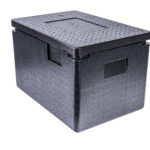
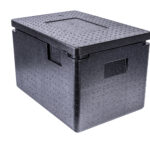
المبرد ليس سوى جزء من الجواب. نظام الحزمة مهم بنفس القدر: نوع العزل, حجم المربع, الفضاء الميت الداخلي, وضع الحزمة, الفواصل, المقسمات, طبقات ماصة, ودرجة حرارة البداية للحمولة كلها تشكل النتيجة. يمكن لاثنين من الموردين تقديم أوزان عبوات مجمدة مماثلة مع الاستمرار في إنتاج نتائج حمولة مختلفة تمامًا لأن أحد النظامين يدير تدفق الحرارة والبقع الباردة المحلية بشكل أفضل من الآخر. للمشترين B2B, ولهذا السبب تكون المحادثة على مستوى النظام عادةً أكثر فائدة من المحادثة الخاصة بالمكونات فقط.
إطار عملي للشراء
يبدأ إطار الشراء العملي بخمسة أسئلة. ما هي درجة الحرارة التي يجب أن يصل إليها المنتج عند التسليم? ما هي مدة التعرض الواقعي من الباب إلى الباب? ما هي البيئة الأكثر سخونة وبرودة التي قد يراها المسار؟? ما مقدار تنوع التعبئة الذي يمكن أن تتحمله عمليتك? وكيف سيبدو الفشل في الواقع؟: ذوبان الجليد, التجميد, تسرب, فقدان المظهر, أو ببساطة تكلفة التغليف الزائدة? عندما يتم الرد على هذه الأسئلة أولا, يصبح الحكم على توصيات الموردين أسهل بكثير.
اطلب البيانات التي تعكس كيفية سير عمليتك فعليًا. بيان وقت الانتظار لا يعني الكثير إلا إذا كنت تعرف كتلة الحمولة, التحدي المحيط, تعريف التمرير والفشل, وطريقة التكييف وراء ذلك. الأسئلة الأكثر فائدة هي كيف تتصرف الحمولة بالقرب من الوجوه الباردة, ماذا يحدث بعد تأخير الطريق, وما إذا كانت العبوة تظل ضمن النطاق المقصود بعد الصدمات المحيطة المتكررة. في الممارسة العملية, غالبًا ما يخبرك انضباط المورد في شرح الافتراضات بما هو أكثر من مجرد ادعاء الأداء الرئيسي.
نجاح المشتريات في تغليف السلسلة الباردة غالبًا ما يعتمد على الاتساق وليس على عينة واحدة مثيرة للإعجاب. لا يزال من الممكن أن يفشل الطيار ذو الأداء الجيد على نطاق واسع في حالة إنتاج الفيلم, ملء هلام, صياغة PCM, أبعاد الكرتون, أو تنجرف خطوات التكييف مع مرور الوقت. ولهذا السبب يجب أن يشمل تقييم الموردين الاتساق بين العينة والإنتاج, السيطرة على التغيير, التطبيق العملي لخط التعبئة, ومعالجة التخزين بالإضافة إلى الأداء الحراري النقي.
يجب على مشتري المأكولات البحرية بالجملة أن يطلبوا من الموردين تصنيف التوصيات حسب الطازجة, المجمدة, أو منتج حي وشرح كيفية إدارة العبوة للتسرب, الامتصاص, بطانات, وحالة الوصول. يقوم الشريك الأقوى بتضييق نطاق التوصية بدلاً من التعميم على جميع المأكولات البحرية.
هل التوصية مخصصة للمأكولات البحرية الطازجة؟, المأكولات البحرية المجمدة, المأكولات البحرية المبردة ذات القيمة المضافة, أو المأكولات البحرية الحية?
هل تقدمون تنسيقات المبردات شديدة البرودة والمعتدلة لحالات المأكولات البحرية المختلفة?
كيف تدير الحزمة التسرب, الامتصاص, بطانات, والتعامل مع الطريق الرطب?
ما العزل والتخطيط الداخلي الذي يمنع الصدمة الباردة المباشرة أو الذوبان غير المرغوب فيه أثناء النقل?
أدوات اتخاذ القرار مفيدة
تحقق من التفاصيل قبل اختيار التغليف
يمكن أن تساعدك هذه الأدوات السريعة في مقارنة مخاطر المسار, احتياجات التحجيم, خيارات المبرد, وتفاصيل التعبئة والتغليف قبل أن تطلب عرض أسعار.
أداة اختيار العبوة
قارن بين خيارات التغليف المعزولة حسب المنتج, طريق, ودرجة الحرارة اللازمة.
البحث عن التعبئة والتغليفمنشئ قائمة التحقق من الامتثال
قم ببناء قائمة مرجعية عملية لمراجعة التغليف, شحن, والتوثيق.
بناء قائمة مرجعيةمرجع المواد العازلة
قارن بين خيارات المواد العازلة لاحتياجات التعبئة والتغليف المختلفة لسلسلة التبريد.
قارن الموادهل يمكن تكييف العبوة مع الشرائح, منتجات القشرة, كتل مجمدة, أو تشكيلة من المأكولات البحرية المختلطة?
ما الافتراضات المحيطة, فترات العبور, وتعريفات وقت الانتظار تدعم التوصية?
كيف يمكنك إدارة الكثير من الاتساق, السيطرة على التغيير, مو, والتجديد الموسمي بحجم الجملة?
ما هي أفضل طريقة لفصل الطازجة, المجمدة, وتغليف المأكولات البحرية الحية ضمن برنامج مورد واحد?
ما الذي يدفع التكلفة الحقيقية
غالبًا ما لا يكون برنامج التغليف الأكثر تكلفة هو البرنامج الذي يتمتع بأعلى سعر للوحدة. إنه الذي يبدو غير مكلف حتى تحسب التلف, إعادة الشحنات, معالجة الشكوى, مساحة إضافية للفريزر, الوزن الأبعاد, والوقت الضائع في العبوات المحرجة. في شراء سلسلة التبريد, غالبًا ما يفوز النظام الصحيح من خلال تقليل الاحتكاك التشغيلي بقدر ما يكون من خلال حماية الحمولة.
تصبح الاستدامة أيضًا أكثر وضوحًا عندما تتم مطابقة العبوة بشكل صحيح مع المنتج. المواصفات الزائدة تزيد الوزن, يضيع, واستخدام الطاقة. يؤدي نقص المواصفات إلى زيادة التلف وتكرار الشحنات. عادةً ما يكون المسار الأفضل هو ضبط حجم الشاحن بشكل صحيح, اختر مادة تبريد تتوافق مع الحالة المستهدفة, واجعل طريقة التعبئة بسيطة بما يكفي لتكرارها بدقة على نطاق واسع.
تتم إعادة تشكيل عبوات المأكولات البحرية عن طريق الشحن المباشر, تسليم مبرد ممتاز, وتدقيق أقوى للتسرب, تلف, ونفايات التعبئة والتغليف. يرغب المشترون بشكل متزايد في الحصول على أنظمة معزولة ذات حجم مناسب تحمي حالة المنتج دون إضافة مواد يمكن تجنبها أو تعقيد تشغيلي.
قبل طرح برنامج البيع بالجملة الكامل, تشغيل مسار تجريبي يستخدم مكونات الإنتاج النهائية, ليست عينة مصنوعة يدويا. احزم الحمولة الحقيقية, قم بحالة المبرد بنفس الطريقة التي سيقوم بها المستودع, واختبار الشحنة في ظل ظروف الطريق الأكثر واقعية التي يمكنك محاكاتها. ثم قم بمراجعة ليس فقط درجة حرارة الحمولة, ولكن أيضًا سرعة التعبئة, بصمة التخزين, حالة الاستلام, ووضوح تعليمات العمل. يخبرك هذا الإصدار التجريبي عادةً عن نجاح الإطلاق أكثر من أي ادعاء في الكتيب.
نقاط الفشل الشائعة
باستخدام إجابة واحدة للتغليف البارد العميق للطازجة, المجمدة, والمأكولات البحرية الحية.
تجاهل إدارة التسرب واحتواء الرائحة.
بافتراض أن البرودة هي الأفضل دائمًا للمأكولات البحرية الطازجة.
تخطي التفكير الخاص بالمسار بالنسبة للمنتجات التي قد تذوب أو تسخن بشكل مختلف أثناء نقل الطرود.
التعامل مع الكمادات الباردة باعتبارها الحل الكامل بدلاً من كونها جزءًا من نظام تعبئة المأكولات البحرية الكامل.
لا ينبغي للمشترين تخطي التفاصيل التشغيلية
إن الانضباط التشغيلي مهم لأن أفضل تصميم حراري قد يفشل إذا لم يتمكن المستودع من تكراره. في عبوات المأكولات البحرية, يجب على المشترين أن يسألوا عن كيفية تخزين المبرد, كم من الوقت يستغرق للحالة, ما هي نافذة التجميع المقبولة بمجرد خروج العبوة من التخزين المجمد, وما إذا كانت تعليمات العمل واقعية بالنسبة للأشخاص الذين يقومون بالفعل ببناء الشحنة. عادة ما يشير البحث بالجملة إلى الحجم: اقتصاد الوحدة, القدرة الموسمية, اتساق الإنتاج, والتعبئة والتغليف التي تعمل بنفس الطريقة عبر كميات الطلب العالية. غالبًا ما يصبح اختيار التغليف الذي يبدو فعالاً على الورق ولكنه غير ملائم على خط التعبئة برنامجًا مكلفًا في الممارسة العملية.
إن استلام الشيكات يستحق الاهتمام أيضًا. لا يتوقف المنتج عن التعرض للخطر عندما يغادر الصندوق المستودع. فكر فيما يجب أن يراه المتلقي, يلمس, وتسجيل عند الوصول. هل يجب عليهم التحقق من سلامة الحزمة, ابحث عن علامات التسرب أو التكثيف, تحقق مما إذا كان المصدر البارد لا يزال موجودًا, أو قم بالتصعيد إذا كان المنتج قاسيًا أو دافئًا بشكل غير متوقع? في عبوات المأكولات البحرية, يمكن لقاعدة الاستلام الواضحة أن تقلل من فقدان المنتج الذي يمكن الوقاية منه لأنها تحول الملاحظات الغامضة إلى استجابة محددة.
تعد مساحة التخزين ووقت التدريج جزءًا من قرار الشراء أيضًا. بعض عبوات باردة بحاجة إلى مساحة أكبر للفريزر, تكييف أطول, أو مراقبة أكثر صرامة لمن يدخل أولاً يخرج أولاً من الآخرين. إذا تم شحن البرنامج بكميات كبيرة, يمكن أن يكون هذا العبء التشغيلي مهمًا بقدر أهمية المنحنى الحراري. غالبًا ما يكون الحل الأفضل هو الحل الذي يمكن لفريقك تنفيذه بشكل نظيف كل يوم, ليس فقط الشخص الذي يبدو الأقوى في اختبار واحد.
الأسئلة الشائعة القصيرة
هل يجب تعبئة المأكولات البحرية الطازجة بنفس طريقة تعبئة المأكولات البحرية المجمدة؟?
لا. عادةً ما تحتاج المأكولات البحرية الطازجة والمأكولات البحرية المجمدة إلى درجات حرارة مستهدفة مختلفة ومنطق تغليف مختلف.
هل يمكنني استخدام الثلج الجاف لجميع منتجات المأكولات البحرية؟?
لا. قد تناسب المنتجات المجمدة, ولكنها ليست إجابة عالمية وغير مناسبة بشكل عام للمأكولات البحرية الحية.
ما يهم إلى جانب درجة الحرارة?
التحكم في التسرب, الامتصاص, إدارة الرائحة, الختم الداخلي, ومدة الطريق كلها أهمية.
لماذا نطلب توصيات خاصة بحالة المنتج?
لأن جودة المأكولات البحرية ومتطلبات التعامل معها تتغير بشكل كبير بين الطازجة, المجمدة, والمنتجات الحية.
الوجبات الجاهزة النهائية
الطريقة الأكثر أمانًا لشراء كيس ثلج جاف بالجملة لتغليف المأكولات البحرية هي البدء بمتطلبات المنتج والطريق, ليس مع اسم الحزمة. بمجرد معرفة حالة الهدف, مدة العبور, المخاطر المحيطة, وقيود التعبئة والتغليف, يصبح اختيار مصدر التبريد المناسب أسهل وأسهل في التوسع. عادةً ما يحصل المشترون الذين يتعاملون مع العبوة كجزء من نظام الشحن الكامل على حماية أفضل, انخفاض النفايات, ومفاجآت أقل بعد الإطلاق.
حول Tempk
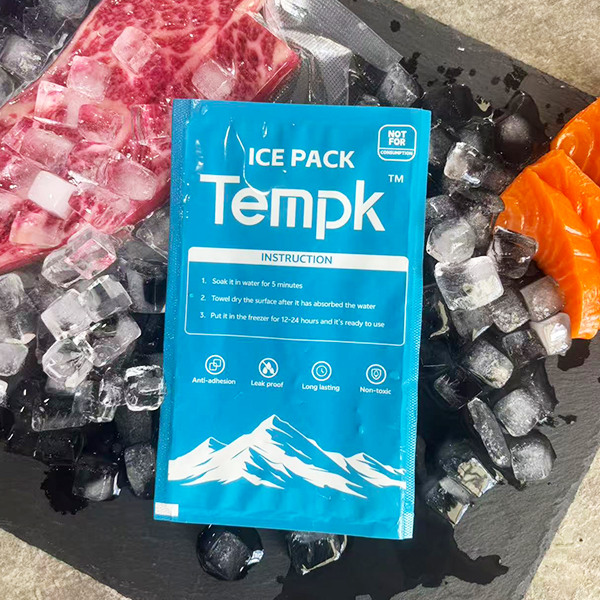
نحن تيمبك, علامة تجارية للتغليف للتحكم في درجة الحرارة تأسست في 2011. تشمل مجموعة منتجاتنا المنشورة حزم الجليد, أكياس معزولة وصناديق, أغطية البليت الحرارية, حاملات درجة حرارة الأنسولين, والعرف عبوة تسيطر عليها درجة الحرارة حلول للتطبيقات الغذائية والصيدلانية. نحن نركز على مطابقة تنسيقات التغليف لحساسية المنتج, ظروف الطريق, واحتياجات التعبئة العملية حتى يتمكن المشترون من اختيار إعداد سلسلة تبريد أكثر ملاءمة بدلاً من الاعتماد على مصدر تبريد عام. للمأكولات البحرية وغيرها من تطبيقات الأغذية سلسلة التبريد, محفظة Tempk العامة من عبوات الثلج, أكياس معزولة, الصناديق المعزولة, وتكون التعبئة والتغليف المخصصة التي يتم التحكم في درجة حرارتها ذات صلة عندما يحتاج المشترون إلى إنشاء نظام تعبئة مناسب للطريق بدلاً من الاعتماد على مبرد عام واحد عبر حالات المأكولات البحرية المختلفة جدًا.
الخطوة التالية
تصنيف المأكولات البحرية حسب الطازجة, المجمدة, والحالة الحية قبل أن تطلب عروض أسعار الجملة. إذا كنت تخطط للشراء بحجم الجملة, مواءمة تنسيق الحزمة مع كفاءة العمل, بصمة التخزين, ومخاطر المسار قبل مقارنة السعر وحده.