


KI und Interoperabilität verändern die Zukunft der pharmazeutischen Kühlketten
KI und Interoperabilität verändern die Zukunft der pharmazeutischen Kühlketten
Die digitale Transformation erweitert pharmazeutische Kühlketten über die Temperaturüberwachung hinaus
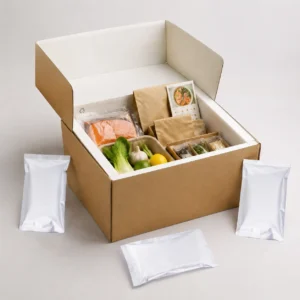
Was ist passiert
Pharmazeutische Kühlkettenprozesse treten in eine neue Phase der digitalen Transformation ein, da Hersteller und Logistikdienstleister eine kontinuierliche Überwachung einführen, Automatisierung und interoperable Technologieplattformen.
Historisch, Das Management der pharmazeutischen Kühlkette konzentrierte sich in erster Linie auf den Nachweis, dass die Produkte innerhalb der zugelassenen Temperaturbereiche blieben.
Die nächste Generation von Systemen konzentriert sich darauf, Ausfälle zu verhindern, bevor sie auftreten.
Die Branchenanalyse beleuchtet mehrere aufstrebende Technologierichtungen:
- kontinuierliche Überwachung
- Automatisierung
- digitale Interoperabilität
- prädiktive Analytik
Ziel dieser Technologien ist es, Temperaturschwankungen zu reduzieren, Verbessern Sie die Sendungstransparenz und schaffen Sie stärkere Verbindungen zwischen der Fertigung, Logistik und Gesundheitsversorgung.
Wie es funktioniert
Traditionelle pharmazeutische Kühlkettensysteme umfassen normalerweise::
- Temperaturdatenlogger
- Kühllagerung
- validierte Verpackung
- BIP-Transport
Diese Systeme liefern wichtige Beweise, arbeiten jedoch häufig separat.
Moderne digitale Kühlketten kombinieren mehrere Informationsquellen:
Kontinuierliche Überwachung
Anstatt den Temperaturverlauf nach der Lieferung zu überprüfen, kontinuierliche Überwachung bietet:
- Echtzeit-Temperaturdaten
- Standortinformationen
- Sendungsstatus
- Alarmbenachrichtigungen
Dadurch können Teams reagieren, während die Sendung noch unterwegs ist.
Automatisierung
Automatisierung wird zunehmend flächendeckend eingesetzt:
- Pharmazeutische Lager
- Fulfillment-Zentren
- Vertriebszentren
Beispiele hierfür sind:
- automatisierte Lagersysteme
- Roboterhandhabung
- automatisierte Bestandsverfolgung
Automatisierung reduziert:
- manuelle Handhabungsfehler
- unnötige Produktexposition
- Ungenauigkeiten in der Bestandsaufnahme
Dateninteroperabilität
Eine der größten Herausforderungen in der Pharmalogistik sind fragmentierte Informationen.
Eine Sendung kann beinhalten:
- Herstellersysteme
- 3PL-Plattformen
- Airline-Systeme
- Lagersoftware
- Kundensysteme
Durch Interoperabilität können diese Systeme Informationen austauschen.
Das Ziel besteht darin, eine einheitliche Ansicht zu erstellen:
- Produktidentität
- Sendungsstatus
- Temperaturverlauf
- Sorgerechtsereignisse
Warum ist es wichtig
Pharmazeutische Produkte werden immer komplexer.
Wachstumsbereiche umfassen:
- Biologika
- Impfungen
- Zelltherapien
- Spezialmedikamente
Diese Produkte haben oft:
- höherer Wert
- schmalere Stabilitätsfenster
- größere Auswirkungen auf den Patienten
Ein Ausfall der Kühlkette kann die Folge sein:
- Produktverlust
- Verzögerungen bei der Behandlung
- behördliche Untersuchung
Da die Produkte immer spezialisierter werden, Logistiksysteme müssen intelligenter werden.
Die alleinige Temperaturkontrolle reicht nicht mehr aus.
Unternehmen müssen es wissen:
- wo sich das Produkt befindet
- in welchem Zustand es ist
- ob ein Eingreifen erforderlich ist
B2B-Auswirkungen
Für Pharmahersteller:
Zukünftige Kühlkettenstrategien sollten Folgendes umfassen::
- digitale Sichtbarkeit
- Prädiktives Risikomanagement
- automatisierte Ausnahmebehandlung
Für 3PL-Anbieter:
Wettbewerbsvorteile werden zunehmend davon abhängen:
- BIP-Fähigkeit
- vernetzte Plattformen
- proaktive Reaktion
Für Kühllagerbetreiber:
Die Nachfrage wird steigen:
- Intelligente Lager
- automatisierte Abwicklung
- vernetzte Überwachung
Für Verpackungslieferanten:
Digitale Kühlketten schaffen Nachfrage nach:
- Intelligente Versender
- Integrierte Sensoren
- wiederverwendbare temperaturgesteuerte Systeme
Für Technologieanbieter:
Zukünftige Plattformen werden kombiniert:
- IoT
- KI-Analyse
- Automatisierung
- digitale Dokumentation
Abschließende Einsicht
Die pharmazeutische Kühlkette verschiebt sich:
„Temperaturverlauf aufzeichnen“
zu:
„Vorhersage und Kontrolle des Produktrisikos.“
Die zukünftige Kühlkette wird nicht nur Produkte kalt halten.
Es wird den Produktzustand verstehen, Prognostizieren Sie Probleme und unterstützen Sie automatisch bessere Entscheidungen.
Das Wachstum von Tiefkühlkost stärkt Kanadas Argumente für Investitionen in die Kühlkette
Quelle: Farm Credit Kanada
https://www.fcc-fac.ca/en/knowledge/economics/frozen-food-canada
Das Wachstum von Tiefkühlkost verändert Kanadas Argumente für Investitionen in die Kühlkette
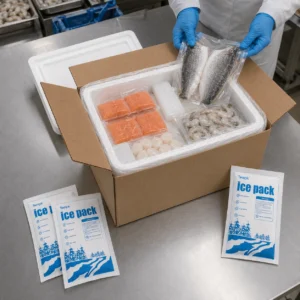
Was ist passiert
Tiefkühlkost wird zu einem immer größeren Teil des kanadischen Lebensmittelsystems, Schaffung neuer Nachfrage nach Verarbeitung, Kühllager, Transport und Automatisierung.
Eine neue Analyse von Farm Credit Canada zeigt, dass die kanadischen Einzelhandelsumsätze mit Tiefkühlkost um 10 % gestiegen sind 63% zwischen 2019 Und 2025. Im gleichen Zeitraum, Der Umsatz mit frischen Lebensmitteln stieg um 39%.
Der Unterschied deutet darauf hin, dass Tiefkühlkost über ihre traditionelle Rolle als weniger praktische Alternative zu frischen Produkten hinausgeht. Verbraucher kaufen eine größere Auswahl an Tiefkühlfrüchten, Gemüse, Meeresfrüchte, Backwaren, zubereitete Zutaten und Fertiggerichte.
Auch die Exportnachfrage steigt.
Zwischen 2020 Und 2025, Die kanadischen Tiefkühlobstexporte stiegen um 14% im Volumen, während die Exporte von Tiefkühlgemüse um 38%.
Dieser Wandel schafft ein stärkeres kommerzielles Argument für Investitionen in die Gefriertechnologie, Kühlspeicher, Kühlverteilung und Mehrwertverarbeitung.
FCC stellte außerdem eine Erweiterung der Kühlinfrastruktur fest.
Die gemeldete Kühlkapazität von drei großen kanadischen Kühlhausbetreibern stieg um ca 145 Millionen Kubikfuß in 2018 Zu 187 Millionen Kubikfuß in 2025, eine Steigerung von ca 29%.
Fast zwei Drittel dieser Expansion erfolgte danach 2023.
Der Trend zeigt, dass das Wachstum von Tiefkühlkost bereits Auswirkungen auf die Kapazität der physischen Kühlkette hat, anstatt nur eine Änderung des Kaufverhaltens der Verbraucher zu bleiben.
Wie es funktioniert
Das Einfrieren verändert die Wirtschaftlichkeit verderblicher landwirtschaftlicher Produkte, indem es den Zeitraum verlängert, in dem sie gelagert werden können, transportiert und verkauft.
Frische Produkte sind sehr zeitkritisch.
Einmal geerntet, Obst und Gemüse verlieren durch die Atmung weiterhin an Qualität, Feuchtigkeitsverlust und mikrobielle Aktivität. Auch wenn die Kühlung diese Prozesse verlangsamt, Die kommerzielle Haltbarkeit bleibt begrenzt.
Durch das Einfrieren erhält das Produkt eine wesentlich längere Haltbarkeitsdauer.
Technologien wie individuell schnell eingefroren, oder IQF, Bei der Verarbeitung werden einzelne Produktstücke schnell eingefroren, anstatt einen großen gefrorenen Block zu bilden.
Für Produkte wie Beeren, Erbsen, Mais, Meeresfrüchte und zubereitete Zutaten, IQF kann dabei helfen, die Textur zu bewahren, Portionierbarkeit und Produktqualität und geben den Verarbeitern gleichzeitig mehr Flexibilität bei Verpackung und Vertrieb.
Jedoch, Die Gefrierkapazität allein reicht nicht aus.
Die komplette Lieferkette erfordert mehrere miteinander verbundene Stufen:
- Rohwarenannahme
- Waschen, Sortierung oder Verarbeitung
- Schnelles Einfrieren
- Tiefkühllagerung
- Bestandsverwaltung
- Kühltransport
- Einzelhandel oder Gastronomievertrieb
Wenn einem Teil der Kette die Kapazität fehlt, der kommerzielle Nutzen des Gefriervorgangs kann verringert werden.
Zum Beispiel, Ein Verarbeiter kann zwar zusätzliche IQF-Ausrüstung installieren, aber dennoch mit einem Engpass konfrontiert sein, wenn während der Spitzenernte kein Platz im Tiefkühllager verfügbar ist.
Ebenfalls, Ein Kühlhaus verfügt möglicherweise über ausreichend Palettenplätze, verfügt jedoch nicht über genügend Kühltransportkapazität, um Produkte während saisonaler Nachfragespitzen zu transportieren.
Moderne Kühlketteninvestitionen kombinieren daher zunehmend physische Lagerung mit Automatisierung, Robotik und digitale Bestandskontrolle.
Die FCC stellt fest, dass Kühlanlagen eine automatisierte Handhabung übernehmen, Digitale Bestandssysteme und energieeffizientere Kühltechnologien zur Verbesserung der Produktivität und zur Bewältigung steigender Betriebskosten.
Für Tiefkühllager, Besonders wichtig ist die Lagerdichte.
Jeder Kubikmeter gekühlter Luft benötigt Energie zur Aufrechterhaltung. Palettenlagerung mit hoher Dichte, Automatische Entnahme und ein gut konzipierter Luftstrom können das pro Lagereinheit erforderliche Gefriervolumen reduzieren.
Das Ergebnis ist eine Kühlkette, die nicht nur länger ist, aber produktiver.
Warum ist es wichtig
Kanada hat für viele Obst- und Gemüsesorten eine relativ kurze heimische Vegetationsperiode, während die Verbrauchernachfrage das ganze Jahr über besteht.
Historisch, Diese Lücke wurde teilweise durch Importe geschlossen.
Zusätzliche Gefrierkapazität bietet eine weitere Option: Während der Haupterntezeiten einen größeren Teil der heimischen Produktion bewahren und diese schrittweise über das Jahr verteilen.
Die FCC verwendete ungefähr die Schätzung von Environment and Climate Change Canada 13% der kanadischen Obst- und Gemüsesorten werden nach der Ernte nicht geerntet oder weggeworfen und dieser Prozentsatz wird auf die ausgewählte Pflanzenproduktion angewendet.
Der daraus resultierende Vergleich ist aussagekräftig.
Die geschätzten Verluste beliefen sich auf ungefähr:
- 66% der kanadischen Erbsenimporte
- 55% der Maisimporte
- 24% der Blaubeerimporte
- 6% der Brokkoli-Importe
- 5% der Erdbeerimporte
Diese Zahlen bedeuten nicht, dass alle verlorenen Ernten einfach eingefroren und durch Importe ersetzt werden können.
Einige Produkte können für die Verarbeitung ungeeignet sein. Erntezeitpunkt, Qualität, Wirtschaftlichkeit und Verbrauchernachfrage spielen ebenfalls eine Rolle.
Aber die Zahlen veranschaulichen das Ausmaß des Werts, der verfügbar sein könnte, wenn mehr inländische landwirtschaftliche Produktion durch Verarbeitungs- und Kühlketteninfrastruktur erzielt werden könnte.
Für Küchenmaschinen, Das Einfrieren bietet auch Möglichkeiten, die über die Abfallreduzierung hinausgehen.
Ein Agrarrohstoff kann während der Spitzenernte relativ niedrige Margen aufweisen. Sobald es gereinigt ist, portioniert, gewürzt, gefroren und verpackt, Es kann zu einem höherwertigen Lebensmittelprodukt mit einer längeren Verkaufssaison werden.
Dies führt zu zusätzlicher wirtschaftlicher Aktivität in:
- Verarbeitung
- Verpackung
- Kühlspeicher
- Transport
- Einzelhandelsvertrieb
Die wachsende Tiefkühlkategorie kann daher sowohl die Lebensmittelherstellung als auch die Kühlkettenlogistik stärken.
B2B-Auswirkungen
Für landwirtschaftliche Erzeuger, Eine stärkere Gefrierinfrastruktur kann in Spitzenerntezeiten zusätzliche Absatzmöglichkeiten schaffen.
Erzeuger könnten in der Lage sein, Produkte in Verarbeitungskanälen zu verkaufen, die andernfalls nur einen begrenzten Wert hätten, da die Nachfrage auf dem Frischmarkt bereits gedeckt ist.
Jedoch, Verarbeiter benötigen vorhersehbare Qualität und Volumen.
Landwirte sollten den Erntezeitpunkt koordinieren, Produktspezifikationen und Transportvereinbarungen mit den Verarbeitern, anstatt davon auszugehen, dass überschüssige Produkte automatisch in die Tiefkühlproduktion gelangen können.
Für Küchenmaschinen, Der Markt schafft Möglichkeiten für Investitionen:
- IQF-Systeme
- Schockfroster
- Spiralgefriergeräte
- Sortieren und Bewerten
- portionieren
- automatisierte Verpackung
Die Verarbeitungskapazität sollte mit der nachgeschalteten Kühllagerkapazität abgestimmt sein.
Durch die Installation einer schnelleren Gefrierlinie ohne genügend gefrorene Palettenplätze kann der Engpass einfach von der Produktion in die Lagerhaltung verlagert werden.
Für Cold-Storage-Entwickler, Kanadas wachsende Tiefkühlkostkategorie unterstützt die anhaltende Nachfrage nach Kühlimmobilien.
Zukünftige Einrichtungen sollten nicht nur anhand der Palettenanzahl bewertet werden.
Wichtige Variablen sind::
- Energieverbrauch
- Speicherdichte
- Automatisierungsfähigkeit
- Dockdurchsatz
- Kälteredundanz
- Stromverfügbarkeit
- Verkehrsanbindung
Für Kältelieferanten, Das Wachstum bei Tiefkühlkost unterstützt die Nachfrage nach effizienten Niedertemperatursystemen.
Betreiber sind zunehmend an Kühltechnologien interessiert, die den Energieverbrauch und das langfristige Kältemittelrisiko senken und gleichzeitig zuverlässige Gefrierbedingungen aufrechterhalten.
Die Wärmerückgewinnung kann auch die Wirtschaftlichkeit einer Anlage verbessern, wenn abgeführte Kühlwärme zur Warmwasserbereitung genutzt werden kann, Raumheizung oder Verarbeitungsanwendungen.
Für Anbieter von Lagerautomatisierung, Eingefrorene Umgebungen sind ein starkes Geschäftsmodell für die Robotik.
Durch Automatisierung kann die Belastung der Arbeitskräfte durch sehr niedrige Temperaturen verringert und gleichzeitig die Lagerdichte und Bestandsgenauigkeit erhöht werden.
Die Ausrüstung muss speziell für kalte Umgebungen konstruiert sein, inklusive passender Sensoren, Schmierstoffe, Kabel, Batterien und Bedienelemente.
Für Verpackungslieferanten, Die Zunahme von Tiefkühlkost erhöht die Nachfrage nach Materialien, die auch bei niedrigen Temperaturen und hoher Luftfeuchtigkeit stabil bleiben.
Kartons, Filme, Etiketten und Klebstoffe müssen dem Einfrieren standhalten, Lagerung und Auftauen ohne Verlust der Struktur- oder Identifikationsleistung.
Für Kühltransporter, Größere Tiefkühlbestände bedeuten eine höhere Nachfrage nach zuverlässiger Kühlkapazität.
Transportanbieter benötigen zuverlässige TRUs, Inspektion vor der Reise, Kraftstoffmanagement, Telematik und dokumentierte Temperaturverfahren.
Für Einzelhändler, Tiefkühlprodukte bieten ein anderes Lagermodell als frische Lebensmittel.
Eine längere Haltbarkeit kann den Verderb reduzieren und mehr Flexibilität bei saisonalen Unterbrechungen bieten, Aber die Vermarktung von Tiefkühltruhen und die Lagerkapazität im Hinterzimmer müssen mit dem Wachstum der Kategorie Schritt halten.
Für politische Entscheidungsträger, Die Analyse legt nahe, dass die Infrastruktur zur Ernährungssicherheit mehr umfasst als die landwirtschaftliche Produktion.
Ein Land kann erhebliche Mengen an Nahrungsmitteln anbauen und dennoch stark auf Importe angewiesen sein, wenn die inländischen Verarbeitungs- und Konservierungskapazitäten die saisonale Produktion und die ganzjährige Nachfrage nicht decken können.
Die umfassendere Lehre ist, dass Tiefkühlkost zu einer Infrastrukturgeschichte wird.
Kanadas 63% Das Wachstum des Tiefkühleinzelhandels und die Ausweitung der Kühllagerkapazität zeigen, wie sich das Verbraucherverhalten entwickelt, Landwirtschaftliche Verarbeitung und Investitionen in die Kühlkette werden zunehmend miteinander verknüpft.
Zukunftschancen ergeben sich aus der Integration der Produktion, Einfrieren, Lagerung, Transport und Verpackung in ein effizienteres heimisches Lebensmittelsystem.
USDA eröffnet 7,5 Millionen US-Dollar Kühlkettenzuschussprogramm für Nahrungsmittelhilfe
Quelle: UNS. Department of Agriculture – Agricultural Marketing Service
USDA Opens $7.5 Million Cold Chain Grant Program for Emergency Food Assistance
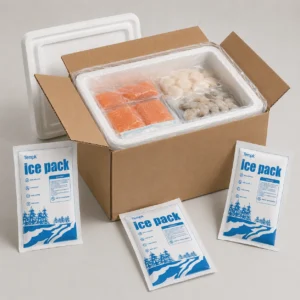
Was ist passiert
Die USA. Department of Agriculture’s Agricultural Marketing Service has opened applications for the new 2026 Cold Chain Grants for Emergency Food Assistance Program, or CCG.
Etwa $7.5 million is available through the program. USDA will competitively select one or more eligible nonprofit organizations that can administer subawards for cold storage and distribution equipment used by food banks, food pantries and other emergency food assistance operations. Applications for the prime awards are due October 1, 2026.
The program is specifically intended to improve the ability of food assistance organizations to receive and distribute higher-quality perishable foods, einschließlich Fleisch, Eier, Meeresfrüchte, dairy products and fresh or minimally processed fruits and vegetables.
The Global Cold Chain Alliance publicly welcomed the funding on August 19, saying that better cold storage and distribution infrastructure can help more food reach families rather than being limited by insufficient refrigerated capacity.
The program is different from a direct federal purchase of refrigerators or refrigerated vehicles for individual food banks. USDA will first fund one or more nonprofit prime recipients capable of running a competitive subaward program. Information for organizations seeking the later cold-storage subawards will be released separately.
Wie es funktioniert
The CCG program uses a two-level funding structure.
At the first level, eligible nonprofit organizations apply directly to USDA. These applicants must demonstrate that they can manage a competitive subaward program, including soliciting applications, evaluating projects, issuing awards, monitoring recipients and reporting results. USDA states that at least one eligible nonprofit corporation will be competitively funded.
The selected prime recipient or recipients will then fund cold chain projects carried out by food banks, food pantries and other qualifying emergency food assistance organizations.
The objective is to strengthen the physical infrastructure required to handle perishable foods rather than limiting emergency food distribution primarily to shelf-stable products.
Depending on the eventual subaward rules and approved project scopes, this type of infrastructure can include refrigerated or frozen storage equipment and distribution assets needed to preserve product condition between donation, Empfang, warehousing and final distribution.
A food bank receiving fresh protein or dairy products needs a very different operating system from one handling only canned or dry goods.
Refrigerated inventory requires controlled receiving, rapid transfer into the correct temperature zone, kontinuierliche Überwachung, inventory rotation and sufficient distribution capacity to prevent products from remaining outside refrigeration while orders are assembled.
Frozen products introduce additional requirements involving low-temperature storage, Türdisziplin, defrost management and freezer-compatible handling equipment.
Fresh produce creates another operating profile. Many fruits and vegetables benefit from temperature control but can also be sensitive to excessive cold, humidity conditions and airflow. A single cold room therefore may not be the right solution for every commodity.
The grant program can help address the equipment barrier, but cold chain effectiveness will still depend on how the funded equipment is selected, installed and operated.
A new walk-in cooler, freezer or refrigerated vehicle should be sized according to expected throughput rather than only available floor space. Undersized equipment can create congestion during donation peaks, while oversized equipment can impose unnecessary capital and energy costs.
Monitoring should also be included in project planning. Operators need calibrated temperature sensors, alarm procedures and records showing that products remained within their required conditions.
Warum ist es wichtig
Emergency food assistance increasingly includes products that are nutritionally valuable but operationally difficult to distribute.
Fleisch, Meeresfrüchte, Molkerei, eggs and fresh produce can improve the quality and diversity of available food, but they cannot move safely through a network designed only for ambient storage.
Ohne ausreichende Kühlinfrastruktur, a food bank may be unable to accept a donation even when the food itself is available.
This creates a structural mismatch: Produzenten, Prozessoren, retailers or distributors may have safe surplus food available, while nonprofit organizations lack the cold rooms, freezers or refrigerated transport required to receive it.
The result can be lost donation opportunities and avoidable food waste.
Cold chain capacity can therefore change what food assistance organizations are able to offer.
A facility with adequate refrigerated space may accept fresh dairy or meat that previously had to be declined. A freezer can allow organizations to hold frozen protein until the appropriate distribution date rather than forcing immediate movement. Refrigerated vehicles can extend the service area beyond locations reachable within a short ambient transport window.
The funding also matters because food assistance networks experience demand volatility.
A warehouse may operate normally for weeks and then receive a large donation, emergency allocation or seasonal influx of agricultural products. Flexible cold-storage capacity provides an operational buffer during those peaks.
Jedoch, equipment alone does not guarantee a successful program.
Cold storage adds electricity costs, maintenance requirements, Reinigungsverfahren, food-safety obligations and technical dependence on refrigeration contractors. Organizations need enough operating funding to keep the new assets functional after the grant-supported purchase is complete.
The same applies to refrigerated vehicles. Acquisition is only the first cost. Fuel or electricity, vorbeugende Wartung, refrigeration-unit servicing, Versicherung, drivers and temperature monitoring continue throughout the vehicle’s life.
Aus diesem Grund, project evaluation should consider total lifecycle capability rather than simply counting how many refrigerators, freezers or trucks are purchased.
B2B-Auswirkungen
Für Hersteller von Kühllagergeräten, the program could create demand for walk-in coolers, Gefriergeräte, modular refrigerated rooms, Verflüssigungssätze, Verdampfer, insulated panels and related controls.
Suppliers serving nonprofit customers should prioritize maintainability. Equipment should use components that can be serviced locally and should include clear preventive-maintenance instructions.
Energy efficiency is also important because food banks operate under tight budgets. Lower refrigeration energy consumption can make the difference between a grant-funded facility remaining sustainable and becoming expensive to operate.
For refrigerated vehicle and transport-refrigeration suppliers, future subawards may create opportunities for vans, Lastwagen, insulated bodies and transport refrigeration systems designed for local and regional food distribution.
Vehicle selection should reflect actual route length, Nutzlast, delivery frequency and temperature profile rather than assuming that every food bank needs the same type of reefer truck.
For temperature-monitoring providers, funded infrastructure should include practical monitoring from the beginning.
Food assistance organizations may need simple systems that provide continuous temperature records, high/low alarms and remote notifications without creating excessive software complexity or subscription expense.
Für Verpackungslieferanten, the program may increase demand for reusable insulated totes, Gelpackungen, PCM -Systeme, pallet covers and liners used between fixed cold rooms and distribution sites.
Passive packaging can be especially useful when the final distribution point does not have dedicated refrigerated vehicles or when products move through temporary community events.
For 3PLs and commercial cold-storage operators, the funding creates partnership opportunities.
Some food banks may benefit more from purchasing dedicated equipment, while others may achieve better utilization by contracting qualified commercial refrigerated capacity or using shared regional hubs.
A hybrid model could allow nonprofit organizations to maintain smaller onsite cold rooms while using commercial facilities for overflow inventory and seasonal peaks.
Für Lebensmittelhersteller und Einzelhändler, improved nonprofit cold chain capacity can make donation programs easier to scale.
Companies should still provide accurate lot information, allergen details, Datumskodierung, product-storage requirements and chain-of-custody documentation. Donated products require the same food-safety discipline as products moving through commercial channels.
Für Softwareanbieter, inventory systems used by food banks may need to connect expiration dates, Losaufzeichnungen, temperature zones and distribution destinations.
Better digital control can help organizations rotate products using FEFO principles and reduce spoilage inside the very infrastructure intended to prevent waste.
Für Kältefachbetriebe, grant-funded equipment will create a long-term service requirement.
Emergency support agreements, spare-parts availability and preventive-maintenance schedules should be considered during procurement rather than after the first system failure.
The broader lesson is that access to food depends partly on logistics capability.
USDA’s new $7.5 million CCG program recognizes that food assistance organizations cannot expand access to fresh and frozen products without the infrastructure to protect those products.
The most successful projects will combine refrigeration equipment, Transport, Überwachung, Verpackung, trained staff and sustainable operating budgets into one practical cold chain system.
Puerto Bolívar steht kurz vor der Fertigstellung eines 30-Millionen-Dollar-Kühlspeichers
Quelle: Das Universum
Puerto Bolívar steht kurz vor der Fertigstellung $30 Million automatisierter Kühllager-Hub

Was ist passiert
Ein neues automatisiertes Kühllager in Puerto Bolívar in Ecuador ist eingetroffen 93% Fertigstellung und trat in die technische Testphase ein.
Die Anlage wird von YilportEcu S.A. entwickelt. im Rahmen der Vereinbarung zur delegierten Verwaltung des Hafens. Es umfasst ca 17,000 Quadratmeter und wird mehr als bieten 15,000 Palettenplätze für Bananen und andere temperaturempfindliche Exportprodukte.
Die Investition in das Kühllager beläuft sich auf etwa 30 Millionen US-Dollar. Techniker testen derzeit die Industriekälteanlage, Branderkennungs- und Brandbekämpfungsausrüstung, automatisierte Materialtransportsysteme und die Software zur Verwaltung interner Frachtbewegungen.
Die physische Struktur ist weitgehend vollständig, Die Abschlussarbeit konzentrierte sich auf die Systemintegration, Gerätequalifikation und Betriebsbereitschaft. Die Fertigstellung wird zwischen Oktober und November erwartet 2026.
Das Projekt soll die Art und Weise ändern, wie Exporteure die Ernte koordinieren, Hafenlieferungen und Schiffsfahrpläne. Bananenproduzenten müssen derzeit den Zuschnitt und den Binnentransport eng an die Ankunftszeiten der Schiffe anpassen. Sobald das neue Kühlhaus seinen Betrieb aufnimmt, Die Ladung kann mehrere Tage vor dem Verladen in eine kontrollierte Umgebung gelangen, ohne dass die Integrität der Kühlkette unterbrochen wird.
Dies könnte Exporteuren mehr Flexibilität bei der Produktionssteuerung geben, Hafenüberlastungen und sich ändernde Schiffsfahrpläne vermeiden und gleichzeitig die Produktqualität schützen.
Wie es funktioniert
Das Lager ist als automatisierter Kontrollpunkt für die Kühlkette am Hafen konzipiert und nicht als herkömmliches manuelles Lagergebäude.
Die Paletten werden durch Roboterhandhabungssysteme, die von einer speziellen Lagersoftware gesteuert werden, in Regale mit hoher Dichte platziert. Die digitale Plattform ordnet jede Ladung anhand der Ladungsidentität einem Lagerplatz zu, Exporteur, Marke, Reederei und Schiffsfahrplan.
Dieses automatisierte Zuteilungsmodell soll die manuelle Palettenbewegung reduzieren, Sie verbessern die Lagerdichte und erleichtern das Abrufen der richtigen Ladung, wenn ein Schiff zum Beladen bereit ist.
Das System sollte es dem Lager auch ermöglichen, mehrere Exporteure zu bedienen, Bananenmarken und Reedereien, ohne auf feste Kundenzonen angewiesen zu sein. Die Frachtverwaltung wird digitalisiert, Dadurch können sich Palettenstandorte und Ausgangsprioritäten entsprechend den Versandplänen ändern.
Ein typischer Exportstrom könnte mit Früchten beginnen, die unter kontrollierten Transportbedingungen von Bauernhöfen oder Verpackungsanlagen ankommen. Die Ladung würde empfangen werden, identifiziert und einem qualifizierten Lagerort zugeordnet. Das Lagerverwaltungssystem verknüpft dann den Palettendatensatz mit dem entsprechenden Behälter, Buchungs- und Versandplan.
Beim Laden naht, Das automatisierte System holt die benötigten Paletten ab und bewegt sie zum Ausgangsbereitstellungsbereich. Dies kann die Wartezeit der Produkte in der Nähe des Docks verkürzen und unnötigen Gabelstaplerverkehr in Kühlzonen einschränken.
Die Anlage wird über ein eigenes Umspannwerk verfügen, industrielle Kühlgeräte, Branderkennungs- und -unterdrückungssysteme sowie Backup-Infrastruktur zur Unterstützung der Betriebskontinuität.
Das dedizierte Umspannwerk ist besonders wichtig, da eine Anlage dieser Größe eine erhebliche kontinuierliche elektrische Last erzeugt. Kühlung, Automatisierung, Kontrollen, Beleuchtung, Brandschutz und Kommunikation sind alle auf eine stabile Stromversorgung angewiesen.
Backup-Geräte können das Risiko verringern, dass eine kurze Stromunterbrechung zu einem Produkttemperaturvorfall führt. Jedoch, Um die volle Widerstandsfähigkeit der Kühlkette zu gewährleisten, sind außerdem geprüfte Generator- oder alternative Energieverfahren erforderlich, Alarmeskalation, Kälteredundanz und Zugang zu qualifizierten Technikern.
Ebenso wichtig wird die Lagersoftware sein. Automatisierte Regale bieten nur einen begrenzten Wert für die Produktidentität, Schiffsanweisungen oder Kundenunterlagen sind unvollständig. Der Betreiber muss während des gesamten Empfangs zuverlässige Verbindungen zwischen physischen Paletten und digitalen Informationen aufrechterhalten, Lagerung und Versand.
Die Temperaturkontrolle sollte auch an mehr als einem Punkt überprüft werden.
Eine Raumauslage kann einen akzeptablen durchschnittlichen Zustand anzeigen, während sich einzelne Paletten in der Nähe von Türen befinden, Wände, Decken oder Verdampfer weisen unterschiedliche Temperaturen auf. Geladene Temperaturkartierung, Daher sind kalibrierte Sensoren und Alarmreaktionsverfahren erforderlich, bevor die Anlage kommerzielle Fracht in vollem Umfang abfertigen kann.
Für Bananenexporte, Beim Temperaturmanagement geht es nicht nur darum, den Raum kalt zu halten.
Bananen bleiben nach der Ernte biologisch aktiv und erfordern eine rohstoffspezifische Temperaturkontrolle, Luftstrom und Bearbeitungszeit. Übermäßige Hitze beschleunigt die Reifung, Zu niedrige Temperaturen können zu Kälteschäden führen. Der richtige Betriebsbereich muss daher auf die Produktreife abgestimmt sein, Vielfalt, Verpackungs- und Bestimmungsortanforderungen.
Warum ist es wichtig
Puerto Bolívar ist ein wichtiges Exporttor für verderbliche Produkte aus Ecuador, insbesondere Bananen und Garnelen.
Der Export von Frischprodukten ist stark von der Synchronisierung abhängig. Bauernhöfe, Verpackungsanlagen, Inlandstransporteure, Hafenterminals und Schiffe müssen innerhalb eines begrenzten kommerziellen Haltbarkeitsfensters betrieben werden.
Wenn die Speicherkapazität nicht ausreicht, Produzenten könnten gezwungen sein, die Ernte rund um die Ankunft der Schiffe zu planen. Dadurch entsteht ein starres Betriebsmodell in welchem Wetter, Verkehrsstau, Hafenverzögerungen oder Schiffswechsel können den gesamten Exportplan stören.
Das neue Kühllager schafft einen Puffer zwischen Produktion und Schiffsbeladung.
Produzenten können ihre Ladung früher vorbereiten, Stellen Sie es unter kontrollierte Bedingungen und warten Sie auf das bestätigte Versandfenster. Dadurch wird ein Teil des landwirtschaftlichen Fahrplans vom Schiffsfahrplan getrennt und kann dazu beitragen, die Überlastung des Hafens in letzter Minute zu verringern.
Das Projekt könnte auch die Schiffsauslastung verbessern.
Wenn Fracht bereits gelagert ist, vor Eintreffen des Schiffes identifiziert und digital zugeordnet werden, Verladeteams können Paletten in der gewünschten Reihenfolge abholen. Eine bessere Bereitstellung kann die Wartezeit der Schiffe verkürzen und den Hafenbetrieb vorhersehbarer machen.
Die Automatisierung kann diesen Vorteil verstärken, indem sie die Zeit verkürzt, die zum Auffinden und Bewegen einzelner Palettengruppen erforderlich ist. Für Sendungen mit gemischten Exporteuren oder gemischten Marken, Der softwaregesteuerte Abruf kann eine genauere Beladung ermöglichen und das Risiko verringern, dass die falsche Ladung an das falsche Schiff oder den falschen Bestimmungsort geschickt wird.
Das Kühlhaus erhöht auch die Widerstandsfähigkeit von Ecuadors Exportnetzwerk für verderbliche Waren.
Ein Hafen, der nur auf den direkten Transfer vom LKW zum Schiff angewiesen ist, verfügt bei Inspektionen nur über eine begrenzte Flexibilität, Das Anlegen des Schiffes oder die Dokumentation verzögern sich. Durch die kontrollierte Lagerung haben Betreiber mehr Möglichkeiten, die Ladung zu schützen, während das Problem behoben ist.
Jedoch, Die Anlage wird nicht jedes Kühlkettenrisiko beseitigen.
Die Produktqualität hängt immer noch von der richtigen Ernte ab, Vorkühlung, Verpackung, Binnentransport und Empfangstemperatur. Ein modernes Lager kann die bereits verlorene Qualität nicht vollständig wiederherstellen, bevor die Ladung den Hafen erreicht.
Das Endergebnis wird auch von der betrieblichen Auslastung abhängen. Eine Anlage mit 15.000 Paletten muss das ganze Jahr über über ausreichend Volumen verfügen, um ihre Kühlung zu unterstützen, Automatisierung, Wartung, Arbeits- und Finanzierungskosten.
Die wirtschaftliche Bedeutung des Projekts wird daher nicht nur an der Kapazität gemessen, sondern durch Palettenumschlag, Ladeleistung, Energieverbrauch, Temperaturkonformität und die Anzahl der Exporteure, die den Service nutzen.
B2B-Auswirkungen
Für Bananenbauern und Exporteure, Die neue Anlage könnte mehr Flexibilität bei der Ernte- und Schiffsplanung bieten.
Exporteure können das Obst möglicherweise vor dem endgültigen Verladetermin in ein kontrolliertes Lager bringen, Verringerung der Abhängigkeit von einem engen Zeitfenster zwischen LKW und Schiff. Dies könnte besonders bei saisonalen Volumenspitzen von Nutzen sein, Verkehrsbehinderungen oder Änderungen im Schiffsfahrplan.
Von der Einrichtung profitieren, Exporteure werden weiterhin disziplinierte vorgelagerte Prozesse benötigen. Die Früchte sollten die richtige Temperatur und Reife haben, mit luftdurchlässiger Verpackung, Luftfeuchtigkeit und Seeferntransport.
Für Garnelen- und Tiefkühlkostexporteure, Die Anlage bietet möglicherweise zusätzliche Bereitstellungskapazität in der Nähe des Hafens. Benutzer sollten die verfügbaren Temperaturzonen überprüfen, Gefrier- oder Warmhaltefähigkeit, Empfangsgrenzen und Verfahren für den Umgang mit Produkten, die außerhalb der Spezifikation ankommen.
Für Reedereien, Das Lager unterstützt möglicherweise eine vorhersehbarere Frachtvorbereitung und ein schnelleres Laden. Die Transportunternehmen sollten die Buchungsdaten koordinieren, Containerverfügbarkeit, Schiffspläne und Anweisungen zur Ladungsfreigabe über die digitale Plattform des Lagers.
Für Speditionen und 3PLs, Das Projekt bietet die Möglichkeit, integrierte Dienstleistungen anzubieten, die den Binnenverkehr kombinieren, Kühllagerung, Exportdokumentation, Containerkoordination und Sendungstransparenz.
Das wertvollste Servicemodell verbindet die Lageraufzeichnung mit dem gesamten Versandweg, anstatt die Hafenlagerung als isolierte Aktivität zu behandeln.
Für Lieferanten von Kühlkettenverpackungen, Eine erhöhte Lagerung am Hafen kann die Art und Weise verändern, wie Exporteure Verpackungen entwerfen.
Bananenkartons und Lebensmittelverpackungen müssen in feuchten, gekühlten Umgebungen ihre strukturelle Festigkeit behalten und gleichzeitig eine angemessene Belüftung ermöglichen. Für Garnelen und Tiefkühlprodukte sind möglicherweise gefriergeeignete Kartons erforderlich, Liner, Palettenstabilisierung und feuchtigkeitsbeständige Etiketten.
Für Automatisierungsanbieter, Das Projekt zeigt die steigende Nachfrage nach robotergestützter Lagerung mit hoher Dichte in den Kühlketten von Häfen.
Die Geräte müssen für den Kühlbetrieb geeignet sein, einschließlich Motoren, Sensoren, Kabel, Schmierstoffe, Kontrollen und Wartungsverfahren. Der Zugang zur Notfall-Palettenentnahme sollte weiterhin verfügbar bleiben, wenn das automatisierte System nicht verfügbar ist.
Für Kältelieferanten, Die letzte Inbetriebnahmephase wird entscheidend sein. Die Anlage muss bei repräsentativen Palettenladungen eine stabile Temperaturleistung aufweisen, Türaktivität und das Umgebungsklima Ecuadors.
Relevante Tests sollten Pulldown umfassen, geladenes Mapping, Erholung nach Türöffnungen, Alarmüberprüfung, Stromunterbrechung und Reaktion des Backup-Systems.
Für Überwachungs- und Softwareunternehmen, Das Projekt bietet die Möglichkeit, Produktidentität zu verbinden, Palettenstandort, Raumbedingungen und Schiffspläne in einem Betriebsdatensatz.
Ein Temperaturalarm wird nützlicher, wenn der Bediener sofort erkennen kann, welche Paletten betroffen waren, welcher Exporteur sie besitzt und welches Schiff oder welcher Kunde auf die Ladung wartet.
Für Versicherer und Risikomanager, Das Lager erzeugt eine große Konzentration hochwertiger verderblicher Warenbestände. Bei Risikobewertungen sollte die Kälteredundanz untersucht werden, Stromkontinuität, Brandschutz, Cyber-Resilienz, Notfallzugang und alternative Lagermöglichkeiten.
Für Hafen- und öffentliche Planer, Das Lager muss über einen zuverlässigen landseitigen Zugang verfügen. Eine erhöhte Lagerkapazität kann mehr Fracht anziehen, Doch Staus auf den Straßen können den Nutzen einschränken, wenn Lkw nicht effizient ein- und ausfahren können.
Puerto Bolívar arbeitet bereits an einem Nordzugangsprojekt, das den Transport schwerer Fahrzeuge verbessern und die Ein- und Ausfahrtszeiten des Hafens verkürzen soll. Die Leistung des Lagers und des Straßennetzes werden daher eng miteinander verknüpft sein.
Die umfassendere Lehre ist, dass die Leistung der Kühlkette in Häfen nicht nur von der Hinzufügung von Kühlraum abhängt.
Das stärkste Modell verbindet landwirtschaftliche Betriebe, Verpackungsvorgänge, Binnentransport, automatisierte Lagerung, Schiffsfahrpläne und digitale Aufzeichnungen in einem kontrollierten Exportsystem.
Das neue Lager von Puerto Bolívar ist eine wichtige Erweiterung der Infrastruktur. Sein langfristiger Wert wird davon abhängen, ob sich diese physische Kapazität in einem schnelleren Frachtfluss niederschlägt, geringerer Produktverlust und flexiblerer Zugang zu internationalen Märkten.
Maersk erweitert Kühlkapazität, da Rotterdams Importe stark ansteigen
Quelle: Maersk Europe Market Update
Maersk erweitert Kühlkapazität, da Rotterdam unter Hitze- und Importdruck steht
Was ist passiert
Maersk hat einen deutlichen Anstieg der Kühlimportmengen im Rotterdamer Hafen gemeldet, Dies erhöht den Druck auf die Kühlcontainerhandhabung, Lebensmittelkontrolle und Weiterverteilung.
August des Trägers 14 Laut Europe Market Update kam es auch im Rotterdamer Terminal Maasvlakte II zu Betriebsstörungen, wenn die Temperaturen 30 °C überstiegen. Extrem hohe Temperaturen führten zu vorübergehenden Schließungen der Terminaltore, Kunden müssen Betriebsaktualisierungen überwachen und den Transportplänen mehr Pufferzeit hinzufügen.
Gleichzeitig, Die gekühlten Importe stiegen im Vorfeld einer EU-Beschränkung für bestimmte Fleischimporte aus Brasilien, die laut Maersk im September in Kraft treten würde 3. Die konzentrierte Ankunft gekühlter Ladung erhöhte die Nachfrage nach Kühlcontainer-Handling- und Inspektionsdiensten, Die niederländischen Behörden, die für Lebensmittel- und Konsumgüterkontrollen zuständig sind, berichten von längeren Wartezeiten.
Zur Unterstützung des zusätzlichen Volumens, Maersk sicherte sich den ganzen August über zusätzliche Kühlcontainer-Plug-Kapazität auf der Maasvlakte II. Der Spediteur empfahl Kunden, die Europa-Südamerika-Dienste nutzen, sich auf mögliche Verzögerungen bei der Inspektion und der Weiterabfertigung vorzubereiten und die Dokumentation und den Inlandstransport zu veranlassen, bevor die Fracht eintrifft.
Die Entwicklung ist wichtig, weil sie drei verschiedene Kühlkettendrücke an einem Gateway vereint: erhöhte Umgebungstemperaturen, ein kurzfristiger Anstieg der Kühlimporte und ein begrenztes Inspektionssystem, das regulierte Lebensmittelfracht verarbeiten muss, bevor sie auf den europäischen Markt gelangen kann.
Wie es funktioniert
Eine gekühlte Seefracht bleibt auch nach Erreichen des Hafens von mehreren verbundenen Kontrollpunkten abhängig.
Sobald ein Kühlcontainer entladen ist, Normalerweise muss es an die Stromversorgung des Terminals angeschlossen werden. Es kann dann auf die Zollabfertigung warten, Veterinär- oder Lebensmittelsicherheitskontrolle, Dokumentenprüfung, Freigabeanweisungen und Abholung durch einen Inlandstransporteur.
Die zusätzliche Kapazität des Kühlsteckers trägt dazu bei, während dieser Wartezeit Strom zu sparen. Dadurch verringert sich das Risiko, dass ein Container nicht angeschlossen bleibt, weil Anschlusssteckerpositionen nicht verfügbar sind. Jedoch, Zusätzliche Stopfen entfernen die Inspektion nicht automatisch, Dokumentation oder Transportengpässe.
Ein Container kann weiterhin mit Strom versorgt werden und seinen programmierten Sollwert beibehalten, während er dennoch mehrere Tage im Hafen verweilt. Für gefrorenes Fleisch, das kann die Speicherkapazität erhöhen, Standgeld und Ausrüstungskosten. Für gekühlte und frische Produkte, Zusätzliche Zeit kann die verbleibende kommerzielle Haltbarkeit verkürzen, selbst wenn keine formale Temperaturabweichung auftritt.
Hohe Umgebungstemperaturen machen die Betriebsumgebung anspruchsvoller. Durch die Wände und Türen gelangt mehr Wärme in den Behälter, und die Kühleinheit muss eine größere Wärmelast abführen, um den Sollwert aufrechtzuerhalten. Auch Terminalmitarbeiter und Gate-Betrieb können von hitzebedingten Sicherheitsmaßnahmen betroffen sein, wie die gemeldeten Torschließungen der Maasvlakte II belegen.
Die Inspektion führt zu einer weiteren kritischen Übergabe.
Bei regulierten Lebensmittelsendungen sind möglicherweise Siegelkontrollen erforderlich, Dokumentenüberprüfung, Probenahme oder körperliche Untersuchung vor der Freilassung. Wenn der Inspektionsbereich, Das Personal- oder Terminsystem kann einen schnellen Anstieg des Volumens nicht verkraften, Kühlcontainer können sich im Terminal ansammeln, auch wenn Schiffs- und Steckerkapazität noch verfügbar sind.
Die Kühlkettenplanung muss daher mehrere Systeme verbinden, die oft separat verwaltet werden: den Schiffsfahrplan, Anschlusssteckerbelegung, Zoll- und Veterinärdokumentation, Inspektionstermine, Inlandstransport und Empfangskapazität im Zielkühllager.
Eine Container-Sichtplattform kann den Standort anzeigen, temperaturbezogene Gerätedaten und Hafenmeilensteine, aber die Daten müssen zu einer operativen Entscheidung führen. Wenn sich ein Container einer kostspieligen oder qualitätskritischen Verweildauer nähert, Der Importeur muss möglicherweise der Dokumentation Priorität einräumen, einen Inspektionsschlitz sichern, das Empfangslager neu planen oder einen alternativen Inlandstransport arrangieren.
Warum ist es wichtig
Die Situation in Rotterdam zeigt, warum die Integrität der Kühlkette nicht nur daran gemessen werden kann, ob die Kühleinheit ihren Sollwert einhält.
Zeit ist auch eine Variable für die Produktqualität.
Gefrorene Waren vertragen unter Umständen einen längeren Transport als frische Produkte, Eine längere Portverweildauer kann sich jedoch immer noch auf die Bestandsverfügbarkeit auswirken, Lieferverpflichtungen der Kunden und Betriebskapital. Gekühlte Produkte können innerhalb ihres Temperaturbereichs ankommen, haben jedoch eine kürzere verbleibende Haltbarkeitsdauer für die Verarbeitung, Einzelhandelspräsentation oder Weiterverbreitung.
Die Veranstaltung zeigt auch, wie regulatorische Änderungen zu einer konzentrierten Kühlkettennachfrage führen können, bevor eine formelle Richtlinie in Kraft tritt.
Importeure können Sendungen beschleunigen, damit sie eintreffen, bevor eine neue Beschränkungs- oder Genehmigungsbedingung in Kraft tritt. Dies kann zu einem kurzfristigen Druckstoß führen, der den Gefäßraum beeinträchtigt, Verfügbarkeit von Kühlcontainern, Anschlussstecker, Inspektionsdienstleistungen und Kühllagerkapazität zugleich.
Ein Hafen verfügt möglicherweise über eine ausreichende jährliche Kühlkettenkapazität, ist aber dennoch mit Betriebsüberlastungen konfrontiert, wenn viele Kühlladungen innerhalb eines engen Zeitraums eintreffen.
Extremes Wetter sorgt für eine weitere Ebene der Unsicherheit. Hitze kann die Kühllast erhöhen, Dies wirkt sich negativ auf die Arbeitskräfte am Terminal aus und verringert die verfügbare Betriebsmarge, wenn die Ausrüstung oder die Energieinfrastruktur bereits unter Druck steht. Dies bedeutet, dass die historischen Annahmen zur Hafenverweildauer für die Qualifizierung der Sommerrouten möglicherweise nicht mehr ausreichen.
Die Veranstaltung ist besonders relevant für die Lebensmittelrouten Europa–Südamerika. Fleisch, Obst, Meeresfrüchte und andere temperaturempfindliche Produkte werden oft über weite Ozeanstrecken transportiert, bevor sie in eng getaktete europäische Vertriebsnetze gelangen. Eine Störung am Import-Gateway kann sich auf Kühlhäuser auswirken, Prozessoren, Großhändler, Einzelhändler und Gastronomiebetriebe weit über den Hafen hinaus.
B2B-Auswirkungen
Für Lebensmittelimporteure, Die unmittelbare Priorität ist die Bereitschaft vor der Ankunft.
Zollanmeldungen, Veterinärbescheinigungen, Gesundheitsdokumente, Produktaufzeichnungen und Inspektionsanforderungen sollten vor der Ankunft des Schiffes überprüft werden. Eine nach der Entladung festgestellte Dokumentendiskrepanz kann die Verweildauer im Hafen verlängern, während der Container weiterhin Terminalstrom verbraucht und Gebühren anfallen.
Importeure sollten außerdem frühzeitig Termine für den Inlandstransport und die Kühllagerung am Zielort vereinbaren. Ein Container, der die behördliche Freigabe erhält, aber keinen freien LKW- oder Lagerstellplatz hat, ist weiterhin einer weiteren Verzögerung ausgesetzt.
Für Exporteure in Südamerika, Die Herkunftsdokumentation muss als Teil der Kühlkettenleistung behandelt werden. Korrekte Produktidentifikation, Zertifizierung, Plombeninformationen und Versandanweisungen können das Risiko verringern, dass Fracht nach ihrer Ankunft in Europa in einen vermeidbaren Stauraum gerät.
Für Speditionen und 3PLs, Die Veranstaltung unterstreicht die Notwendigkeit eines ausnahmebasierten Portmanagements. Die Teams sollten die Ankunft des Schiffes überwachen, Entlassungsstatus, Steckverbindung, Inspektionsplanung, Release-Meilensteine und LKW-Verfügbarkeit als ein Arbeitsablauf und nicht als separate Service-Updates.
Für Kühltransporter, Buchungsflexibilität und Geräteverfügbarkeit werden wichtig, wenn viele Container innerhalb kurzer Zeit freigegeben werden. Speditionen benötigen möglicherweise zusätzliche Fahrgestelle, Stromaggregate oder Kühlgeräte für Lasten, die über die unmittelbare Hafenregion hinaus transportiert werden.
Für Kühllagerbetreiber, Importschübe können zu einer konzentrierten Inbound-Nachfrage führen. Die Einrichtungen sollten die erwarteten Ankünfte mit den verfügbaren Hafenterminen vergleichen, Palettenpositionen, Arbeits- und Kühlkapazität. Überlaufvereinbarungen mit alternativen Lagern können verhindern, dass Container am Terminal verbleiben, weil die Hauptanlage voll ist.
Für Kühlcontainer- und Terminalbetreiber, Zusätzliche Steckerkapazität ist eine wertvolle Notfallmaßnahme, Die Stromverfügbarkeit muss jedoch durch Überwachung unterstützt werden, Wartungs- und Notfallverfahren. Betreiber müssen wissen, ob jeder angeschlossene Container mit Strom versorgt wird und ob Alarme überprüft werden.
Für Überwachungsanbieter, Unabhängige Frachtdaten bleiben auch dann wertvoll, wenn Carrier-Reefer-Telemetrie verfügbar ist. Die Daten der Kühlausrüstung beschreiben die Betriebsumgebung des Containers, während Logger auf Sendungsebene zusätzliche Beweise über die Bedingungen liefern können, die an repräsentativen Orten innerhalb der Ladung herrschen.
Für Verpackungslieferanten, Längere und unvorhersehbare Übergaben können einen sekundären Wärmeschutz für ausgewählte Ladung rechtfertigen. Palettenabdeckungen, Isolierte Auskleidungen und andere Systeme können die kurze Exposition bei Inspektionen oder Transfers reduzieren, Allerdings können sie eine längere unkontrollierte Handhabung nicht unbegrenzt kompensieren.
Für Risiko- und Versicherungsteams, Hafenüberlastungen sollten in die Fahrspurqualifizierung und die Geschäftskontinuitätsplanung einbezogen werden. Das Worst-Case-Profil sollte Wärme beinhalten, Inspektionsverzögerung, begrenzter LKW-Transport und eingeschränkte Kühllagerverfügbarkeit treten zusammen auf, anstatt jedes Risiko einzeln zu behandeln.
Die umfassendere Lehre ist, dass die Kühlsteckerkapazität nur eine Komponente der Widerstandsfähigkeit der Hafenkühlkette ist.
Das Rotterdam-Update von Maersk zeigt, dass die Produktintegrität von der Leistung abhängt, Inspektion, Dokumentation, Transport- und Empfangskapazitäten bleiben koordiniert. Wenn die Kühlimporte bei extremer Hitze stark ansteigen, Die stärksten Kühlketten sind diejenigen, die jede nachgelagerte Übergabe vorbereiten, bevor der Container den Hafen erreicht.
CSafe führt mobile App für Echtzeit-Kontrolle der Pharma-Kühlkette ein
Quelle: Offizielle CSafe-Veröffentlichung
https://csafeglobal.com/csafe-launches-mobile-app-for-csafe-connect-bringing-real-time-shipment-visibility-and-control-to-the-field/
Die CSafe Connect Mobile App bringt Entscheidungen zur Pharma-Kühlkette auf den Lagerboden und auf den Asphalt
Was ist passiert
CSafe hat die CSafe Connect Mobile App gestartet, Erweiterung seiner cloudbasierten pharmazeutischen Kühlkettenplattform von Desktop-Systemen auf mobile Geräte.
Die App bietet Pharmaherstellern, Spediteure und Fluggesellschaften erhalten Zugriff auf Sendungsinformationen, Containerzustandsdaten, GPS-Ortungs- und Mietverwaltungsfunktionen während der Arbeit in Lagerhallen, Flughäfen und andere Betriebsumgebungen.
CSafe Connect unterstützt bereits die Verwaltung aktiver und passiv temperaturgeführter Containertransporte. Vor der mobilen Veröffentlichung, Benutzer haben auf diese Funktionen hauptsächlich über Desktop-Systeme zugegriffen. Die neue App soll die gleichen Betriebsinformationen näher an das Personal bringen, das Container bearbeitet und auf Sendungsausnahmen reagiert.
Zu den verfügbaren Funktionen gehört unter anderem die Platzierung neuer Mietaufträge, Anzeigen von Leasing- und Sendungsdaten, Überwachung des Containerzustands und des GPS-Standorts in Echtzeit, und Abrufen von Sendungsinformationen bei Bedarf. Die Anwendung ist für iOS und Android verfügbar und für bestehende CSafe Connect-Kunden im Lieferumfang enthalten, während neue Benutzer nach dem Onboarding Zugriff erhalten.
CSafe beschreibt die Anwendung als die erste mobile Lösung ihrer Art, die speziell für den pharmazeutischen Kühlkettenbetrieb entwickelt wurde. Diese Aussage ist eine Behauptung des Unternehmens, aber die betriebliche Änderung ist klar: Kritische Sendungsinformationen sind nicht mehr auf einen Kontrollturm-Schreibtisch oder einen Büroarbeitsplatz beschränkt.
Wie es funktioniert
CSafe Connect fungiert als digitale Schicht rund um temperaturkontrollierte Versandanlagen.
Die breitere Plattform vereint die Produktbestellung, Sendungsverfolgung, Zustandsüberwachung, Warnungen, Berichterstattung, Kundenbetreuung und Mietverwaltung unter einem Login. CSafe sagt außerdem, dass die Plattform automatisierte Warnungen unterstützen kann, historische Analyse, Vorhersagedaten und Integration über APIs.
In einem typischen pharmazeutischen Luftfracht-Workflow, Mehrere Teams können mit demselben Container interagieren.
Ein Pharmahersteller kann die Lieferung vorbereiten und freigeben. Ein Spediteur kann den Mietvertrag arrangieren und die Lieferung am Flughafen koordinieren. Bodenabfertiger können den Container entgegennehmen, Fluggesellschaften können es laden, und Zielteams können das Entladen verwalten, Zollabwicklung und Weiterverteilung.
Jede Übergabe führt zu einer potenziellen Informationsverzögerung.
Ein Betriebsmitarbeiter stellt möglicherweise ein Abfertigungsproblem am Flughafen fest, hat aber keinen unmittelbaren Zugriff auf die Containerdaten. Ein Kontrollturmteam stellt möglicherweise eine Unregelmäßigkeit fest, benötigt jedoch zusätzliche Zeit, um die Person zu kontaktieren, die der Sendung physisch am nächsten ist.
Der mobile Zugriff kann diese Informationslücke schließen. Das Personal im Lager oder auf dem Rollfeld kann den Containerstatus und die Sendungsinformationen überprüfen, ohne zu einem Desktop-Terminal zurückkehren oder Screenshots von einer anderen Abteilung anfordern zu müssen.
Die App kann auch die Gerätekoordination unterstützen.
Aktive Pharmacontainer werden häufig gemietet und sind nicht dauerhaft Eigentum des Versenders. Mietstatus, Verfügbarkeit der Ausrüstung, Rücksendeanforderungen und Bestellhistorie haben daher Einfluss darauf, ob der richtige Behälter für die nächste qualifizierte Spur verfügbar ist.
Wenn es Betriebsteams ermöglicht wird, Leasingaufträge über ein mobiles Gerät aufzugeben und zu überprüfen, können Verzögerungen aufgrund unvollständiger Asset-Informationen oder fragmentierter Kommunikation zwischen Beschaffungsmitarbeitern reduziert werden, Logistik- und Lagerteams.
Jedoch, Digitale Sichtbarkeit kontrolliert nicht jedes physische Risiko direkt.
Eine mobile Anwendung kann anzeigen, dass ein Container verspätet ist, die Verbindung unterbrochen ist oder ungewöhnliche Bedingungen vorliegen, den Eingriff selbst kann es jedoch nicht durchführen. Die Organisation benötigt weiterhin geschultes Personal, definierte Eskalationsverfahren und Handlungsbefugnisse.
Zu den möglichen Eingriffen kann die Überführung der Sendung in ein kontrolliertes Lager gehören, Überprüfung der Containerleistung, Organisation der Kühlmittelnachfüllung, Kontaktaufnahme mit der Fluggesellschaft, Ändern der Lieferreihenfolge oder Einleiten einer formellen Qualitätsprüfung.
Warum ist es wichtig
Ausfälle in der pharmazeutischen Kühlkette treten häufig bei Betriebsübergaben und nicht bei stabilen Langstreckentransporten auf.
Ein qualifizierter aktiver Container kann während des Fluges die richtige Temperatur aufrechterhalten, ist jedoch beim Warten an einem Frachtterminal einem Risiko ausgesetzt, während der Zollkontrolle oder vor der Abholung auf der letzten Meile. Ein passiver Verlader kann sich noch innerhalb seiner validierten thermischen Dauer befinden, Eine unerwartete Verzögerung kann jedoch schnell die verbleibende Schutzmarge aufzehren.
Die Möglichkeit, direkt am Bearbeitungsort auf Sendungsdaten zuzugreifen, kann die Reaktionsgeschwindigkeit verbessern.
Dies garantiert nicht, dass jede Temperaturabweichung verhindert wird. Das tut es, Jedoch, Verkürzen Sie die Zeit zwischen der Identifizierung eines potenziellen Problems und der Übermittlung ausreichender Informationen an den betreffenden Mitarbeiter, um darauf reagieren zu können.
Dieser Unterschied kann für Biologika kommerziell wichtig sein, Impfungen, Materialien für klinische Studien sowie Zell- und Gentherapieprodukte.
Diese Sendungen können einen hohen finanziellen Wert haben, begrenzter Ersatzbestand oder patientenspezifische Lieferfenster. Für einige fortgeschrittene Therapien, Eine verspätete oder unbrauchbare Lieferung kann nicht einfach aus dem normalen Lagerbestand ersetzt werden.
Die App veranschaulicht auch einen umfassenderen Wandel im digitalen Kühlkettendesign.
Frühere Sichtbarkeitssysteme wurden häufig hauptsächlich zur Überprüfung nach dem Versand verwendet. Qualitätsteams luden nach der Lieferung die Aufzeichnungen herunter und untersuchten, ob die Ladung den Spezifikationen entsprach.
Moderne Systeme unterstützen zunehmend das Eingreifen während des Transports. Das Ziel besteht darin, von der Beweiserhebung nach einem Ereignis zum Risikomanagement überzugehen, während das Produkt möglicherweise noch wiederherstellbar ist.
Der mobile Zugang ist ein praktischer Teil dieser Umstellung, da die Arbeit in der Kühlkette nicht nur innerhalb von Kontrolltürmen stattfindet. Es passiert an Laderampen, in Lagerhallen, neben Flugzeugen und bei der Endauslieferung.
B2B-Auswirkungen
Für Pharmahersteller, Die App kann den Zugriff auf den Sendungsstatus verbessern, Aber eine erfolgreiche Nutzung hängt von der Governance ab.
Hersteller sollten festlegen, welche Temperatur, Standort- oder Containeralarme erfordern Maßnahmen, Wem gehört jede Antwort?, wie schnell die Veranstaltung überprüft werden muss und welche Eingriffe ohne zusätzliche Qualitätsgenehmigung zulässig sind.
Eine Echtzeitwarnung ohne zugewiesenen Entscheidungseigentümer kann dennoch ungelöst bleiben.
Qualitätsvereinbarungen mit Spediteuren und Fluggesellschaften sollten daher die Verantwortung für die Überwachung festlegen, Eskalation, körperlicher Eingriff, Abweichungsdokumentation und endgültige Produktdispositionsentscheidungen.
Für Speditionen, Die mobile Schnittstelle erleichtert möglicherweise die Koordinierung von Mietcontainern über mehrere Kunden und Flughafenstationen hinweg. Spediteure sollten Mietverwaltungsdaten mit dem Buchungsstatus verknüpfen, Akzeptanz bei Fluggesellschaften, Zollbestimmungen und Container-Rückgabepläne.
Für Fluggesellschaften und Bodenabfertiger, Der mobile Zugriff kann eine schnellere Überprüfung bei der Frachtannahme unterstützen, Transfer und Verladung. Es kann auch die Abhängigkeit von der manuellen Kommunikation zwischen Vorfeldteams und Versandkoordinatoren im Büro verringern.
Für Kontrollturmteams, Der Wert besteht nicht einfach darin, einen weiteren Bildschirm hinzuzufügen. Die Plattform sollte eine gemeinsame Betriebsaufzeichnung erstellen, damit mobile Benutzer, Kundendienstteams und Qualitätspersonal überprüfen dieselben Sendungsidentitäts- und Zustandsdaten.
Für pharmazeutische Qualitätsteams, Mobile Daten sollten als Teil eines kontrollierten digitalen Workflows behandelt werden.
Organisationen sollten Benutzerberechtigungen bewerten, Authentifizierung, Gerätesicherheit, Zeitstempelkonsistenz, Datenaufbewahrung, Überprüfbarkeit und Verfahren für verlorene oder kompromittierte Mobilgeräte. Eine praktische Schnittstelle sollte die Zugriffskontrolle nicht schwächen oder unkontrollierte Kopien regulierter Sendungsinformationen erstellen.
Der Antrag ersetzt auch nicht die Verpackungsqualifizierung oder die Spurqualifizierung.
Ein validierter aktiver Container, passiver Versender, Gemäß dem zugelassenen Stabilitätsprofil des Produkts sind weiterhin ein Datenlogger und ein qualifizierter Transportweg erforderlich. Die mobile Sichtbarkeit hilft Benutzern bei der Verwaltung des Systems, aber es erzeugt selbst keine thermische Leistung.
Für Kühlkettenverpackungen und Lieferantenüberwachung, Die Entwicklung weckt Erwartungen an die Interoperabilität. Kunden wünschen sich zunehmend Containerdaten, Logger-Aufzeichnungen, GPS-Meilensteine, Sendungsstatus und Interventionshistorie bleiben miteinander verbunden und müssen nicht in separaten Portalen gespeichert werden.
Die umfassendere Lehre ist, dass Echtzeit-Kühlkettentransparenz dort nutzbar sein muss, wo Entscheidungen getroffen werden.
Die mobile Einführung von CSafe rückt die Sendungsinformationen näher an den physischen Betrieb heran. Sein langfristiger Wert wird davon abhängen, ob Unternehmen diese Sichtbarkeit mit klaren SOPs verbinden, geschulte Einsatzkräfte und dokumentierte Interventionsprozesse.
Extremes Wetter zwingt Lebensmittelkühlketten dazu, die Klimaresilienz zu überdenken
Der Klimadruck verändert die Gestaltung von Lebensmittelkühlketten
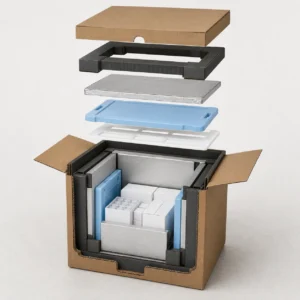
Was ist passiert
Extreme Sommertemperaturen stellen die Lebensmittelversorgungsketten vor neue Herausforderungen, zunehmender Druck auf Kühlsysteme, Kühllagereinrichtungen und Vertriebsnetze für frische Lebensmittel.
Aktuelle Analysen zeigen, dass Klimavolatilität nicht mehr nur ein landwirtschaftliches Problem ist.
Es wird zu einer Herausforderung für die Kühlketteninfrastruktur.
Lebensmitteleinzelhändler und Logistikunternehmen stehen zunehmend unter Druck:
- höhere Umgebungstemperaturen
- Der Kühlbedarf steigt
- Unsicherheit der Produktverfügbarkeit
- Transportkomplexität
Wie es funktioniert
Kühlkettensysteme sind auf die erwarteten Umgebungsbedingungen ausgelegt.
Jedoch, Extreme Hitze verändert die Betriebsumgebung.
Höhere Temperaturen nehmen zu:
Kühllast
Kühlräume und Gefrierschränke müssen mehr Wärme abführen:
- Gebäude
- Produkte
- einströmende Luft
Transportdruck
Kühlfahrzeuge stehen vor der Tür:
- längere Kühlerholungszeiten
- höherer Kraftstoff- oder Energiebedarf
- größeres Risiko beim Verladen
Herausforderungen bei der Kühlung im Einzelhandel
Erfahrung mit Kühlsystemen für Supermärkte:
- längere Betriebszyklen
- höhere Auslastung des Kompressors
- erhöhtes Ausfallrisiko
Die Kühlkette hängt daher nicht nur von der Kapazität der Kühlgeräte ab, sondern auch von:
- Gebäudeisolierung
- Backup-Systeme
- Energieverfügbarkeit
- Betriebsplanung
Warum ist es wichtig
Das traditionelle Kühlkettendesign basiert häufig auf historischen Klimabedingungen.
Jedoch, häufigere extreme Wetterereignisse stellen diese Annahmen in Frage.
In einem Lager, das für frühere Temperaturmuster ausgelegt ist, kann es zu Abweichungen kommen:
- verringerte Kühlspanne
- höhere Betriebskosten
- größere Ausfallwahrscheinlichkeit
Frische Produkte sind besonders empfindlich.
Auch wenn die Produkte technisch gekühlt bleiben, Verzögerungen und Temperaturstress können reduziert werden:
- Haltbarkeit
- Aussehen
- Qualität
- Verkaufswert
B2B-Auswirkungen
Für Kühllagerbetreiber:
Zukünftige Einrichtungen könnten dies erfordern:
- höhere Kühlmargen
- verbesserte Isolierung
- Notstromversorgung
- klimaadaptive Designs
Für Lebensmitteleinzelhändler:
Die Planung der Lieferkette sollte Folgendes umfassen::
- alternative Beschaffung
- zusätzliche Lagerflexibilität
- stärkere Kühlüberwachung
Für Logistikdienstleister:
Die Kühltransportplanung muss berücksichtigt werden:
- Extremwetterrouten
- Fahrzeugkühlungsfähigkeit
- Lieferzeitpunkt
Für Kältelieferanten:
Die Nachfrage könnte steigen:
- hocheffiziente Systeme
- Intelligente Steuerung
- vorausschauende Wartung
Für Technologieanbieter:
Zukünftige Plattformen werden integriert:
- Wetterdaten
- Kühldaten
- Bestandsinformationen
um Risiken in der Kühlkette vorherzusagen.
Abschließende Einsicht
Der Klimawandel verändert die Gestaltung der Kühlkette.
Die zukünftige Kühlkette muss nicht nur die Temperatur unter normalen Bedingungen aufrechterhalten.
Es muss währenddessen zuverlässig bleiben:
- Hitzewellen
- Kraftdruck
- Versorgungsstörungen
Die Widerstandsfähigkeit der Kühlkette wird zu einer zentralen Anforderung der globalen Ernährungssicherheit.
Die Pharma-Kühlkette entwickelt sich hin zu KI-gesteuerter Transparenz und vorausschauendem Risikomanagement
Die pharmazeutische Kühlkette geht von der Temperaturüberwachung hin zur prädiktiven Lieferkettensteuerung
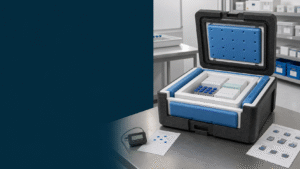
Was ist passiert
Die pharmazeutische Kühlkettenindustrie tritt in eine neue Phase der digitalen Transformation ein, da die Nachfrage nach Biologika steigt, GLP-1-Therapien, Impfstoffe und fortschrittliche Medikamente.
Branchenanalysen zeigen, dass Kühlkettenanbieter über die traditionelle Temperaturüberwachung hinaus in Richtung integrierter Systemkombinationen expandieren:
- Echtzeit-Sichtbarkeit
- prädiktive Analytik
- automatisierte Benachrichtigungen
- Supply-Chain-Intelligence
Die Änderung spiegelt die zunehmende Komplexität im Arzneimittelvertrieb wider.
Moderne Gesundheitsprodukte erfordern oft:
- enge Temperaturbereiche
- strenge Handhabungsverfahren
- validierte Logistikprozesse
Infolge, Die Aufrechterhaltung der Temperatur allein reicht nicht mehr aus.
Wie es funktioniert
Traditionelle pharmazeutische Kühlketten verlassen sich auf:
- Isolierte Verpackung
- Kühltransport
- Temperaturdatenlogger
- BIP-Lager
Diese Systeme bestätigen, ob Produkte innerhalb der Spezifikation geblieben sind.
Jedoch, Zukünftige Kühlketten konzentrieren sich zunehmend auf die Prävention.
Digitale Plattformen verbinden sich:
Echtzeitüberwachung
Einschließlich:
- Temperatur
- Standort
- Sendungsstatus
- Zustand der Ausrüstung
Prädiktive Analytik
Wird zur Identifizierung verwendet:
- Verzögerungsrisiken
- Temperaturabweichungswahrscheinlichkeit
- Routenprobleme
Automatisierte Intervention
Systeme kann ich empfehlen:
- Umleitung
- Prioritätsabwicklung
- zusätzliche Kühlunterstützung
- Lagerumlagerung
Warum ist es wichtig
Fortschrittliche Therapien schaffen neue Herausforderungen in der Kühlkette.
Beispiele:
- Zelltherapien
- Gentherapien
- Biologika
- injizierbare Medikamente
Diese Produkte haben oft:
- höherer Wert
- kürzere Stabilitätsfenster
- größere Auswirkungen auf den Patienten
Ein Logistikfehler kann die Folge sein:
- Produktverlust
- Verzögerungen bei der Behandlung
- behördliche Untersuchung
Gleichzeitig, globale Pharmanetzwerke umfassen:
- mehrere Länder
- mehrere Träger
- komplexe regulatorische Umgebungen
Dadurch wird die manuelle Verwaltung immer schwieriger.
B2B-Auswirkungen
Für Pharmahersteller:
Zukünftige Lieferketten erfordern:
- größere Sichtbarkeit
- Prädiktives Risikomanagement
- stärkere Notfallplanung
Für Logistikdienstleister:
Zu den Wettbewerbsvorteilen gehören::
- digitale Überwachung
- BIP-Fähigkeit
- proaktives Eingreifen
Für Kühllagerbetreiber:
Die Nachfrage wird steigen:
- Anlagen in Pharmaqualität
- automatisierte Lager
- vernetzte Überwachung
Für Verpackungslieferanten:
Wachstumschancen umfassen:
- Intelligente Versender
- PCM -Systeme
- Wiederverwendbare Verpackung
Für Technologieunternehmen:
Zukünftige Lösungen werden integriert:
- Ai
- IoT
- Digitale Zwillinge
- Automatisierte Entscheidungssysteme
Abschließende Einsicht
Die pharmazeutische Kühlkette verschiebt sich:
„Temperaturverlauf aufzeichnen“
Zu:
„Produktrisiken vorhersagen und verhindern.“
Die nächste Generation der Gesundheitslogistik wird physische Kühlketteninfrastruktur mit digitaler Intelligenz kombinieren.
KI-gesteuerte Kühlsteuerung sorgt für intelligentere Kühllagerabläufe
Angewandte Wärmetechnik / Sonst
KI-gesteuerte Kühloptimierung verbindet den Lagerbetrieb mit der Energieeffizienz der Kühlkette

Was ist passiert
Forscher haben einen neuen Ansatz zur Optimierung industrieller Kühllager vorgeschlagen, indem sie Lagerlogistikaktivitäten mit Kühlkontrollstrategien verbinden.
Die Studie führt ein logistikorientiertes Überwachungs-Temperaturplanungs-Framework ein, das die Energieeffizienz verbessern und gleichzeitig die erforderlichen Lagerbedingungen aufrechterhalten soll.
Herkömmliche Kühlhäuser betreiben Kühlsysteme typischerweise mit Festtemperaturstrategien.
Jedoch, Der tatsächliche Wärmebedarf ändert sich im Laufe des Tages je nach:
- Palettenbewegung
- Türöffnungen
- Ladeaktivität
- Entladepläne
- Lagerbetrieb
Die Forschung untersucht, ob die Kühlung intelligenter werden kann, indem sie auf logistische Aktivitäten reagiert, anstatt unabhängig zu arbeiten.
Wie es funktioniert
Industrielle Kühllagersysteme halten die Temperatur normalerweise kontinuierlich aufrecht.
Jedoch, Nicht jeder Moment erfordert die gleiche Kühlintensität.
Zum Beispiel:
In Zeiten hoher Lageraktivität:
- Türen öffnen sich häufiger
- warme Luft gelangt in Lagerbereiche
- Die Produktbewegung nimmt zu
Während inaktiver Zeiten:
- Die thermische Belastung nimmt ab
- Der Kühlbedarf sinkt
Das vorgeschlagene System kombiniert:
Logistikinformationen
Einschließlich:
- Lagerpläne
- materielle Bewegung
- Betriebszeitplan
Kühlsteuerung
Anpassen:
- Temperatursollwerte
- Kühlbedarf
- Energieverbrauch
Optimierungsalgorithmen
Balancieren:
- Energieeinsparungen
- Temperaturstabilität
- betriebliche Anforderungen
Simulationsergebnisse zeigten:
- Energieeinsparung von ca. 5,78 %–6,23 %
- Reduzierung der Spitzenleistung um ca. 8,75 %–9,45 %
- keine Temperaturverstöße
Warum ist es wichtig
Die Kühllagerung ist einer der größten Energieverbraucher in der Lebensmittel- und Pharmalogistik.
Betreiber stehen zunehmend unter Druck:
- Stromkosten
- Nachhaltigkeitsziele
- Anforderungen an die CO2-Reduktion
Traditionelle Effizienzsteigerungen konzentrieren sich auf:
- Isolierung
- Kompressoren
- Kühlgeräte
Die KI-Optimierung führt einen weiteren Weg ein:
Einsatz betrieblicher Intelligenz, um unnötigen Kühlbedarf zu reduzieren.
Dies ist wichtig, da Kühllager dynamische Umgebungen sind.
Eine Anlage, die Hunderte von Palettenbewegungen pro Tag abwickelt, weist ein ganz anderes thermisches Verhalten auf als ein Lagerhaus mit geringer Aktivität.
B2B-Auswirkungen
Für Kühllagerbetreiber:
Zukünftige Einrichtungen können integriert werden:
- WMS-Daten
- Kühlsteuerungen
- Energiemanagementsysteme
Für Kältelieferanten:
Wachstumschancen umfassen:
- intelligente Controller
- KI-Optimierungsmodule
- vorausschauende Wartungssysteme
Für Anbieter von Lagerautomatisierung:
Integration zwischen:
- Roboter
- Lagerbewegung
- Kühlung
kann ein neuer Wettbewerbsvorteil werden.
Für Nachhaltigkeitsteams:
KI-Kühloptimierung kann dabei helfen:
- Energiereduzierung
- CO2-Berichterstattung
- Betriebseffizienz
Für Unternehmen der Kühlkettentechnologie:
Zukünftige intelligente Lager könnten als vernetzte Systeme funktionieren:
- Logistikdaten steuern die Kühlung
- Kühldaten verbessern Logistikentscheidungen
Abschließende Einsicht
Das zukünftige Kühllager wird nicht nur die Temperatur aufrechterhalten.
Es wird dynamisch koordiniert:
- Produktbewegung
- Kühlbedarf
- Energieverbrauch
- Betriebspläne
Die KI-gesteuerte Kühlsteuerung stellt einen Wandel von der passiven Temperaturerhaltung hin zum intelligenten Kühlkettenmanagement dar.
Das Wachstum der pharmazeutischen Kühlkette schafft neue Nachfrage nach Sichtbarkeit und Widerstandsfähigkeit
Die pharmazeutische Kühlkette geht über die Temperaturkontrolle hinaus und hin zur Widerstandsfähigkeit der Lieferkette
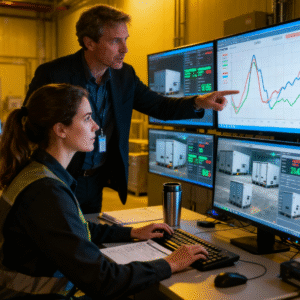
Was ist passiert
Der Markt für pharmazeutische Kühlketten wächst weiter, da die Nachfrage nach Biologika steigt, Spezialmedikamente, Impfstoffe und fortschrittliche Therapien.
Jedoch, Branchenanalysen zeigen, dass Wachstum mit zunehmender Komplexität der Lieferkette einhergeht.
Moderne pharmazeutische Logistiknetzwerke stehen heute vor Herausforderungen, darunter::
- geopolitische Störungen
- Transportinstabilität
- regulatorische Änderungen
- eingeschränkte Sendungssichtbarkeit
Die Branche verlagert sich von einem traditionellen Fokus auf die Aufrechterhaltung der Temperatur hin zu einem umfassenderen Ziel:
Schutz der Produktintegrität im gesamten Liefernetzwerk.
Wie es funktioniert
Eine moderne pharmazeutische Kühlkette umfasst mehrere miteinander verbundene Stufen:
- Produktionsanlagen
- Verpackungsbetriebe
- BIP-Lager
- Flughäfen
- Transportanbieter
- Krankenhäuser und Gesundheitseinrichtungen
Jeder Übergang birgt potenzielle Risiken.
Das traditionelle Kühlkettenmanagement konzentrierte sich hauptsächlich auf:
- Einhaltung des Temperaturbereichs
- Aufzeichnung der Sendungshistorie
Systeme der neuen Generation werden zunehmend kombiniert:
Echtzeitüberwachung
Einschließlich:
- Temperatursensoren
- Standortverfolgung
- Sendungsstatus
Prädiktive Analytik
Wird zur Identifizierung verwendet:
- Verzögerungsrisiken
- Temperaturabweichungswahrscheinlichkeit
- Routenprobleme
Transparenz der Lieferkette
Über die direkten Lieferanten hinausgehend einbeziehen:
- Subunternehmer
- Flughäfen
- Häfen
- Logistikzentren
Warum ist es wichtig
Pharmazeutische Produkte werden immer sensibler.
Beispiele hierfür sind:
- monoklonale Antikörper
- Impfungen
- Zelltherapien
- Gentherapien
Diese Produkte erfordern oft:
- strenge Temperaturbereiche
- validierte Verpackung
- kontrollierte Handhabungsverfahren
Ein Versandfehler kann dazu führen:
- Produktverlust
- behördliche Untersuchung
- verzögerte Behandlung des Patienten
Gleichzeitig, Globale Logistiknetzwerke werden anfälliger.
Ein Produkt kann innerhalb der Temperaturgrenzen bleiben, aber dennoch Risiken ausgesetzt sein:
- Transportverzögerungen
- Zollangelegenheiten
- Streckenstörungen
daher, Eine Temperaturregelung allein reicht nicht mehr aus.
B2B-Auswirkungen
Für Pharmahersteller:
Zukünftige Lieferketten werden es erfordern:
- größere Sichtbarkeit der Lieferanten
- alternative Logistikrouten
- stärkere Notfallplanung
Für Logistikdienstleister:
Kunden im Gesundheitswesen benötigen immer mehr:
- GDP-Konformität
- digitale Überwachung
- proaktives Eingreifen
Für Kühllagerbetreiber:
Die Nachfrage steigt weiterhin:
- Lagerhäuser in pharmazeutischer Qualität
- Lagerung bei mehreren Temperaturen
- digitale Überwachung
Für Verpackungslieferanten:
Wachstumschancen umfassen:
- PCM-Versender
- Mehrwegbehälter
- Intelligente Temperaturanzeigen
Für Technologieunternehmen:
Zukünftige Pharma-Kühlketten werden davon abhängen:
- KI-Vorhersage
- Digitale Zwillinge
- angeschlossene Überwachungssysteme
Abschließende Einsicht
Die pharmazeutische Kühlkette entwickelt sich weiter.
Die Branche bewegt sich von:
„Temperatur halten“
zu:
„Risikomanagement entlang der gesamten Lieferkette.“
Zukünftige Kühlkettenführer werden sich zusammenschließen:
- Wärmeschutz
- digitale Sichtbarkeit
- prädiktive Analytik
- betriebliche Belastbarkeit
in ein integriertes Gesundheitslogistik-Ökosystem integrieren.