


How to buy biodegradable insulated boxes in 2026?
How to buy biodegradable insulated boxes in 2026?

How to buy biodegradable insulated boxes in 2026?
If you searched for ‘insulated box with biodegradable’, you want one article that brings together product education, thermal science, Einhaltung, and practical buying advice. The best biodegradable insulated box is never chosen by material alone. It must fit your product, Fahrbahn, Zieltemperatur, documentation load, und Nachhaltigkeitsziele. In 2026, buyers also need better evidence: Validierungslogik, packout control, and a sourcing brief that can stand up in operations, Qualitätssicherung, and procurement meetings. This optimized guide gives you that complete view in one place.
Dieser Artikel wird antworten
- How to choose the best compostable insulated box using buyer logic, route data, and product requirements.
- Which material and refrigerant combinations strengthen biobased cold chain packaging without overspending.
- What standards, validation steps, and documentation reduce risk for paper insulated shipping box.
- How to build a sourcing plan that supports performance, Kostenkontrolle, and sustainability in 2026.
How do you define the right job for biodegradable insulated box before you buy?
The best buying decision begins with a clear shipping definition. Before you compare materials or prices, define the product class, the allowed temperature band, the expected transit window, the delay margin, and the receiving action at destination. Das klingt einfach, but it is the step that separates useful packaging programs from expensive guessing. When teams skip this definition, they usually overspend on easy lanes and still under-protect the hard ones.
For sustainable cold-chain packaging, your packaging brief should also capture payload mass, SKU mix, Inszenierungszeit, route handoffs, and how often the box will be opened before delivery. Those details change thermal behavior and labor effort at the same time. They also determine whether the best solution is a simple disposable shipper, a premium long-hold system, or a reusable loop. Good packaging starts with operational truth, not with a catalog page.
Use a one-page packaging definition
A one-page definition should answer five things: what is being shipped, how cold or warm it must stay, how long the route can realistically take, what conditions make the shipment unacceptable, and what the receiver must do when it arrives. If you build your sourcing process around those five items, every later decision becomes easier. That is especially true for insulated box with biodegradable, where the difference between a safe, economical packout and a wasteful one is often route definition rather than material alone.
| Decision input | Warum ist es wichtig | Wenn Sie es ignorieren | Was es für Sie bedeutet |
| Temperaturband | Sets the true thermal target | Wrong coolant or wrong wall design | You choose a system that matches product reality. |
| Route and delay margin | Defines required hold time | Tests that pass on paper but fail in transit | You buy resilience instead of optimism. |
| Payload mass and mix | Changes heat absorption and cavity fit | Inconsistent performance between SKUs | You keep results relevant after launch. |
| Receiving action | Protects the shipment after arrival | Good package left unopened too long | You preserve product quality beyond transit. |
Praktische Tipps und Empfehlungen
- Define pass/fail early: do not wait until after testing to decide what counts as success.
- Group similar lanes: einfach, mäßig, and hard routes rarely need the same design.
- Include operations in the brief: the team packing the box knows where execution really varies.
Anschauliches Beispiel: The strongest buying teams treat packaging definition like a mini risk assessment. That one habit usually reduces rework later because suppliers respond to a clear problem instead of guessing what matters most.
Welche Materialien, Kühlmittel, and packout geometry create the safest thermal result?
An insulated shipper performs as a system. Wall material, internal fit, Verschlussqualität, Kühlmitteltyp, and payload mass all interact. That is why one material cannot be declared ‘best’ without context. Foam may be the practical answer on one lane, a reusable EPP system may win on another, and VIP or a hybrid design may make sense when product value or route uncertainty rises. The correct choice is the one that protects temperature with the least operational friction.
Coolant selection should follow the same logic. Gel packs are flexible. PCM packs help narrow the temperature band when conditioning is tightly controlled. Dry ice is powerful for frozen or deep-cold routes, but it raises handling and compliance needs. The packout layout also matters because uneven placement, large voids, or poor lid sealing can undermine an otherwise good design. For biodegradable insulated box, thermal science becomes practical when you translate it into three rules: reduce heat paths, balance coolant, and keep the build repeatable.
The best design is stable, not dramatic
Buyers are often impressed by boxes that feel colder or heavier during sampling, but those impressions do not always predict success in real routes. A stable design is one that keeps working when packing is slightly rushed, a handoff is delayed, or the receiver is slower than planned. That is the standard worth paying for. In most operations, a repeatable moderate design beats an extreme design that only works under perfect preparation.
| System element | Best question to ask | High-value signal | Was es für Sie bedeutet |
| Isolationsmaterial | What route and duration was it chosen for? | The supplier explains why this material fits your lane class | You avoid material decisions based on fashion or habit. |
| Kühlmitteltyp | What band and preparation method does it support? | There is a clear conditioning SOP | You protect temperature without adding chaos. |
| Packout geometry | How is headspace reduced and product stabilized? | The cavity design matches real SKU shapes | You gain performance without extra material. |
| Verschlussmethode | How is sealing controlled during packing? | The closure pattern is simple and repeatable | You protect real-world hold time, not just lab performance. |
Praktische Tipps und Empfehlungen
- Test the build, not just the box: the same box can perform differently under different packout methods.
- Use realistic payloads: surrogate loads should behave like the products you actually ship.
- Balance thermal and labor goals: a technically good design that operators hate often fails later.
Anschauliches Beispiel: In route trials, the winning design is often the one with the best fit and the clearest packout sheet, not necessarily the one with the thickest wall or the most coolant.
How should you validate and monitor biodegradable insulated box in daily operations?
Die Validierung sollte eine Frage beantworten: can this system protect the product on the real lane, with normal people using it? That means checking the route profile, the season or ambient stress, die Nutzlast, the refrigerant conditioning, and the packout steps together. Once the design passes, translate the result into an SOP and use targeted logger work to confirm that operations stay aligned. This is how technical confidence turns into operational confidence.
Not every organization needs a heavy validation framework, but every organization needs clear assumptions. Know what route class was represented, what pass range applies, who reviews the data, and what happens if a shipment falls outside that range. These basics matter in food, Gesundheitspflege, biospecimens, Chemikalien, and sustainable packaging projects alike because the box is only one part of a repeatable shipping system. The other part is disciplined execution.
Use data to improve, not just to archive
Loggers are most valuable on new lanes, seasonal changes, higher-risk SKUs, Lieferantenvergleiche, and investigations. Pair each logger trace with shipment facts such as packout version, Nutzlast, dispatch time, and unusual dwell. Wenn du das tust, the data becomes a decision tool. When you do not, it becomes a graph that nobody fully trusts. For insulated box with biodegradable, targeted monitoring often reveals where you can remove waste safely and where you need more margin.
| Validation layer | Was zu bestätigen ist | Weak habit to avoid | Was es für Sie bedeutet |
| Streckenqualifizierung | Lane class, delay margin, and ambient stress | Approving one generic route for all shipments | You keep evidence tied to real business conditions. |
| Packout SOP | Exact build sequence and coolant prep | Relying on memory or tribal knowledge | You protect consistency across shifts and sites. |
| Datenüberprüfung | Who checks results and what counts as a pass | Collecting data with no disposition rule | You turn monitoring into action. |
| Periodic review | Seasonal drift, new SKUs, and exception trends | Freezing the spec for years | You keep the package aligned with current operations. |
Praktische Tipps und Empfehlungen
- Validate the hardest realistic lane first: success there often covers easier routes.
- Give the SOP to operators early: a design is only approved when the team can repeat it.
- Use exceptions as design feedback: each issue can refine route segmentation or packout discipline.
Anschauliches Beispiel: The best packaging programs learn continuously. They do not treat qualification as a one-time event, but as the starting point for operational control.
What compliance framework should guide biodegradable insulated box?
Compliance works best when it becomes a short packaging checklist. Sustainable packaging claims need precision. Biobased does not automatically mean biodegradable. Biodegradable does not automatically mean compostable. If you want to market a biodegradable insulated box, you need to align claim language with the actual material system and with the disposal route the customer can access. Standards such as ASTM D6400, D6868, and EN 13432 are useful reference points, but only where they truly fit the substrate and market. The most credible sustainability message is usually the most specific one.
The right framework depends on the product and route. Food teams care about safe temperature thresholds, Hygiene, Beschriftung, und Rückverfolgbarkeit. Pharma and medical teams add route qualification and GDP-style documentation. Tissue and diagnostic shipments may also need pressure resistance, absorbent material, and Category B packaging logic. Chemical shipments can require compatibility review and dangerous-goods controls. Whatever the category, the practical goal is the same: build the rules into the shipper specification instead of bolting them on later.
A short compliance checklist beats a long policy file
Turn the rules that matter into daily questions. What temperature band applies? What packaging classification or material-compatibility rule applies? What labels or documents must travel with the shipment? What receiving action is required? When a supplier can answer those questions clearly for insulated box with biodegradable, you are much closer to a box that will survive audits and daily handling alike. Clear compliance thinking also reduces internal friction because QA, Beschaffung, and operations can work from the same page.
| Compliance-Fokus | Was zu bestätigen ist | Operational response | Was es für Sie bedeutet |
| Claim language | Separate biobased, biologisch abbaubar, recycelbar, and compostable claims | Using ‘green’ as a catch-all | Precise language protects credibility. |
| Standard fit | Use ASTM D6400/D6868 or EN 13432 only where they truly apply | Claiming compostability without system evidence | You reduce greenwashing risk. |
| Disposal reality | Tell the customer how and where the material should be disposed | Assuming curbside systems accept everything | Clear disposal guidance improves the real sustainability outcome. |
| Thermische Validierung | Test the sustainable design on the target lane | Approving material claims before route results | A failed shipment erases the benefit of a better material story. |
Praktische Tipps und Empfehlungen
- Start with the product label or protocol: it defines the real packaging target.
- Build one-page checks into launch: if the team cannot use the rules daily, the rules are too abstract.
- Update the checklist yearly: Vorschriften, Kunden, and routes do not stay still.
Anschauliches Beispiel: The most reliable packaging decisions usually come from teams that convert regulations into practical launch checks rather than leaving compliance buried in separate documents.
How do you compare suppliers on cost, Nachhaltigkeit, and execution?
A supplier should be judged on total program fit, not only on the quoted carton. You need to compare route logic, sample evidence, packout simplicity, QC discipline, Vorlaufzeit, commercial flexibility, and sustainability credibility together. That broader view is important because the cheapest sample can become the most expensive rollout if the packout is slow, inkonsistent, or weak on difficult lanes. Packaging value is created at dispatch and delivery, not just at purchase order approval.
Use a structured RFQ with the same route, Nutzlast, and pass criteria for every bidder. Then score the proposals on technical fit, daily usability, Dokumentationsqualität, und Gesamteinstandskosten. Sustainability should be part of that score, but in a specific way: richtige Größe, Logik wiederverwenden, Abfallreduzierung, or precise material claims. That keeps the buying process honest and makes it easier to defend the final choice internally.
Procurement should reward evidence that operations can actually use
Suppliers earn trust when they explain failure modes clearly, provide simple packout steps, and show how production will stay aligned with the tested sample. If you are evaluating biodegradable insulated box, ask what happens when the route runs late, when a new SKU enters the box, or when summer heat raises ambient stress. Those answers reveal whether you are buying a real shipping system or only a polished sample. Robust execution is usually the most undervalued part of packaging ROI.
| Supplier criterion | Strong answer looks like | Weak answer looks like | Was es für Sie bedeutet |
| Streckentauglich | Explains why the design matches your lane class | Offers one generic hold-time claim | You see whether the shipper was built for your business. |
| Bedienerfreundlichkeit | Provides a short, repeatable packout SOP | Requires many operator judgments | You lower execution drift at scale. |
| Kontrolle ändern | Shows QC, Chargenrückverfolgbarkeit, and revision discipline | Cannot explain how production stays consistent | You reduce mismatch between sample and mass production. |
| Sustainability credibility | Uses precise claims and route-aware waste logic | Uses broad green language with no evidence | You protect both brand trust and product integrity. |
Praktische Tipps und Empfehlungen
- Use weighted scoring: technical fit and operational ease deserve real weight, not token weight.
- Pilot before full rollout: a short real-world test reveals execution issues quickly.
- Review the reverse side of cost: langsameres Packen, reships, and storage are packaging costs too.
Anschauliches Beispiel: The best supplier decisions often come from mixed review teams, because procurement sees cost, QA sees evidence, and operations sees whether the packout will really survive peak workload.
Was soll Ihr 2026 action plan look like for biodegradable insulated box?
The most effective 2026 strategy is disciplined simplicity. Cold-chain sustainability in 2026 is getting more practical. Buyers still want lower-impact materials, but they are much less willing to accept vague environmental claims. Questions now focus on right-sizing, material recovery, customer disposal behavior, and whether a biobased or compostable format actually works on the intended route. That shift is good for serious suppliers because it rewards evidence over slogans. The strongest sustainable insulated box projects are the ones that pair validated thermal performance with honest disposal guidance.
Your action plan should include four steps. Reclassify the network into lane groups. Recheck the current packout against today’s product mix and customer expectations. Update the compliance and receiving checklist. Then compare suppliers using a route-specific RFQ rather than a price-only renewal. That sequence combines the strongest ideas from buyer guidance, thermal science, and operating strategy into one practical workflow. It is also the fastest way to improve performance without making the system harder to run.
A practical roadmap
If you do only one thing this quarter, review the routes that produce the most complaints, deviations, oder Abfall. That is where the packaging specification usually needs attention first. For insulated box with biodegradable, the next big improvement is rarely hidden in a complicated innovation. It is more often found in better route fit, klarere SOPs, sauberere Dokumentation, and more honest supplier comparison.
Praktische Tipps und Empfehlungen
- Reclassify lanes by difficulty before renewing or redesigning the shipper.
- Refresh the packout SOP and receiving instructions at the same time as the box spec.
- Pilot sustainable or lower-cost changes on a few representative lanes first.
- Use route data and exception records as the main input to the next RFQ.
Anschauliches Beispiel: The teams that improve fastest are the ones that review packaging as a live operating system, not as a box specification that was solved once and never revisited.
Häufig gestellte Fragen
What is the first thing to define before buying insulated box with biodegradable?
Define the required temperature band, realistic route time, delay margin, Nutzlast, and receiving action. Those five inputs shape every later packaging decision.
How do you know whether a supplier’s test result is useful?
The result is useful when the payload, Umgebungsprofil, refrigerant conditioning, and pass criteria match your real lane. A generic hold-time claim is not enough.
Should one company use different packouts for different routes?
Normalerweise ja. Segmenting easy, mäßig, and hard lanes is one of the fastest ways to improve protection and lower overspecification at the same time.
How should you judge sustainability claims on insulated boxes?
Judge them by route fit, material definition, waste reduction logic, und Entsorgungsrealität. Präzise, evidence-based claims are more valuable than broad green language.
What records make the packaging program stronger after launch?
Keep route class, packout version, Kühlmittelzustand, Ausnahmehinweise, and any targeted logger results. Those records show whether the specification still fits the lane.
Was ist das Beste? 2026 packaging improvement strategy?
Use a route-specific review that combines technical fit, Einhaltung, operating ease, und Gesamteinstandskosten. The strongest packaging systems are the ones your team can prove and repeat.
Zusammenfassung und Empfehlungen
The best answer for biodegradable insulated box combines four ideas: define the route clearly, choose materials and coolant as a system, validate with practical evidence, and buy from suppliers who can support daily execution as well as thermal performance. That integrated approach improves protection, lowers unnecessary cost, and keeps compliance and sustainability discussions grounded in real operating data. It is the strongest path for a 2026 packaging program.
Use this guide as a working checklist. Reclassify your network, refresh your compliance and receiving SOP, and ask suppliers for route-specific evidence using one common RFQ template. That sequence will help you improve packaging performance quickly without making the system harder for your team to operate.
Über Tempk
Und Tempk, we focus on practical temperature-controlled packaging decisions rather than one-size-fits-all claims. We look at lane conditions, packout repeatability, Produktempfindlichkeit, and commercial fit so you can choose an insulated box system that works in real operations. Our approach emphasizes clear communication, route-aware configuration, and packaging options that can support food, Gesundheitspflege, Labor, and industrial cold-chain needs.
Use your current lane data, product temperature requirements, and packaging pain points as the basis for the next supplier conversation. When those inputs are clear, expert advice becomes far more useful and the resulting packout is usually faster to approve and easier to run.
The Best Insulated Box Wholesale Meat Guide for 2026
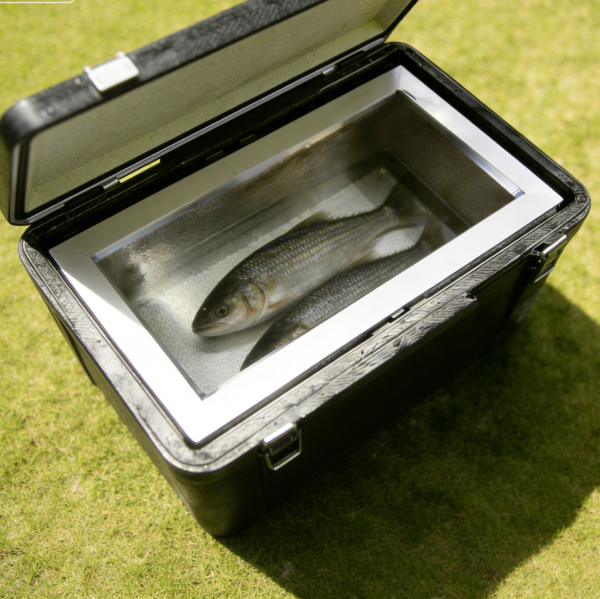
Suggested canonical: /resources/insulated-box-wholesale-meat/
Suggested internal pages:
- Choosing liners for meat shipments
- Gel packs vs dry ice for proteins
- How to validate meat shipping lanes
- Food-safe secondary packaging checklist
The Best Insulated Box Wholesale Meat Guide for 2026
A strong insulated box wholesale meat program is built around hold time, Umgang mit Risiken, und Betriebstauglichkeit, not foam thickness alone. A good system holds boxed beef, pork cuts, and portion-controlled proteins in range across processor-to-distributor, distributor-to-retail, and direct-to-consumer meat lanes, stays practical for warehouse teams, and supports cleaner cost and quality control. In 2026, the strongest suppliers are combining route-specific validation, better material efficiency, and more transparent documentation.
Dieser Artikel wird antworten:
- How to choose the best wholesale meat insulated shipping box setup for your lane, Nutzlast, und Budget
- Which technical and regulatory checks belong in every purchasing decision
- How to align supplier selection, Validierung, and sustainability in one workflow
- Was 2026 market shifts mean for your next packaging project
Why does Insulated Box Wholesale Meat matter for meat cold chain distribution in 2026?
The best insulated box wholesale meat choice buys reliable temperature time, sauberere Handhabung, und geringere Betriebsreibung. Too many teams compare an insulated box by wall thickness or sample price first. Im realen Betrieb, what matters is whether the pack-out can protect boxed beef, pork cuts, and portion-controlled proteins at 0–4°C chilled and frozen across processor-to-distributor, distributor-to-retail, and direct-to-consumer meat lanes while still being fast to build and easy to receive. For meat wholesalers, Prozessoren, and foodservice distribution buyers, the winning box is the one your team can repeat on its busiest day without improvising.
That is why strong buyers start with route profile, order profile, and handoff behavior. If your lane includes purge leakage, surface warming, and odor migration, average-day performance is not enough. You need a design that still works on a hot afternoon, a delayed handoff, or a crowded receiving dock. Richtige Größe, disciplined coolant placement, and a simple packing sequence often matter more than adding more material. A smart supplier will talk about payload fit, Pack-out-SOPs, and seasonal testing before talking about catalog claims.
How wholesale meat insulated shipping box turns into a repeatable operating standard
Think of the box as a timer, not just a shell. The timer starts the moment the payload leaves controlled storage, and it keeps running through picking, Inszenierung, Transport, and final receiving. If you leave too much empty air around the payload, use the wrong coolant mass, or let the team pack different ways on different shifts, that timer shortens fast. The best systems keep the rules simple enough that your warehouse team can execute them consistently even when volume surges.
| Route profile | Recommended box style | Warum es passt | Was es für Sie bedeutet |
| Local chilled route | Cost-efficient insulated case | Fast turns and frequent handling | Keeps product stable without paying for unnecessary insulation |
| Regional 24–48 h | Mid-duration box with tuned coolant | Mixed dock time and road exposure | Balances food safety protection with freight cost |
| Premium or delay-prone lane | Higher-performance shipper | Longer dwell or export complexity | Protects shelf life when timing is less forgiving |
Praktische Tipps, die Sie verwenden können
- Map your three most common lane lengths before comparing box quotes.
- Ask suppliers for a packing sequence that a new operator can follow in one training session.
- Separate short-lane and worst-case-lane pack-outs instead of forcing one design to do every job poorly.
Beispiel: A protein wholesaler shipping mixed chilled orders added absorbent liners, a tighter lid fit, and a denser pallet pattern. Complaints about wet cartons fell, and receiving teams reported easier handling at restaurant docks.
Which materials and coolant choices make the most sense for insulated box wholesale meat?
Material choice is about matching thermal resistance, Haltbarkeit, and cost to the real lane instead of choosing the most advanced option by default. EPS remains popular because it is cost-effective and widely available. EPP adds durability and reuse potential. Polyurethane or polyisocyanurate-based designs can deliver more insulation in less thickness. VIP-based systems push performance even further, but they cost more and require careful handling. The best answer depends on how long the route lasts, how rough the handling is, and how expensive failure would be.
Ebenso wichtig ist die Wahl des Kühlmittels. Gel packs are simple and flexible. Phase-change materials give tighter control when you need a narrower target. Dry ice supports frozen and deep-frozen programs but introduces labeling, Sicherheit, and depletion planning. When buyers mix material and coolant well, they reduce both risk and overpack. When they guess, they often end up paying for too much insulation on easy lanes and too little protection on hard ones.
What the materials data means in real operations
Do not compare materials by brochure claims alone. Ask how they behave after vibration, Kompression, Feuchtigkeitseinwirkung, und wiederholte Handhabung. A very efficient panel loses value if the operator can damage it easily. A reusable shell only earns its keep when the reverse-logistics loop is real. The right material is the one that still performs after your actual handling pattern, not the one with the most impressive lab story.
| Material or coolant | Was es gut macht | Was zu sehen ist | Was es für Sie bedeutet |
| EPS + Gelpackungen | Strong value on many routine lanes | Can become bulky on long hot routes | A practical baseline for cost-sensitive distribution |
| EVP + Wiederverwendbares PCM | Durable and suited to repeat use | Needs return logistics and cleaning control | Good for closed loops with consistent turns |
| PU/PIR + PCM | Higher performance in tighter space | Higher cost than basic foam | Useful when cube is expensive or hold time is tighter |
| VIP + PCM or dry ice | Long-duration performance in compact footprints | Premium cost and handling care | Best when payload value justifies the extra protection |
Praktische Tipps, die Sie verwenden können
- Choose the material after you define the lane and payload, nicht vorher.
- Compare materials with transit and thermal data from the same test plan whenever possible.
- Protect high-performance inserts from edge damage during handling and storage.
Beispiel: Two boxes can look similar on a sample table yet behave very differently after vibration, Corner Drop, and staging delay. Material selection only becomes meaningful when it is tied to the lane and the test method.
How do you validate insulated box wholesale meat before you scale volume?
If you cannot show test conditions, Logger-Ergebnisse, and pass or fail rules, you do not yet have a qualified packaging system. Validation turns a packaging concept into a controlled operating method. You define the route assumptions, condition the samples, build the pack-out exactly as written, and measure the internal temperature over time. Then you combine that with transit-style abuse testing so the box is not only thermally sound but physically durable. This is where standards such as ASTM D3103, ASTM D4169, ASTM D4332, and modern ISTA thermal profiles become valuable.
Healthcare and biotech teams often go one step further by qualifying route profiles, documenting logger placement, and locking seasonal pack-outs under change control. Food teams should do the same discipline even when the language is simpler. The goal is always the same: prove that the pack-out holds product in range for the intended route, and prove that the operation can repeat it after launch. In 2026, buyers increasingly expect this evidence before they approve a new supplier.
What a clean validation file for wholesale meat insulated shipping box should include
Zumindest, keep the pack drawing, material specification, test protocol, conditioning details, Anweisungen zum Auspacken, Logger-Karte, Akzeptanzkriterien, and final report. If you change wall thickness, Harz, Kühlmitteltyp, payload geometry, or outer carton strength, assess whether requalification is needed. This discipline protects you from quiet performance drift after cost-down changes or raw-material substitutions.
| Validation file element | Was es beweist | Who uses it | Was es für Sie bedeutet |
| Pack drawing and BOM | Exactly what was tested | Beschaffung, Qualität, Lieferanten | Stops later confusion about what counts as approved |
| Thermal test report | Hold-time performance against the target range | Quality and operations | Shows whether the pack-out works on paper and in practice |
| Transit durability report | Resistance to drops, Vibration, und Komprimierung | Operations and engineering | Prevents thermal success from being undone by handling damage |
Praktische Tipps, die Sie verwenden können
- Test at least one short lane and one worst-case lane instead of relying on a single average profile.
- Record logger placement in the protocol so future tests are comparable.
- Trigger a review whenever the drawing, Material, Kühlmittel, or payload geometry changes.
Beispiel: A formal validation file often speeds purchasing instead of slowing it down. Once the evidence exists, teams spend less time arguing from opinion and more time deciding how to launch.
Welche Standards, Vorschriften, and handling rules shape insulated box wholesale meat?
The right rule set depends on what you ship, how you ship it, and which risks the shipment creates if control fails. That is why compliance should be defined at the start of the project, not after the packaging is already selected. Food shipments need sanitary transport and temperature control logic. Biological tissues and many specimen shipments may require triple packaging, Und 3373 Markierung, and dry ice labeling when relevant. Medical and biotech flows need qualified systems that protect product quality and traceability through the supply chain.
Standards and regulations also influence documentation. For some routes, a transit and thermal report may be enough. For others, you may need classification records, Sops, Protokolldateien, chain-of-custody steps, or route-qualification evidence. Good suppliers understand where packaging design, Beschriftung, and paperwork meet. They help you build a solution that can pass operational review, not just survive a sample test.
How to match the rule set to wholesale meat insulated shipping box
Start with the product category, the shipping mode, the temperature target, and the destination market. Then define the minimum package construction, Etiketten, Dokumentation, and monitoring you need. Wenn Teams diesen Schritt überspringen, they often discover late in the project that the chosen box lacks the right evidence or cannot support the required process.
| Rule or framework | What it governs | Packaging implication | Was es für Sie bedeutet |
| Sanitary transportation | Clean equipment and temperature control | Protects food safety before the product reaches the customer | |
| HACCP or food safety plan alignment | Hazard control logic | Packaging must support, not weaken, the safety program | |
| Transit and thermal testing | Distribution and temperature proof | Gives buyers evidence instead of promises |
Praktische Tipps, die Sie verwenden können
- Write the product class, Versandart, and temperature target into the packaging brief on day one.
- Ask suppliers to state which standards and test methods their reports actually follow.
- Treat labeling, dry-ice planning, and chain-of-custody steps as part of the pack design, not as separate paperwork.
Beispiel: Compliance mistakes are rarely dramatic at the beginning. They usually look like a missing label, an unclear SOP, or a report with the wrong test method. Catching those details early is much cheaper than fixing them after launch.
How can sustainability strengthen, not weaken, insulated box wholesale meat performance?
Sustainable packaging only works when the environmental claim is backed by lane-appropriate performance. Buyers are right to ask for lower waste, weniger Leerraum, and more credible material claims. But a sustainable insulated box still has to protect product first. If a greener-looking design causes more temperature failures, more spoilage, or more emergency repacks, the total footprint usually gets worse. That is why smart teams treat sustainability as a design optimization problem, not a branding exercise.
In der Praxis, the biggest wins often come from right-size cases to reduce coolant use, stronger boxes that cut damage waste, and cleaner material sorting. These changes reduce material use and freight burden without asking the thermal system to do something unrealistic. Regulators and procurement teams are also paying closer attention to vague green language. In den Vereinigten Staaten, environmental marketing claims need to be truthful and well supported, and in Europe the new packaging rules are pushing designers toward clearer, more defensible material choices. In 2026, that means buyers should ask for proof, keine Slogans.
How to cut waste in wholesale meat insulated shipping box without creating new risk
Start with order-size data, lane-duration data, and return-rate data. Those three numbers tell you whether right-sizing, Wiederverwendung, or material substitution has the strongest payoff. If you run a closed network with consistent returns, reusable shells can work very well. If your flow is one-way parcel, lower cube and clearer disposal instructions may matter more than reuse. The goal is to reduce waste in a way your operation can actually sustain.
| Sustainability move | Main benefit | Main watchout | Was es für Sie bedeutet |
| Passen Sie die Größe der Box an | Less freight air and less coolant | Needs real order-size data | Usually the fastest way to lower cost and waste together |
| Use reuse only on true loops | Lower waste per trip when turns stay high | Fails if return rates are poor | Reuse works best when you can measure return, Reinigung, und Verlust |
| Qualify eco claims | Reduces legal and reputation risk | Requires evidence and clear wording | Honest claims build trust and survive procurement review |
Praktische Tipps, die Sie verwenden können
- Measure empty-space ratio on your top order sizes before changing materials.
- Qualify any recyclable or recycled-content claim with the exact wording you can support.
- Use reuse only when return rates, Reinigung, and asset tracking are already practical.
Beispiel: Teams usually get more value from right-sizing and better pack-out discipline than from chasing a fashionable material change first. That order of operations protects both performance and credibility.
2026 developments and trends for insulated boxes for wholesale meat
Der Größte 2026 shift in insulated box wholesale meat buying is the move from generic cold packaging to lane-specific food packaging. Food safety rules still focus on preventing unsafe temperature control and poor transport practices, but buyers now also expect faster fulfillment, cleaner receiving, und weniger Verpackungsmüll. That combination is pushing the market toward right-sized formats, simpler pack-outs, and stronger documentation around chilled versus frozen flows.
Aktuelle Schichten auf einen Blick
- Mixed-basket and direct-shipping models are increasing pressure on pack-out speed and format flexibility.
- More buyers want evidence that the box supports food safety plans, not just attractive sample performance.
- Waste reduction efforts are focusing on smaller cubes, cleaner liners, and route-matched insulation levels.
In den Vereinigten Staaten, cold-holding expectations and sanitary transportation practices still set the basic safety floor. The differentiator now is operational fit. The box that wins is often the one that helps your team pack faster, receive faster, and waste less while still protecting shelf life.
Häufig gestellte Fragen
What is the main job of insulated box wholesale meat in food logistics?
Its main job is to help keep food in the intended temperature range while protecting cleanliness, Struktur, and receiving efficiency. The best box supports your food safety plan and your labor model at the same time.
Should chilled and frozen food use the same insulated box wholesale meat pack-out?
Normalerweise nicht. Chilled and frozen products have different coolant strategies, risk windows, and receiving behaviors. Separate pack-outs are easier to validate and usually cheaper than forcing one design to serve both poorly.
How do you reduce leaks in insulated box wholesale meat shipments?
Start with payload containment, absorbent or leak-control layers when needed, and an outer box strong enough to keep the lid seal stable in transit. Leak control is a system issue, not just a liner issue.
How do you choose the right size for insulated box wholesale meat?
Base the choice on your top order sizes, Nutzlastdichte, Spurdauer, and the amount of coolant needed. A right-sized box often improves thermal performance because there is less empty air to manage.
Zusammenfassung und Empfehlungen
The strongest insulated box wholesale meat strategy is simple to explain and hard to misuse. You define the route, pick the right material and coolant system, validate the pack-out, and buy from a supplier that can support controlled execution over time. Wenn diese Teile in einer Reihe stehen, you reduce damage, control cost better, and make quality reviews much easier.
Ihr nächster Schritt sollte praktisch sein. List your top lanes, top order sizes, Temperaturziele, and the exceptions that hurt you most today. Then compare suppliers against that real brief, not a generic catalog sheet. A short pilot with clear pass or fail rules will tell you far more than another round of sample swapping.
Über Tempk
Und Tempk, we focus on passive cold chain packaging that is designed around real routes, real handling patterns, and real operating constraints. We work across insulated box formats, custom inserts, and qualification support so buyers can match protection level to lane difficulty instead of overbuying or underprotecting.
Bring your lane profile, order sizes, and temperature target to the conversation. A good packaging discussion starts with your operating reality, and that is the fastest way to move from sample boxes to a repeatable shipping standard.
How to buy medical supplies insulated boxes in 2026?

How to buy medical supplies insulated boxes in 2026?
If you searched for ‘insulated box wholesale medical supplies’, you want one article that brings together product education, thermal science, Einhaltung, and practical buying advice. The best insulated box wholesale for medical supplies is never chosen by material alone. It must fit your product, Fahrbahn, Zieltemperatur, documentation load, und Nachhaltigkeitsziele. In 2026, buyers also need better evidence: Validierungslogik, packout control, and a sourcing brief that can stand up in operations, Qualitätssicherung, and procurement meetings. This optimized guide gives you that complete view in one place.
Dieser Artikel wird antworten
- How to choose the best medical supplies insulated shipping box using buyer logic, route data, and product requirements.
- Which material and refrigerant combinations strengthen temperature controlled medical distribution packaging without overspending.
- What standards, validation steps, and documentation reduce risk for cold chain box for clinic deliveries.
- How to build a sourcing plan that supports performance, Kostenkontrolle, and sustainability in 2026.
How do you define the right job for insulated box wholesale for medical supplies before you buy?
The best buying decision begins with a clear shipping definition. Before you compare materials or prices, define the product class, the allowed temperature band, the expected transit window, the delay margin, and the receiving action at destination. Das klingt einfach, but it is the step that separates useful packaging programs from expensive guessing. When teams skip this definition, they usually overspend on easy lanes and still under-protect the hard ones.
For medical supplies distribution, your packaging brief should also capture payload mass, SKU mix, Inszenierungszeit, route handoffs, and how often the box will be opened before delivery. Those details change thermal behavior and labor effort at the same time. They also determine whether the best solution is a simple disposable shipper, a premium long-hold system, or a reusable loop. Good packaging starts with operational truth, not with a catalog page.
Use a one-page packaging definition
A one-page definition should answer five things: what is being shipped, how cold or warm it must stay, how long the route can realistically take, what conditions make the shipment unacceptable, and what the receiver must do when it arrives. If you build your sourcing process around those five items, every later decision becomes easier. That is especially true for insulated box wholesale medical supplies, where the difference between a safe, economical packout and a wasteful one is often route definition rather than material alone.
| Decision input | Warum ist es wichtig | Wenn Sie es ignorieren | Was es für Sie bedeutet |
| Temperaturband | Sets the true thermal target | Wrong coolant or wrong wall design | You choose a system that matches product reality. |
| Route and delay margin | Defines required hold time | Tests that pass on paper but fail in transit | You buy resilience instead of optimism. |
| Payload mass and mix | Changes heat absorption and cavity fit | Inconsistent performance between SKUs | You keep results relevant after launch. |
| Receiving action | Protects the shipment after arrival | Good package left unopened too long | You preserve product quality beyond transit. |
Praktische Tipps und Empfehlungen
- Define pass/fail early: do not wait until after testing to decide what counts as success.
- Group similar lanes: einfach, mäßig, and hard routes rarely need the same design.
- Include operations in the brief: the team packing the box knows where execution really varies.
Anschauliches Beispiel: The strongest buying teams treat packaging definition like a mini risk assessment. That one habit usually reduces rework later because suppliers respond to a clear problem instead of guessing what matters most.
Welche Materialien, Kühlmittel, and packout geometry create the safest thermal result?
An insulated shipper performs as a system. Wall material, internal fit, Verschlussqualität, Kühlmitteltyp, and payload mass all interact. That is why one material cannot be declared ‘best’ without context. Foam may be the practical answer on one lane, a reusable EPP system may win on another, and VIP or a hybrid design may make sense when product value or route uncertainty rises. The correct choice is the one that protects temperature with the least operational friction.
Coolant selection should follow the same logic. Gel packs are flexible. PCM packs help narrow the temperature band when conditioning is tightly controlled. Dry ice is powerful for frozen or deep-cold routes, but it raises handling and compliance needs. The packout layout also matters because uneven placement, large voids, or poor lid sealing can undermine an otherwise good design. For insulated box wholesale for medical supplies, thermal science becomes practical when you translate it into three rules: reduce heat paths, balance coolant, and keep the build repeatable.
The best design is stable, not dramatic
Buyers are often impressed by boxes that feel colder or heavier during sampling, but those impressions do not always predict success in real routes. A stable design is one that keeps working when packing is slightly rushed, a handoff is delayed, or the receiver is slower than planned. That is the standard worth paying for. In most operations, a repeatable moderate design beats an extreme design that only works under perfect preparation.
| System element | Best question to ask | High-value signal | Was es für Sie bedeutet |
| Isolationsmaterial | What route and duration was it chosen for? | The supplier explains why this material fits your lane class | You avoid material decisions based on fashion or habit. |
| Kühlmitteltyp | What band and preparation method does it support? | There is a clear conditioning SOP | You protect temperature without adding chaos. |
| Packout geometry | How is headspace reduced and product stabilized? | The cavity design matches real SKU shapes | You gain performance without extra material. |
| Verschlussmethode | How is sealing controlled during packing? | The closure pattern is simple and repeatable | You protect real-world hold time, not just lab performance. |
Praktische Tipps und Empfehlungen
- Test the build, not just the box: the same box can perform differently under different packout methods.
- Use realistic payloads: surrogate loads should behave like the products you actually ship.
- Balance thermal and labor goals: a technically good design that operators hate often fails later.
Anschauliches Beispiel: In route trials, the winning design is often the one with the best fit and the clearest packout sheet, not necessarily the one with the thickest wall or the most coolant.
How should you validate and monitor insulated box wholesale for medical supplies in daily operations?
Die Validierung sollte eine Frage beantworten: can this system protect the product on the real lane, with normal people using it? That means checking the route profile, the season or ambient stress, die Nutzlast, the refrigerant conditioning, and the packout steps together. Once the design passes, translate the result into an SOP and use targeted logger work to confirm that operations stay aligned. This is how technical confidence turns into operational confidence.
Not every organization needs a heavy validation framework, but every organization needs clear assumptions. Know what route class was represented, what pass range applies, who reviews the data, and what happens if a shipment falls outside that range. These basics matter in food, Gesundheitspflege, biospecimens, Chemikalien, and sustainable packaging projects alike because the box is only one part of a repeatable shipping system. The other part is disciplined execution.
Use data to improve, not just to archive
Loggers are most valuable on new lanes, seasonal changes, higher-risk SKUs, Lieferantenvergleiche, and investigations. Pair each logger trace with shipment facts such as packout version, Nutzlast, dispatch time, and unusual dwell. Wenn du das tust, the data becomes a decision tool. When you do not, it becomes a graph that nobody fully trusts. For insulated box wholesale medical supplies, targeted monitoring often reveals where you can remove waste safely and where you need more margin.
| Validation layer | Was zu bestätigen ist | Weak habit to avoid | Was es für Sie bedeutet |
| Streckenqualifizierung | Lane class, delay margin, and ambient stress | Approving one generic route for all shipments | You keep evidence tied to real business conditions. |
| Packout SOP | Exact build sequence and coolant prep | Relying on memory or tribal knowledge | You protect consistency across shifts and sites. |
| Datenüberprüfung | Who checks results and what counts as a pass | Collecting data with no disposition rule | You turn monitoring into action. |
| Periodic review | Seasonal drift, new SKUs, and exception trends | Freezing the spec for years | You keep the package aligned with current operations. |
Praktische Tipps und Empfehlungen
- Validate the hardest realistic lane first: success there often covers easier routes.
- Give the SOP to operators early: a design is only approved when the team can repeat it.
- Use exceptions as design feedback: each issue can refine route segmentation or packout discipline.
Anschauliches Beispiel: The best packaging programs learn continuously. They do not treat qualification as a one-time event, but as the starting point for operational control.
What compliance framework should guide insulated box wholesale for medical supplies?
Compliance works best when it becomes a short packaging checklist. In healthcare and pharmaceutical distribution, the product label sets the real temperature requirement. Some products need 2°C to 8°C, some need controlled room temperature, and some need frozen protection. EU-BIP-Leitfaden, WHO good-distribution thinking, und USP <1079> all push you toward a risk-based approach: define the storage condition, qualify the lane, document the packout, and investigate excursions with evidence rather than opinion. Für Lufttransporte, current IATA temperature-sensitive and dry-ice rules add another layer of operational discipline.
The right framework depends on the product and route. Food teams care about safe temperature thresholds, Hygiene, Beschriftung, und Rückverfolgbarkeit. Pharma and medical teams add route qualification and GDP-style documentation. Tissue and diagnostic shipments may also need pressure resistance, absorbent material, and Category B packaging logic. Chemical shipments can require compatibility review and dangerous-goods controls. Whatever the category, the practical goal is the same: build the rules into the shipper specification instead of bolting them on later.
A short compliance checklist beats a long policy file
Turn the rules that matter into daily questions. What temperature band applies? What packaging classification or material-compatibility rule applies? What labels or documents must travel with the shipment? What receiving action is required? When a supplier can answer those questions clearly for insulated box wholesale medical supplies, you are much closer to a box that will survive audits and daily handling alike. Clear compliance thinking also reduces internal friction because QA, Beschaffung, and operations can work from the same page.
| Compliance-Fokus | Was zu bestätigen ist | Operational response | Was es für Sie bedeutet |
| Lagerzustand | Start with the labeled product requirement | Assuming all medical or pharma SKUs are 2–8°C | You prevent a fundamental specification error. |
| Qualification evidence | Link the box and packout to the route and duration | Relying on brochure hold time only | You buy a qualified system instead of a marketing claim. |
| Dokumentation | Use SOPs, Trainingsaufzeichnungen, and logger review steps | Packing by memory | Audit-ready packaging reduces deviation friction. |
| Air handling | Check current IATA requirements for temperature-sensitive and dry ice lanes | Ignoring carrier acceptance rules | You reduce shipment refusal and delay risk. |
Praktische Tipps und Empfehlungen
- Start with the product label or protocol: it defines the real packaging target.
- Build one-page checks into launch: if the team cannot use the rules daily, the rules are too abstract.
- Update the checklist yearly: Vorschriften, Kunden, and routes do not stay still.
Anschauliches Beispiel: The most reliable packaging decisions usually come from teams that convert regulations into practical launch checks rather than leaving compliance buried in separate documents.
How do you compare suppliers on cost, Nachhaltigkeit, and execution?
A supplier should be judged on total program fit, not only on the quoted carton. You need to compare route logic, sample evidence, packout simplicity, QC discipline, Vorlaufzeit, commercial flexibility, and sustainability credibility together. That broader view is important because the cheapest sample can become the most expensive rollout if the packout is slow, inkonsistent, or weak on difficult lanes. Packaging value is created at dispatch and delivery, not just at purchase order approval.
Use a structured RFQ with the same route, Nutzlast, and pass criteria for every bidder. Then score the proposals on technical fit, daily usability, Dokumentationsqualität, und Gesamteinstandskosten. Sustainability should be part of that score, but in a specific way: richtige Größe, Logik wiederverwenden, Abfallreduzierung, or precise material claims. That keeps the buying process honest and makes it easier to defend the final choice internally.
Procurement should reward evidence that operations can actually use
Suppliers earn trust when they explain failure modes clearly, provide simple packout steps, and show how production will stay aligned with the tested sample. If you are evaluating insulated box wholesale for medical supplies, ask what happens when the route runs late, when a new SKU enters the box, or when summer heat raises ambient stress. Those answers reveal whether you are buying a real shipping system or only a polished sample. Robust execution is usually the most undervalued part of packaging ROI.
| Supplier criterion | Strong answer looks like | Weak answer looks like | Was es für Sie bedeutet |
| Streckentauglich | Explains why the design matches your lane class | Offers one generic hold-time claim | You see whether the shipper was built for your business. |
| Bedienerfreundlichkeit | Provides a short, repeatable packout SOP | Requires many operator judgments | You lower execution drift at scale. |
| Kontrolle ändern | Shows QC, Chargenrückverfolgbarkeit, and revision discipline | Cannot explain how production stays consistent | You reduce mismatch between sample and mass production. |
| Sustainability credibility | Uses precise claims and route-aware waste logic | Uses broad green language with no evidence | You protect both brand trust and product integrity. |
Praktische Tipps und Empfehlungen
- Use weighted scoring: technical fit and operational ease deserve real weight, not token weight.
- Pilot before full rollout: a short real-world test reveals execution issues quickly.
- Review the reverse side of cost: langsameres Packen, reships, and storage are packaging costs too.
Anschauliches Beispiel: The best supplier decisions often come from mixed review teams, because procurement sees cost, QA sees evidence, and operations sees whether the packout will really survive peak workload.
Was soll Ihr 2026 action plan look like for insulated box wholesale for medical supplies?
The most effective 2026 strategy is disciplined simplicity. Der Größte 2026 shift in healthcare packaging is the expectation for better evidence. Beschaffung, Qualitätssicherung, and logistics teams increasingly want lane-specific qualification logic, Einfache Sops, and clearer logger review instead of generic claims about hold time. IATA’s current 2026 temperature-control manuals keep air-shipment discipline high, while GDP-minded buyers continue to compare not just thermal performance but audit readiness, Wiederholbarkeit der Verpackung, and deviation handling. Mit anderen Worten, documentation quality is becoming part of product quality.
Your action plan should include four steps. Reclassify the network into lane groups. Recheck the current packout against today’s product mix and customer expectations. Update the compliance and receiving checklist. Then compare suppliers using a route-specific RFQ rather than a price-only renewal. That sequence combines the strongest ideas from buyer guidance, thermal science, and operating strategy into one practical workflow. It is also the fastest way to improve performance without making the system harder to run.
A practical roadmap
If you do only one thing this quarter, review the routes that produce the most complaints, deviations, oder Abfall. That is where the packaging specification usually needs attention first. For insulated box wholesale medical supplies, the next big improvement is rarely hidden in a complicated innovation. It is more often found in better route fit, klarere SOPs, sauberere Dokumentation, and more honest supplier comparison.
Praktische Tipps und Empfehlungen
- Reclassify lanes by difficulty before renewing or redesigning the shipper.
- Refresh the packout SOP and receiving instructions at the same time as the box spec.
- Pilot sustainable or lower-cost changes on a few representative lanes first.
- Use route data and exception records as the main input to the next RFQ.
Anschauliches Beispiel: The teams that improve fastest are the ones that review packaging as a live operating system, not as a box specification that was solved once and never revisited.
Häufig gestellte Fragen
What is the first thing to define before buying insulated box wholesale medical supplies?
Define the required temperature band, realistic route time, delay margin, Nutzlast, and receiving action. Those five inputs shape every later packaging decision.
How do you know whether a supplier’s test result is useful?
The result is useful when the payload, Umgebungsprofil, refrigerant conditioning, and pass criteria match your real lane. A generic hold-time claim is not enough.
Should one company use different packouts for different routes?
Normalerweise ja. Segmenting easy, mäßig, and hard lanes is one of the fastest ways to improve protection and lower overspecification at the same time.
How should you judge sustainability claims on insulated boxes?
Judge them by route fit, material definition, waste reduction logic, und Entsorgungsrealität. Präzise, evidence-based claims are more valuable than broad green language.
What records make the packaging program stronger after launch?
Keep route class, packout version, Kühlmittelzustand, Ausnahmehinweise, and any targeted logger results. Those records show whether the specification still fits the lane.
Was ist das Beste? 2026 packaging improvement strategy?
Use a route-specific review that combines technical fit, Einhaltung, operating ease, und Gesamteinstandskosten. The strongest packaging systems are the ones your team can prove and repeat.
Zusammenfassung und Empfehlungen
The best answer for insulated box wholesale for medical supplies combines four ideas: define the route clearly, choose materials and coolant as a system, validate with practical evidence, and buy from suppliers who can support daily execution as well as thermal performance. That integrated approach improves protection, lowers unnecessary cost, and keeps compliance and sustainability discussions grounded in real operating data. It is the strongest path for a 2026 packaging program.
Use this guide as a working checklist. Reclassify your network, refresh your compliance and receiving SOP, and ask suppliers for route-specific evidence using one common RFQ template. That sequence will help you improve packaging performance quickly without making the system harder for your team to operate.
Über Tempk
Und Tempk, we focus on practical temperature-controlled packaging decisions rather than one-size-fits-all claims. We look at lane conditions, packout repeatability, Produktempfindlichkeit, and commercial fit so you can choose an insulated box system that works in real operations. Our approach emphasizes clear communication, route-aware configuration, and packaging options that can support food, Gesundheitspflege, Labor, and industrial cold-chain needs.
Use your current lane data, product temperature requirements, and packaging pain points as the basis for the next supplier conversation. When those inputs are clear, expert advice becomes far more useful and the resulting packout is usually faster to approve and easier to run.
The Best Insulated Box Vendor for E-Commerce Companies Guide for 2026
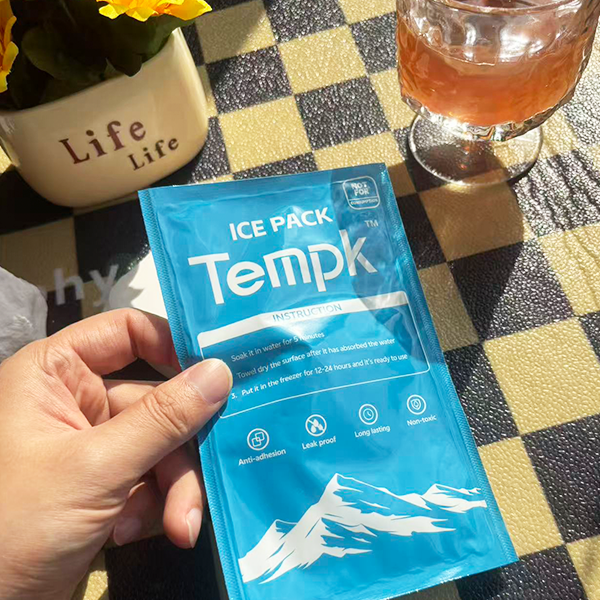
Suggested canonical: /resources/insulated-box-vendor-e-commerce-company/
Suggested internal pages:
- Cold chain packaging validation guide
- EPS vs VIP insulated box comparison
- How to choose coolant packs for parcel lanes
- Right-size packaging for e-commerce fulfillment
The Best Insulated Box Vendor for E-Commerce Companies Guide for 2026
A strong insulated box vendor e-commerce company program is built around hold time, Umgang mit Risiken, und Betriebstauglichkeit, not foam thickness alone. A qualified solution protects meal kits, temperature-sensitive wellness products, and online pharmacy orders, survives parcel, regional courier, and same-day last-mile delivery, and gives your team a repeatable SOP instead of a fragile packing ritual. In 2026, the strongest suppliers are combining route-specific validation, better material efficiency, and more transparent documentation.
Dieser Artikel wird antworten:
- How to choose the best e-commerce cold chain packaging setup for your lane, Nutzlast, und Budget
- Which technical and regulatory checks belong in every purchasing decision
- How to align supplier selection, Validierung, and sustainability in one workflow
- Was 2026 market shifts mean for your next packaging project
Why does Insulated Box Vendor for E-Commerce Companies matter for e-commerce cold chain distribution in 2026?
The best insulated box vendor for e-commerce companies choice buys reliable temperature time, sauberere Handhabung, und geringere Betriebsreibung. Too many teams compare an insulated box by wall thickness or sample price first. Im realen Betrieb, what matters is whether the pack-out can protect meal kits, temperature-sensitive wellness products, and online pharmacy orders at 2–8°C, 15–25°C, and frozen across parcel, regional courier, and same-day last-mile delivery while still being fast to build and easy to receive. For e-commerce operations leaders, fulfillment managers, and packaging buyers, the winning box is the one your team can repeat on its busiest day without improvising.
That is why strong buyers start with route profile, order profile, and handoff behavior. If your lane includes dimensional weight, carrier rough handling, and porch dwell time, average-day performance is not enough. You need a design that still works on a hot afternoon, a delayed handoff, or a crowded receiving dock. Richtige Größe, disciplined coolant placement, and a simple packing sequence often matter more than adding more material. A smart supplier will talk about payload fit, Pack-out-SOPs, and seasonal testing before talking about catalog claims.
How e-commerce cold chain packaging turns into a repeatable operating standard
Think of the box as a timer, not just a shell. The timer starts the moment the payload leaves controlled storage, and it keeps running through picking, Inszenierung, Transport, and final receiving. If you leave too much empty air around the payload, use the wrong coolant mass, or let the team pack different ways on different shifts, that timer shortens fast. The best systems keep the rules simple enough that your warehouse team can execute them consistently even when volume surges.
| Route profile | Recommended box style | Warum es passt | Was es für Sie bedeutet |
| Controlled short lane | Compact passive box | Predictable route and low variance | Good for repeat orders with disciplined pack-out |
| Regional 24–48 h lane | Mid-duration insulated system | Moderate seasonal swing | Creates a practical balance of cost and protection |
| Critical long lane | High-performance qualified shipper | High value or long exposure window | Adds safety margin when failure is expensive |
Praktische Tipps, die Sie verwenden können
- Map your three most common lane lengths before comparing box quotes.
- Ask suppliers for a packing sequence that a new operator can follow in one training session.
- Separate short-lane and worst-case-lane pack-outs instead of forcing one design to do every job poorly.
Beispiel: A regional direct-to-consumer food brand moved from an oversized foam shipper to a right-sized parcel system with summer and winter pack-outs. The switch reduced dimensional-weight charges, improved unpacking speed, and lowered warm-order complaints during peak weeks.
Which materials and coolant choices make the most sense for insulated box vendor for e-commerce companies?
Material choice is about matching thermal resistance, Haltbarkeit, and cost to the real lane instead of choosing the most advanced option by default. EPS remains popular because it is cost-effective and widely available. EPP adds durability and reuse potential. Polyurethane or polyisocyanurate-based designs can deliver more insulation in less thickness. VIP-based systems push performance even further, but they cost more and require careful handling. The best answer depends on how long the route lasts, how rough the handling is, and how expensive failure would be.
Ebenso wichtig ist die Wahl des Kühlmittels. Gel packs are simple and flexible. Phase-change materials give tighter control when you need a narrower target. Dry ice supports frozen and deep-frozen programs but introduces labeling, Sicherheit, and depletion planning. When buyers mix material and coolant well, they reduce both risk and overpack. When they guess, they often end up paying for too much insulation on easy lanes and too little protection on hard ones.
What the materials data means in real operations
Do not compare materials by brochure claims alone. Ask how they behave after vibration, Kompression, Feuchtigkeitseinwirkung, und wiederholte Handhabung. A very efficient panel loses value if the operator can damage it easily. A reusable shell only earns its keep when the reverse-logistics loop is real. The right material is the one that still performs after your actual handling pattern, not the one with the most impressive lab story.
| Material or coolant | Was es gut macht | Was zu sehen ist | Was es für Sie bedeutet |
| EPS + Gelpackungen | Strong value on many routine lanes | Can become bulky on long hot routes | A practical baseline for cost-sensitive distribution |
| EVP + Wiederverwendbares PCM | Durable and suited to repeat use | Needs return logistics and cleaning control | Good for closed loops with consistent turns |
| PU/PIR + PCM | Higher performance in tighter space | Higher cost than basic foam | Useful when cube is expensive or hold time is tighter |
| VIP + PCM or dry ice | Long-duration performance in compact footprints | Premium cost and handling care | Best when payload value justifies the extra protection |
Praktische Tipps, die Sie verwenden können
- Choose the material after you define the lane and payload, nicht vorher.
- Compare materials with transit and thermal data from the same test plan whenever possible.
- Protect high-performance inserts from edge damage during handling and storage.
Beispiel: Two boxes can look similar on a sample table yet behave very differently after vibration, Corner Drop, and staging delay. Material selection only becomes meaningful when it is tied to the lane and the test method.
How do you validate insulated box vendor for e-commerce companies before you scale volume?
If you cannot show test conditions, Logger-Ergebnisse, and pass or fail rules, you do not yet have a qualified packaging system. Validation turns a packaging concept into a controlled operating method. You define the route assumptions, condition the samples, build the pack-out exactly as written, and measure the internal temperature over time. Then you combine that with transit-style abuse testing so the box is not only thermally sound but physically durable. This is where standards such as ASTM D3103, ASTM D4169, ASTM D4332, and modern ISTA thermal profiles become valuable.
Healthcare and biotech teams often go one step further by qualifying route profiles, documenting logger placement, and locking seasonal pack-outs under change control. Food teams should do the same discipline even when the language is simpler. The goal is always the same: prove that the pack-out holds product in range for the intended route, and prove that the operation can repeat it after launch. In 2026, buyers increasingly expect this evidence before they approve a new supplier.
What a clean validation file for e-commerce cold chain packaging should include
Zumindest, keep the pack drawing, material specification, test protocol, conditioning details, Anweisungen zum Auspacken, Logger-Karte, Akzeptanzkriterien, and final report. If you change wall thickness, Harz, Kühlmitteltyp, payload geometry, or outer carton strength, assess whether requalification is needed. This discipline protects you from quiet performance drift after cost-down changes or raw-material substitutions.
| Validation file element | Was es beweist | Who uses it | Was es für Sie bedeutet |
| Pack drawing and BOM | Exactly what was tested | Beschaffung, Qualität, Lieferanten | Stops later confusion about what counts as approved |
| Thermal test report | Hold-time performance against the target range | Quality and operations | Shows whether the pack-out works on paper and in practice |
| Transit durability report | Resistance to drops, Vibration, und Komprimierung | Operations and engineering | Prevents thermal success from being undone by handling damage |
Praktische Tipps, die Sie verwenden können
- Test at least one short lane and one worst-case lane instead of relying on a single average profile.
- Record logger placement in the protocol so future tests are comparable.
- Trigger a review whenever the drawing, Material, Kühlmittel, or payload geometry changes.
Beispiel: A formal validation file often speeds purchasing instead of slowing it down. Once the evidence exists, teams spend less time arguing from opinion and more time deciding how to launch.
Welche Standards, Vorschriften, and handling rules shape insulated box vendor for e-commerce companies?
The right rule set depends on what you ship, how you ship it, and which risks the shipment creates if control fails. That is why compliance should be defined at the start of the project, not after the packaging is already selected. Food shipments need sanitary transport and temperature control logic. Biological tissues and many specimen shipments may require triple packaging, Und 3373 Markierung, and dry ice labeling when relevant. Medical and biotech flows need qualified systems that protect product quality and traceability through the supply chain.
Standards and regulations also influence documentation. For some routes, a transit and thermal report may be enough. For others, you may need classification records, Sops, Protokolldateien, chain-of-custody steps, or route-qualification evidence. Good suppliers understand where packaging design, Beschriftung, and paperwork meet. They help you build a solution that can pass operational review, not just survive a sample test.
How to match the rule set to e-commerce cold chain packaging
Start with the product category, the shipping mode, the temperature target, and the destination market. Then define the minimum package construction, Etiketten, Dokumentation, and monitoring you need. Wenn Teams diesen Schritt überspringen, they often discover late in the project that the chosen box lacks the right evidence or cannot support the required process.
| Rule or framework | What it governs | Packaging implication | Was es für Sie bedeutet |
| Qualification protocol | Defines pass/fail limits and route assumptions | Turns a packaging idea into a repeatable operating standard | |
| ASTM / ISTA testing | Transit and thermal evidence | Shows whether the design survives real handling and ambient stress | |
| Change control records | Protects quality after material or drawing changes | Prevents quiet spec drift from damaging performance |
Praktische Tipps, die Sie verwenden können
- Write the product class, Versandart, and temperature target into the packaging brief on day one.
- Ask suppliers to state which standards and test methods their reports actually follow.
- Treat labeling, dry-ice planning, and chain-of-custody steps as part of the pack design, not as separate paperwork.
Beispiel: Compliance mistakes are rarely dramatic at the beginning. They usually look like a missing label, an unclear SOP, or a report with the wrong test method. Catching those details early is much cheaper than fixing them after launch.
How can sustainability strengthen, not weaken, insulated box vendor for e-commerce companies performance?
Sustainable packaging only works when the environmental claim is backed by lane-appropriate performance. Buyers are right to ask for lower waste, weniger Leerraum, and more credible material claims. But a sustainable insulated box still has to protect product first. If a greener-looking design causes more temperature failures, more spoilage, or more emergency repacks, the total footprint usually gets worse. That is why smart teams treat sustainability as a design optimization problem, not a branding exercise.
In der Praxis, the biggest wins often come from right-size box design, reusable EPP loops, and qualified recycled-content claims. These changes reduce material use and freight burden without asking the thermal system to do something unrealistic. Regulators and procurement teams are also paying closer attention to vague green language. In den Vereinigten Staaten, environmental marketing claims need to be truthful and well supported, and in Europe the new packaging rules are pushing designers toward clearer, more defensible material choices. In 2026, that means buyers should ask for proof, keine Slogans.
How to cut waste in e-commerce cold chain packaging without creating new risk
Start with order-size data, lane-duration data, and return-rate data. Those three numbers tell you whether right-sizing, Wiederverwendung, or material substitution has the strongest payoff. If you run a closed network with consistent returns, reusable shells can work very well. If your flow is one-way parcel, lower cube and clearer disposal instructions may matter more than reuse. The goal is to reduce waste in a way your operation can actually sustain.
| Sustainability move | Main benefit | Main watchout | Was es für Sie bedeutet |
| Passen Sie die Größe der Box an | Less freight air and less coolant | Needs real order-size data | Usually the fastest way to lower cost and waste together |
| Use reuse only on true loops | Lower waste per trip when turns stay high | Fails if return rates are poor | Reuse works best when you can measure return, Reinigung, und Verlust |
| Qualify eco claims | Reduces legal and reputation risk | Requires evidence and clear wording | Honest claims build trust and survive procurement review |
Praktische Tipps, die Sie verwenden können
- Measure empty-space ratio on your top order sizes before changing materials.
- Qualify any recyclable or recycled-content claim with the exact wording you can support.
- Use reuse only when return rates, Reinigung, and asset tracking are already practical.
Beispiel: Teams usually get more value from right-sizing and better pack-out discipline than from chasing a fashionable material change first. That order of operations protects both performance and credibility.
2026 developments and trends for insulated box vendors for e-commerce companies
In 2026, insulated box vendor for e-commerce companies programs are being pushed by a mix of cost pressure, Nachhaltigkeitsdruck, and higher expectations for proof. Buyers want lower dead space, faster prototyping, and validation data earlier in the sales cycle. That is why more packaging projects now start with route classes, order profiles, and sustainability goals together instead of treating those topics as separate workstreams.
Aktuelle Schichten auf einen Blick
- Right-sizing is moving from a packaging tweak to a freight and sustainability strategy.
- Factory and OEM buyers are asking for controlled drawings and change-control discipline much earlier.
- More RFPs now require support for validation, Dokumentation, and credible environmental claims.
The policy backdrop matters too. Environmental claims are getting more scrutiny, and the new EU packaging regulation begins applying broadly in August 2026. Für dich, that means the safest path is a packaging brief that combines performance, material facts, and operational data from the start.
Häufig gestellte Fragen
What makes a strong insulated box vendor for e-commerce companies supplier?
A strong supplier offers more than catalog stock. You want route-aware recommendations, kontrollierte Zeichnungen, Validierungsunterstützung, clear lead-time commitments, and realistic communication about sustainability claims and limitations.
Is a thicker wall always better for insulated box vendor for e-commerce companies?
NEIN. Bessere Passform, smarter coolant use, and a tighter order-size match often outperform a blindly thicker wall. Added thickness helps only when it solves a real route problem rather than hiding a poor pack-out design.
When is a reusable insulated box vendor for e-commerce companies the smart option?
Reuse works when you control the return loop, Reinigungsprozess, asset tracking, and turn rate. Without those conditions, a reusable box can look sustainable on paper but perform badly in real operations.
How should you test insulated box vendor for e-commerce companies before launch?
Use a written protocol that covers sample conditioning, Anweisungen zum Auspacken, Platzierung des Loggers, Streckendauer, and transit abuse. Test the easy lane and the hard lane so you know where the design works and where escalation is needed.
Zusammenfassung und Empfehlungen
The strongest insulated box vendor for e-commerce companies strategy is simple to explain and hard to misuse. You define the route, pick the right material and coolant system, validate the pack-out, and buy from a supplier that can support controlled execution over time. Wenn diese Teile in einer Reihe stehen, you reduce damage, control cost better, and make quality reviews much easier.
Ihr nächster Schritt sollte praktisch sein. List your top lanes, top order sizes, Temperaturziele, and the exceptions that hurt you most today. Then compare suppliers against that real brief, not a generic catalog sheet. A short pilot with clear pass or fail rules will tell you far more than another round of sample swapping.
Über Tempk
Und Tempk, we focus on passive cold chain packaging that is designed around real routes, real handling patterns, and real operating constraints. We work across insulated box formats, custom inserts, and qualification support so buyers can match protection level to lane difficulty instead of overbuying or underprotecting.
Bring your lane profile, order sizes, and temperature target to the conversation. A good packaging discussion starts with your operating reality, and that is the fastest way to move from sample boxes to a repeatable shipping standard.
The Best Insulated Box for Biological Tissues Guide for 2026
Suggested canonical: /resources/insulated-box-wholesale-biological-tissues/
Suggested internal pages:
- UN3373 packaging checklist
- How to document dry ice shipments
- Temperature excursion SOP for specimen transport
- Choosing passive packaging for tissue logistics
The Best Insulated Box for Biological Tissues Guide for 2026
If you are searching for insulated box wholesale biological tissues, you are really choosing a temperature-control system, not just a box. A qualified solution protects research tissues, biopsy samples, and clinical specimens, survives lab-to-lab, biobank distribution, and research supply networks, and gives your team a repeatable SOP instead of a fragile packing ritual. In 2026, buyers also expect clearer sustainability claims, cleaner validation files, and faster decisions from suppliers.
Dieser Artikel wird antworten:
- How to choose the best biological tissue insulated shipper setup for your lane, Nutzlast, und Budget
- Which technical and regulatory checks belong in every purchasing decision
- How to align supplier selection, Validierung, and sustainability in one workflow
- Was 2026 market shifts mean for your next packaging project
Why does Insulated Box for Biological Tissues matter for biological tissue transport in 2026?
The best insulated box for biological tissues choice buys reliable temperature time, sauberere Handhabung, und geringere Betriebsreibung. Too many teams compare an insulated box by wall thickness or sample price first. Im realen Betrieb, what matters is whether the pack-out can protect research tissues, biopsy samples, and clinical specimens at 2–8°C, gefroren, and dry ice shipments across lab-to-lab, biobank distribution, and research supply networks while still being fast to build and easy to receive. For biobanks, research suppliers, pathology logistics teams, and laboratory distributors, the winning box is the one your team can repeat on its busiest day without improvising.
That is why strong buyers start with route profile, order profile, and handoff behavior. If your lane includes chain-of-custody gaps, temperature loss during handoffs, and labeling mistakes, average-day performance is not enough. You need a design that still works on a hot afternoon, a delayed handoff, or a crowded receiving dock. Richtige Größe, disciplined coolant placement, and a simple packing sequence often matter more than adding more material. A smart supplier will talk about payload fit, Pack-out-SOPs, and seasonal testing before talking about catalog claims.
How biological tissue insulated shipper turns into a repeatable operating standard
Think of the box as a timer, not just a shell. The timer starts the moment the payload leaves controlled storage, and it keeps running through picking, Inszenierung, Transport, and final receiving. If you leave too much empty air around the payload, use the wrong coolant mass, or let the team pack different ways on different shifts, that timer shortens fast. The best systems keep the rules simple enough that your warehouse team can execute them consistently even when volume surges.
| Route profile | Recommended box style | Warum es passt | Was es für Sie bedeutet |
| Controlled short lane | Compact passive box | Predictable route and low variance | Good for repeat orders with disciplined pack-out |
| Regional 24–48 h lane | Mid-duration insulated system | Moderate seasonal swing | Creates a practical balance of cost and protection |
| Critical long lane | High-performance qualified shipper | High value or long exposure window | Adds safety margin when failure is expensive |
Praktische Tipps, die Sie verwenden können
- Map your three most common lane lengths before comparing box quotes.
- Ask suppliers for a packing sequence that a new operator can follow in one training session.
- Separate short-lane and worst-case-lane pack-outs instead of forcing one design to do every job poorly.
Beispiel: A tissue network supplying academic labs standardized one refrigerated format and one dry-ice format with a documented packing sequence. Staff training improved, paperwork errors dropped, and sample handoff times became more predictable.
Which materials and coolant choices make the most sense for insulated box for biological tissues?
Material choice is about matching thermal resistance, Haltbarkeit, and cost to the real lane instead of choosing the most advanced option by default. EPS remains popular because it is cost-effective and widely available. EPP adds durability and reuse potential. Polyurethane or polyisocyanurate-based designs can deliver more insulation in less thickness. VIP-based systems push performance even further, but they cost more and require careful handling. The best answer depends on how long the route lasts, how rough the handling is, and how expensive failure would be.
Ebenso wichtig ist die Wahl des Kühlmittels. Gel packs are simple and flexible. Phase-change materials give tighter control when you need a narrower target. Dry ice supports frozen and deep-frozen programs but introduces labeling, Sicherheit, and depletion planning. When buyers mix material and coolant well, they reduce both risk and overpack. When they guess, they often end up paying for too much insulation on easy lanes and too little protection on hard ones.
What the materials data means in real operations
Do not compare materials by brochure claims alone. Ask how they behave after vibration, Kompression, Feuchtigkeitseinwirkung, und wiederholte Handhabung. A very efficient panel loses value if the operator can damage it easily. A reusable shell only earns its keep when the reverse-logistics loop is real. The right material is the one that still performs after your actual handling pattern, not the one with the most impressive lab story.
| Material or coolant | Was es gut macht | Was zu sehen ist | Was es für Sie bedeutet |
| EPS + Gelpackungen | Strong value on many routine lanes | Can become bulky on long hot routes | A practical baseline for cost-sensitive distribution |
| EVP + Wiederverwendbares PCM | Durable and suited to repeat use | Needs return logistics and cleaning control | Good for closed loops with consistent turns |
| PU/PIR + PCM | Higher performance in tighter space | Higher cost than basic foam | Useful when cube is expensive or hold time is tighter |
| VIP + PCM or dry ice | Long-duration performance in compact footprints | Premium cost and handling care | Best when payload value justifies the extra protection |
Praktische Tipps, die Sie verwenden können
- Choose the material after you define the lane and payload, nicht vorher.
- Compare materials with transit and thermal data from the same test plan whenever possible.
- Protect high-performance inserts from edge damage during handling and storage.
Beispiel: Two boxes can look similar on a sample table yet behave very differently after vibration, Corner Drop, and staging delay. Material selection only becomes meaningful when it is tied to the lane and the test method.
How do you validate insulated box for biological tissues before you scale volume?
If you cannot show test conditions, Logger-Ergebnisse, and pass or fail rules, you do not yet have a qualified packaging system. Validation turns a packaging concept into a controlled operating method. You define the route assumptions, condition the samples, build the pack-out exactly as written, and measure the internal temperature over time. Then you combine that with transit-style abuse testing so the box is not only thermally sound but physically durable. This is where standards such as ASTM D3103, ASTM D4169, ASTM D4332, and modern ISTA thermal profiles become valuable.
Healthcare and biotech teams often go one step further by qualifying route profiles, documenting logger placement, and locking seasonal pack-outs under change control. Food teams should do the same discipline even when the language is simpler. The goal is always the same: prove that the pack-out holds product in range for the intended route, and prove that the operation can repeat it after launch. In 2026, buyers increasingly expect this evidence before they approve a new supplier.
What a clean validation file for biological tissue insulated shipper should include
Zumindest, keep the pack drawing, material specification, test protocol, conditioning details, Anweisungen zum Auspacken, Logger-Karte, Akzeptanzkriterien, and final report. If you change wall thickness, Harz, Kühlmitteltyp, payload geometry, or outer carton strength, assess whether requalification is needed. This discipline protects you from quiet performance drift after cost-down changes or raw-material substitutions.
| Validation file element | Was es beweist | Who uses it | Was es für Sie bedeutet |
| Pack drawing and BOM | Exactly what was tested | Beschaffung, Qualität, Lieferanten | Stops later confusion about what counts as approved |
| Thermal test report | Hold-time performance against the target range | Quality and operations | Shows whether the pack-out works on paper and in practice |
| Transit durability report | Resistance to drops, Vibration, und Komprimierung | Operations and engineering | Prevents thermal success from being undone by handling damage |
Praktische Tipps, die Sie verwenden können
- Test at least one short lane and one worst-case lane instead of relying on a single average profile.
- Record logger placement in the protocol so future tests are comparable.
- Trigger a review whenever the drawing, Material, Kühlmittel, or payload geometry changes.
Beispiel: A formal validation file often speeds purchasing instead of slowing it down. Once the evidence exists, teams spend less time arguing from opinion and more time deciding how to launch.
Welche Standards, Vorschriften, and handling rules shape insulated box for biological tissues?
The right rule set depends on what you ship, how you ship it, and which risks the shipment creates if control fails. That is why compliance should be defined at the start of the project, not after the packaging is already selected. Food shipments need sanitary transport and temperature control logic. Biological tissues and many specimen shipments may require triple packaging, Und 3373 Markierung, and dry ice labeling when relevant. Medical and biotech flows need qualified systems that protect product quality and traceability through the supply chain.
Standards and regulations also influence documentation. For some routes, a transit and thermal report may be enough. For others, you may need classification records, Sops, Protokolldateien, chain-of-custody steps, or route-qualification evidence. Good suppliers understand where packaging design, Beschriftung, and paperwork meet. They help you build a solution that can pass operational review, not just survive a sample test.
How to match the rule set to biological tissue insulated shipper
Start with the product category, the shipping mode, the temperature target, and the destination market. Then define the minimum package construction, Etiketten, Dokumentation, and monitoring you need. Wenn Teams diesen Schritt überspringen, they often discover late in the project that the chosen box lacks the right evidence or cannot support the required process.
| Rule or framework | What it governs | Packaging implication | Was es für Sie bedeutet |
| Und 3373 / PI 650 | Classification and package construction | Dreifachverpackung, clear markings, and content limits matter | |
| Und 1845 wenn Trockeneis verwendet wird | Coolant hazard communication | You need correct labeling and safe dry-ice planning | |
| Streckenqualifizierung | Proves the pack-out works on the real lane | Keeps quality, regulatorisch, and customer teams aligned |
Praktische Tipps, die Sie verwenden können
- Write the product class, Versandart, and temperature target into the packaging brief on day one.
- Ask suppliers to state which standards and test methods their reports actually follow.
- Treat labeling, dry-ice planning, and chain-of-custody steps as part of the pack design, not as separate paperwork.
Beispiel: Compliance mistakes are rarely dramatic at the beginning. They usually look like a missing label, an unclear SOP, or a report with the wrong test method. Catching those details early is much cheaper than fixing them after launch.
How can sustainability strengthen, not weaken, insulated box for biological tissues performance?
Sustainable packaging only works when the environmental claim is backed by lane-appropriate performance. Buyers are right to ask for lower waste, weniger Leerraum, and more credible material claims. But a sustainable insulated box still has to protect product first. If a greener-looking design causes more temperature failures, more spoilage, or more emergency repacks, the total footprint usually gets worse. That is why smart teams treat sustainability as a design optimization problem, not a branding exercise.
In der Praxis, the biggest wins often come from lane-specific pack-outs to avoid unnecessary dry ice, reusable outer shells for closed networks, and clear material labeling. These changes reduce material use and freight burden without asking the thermal system to do something unrealistic. Regulators and procurement teams are also paying closer attention to vague green language. In den Vereinigten Staaten, environmental marketing claims need to be truthful and well supported, and in Europe the new packaging rules are pushing designers toward clearer, more defensible material choices. In 2026, that means buyers should ask for proof, keine Slogans.
How to cut waste in biological tissue insulated shipper without creating new risk
Start with order-size data, lane-duration data, and return-rate data. Those three numbers tell you whether right-sizing, Wiederverwendung, or material substitution has the strongest payoff. If you run a closed network with consistent returns, reusable shells can work very well. If your flow is one-way parcel, lower cube and clearer disposal instructions may matter more than reuse. The goal is to reduce waste in a way your operation can actually sustain.
| Sustainability move | Main benefit | Main watchout | Was es für Sie bedeutet |
| Passen Sie die Größe der Box an | Less freight air and less coolant | Needs real order-size data | Usually the fastest way to lower cost and waste together |
| Use reuse only on true loops | Lower waste per trip when turns stay high | Fails if return rates are poor | Reuse works best when you can measure return, Reinigung, und Verlust |
| Qualify eco claims | Reduces legal and reputation risk | Requires evidence and clear wording | Honest claims build trust and survive procurement review |
Praktische Tipps, die Sie verwenden können
- Measure empty-space ratio on your top order sizes before changing materials.
- Qualify any recyclable or recycled-content claim with the exact wording you can support.
- Use reuse only when return rates, Reinigung, and asset tracking are already practical.
Beispiel: Teams usually get more value from right-sizing and better pack-out discipline than from chasing a fashionable material change first. That order of operations protects both performance and credibility.
2026 developments and trends for insulated boxes for biological tissues
In 2026, insulated box for biological tissues projects are being shaped by three big changes: strengere Dokumentation, more route-specific qualification, and rising pressure to cut waste without weakening protection. Healthcare air cargo programs continue to prioritize time- and temperature-sensitive handling, while buyers of passive boxes are asking for cleaner validation files, better chain-of-custody support, and stronger escalation plans for delays. The market is rewarding packaging systems that make audits easier, not just shipments colder.
Aktuelle Schichten auf einen Blick
- Route qualification and seasonal pack-outs are moving from a nice extra to a standard expectation.
- Digital logger data and cleaner deviation handling are becoming part of the buying conversation.
- Sustainable temperature-control solutions are gaining attention, but only when performance evidence is clear.
WHO guidance still points buyers toward qualified shipping containers and route profiling, while IATA and specialist healthcare cargo programs continue to emphasize clear time-and-temperature control. Für dich, that means supplier conversations are becoming more evidence-led. If a supplier cannot explain their test logic, Dokumentation, und Änderungskontrolle, they will feel risky even if the sample box looks fine.
Häufig gestellte Fragen
What temperature range should insulated box for biological tissues support?
That depends on the specimen or product, but the safe rule is to design the box around the labeled storage condition and the true worst-case route. Use a qualified pack-out for refrigerated, gefroren, or dry-ice lanes instead of trying to stretch one setup across incompatible temperature targets.
Does insulated box for biological tissues need triple packaging?
For many specimen and tissue shipments, Ja. Triple packaging is a core expectation for UN 3373 Category B moves, and the box has to support that system rather than replace it. Treat the insulated outer as part of the compliant package, not the whole compliance answer.
When should you use dry ice in insulated box for biological tissues?
Use dry ice when the product truly needs frozen or deep-frozen control and the route duration justifies it. Then plan labeling, Belüftung, mass calculations, and delay buffer carefully. Dry ice can solve a thermal problem while creating a documentation problem if you do not manage it well.
How often should you requalify insulated box for biological tissues?
Review qualification whenever the route, box material, Wandstärke, Kühlmitteltyp, payload geometry, or outer-carton strength changes. A formal annual review is also smart on critical lanes, especially when summer and winter performance differs.
Zusammenfassung und Empfehlungen
The strongest insulated box for biological tissues strategy is simple to explain and hard to misuse. You define the route, pick the right material and coolant system, validate the pack-out, and buy from a supplier that can support controlled execution over time. Wenn diese Teile in einer Reihe stehen, you reduce damage, control cost better, and make quality reviews much easier.
Ihr nächster Schritt sollte praktisch sein. List your top lanes, top order sizes, Temperaturziele, and the exceptions that hurt you most today. Then compare suppliers against that real brief, not a generic catalog sheet. A short pilot with clear pass or fail rules will tell you far more than another round of sample swapping.
Über Tempk
Und Tempk, we focus on passive cold chain packaging that is designed around real routes, real handling patterns, and real operating constraints. We work across insulated box formats, custom inserts, and qualification support so buyers can match protection level to lane difficulty instead of overbuying or underprotecting.
Bring your lane profile, order sizes, and temperature target to the conversation. A good packaging discussion starts with your operating reality, and that is the fastest way to move from sample boxes to a repeatable shipping standard.
How to buy chemical insulated boxes in 2026?

How to buy chemical insulated boxes in 2026?
If you searched for ‘insulated box supplier chemicals’, you want one article that brings together product education, thermal science, Einhaltung, and practical buying advice. The best insulated box supplier for chemicals is never chosen by material alone. It must fit your product, Fahrbahn, Zieltemperatur, documentation load, und Nachhaltigkeitsziele. In 2026, buyers also need better evidence: Validierungslogik, packout control, and a sourcing brief that can stand up in operations, Qualitätssicherung, and procurement meetings. This optimized guide gives you that complete view in one place.
Dieser Artikel wird antworten
- How to choose the best temperature controlled chemical shipping box using buyer logic, route data, and product requirements.
- Which material and refrigerant combinations strengthen insulated box for reagents without overspending.
- What standards, validation steps, and documentation reduce risk for hazmat insulated packaging.
- How to build a sourcing plan that supports performance, Kostenkontrolle, and sustainability in 2026.
How do you define the right job for insulated box supplier for chemicals before you buy?
The best buying decision begins with a clear shipping definition. Before you compare materials or prices, define the product class, the allowed temperature band, the expected transit window, the delay margin, and the receiving action at destination. Das klingt einfach, but it is the step that separates useful packaging programs from expensive guessing. When teams skip this definition, they usually overspend on easy lanes and still under-protect the hard ones.
For temperature-sensitive chemical logistics, your packaging brief should also capture payload mass, SKU mix, Inszenierungszeit, route handoffs, and how often the box will be opened before delivery. Those details change thermal behavior and labor effort at the same time. They also determine whether the best solution is a simple disposable shipper, a premium long-hold system, or a reusable loop. Good packaging starts with operational truth, not with a catalog page.
Use a one-page packaging definition
A one-page definition should answer five things: what is being shipped, how cold or warm it must stay, how long the route can realistically take, what conditions make the shipment unacceptable, and what the receiver must do when it arrives. If you build your sourcing process around those five items, every later decision becomes easier. That is especially true for insulated box supplier chemicals, where the difference between a safe, economical packout and a wasteful one is often route definition rather than material alone.
| Decision input | Warum ist es wichtig | Wenn Sie es ignorieren | Was es für Sie bedeutet |
| Temperaturband | Sets the true thermal target | Wrong coolant or wrong wall design | You choose a system that matches product reality. |
| Route and delay margin | Defines required hold time | Tests that pass on paper but fail in transit | You buy resilience instead of optimism. |
| Payload mass and mix | Changes heat absorption and cavity fit | Inconsistent performance between SKUs | You keep results relevant after launch. |
| Receiving action | Protects the shipment after arrival | Good package left unopened too long | You preserve product quality beyond transit. |
Praktische Tipps und Empfehlungen
- Define pass/fail early: do not wait until after testing to decide what counts as success.
- Group similar lanes: einfach, mäßig, and hard routes rarely need the same design.
- Include operations in the brief: the team packing the box knows where execution really varies.
Anschauliches Beispiel: The strongest buying teams treat packaging definition like a mini risk assessment. That one habit usually reduces rework later because suppliers respond to a clear problem instead of guessing what matters most.
Welche Materialien, Kühlmittel, and packout geometry create the safest thermal result?
An insulated shipper performs as a system. Wall material, internal fit, Verschlussqualität, Kühlmitteltyp, and payload mass all interact. That is why one material cannot be declared ‘best’ without context. Foam may be the practical answer on one lane, a reusable EPP system may win on another, and VIP or a hybrid design may make sense when product value or route uncertainty rises. The correct choice is the one that protects temperature with the least operational friction.
Coolant selection should follow the same logic. Gel packs are flexible. PCM packs help narrow the temperature band when conditioning is tightly controlled. Dry ice is powerful for frozen or deep-cold routes, but it raises handling and compliance needs. The packout layout also matters because uneven placement, large voids, or poor lid sealing can undermine an otherwise good design. For insulated box supplier for chemicals, thermal science becomes practical when you translate it into three rules: reduce heat paths, balance coolant, and keep the build repeatable.
The best design is stable, not dramatic
Buyers are often impressed by boxes that feel colder or heavier during sampling, but those impressions do not always predict success in real routes. A stable design is one that keeps working when packing is slightly rushed, a handoff is delayed, or the receiver is slower than planned. That is the standard worth paying for. In most operations, a repeatable moderate design beats an extreme design that only works under perfect preparation.
| System element | Best question to ask | High-value signal | Was es für Sie bedeutet |
| Isolationsmaterial | What route and duration was it chosen for? | The supplier explains why this material fits your lane class | You avoid material decisions based on fashion or habit. |
| Kühlmitteltyp | What band and preparation method does it support? | There is a clear conditioning SOP | You protect temperature without adding chaos. |
| Packout geometry | How is headspace reduced and product stabilized? | The cavity design matches real SKU shapes | You gain performance without extra material. |
| Verschlussmethode | How is sealing controlled during packing? | The closure pattern is simple and repeatable | You protect real-world hold time, not just lab performance. |
Praktische Tipps und Empfehlungen
- Test the build, not just the box: the same box can perform differently under different packout methods.
- Use realistic payloads: surrogate loads should behave like the products you actually ship.
- Balance thermal and labor goals: a technically good design that operators hate often fails later.
Anschauliches Beispiel: In route trials, the winning design is often the one with the best fit and the clearest packout sheet, not necessarily the one with the thickest wall or the most coolant.
How should you validate and monitor insulated box supplier for chemicals in daily operations?
Die Validierung sollte eine Frage beantworten: can this system protect the product on the real lane, with normal people using it? That means checking the route profile, the season or ambient stress, die Nutzlast, the refrigerant conditioning, and the packout steps together. Once the design passes, translate the result into an SOP and use targeted logger work to confirm that operations stay aligned. This is how technical confidence turns into operational confidence.
Not every organization needs a heavy validation framework, but every organization needs clear assumptions. Know what route class was represented, what pass range applies, who reviews the data, and what happens if a shipment falls outside that range. These basics matter in food, Gesundheitspflege, biospecimens, Chemikalien, and sustainable packaging projects alike because the box is only one part of a repeatable shipping system. The other part is disciplined execution.
Use data to improve, not just to archive
Loggers are most valuable on new lanes, seasonal changes, higher-risk SKUs, Lieferantenvergleiche, and investigations. Pair each logger trace with shipment facts such as packout version, Nutzlast, dispatch time, and unusual dwell. Wenn du das tust, the data becomes a decision tool. When you do not, it becomes a graph that nobody fully trusts. For insulated box supplier chemicals, targeted monitoring often reveals where you can remove waste safely and where you need more margin.
| Validation layer | Was zu bestätigen ist | Weak habit to avoid | Was es für Sie bedeutet |
| Streckenqualifizierung | Lane class, delay margin, and ambient stress | Approving one generic route for all shipments | You keep evidence tied to real business conditions. |
| Packout SOP | Exact build sequence and coolant prep | Relying on memory or tribal knowledge | You protect consistency across shifts and sites. |
| Datenüberprüfung | Who checks results and what counts as a pass | Collecting data with no disposition rule | You turn monitoring into action. |
| Periodic review | Seasonal drift, new SKUs, and exception trends | Freezing the spec for years | You keep the package aligned with current operations. |
Praktische Tipps und Empfehlungen
- Validate the hardest realistic lane first: success there often covers easier routes.
- Give the SOP to operators early: a design is only approved when the team can repeat it.
- Use exceptions as design feedback: each issue can refine route segmentation or packout discipline.
Anschauliches Beispiel: The best packaging programs learn continuously. They do not treat qualification as a one-time event, but as the starting point for operational control.
What compliance framework should guide insulated box supplier for chemicals?
Compliance works best when it becomes a short packaging checklist. For chemicals, you must start with the SDS and the product classification before you decide how much insulation to buy. Some products mainly need temperature control. Others also need chemical compatibility, spill containment, orientation control, or dangerous-goods documentation. That is why a good chemical packaging review looks at the primary container, the absorbent and secondary system, the refrigerant, and the external marks as one integrated safety package. Thermal performance is important, but it is only one layer of the risk picture.
The right framework depends on the product and route. Food teams care about safe temperature thresholds, Hygiene, Beschriftung, und Rückverfolgbarkeit. Pharma and medical teams add route qualification and GDP-style documentation. Tissue and diagnostic shipments may also need pressure resistance, absorbent material, and Category B packaging logic. Chemical shipments can require compatibility review and dangerous-goods controls. Whatever the category, the practical goal is the same: build the rules into the shipper specification instead of bolting them on later.
A short compliance checklist beats a long policy file
Turn the rules that matter into daily questions. What temperature band applies? What packaging classification or material-compatibility rule applies? What labels or documents must travel with the shipment? What receiving action is required? When a supplier can answer those questions clearly for insulated box supplier chemicals, you are much closer to a box that will survive audits and daily handling alike. Clear compliance thinking also reduces internal friction because QA, Beschaffung, and operations can work from the same page.
| Compliance-Fokus | Was zu bestätigen ist | Operational response | Was es für Sie bedeutet |
| Kompatibilität | Match the packaging to the chemical and the SDS | Using a standard cold box for every reagent | A thermally good box can still be chemically wrong. |
| Dangerous goods status | Check classification before planning air transport | Treating dry ice as the only compliance question | You avoid last-minute shipment rejection. |
| Eindämmung | Add absorbent and leak controls where required | Assuming rigid outer packaging is enough | You reduce cleanup, Belichtung, and disposal cost. |
| Beschriftung | Ensure hazard, orientation, and temperature instructions are consistent | Conflicting or incomplete marks | Clear labels speed acceptance and safe handling. |
Praktische Tipps und Empfehlungen
- Start with the product label or protocol: it defines the real packaging target.
- Build one-page checks into launch: if the team cannot use the rules daily, the rules are too abstract.
- Update the checklist yearly: Vorschriften, Kunden, and routes do not stay still.
Anschauliches Beispiel: The most reliable packaging decisions usually come from teams that convert regulations into practical launch checks rather than leaving compliance buried in separate documents.
How do you compare suppliers on cost, Nachhaltigkeit, and execution?
A supplier should be judged on total program fit, not only on the quoted carton. You need to compare route logic, sample evidence, packout simplicity, QC discipline, Vorlaufzeit, commercial flexibility, and sustainability credibility together. That broader view is important because the cheapest sample can become the most expensive rollout if the packout is slow, inkonsistent, or weak on difficult lanes. Packaging value is created at dispatch and delivery, not just at purchase order approval.
Use a structured RFQ with the same route, Nutzlast, and pass criteria for every bidder. Then score the proposals on technical fit, daily usability, Dokumentationsqualität, und Gesamteinstandskosten. Sustainability should be part of that score, but in a specific way: richtige Größe, Logik wiederverwenden, Abfallreduzierung, or precise material claims. That keeps the buying process honest and makes it easier to defend the final choice internally.
Procurement should reward evidence that operations can actually use
Suppliers earn trust when they explain failure modes clearly, provide simple packout steps, and show how production will stay aligned with the tested sample. If you are evaluating insulated box supplier for chemicals, ask what happens when the route runs late, when a new SKU enters the box, or when summer heat raises ambient stress. Those answers reveal whether you are buying a real shipping system or only a polished sample. Robust execution is usually the most undervalued part of packaging ROI.
| Supplier criterion | Strong answer looks like | Weak answer looks like | Was es für Sie bedeutet |
| Streckentauglich | Explains why the design matches your lane class | Offers one generic hold-time claim | You see whether the shipper was built for your business. |
| Bedienerfreundlichkeit | Provides a short, repeatable packout SOP | Requires many operator judgments | You lower execution drift at scale. |
| Kontrolle ändern | Shows QC, Chargenrückverfolgbarkeit, and revision discipline | Cannot explain how production stays consistent | You reduce mismatch between sample and mass production. |
| Sustainability credibility | Uses precise claims and route-aware waste logic | Uses broad green language with no evidence | You protect both brand trust and product integrity. |
Praktische Tipps und Empfehlungen
- Use weighted scoring: technical fit and operational ease deserve real weight, not token weight.
- Pilot before full rollout: a short real-world test reveals execution issues quickly.
- Review the reverse side of cost: langsameres Packen, reships, and storage are packaging costs too.
Anschauliches Beispiel: The best supplier decisions often come from mixed review teams, because procurement sees cost, QA sees evidence, and operations sees whether the packout will really survive peak workload.
Was soll Ihr 2026 action plan look like for insulated box supplier for chemicals?
The most effective 2026 strategy is disciplined simplicity. For temperature-sensitive chemicals, the market is moving toward earlier screening of compatibility and transport class during sourcing. That is healthy because it prevents teams from buying a good thermal box that later turns out to be wrong for the chemistry or route. Operators also want more consistent parcel-ready systems for smaller high-value lab shipments, where a single leak or delay can create disproportionate cost. The result is a stronger connection between EH&S, Beschaffung, and cold-chain packaging design.
Your action plan should include four steps. Reclassify the network into lane groups. Recheck the current packout against today’s product mix and customer expectations. Update the compliance and receiving checklist. Then compare suppliers using a route-specific RFQ rather than a price-only renewal. That sequence combines the strongest ideas from buyer guidance, thermal science, and operating strategy into one practical workflow. It is also the fastest way to improve performance without making the system harder to run.
A practical roadmap
If you do only one thing this quarter, review the routes that produce the most complaints, deviations, oder Abfall. That is where the packaging specification usually needs attention first. For insulated box supplier chemicals, the next big improvement is rarely hidden in a complicated innovation. It is more often found in better route fit, klarere SOPs, sauberere Dokumentation, and more honest supplier comparison.
Praktische Tipps und Empfehlungen
- Reclassify lanes by difficulty before renewing or redesigning the shipper.
- Refresh the packout SOP and receiving instructions at the same time as the box spec.
- Pilot sustainable or lower-cost changes on a few representative lanes first.
- Use route data and exception records as the main input to the next RFQ.
Anschauliches Beispiel: The teams that improve fastest are the ones that review packaging as a live operating system, not as a box specification that was solved once and never revisited.
Häufig gestellte Fragen
What is the first thing to define before buying insulated box supplier chemicals?
Define the required temperature band, realistic route time, delay margin, Nutzlast, and receiving action. Those five inputs shape every later packaging decision.
How do you know whether a supplier’s test result is useful?
The result is useful when the payload, Umgebungsprofil, refrigerant conditioning, and pass criteria match your real lane. A generic hold-time claim is not enough.
Should one company use different packouts for different routes?
Normalerweise ja. Segmenting easy, mäßig, and hard lanes is one of the fastest ways to improve protection and lower overspecification at the same time.
How should you judge sustainability claims on insulated boxes?
Judge them by route fit, material definition, waste reduction logic, und Entsorgungsrealität. Präzise, evidence-based claims are more valuable than broad green language.
What records make the packaging program stronger after launch?
Keep route class, packout version, Kühlmittelzustand, Ausnahmehinweise, and any targeted logger results. Those records show whether the specification still fits the lane.
Was ist das Beste? 2026 packaging improvement strategy?
Use a route-specific review that combines technical fit, Einhaltung, operating ease, und Gesamteinstandskosten. The strongest packaging systems are the ones your team can prove and repeat.
Zusammenfassung und Empfehlungen
The best answer for insulated box supplier for chemicals combines four ideas: define the route clearly, choose materials and coolant as a system, validate with practical evidence, and buy from suppliers who can support daily execution as well as thermal performance. That integrated approach improves protection, lowers unnecessary cost, and keeps compliance and sustainability discussions grounded in real operating data. It is the strongest path for a 2026 packaging program.
Use this guide as a working checklist. Reclassify your network, refresh your compliance and receiving SOP, and ask suppliers for route-specific evidence using one common RFQ template. That sequence will help you improve packaging performance quickly without making the system harder for your team to operate.
Über Tempk
Und Tempk, we focus on practical temperature-controlled packaging decisions rather than one-size-fits-all claims. We look at lane conditions, packout repeatability, Produktempfindlichkeit, and commercial fit so you can choose an insulated box system that works in real operations. Our approach emphasizes clear communication, route-aware configuration, and packaging options that can support food, Gesundheitspflege, Labor, and industrial cold-chain needs.
Use your current lane data, product temperature requirements, and packaging pain points as the basis for the next supplier conversation. When those inputs are clear, expert advice becomes far more useful and the resulting packout is usually faster to approve and easier to run.
The Best Insulated Box Vendor for Biological Tissues Guide for 2026
Suggested canonical: /resources/insulated-box-vendor-biological-tissues/
Suggested internal pages:
- Selecting a biological sample packaging vendor
- Validation documents labs should request
- Dry ice and specimen labeling guide
- How to compare lane qualification reports
The Best Insulated Box Vendor for Biological Tissues Guide for 2026
When buyers look for insulated box vendor biological tissues, the smart question is not simply price. It is whether the pack-out can protect value from pack bench to final handoff. A qualified solution protects human and animal tissue samples, biobank materials, and frozen research specimens, survives laboratory, Krankenhaus, Forschung, and courier handoff networks, and gives your team a repeatable SOP instead of a fragile packing ritual. In 2026, the market is rewarding suppliers that can pair thermal data with operational simplicity and credible environmental claims.
Dieser Artikel wird antworten:
- How to choose the best vendor for biological tissue shipping box setup for your lane, Nutzlast, und Budget
- Which technical and regulatory checks belong in every purchasing decision
- How to align supplier selection, Validierung, and sustainability in one workflow
- Was 2026 market shifts mean for your next packaging project
Why does Insulated Box Vendor for Biological Tissues matter for biological tissue supply packaging in 2026?
The best insulated box vendor for biological tissues choice buys reliable temperature time, sauberere Handhabung, und geringere Betriebsreibung. Too many teams compare an insulated box by wall thickness or sample price first. Im realen Betrieb, what matters is whether the pack-out can protect human and animal tissue samples, biobank materials, and frozen research specimens at 2–8°C, gefroren, and dry ice across laboratory, Krankenhaus, Forschung, and courier handoff networks while still being fast to build and easy to receive. For lab managers, tissue-bank buyers, and specialist cold-chain procurement teams, the winning box is the one your team can repeat on its busiest day without improvising.
That is why strong buyers start with route profile, order profile, and handoff behavior. If your lane includes package acceptance failure, logger blind spots, and chain-of-identity errors, average-day performance is not enough. You need a design that still works on a hot afternoon, a delayed handoff, or a crowded receiving dock. Richtige Größe, disciplined coolant placement, and a simple packing sequence often matter more than adding more material. A smart supplier will talk about payload fit, Pack-out-SOPs, and seasonal testing before talking about catalog claims.
How vendor for biological tissue shipping box turns into a repeatable operating standard
Think of the box as a timer, not just a shell. The timer starts the moment the payload leaves controlled storage, and it keeps running through picking, Inszenierung, Transport, and final receiving. If you leave too much empty air around the payload, use the wrong coolant mass, or let the team pack different ways on different shifts, that timer shortens fast. The best systems keep the rules simple enough that your warehouse team can execute them consistently even when volume surges.
| Route profile | Recommended box style | Warum es passt | Was es für Sie bedeutet |
| Controlled short lane | Compact passive box | Predictable route and low variance | Good for repeat orders with disciplined pack-out |
| Regional 24–48 h lane | Mid-duration insulated system | Moderate seasonal swing | Creates a practical balance of cost and protection |
| Critical long lane | High-performance qualified shipper | High value or long exposure window | Adds safety margin when failure is expensive |
Praktische Tipps, die Sie verwenden können
- Map your three most common lane lengths before comparing box quotes.
- Ask suppliers for a packing sequence that a new operator can follow in one training session.
- Separate short-lane and worst-case-lane pack-outs instead of forcing one design to do every job poorly.
Beispiel: A pathology network replaced multiple small-box suppliers with one vendor offering controlled drawings and documented pack-out SOPs. Training became easier, and receiving labs saw fewer damaged secondary packages.
Which materials and coolant choices make the most sense for insulated box vendor for biological tissues?
Material choice is about matching thermal resistance, Haltbarkeit, and cost to the real lane instead of choosing the most advanced option by default. EPS remains popular because it is cost-effective and widely available. EPP adds durability and reuse potential. Polyurethane or polyisocyanurate-based designs can deliver more insulation in less thickness. VIP-based systems push performance even further, but they cost more and require careful handling. The best answer depends on how long the route lasts, how rough the handling is, and how expensive failure would be.
Ebenso wichtig ist die Wahl des Kühlmittels. Gel packs are simple and flexible. Phase-change materials give tighter control when you need a narrower target. Dry ice supports frozen and deep-frozen programs but introduces labeling, Sicherheit, and depletion planning. When buyers mix material and coolant well, they reduce both risk and overpack. When they guess, they often end up paying for too much insulation on easy lanes and too little protection on hard ones.
What the materials data means in real operations
Do not compare materials by brochure claims alone. Ask how they behave after vibration, Kompression, Feuchtigkeitseinwirkung, und wiederholte Handhabung. A very efficient panel loses value if the operator can damage it easily. A reusable shell only earns its keep when the reverse-logistics loop is real. The right material is the one that still performs after your actual handling pattern, not the one with the most impressive lab story.
| Material or coolant | Was es gut macht | Was zu sehen ist | Was es für Sie bedeutet |
| EPS + Gelpackungen | Strong value on many routine lanes | Can become bulky on long hot routes | A practical baseline for cost-sensitive distribution |
| EVP + Wiederverwendbares PCM | Durable and suited to repeat use | Needs return logistics and cleaning control | Good for closed loops with consistent turns |
| PU/PIR + PCM | Higher performance in tighter space | Higher cost than basic foam | Useful when cube is expensive or hold time is tighter |
| VIP + PCM or dry ice | Long-duration performance in compact footprints | Premium cost and handling care | Best when payload value justifies the extra protection |
Praktische Tipps, die Sie verwenden können
- Choose the material after you define the lane and payload, nicht vorher.
- Compare materials with transit and thermal data from the same test plan whenever possible.
- Protect high-performance inserts from edge damage during handling and storage.
Beispiel: Two boxes can look similar on a sample table yet behave very differently after vibration, Corner Drop, and staging delay. Material selection only becomes meaningful when it is tied to the lane and the test method.
How do you validate insulated box vendor for biological tissues before you scale volume?
If you cannot show test conditions, Logger-Ergebnisse, and pass or fail rules, you do not yet have a qualified packaging system. Validation turns a packaging concept into a controlled operating method. You define the route assumptions, condition the samples, build the pack-out exactly as written, and measure the internal temperature over time. Then you combine that with transit-style abuse testing so the box is not only thermally sound but physically durable. This is where standards such as ASTM D3103, ASTM D4169, ASTM D4332, and modern ISTA thermal profiles become valuable.
Healthcare and biotech teams often go one step further by qualifying route profiles, documenting logger placement, and locking seasonal pack-outs under change control. Food teams should do the same discipline even when the language is simpler. The goal is always the same: prove that the pack-out holds product in range for the intended route, and prove that the operation can repeat it after launch. In 2026, buyers increasingly expect this evidence before they approve a new supplier.
What a clean validation file for vendor for biological tissue shipping box should include
Zumindest, keep the pack drawing, material specification, test protocol, conditioning details, Anweisungen zum Auspacken, Logger-Karte, Akzeptanzkriterien, and final report. If you change wall thickness, Harz, Kühlmitteltyp, payload geometry, or outer carton strength, assess whether requalification is needed. This discipline protects you from quiet performance drift after cost-down changes or raw-material substitutions.
| Validation file element | Was es beweist | Who uses it | Was es für Sie bedeutet |
| Pack drawing and BOM | Exactly what was tested | Beschaffung, Qualität, Lieferanten | Stops later confusion about what counts as approved |
| Thermal test report | Hold-time performance against the target range | Quality and operations | Shows whether the pack-out works on paper and in practice |
| Transit durability report | Resistance to drops, Vibration, und Komprimierung | Operations and engineering | Prevents thermal success from being undone by handling damage |
Praktische Tipps, die Sie verwenden können
- Test at least one short lane and one worst-case lane instead of relying on a single average profile.
- Record logger placement in the protocol so future tests are comparable.
- Trigger a review whenever the drawing, Material, Kühlmittel, or payload geometry changes.
Beispiel: A formal validation file often speeds purchasing instead of slowing it down. Once the evidence exists, teams spend less time arguing from opinion and more time deciding how to launch.
Welche Standards, Vorschriften, and handling rules shape insulated box vendor for biological tissues?
The right rule set depends on what you ship, how you ship it, and which risks the shipment creates if control fails. That is why compliance should be defined at the start of the project, not after the packaging is already selected. Food shipments need sanitary transport and temperature control logic. Biological tissues and many specimen shipments may require triple packaging, Und 3373 Markierung, and dry ice labeling when relevant. Medical and biotech flows need qualified systems that protect product quality and traceability through the supply chain.
Standards and regulations also influence documentation. For some routes, a transit and thermal report may be enough. For others, you may need classification records, Sops, Protokolldateien, chain-of-custody steps, or route-qualification evidence. Good suppliers understand where packaging design, Beschriftung, and paperwork meet. They help you build a solution that can pass operational review, not just survive a sample test.
How to match the rule set to vendor for biological tissue shipping box
Start with the product category, the shipping mode, the temperature target, and the destination market. Then define the minimum package construction, Etiketten, Dokumentation, and monitoring you need. Wenn Teams diesen Schritt überspringen, they often discover late in the project that the chosen box lacks the right evidence or cannot support the required process.
| Rule or framework | What it governs | Packaging implication | Was es für Sie bedeutet |
| Und 3373 / PI 650 | Classification and package construction | Dreifachverpackung, clear markings, and content limits matter | |
| Und 1845 wenn Trockeneis verwendet wird | Coolant hazard communication | You need correct labeling and safe dry-ice planning | |
| Streckenqualifizierung | Proves the pack-out works on the real lane | Keeps quality, regulatorisch, and customer teams aligned |
Praktische Tipps, die Sie verwenden können
- Write the product class, Versandart, and temperature target into the packaging brief on day one.
- Ask suppliers to state which standards and test methods their reports actually follow.
- Treat labeling, dry-ice planning, and chain-of-custody steps as part of the pack design, not as separate paperwork.
Beispiel: Compliance mistakes are rarely dramatic at the beginning. They usually look like a missing label, an unclear SOP, or a report with the wrong test method. Catching those details early is much cheaper than fixing them after launch.
How can sustainability strengthen, not weaken, insulated box vendor for biological tissues performance?
Sustainable packaging only works when the environmental claim is backed by lane-appropriate performance. Buyers are right to ask for lower waste, weniger Leerraum, and more credible material claims. But a sustainable insulated box still has to protect product first. If a greener-looking design causes more temperature failures, more spoilage, or more emergency repacks, the total footprint usually gets worse. That is why smart teams treat sustainability as a design optimization problem, not a branding exercise.
In der Praxis, the biggest wins often come from smaller qualified footprints, reuse within closed laboratory networks, and reduced coolant mass where validated. These changes reduce material use and freight burden without asking the thermal system to do something unrealistic. Regulators and procurement teams are also paying closer attention to vague green language. In den Vereinigten Staaten, environmental marketing claims need to be truthful and well supported, and in Europe the new packaging rules are pushing designers toward clearer, more defensible material choices. In 2026, that means buyers should ask for proof, keine Slogans.
How to cut waste in vendor for biological tissue shipping box without creating new risk
Start with order-size data, lane-duration data, and return-rate data. Those three numbers tell you whether right-sizing, Wiederverwendung, or material substitution has the strongest payoff. If you run a closed network with consistent returns, reusable shells can work very well. If your flow is one-way parcel, lower cube and clearer disposal instructions may matter more than reuse. The goal is to reduce waste in a way your operation can actually sustain.
| Sustainability move | Main benefit | Main watchout | Was es für Sie bedeutet |
| Passen Sie die Größe der Box an | Less freight air and less coolant | Needs real order-size data | Usually the fastest way to lower cost and waste together |
| Use reuse only on true loops | Lower waste per trip when turns stay high | Fails if return rates are poor | Reuse works best when you can measure return, Reinigung, und Verlust |
| Qualify eco claims | Reduces legal and reputation risk | Requires evidence and clear wording | Honest claims build trust and survive procurement review |
Praktische Tipps, die Sie verwenden können
- Measure empty-space ratio on your top order sizes before changing materials.
- Qualify any recyclable or recycled-content claim with the exact wording you can support.
- Use reuse only when return rates, Reinigung, and asset tracking are already practical.
Beispiel: Teams usually get more value from right-sizing and better pack-out discipline than from chasing a fashionable material change first. That order of operations protects both performance and credibility.
2026 developments and trends for insulated box vendors for biological tissues
In 2026, insulated box vendor for biological tissues projects are being shaped by three big changes: strengere Dokumentation, more route-specific qualification, and rising pressure to cut waste without weakening protection. Healthcare air cargo programs continue to prioritize time- and temperature-sensitive handling, while buyers of passive boxes are asking for cleaner validation files, better chain-of-custody support, and stronger escalation plans for delays. The market is rewarding packaging systems that make audits easier, not just shipments colder.
Aktuelle Schichten auf einen Blick
- Route qualification and seasonal pack-outs are moving from a nice extra to a standard expectation.
- Digital logger data and cleaner deviation handling are becoming part of the buying conversation.
- Sustainable temperature-control solutions are gaining attention, but only when performance evidence is clear.
WHO guidance still points buyers toward qualified shipping containers and route profiling, while IATA and specialist healthcare cargo programs continue to emphasize clear time-and-temperature control. Für dich, that means supplier conversations are becoming more evidence-led. If a supplier cannot explain their test logic, Dokumentation, und Änderungskontrolle, they will feel risky even if the sample box looks fine.
Häufig gestellte Fragen
What temperature range should insulated box vendor for biological tissues support?
That depends on the specimen or product, but the safe rule is to design the box around the labeled storage condition and the true worst-case route. Use a qualified pack-out for refrigerated, gefroren, or dry-ice lanes instead of trying to stretch one setup across incompatible temperature targets.
Does insulated box vendor for biological tissues need triple packaging?
For many specimen and tissue shipments, Ja. Triple packaging is a core expectation for UN 3373 Category B moves, and the box has to support that system rather than replace it. Treat the insulated outer as part of the compliant package, not the whole compliance answer.
When should you use dry ice in insulated box vendor for biological tissues?
Use dry ice when the product truly needs frozen or deep-frozen control and the route duration justifies it. Then plan labeling, Belüftung, mass calculations, and delay buffer carefully. Dry ice can solve a thermal problem while creating a documentation problem if you do not manage it well.
How often should you requalify insulated box vendor for biological tissues?
Review qualification whenever the route, box material, Wandstärke, Kühlmitteltyp, payload geometry, or outer-carton strength changes. A formal annual review is also smart on critical lanes, especially when summer and winter performance differs.
Zusammenfassung und Empfehlungen
The strongest insulated box vendor for biological tissues strategy is simple to explain and hard to misuse. You define the route, pick the right material and coolant system, validate the pack-out, and buy from a supplier that can support controlled execution over time. Wenn diese Teile in einer Reihe stehen, you reduce damage, control cost better, and make quality reviews much easier.
Ihr nächster Schritt sollte praktisch sein. List your top lanes, top order sizes, Temperaturziele, and the exceptions that hurt you most today. Then compare suppliers against that real brief, not a generic catalog sheet. A short pilot with clear pass or fail rules will tell you far more than another round of sample swapping.
Über Tempk
Und Tempk, we focus on passive cold chain packaging that is designed around real routes, real handling patterns, and real operating constraints. We work across insulated box formats, custom inserts, and qualification support so buyers can match protection level to lane difficulty instead of overbuying or underprotecting.
Bring your lane profile, order sizes, and temperature target to the conversation. A good packaging discussion starts with your operating reality, and that is the fastest way to move from sample boxes to a repeatable shipping standard.
The Best Insulated Box Producer for Seafood Guide for 2026

Suggested canonical: /resources/insulated-box-producer-seafood/
Suggested internal pages:
- How to manage meltwater in seafood packaging
- Seafood pack-out validation checklist
- Wann sollten Gelpackungen verwendet werden?, Gülleeis, oder Trockeneis
- Pallet loading for insulated seafood boxes
The Best Insulated Box Producer for Seafood Guide for 2026
A strong insulated box producer seafood program is built around hold time, Umgang mit Risiken, und Betriebstauglichkeit, not foam thickness alone. A good system holds fresh fish fillets, Schalentiere, and frozen seafood in range across dock to processor, processor to wholesaler, and direct shipment to retail or foodservice, stays practical for warehouse teams, and supports cleaner cost and quality control. In 2026, the market is rewarding suppliers that can pair thermal data with operational simplicity and credible environmental claims.
Dieser Artikel wird antworten:
- How to choose the best seafood insulated shipping box setup for your lane, Nutzlast, und Budget
- Which technical and regulatory checks belong in every purchasing decision
- How to align supplier selection, Validierung, and sustainability in one workflow
- Was 2026 market shifts mean for your next packaging project
Why does Insulated Box Producer for Seafood matter for seafood cold chain packaging in 2026?
The best insulated box producer for seafood choice buys reliable temperature time, sauberere Handhabung, und geringere Betriebsreibung. Too many teams compare an insulated box by wall thickness or sample price first. Im realen Betrieb, what matters is whether the pack-out can protect fresh fish fillets, Schalentiere, and frozen seafood at near-ice chilled and frozen across dock to processor, processor to wholesaler, and direct shipment to retail or foodservice while still being fast to build and easy to receive. For seafood processors, aquaculture producers, exporters, and cold-chain buyers, the winning box is the one your team can repeat on its busiest day without improvising.
That is why strong buyers start with route profile, order profile, and handoff behavior. If your lane includes meltwater management, odor transfer, and compressive load in stacked transport, average-day performance is not enough. You need a design that still works on a hot afternoon, a delayed handoff, or a crowded receiving dock. Richtige Größe, disciplined coolant placement, and a simple packing sequence often matter more than adding more material. A smart supplier will talk about payload fit, Pack-out-SOPs, and seasonal testing before talking about catalog claims.
How seafood insulated shipping box turns into a repeatable operating standard
Think of the box as a timer, not just a shell. The timer starts the moment the payload leaves controlled storage, and it keeps running through picking, Inszenierung, Transport, and final receiving. If you leave too much empty air around the payload, use the wrong coolant mass, or let the team pack different ways on different shifts, that timer shortens fast. The best systems keep the rules simple enough that your warehouse team can execute them consistently even when volume surges.
| Route profile | Recommended box style | Warum es passt | Was es für Sie bedeutet |
| Local chilled route | Cost-efficient insulated case | Fast turns and frequent handling | Keeps product stable without paying for unnecessary insulation |
| Regional 24–48 h | Mid-duration box with tuned coolant | Mixed dock time and road exposure | Balances food safety protection with freight cost |
| Premium or delay-prone lane | Higher-performance shipper | Longer dwell or export complexity | Protects shelf life when timing is less forgiving |
Praktische Tipps, die Sie verwenden können
- Map your three most common lane lengths before comparing box quotes.
- Ask suppliers for a packing sequence that a new operator can follow in one training session.
- Separate short-lane and worst-case-lane pack-outs instead of forcing one design to do every job poorly.
Beispiel: A seafood producer revised its top-load layout and drain management around the liner. Fresh product arrived colder, cartons stayed cleaner, and customers reported a better receiving experience.
Which materials and coolant choices make the most sense for insulated box producer for seafood?
Material choice is about matching thermal resistance, Haltbarkeit, and cost to the real lane instead of choosing the most advanced option by default. EPS remains popular because it is cost-effective and widely available. EPP adds durability and reuse potential. Polyurethane or polyisocyanurate-based designs can deliver more insulation in less thickness. VIP-based systems push performance even further, but they cost more and require careful handling. The best answer depends on how long the route lasts, how rough the handling is, and how expensive failure would be.
Ebenso wichtig ist die Wahl des Kühlmittels. Gel packs are simple and flexible. Phase-change materials give tighter control when you need a narrower target. Dry ice supports frozen and deep-frozen programs but introduces labeling, Sicherheit, and depletion planning. When buyers mix material and coolant well, they reduce both risk and overpack. When they guess, they often end up paying for too much insulation on easy lanes and too little protection on hard ones.
What the materials data means in real operations
Do not compare materials by brochure claims alone. Ask how they behave after vibration, Kompression, Feuchtigkeitseinwirkung, und wiederholte Handhabung. A very efficient panel loses value if the operator can damage it easily. A reusable shell only earns its keep when the reverse-logistics loop is real. The right material is the one that still performs after your actual handling pattern, not the one with the most impressive lab story.
| Material or coolant | Was es gut macht | Was zu sehen ist | Was es für Sie bedeutet |
| EPS + Gelpackungen | Strong value on many routine lanes | Can become bulky on long hot routes | A practical baseline for cost-sensitive distribution |
| EVP + Wiederverwendbares PCM | Durable and suited to repeat use | Needs return logistics and cleaning control | Good for closed loops with consistent turns |
| PU/PIR + PCM | Higher performance in tighter space | Higher cost than basic foam | Useful when cube is expensive or hold time is tighter |
| VIP + PCM or dry ice | Long-duration performance in compact footprints | Premium cost and handling care | Best when payload value justifies the extra protection |
Praktische Tipps, die Sie verwenden können
- Choose the material after you define the lane and payload, nicht vorher.
- Compare materials with transit and thermal data from the same test plan whenever possible.
- Protect high-performance inserts from edge damage during handling and storage.
Beispiel: Two boxes can look similar on a sample table yet behave very differently after vibration, Corner Drop, and staging delay. Material selection only becomes meaningful when it is tied to the lane and the test method.
How do you validate insulated box producer for seafood before you scale volume?
If you cannot show test conditions, Logger-Ergebnisse, and pass or fail rules, you do not yet have a qualified packaging system. Validation turns a packaging concept into a controlled operating method. You define the route assumptions, condition the samples, build the pack-out exactly as written, and measure the internal temperature over time. Then you combine that with transit-style abuse testing so the box is not only thermally sound but physically durable. This is where standards such as ASTM D3103, ASTM D4169, ASTM D4332, and modern ISTA thermal profiles become valuable.
Healthcare and biotech teams often go one step further by qualifying route profiles, documenting logger placement, and locking seasonal pack-outs under change control. Food teams should do the same discipline even when the language is simpler. The goal is always the same: prove that the pack-out holds product in range for the intended route, and prove that the operation can repeat it after launch. In 2026, buyers increasingly expect this evidence before they approve a new supplier.
What a clean validation file for seafood insulated shipping box should include
Zumindest, keep the pack drawing, material specification, test protocol, conditioning details, Anweisungen zum Auspacken, Logger-Karte, Akzeptanzkriterien, and final report. If you change wall thickness, Harz, Kühlmitteltyp, payload geometry, or outer carton strength, assess whether requalification is needed. This discipline protects you from quiet performance drift after cost-down changes or raw-material substitutions.
| Validation file element | Was es beweist | Who uses it | Was es für Sie bedeutet |
| Pack drawing and BOM | Exactly what was tested | Beschaffung, Qualität, Lieferanten | Stops later confusion about what counts as approved |
| Thermal test report | Hold-time performance against the target range | Quality and operations | Shows whether the pack-out works on paper and in practice |
| Transit durability report | Resistance to drops, Vibration, und Komprimierung | Operations and engineering | Prevents thermal success from being undone by handling damage |
Praktische Tipps, die Sie verwenden können
- Test at least one short lane and one worst-case lane instead of relying on a single average profile.
- Record logger placement in the protocol so future tests are comparable.
- Trigger a review whenever the drawing, Material, Kühlmittel, or payload geometry changes.
Beispiel: A formal validation file often speeds purchasing instead of slowing it down. Once the evidence exists, teams spend less time arguing from opinion and more time deciding how to launch.
Welche Standards, Vorschriften, and handling rules shape insulated box producer for seafood?
The right rule set depends on what you ship, how you ship it, and which risks the shipment creates if control fails. That is why compliance should be defined at the start of the project, not after the packaging is already selected. Food shipments need sanitary transport and temperature control logic. Biological tissues and many specimen shipments may require triple packaging, Und 3373 Markierung, and dry ice labeling when relevant. Medical and biotech flows need qualified systems that protect product quality and traceability through the supply chain.
Standards and regulations also influence documentation. For some routes, a transit and thermal report may be enough. For others, you may need classification records, Sops, Protokolldateien, chain-of-custody steps, or route-qualification evidence. Good suppliers understand where packaging design, Beschriftung, and paperwork meet. They help you build a solution that can pass operational review, not just survive a sample test.
How to match the rule set to seafood insulated shipping box
Start with the product category, the shipping mode, the temperature target, and the destination market. Then define the minimum package construction, Etiketten, Dokumentation, and monitoring you need. Wenn Teams diesen Schritt überspringen, they often discover late in the project that the chosen box lacks the right evidence or cannot support the required process.
| Rule or framework | What it governs | Packaging implication | Was es für Sie bedeutet |
| Sanitary transportation | Clean equipment and temperature control | Protects food safety before the product reaches the customer | |
| HACCP or food safety plan alignment | Hazard control logic | Packaging must support, not weaken, the safety program | |
| Transit and thermal testing | Distribution and temperature proof | Gives buyers evidence instead of promises |
Praktische Tipps, die Sie verwenden können
- Write the product class, Versandart, and temperature target into the packaging brief on day one.
- Ask suppliers to state which standards and test methods their reports actually follow.
- Treat labeling, dry-ice planning, and chain-of-custody steps as part of the pack design, not as separate paperwork.
Beispiel: Compliance mistakes are rarely dramatic at the beginning. They usually look like a missing label, an unclear SOP, or a report with the wrong test method. Catching those details early is much cheaper than fixing them after launch.
How can sustainability strengthen, not weaken, insulated box producer for seafood performance?
Sustainable packaging only works when the environmental claim is backed by lane-appropriate performance. Buyers are right to ask for lower waste, weniger Leerraum, and more credible material claims. But a sustainable insulated box still has to protect product first. If a greener-looking design causes more temperature failures, more spoilage, or more emergency repacks, the total footprint usually gets worse. That is why smart teams treat sustainability as a design optimization problem, not a branding exercise.
In der Praxis, the biggest wins often come from less re-icing through better insulation, stronger boxes that reduce spoilage waste, and returnable formats on short routes. These changes reduce material use and freight burden without asking the thermal system to do something unrealistic. Regulators and procurement teams are also paying closer attention to vague green language. In den Vereinigten Staaten, environmental marketing claims need to be truthful and well supported, and in Europe the new packaging rules are pushing designers toward clearer, more defensible material choices. In 2026, that means buyers should ask for proof, keine Slogans.
How to cut waste in seafood insulated shipping box without creating new risk
Start with order-size data, lane-duration data, and return-rate data. Those three numbers tell you whether right-sizing, Wiederverwendung, or material substitution has the strongest payoff. If you run a closed network with consistent returns, reusable shells can work very well. If your flow is one-way parcel, lower cube and clearer disposal instructions may matter more than reuse. The goal is to reduce waste in a way your operation can actually sustain.
| Sustainability move | Main benefit | Main watchout | Was es für Sie bedeutet |
| Passen Sie die Größe der Box an | Less freight air and less coolant | Needs real order-size data | Usually the fastest way to lower cost and waste together |
| Use reuse only on true loops | Lower waste per trip when turns stay high | Fails if return rates are poor | Reuse works best when you can measure return, Reinigung, und Verlust |
| Qualify eco claims | Reduces legal and reputation risk | Requires evidence and clear wording | Honest claims build trust and survive procurement review |
Praktische Tipps, die Sie verwenden können
- Measure empty-space ratio on your top order sizes before changing materials.
- Qualify any recyclable or recycled-content claim with the exact wording you can support.
- Use reuse only when return rates, Reinigung, and asset tracking are already practical.
Beispiel: Teams usually get more value from right-sizing and better pack-out discipline than from chasing a fashionable material change first. That order of operations protects both performance and credibility.
2026 developments and trends for insulated box producers for seafood
Der Größte 2026 shift in insulated box producer for seafood buying is the move from generic cold packaging to lane-specific food packaging. Food safety rules still focus on preventing unsafe temperature control and poor transport practices, but buyers now also expect faster fulfillment, cleaner receiving, und weniger Verpackungsmüll. That combination is pushing the market toward right-sized formats, simpler pack-outs, and stronger documentation around chilled versus frozen flows.
Aktuelle Schichten auf einen Blick
- Mixed-basket and direct-shipping models are increasing pressure on pack-out speed and format flexibility.
- More buyers want evidence that the box supports food safety plans, not just attractive sample performance.
- Waste reduction efforts are focusing on smaller cubes, cleaner liners, and route-matched insulation levels.
In den Vereinigten Staaten, cold-holding expectations and sanitary transportation practices still set the basic safety floor. The differentiator now is operational fit. The box that wins is often the one that helps your team pack faster, receive faster, and waste less while still protecting shelf life.
Häufig gestellte Fragen
What is the main job of insulated box producer for seafood in food logistics?
Its main job is to help keep food in the intended temperature range while protecting cleanliness, Struktur, and receiving efficiency. The best box supports your food safety plan and your labor model at the same time.
Should chilled and frozen food use the same insulated box producer for seafood pack-out?
Normalerweise nicht. Chilled and frozen products have different coolant strategies, risk windows, and receiving behaviors. Separate pack-outs are easier to validate and usually cheaper than forcing one design to serve both poorly.
How do you reduce leaks in insulated box producer for seafood shipments?
Start with payload containment, absorbent or leak-control layers when needed, and an outer box strong enough to keep the lid seal stable in transit. Leak control is a system issue, not just a liner issue.
How do you choose the right size for insulated box producer for seafood?
Base the choice on your top order sizes, Nutzlastdichte, Spurdauer, and the amount of coolant needed. A right-sized box often improves thermal performance because there is less empty air to manage.
Zusammenfassung und Empfehlungen
The strongest insulated box producer for seafood strategy is simple to explain and hard to misuse. You define the route, pick the right material and coolant system, validate the pack-out, and buy from a supplier that can support controlled execution over time. Wenn diese Teile in einer Reihe stehen, you reduce damage, control cost better, and make quality reviews much easier.
Ihr nächster Schritt sollte praktisch sein. List your top lanes, top order sizes, Temperaturziele, and the exceptions that hurt you most today. Then compare suppliers against that real brief, not a generic catalog sheet. A short pilot with clear pass or fail rules will tell you far more than another round of sample swapping.
Über Tempk
Und Tempk, we focus on passive cold chain packaging that is designed around real routes, real handling patterns, and real operating constraints. We work across insulated box formats, custom inserts, and qualification support so buyers can match protection level to lane difficulty instead of overbuying or underprotecting.
Bring your lane profile, order sizes, and temperature target to the conversation. A good packaging discussion starts with your operating reality, and that is the fastest way to move from sample boxes to a repeatable shipping standard.
How to buy biological tissue insulated boxes in 2026?
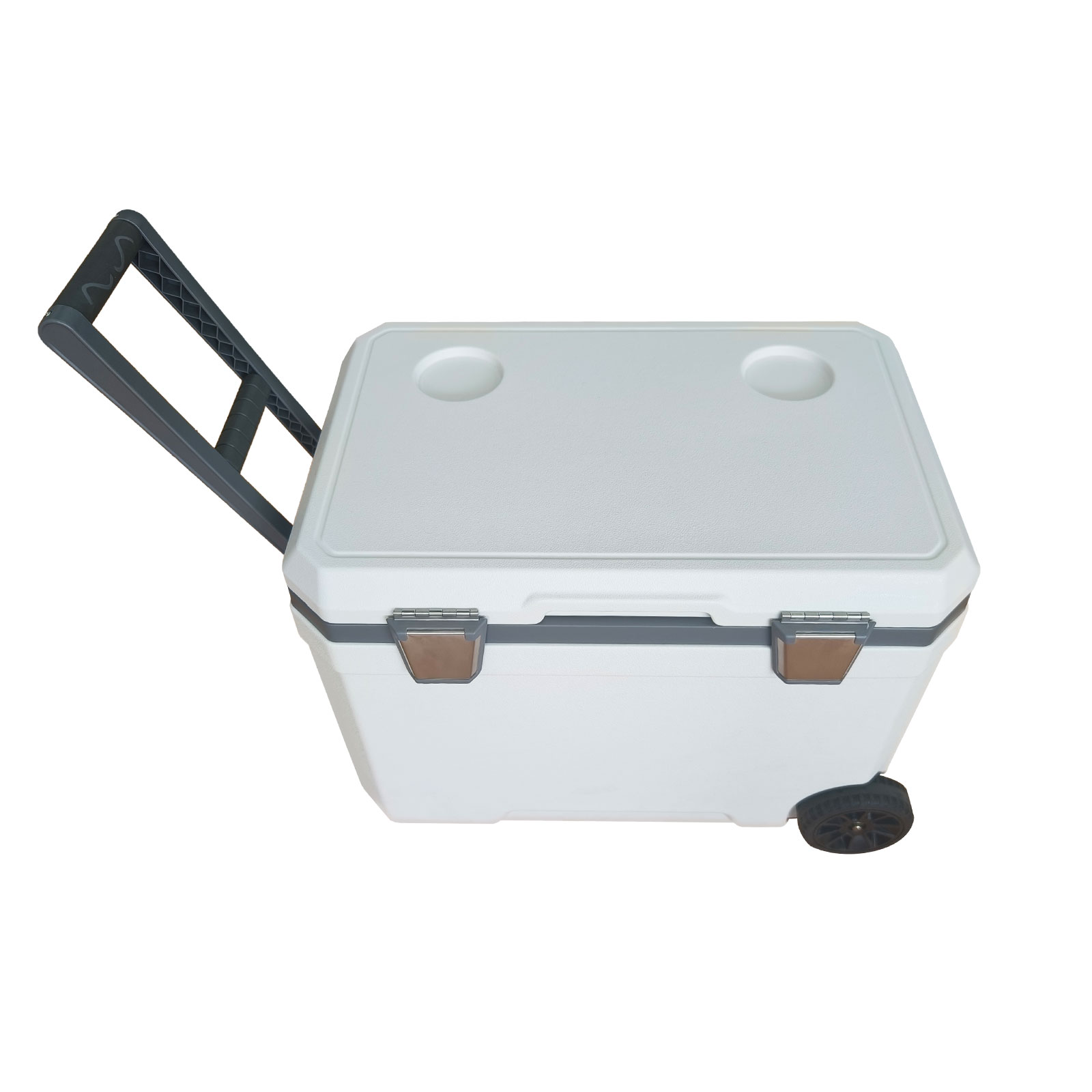
How to buy biological tissue insulated boxes in 2026?
If you searched for ‘insulated box supplier biological tissues’, you want one article that brings together product education, thermal science, Einhaltung, and practical buying advice. The best insulated box supplier for biological tissues is never chosen by material alone. It must fit your product, Fahrbahn, Zieltemperatur, documentation load, und Nachhaltigkeitsziele. In 2026, buyers also need better evidence: Validierungslogik, packout control, and a sourcing brief that can stand up in operations, Qualitätssicherung, and procurement meetings. This optimized guide gives you that complete view in one place.
Dieser Artikel wird antworten
- How to choose the best biological tissue shipping insulated box using buyer logic, route data, and product requirements.
- Which material and refrigerant combinations strengthen UN3373 tissue transport box without overspending.
- What standards, validation steps, and documentation reduce risk for biospecimen cold chain packaging.
- How to build a sourcing plan that supports performance, Kostenkontrolle, and sustainability in 2026.
How do you define the right job for insulated box supplier for biological tissues before you buy?
The best buying decision begins with a clear shipping definition. Before you compare materials or prices, define the product class, the allowed temperature band, the expected transit window, the delay margin, and the receiving action at destination. Das klingt einfach, but it is the step that separates useful packaging programs from expensive guessing. When teams skip this definition, they usually overspend on easy lanes and still under-protect the hard ones.
For biological tissue transport, your packaging brief should also capture payload mass, SKU mix, Inszenierungszeit, route handoffs, and how often the box will be opened before delivery. Those details change thermal behavior and labor effort at the same time. They also determine whether the best solution is a simple disposable shipper, a premium long-hold system, or a reusable loop. Good packaging starts with operational truth, not with a catalog page.
Use a one-page packaging definition
A one-page definition should answer five things: what is being shipped, how cold or warm it must stay, how long the route can realistically take, what conditions make the shipment unacceptable, and what the receiver must do when it arrives. If you build your sourcing process around those five items, every later decision becomes easier. That is especially true for insulated box supplier biological tissues, where the difference between a safe, economical packout and a wasteful one is often route definition rather than material alone.
| Decision input | Warum ist es wichtig | Wenn Sie es ignorieren | Was es für Sie bedeutet |
| Temperaturband | Sets the true thermal target | Wrong coolant or wrong wall design | You choose a system that matches product reality. |
| Route and delay margin | Defines required hold time | Tests that pass on paper but fail in transit | You buy resilience instead of optimism. |
| Payload mass and mix | Changes heat absorption and cavity fit | Inconsistent performance between SKUs | You keep results relevant after launch. |
| Receiving action | Protects the shipment after arrival | Good package left unopened too long | You preserve product quality beyond transit. |
Praktische Tipps und Empfehlungen
- Define pass/fail early: do not wait until after testing to decide what counts as success.
- Group similar lanes: einfach, mäßig, and hard routes rarely need the same design.
- Include operations in the brief: the team packing the box knows where execution really varies.
Anschauliches Beispiel: The strongest buying teams treat packaging definition like a mini risk assessment. That one habit usually reduces rework later because suppliers respond to a clear problem instead of guessing what matters most.
Welche Materialien, Kühlmittel, and packout geometry create the safest thermal result?
An insulated shipper performs as a system. Wall material, internal fit, Verschlussqualität, Kühlmitteltyp, and payload mass all interact. That is why one material cannot be declared ‘best’ without context. Foam may be the practical answer on one lane, a reusable EPP system may win on another, and VIP or a hybrid design may make sense when product value or route uncertainty rises. The correct choice is the one that protects temperature with the least operational friction.
Coolant selection should follow the same logic. Gel packs are flexible. PCM packs help narrow the temperature band when conditioning is tightly controlled. Dry ice is powerful for frozen or deep-cold routes, but it raises handling and compliance needs. The packout layout also matters because uneven placement, large voids, or poor lid sealing can undermine an otherwise good design. For insulated box supplier for biological tissues, thermal science becomes practical when you translate it into three rules: reduce heat paths, balance coolant, and keep the build repeatable.
The best design is stable, not dramatic
Buyers are often impressed by boxes that feel colder or heavier during sampling, but those impressions do not always predict success in real routes. A stable design is one that keeps working when packing is slightly rushed, a handoff is delayed, or the receiver is slower than planned. That is the standard worth paying for. In most operations, a repeatable moderate design beats an extreme design that only works under perfect preparation.
| System element | Best question to ask | High-value signal | Was es für Sie bedeutet |
| Isolationsmaterial | What route and duration was it chosen for? | The supplier explains why this material fits your lane class | You avoid material decisions based on fashion or habit. |
| Kühlmitteltyp | What band and preparation method does it support? | There is a clear conditioning SOP | You protect temperature without adding chaos. |
| Packout geometry | How is headspace reduced and product stabilized? | The cavity design matches real SKU shapes | You gain performance without extra material. |
| Verschlussmethode | How is sealing controlled during packing? | The closure pattern is simple and repeatable | You protect real-world hold time, not just lab performance. |
Praktische Tipps und Empfehlungen
- Test the build, not just the box: the same box can perform differently under different packout methods.
- Use realistic payloads: surrogate loads should behave like the products you actually ship.
- Balance thermal and labor goals: a technically good design that operators hate often fails later.
Anschauliches Beispiel: In route trials, the winning design is often the one with the best fit and the clearest packout sheet, not necessarily the one with the thickest wall or the most coolant.
How should you validate and monitor insulated box supplier for biological tissues in daily operations?
Die Validierung sollte eine Frage beantworten: can this system protect the product on the real lane, with normal people using it? That means checking the route profile, the season or ambient stress, die Nutzlast, the refrigerant conditioning, and the packout steps together. Once the design passes, translate the result into an SOP and use targeted logger work to confirm that operations stay aligned. This is how technical confidence turns into operational confidence.
Not every organization needs a heavy validation framework, but every organization needs clear assumptions. Know what route class was represented, what pass range applies, who reviews the data, and what happens if a shipment falls outside that range. These basics matter in food, Gesundheitspflege, biospecimens, Chemikalien, and sustainable packaging projects alike because the box is only one part of a repeatable shipping system. The other part is disciplined execution.
Use data to improve, not just to archive
Loggers are most valuable on new lanes, seasonal changes, higher-risk SKUs, Lieferantenvergleiche, and investigations. Pair each logger trace with shipment facts such as packout version, Nutzlast, dispatch time, and unusual dwell. Wenn du das tust, the data becomes a decision tool. When you do not, it becomes a graph that nobody fully trusts. For insulated box supplier biological tissues, targeted monitoring often reveals where you can remove waste safely and where you need more margin.
| Validation layer | Was zu bestätigen ist | Weak habit to avoid | Was es für Sie bedeutet |
| Streckenqualifizierung | Lane class, delay margin, and ambient stress | Approving one generic route for all shipments | You keep evidence tied to real business conditions. |
| Packout SOP | Exact build sequence and coolant prep | Relying on memory or tribal knowledge | You protect consistency across shifts and sites. |
| Datenüberprüfung | Who checks results and what counts as a pass | Collecting data with no disposition rule | You turn monitoring into action. |
| Periodic review | Seasonal drift, new SKUs, and exception trends | Freezing the spec for years | You keep the package aligned with current operations. |
Praktische Tipps und Empfehlungen
- Validate the hardest realistic lane first: success there often covers easier routes.
- Give the SOP to operators early: a design is only approved when the team can repeat it.
- Use exceptions as design feedback: each issue can refine route segmentation or packout discipline.
Anschauliches Beispiel: The best packaging programs learn continuously. They do not treat qualification as a one-time event, but as the starting point for operational control.
What compliance framework should guide insulated box supplier for biological tissues?
Compliance works best when it becomes a short packaging checklist. For diagnostic and tissue shipments, thermal packaging is only one part of compliance. If the shipment falls under UN 3373 Category B rules, the packout must follow triple-packaging logic and the primary receptacle or secondary packaging must meet the 95 kPa requirement where applicable. Saugfähiges Material, rigid outer packaging, Beschriftung, and chain-of-custody records are not optional details. They are part of the core design, because protecting the sample means protecting the people handling it too.
The right framework depends on the product and route. Food teams care about safe temperature thresholds, Hygiene, Beschriftung, und Rückverfolgbarkeit. Pharma and medical teams add route qualification and GDP-style documentation. Tissue and diagnostic shipments may also need pressure resistance, absorbent material, and Category B packaging logic. Chemical shipments can require compatibility review and dangerous-goods controls. Whatever the category, the practical goal is the same: build the rules into the shipper specification instead of bolting them on later.
A short compliance checklist beats a long policy file
Turn the rules that matter into daily questions. What temperature band applies? What packaging classification or material-compatibility rule applies? What labels or documents must travel with the shipment? What receiving action is required? When a supplier can answer those questions clearly for insulated box supplier biological tissues, you are much closer to a box that will survive audits and daily handling alike. Clear compliance thinking also reduces internal friction because QA, Beschaffung, and operations can work from the same page.
| Compliance-Fokus | Was zu bestätigen ist | Operational response | Was es für Sie bedeutet |
| Packaging class | Confirm whether UN 3373 or another classification applies | Assuming all specimens are handled the same way | Correct classification drives the whole packout. |
| Leckverhinderung | Use primary, sekundär, saugfähig, and rigid outer packaging correctly | Skipping absorbent or using weak secondary packaging | You protect people, Proben, und Compliance. |
| Pressure resistance | Verify the 95 kPa requirement where applicable | Using a thermal box without compliant secondary components | Temperature protection does not replace biosafety rules. |
| Sorgerechtskette | Document collection, Auspacken, versenden, and receipt | Loose paperwork or unlabeled inner contents | You preserve specimen identity and usability. |
Praktische Tipps und Empfehlungen
- Start with the product label or protocol: it defines the real packaging target.
- Build one-page checks into launch: if the team cannot use the rules daily, the rules are too abstract.
- Update the checklist yearly: Vorschriften, Kunden, and routes do not stay still.
Anschauliches Beispiel: The most reliable packaging decisions usually come from teams that convert regulations into practical launch checks rather than leaving compliance buried in separate documents.
How do you compare suppliers on cost, Nachhaltigkeit, and execution?
A supplier should be judged on total program fit, not only on the quoted carton. You need to compare route logic, sample evidence, packout simplicity, QC discipline, Vorlaufzeit, commercial flexibility, and sustainability credibility together. That broader view is important because the cheapest sample can become the most expensive rollout if the packout is slow, inkonsistent, or weak on difficult lanes. Packaging value is created at dispatch and delivery, not just at purchase order approval.
Use a structured RFQ with the same route, Nutzlast, and pass criteria for every bidder. Then score the proposals on technical fit, daily usability, Dokumentationsqualität, und Gesamteinstandskosten. Sustainability should be part of that score, but in a specific way: richtige Größe, Logik wiederverwenden, Abfallreduzierung, or precise material claims. That keeps the buying process honest and makes it easier to defend the final choice internally.
Procurement should reward evidence that operations can actually use
Suppliers earn trust when they explain failure modes clearly, provide simple packout steps, and show how production will stay aligned with the tested sample. If you are evaluating insulated box supplier for biological tissues, ask what happens when the route runs late, when a new SKU enters the box, or when summer heat raises ambient stress. Those answers reveal whether you are buying a real shipping system or only a polished sample. Robust execution is usually the most undervalued part of packaging ROI.
| Supplier criterion | Strong answer looks like | Weak answer looks like | Was es für Sie bedeutet |
| Streckentauglich | Explains why the design matches your lane class | Offers one generic hold-time claim | You see whether the shipper was built for your business. |
| Bedienerfreundlichkeit | Provides a short, repeatable packout SOP | Requires many operator judgments | You lower execution drift at scale. |
| Kontrolle ändern | Shows QC, Chargenrückverfolgbarkeit, and revision discipline | Cannot explain how production stays consistent | You reduce mismatch between sample and mass production. |
| Sustainability credibility | Uses precise claims and route-aware waste logic | Uses broad green language with no evidence | You protect both brand trust and product integrity. |
Praktische Tipps und Empfehlungen
- Use weighted scoring: technical fit and operational ease deserve real weight, not token weight.
- Pilot before full rollout: a short real-world test reveals execution issues quickly.
- Review the reverse side of cost: langsameres Packen, reships, and storage are packaging costs too.
Anschauliches Beispiel: The best supplier decisions often come from mixed review teams, because procurement sees cost, QA sees evidence, and operations sees whether the packout will really survive peak workload.
Was soll Ihr 2026 action plan look like for insulated box supplier for biological tissues?
The most effective 2026 strategy is disciplined simplicity. For biospecimens and diagnostic samples, Die 2026 trend is standardization. Collection networks want fewer packaging variations, easier receiving checks, and more reliable chain-of-custody records. That favors insulated systems with cleaner labeling, clearer secondary-packaging logic, and straightforward frozen versus refrigerated workflows. High-value specimens are also pushing more teams toward better logger use and better escalation rules when a shipment is delayed.
Your action plan should include four steps. Reclassify the network into lane groups. Recheck the current packout against today’s product mix and customer expectations. Update the compliance and receiving checklist. Then compare suppliers using a route-specific RFQ rather than a price-only renewal. That sequence combines the strongest ideas from buyer guidance, thermal science, and operating strategy into one practical workflow. It is also the fastest way to improve performance without making the system harder to run.
A practical roadmap
If you do only one thing this quarter, review the routes that produce the most complaints, deviations, oder Abfall. That is where the packaging specification usually needs attention first. For insulated box supplier biological tissues, the next big improvement is rarely hidden in a complicated innovation. It is more often found in better route fit, klarere SOPs, sauberere Dokumentation, and more honest supplier comparison.
Praktische Tipps und Empfehlungen
- Reclassify lanes by difficulty before renewing or redesigning the shipper.
- Refresh the packout SOP and receiving instructions at the same time as the box spec.
- Pilot sustainable or lower-cost changes on a few representative lanes first.
- Use route data and exception records as the main input to the next RFQ.
Anschauliches Beispiel: The teams that improve fastest are the ones that review packaging as a live operating system, not as a box specification that was solved once and never revisited.
Häufig gestellte Fragen
What is the first thing to define before buying insulated box supplier biological tissues?
Define the required temperature band, realistic route time, delay margin, Nutzlast, and receiving action. Those five inputs shape every later packaging decision.
How do you know whether a supplier’s test result is useful?
The result is useful when the payload, Umgebungsprofil, refrigerant conditioning, and pass criteria match your real lane. A generic hold-time claim is not enough.
Should one company use different packouts for different routes?
Normalerweise ja. Segmenting easy, mäßig, and hard lanes is one of the fastest ways to improve protection and lower overspecification at the same time.
How should you judge sustainability claims on insulated boxes?
Judge them by route fit, material definition, waste reduction logic, und Entsorgungsrealität. Präzise, evidence-based claims are more valuable than broad green language.
What records make the packaging program stronger after launch?
Keep route class, packout version, Kühlmittelzustand, Ausnahmehinweise, and any targeted logger results. Those records show whether the specification still fits the lane.
Was ist das Beste? 2026 packaging improvement strategy?
Use a route-specific review that combines technical fit, Einhaltung, operating ease, und Gesamteinstandskosten. The strongest packaging systems are the ones your team can prove and repeat.
Zusammenfassung und Empfehlungen
The best answer for insulated box supplier for biological tissues combines four ideas: define the route clearly, choose materials and coolant as a system, validate with practical evidence, and buy from suppliers who can support daily execution as well as thermal performance. That integrated approach improves protection, lowers unnecessary cost, and keeps compliance and sustainability discussions grounded in real operating data. It is the strongest path for a 2026 packaging program.
Use this guide as a working checklist. Reclassify your network, refresh your compliance and receiving SOP, and ask suppliers for route-specific evidence using one common RFQ template. That sequence will help you improve packaging performance quickly without making the system harder for your team to operate.
Über Tempk
Und Tempk, we focus on practical temperature-controlled packaging decisions rather than one-size-fits-all claims. We look at lane conditions, packout repeatability, Produktempfindlichkeit, and commercial fit so you can choose an insulated box system that works in real operations. Our approach emphasizes clear communication, route-aware configuration, and packaging options that can support food, Gesundheitspflege, Labor, and industrial cold-chain needs.
Use your current lane data, product temperature requirements, and packaging pain points as the basis for the next supplier conversation. When those inputs are clear, expert advice becomes far more useful and the resulting packout is usually faster to approve and easier to run.
The Best Insulated Box Producer for Hospitals Guide for 2026
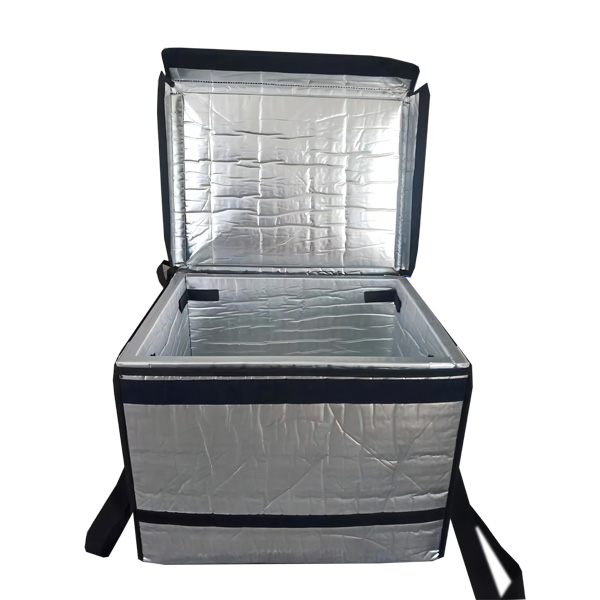
Suggested canonical: /resources/insulated-box-producer-hospital/
Suggested internal pages:
- Hospital receiving checklist for temp-sensitive supplies
- Reusable transport packaging for healthcare campuses
- How to standardize hospital pack-outs
- Temperature logger SOP for hospital deliveries
The Best Insulated Box Producer for Hospitals Guide for 2026
When buyers look for insulated box producer hospital, the smart question is not simply price. It is whether the pack-out can protect value from pack bench to final handoff. A good system holds surgical kits, diagnostic supplies, and reagents in range across central warehouse to hospital, campus transfers, and urgent replenishment routes, stays practical for warehouse teams, and supports cleaner cost and quality control. In 2026, buyers also expect clearer sustainability claims, cleaner validation files, and faster decisions from suppliers.
Dieser Artikel wird antworten:
- How to choose the best hospital insulated supply box setup for your lane, Nutzlast, und Budget
- Which technical and regulatory checks belong in every purchasing decision
- How to align supplier selection, Validierung, and sustainability in one workflow
- Was 2026 market shifts mean for your next packaging project
Why does Insulated Box Producer for Hospitals matter for hospital logistics packaging in 2026?
The best insulated box producer for hospitals choice buys reliable temperature time, sauberere Handhabung, und geringere Betriebsreibung. Too many teams compare an insulated box by wall thickness or sample price first. Im realen Betrieb, what matters is whether the pack-out can protect surgical kits, diagnostic supplies, and reagents at 2–8°C, 15–25°C, and frozen for selected products across central warehouse to hospital, campus transfers, and urgent replenishment routes while still being fast to build and easy to receive. For hospital supply chain teams, sterile processing buyers, and healthcare distributors, the winning box is the one your team can repeat on its busiest day without improvising.
That is why strong buyers start with route profile, order profile, and handoff behavior. If your lane includes dock congestion, fast handoffs, and space limits in receiving areas, average-day performance is not enough. You need a design that still works on a hot afternoon, a delayed handoff, or a crowded receiving dock. Richtige Größe, disciplined coolant placement, and a simple packing sequence often matter more than adding more material. A smart supplier will talk about payload fit, Pack-out-SOPs, and seasonal testing before talking about catalog claims.
How hospital insulated supply box turns into a repeatable operating standard
Think of the box as a timer, not just a shell. The timer starts the moment the payload leaves controlled storage, and it keeps running through picking, Inszenierung, Transport, and final receiving. If you leave too much empty air around the payload, use the wrong coolant mass, or let the team pack different ways on different shifts, that timer shortens fast. The best systems keep the rules simple enough that your warehouse team can execute them consistently even when volume surges.
| Route profile | Recommended box style | Warum es passt | Was es für Sie bedeutet |
| Controlled short lane | Compact passive box | Predictable route and low variance | Good for repeat orders with disciplined pack-out |
| Regional 24–48 h lane | Mid-duration insulated system | Moderate seasonal swing | Creates a practical balance of cost and protection |
| Critical long lane | High-performance qualified shipper | High value or long exposure window | Adds safety margin when failure is expensive |
Praktische Tipps, die Sie verwenden können
- Map your three most common lane lengths before comparing box quotes.
- Ask suppliers for a packing sequence that a new operator can follow in one training session.
- Separate short-lane and worst-case-lane pack-outs instead of forcing one design to do every job poorly.
Beispiel: A hospital network shifted to color-coded inserts and standard labels for three common replenishment flows. Dock teams identified priority products faster, and fewer deliveries sat too long before put-away.
Which materials and coolant choices make the most sense for insulated box producer for hospitals?
Material choice is about matching thermal resistance, Haltbarkeit, and cost to the real lane instead of choosing the most advanced option by default. EPS remains popular because it is cost-effective and widely available. EPP adds durability and reuse potential. Polyurethane or polyisocyanurate-based designs can deliver more insulation in less thickness. VIP-based systems push performance even further, but they cost more and require careful handling. The best answer depends on how long the route lasts, how rough the handling is, and how expensive failure would be.
Ebenso wichtig ist die Wahl des Kühlmittels. Gel packs are simple and flexible. Phase-change materials give tighter control when you need a narrower target. Dry ice supports frozen and deep-frozen programs but introduces labeling, Sicherheit, and depletion planning. When buyers mix material and coolant well, they reduce both risk and overpack. When they guess, they often end up paying for too much insulation on easy lanes and too little protection on hard ones.
What the materials data means in real operations
Do not compare materials by brochure claims alone. Ask how they behave after vibration, Kompression, Feuchtigkeitseinwirkung, und wiederholte Handhabung. A very efficient panel loses value if the operator can damage it easily. A reusable shell only earns its keep when the reverse-logistics loop is real. The right material is the one that still performs after your actual handling pattern, not the one with the most impressive lab story.
| Material or coolant | Was es gut macht | Was zu sehen ist | Was es für Sie bedeutet |
| EPS + Gelpackungen | Strong value on many routine lanes | Can become bulky on long hot routes | A practical baseline for cost-sensitive distribution |
| EVP + Wiederverwendbares PCM | Durable and suited to repeat use | Needs return logistics and cleaning control | Good for closed loops with consistent turns |
| PU/PIR + PCM | Higher performance in tighter space | Higher cost than basic foam | Useful when cube is expensive or hold time is tighter |
| VIP + PCM or dry ice | Long-duration performance in compact footprints | Premium cost and handling care | Best when payload value justifies the extra protection |
Praktische Tipps, die Sie verwenden können
- Choose the material after you define the lane and payload, nicht vorher.
- Compare materials with transit and thermal data from the same test plan whenever possible.
- Protect high-performance inserts from edge damage during handling and storage.
Beispiel: Two boxes can look similar on a sample table yet behave very differently after vibration, Corner Drop, and staging delay. Material selection only becomes meaningful when it is tied to the lane and the test method.
How do you validate insulated box producer for hospitals before you scale volume?
If you cannot show test conditions, Logger-Ergebnisse, and pass or fail rules, you do not yet have a qualified packaging system. Validation turns a packaging concept into a controlled operating method. You define the route assumptions, condition the samples, build the pack-out exactly as written, and measure the internal temperature over time. Then you combine that with transit-style abuse testing so the box is not only thermally sound but physically durable. This is where standards such as ASTM D3103, ASTM D4169, ASTM D4332, and modern ISTA thermal profiles become valuable.
Healthcare and biotech teams often go one step further by qualifying route profiles, documenting logger placement, and locking seasonal pack-outs under change control. Food teams should do the same discipline even when the language is simpler. The goal is always the same: prove that the pack-out holds product in range for the intended route, and prove that the operation can repeat it after launch. In 2026, buyers increasingly expect this evidence before they approve a new supplier.
What a clean validation file for hospital insulated supply box should include
Zumindest, keep the pack drawing, material specification, test protocol, conditioning details, Anweisungen zum Auspacken, Logger-Karte, Akzeptanzkriterien, and final report. If you change wall thickness, Harz, Kühlmitteltyp, payload geometry, or outer carton strength, assess whether requalification is needed. This discipline protects you from quiet performance drift after cost-down changes or raw-material substitutions.
| Validation file element | Was es beweist | Who uses it | Was es für Sie bedeutet |
| Pack drawing and BOM | Exactly what was tested | Beschaffung, Qualität, Lieferanten | Stops later confusion about what counts as approved |
| Thermal test report | Hold-time performance against the target range | Quality and operations | Shows whether the pack-out works on paper and in practice |
| Transit durability report | Resistance to drops, Vibration, und Komprimierung | Operations and engineering | Prevents thermal success from being undone by handling damage |
Praktische Tipps, die Sie verwenden können
- Test at least one short lane and one worst-case lane instead of relying on a single average profile.
- Record logger placement in the protocol so future tests are comparable.
- Trigger a review whenever the drawing, Material, Kühlmittel, or payload geometry changes.
Beispiel: A formal validation file often speeds purchasing instead of slowing it down. Once the evidence exists, teams spend less time arguing from opinion and more time deciding how to launch.
Welche Standards, Vorschriften, and handling rules shape insulated box producer for hospitals?
The right rule set depends on what you ship, how you ship it, and which risks the shipment creates if control fails. That is why compliance should be defined at the start of the project, not after the packaging is already selected. Food shipments need sanitary transport and temperature control logic. Biological tissues and many specimen shipments may require triple packaging, Und 3373 Markierung, and dry ice labeling when relevant. Medical and biotech flows need qualified systems that protect product quality and traceability through the supply chain.
Standards and regulations also influence documentation. For some routes, a transit and thermal report may be enough. For others, you may need classification records, Sops, Protokolldateien, chain-of-custody steps, or route-qualification evidence. Good suppliers understand where packaging design, Beschriftung, and paperwork meet. They help you build a solution that can pass operational review, not just survive a sample test.
How to match the rule set to hospital insulated supply box
Start with the product category, the shipping mode, the temperature target, and the destination market. Then define the minimum package construction, Etiketten, Dokumentation, and monitoring you need. Wenn Teams diesen Schritt überspringen, they often discover late in the project that the chosen box lacks the right evidence or cannot support the required process.
| Rule or framework | What it governs | Packaging implication | Was es für Sie bedeutet |
| Qualification protocol | Defines pass/fail limits and route assumptions | Turns a packaging idea into a repeatable operating standard | |
| ASTM / ISTA testing | Transit and thermal evidence | Shows whether the design survives real handling and ambient stress | |
| Change control records | Protects quality after material or drawing changes | Prevents quiet spec drift from damaging performance |
Praktische Tipps, die Sie verwenden können
- Write the product class, Versandart, and temperature target into the packaging brief on day one.
- Ask suppliers to state which standards and test methods their reports actually follow.
- Treat labeling, dry-ice planning, and chain-of-custody steps as part of the pack design, not as separate paperwork.
Beispiel: Compliance mistakes are rarely dramatic at the beginning. They usually look like a missing label, an unclear SOP, or a report with the wrong test method. Catching those details early is much cheaper than fixing them after launch.
How can sustainability strengthen, not weaken, insulated box producer for hospitals performance?
Sustainable packaging only works when the environmental claim is backed by lane-appropriate performance. Buyers are right to ask for lower waste, weniger Leerraum, and more credible material claims. But a sustainable insulated box still has to protect product first. If a greener-looking design causes more temperature failures, more spoilage, or more emergency repacks, the total footprint usually gets worse. That is why smart teams treat sustainability as a design optimization problem, not a branding exercise.
In der Praxis, the biggest wins often come from nestable or stackable formats, reusable closed-loop totes, and reduced packaging bulk at receiving. These changes reduce material use and freight burden without asking the thermal system to do something unrealistic. Regulators and procurement teams are also paying closer attention to vague green language. In den Vereinigten Staaten, environmental marketing claims need to be truthful and well supported, and in Europe the new packaging rules are pushing designers toward clearer, more defensible material choices. In 2026, that means buyers should ask for proof, keine Slogans.
How to cut waste in hospital insulated supply box without creating new risk
Start with order-size data, lane-duration data, and return-rate data. Those three numbers tell you whether right-sizing, Wiederverwendung, or material substitution has the strongest payoff. If you run a closed network with consistent returns, reusable shells can work very well. If your flow is one-way parcel, lower cube and clearer disposal instructions may matter more than reuse. The goal is to reduce waste in a way your operation can actually sustain.
| Sustainability move | Main benefit | Main watchout | Was es für Sie bedeutet |
| Passen Sie die Größe der Box an | Less freight air and less coolant | Needs real order-size data | Usually the fastest way to lower cost and waste together |
| Use reuse only on true loops | Lower waste per trip when turns stay high | Fails if return rates are poor | Reuse works best when you can measure return, Reinigung, und Verlust |
| Qualify eco claims | Reduces legal and reputation risk | Requires evidence and clear wording | Honest claims build trust and survive procurement review |
Praktische Tipps, die Sie verwenden können
- Measure empty-space ratio on your top order sizes before changing materials.
- Qualify any recyclable or recycled-content claim with the exact wording you can support.
- Use reuse only when return rates, Reinigung, and asset tracking are already practical.
Beispiel: Teams usually get more value from right-sizing and better pack-out discipline than from chasing a fashionable material change first. That order of operations protects both performance and credibility.
2026 developments and trends for insulated box producers for hospitals
In 2026, insulated box producer for hospitals projects are being shaped by three big changes: strengere Dokumentation, more route-specific qualification, and rising pressure to cut waste without weakening protection. Healthcare air cargo programs continue to prioritize time- and temperature-sensitive handling, while buyers of passive boxes are asking for cleaner validation files, better chain-of-custody support, and stronger escalation plans for delays. The market is rewarding packaging systems that make audits easier, not just shipments colder.
Aktuelle Schichten auf einen Blick
- Route qualification and seasonal pack-outs are moving from a nice extra to a standard expectation.
- Digital logger data and cleaner deviation handling are becoming part of the buying conversation.
- Sustainable temperature-control solutions are gaining attention, but only when performance evidence is clear.
WHO guidance still points buyers toward qualified shipping containers and route profiling, while IATA and specialist healthcare cargo programs continue to emphasize clear time-and-temperature control. Für dich, that means supplier conversations are becoming more evidence-led. If a supplier cannot explain their test logic, Dokumentation, und Änderungskontrolle, they will feel risky even if the sample box looks fine.
Häufig gestellte Fragen
What makes a strong insulated box producer for hospitals supplier?
A strong supplier offers more than catalog stock. You want route-aware recommendations, kontrollierte Zeichnungen, Validierungsunterstützung, clear lead-time commitments, and realistic communication about sustainability claims and limitations.
Is a thicker wall always better for insulated box producer for hospitals?
NEIN. Bessere Passform, smarter coolant use, and a tighter order-size match often outperform a blindly thicker wall. Added thickness helps only when it solves a real route problem rather than hiding a poor pack-out design.
When is a reusable insulated box producer for hospitals the smart option?
Reuse works when you control the return loop, Reinigungsprozess, asset tracking, and turn rate. Without those conditions, a reusable box can look sustainable on paper but perform badly in real operations.
How should you test insulated box producer for hospitals before launch?
Use a written protocol that covers sample conditioning, Anweisungen zum Auspacken, Platzierung des Loggers, Streckendauer, and transit abuse. Test the easy lane and the hard lane so you know where the design works and where escalation is needed.
Zusammenfassung und Empfehlungen
The strongest insulated box producer for hospitals strategy is simple to explain and hard to misuse. You define the route, pick the right material and coolant system, validate the pack-out, and buy from a supplier that can support controlled execution over time. Wenn diese Teile in einer Reihe stehen, you reduce damage, control cost better, and make quality reviews much easier.
Ihr nächster Schritt sollte praktisch sein. List your top lanes, top order sizes, Temperaturziele, and the exceptions that hurt you most today. Then compare suppliers against that real brief, not a generic catalog sheet. A short pilot with clear pass or fail rules will tell you far more than another round of sample swapping.
Über Tempk
Und Tempk, we focus on passive cold chain packaging that is designed around real routes, real handling patterns, and real operating constraints. We work across insulated box formats, custom inserts, and qualification support so buyers can match protection level to lane difficulty instead of overbuying or underprotecting.
Bring your lane profile, order sizes, and temperature target to the conversation. A good packaging discussion starts with your operating reality, and that is the fastest way to move from sample boxes to a repeatable shipping standard.
















