Kalt Gelpackungen für den Impfstofftransport: Ein praktischer Rahmen für bessere Einkäufe und bessere Ergebnisse
Wenn Käufer nach einem suchen Kalte Gelkompresse Für Impfstoffe, Sie evaluieren tatsächlich eine Komponente eines größeren temperaturgesteuerten Transportsystems. Der richtige Hersteller ist derjenige, der ein einheitliches Kältemittelpaket liefern kann, klare Konditionierungsanweisungen, und genügend technische Unterstützung, um den Rucksack sicher in eine isolierte Tasche zu passen, überwachter Impfstoffversender, ohne die Nutzlast einzufrieren.
In der Praxis, Käufer versuchen normalerweise, drei Fragen gleichzeitig zu lösen: ob das Kältemittelformat zum Produkt passt, ob es zur Schifffahrtsroute passt, und ob der Lieferant Charge für Charge das gleiche Ergebnis liefern kann. Das gilt insbesondere in Kühlkette für Impfstoffe, Dabei kann ein Paket, das auf einem Probentisch akzeptabel erscheint, versagen, sobald man das tatsächliche Nutzlastgewicht hinzufügt, Lagerzeitplanung, und Trägerexposition.
Eine starke Entscheidung beginnt mit dem Kontext. Sie müssen das erforderliche Temperaturband kennen, das längste realistische Transit- und Verweilfenster, die Empfindlichkeit des Produkts, und die Art und Weise, wie Ihr Team den Versender tatsächlich zusammenbaut. Sobald diese Grundlagen klar sind, Es wird viel einfacher zu entscheiden, ob dieses Format die richtige Antwort ist, ob ein anderes Kältemittel benötigt wird, und welche Art der Lieferantenunterstützung am wichtigsten ist.
Wo dieses Format in ein echtes Programm passt
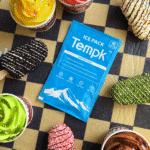
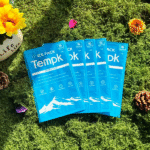
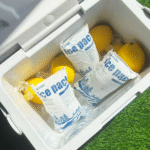
Ein flexibler Kältemittelbeutel oder eine klimatisierte Kühlpackung, die in einer isolierten Impfstofftransporteinrichtung verwendet wird. Je nach Markt, Käufer nennen es vielleicht eine kalte Gelkompresse, Impfgelpackung, und konditioniertes Kühlmittelpaket. Die Beschriftung ändert sich, aber die grundlegende Aufgabe ist dieselbe: Die Packung wird in einem Gefrierschrank oder Kühlraum vorkonditioniert, rund um die Nutzlast geladen, und mit Isolierung verwendet, um die Wärmeübertragung zu verlangsamen. Bei einigen Programmen handelt es sich um eine Einweg- oder Einwegkomponente. Für andere ist es Teil einer wiederverwendbaren Schleife.
Der wichtigste Punkt ist, dass dieses Format als thermische Komponente behandelt werden sollte, nicht als vollständige Versandgarantie. Es kann zur Kältekapazität und Temperaturstabilität beitragen, aber es ersetzt nicht die Isolierung, richtige Packungsplatzierung, Routenplanung, oder Schecks entgegennehmen. Diese Unterscheidung ist in jedem Sektor wichtig, durch Routineimpfungen, Bestand an Outreach-Kliniken, und Kurzstreckentransfers zu empfindlicheren Ladungen.
In der Impfstoff- und Biologika-Arbeit, Diese Unterscheidung wird entscheidend. Eine Kühlpackung kann helfen, einen gekühlten Zustand aufrechtzuerhalten, aber es allein schafft keinen konformen oder qualifizierten Impfstofftransportprozess. Überwachung, Konditionierungsdisziplin, und produktspezifische Handhabungsregeln bestimmen weiterhin das Ergebnis.
Was passiert thermisch im Inneren des Pakets?
Alle passiven Kältemittel absorbieren Wärme aus der wärmeren Umgebung um sie herum. Mit gängigen Gelsystemen auf Wasserbasis, Ein großer Teil der Schutzwirkung entsteht durch die Energie, die zum Erwärmen und Schmelzen der gefrorenen Packung benötigt wird. Die Gelstruktur hält das Wasser an Ort und Stelle, sodass der Rucksack einfacher zu handhaben ist als loses Eis, und in vielen Ausführungen trägt es auch dazu bei, dass die Verpackung Kontakt mit der Wand des Versandbehälters oder um das Produkt herum behält.
Die Leistung wird nicht nur durch die Füllung selbst bestimmt. Film- oder Schalendicke, Packungsoberfläche, Starttemperatur, Nutzlastmasse, Kopfspace, Isolationstyp, und die Außenwirkung ist alles wichtig. Ein dünner, flexibler Beutel kann ein Produkt gut umhüllen, erwärmt sich jedoch schneller, wenn nicht genügend Gesamtkältemittelmasse vorhanden ist. Ein starrer Ziegelstein behält möglicherweise die Struktur und Platzierung besser bei, kann jedoch auch ungenutzten Raum schaffen, wenn er nicht zur Kartongeometrie passt.
Hier müssen Käufer auch gewöhnliches Gel auf Wasserbasis von Phasenwechselmaterialien unterscheiden, die für einen engeren Temperaturbereich ausgewählt wurden. Standardgel auf Wasserbasis eignet sich häufig zum Schutz vor Kälte, da es sich in der Nähe des Gefrierpunkts von Wasser verhält. Wenn eine Spur oberhalb oder unterhalb dieses Punktes eine strengere Kontrolle erfordert, ein anderes PCM, Trockeneis, oder ein aktives System könnte geeigneter sein. Die richtige Antwort hängt von der Produktanforderung ab, nicht auf einer allgemeinen Präferenz für einen Kältemitteltyp.
Wo dieses Format am besten passt
Die stärksten Anwendungsfälle sind diejenigen, bei denen das Kühlmittelformat mit dem Betriebsmodell übereinstimmt. In einem strukturierten Großhandelsprogramm, Kühlgelverpackungen für den Impfstofftransport können sehr effektiv sein, wenn die Sendungen wiederholbaren Verpackungsmustern folgen und das Produktprofil verstanden wird. Aus diesem Grund wird es von Käufern häufig für Routineimpfungen in Betracht gezogen, Bestand an Outreach-Kliniken, Kurzstreckentransfers, und temperaturempfindliche Biologika.
Es ist nicht in jeder Situation gleich stark. Wo Produkte extrem frostempfindlich sind, extrem hitzeempfindlich, oder einer langen unkontrollierten Durchfahrt ausgesetzt sind, Das Verpackungssystem erfordert möglicherweise strengere Kontrollen, als ein standardmäßiger gelbasierter Ansatz bieten kann. Ebenfalls, Ein Format, das bei Mehrwegbehältern wunderbar funktioniert, kann bei Einweg-Paketkartons ineffizient sein, und ein Paket, das für eine kurze innerstädtische Verteilung geeignet ist, überlebt möglicherweise ein mehrtägiges Netzwerk mit hoher Exposition gegenüber Verandas nicht.
In der Praxis, Die beste Frage ist nicht, ob das Format „gut“ oder „schlecht“ ist. Die richtige Frage ist, ob es für Ihre Route geeignet ist, Ihre Nutzlast, und Ihre Packdisziplin. Das ist der Rahmen, der sowohl ein Überkaufen als auch einen Unterschutz verhindert.
Hauptvorteile und Kompromisse
Die meisten Beschaffungsprobleme treten auf, wenn sich Teams nur auf das Positive konzentrieren. Eine ausgewogene Sichtweise ist nützlicher, da dieselbe Funktion, die einem Programm hilft, einem anderen schaden kann. Flexibilität kann den Kontakt verbessern, aber die Leitungsabwicklung verlangsamen. Ein starrer Ziegelstein kann die Platzierung vereinfachen, aber das Nutzlastvolumen verringern. Die Wiederverwendung kann die wiederkehrenden Kosten senken, aber auch Inspektionsaufwand verursachen.
- Nutzen: Flexible, konditionierte Packungen können die Kälte gleichmäßiger um einen Impfstoffträger verteilen als loses Eis.
- Nutzen: Sie sind sauberer und einfacher zu standardisieren als improvisierte Kühlmedien.
- Nutzen: Oftmals kann das gleiche Basispaket den geplanten Transport unterstützen, Nottransfer, oder Outreach-Arbeitsabläufe in Kombination mit der richtigen Isolierung und Überwachung.
- Nutzen: Hergestellte Packungen vereinfachen die wiederholte Beschaffung im Vergleich zu handgefertigten oder uneinheitlich gefüllten Kühlmitteln.
- Limit: Eine kalte Gelkompresse ist das nicht, allein, ein qualifizierter Impfstoffversender oder ein Compliance-Anspruch.
- Limit: Schlecht konditionierte Packungen sind möglicherweise zu kalt und können gekühlte Impfstoffe einfrieren.
- Limit: Der direkte Kontakt zwischen Impfstoffkartons und gefrorenem Kühlmittel ist riskant, es sei denn, die Transportkonstruktion verhindert ausdrücklich die Frostexposition.
- Limit: Impfwege müssen überwacht werden, schriftliche Verfahren, und produktspezifische Entscheidungsregeln, die über die Packung hinausgehen.
Diese Kompromisslogik unterscheidet eine Kaufentscheidung von einer Temperaturkontrollstrategie. Käufer, die beide Seiten verstehen, standardisieren in der Regel schneller und verschwenden weniger Geld für gescheiterte Pilotprojekte.
So wählen Sie die richtige Größe aus, Format, und Packstrategie
Der Auswahlprozess sollte mit der Route und der Nutzlast beginnen, nicht mit Lagerkatalog. Beginnen Sie mit der Definition des Zieltemperaturbandes, die längste realistische Zeit außerhalb der kontrollierten Lagerung, die Produktladetemperatur, und die tatsächlichen Innenabmessungen des isolierten Transportbehälters. Ohne diese Grundlagen, Selbst ein technisch guter Rucksack kann zur falschen Wahl werden.
Von dort, Käufer vergleichen normalerweise die Konditionierungsanweisungen und die Taufenstersteuerung, Dimensionskonsistenz für validierte Auspackmuster, materielle Integrität, Auslaufsicherheit, und saubere Handhabung, Chargenrückverfolgbarkeit und Änderungskontrolle, und Herstellerunterstützung für Qualifizierung und Dokumentation. Es hilft auch, das umfassendere Verpackungssystem zu betrachten: Wie viel Gefrierraum wird für die Vorkonditionierung benötigt?, ob die Packung gleichmäßig gezählt und platziert werden kann, wie viel Boxwürfel es verbraucht, und ob das resultierende Paketgewicht noch wirtschaftlich sinnvoll ist.
Für regulierte oder qualitätssensible Gesundheitsbereiche, Der Auswahlschritt sollte auch Dokumentation und Qualitätsunterstützung umfassen. Ein Lieferant, der konsistente Chargen liefern kann, klare Konditionierungsanleitung, und die Unterstützung bei der Routenqualifizierung ist in der Regel wertvoller als eine, die nur einen niedrigeren Rohstoffpreis bietet.
Warum sich Beschaffungsentscheidungen ändern
Über die Kühlkette und den temperaturempfindlichen Vertrieb hinweg, Käufer stehen unter dem Druck, den Verderb zu reduzieren, ohne einfach mehr Kühlmittel auf jede Kiste zu werfen. Frachtkosten, Energieverbrauch im Lager, Arbeit, und Entsorgung veranlassen Beschaffungsteams dazu, Verpackungsdesigns zu entwickeln, die einfacher zu standardisieren und einfacher auf die richtige Größe anzupassen sind.
Aus diesem Grund, Die Nachfrage hat sich in Richtung einer klareren Produktsegmentierung bewegt: flexible Packungen für unregelmäßige Geometrie, Starre Steine für wiederholbare Layouts, und PCM-Optionen mit engeren Temperaturen, wenn die Produktanforderung dies rechtfertigt. Auch die Wiederverwendung gewinnt an Aufmerksamkeit, aber nicht als eigenständige Tugend. Käufer wollen die Wiederverwendung nur dann, wenn sie mit ihrem tatsächlichen Wiederherstellungskreislauf zusammenarbeitet und keine versteckten Arbeits- oder Qualitätsrisiken mit sich bringt.
Hilfreiche Entscheidungshilfen
Überprüfen Sie die Details, bevor Sie sich für die Verpackung entscheiden
Mit diesen schnellen Tools können Sie das Routenrisiko vergleichen, Größenanforderungen, Kühlmittelauswahl, und Verpackungsdetails, bevor Sie ein Angebot anfordern.
Fallfestigkeit des Isolationsmaterials
Überprüfen Sie die Fallfestigkeit und die Handhabungsfaktoren, bevor Sie Isoliermaterialien auswählen.
Widerstand prüfenVerpackungsauswahl
Vergleichen Sie isolierte Verpackungsoptionen nach Produkt, Route, und Temperaturbedarf.
Verpackung findenBoxliner & Dimensionierung der Palettenabdeckung
Überprüfen Sie die Größenlogik für Kartoneinlagen und Palettenabdeckungen für isolierte Verpackungsprojekte.
Schätzen Sie die GrößeIn diesem Zusammenhang, Nachhaltigkeit ist nicht nur eine Materialgeschichte. Es ist auch eine Geschichte der Abfallvermeidung. wiederverwendbar Kühlmittelpakete kann in geschlossenen Kreisläufen zwischen Hubs und Kliniken sinnvoll sein, aber die Wiederverwendung darf den Zustand nicht beeinträchtigen, Sauberkeit, oder Konsistenz, Durch die Reduzierung der Überkühlung können Abfälle durch beschädigte Produkte und unnötige Kältemittelmasse reduziert werden, und die nachhaltigste Impfstoffpackung ist in der Regel diejenige, die Abweichungen verhindert und Nacharbeiten minimiert. In vielen Programmen, Die bedeutendste Verbesserung für die Umwelt ergibt sich aus der gleichzeitigen Reduzierung von Produktverlusten und Überverpackungen.
Warum Handhabungsregeln genauso wichtig sind wie die Packung selbst
Ein starkes Kältemittel kann in einem schwachen Arbeitsablauf dennoch versagen. Packs benötigen vor der Verwendung genügend Zeit und die richtige Umgebung, um ihren vorgesehenen Ausgangszustand zu erreichen. Oft muss auch die Nutzlast vorgekühlt werden. Wenn das Produkt warm beim Versender ankommt, Das Kältemittel ist gezwungen, seine Energie für die Behebung eines Packungsproblems aufzuwenden, anstatt die Leitung zu schützen.
Genauso wichtig ist die Platzierung. Viele Ausfälle sind auf einfache Probleme zurückzuführen, beispielsweise auf zu viel Leerraum, schlechter Top-Schutz, direkter Kontakt, wo ein Separator hätte verwendet werden sollen, oder inkonsistente Packungsanzahl zwischen den Schichten. Aus diesem Grund schreiben gute Betriebsteams den Packout als wiederholbare Bausequenz vor, anstatt die Platzierung dem persönlichen Ermessen zu überlassen.
Dieser Punkt ist besonders wichtig für Impfstoffe. Leitlinien für die öffentliche Gesundheit warnen wiederholt davor, gekühlte Impfstoffe direkt übermäßig kalten Quellen auszusetzen. Konditioniertes Kühlmittel, Isolierschichten, und eine überwachte Verpackung dienen dazu, Frostschäden und Hitzeeinwirkung zu verhindern.
Testen, Dokumentation, und die Grenzen allgemeiner Leistungsansprüche
Einer der häufigsten Kauffehler besteht darin, eine Kältemittelspezifikation wie eine Konformitätserklärung zu behandeln. In Wirklichkeit, Die Packung ist nur ein Element innerhalb eines Verpackungssystems. Für Lebensmittelprogramme, Das System muss dafür sorgen, dass das Produkt unter sicheren Empfangsbedingungen bleibt. Für Pharma- und Medizinspuren, Die Anforderungen variieren je nach Produkt, Route, und Qualitätssystem, und möglicherweise ist eine zusätzliche Qualifikation erforderlich.
Aus diesem Grund greift die thermische Entwicklung häufig auf anerkannte Testansätze wie ASTM D3103 für die thermische Leistung isolierter Gehäuse zurück, ASTM D4332 zur Konditionierung, und ISTA-Thermoverfahren, wenn Unternehmen passive Versanddesigns vergleichen oder verfeinern. Diese Standards beweisen nicht automatisch, dass Ihre Fahrspur sicher ist. Sie bieten eine strukturierte Möglichkeit, das Verpackungsverhalten unter definierten Bedingungen zu vergleichen.
Der Impfstofftransport legt die Messlatte noch höher. CDC- und WHO-Materialien konzentrieren sich auf den kontrollierten Umgang, richtige Konditionierung, Isolierung zwischen Produkt und Kühlmittel, und Temperaturüberwachung während des gesamten Transports. Eine Kühlpackung, der diese unterstützenden Kontrollen fehlen, sollte nicht als eigenständige Impfstofflösung bezeichnet werden.
Eine praktische Lieferanten-Checkliste, bevor Sie eine Großbestellung aufgeben
Wenn das Schlüsselwort Großhandel umfasst, Anbieter, oder Absicht des Herstellers, Dies ist der Abschnitt, der am wichtigsten ist. Gute Beschaffungsteams vergleichen nicht einfach eine Musterpackung auf einem Labortisch. Sie fragen, ob der Lieferant nach der ersten Palette die gleiche Leistung und Passform reproduzieren kann, die zehnte Palette, und die unvermeidliche Wechselsaison.
- Fragen Sie, ob der Hersteller Richtlinien zur Konditionierung für den Transport von gekühlten Impfstoffen anstelle allgemeiner Ratschläge zum Einfrieren bereitstellt.
- Bestätigen Sie die Füllgewichtstoleranz und die Wiederholbarkeit der Abmessungen, denn bei Impfstoffträgern kommt es auf die Packungsplatzierung an.
- Fordern Sie einen Nachweis der Materialkonsistenz über Chargen hinweg und eine Benachrichtigung über etwaige Formulierungs- oder Filmänderungen an.
- Prüfen Sie, ob der Lieferant Pilottests mit Ihrem tatsächlichen Aufbau von Isolierbehältern und Datenloggern unterstützen kann.
- Kennzeichnung überprüfen, Loskodierung, und zeichnet Aufbewahrungspraktiken auf, wenn Ihr Qualitätsteam Rückverfolgbarkeit benötigt.
- Überprüfen Sie, ob die Packung für den gekühlten Gebrauch auf Wasserbasis oder für einen engeren PCM-Temperaturbereich vorgesehen ist.
- Endlich, Prüfen Sie die Eignung für die tatsächliche Route, Produkt, und Handhabungsbedingungen.
Der stärkste Anbieter ist in der Regel derjenige, der die Unsicherheit verringert. Das kann bessere Toleranzen bedeuten, klarere Konditionierungsanleitung, stärkere Rückverfolgbarkeit, oder eine ehrlichere Diskussion darüber, wo das Rudel nicht die richtige Antwort ist.
Wo sonst gute Programme schief gehen
Bei den meisten Ausfällen handelt es sich nicht um dramatische Materialmängel. Dabei handelt es sich um gewöhnliche Prozessfehler, die sich mit der Zeit verschlimmern. Das Nützliche an ihnen ist, dass sie normalerweise behoben werden können, sobald sie eindeutig benannt werden.
- Die Verwendung vollständig gefrorener Packungen ohne Konditionierung kann zum Einfrieren von Impfstoffen führen
- Wenn Fläschchen oder Kartons direkt mit dem Kühlmittel in Berührung kommen, kann dies zu lokalen Kälteschäden führen
- Der Transport ohne Temperaturüberwachung schränkt die Entscheidungsfindung bei der Ankunft ein
- Die Verwendung einer für einen bestimmten Versender geeigneten Packung in einem anderen Karton kann die Annahmen ungültig machen
- Genehmigung einer Großbestellung nach einem Mustertest, der nicht der tatsächlichen Lieferung entsprach
- Konzentrieren Sie sich auf die Stückkosten und ignorieren Sie das Kartongewicht, Gefrierwürfel, oder Auswirkungen auf die Arbeit
- Die Annahme eines Nennkühlmittelgewichts sagt genug über die Streckenleistung aus
- Wiederverwendung von Packungen ohne Inspektion in einem Arbeitsablauf, der tatsächlich überprüft werden muss
- Ändern der Kartongeometrie oder der Nutzlastanordnung, ohne das thermische Design erneut zu überprüfen
- Behandeln Sie Nachhaltigkeit als separates Thema, anstatt sie mit Verderb zu verbinden, Frachtgewicht, und Rückgewinnungslogistik
- Bewertung der Lieferanten allein anhand der Angebotsgeschwindigkeit und nicht anhand der Lieferkontinuität und der Qualitätskommunikation
Wenn ein Team auch nur zwei oder drei dieser Fehler beseitigen kann, Es verbessert die Ergebnisse normalerweise schneller als der Wechsel zu einem teureren Produkt.
FAQ
Kann eine kalte Gelkompresse für Impfungen verwendet werden??
Ja, aber nur als Teil eines konzipierten Impfstofftransportsystems mit Isolierung, Konditionierungsregeln, und Überwachung.
Ist kälter, ist es für Impfungen immer sicherer?
NEIN. Einige gekühlte Impfstoffe können ihre Wirksamkeit verlieren, wenn sie einfrieren.
Was sollte ein Hersteller von Impfstoffpackungen bieten??
Klare Konditionierungsanleitung, einheitliche Abmessungen, Chargenrückverfolgbarkeit, und die Unterstützung der Pack-out-Qualifizierung sind nützlicher als generische Marketingaussagen.
Letzte Aufnahme
Bei der besten Kaufentscheidung kommt es in der Regel darauf an, dass es passt. Kühlgelverpackungen für den Impfstofftransport sind aufgrund ihres Temperaturverhaltens sinnvoll, Form, Handhabungsworkflow, und Lieferantenunterstützung stimmen mit der tatsächlichen Route und dem Produkt überein. Es wird zu einer schlechten Wahl, wenn Teams es als generische Ware kaufen und erwarten, dass es ein Verpackungsproblem von selbst löst.
Wie Tempk unterstützt Kaltkette Versand
Wir bieten Kaltkettenverpackung Materialien für temperaturempfindliche Lebensmittel und medizinische Sendungen, einschließlich Gelpackungen, Eisziegel, Isolierte Behälter, und verwandt Thermoverpackung Produkte. Für impfstofforientierte Projekte, Wir können das Paketformat besprechen, Isolationspaarung, und Routendauer, sodass die Auswahl des Kühlmittels einen kontrollierten Prozess unterstützt, anstatt ein vermeidbares Frostrisiko zu schaffen.
Nächster Schritt
Für den Impfstofftransport, Beginnen Sie mit dem erforderlichen Temperaturbereich und Streckenprofil, Passen Sie dann das Kühlmittelpaket an, Isolierung, und Überwachungsplan als ein System.