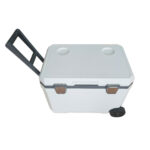
Auswählen eines 40 Lieferant von isolierten Liter-Eisboxen: Ein Leitfaden von der Anforderung zum Nachweis
Der nützlichste Weg, eine auszuwählen 40 Liter isoliert Lieferant von Eisboxen besteht darin, eine Anforderungs-zu-Beweis-Sequenz zu durchlaufen. Definieren Sie zunächst den Produkt- und Temperaturbedarf. Dann modellieren Sie Nutzlast und Kühlmittelraum, Planen Sie die Route und den Umgang mit Risiken, Bau auswählen, und entscheiden Sie, welche Tests oder Dokumentationen die Genehmigung unterstützen müssen. Durch diese Reihenfolge bleiben kommerzielle Diskussionen auf die Anwendung und nicht auf allgemeine Behauptungen über Liter beschränkt, Isolierung, Dauer, oder Preis.
Für gewerbliche Lieferung, Lebensmittelverteilung, medizinische Unterstützung, Ereignisse, Feldarbeit, und Regionalverkehr, Beschaffung, Operationen, Maschinenbau, und Qualitätsteams sollten nach denselben kontrollierten Vorgaben arbeiten. Vierzig Liter beschreiben das nominale Innenvolumen, keine garantierte Nutzlast oder thermische Dauer. Die komplette Verpackung und Route bestimmen das Ergebnis. In den folgenden Abschnitten werden Käufer zusammengefasst, Maschinenbau, operativ, und Lieferantenkontrollperspektiven in einem Entscheidungspfad, Am Ende finden Implementierungsprüfungen statt, die dazu beitragen, dass das genehmigte Muster repräsentativ für die Produktion und den tatsächlichen Einsatz bleibt.
| Entscheidungsantwort: Wählen Sie die isolierte Eisbox erst aus, nachdem Sie die Nutzlast bestätigt haben, nutzbare Geometrie, Temperaturanforderung, Route, Kühlmittel, Handhabung, Beweis, und Produktionskontrollen. Vierzig Liter beschreiben das nominale Innenvolumen, keine garantierte Nutzlast oder thermische Dauer. Die komplette Verpackung und Route bestimmen das Ergebnis. |
|---|
Die Entscheidung hat vier miteinander verbundene Tore
Eine kontrollierte Entscheidung kann in vier Gates organisiert werden. Tor eins definiert das Produkt und den erforderlichen Zustand. Gate zwei bestätigt diese Nutzlast, Kühlmittel, innere Geometrie, Handhabung, und Route passen in die vorgeschlagene Box. Tor drei wertet Beweise aus, inklusive Zeichnungen, Materialdaten, Testberichte, Fertigungskontrollen, und Anwendungsgrenzen. Tor vier genehmigt die Umsetzung, inklusive Anleitung, Überwachung, Empfang, Änderungskontrolle, und Lieferantenverantwortung. Ein Projekt sollte nicht vorankommen, nur weil ein Tor stark aussieht, während ein anderes undefiniert bleibt.
Die Tore schaffen auch nützliches Eigentum. Der Betrieb kann die Route und die Arbeitsweise festlegen; Die Technik kann die Geometrie überprüfen, Materialien, und Fehlermodi; Qualität kann Nachweis- und Abweichungsregeln festlegen; Der Einkauf kann Umfang und kommerzielle Konditionen vergleichen. Für die gewerbliche Beschaffung, Händler, Logistikplaner, und Markeninhaber, Diese gemeinsame Struktur reduziert wiederholte Klärungen und macht Angebote vergleichbar. Es zeigt auch, wann es sich bei einer Anfrage noch um ein Konzept und nicht um eine kauffertige Spezifikation handelt. Das endgültige Genehmigungsprotokoll sollte zeigen, was bestätigt wurde, von wem, unter Verwendung welcher Beweise, und für welche Anwendungsgrenze.
- Tor 1 – Produkt, Temperaturzustand, Empfindlichkeit, und Konsequenz des Scheiterns
- Tor 2 – Nutzlastumschlag, Kühlmittel, Route, Handhabung, Hygiene, und Benutzerpassform
- Tor 3 – Materialien, Zeichnungen, Tests, Qualitätskontrollen, und angegebene Einschränkungen
- Tor 4 – Pilot, Anweisungen, Überwachung, Empfang, Änderungskontrolle, und Startgenehmigung
Schreiben Sie die Anforderung in operativer Sprache
Schreiben Sie eine Benutzeranforderung, die ein anderes Team anwenden könnte, ohne das ursprüngliche Verkaufsgespräch zu hören. Identifizieren Sie die Nutzlast, Verpackung, Ausgangszustand, erforderliche Temperaturbedingung, maximale Zeit, Verspätungszulage, Umgebungseinflüsse, Öffnungen, Fahrzeug oder Träger, Handhabung, Reinigung, und Erhalt der Entscheidung. Für gewerbliche Lieferung, Lebensmittelverteilung, medizinische Unterstützung, Ereignisse, Feldarbeit, und Regionalverkehr, Geben Sie außerdem an, welche Folgen ein Ausfall hat und ob die Lieferung ersetzt werden kann, unter Quarantäne gestellt, oder ohne größere Störung untersucht werden.
Verwandeln Sie das primäre Ziel – sinnvolle Nutzkapazität mit beherrschbarem Handling und einer spurgerechten thermischen Auslegung zu vereinen – in messbare Akzeptanzpunkte. Getrennte Funktionen, die vom physischen Behälter bereitgestellt werden, von denen, die vom Kühlmittel bereitgestellt werden, Überwachung, Arbeitsanweisungen, der Träger, und Empfangen. Weisen Sie dann Eigentümer für ungelöste Annahmen zu. Eine kontrollierte Benutzeranforderung verhindert, dass die endgültige Genehmigung von vagen Formulierungen wie „dauerhaft“ abhängt, medizinisch, Lebensmittelqualität, dicht, lang anhaltende, oder kühlkettentauglich.
- Definierte Nutzlast, Verpackung, Menge, Masse, und Temperaturzustand
- Normale Spur plus Verzögerung, saisonal, Öffnung, und Übergabeannahmen
- Packout-Komponenten, Konditionierung, Platzierung, und geladene Konfiguration
- Handhabung, Zurückhaltung, Hygiene, Etiketten, Überwachung, und Entscheidungen entgegenzunehmen
- Erforderliche Zeichnungen, Testnachweise, Produktionskontrollen, und den Besitzer wechseln
Schließen Sie die anwendungsspezifischen Genehmigungslücken
Das Genehmigungsprotokoll sollte die projektspezifischen Risiken vor der kommerziellen Freigabe klären: Überschätzung der nutzbaren Kapazität, Verwendung eines generischen Haltezeitanspruchs, mit Blick auf Wand- oder Deckelwärmebrücken, und das Versäumnis, die Kiste festzuhalten. Es sollte auch dargelegt werden, wie die vorgeschlagene Konfiguration eine sinnvolle Nutzkapazität mit einer beherrschbaren Handhabung und einem der Fahrspur angemessenen thermischen Design verbindet. Dies sind keine Hintergrundkommentare; Es sind Anforderungen, die einen Besitzer brauchen, Beweis, und eine Annahmeentscheidung. Wenn ein Zustand noch nicht nachgewiesen werden kann, Die Aufzeichnung sollte den verbleibenden Test identifizieren, Pilot, oder Qualitätsaktion.
Verwenden Sie eine Anwendungsmatrix, die Isolationsdicke und Kontinuität miteinander verbindet, Deckelkonstruktion, Ecken, Schlagfestigkeit der Schale, Hardware, und Abschlusskomprimierung mit der Route, Handhabung, Hygiene, Überwachung, und Lieferantenkontrollen. Beziehen Sie die drei entscheidenden Punkte mit ein: Bestätigen Sie die Innenlänge, Breite, Höhe, und die Nutzlasthülle nach der Platzierung des Kühlmittels. Überprüfen Sie sowohl die Risiken bei heißer als auch bei kalter Umgebung, wenn die Route oder das Produkt dies erfordert. Akzeptieren Sie keinen Daueranspruch, es sei denn, der Lieferant identifiziert die Nutzlast, Kühlmittel, Testprofil, Öffnungen, und Akzeptanzkriterien. Die endgültige Wahl sollte für den Einkauf erklärbar sein, Qualität, Operationen, und dem Lieferanten, ohne auf eine Verkaufspräsentation oder persönliche Erinnerung angewiesen zu sein.
Konvertieren Sie das Nennvolumen in nutzbaren Raum
Konvertieren Sie die Katalogbeschreibung in einen kontrollierten Nutzlastumschlag. Fordern Sie eine klare Innenlänge an, Breite, und Höhe an den Stellen, an denen die Nutzlast tatsächlich sitzt, Platzieren Sie dann das vorgesehene Kühlmittel, Separatoren, Gestelle, Monitor, und Produkt in einer Zeichnung oder einem physischen Versuch. Eine Nenngröße von 40 Litern beschreibt den nominellen Platzbedarf; Es wird nicht angegeben, wie viele verkaufsfähige Einheiten es gibt, Impfstoffkartons, Exemplare, oder Milchpakete können geladen werden, ohne die genehmigte Anordnung zu stören.
Die Genehmigung sollte den äußeren Platzbedarf und die belastete Masse sowie die interne Passform abdecken. Der vorgeschlagene Container muss in das Fahrzeug gelangen, durch Türen gehen, sicher sitzen, Lassen Sie den Deckel ohne Kompression schließen, und bleiben bei der Lieferung beherrschbar. Wo Sommer- und Winterpakete unterschiedlich sind, beides dokumentieren. Die akzeptierte Spezifikation sollte die nutzbare Nutzlast für die definierte Konfiguration angeben und alle Maßtoleranzen angeben, die die Packung verändern könnten, Zurückhaltung, oder thermische Leistung.
| Entscheidungstor | Projektspezifische Bestätigung | Akzeptable Beweise | Eigentümer |
|---|---|---|---|
| Produktanforderung | Kombinieren Sie sinnvolle Nutzkapazität mit überschaubarem Handling und einer gassengerechten thermischen Auslegung | Genehmigte Benutzeranforderungen und Produktinformationen | Produkt- und Qualitätsteams |
| Körperliche und betriebliche Eignung | 40-Liter; beladenes Heben, Griffe, Stack-Schnittstelle, Zurrkompatibilität, Zugang zum Deckel, und Empfangsergonomie | Verpackungszeichnung, Probeversuch, Streckenbeobachtung, und Reinigungsüberprüfung | Technik und Betrieb |
| Leistungsgrenze | Vierzig Liter beschreiben das nominale Innenvolumen, keine garantierte Nutzlast oder thermische Dauer. Die komplette Verpackung und Route bestimmen das Ergebnis. | Rückverfolgbare Wärme, mechanisch, Überwachung, und Anwendungsnachweise | Technik und Qualität |
| Lieferantenkontrolle | Bemaßte Spezifikation, Materialdaten, Testprofil, Einzelheiten zu Nutzlast und Kühlmittel, Akzeptanzkriterien, und Losinspektion | Kontrollplan, Aufzeichnungen, Prüfungsnachweise, und Änderungsvereinbarung | Beschaffung und Qualität |
| Durchführung | Überprüfen Sie sowohl die Risiken bei heißer als auch bei kalter Umgebung, wenn die Route oder das Produkt dies erfordert. | Zugelassener Pilot, Anweisungen, Ausbildung, Empfang, und Eskalationsplan | Betrieb und Qualität |
| Lebenszyklusentscheidung | nutzbare Kapazität, Frachtwürfel, Kühlmittelbedarf, Arbeit, Testunterstützung, Schaden, und langfristiger Ersatz; Verpackungen in der richtigen Größe, längere Produktlebensdauer, effiziente Rückführungslogistik, und reduzierter Kühlmittel- oder Produktabfall | Vergleichbarer Business Case und regelmäßige Leistungsüberprüfung | Beschaffung und Betrieb |
Kapazität, Isolierung, und die Handhabung muss ausgewogen sein
Das Genehmigungsprotokoll sollte drei anwendungsspezifische Lücken schließen, bevor das Projekt in Produktion oder Markteinführung übergeht.
- Genehmigungspflicht: Bestätigen Sie die Innenlänge, Breite, Höhe, und die Nutzlasthülle nach der Platzierung des Kühlmittels.
- Genehmigungspflicht: Überprüfen Sie sowohl die Risiken bei heißer als auch bei kalter Umgebung, wenn die Route oder das Produkt dies erfordert.
- Genehmigungspflicht: Akzeptieren Sie keinen Daueranspruch, es sei denn, der Lieferant identifiziert die Nutzlast, Kühlmittel, Testprofil, Öffnungen, und Akzeptanzkriterien.
Weisen Sie jeder Anforderung einen Eigentümer und Belege zu. Wenn man unsicher bleibt, Behalten Sie es als offenes Genehmigungselement bei, anstatt die Unsicherheit in einer breiten Lieferantenaussage zu verbergen.
Definieren Sie die Temperaturleistung mit angehängten Bedingungen
Wandeln Sie thermische Ansprüche in Genehmigungserklärungen mit angehängten Bedingungen um. Die Spezifikation sollte das erforderliche Produktsortiment benennen, Überarbeitung der Verpackung, Nutzlastreichweite, Kühlmittel und Konditionierung, Umgebungsprofil, Dauer und Verzögerungsspielraum, Öffnungen, Sensorplan, und Akzeptanzkriterium. Wo verschiedene Jahreszeiten unterschiedliche Verpackungen erfordern, Genehmigen Sie jede Konfiguration explizit, anstatt sie als informelle Bedieneranpassungen zu behandeln.
Erstellen Sie eine Beweisleiter. Beginnen Sie mit Entwurfsberechnungen oder Entwicklungsvergleichen, Übergang zu repräsentativen Labortests, Fügen Sie die Spurqualifizierung hinzu, wenn das Risiko dies erfordert, und nutzen Sie die Betriebsüberwachung, um die kontrollierte Nutzung zu überprüfen. Jeder Schritt beantwortet eine andere Frage. Die Genehmigung sollte auf der Ebene basieren, die dem Produktwert entspricht, Empfindlichkeit, regulatorischen Kontext, Wiederherstellbarkeit, und Routenvariabilität, nicht auf den beeindruckendsten Zertifikatsnamen in einem Vorschlag.
Die Beschaffung sollte den Prozess des Lieferanten testen
Bewerten Sie den vorgeschlagenen Hersteller anhand der genehmigten Anforderung, nicht gegen einen generischen Lieferantenfragebogen. Bestätigen Sie, ob das Angebot nur die Box oder einen größeren Umfang einschließlich Kühlmittel abdeckt, Einsätze, Verpackungszeichnungen, Testen, Qualifizierungsunterstützung, Überwachung, Etiketten, Ersatzteile, Ausbildung, und Abweichungshilfe. Fordern Sie eine bemaßte Spezifikation an, Materialdaten, Testprofil, Einzelheiten zu Nutzlast und Kühlmittel, Akzeptanzkriterien, und Losinspektion. Jeder wichtige Anspruch sollte auf ein kontrolliertes Dokument verweisen, Probe, Testbedingung, oder Produktionskontrolle.
Komplette kommerzielle und qualitätsbezogene Due Diligence. Überprüfen Sie genehmigte Materialquellen, Kritische Prozesse, Inspektionsprotokolle, Kalibrierung, Werkzeugwartung, Nichtkonformität, Korrekturmaßnahme, Zulieferteile, und Benachrichtigung über technische Änderungen. Vereinbaren Sie, wem die Zeichnungen gehören, Formen, Produktrevisionen, Aufzeichnungen, und erneutes Testen von Entscheidungen. Ein Lieferant ist zur Genehmigung bereit, wenn er die akzeptierte Konfiguration neu erstellen und erklären kann, wie Änderungen bewertet werden, bevor sie eine Lieferung erreichen.
Hilfreiche Entscheidungshilfen
Überprüfen Sie die Details, bevor Sie sich für die Verpackung entscheiden
Mit diesen schnellen Tools können Sie das Routenrisiko vergleichen, Größenanforderungen, Kühlmittelauswahl, und Verpackungsdetails, bevor Sie ein Angebot anfordern.
Fallfestigkeit des Isolationsmaterials
Überprüfen Sie die Fallfestigkeit und die Handhabungsfaktoren, bevor Sie Isoliermaterialien auswählen.
Widerstand prüfenReferenz zu Isoliermaterialien
Vergleichen Sie die Auswahl an Isoliermaterialien für unterschiedliche Kühlkettenverpackungsanforderungen.
Vergleichen Sie MaterialienRoutenrisiko-Checker
Überprüfen Sie die Fahrspurbedingungen, bevor Sie die Verpackung entsprechend den tatsächlichen Betriebsanforderungen auswählen.
Streckenrisiko prüfen- Lieferumfang, Dokumentation, Testen, Qualifikation, und Unterstützung
- Kontrollierte Spezifikation, genehmigte Probe, Stückliste, und Revisionslink
- Kritische Prozesse, Inspektionen, Aufzeichnungen, Kalibrierung, und Korrekturmaßnahmen
- Kontrolle der Subunternehmer, Werkzeugwartung, Substitutionen, und Änderungsmitteilung
- Kaufmännische Mängelhaftung, nacharbeiten, Ersatzteile, und zukünftige Bestellungen
Erstellen Sie eine Evidenzleiter für die Entscheidung
Organisieren Sie Genehmigungsnachweise nach der Entscheidung, die sie unterstützen. Zeichnungen und Materialaufzeichnungen legen fest, um welches Produkt es sich handelt. Bei mechanischen Tests geht es um Handhabung und Zurückhaltung. Wärmeentwicklungstests vergleichen Designs. Bei der Qualifikation wird ein definiertes Packout anhand einer genehmigten Anforderung getestet. Die Streckenüberwachung zeigt, wie sich die geregelte Methode bei betrieblichen Schwankungen verhält. Aus dem Genehmigungsprotokoll sollte hervorgehen, welche Stufe erforderlich ist und warum, anstatt eine Sammlung unabhängiger Berichte zu akzeptieren.
Bevor Sie sich auf einen Bericht verlassen, Vergleichen Sie die getestete Version, Nutzlast, Kühlmittel, Konditionierung, Anfangstemperaturen, Umgebungsprofil, Dauer, Öffnungen, Orientierung, Sensoren, Akzeptanzkriterien, und Abweichungen von der geplanten Nutzung. Erfassen Sie Lücken und entscheiden Sie, ob diese akzeptabel sind, erfordern eine Analyse, oder zusätzliche Tests erfordern. Ein Berichtsname oder eine Pass-Anweisung reichen nicht aus. Die unterstützte Schlussfolgerung muss auf die Konfiguration zurückführbar bleiben, die Beschaffung und Produktion tatsächlich erwerben werden.
Ein kontrollierter Rollout verhindert teure Überraschungen
Die Implementierung sollte von einer repräsentativen Probe zu einem kontrollierten Pilotprojekt vor der vollständigen Produktion oder dem Start der Route übergehen. Bestätigen Sie die genaue Stückliste, Zeichnungen, Farben, Markierungen, Zubehör, Verpackung, und Anweisungen. Nutzen Sie den Piloten, um die Packzeit zu testen, Benutzerfehler, geladene Ergonomie, Fahrzeug passen, Zurückhaltung, Reinigung, Überwachung, und Empfangen. Für eine temperaturkontrollierte Anwendung, Stellen Sie sicher, dass der Pilot der beabsichtigten Kühlmittel- und Nutzlastkonfiguration folgt und nicht einem einfacheren Demonstrationsaufbau.
Nach Genehmigung, Frieren Sie die kritische Spezifikation ein und definieren Sie die Änderungskontrolle. Packer ausbilden, Fahrer, Kuriere, Reinigungskräfte, und Empfänger über die Teile des Prozesses, die ihnen gehören. Richten Sie eine Überprüfung der ersten Produktion ein und überwachen Sie frühe Lieferungen auf wiederkehrende Probleme. Eine Einführung sollte Eskalationskontakte und eine Methode zur Trennung verdächtiger Kartons oder Komponenten umfassen. Regelmäßige Überprüfungen können zu Schäden führen, Abweichung, zurückkehren, Reinigung, und Temperaturdaten, um das System zu verfeinern, ohne die qualifizierte oder genehmigte Grenze zu schwächen.
Erstellen Sie ein Kostenmodell rund um Risiko und Nutzung
Erstellen Sie mit One-Time einen risikoadjustierten Business Case, wiederkehrend, und Ausfallkosten getrennt. Einmalige Artikel können Design enthalten, Werkzeuge, Proben, Validierung, und starten. Wiederkehrende Artikel können Einheiten umfassen, Kühlmittel, Überwachung, Arbeit, Reinigung, Fracht, Inspektion, Lagerung, und Ersatz. Zu den Ausfallkosten kann die Produktsperre gehören, Rücksendung, Abweichungsuntersuchung, Kundenstörung, und verlorene Streckenkapazität. Verwenden Sie Projektdaten oder klar definierte Annahmen anstelle eines generischen Einsparungsprozentsatzes.
Vergleichen Sie Alternativen mit demselben zugelassenen Anwendungsbereich. Ein niedrigerer Stückpreis bedeutet keine geringeren Kosten, wenn der nutzbare Raum knapp ist, Der Frachtwürfel ist hoch, Die Auspackarbeit ist langsam, oder Qualitätsfluchten sind häufig. Ein technisch stärkeres Design ist nicht automatisch besser, wenn es die Kosten erhöht, ohne das Routenrisiko zu berücksichtigen. Das Genehmigungsteam sollte den Kompromiss, den es akzeptiert, und die Betriebsmaßnahme dokumentieren, die zeigt, ob der erwartete Wert erreicht wird.
Anwenden des Entscheidungspfads auf ein typisches Projekt
Wenden Sie den vollständigen Entscheidungspfad auf ein typisches Projekt an. Ein Vertriebshändler für medizinische Versorgung benötigt eine mittelgroße Box für die regionale Lieferung. Die gleiche Außengröße muss Sommer- und Winterpackouts unterstützen, was das Kühlmittel und die nutzbare Nutzlast verändert. Das funktionsübergreifende Team genehmigt zunächst die Benutzeranforderung, Anschließend werden Nutzlast und Kühlmittelpassung anhand einer physischen Probe bestätigt. Es zeichnet den Ladevorgang auf, Streckenbelichtung, Hygiene, Überwachung, und Empfangsbedürfnisse vor der Auswahl des Evidenzniveaus und des kommerziellen Umfangs.
Der ausgewählte Hersteller liefert kontrollierte Zeichnungen, Materialien, Testberichte, und eine Pilotcharge. Der Einkauf vergleicht das Angebot mit dem genehmigten Umfang; Qualitätskontrollen, Änderungskontrolle und Akzeptanzkriterien; Operations führt den Piloten mit normalen Benutzern aus. Der Start erfolgt erst, nachdem ungelöste Lücken Eigentümer und Daten haben. Der endgültige Datensatz verknüpft die Anforderung, Konfiguration, Beweis, Anweisungen, und Produktionsversion, damit zukünftige Änderungen schlüssig beurteilt werden können.
Abschließende Fragen zur Beschaffung
Was muss genehmigt werden, bevor die Bestellung freigegeben wird??
Genehmigen Sie die Benutzeranforderung, Produktrevision, Innen- und Außenmaße, Materialien, Packout-Komponenten, Test- oder Qualifikationsbasis, Kritische Prüfkriterien, Etiketten, Verpackung, Dokumentation, kommerziellen Umfang, und Verantwortung für die Änderungskontrolle. Für den temperaturempfindlichen Einsatz, auch die Nutzlast genehmigen, Kühlmittelaufbereitung, Umgebungs- und Dauerannahmen, Sensorplan, Bedienungsanleitung, Empfangskriterien, und ungelöste Einschränkungen.
Wie wird eine freigegebene Probe im Einklang mit der Produktion gehalten??
Verknüpfen Sie das Beispiel mit kontrollierten Zeichnungen, Stückliste, genehmigte Materialquellen, Prozesseinstellungen, kritische Dimensionen, Inspektionsmethoden, und eine Pilotcharge. Bewahren Sie gegebenenfalls ein Referenzmuster auf, Aber verlassen Sie sich nicht nur auf das Aussehen. Der Lieferant sollte den Käufer vor Änderungen an der Werkzeugausstattung benachrichtigen, Harz, Isolierung, Hardware, Siegel, einfügen, Kühlmittel, Subunternehmer, Verfahren, oder Verpackungen, die die Funktion beeinträchtigen könnten.
Wem gehören Qualifizierungs- und Compliance-Entscheidungen??
Die Verantwortung sollte in der Projektvereinbarung festgelegt werden. Der Lieferant kann genaue Produktdaten bereitstellen, Proben, Berichte, und technischer Support; Normalerweise legt der Käufer die Produktgrenzen fest, Fahrbahn, Akzeptanzkriterien, Qualitätssystem, und geltenden Marktverpflichtungen. Die Arbeiten können von einem Vertragshersteller oder einem Prüflabor durchgeführt werden, Dies beseitigt jedoch nicht die Notwendigkeit, dass der Produkteigentümer und das Qualitätsteam die Eignung genehmigen müssen.
Wann ist ein individuelles Design gerechtfertigt??
Eine kundenspezifische Anpassung ist gerechtfertigt, wenn ein Standardprodukt die kritische Nutzlastgeometrie nicht erfüllen kann, nutzbare Kapazität, Zurückhaltung, Reinigung, Branding, Route, Zubehör, oder Betriebsanforderungen. Vergleichen Sie den Wert mit den Werkzeugen, Entwicklungszeit, MOQ, Änderungsrisiko, Testanforderungen, Ersatzteile, und zukünftige Überarbeitungen. Eine benutzerdefinierte Form sollte eine dokumentierte Anforderung lösen und nicht die Komplexität erhöhen, die durch eine Einfügung oder Prozessänderung bewältigt werden kann.
Was ist die wichtigste Einschränkung einer isolierten Eisbox??
Vierzig Liter beschreiben das nominale Innenvolumen, keine garantierte Nutzlast oder thermische Dauer. Die komplette Verpackung und Route bestimmen das Ergebnis. Der Käufer sollte daher auf die Behandlung einer Kapazitätskennzeichnung verzichten, Materialname, oder generische Dauer als vollständige Leistungsaussage. Bestätigen Sie die Nutzlast, Kühlmittel, Route, Öffnungen, Umgebungseinflüsse, Handhabung, Überwachung, Testbedingungen, und Erhalt einer Entscheidung, die den Verwendungszweck definiert.
Abschluss: Genehmigen Sie ein System, das Sie erklären und wiederholen können
Ein passendes 40 Liter Isolierte Eisbox Der Lieferant ist das Ergebnis einer disziplinierten Spezifikation und nicht eines einzelnen Merkmals. Die zuverlässigste Entscheidung ist die Verbindung der Nutzlast, Temperaturzustand, Route, nutzbarer Raum, Konstruktion, Kühlmittel, Handhabung, Hygiene, Beweis, Produktionskontrolle, und Betriebseigentum. Wenn diese Elemente explizit sind, Die Beschaffung kann Angebote fair vergleichen und der Betrieb kann die genehmigte Methode wiederholen, ohne sich auf das Gedächtnis oder eine breite Verkaufssprache verlassen zu müssen.
- Beginnen Sie mit dem Produkt und der Spur, Bestätigen Sie dann die körperliche Passform und die Verpackung.
- Passen Sie die erforderlichen Nachweise an das Risiko und die Anwendungsgrenze an.
- Genehmigen Sie Lieferantenkontrollen, Durchführung, Überwachung, und Change Management gemeinsam.
- Sorgen Sie für eine nachvollziehbare Verbindung von der Anforderung über den Nachweis bis zur Betriebsanweisung.
Über Tempk
Tempk ist ein in Shanghai ansässiges Unternehmen Kühlkettenverpackung Unternehmen mit Sitz in 2011. Das öffentlich präsentierte Sortiment umfasst Gel und Eisbeutel auf Wasserbasis, EPP und Kunststoff Isolierte Kisten, vakuumisolierte Lösungen, Isoliertaschen und Liner, Palettenabdeckungen, und Temperaturüberwachungsprodukte. Für ein Projekt, Tempk kann den Produkttyp überprüfen, erforderliche Temperaturbedingung, Nutzlast, Route, Jahreszeit, Handhabung, und Empfangsprozess, bevor Sie eine Standard- oder kundenspezifische Konfiguration besprechen. Die endgültige Eignung hängt weiterhin von der Bewerbungsprüfung des Käufers ab, Testen, Qualifikation, und Bedienelemente.
Projektbesprechung
Besprechen Sie das geplante Produkt, Kühlmittel, Route, Jahreszeit, Überwachung, und Empfangsprozess mit Tempk, bevor vom Muster zur Produktion übergegangen wird.