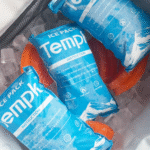
Eine bessere Möglichkeit, Gel-Kühlbeutel für die OEM-Beschaffung in der Kühlkette zu bewerten
Die Beschaffung eines Gel-Kältemittelbeutels aus China kann sinnvoll sein, wenn Sie eine individuelle Größe benötigen, drucken, oder Lautstärke. Der Fehler besteht darin, das Produkt bei kleinen Änderungen im Film wie eine Ware zu behandeln, füllen, oder Siegel können die tatsächliche Leistung verändern. Die zuverlässigste Wahl ergibt sich normalerweise aus der Kombination praktischer Routenanpassung, technische Disziplin, und realistisches Lieferantenscreening.
Ein Hersteller von Gel-Kältemittelbeuteln in China kann eine gute Beschaffungsoption sein, wenn Sie maßgeschneiderte Größen benötigen, Großserienfertigung, und flexible Folien- oder Druckkonfigurationen. Die Chance ist real, Allerdings besteht auch die Gefahr vager Spezifikationen. In Kühlkettenverpackung, Ein Beutel, der auf einem Angebotsblatt ähnlich aussieht, kann sich nach dem Einfrieren ganz anders verhalten, in einen Versender verpackt, und Transportstress ausgesetzt sind. Deshalb hängt eine erfolgreiche Beschaffung in China weniger vom Preis allein als vielmehr von klaren Spezifikationen ab, Änderungskontrolle, und Überprüfung. Die Entscheidung wird viel einfacher, wenn Sie drei Fragen trennen: welche Temperatur das Produkt wirklich braucht, wie sich die Route verhält, und wie konsistent der Lieferant das gewählte Format reproduzieren kann.
Was das richtige Paket eigentlich leisten sollte
Im Klartext, Ein Gel-Kältemittelbeutel ist ein versiegelter Beutel oder ein Kissen Kühlmittelpaket Entwickelt für die flexible Platzierung rund um Nutzlasten. In vielen Lieferketten fungiert es eher als wiederverwendbarer oder wegwerfbarer Kältemitteleinsatz als als eigenständiges Versandsystem. Es kann als Kühlmittelbeutel bezeichnet werden, ein Kühlmitteleinsatz, oder ein anderer Handelsname, je nach Branche. Für den Käufer kommt es weniger auf das Etikett als vielmehr auf die Größenkombination an, Füllmasse, Phasenverhalten, Haltbarkeit des Films, und wie die Packung passt Isolierter Behälter.
Beutelkältemittel lassen sich leicht an das Gewicht anpassen, drucken, und Abmessungen, Dies ist einer der Gründe, warum viele Käufer sie von asiatischen Großherstellern beziehen. Die meisten Standard-Gelformate funktionieren, indem sie während der Gefrierkonditionierung Kälteenergie speichern und dann beim Auftauen Wärme absorbieren. Die praktische Haltezeit hängt nicht nur von der Packung allein ab: Isolationsqualität, Produktmasse, anfängliche Produkttemperatur, Packungsplatzierung, und die Einwirkung von außen verändern das Ergebnis. Aus ingenieurwissenschaftlicher Sicht, Der Käufer verwaltet tatsächlich den Wärmefluss durch den gesamten Verpackungsstapel. Eine dickere Wand oder eine bessere Auskleidung kann die Anzahl reduzieren Kältemittelpakete benötigt, während ein schlecht Isolierter Versender kann den Vorteil eines schwereren Kühlmittels zunichte machen.
Für beutelförmige Kältemittel, Zu den entscheidenden Details gehört die Gelformulierung, Siegelqualität, Filmstärke, Füllungstoleranz, und Dimensionskonsistenz nach dem Einfrieren. Ein Beschaffungsteam muss außerdem wissen, ob die Tasche flach verwendet wird, gefaltet, oder gegen eine Auskleidung geschichtet werden, da dies Auswirkungen darauf hat, wie sich die gefrorene Packung im eigentlichen Karton verhält.
Beutelartige Packungen können gekühlt unterstützen, gefroren, oder moderiert-kühle Bahnen je nach Füllung und Konditionierung, Daher muss der Hersteller den genauen Versandzweck kennen.
So wählen Sie eine Route aus, Produkt, und Umgang mit der Realität
In vielen Fällen, Gel-Kältemittelbeutel sind am nützlichsten, wenn Teams eine Kältequelle benötigen, die wiederholt platziert werden kann, sauber gehandhabt, und auf mehrere Sendungen skalierbar. Typische Nutzlasten sind Lebensmitteltransporte, Arzneimittelpakete, Kosmetik-Mailer, Labor-Kits, und allgemeine temperaturempfindliche Güter. Das bedeutet nicht, dass jede Nutzlast das gleiche Paket benötigt. Das bedeutet, dass das Format angepasst werden kann, wenn der Käufer die Route und Produktbeschränkungen klar definiert.
Zu den Risiken, die Einkäufer in der Regel einplanen müssen, gehört auch die Nichtübereinstimmung der Spezifikationen zwischen Muster und Produktion, Folien- oder Nahtschwäche beim Exporttransport, längere Lieferzeiten und Versandschwankungen, unklare Materialdeklarationen, und schlechte Kommunikation rund um Konditionierungsanweisungen.
Ein Käufer kann mit einem Standard-Probenbeutel beginnen, Stellen Sie dann fest, dass der endgültige Karton ein anderes Seitenverhältnis benötigt, um eine bessere Wandabdeckung zu erzielen. Ein anderes Programm benötigt möglicherweise den Druck privater Etiketten, Barcode-Unterstützung, und palettierte Exportverpackungen. Ein Drittel möchte möglicherweise ein Backup-Lager in den Zielmärkten einrichten und gleichzeitig die Primärproduktion im Ausland behalten. Das sind Fragen zum Sourcing-Design, nicht nur Preisfragen.
Der größte Fehler besteht darin, ein Erstmuster zu genehmigen und davon auszugehen, dass die Produktion ohne einen formellen Änderungskontrollprozess identisch bleibt. Für Kühlkettenmaterialien, kleine Verschiebungen in der Gelfüllung, Filmdicke, oder das Freeze-Flat-Verhalten kann die Auspackkonsistenz und die Downstream-Leistung verändern. Seriöse Käufer fordern daher Produktionsmuster an, Losdokumentation, und Einigung darüber, was passiert, wenn sich Materialien oder Prozessparameter ändern.
Gleichzeitig, Käufer sollten die Grenzwerte respektieren: Offshore-Beschaffung kann Nachschub- und Korrekturzyklen verlängern; Ein niedriger Angebotspreis kann Frachtkosten verbergen, Zoll, und Lagerkosten; Die Mustergenehmigung garantiert keine langfristige Konsistenz, es sei denn, die Änderungskontrolle ist klar; und Käufer benötigen nach dem Import noch streckenspezifische Tests.
Auswahlschnappschuss
| Option | Wo es am besten passt | Hauptstärke | Was zu überprüfen ist |
| Standard-Vorratsbeutel | Probeläufe und einfache Anwendungen | Schnellster Beschaffungsweg | Passt möglicherweise nicht gut zum endgültigen Versender oder zur endgültigen Route |
| Gelbeutel in Sondergröße | Spezifische Karton- oder Liner-Geometrien | Bessere Auspackeffizienz | Erfordert genauere Zeichnungen und Mustergenehmigungen |
| Bedruckte/Private-Label-Tasche | Marken- oder programmspezifisches Angebot | Verbesserte Identifizierung und Handhabung | Grafik- und Revisionskontrolle erhöhen die Komplexität |
| Maßgeschneiderte Tasche auf PCM-Basis | Höherwertige Kühlsysteme | Genauere Kontrolle des Zielbandes | Weitere technische Spezifikations- und Validierungsarbeiten |
Die Lieferanten-Checkliste, die wirklich zählt
Bei der Auswahl eines Herstellers geht es weniger darum, die niedrigsten Stückkosten zu finden, als vielmehr darum, zu bestätigen, dass das Werk die von Ihnen tatsächlich benötigten Spezifikationen reproduzieren kann. Die besten Kaufgespräche verbinden Produktdesign, Umgang mit der Realität, und Lieferzuverlässigkeit in einer Scorecard, anstatt sie als separate Entscheidungen zu behandeln.
Bevor Sie eine Großbestellung aufgeben, Käufer sollten das Versandproblem in einer schriftlichen Verpackungsbeschreibung darlegen. Dieser Auftrag sollte den Zieltemperaturbereich abdecken, Nutzlasttyp, Abmessungen des Versenders, voraussichtliche Laufzeit, Umgebungsstress, Ladereihenfolge, und Empfangsbedingungen. Sobald diese Punkte aufgeschrieben sind, Diskussionen über MOQ, Werkzeuge, Lagerung, oder Preis werden viel produktiver, weil alle über das gleiche technische Ziel sprechen.
- Bestätigen Sie die Innen- und Außenmaße nach dem Einfrieren, nicht nur Nennmaße bei Raumtemperatur.
- Fragen Sie nach der Füllgewichtstoleranz, nutzbare Kaltmasse, und die Zielkonditionierungsmethode vor dem Versand.
- Überprüfen Sie die Harz- oder Filmstruktur, Nahtdesign, und Erwartungen an die Leckagebeständigkeit unter realer Handhabungsbelastung.
- Prüfen Sie, wie die Packung in den isolierten Versandbehälter passt, inklusive Wandverkleidung, Deckelstörung, und Produkttrennung.
- Überprüfen Sie die Stapelbarkeit, Verschachtelung, und Rückkehreffizienz, wenn das Paket in wiederverwendbaren Programmen oder Tote-Loops verwendet wird.
- Fragen Sie, wie Etiketten, Barcodes, Datumskodierung, oder Chargenrückverfolgbarkeit angewendet und kontrolliert werden.
- Fordern Sie den Nachweis an, dass die Probenqualität mit der Produktionsqualität übereinstimmt, einschließlich aller Änderungskontrollprozesse für Materialien oder Abmessungen.
- Fordern Sie Packout- oder Wärmeleistungsdaten an, die Ihre Nutzlastmasse widerspiegeln, Versendertyp, und realistisches Umgebungsprofil.
- Klären Sie, was passiert, wenn Rohstoffe verwendet werden, Gelformulierung, Filmdicke, oder Änderungen des Produktionsstandorts nach Genehmigung.
- Fordern Sie eingefrorene Abmessungen an, Füllgewichtstoleranz, Filmstruktur, Siegelmethode, und Genehmigungskontrollen für Kunstwerke schriftlich.
- Fragen Sie nach dem Design von Exportkartons, Palettierung, und wie die Taschen beim Transport auf dem Seeweg vor Löchern geschützt werden.
- Prüfen Sie, ob das Werk Pilotläufe anbietet, Rückstellproben, und formelle Änderungsbenachrichtigung für Film- oder Füllungsänderungen.
Fordern Sie Daten an, die die vollständige Packung widerspiegeln, und nicht einen eigenständigen Kältemitteltest. Ein nützlicher Datensatz zeigt normalerweise den Versendertyp, Isolationsniveau, Nutzlastmasse, Umgebungsherausforderung, Packungsplatzierung, und Testdauer. Ohne diesen Kontext, Zwei Lieferanten können ähnliche Haltezeitansprüche geltend machen und gleichzeitig völlig unterschiedliche Testbedingungen beschreiben. Ernsthafte Käufer möchten die Randbedingungen verstehen, nicht nur das Schlagzeilenergebnis.
Hilfreiche Entscheidungshilfen
Überprüfen Sie die Details, bevor Sie sich für die Verpackung entscheiden
Mit diesen schnellen Tools können Sie das Routenrisiko vergleichen, Größenanforderungen, Kühlmittelauswahl, und Verpackungsdetails, bevor Sie ein Angebot anfordern.
Eisbeutel-Rechner
Schätzen Sie die Menge an Gel-Eisbeuteln für gekühlte Sendungen und nutzen Sie die praktische Routenplanung.
Schätzen Sie EisbeutelFallfestigkeit des Isolationsmaterials
Überprüfen Sie die Fallfestigkeit und die Handhabungsfaktoren, bevor Sie Isoliermaterialien auswählen.
Widerstand prüfenVerpackungsauswahl
Vergleichen Sie isolierte Verpackungsoptionen nach Produkt, Route, und Temperaturbedarf.
Verpackung findenDer Endverbrauchssektor bestimmt die tatsächliche Compliance-Belastung: Essen, Labor, Pharma, und Kosmetik stellen alle unterschiedliche Fragen. Für Importprogramme, Käufer sollten nach klaren Materialbeschreibungen fragen, Sicherheitsdokumentation, Etikettierungssprache, und Qualitätsaufzeichnungen, die zum angestrebten Markt passen. Ein Hersteller kann den Beutel herstellen, Der Käufer ist jedoch weiterhin verpflichtet, das gesamte Versandsystem zu qualifizieren. Für regulierte oder qualitätssensible Sendungen, Verpackungsangaben sollten sorgfältig gelesen werden. Ein Kühlmittelpaket kann Compliance-Ziele unterstützen, aber es ist normalerweise nur ein Teil des dokumentierten Prozesses. Ausbildung, Verpackungsanweisungen, Erhalt von Schecks, Streckenqualifikation, und produktspezifische Anforderungen haben Einfluss darauf, ob die Sendung tatsächlich geeignet ist.
Auf der Nachhaltigkeits- und Betriebsseite, Käufer legen oft Wert darauf, dass leichte Beutel im Vergleich zu schwereren starren Formaten den Frachtaufwand reduzieren; Käufer fragen zunehmend nach recycelbaren Folien, abflusssicheres Gel, und plastikreduzierte Optionen; Und der praktischste Nachhaltigkeitsgewinn ergibt sich oft aus einer besseren Kartonpassform und einem geringeren Verderb. In der Praxis, Käufer bewerten zunehmend die gesamten betrieblichen Auswirkungen: Frachtgewicht, Stauraum im Gefrierschrank, Leichtigkeit des Empfangs, Abfallbehandlung, und das Risiko eines Produktverlusts, wenn die Route instabil wird. Eine haltbarere oder zielgerichtetere Verpackung kann im Vorfeld manchmal mehr kosten und dennoch die tatsächlichen Kosten des Versandprogramms senken.
Häufige Kauffehler
Ein chinesischer Hersteller kann eine gute Option sein, aber nur, wenn die Spezifikation detailliert genug ist, um ein Beispiel zu geben, erster Artikel, und Massenproduktion bleiben aufeinander abgestimmt.
Sobald ein Paket genehmigt wurde, Die Änderungskontrolle wird entscheidend. Kleine Unterschiede beim Folienlieferanten, Gelverhältnis, Füllvolumen, Drucklayout, oder Fertigungslinieneinstellungen können die Abmessungen ändern, Auslaufsicherheit, oder Packverhalten. Professionelle Lieferanten dokumentieren diese Änderungen und kommunizieren sie, bevor sie sich auf Live-Lieferungen auswirken.
Die Empfangsbedingungen sind wichtiger, als viele Käufer erwarten. Wenn Kartons in einem Hot Dock geöffnet werden, vor der Inspektion auf dem Boden liegen gelassen, oder bei Raumtemperatur umgepackt werden, Das gewählte Kältemittel muss sowohl betriebliche Schwankungen als auch Transportbelastungen ausgleichen. Deshalb Beschaffung, Operationen, und Qualitätsteams sollten den Arbeitsablauf am Bestimmungsort gemeinsam überprüfen, anstatt das Kältemittel nur als Kaufentscheidung zu behandeln.
Der Stückpreis ist nur ein Teil der Wirtschaftlichkeit. Eine größere oder billigere Packung kann die Frachtkosten erhöhen, Reduzieren Sie die Produktnutzlast, langsame Verpackungslinien, oder beim Empfang mehr Abfall erzeugen. Dagegen, Eine besser passende Verpackung kann manchmal die Gesamtkosten senken, da sie den Produktverlust reduziert, vermeidet Überpacken, und vereinfacht die Handhabung. Gute Lieferantengespräche vergleichen daher die Gesamtnutzungskosten, nicht nur der Preis pro Packung.
Betriebsdetails, die nicht ignoriert werden sollten
Die Probenfreigabe sollte einer Reihenfolge folgen: Bankbewertung, Freeze-and-Fit-Check, Versandversuch, und dann Produktionsbestätigung. Der direkte Übergang von einer Probe bei Raumtemperatur zu einer Großbestellung ist riskant, da sich manche Packungen nach dem Einfrieren ganz anders verhalten, geladen, und Transportstress ausgesetzt sind.
Auch die Lager- und Gefrierkapazität sollte frühzeitig berücksichtigt werden. Ein Programm, das auf dem Papier attraktiv aussieht, kann schwierig werden, wenn die Stellfläche der Packung Platz im Gefrierschrank verschwendet, erfordert lange Konditionierungszeiten, oder benötigt mehr Bereitstellungsfläche, als die Site unterstützen kann. Die betriebliche Eignung am Ursprungsort ist Teil der Produkteignung.
Die stärksten Programme sind in der Regel funktionsübergreifend. Der Einkauf kann den Beschaffungsprozess leiten, sondern Verpackungsingenieure, Betriebspersonal, Qualitätsteams, und Empfangsstandorte sehen oft unterschiedliche Risiken. Die frühzeitige Zusammenführung dieser Ansichten trägt dazu bei, dass ein technisch akzeptables Paket nicht zu einer betrieblichen Frustration wird.
Der Ursprungsworkflow sollte vor der kommerziellen Genehmigung überprüft werden. Wenn Bediener gefrorene Packungen aus mehreren Gefrierschränken entnehmen müssen, warte auf die Inszenierung, und dann Kartons auf mehreren Bänken aufbauen, Der Prozess selbst kann das Kältemittel ungleichmäßig erwärmen. Ein Format, das technisch korrekt, aber operativ umständlich ist, führt häufig zu Schwankungen bei Live-Sendungen.
FAQ
Warum verlangen Käufer mehr als ein Beispielfoto??
Denn das Aussehen allein verrät noch nicht die Siegelfestigkeit, Füllkonsistenz, Maßwiederholbarkeit, oder wie sich die Packung nach dem Einfrieren verhält.
Ist Offshore-Sourcing insgesamt immer günstiger??
Nicht unbedingt. Die Stückkosten können niedriger sein, aber Fracht, Lagerhaltungskosten, Vorlaufzeit, und der Aufwand für das Qualitätsmanagement kann die tatsächlichen Gesamtkosten verändern.
Welches Dokument sollte ein Käufer als Erstes sperren??
Eine schriftliche Spezifikation, die Abmessungen definiert, Füllgewicht, Filmstruktur, Gefrierverhalten, Beschriftung, und Akzeptanzkriterien.
Letztes Wort
Das stärkste Ergebnis erzielt man in der Regel durch die Kombination praktischer Packungsauswahl, technische Disziplin, und realistisches Lieferantenscreening. Das macht den Gel-Kältemittelbeutel von einer herkömmlichen Kältequelle zu einem zuverlässigen Bestandteil Ihres Vertriebsprozesses.
Über Tempk
Und Tempk, Wir konzentrieren uns auf temperaturkontrollierte Verpackungen für Kühlkettenversand. Gegründet in 2011 als Marke von Shanghai Huizhou Industrial, Wir bieten Sonderanfertigungen an Gelpackungen, Eisziegel, Isolierte Kisten, Liner, und breiter Temperaturkontrollierte Verpackung in China hergestellt. Unsere Entwicklungsarbeit wird von einem R. unterstützt&D-Zentrum, das mit CNAS- und ISTA-ausgerichteten Praktiken arbeitet, und unser Produktionsnetzwerk umfasst ISO-zertifizierte Einrichtungen in China. Diese Mischung hilft uns, sowohl Standardlieferungen als auch kundenspezifische Verpackungsformate für den temperaturempfindlichen Vertrieb zu unterstützen.
Nächster Schritt: Eine klare Beschreibung der Produktempfindlichkeit, Streckendauer, Die Auspackgeometrie erleichtert die Auswahl des richtigen Kältemittelformats oder des richtigen Großversorgungsplans erheblich.