Eine bessere Möglichkeit, PCM-Gelpackungen für den präzisen Versand bei 2–8 °C zu bewerten
Großhandelskäufer entscheiden sich für PCM Gelpackungen wenn standardmäßig gefrorene Gele ein zu hohes Gefrierrisiko oder zu wenig Kontrolle mit sich bringen. Der Vorteil liegt in der Präzision, Doch Präzision zahlt sich nur dann aus, wenn Schmelzpunkt und Aufbereitungsmethode zur Route passen. Die zuverlässigste Wahl ergibt sich normalerweise aus der Kombination praktischer Routenanpassung, technische Disziplin, und realistisches Lieferantenscreening.
Eine PCM-Gelpackung wird dann gewählt, wenn das Ziel nicht nur darin besteht, kalt zu bleiben, sondern um die Sendung länger näher an einem definierten Temperaturband zu halten. Aus diesem Grund wenden sich Käufer in den USA häufig an PCM, wenn es um gekühlte Gesundheitsversorgung geht, Diagnostik, ausgewählte Lebensmittel, und andere Routen, bei denen herkömmliches gefrorenes Gel zu aggressiv sein kann. Der entscheidende Punkt ist, dass PCM nur dann besser ist, wenn die Phasenwechseltemperatur den Produktanforderungen entspricht. Die Entscheidung wird viel einfacher, wenn Sie drei Fragen trennen: welche Temperatur das Produkt wirklich braucht, wie sich die Route verhält, und wie konsistent der Lieferant das gewählte Format reproduzieren kann.
Was das richtige Paket eigentlich leisten sollte
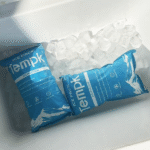
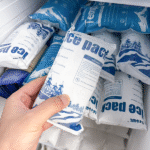
Im Klartext, Ein PCM-Gel-Pack ist ein Gel-Pack, das mit einem Phasenwechselmaterial gefüllt ist, das so ausgewählt ist, dass es bei einer Zieltemperatur schmilzt oder erstarrt und nicht nur um den Phasenpunkt von Wasser bei 0 °C herum. In vielen Lieferketten fungiert es eher als wiederverwendbarer oder wegwerfbarer Kältemitteleinsatz als als eigenständiges Versandsystem. Es kann als Phasenwechsel-Kältemittelpaket bezeichnet werden, ein Kühlmitteleinsatz, oder ein anderer Handelsname, je nach Branche. Für den Käufer kommt es weniger auf das Etikett als vielmehr auf die Größenkombination an, Füllmasse, Phasenverhalten, Haltbarkeit des Films, und wie die Packung passt Isolierter Behälter.
PCM-Packungen sind attraktiv, wenn Käufer eine strengere Kontrolle und ein geringeres Gefrierrisiko benötigen, als es herkömmliche Gelpackungen auf Wasserbasis normalerweise bieten. Die meisten Standard-Gelformate funktionieren, indem sie während der Gefrierkonditionierung Kälteenergie speichern und dann beim Auftauen Wärme absorbieren. Die praktische Haltezeit hängt nicht nur von der Packung allein ab: Isolationsqualität, Produktmasse, anfängliche Produkttemperatur, Packungsplatzierung, und die Einwirkung von außen verändern das Ergebnis. Aus ingenieurwissenschaftlicher Sicht, Der Käufer verwaltet tatsächlich den Wärmefluss durch den gesamten Verpackungsstapel. Eine dickere Wand oder eine bessere Auskleidung kann die Anzahl reduzieren Kältemittelpakete benötigt, während ein schlecht Isolierter Versender kann den Vorteil eines schwereren Kühlmittels zunichte machen.
Im Gegensatz zu einem herkömmlichen Gel auf Wasserbasis, dessen Übergang um den Gefrierpunkt von Wasser herum erfolgt, Eine PCM-Packung ist so formuliert, dass sie Wärme um einen ausgewählten Phasenpunkt herum absorbiert und abgibt. Für Käufer, die ein 2-8°C-Programm anstreben, Dies kann das Risiko des direkten Einfrierens verringern und die Temperaturstabilität verbessern, wenn der Rest des Transportbehälters richtig ausgelegt ist.
Die PCM-Auswahl sollte mit der tatsächlich zulässigen Produktpalette beginnen, Nicht mit der Standardannahme, dass kälter sicherer ist.
Es ist auch wichtig, eine schützende Umverpackung von einer qualifizierten Person zu trennen temperaturgesteuertes Versandsystem. Eine Gelpackung oder ein Ziegelstein kann dabei helfen, die Temperatur zu kontrollieren, die Sendung wird dadurch jedoch nicht automatisch konform oder validiert. Die Anforderungen können je nach Produkt variieren, Route, Handhabungsbedingungen, und die Qualitätsverfahren des Versenders.
So wählen Sie eine Route aus, Produkt, und Umgang mit der Realität
In vielen Fällen, PCM -Gelpackungen sind am nützlichsten, wenn Teams eine Kältequelle benötigen, die wiederholt platziert werden kann, sauber gehandhabt, und auf mehrere Sendungen skalierbar. Zu den typischen Nutzlasten gehören Arzneimittel mit einer Temperatur von 2–8 °C, temperaturempfindliche Diagnostik, Spezialitäten, die nicht einfrieren sollten, Produkte mit kontrollierter Umgebungstemperatur, und präzise Kühlkettenprogramme. Das bedeutet nicht, dass jede Nutzlast das gleiche Paket benötigt. Das bedeutet, dass das Format angepasst werden kann, wenn der Käufer die Route und Produktbeschränkungen klar definiert.
Zu den Risiken, die Käufer normalerweise einplanen müssen, gehört der Kauf des falschen Schmelzpunktes, Konditionierung des PCM falsch, vorausgesetzt, PCM macht Isolations- oder Streckenprüfungen überflüssig, höhere Kosten ohne echten Systemvorteil, und verwirrende Kühl- und Umgebungsanwendungen.
Ein gekühltes Biologikum, ein empfindliches Diagnoseset, und ein Premium-Lebensmittelartikel kann allesamt auf eine gekühlte Band abzielen, Dennoch sind die Kosten für Frostschäden nicht gleich. PCM wird mit steigendem Produktwert und geringerer Toleranz attraktiver.
Der Hauptfehler besteht darin, PCM zu kaufen, weil es fortgeschritten klingt, ohne den Zielbereich und die Streckenbelastung zu definieren. Wenn der Phasenpunkt falsch ist, Die Prämienausgabe bietet nicht den beabsichtigten Schutz.
Gleichzeitig, Käufer sollten die Grenzwerte respektieren: PCM kostet mehr als herkömmliche Gele auf Wasserbasis; Die Packung funktioniert nur dann gut, wenn der Phasenpunkt mit den Produktanforderungen übereinstimmt; Konditionierungsanweisungen sind wichtiger als bei Standardgel; Und nicht jedes Produkt benötigt PCM-Präzision.
Auswahlschnappschuss
| Option | Wo es am besten passt | Hauptstärke | Was zu überprüfen ist |
| Standard-Gefriergelpackung | Allgemeiner Kühlversand | Niedrigere Kosten und breite Verfügbarkeit | Für gefrierempfindliche Produkte kann es zu kalt sein |
| Konditioniertes Gel auf Wasserbasis | Kühlspuren mit mäßiger Kontrolle | Einfaches betriebliches Upgrade | Immer noch ungenauer als PCM |
| PCM-Paket nahe Zielband | 2-8°C oder ähnliche Präzisionsprogramme | Bessere thermische Ausrichtung und geringeres Frostrisiko | Höhere Kosten und stärkere Handhabungsdisziplin |
| Trockeneis | Tiefkühlprodukte | Starke gefrorene Leistung | Falsche Strategie für routinemäßige Kühlladungen |
Die Lieferanten-Checkliste, die wirklich zählt
Der Großeinkauf sieht einfach aus, bis der Nachschub erfolgt, Losvariation, und saisonale Nachfrage offenbaren die Lücken in der ursprünglichen Spezifikation. Die besten Kaufgespräche verbinden Produktdesign, Umgang mit der Realität, und Lieferzuverlässigkeit in einer Scorecard, anstatt sie als separate Entscheidungen zu behandeln.
Bevor Sie eine Großbestellung aufgeben, Käufer sollten das Versandproblem in einer schriftlichen Verpackungsbeschreibung darlegen. Dieser Auftrag sollte den Zieltemperaturbereich abdecken, Nutzlasttyp, Abmessungen des Versenders, voraussichtliche Laufzeit, Umgebungsstress, Ladereihenfolge, und Empfangsbedingungen. Sobald diese Punkte aufgeschrieben sind, Diskussionen über MOQ, Werkzeuge, Lagerung, oder Preis werden viel produktiver, weil alle über das gleiche technische Ziel sprechen.
- Bestätigen Sie die Innen- und Außenmaße nach dem Einfrieren, nicht nur Nennmaße bei Raumtemperatur.
- Fragen Sie nach der Füllgewichtstoleranz, nutzbare Kaltmasse, und die Zielkonditionierungsmethode vor dem Versand.
- Überprüfen Sie die Harz- oder Filmstruktur, Nahtdesign, und Erwartungen an die Leckagebeständigkeit unter realer Handhabungsbelastung.
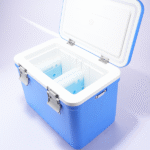
- Prüfen Sie, wie die Packung in den isolierten Versandbehälter passt, inklusive Wandverkleidung, Deckelstörung, und Produkttrennung.
- Überprüfen Sie die Stapelbarkeit, Verschachtelung, und Rückkehreffizienz, wenn das Paket in wiederverwendbaren Programmen oder Tote-Loops verwendet wird.
- Fragen Sie, wie Etiketten, Barcodes, Datumskodierung, oder Chargenrückverfolgbarkeit angewendet und kontrolliert werden.
- Fordern Sie den Nachweis an, dass die Probenqualität mit der Produktionsqualität übereinstimmt, einschließlich aller Änderungskontrollprozesse für Materialien oder Abmessungen.
- Fordern Sie Packout- oder Wärmeleistungsdaten an, die Ihre Nutzlastmasse widerspiegeln, Versendertyp, und realistisches Umgebungsprofil.
- Klären Sie, was passiert, wenn Rohstoffe verwendet werden, Gelformulierung, Filmdicke, oder Änderungen des Produktionsstandorts nach Genehmigung.
- Fragen Sie nach der genauen Phasentemperatur und den Konditionierungsanweisungen sowohl für den festen als auch für den flüssigen Verwendungszustand.
- Prüfen Sie, ob der Großhändler mehrere Schmelzpunkte oder nur eine gekühlte Artikelart vorrätig hat.
- Fordern Sie Anwendungsberatung nach Zielbereich an, wie 2–8°C gegenüber 15–25°C.
Fordern Sie Daten an, die die vollständige Packung widerspiegeln, und nicht einen eigenständigen Kältemitteltest. Ein nützlicher Datensatz zeigt normalerweise den Versendertyp, Isolationsniveau, Nutzlastmasse, Umgebungsherausforderung, Packungsplatzierung, und Testdauer. Ohne diesen Kontext, Zwei Lieferanten können ähnliche Haltezeitansprüche geltend machen und gleichzeitig völlig unterschiedliche Testbedingungen beschreiben. Ernsthafte Käufer möchten die Randbedingungen verstehen, nicht nur das Schlagzeilenergebnis.
Hilfreiche Entscheidungshilfen
Überprüfen Sie die Details, bevor Sie sich für die Verpackung entscheiden
Mit diesen schnellen Tools können Sie das Routenrisiko vergleichen, Größenanforderungen, Kühlmittelauswahl, und Verpackungsdetails, bevor Sie ein Angebot anfordern.
Verpackungsauswahl
Vergleichen Sie isolierte Verpackungsoptionen nach Produkt, Route, und Temperaturbedarf.
Verpackung findenTrockeneisrechner
Schätzen Sie vor dem Verpacken den Bedarf an Trockeneis für gefrorene oder ultrakalte Sendungen.
Schätzen Sie TrockeneisEisbeutel-Rechner
Schätzen Sie die Menge an Gel-Eisbeuteln für gekühlte Sendungen und nutzen Sie die praktische Routenplanung.
Schätzen Sie EisbeutelÖffentliche Leitlinien zur Kühlkette machen deutlich, dass gefrierempfindliche Produkte nicht einfach in hartgefrorenen generischen Gelpackungen verpackt werden sollten. PCMs bei etwa 4–5 °C werden häufig verwendet, um die richtige Kühltemperatur aufrechtzuerhalten und gleichzeitig das Gefrierrisiko für empfindliche Produkte zu verringern. Auch mit PCM, Streckendauer, Umgebungseinflüsse, und die Packout-Geometrie bestimmen weiterhin das Ergebnis. Für regulierte oder qualitätssensible Sendungen, Verpackungsangaben sollten sorgfältig gelesen werden. Ein Kühlmittelpaket kann Compliance-Ziele unterstützen, aber es ist normalerweise nur ein Teil des dokumentierten Prozesses. Ausbildung, Verpackungsanweisungen, Erhalt von Schecks, Streckenqualifikation, und produktspezifische Anforderungen haben Einfluss darauf, ob die Sendung tatsächlich geeignet ist.
Auf der Nachhaltigkeits- und Betriebsseite, Käufer legen oft Wert darauf, dass eine bessere Temperaturanpassung den Verderb und die Ablehnung von Sendungen reduzieren kann; Eine strengere thermische Kontrolle kann den Bedarf an übermäßiger Kältemittelmasse verringern; und ein pilotenfreundlicher Großhandelszugang kann eine kostspielige Überverpflichtung für das falsche Design verhindern. In der Praxis, Käufer bewerten zunehmend die gesamten betrieblichen Auswirkungen: Frachtgewicht, Stauraum im Gefrierschrank, Leichtigkeit des Empfangs, Abfallbehandlung, und das Risiko eines Produktverlusts, wenn die Route instabil wird. Eine haltbarere oder zielgerichtetere Verpackung kann im Vorfeld manchmal mehr kosten und dennoch die tatsächlichen Kosten des Versandprogramms senken.
Häufige Kauffehler
PCM ist nicht automatisch besser als Standardgel; Es ist nur besser, wenn der Schmelzpunkt erreicht ist, Konditionierungsmethode, und Route den tatsächlichen Anforderungen des Produkts entsprechen.
Sobald ein Paket genehmigt wurde, Die Änderungskontrolle wird entscheidend. Kleine Unterschiede beim Folienlieferanten, Gelverhältnis, Füllvolumen, Drucklayout, oder Fertigungslinieneinstellungen können die Abmessungen ändern, Auslaufsicherheit, oder Packverhalten. Professionelle Lieferanten dokumentieren diese Änderungen und kommunizieren sie, bevor sie sich auf Live-Lieferungen auswirken.
Die Empfangsbedingungen sind wichtiger, als viele Käufer erwarten. Wenn Kartons in einem Hot Dock geöffnet werden, vor der Inspektion auf dem Boden liegen gelassen, oder bei Raumtemperatur umgepackt werden, Das gewählte Kältemittel muss sowohl betriebliche Schwankungen als auch Transportbelastungen ausgleichen. Deshalb Beschaffung, Operationen, und Qualitätsteams sollten den Arbeitsablauf am Bestimmungsort gemeinsam überprüfen, anstatt das Kältemittel nur als Kaufentscheidung zu behandeln.
Der Stückpreis ist nur ein Teil der Wirtschaftlichkeit. Eine größere oder billigere Packung kann die Frachtkosten erhöhen, Reduzieren Sie die Produktnutzlast, langsame Verpackungslinien, oder beim Empfang mehr Abfall erzeugen. Dagegen, Eine besser passende Verpackung kann manchmal die Gesamtkosten senken, da sie den Produktverlust reduziert, vermeidet Überpacken, und vereinfacht die Handhabung. Gute Lieferantengespräche vergleichen daher die Gesamtnutzungskosten, nicht nur der Preis pro Packung.
Betriebsdetails, die nicht ignoriert werden sollten
Auch die Abwicklung am Ende der Lebensdauer ist Teil des Käufererlebnisses. Den Empfängern kann es wichtig sein, ob die Packung wiederverwendet werden kann, wie viel Flüssigkeit noch zur Verfügung steht, und ob die Entwässerung oder die Abfallentsorgung im Empfangsbereich zu einem Ärgernis wird. Diese Details erscheinen selten oben auf einem Angebotsblatt, Dennoch beeinflussen sie die Lieferantenzufriedenheit nach der Einführung stark.
Wo das Produktrisiko hoch ist, Käufer sollten schrittweise vom Screening zur Qualifizierung übergehen: Bestätigen Sie zunächst die physikalischen Spezifikationen, Testen Sie dann das Packout unter den erwarteten Bedingungen, und erst dann die Lautstärke skalieren. Diese Reihenfolge verringert die Chance, eine Handelsvereinbarung über ein Kältemittel abzuschließen, das für sich genommen gut aussieht, im fertigen Verlader jedoch keine gute Leistung erbringt.
Saisonalität ist ein weiterer Grund, die Spezifikation nicht einzufrieren und zu vergessen. Viele Routen erfordern eine andere Packungsanzahl, Konditionierungsmethode, oder Verladerkonfiguration im Hochsommer als bei mildem Wetter. Ein Lieferant, der saisonale Anpassungen unterstützen kann, ohne an Konsistenz zu verlieren, ist oft wertvoller als einer, der eine einzelne Lagerpackung sehr günstig verkauft.
Auch die Palettierung und das Verhalten des Umkartons können die richtige Wahl beeinflussen. Wenn Kartons dicht gestapelt sind, Seitenwandkompression, Deckeldruck, und ein verringerter Luftstrom kann die Art und Weise verändern, wie gefrorene Packungen stehen und auftauen. Dies ist ein weiterer Grund, das Kältemittel in der eigentlichen Versandeinheit zu bewerten und nicht als eigenständiges Element.
FAQ
Ist PCM immer besser als Standardgel??
NEIN. PCM ist nützlicher, wenn das Temperaturband eng ist oder Frostschäden ein echtes Problem darstellen. Für einfachere Routen, Standardgel kann ausreichend sein.
Warum suchen Käufer in den USA nach PCM-Großhandel??
Der Großhandelszugang unterstützt Piloten, saisonale Skalierung, und Multi-Site-Programme, ohne auf die vollständige kundenspezifische Produktion warten zu müssen.
Was ist beim Kauf von PCM als Erstes zu beachten??
Bestätigen Sie die tatsächliche Phasenwechseltemperatur und wie sie mit den Produktanforderungen und dem Versanddesign übereinstimmt.
Letztes Wort
Das stärkste Ergebnis erzielt man in der Regel durch die Kombination praktischer Packungsauswahl, technische Disziplin, und realistisches Lieferantenscreening. Das macht PCM-Gelpackungen von einer generischen Kältequelle zu einem zuverlässigen Bestandteil Ihres Vertriebsprozesses.
Über Tempk
Und Tempk, Wir konzentrieren uns auf temperaturkontrollierte Verpackungen für Kühlkettenversand. Gegründet in 2011 als Marke von Shanghai Huizhou Industrial, Wir bieten PCM-Pakete an, Gelpackungen, Isolierte Kisten, Und Temperaturkontrollierte Verpackung für präzise Kühlkettenanforderungen. Unsere Entwicklungsarbeit wird von einem R. unterstützt&D-Zentrum, das mit CNAS- und ISTA-ausgerichteten Praktiken arbeitet, und unser Produktionsnetzwerk umfasst ISO-zertifizierte Einrichtungen in China. Diese Mischung hilft uns, sowohl Standardlieferungen als auch kundenspezifische Verpackungsformate für den temperaturempfindlichen Vertrieb zu unterstützen.
Nächster Schritt: Eine klare Beschreibung der Produktempfindlichkeit, Streckendauer, Die Auspackgeometrie erleichtert die Auswahl des richtigen Kältemittelformats oder des richtigen Großversorgungsplans erheblich.