Ist eine biologisch abbaubare Trockeneis-Packfolie die Zukunft??
Einführung: Versand von Tiefkühlkost, Impfstoffe oder Biologika zu entwickeln und gleichzeitig den Planeten zu respektieren, ist eine Herausforderung. A biodegradable dry ice pack sheet combines dry ice’s ultra cold performance with sustainable materials. It sublimates at around −78.5 °C and maintains temperatures for 24–72 hours without leaving moisture. By using biodegradable films and recycled CO₂, these sheets reduce plastic waste and carbon emissions while keeping your products safe. This guide explores what they are, how to use them and why they matter in 2025.
What makes a biodegradable dry ice pack sheet unique—composition, sublimation mechanics and environmental benefits.
How to use and activate these sheets properly—hydration, freezing and packing steps for reliable cooling.
Why choosing biodegradable dry ice sheets can improve sustainability—reduced plastic waste, repurposed CO₂ and cost savings.
When to select biodegradable dry ice sheets versus gel packs or phase change materials—temperature ranges, duration and regulations.
2025 Trends und Innovationen—biodegradable materials, smart sensors and hybrid systems shaping the cold chain.
What is a biodegradable dry ice pack sheet and how does it work?
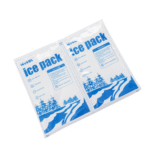
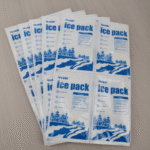
Core concept explained: A biodegradable dry ice pack sheet is a flexible blanket of solid carbon dioxide encased in a biodegradable film. Each sheet contains cells filled with dry ice that sublimates directly from solid to gas at about −78.5 °C. Unlike gel packs that melt and release water, Trockeneis hinterlässt keine Flüssigkeitsrückstände. The biodegradable outer layer—often made from paper, cellulose or plant based polymers—breaks down naturally after use, Beseitigung von Plastikmüll. Because the sheet conforms to your shipment, it maximizes contact and cooling efficiency while reducing void space.
Why sublimation matters: Dry ice sublimation absorbs significant heat, keeping goods ultra cold for 24–72 hours. Während der Sublimation, 1 lb of dry ice produces about 8.3 Kubikfuß CO₂-Gas, so packaging must allow gas to vent to prevent pressure build up. The absence of meltwater means your products stay dry, and the biodegradable film prevents microplastics from entering the environment.
Anatomy of a biodegradable dry ice pack sheet
The sheet consists of three layers:
| Komponente | Material | Rolle | Praktischer Nutzen |
| Biodegradable outer film | Papier, Zellulose oder kompostierbare Polymere | Encases dry ice cells and protects products | Eliminates plastic waste and can degrade naturally |
| Dry ice cells | Solid Co₂ | Sublimates at −78.5 °C, Wärme absorbieren | Provides ultra cold, feuchtigkeitsfreie Kühlung für 24–72 Stunden |
| Ventilation features | Perforations or breathable channels | Allow CO₂ gas to escape safely | Prevents pressure build up and complies with regulations |
Using biodegradable dry ice sheets: activation and packing
Preparing a biodegradable dry ice pack sheet is simple but crucial. Befeuchten Sie das Blatt by immersing it in warm water and massaging the cells until fully expanded. This step activates the polymer matrix that holds the dry ice and improves flexibility. Freeze the sheet für zumindest 24 Std., ensuring it reaches the lowest possible temperature for maximum cooling. Pack the sheet inside your container with the fabric side facing the product and leave ventilation space for CO₂ gas to escape. Pre chilling products and choosing larger sheets for long journeys further extend cooling duration.
Practical tips and safety guidelines
Belüftung ist wichtig: Use vented packaging or leave small gaps so CO₂ gas can escape. Sealed containers can explode due to gas pressure.
Schützen Sie sich: Wear insulated gloves and protective eyewear when handling dry ice to avoid frostbite. Fassen Sie Trockeneis niemals mit bloßen Händen an.
Vermeiden Sie enge Räume: Do not store dry ice in unventilated rooms or vehicles; Co₂ Gas kann Sauerstoff verdrängen und Erstickung verursachen. Always allow fresh air circulation.
Verwenden Sie isolierte Behälter: Dry ice sublimates faster in warm or low pressure environments. Insulation reduces sublimation rate and prolongs cooling.
Wirklicher Fall: A pharmaceutical distributor shipped vaccines using a biodegradable dry ice pack sheet in a vented cooler. By hydrating and pre freezing the sheet, then layering it around the vials, they maintained −70 °C for 48 Std.. Proper venting prevented pressure build up and staff used gloves and goggles. The shipment arrived without temperature excursions or packaging waste.
Why choose a biodegradable dry ice pack sheet?
Benefits explained: Adopting a biodegradable dry ice pack sheet yields multiple benefits beyond cooling. Reduzierter Plastikmüll: Traditional gel packs rely on petroleum based plastic shells that end up in landfills; dry ice sheets wrap in biodegradable materials, Abfall schneiden. Wiederverwendetes CO₂: Dry ice is often produced from CO₂ captured from industrial processes, transforming waste gas into a useful refrigerant and lowering carbon emissions. Kein Wasserverbrauch: Conventional ice and gel packs require significant water; dry ice production uses little water. Natural biodegradability: Denn Trockeneis sublimiert vollständig, there’s no solid waste and it acts as a biodegradable refrigerant. Kosteneinsparungen: Reusable eco packs can be used multiple times, Reduzierung der langfristigen Kosten, while lighter packaging lowers shipping weights.
Environmental benefits in detail
In 2018 die USA. generiert 80,000 tons of expanded polystyrene foam packaging, noch weniger als 1 % wurde recycelt. Consumers are noticing: 43 % Berücksichtigen Sie beim Kauf die Nachhaltigkeit der Verpackung. Choosing biodegradable dry ice sheets responds to this demand. Dry ice sheets eliminate plastic liners and can use paper based cell liners to protect goods up to 72 hours chilled. Reusable options with biodegradable, non toxic gels reduce single use pack disposal. Zusätzlich, CO₂ used for dry ice often comes from bioethanol or ammonia plants, repurposing industrial emissions. This supports the circular economy and lowers net greenhouse emissions.
Cost and operational advantages
Biodegradable dry ice sheets offer economic benefits. Their lightweight design reduces dimensional weight, lowering shipping costs. Because they maintain ultra cold temperatures for up to 72 Std., you can use fewer refrigerants and less insulation, saving space and materials. Reusable versions allow multiple uses before disposal, reducing reorder frequency. A logistics company that switched to reusable dry ice packs reported a 20 % reduction in cooling costs within six months. Investing in sustainable packaging pays off through reduced waste management fees and improved brand perception.
Safety and compliance improvements
Biodegradable dry ice sheets still require adherence to safety guidelines, but their design helps mitigate risks. The biodegradable film often includes vent channels to allow CO₂ gas to escape, reducing pressure hazards. Darüber hinaus, by choosing natural materials, you avoid the chemical leaks that can occur with poorly constructed gel packs. Always ensure shipments comply with IATA and other regulations, including labeling containers as containing dry ice and noting the weight for air transport.
When should you choose biodegradable dry ice sheets over gel packs or PCMs?
Situational guidance: Selecting the right cooling technology depends on temperature requirements, Versanddauer, Produktempfindlichkeit, und Nachhaltigkeitsziele. The table below compares biodegradable dry ice sheets, Gelpackungen, Phasenwechselmaterialien (PCMs), Und wool liners based on key factors.
| Kühllösung | Temperaturbereich | Dauer | Umweltauswirkungen | Am besten für |
| Biodegradable dry ice pack sheet | Around −78.5 °C | 24–72 Stunden | Recyclable/biodegradable film; repurposed CO₂; keine Wasserverschwendung | Gefrorene Impfstoffe, Biologika, Meeresfrüchte, Fleisch |
| Gelpackung | 2–8 ° C | 6–24 Stunden | Einwegplastik, Wasserrückstände; wiederverwendbare Optionen verfügbar | Insulin, produzieren, Mahlzeiten |
| Phasenwechselmaterial (PCM) Pack | 2–8 °C oder –20 °C | 24–96 Stunden (depending on design) | Wiederverwendbar; no hazardous labels; höhere Vorabkosten | Impfungen, Biologika, mid range shipments |
| Wollfutter mit Gel | 0–10 °C | 24–48 Stunden | Biodegradable cotton and gel; kompostierbar | Local produce, farm boxes |
Entscheidungsfaktoren
Temperaturempfindlichkeit: Products needing ultra cold conditions (–20 °C oder darunter) erfordern Trockeneis; gel packs and PCMs suit 2–8 °C ranges.
Dauer: Dry ice lasts longer than gel packs and is ideal for multi day journeys.
Regulatorische Komplexität: Dry ice requires hazmat labeling and handling. Gel packs and PCMs are non hazardous and easier to ship.
Umweltziele: Biodegradable dry ice sheets and PCMs offer lower environmental impact than traditional gel packs.
Wiederverwendbarkeit: Reusable dry ice systems and PCMs reduce waste and long term costs.
Beispiele aus der Praxis
Export von gefrorenen Meeresfrüchten: A fishery ships frozen tuna internationally using biodegradable dry ice sheets. The ultra cold temperature keeps fish at –50 °C for 48 Std., Verderb verhindern. The paper based film reduces plastic waste and appeals to eco conscious buyers.
Pharmaceutical trial: A research lab ships gene therapy vectors on dry ice. Um die Auswirkungen auf die Umwelt zu minimieren, they choose sheets with biodegradable film and integrate temperature sensors. They comply with IATA labeling and vent packaging for CO₂ release.
Lieferung von Essenssets: A meal kit company serving regional markets opts for PCMs and wool liners to maintain 2–8 °C while reducing carbon emissions. For limited frozen items like ice cream, they add small biodegradable dry ice sheets to achieve dual zone cooling.
Schritt-für-Schritt-Anleitung: using biodegradable dry ice sheets effectively
- Planen Sie Ihre Sendung:Determine the required temperature range and duration. For shipments needing sub zero temperatures for more than 24 Std., select a sheet with adequate thickness and quantity.
- Hydrate and freeze:Activate the sheet by hydrating the polymer cells in warm water. Mindestens einfrieren 24 Std., ensuring the sheet is flat and separated to freeze evenly.
- Bereiten Sie den Behälter vor:Pre chill the container and products. Line the bottom with insulation such as foam or paper liners to reduce heat infiltration.
- Packen Sie strategisch:Position the sheet around or above your goods. Für Biologika, avoid direct contact to prevent freezing damage. Fill void spaces with biodegradable cushioning to minimize air pockets.
- Entlüften und beschriften:Ensure ventilation holes or breathable lids allow gas to escape. Label packages “Dry Ice” and indicate weight for regulatory compliance.
- Überwachen Sie die Temperatur:Use temperature loggers or smart sensors to track conditions during transit. Monitoring provides data for quality assurance and helps adjust future shipments.
- Dispose or reuse responsibly:Nach Lieferung, allow remaining dry ice to sublimate in a ventilated area. Compost or recycle the biodegradable film according to local guidelines. Für wiederverwendbare Packungen, inspect for damage and sanitize before the next use.
Environmental and sustainability considerations
CO₂-Umnutzung: Dry ice is produced by capturing CO₂ from processes like ammonia and bioethanol production, turning a greenhouse gas into a cooling agent. This reduces emissions relative to producing new refrigerants. Wenn das Trockeneis sublimiert, CO₂ returns to the atmosphere but does not add net emissions since it was already produced.
Reduced water and energy use: Traditional ice requires large volumes of water and energy for freezing. Dry ice formation uses pressurized CO₂ and minimal water, conserving resources. Eco friendly manufacturing uses renewable energy and carbon capture to further lower the footprint.
Biologisch abbaubare Materialien: Modern dry ice sheets use paper or plant based films that decompose naturally. Zum Beispiel, paper based cell liners protect goods for up to 72 hours and eliminate plastic waste. Some manufacturers offer drain friendly gels and recyclable shells for hybrid packs. Always verify certifications like compostability, recyclability and absence of toxins.
Consumer perception: Nearly half of consumers judge brands by the environmental impact of packaging. Using biodegradable dry ice packs signals commitment to sustainability and can enhance customer loyalty. Corporate sustainability reports often highlight reductions in plastic waste and carbon emissions, supporting marketing efforts.
2025 trends and innovations in biodegradable dry ice sheets
Trendübersicht: The cold chain industry is evolving rapidly to meet sustainability targets and regulatory pressures. In 2025, new developments include biodegradable materials, smart packaging and hybrid solutions that combine dry ice with other refrigerants. Integration of IoT sensors and AI improves temperature management and reduces waste. Hier sind die wichtigsten Trends:
Neueste Fortschritte auf einen Blick
Biodegradable films and recyclable polymers: Manufacturers are developing films derived from cellulose, starch and PLA (Polymilchsäure) that maintain integrity at ultra low temperatures and degrade in composting facilities. These films can be recycled through paper streams, um den Abfall weiter zu reduzieren.
Intelligente Verpackungen und Sensoren: IoT enabled tags monitor temperature and location, sending real time alerts if conditions deviate. AI algorithms predict temperature fluctuations and recommend the number of sheets needed.
Hybridkühlsysteme: Combining biodegradable dry ice sheets with phase change materials creates dual temperature zones for shipments containing both frozen and chilled items. This reduces the amount of dry ice needed and optimizes space.
Recycled CO₂ and carbon capture: Carbon capture technologies trap emissions from ethanol plants and convert them into dry ice, providing a sustainable supply. Bio based CO₂ sources reduce reliance on fossil fuels.
Automatisierung und Robotik: Automated pack out stations measure product load and select the right combination of dry ice sheets, Isolierung und Sensoren, Verbesserung der Effizienz und Reduzierung des menschlichen Fehlers.
Markteinsichten
The global dry ice market was valued at US$1.54 billion in 2024 und soll bis zum Jahr 2,73 Milliarden US-Dollar erreichen 2032, wächst mit einer durchschnittlichen jährlichen Wachstumsrate (CAGR) von 7.4 %. Die Nachfrage steigt um ca 5 % jährlich, während die CO₂-Versorgung nur zunimmt 0.5 %, leading to supply constraints and periodic price spikes. These dynamics are spurring investment in alternative refrigerants and carbon capture. In den USA, the cold chain logistics market is worth around $78 Milliarde. Businesses that adopt sustainable packaging gain competitive advantages as consumer and regulatory pressures intensify.
Häufig gestellte Fragen
Q1: Can biodegradable dry ice pack sheets be reused? Ja. Many biodegradable dry ice sheets are designed for multiple uses. As long as the outer film remains intact and hygienic, you can hydrate, freeze and reuse them until the material shows wear. Befolgen Sie immer die Herstellerrichtlinien.
Q2: Are biodegradable dry ice sheets safe for air freight? Ja, provided you follow regulations. Packages must allow CO₂ to vent and be labeled with the weight of dry ice. Use approved containers and consult airline or IATA guidelines.
Q3: Do biodegradable dry ice sheets cost more than traditional gel packs? Upfront costs may be higher, but long term savings from reduced waste, lighter shipments and reuse often offset the difference. A logistics provider observed a 20 % cost reduction after switching to reusable dry ice packs.
Q4: How do biodegradable dry ice sheets compare to compostable gel packs? Compostable gel packs maintain 2–8 °C and are ideal for refrigerated goods, but they cannot achieve the ultra cold temperatures required for frozen products. Dry ice sheets maintain −78.5 °C, making them indispensable for vaccines, Biologika und Tiefkühlkost.
Q5: Are there any environmental drawbacks to using dry ice? Dry ice is produced from recycled CO₂ and sublimates without residue, so it’s considered environmentally benign. Jedoch, its production requires energy and may involve fossil fuel–derived CO₂. Choosing suppliers that capture CO₂ from renewable sources and using biodegradable films mitigates these impacts.
Vorschläge für interne Links
To deepen your understanding, consider linking to these related resources on your site:
“Eco Friendly Dry Ice Packs: Nachhaltige Kühlung für 2025 Cold Chain Logistics” – explains the environmental benefits and components of eco friendly packs.
“Dry Ice vs Polymer Gel Refrigerant Packs: Welches ist am besten?” – compares dry ice to gel packs and offers decision frameworks.
“Disposable Dry Ice Pack Sheets for 2025 Cold Chain Shipping” – provides activation steps and safety practices.
“How to Pack Fish in Dry Ice Safely (2025 Führung)” – covers practical tips for shipping seafood.
“Next Gen Cold Chain Packaging: PCM vs Dry Ice Solutions” – explores phase change materials and hybrid systems.
Zusammenfassung und Empfehlungen
Key Takeaways: A biodegradable dry ice pack sheet offers ultra cold, moisture free cooling while reducing plastic waste and carbon footprint. Trockeneis sublimiert bei −78,5 °C, keeping goods frozen for 24–72 hours without leaving water. Biodegradable films and recycled CO₂ make these sheets environmentally friendly. Safety practices—ventilation, insulation and protective gear—are essential. Compared with gel packs and PCMs, biodegradable dry ice sheets excel at extreme temperatures and long journeys but require hazmat labeling.
Umsetzbare Empfehlungen:
Evaluate your temperature needs: Use biodegradable dry ice sheets for shipments requiring sub zero conditions longer than 24 Std.. Für gekühlte Waren, consider PCMs or compostable gel packs.
Prepare responsibly: Hydrate and freeze sheets properly, pre chill products and ensure ventilation. Label packages according to regulatory guidelines.
Investieren Sie in Nachhaltigkeit: Choose sheets made from certified biodegradable films and CO₂ captured from renewable sources. Reuse sheets when possible and compost or recycle them at end of life.
Überwachen und optimieren: Implement temperature sensors to monitor conditions and refine your packing process. Track consumption to right size your refrigerant and reduce waste.
Bleib informiert: Bleiben Sie auf dem Laufenden 2025 innovations like smart packaging, hybrid systems and carbon capture technologies. Partner with suppliers who prioritize sustainability.
Über Tempk
Unternehmenshintergrund: Tempk ist auf fortschrittliche Kühlkettenlösungen spezialisiert, including biodegradable dry ice pack sheets, gel packs and thermal containers. Our research and development center focuses on eco friendly materials and smart packaging. By repurposing CO₂ and using biodegradable films, we help clients reduce their environmental footprint while maintaining strict temperature control.
Aufruf zum Handeln: Ready to embrace sustainable shipping? Contact our experts for customized guidance on biodegradable dry ice pack sheets and other eco friendly packaging options. We’ll help you select the right solution, implement best practices and achieve both performance and sustainability.