Aktualisiert am: Mai 20, 2026
So bewerten Sie eine temperaturgesteuerte VIP-Box für den CO2-neutralen Versand, bevor Sie Kühlkettenlieferungen skalieren
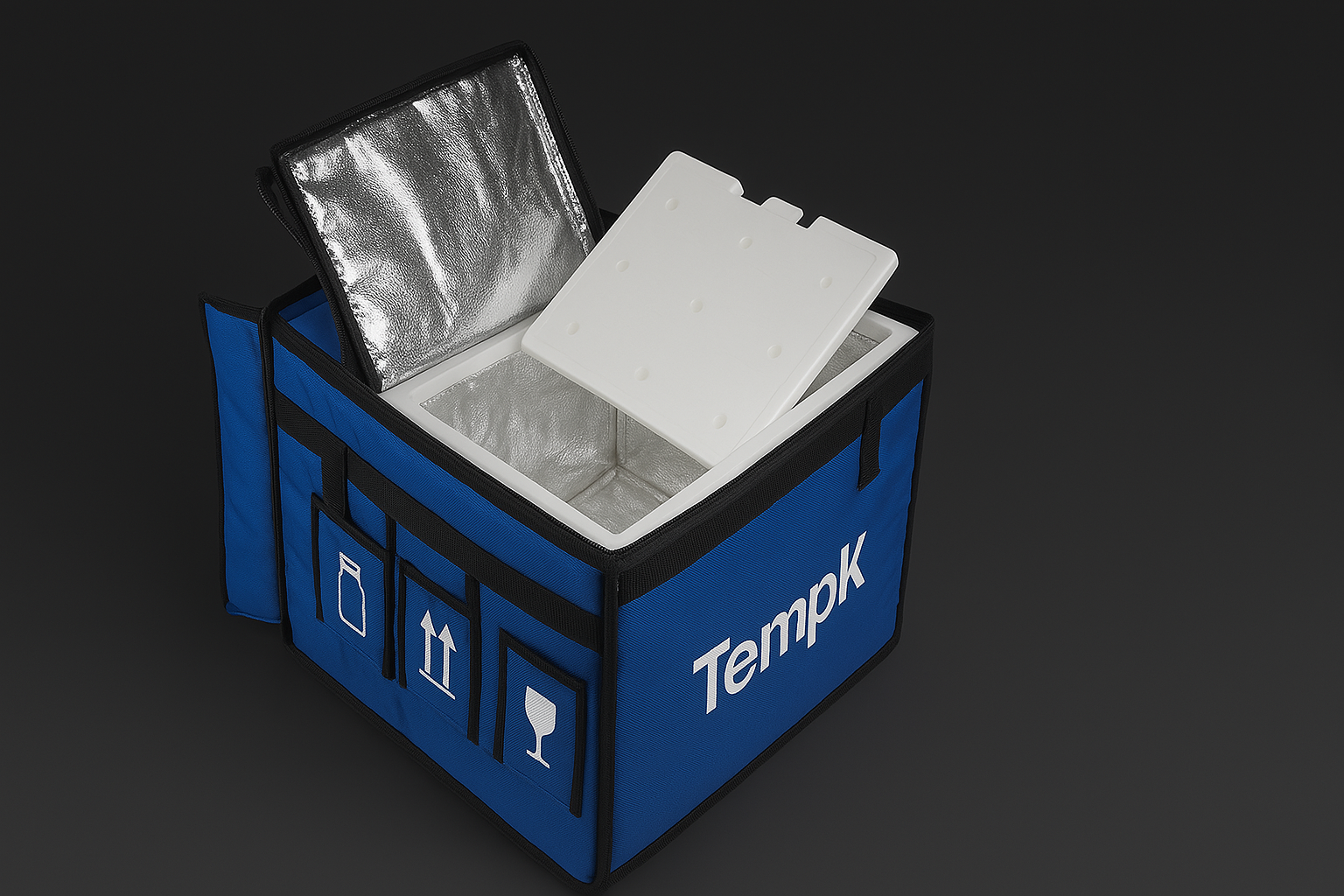
A VIP temperaturgesteuerte Box Für den CO2-neutralen Versand kann die richtige Wahl sein, wenn temperaturempfindliche Güter ihre Leistung erfordern, wiederverwendbares Design, und Umweltansprüche müssen zusammen betrachtet werden, erfordert mehr Wärmemarge, als ein einfacher Isolierkarton bieten kann. Die Entscheidung sollte weiterhin wie eine Kühlkettenprozessentscheidung getroffen werden, keine Verpackungsabkürzung. Beginnen Sie mit dem Produktzustand, Streckenbelichtung, Nutzlastkarte, Kühlmittelplan, und bei Erhalt erforderliche Nachweise. VIP-Isolierung kann das Design verbessern, Aber die vollständige Verpackung und der Betriebsablauf entscheiden darüber, ob die Sendung zuverlässig ist.
Für Käufer, Das praktische Ziel besteht darin, zwei Fehler zu vermeiden: Die Sendung nicht ausreichend schützen und einer Kiste ohne Beweise zu sehr vertrauen. Von außen sieht die Box vielleicht einfach aus, aber es interagiert mit der Temperatur, Zeit, Menschen, Unterlagen, und Routenunsicherheit. Deshalb muss eine sinnvolle Bewertung sowohl die Leistung als auch den Betrieb abdecken.
Die richtige Frage ist fit, kein Premium-Material
Die VIP-Isolierung ist attraktiv, weil sie in einem kompakten Format einen starken Wärmewiderstand bieten kann. Das ist wichtig, wenn die Sendung nur über begrenzten Platz verfügt, hoher Wert, oder unsichere Übergaben. Doch eine VIP-Kühlbox für den CO2-neutralen Versand ist nicht automatisch für jede Sendung besser. Wenn die Strecke kurz ist, Der Temperaturbedarf ist breit gefächert, und die Handhabung wird kontrolliert, Eine einfachere isolierte Lösung kann ausreichen. Wenn die Route wiederholte Vertriebsspuren umfasst, Paket- oder Flugrouten, Return-Loop-Programme, und gemessene Nachhaltigkeitspiloten, Der stärkere Wärmepuffer ist möglicherweise einfacher zu rechtfertigen.
Eine passgenaue Bewertung verhindert Überkäufe und Unterkonstruktionen. Zu einem Überkauf kommt es, wenn das Team eine Premium-Box auswählt, ohne zu prüfen, ob die Nutzlast vorhanden ist, Träger, und der Empfänger kann es richtig verwenden. Unterkonstruktion entsteht, wenn das Team ein kostengünstiges Paket wählt, das das tatsächliche Übergaberisiko nicht bewältigen kann. Beide Probleme können zu Abfall führen. Der bessere Ansatz besteht darin, die Fahrspur klar zu beschreiben und dann das Paket auszuwählen, das zum Risiko passt.
Für Nachhaltigkeitsmanager, Käufer in der Kühlkette, Logistikteams, und Verpackungsingenieure, fit beinhaltet auch den Workflow. Kann das Packpersonal den Karton schnell und gleichmäßig beladen?? Kann der Empfänger den Logger oder die Dokumente finden?? Kann die Box gereinigt oder zurückgegeben werden, wenn eine Wiederverwendung geplant ist?? Können beschädigte Einheiten identifiziert werden?? Diese Fragen mögen einfach klingen, Aber ob die Verpackung funktioniert, entscheiden sie oft schon nach den ersten Mustersendungen.
Erstellen Sie die Anforderung in fünf Schichten
Die erste Ebene ist der Produktzustand. Definieren Sie den genauen Temperaturbedarf und die Auswirkungen der Exposition. Einige Produkte werden durch Hitze beschädigt, einige durch Einfrieren, einige durch Auftauen, und einige durch wiederholtes Radfahren. Vermeiden Sie es, einen bekannten Temperaturbereich aus einer anderen Produktkategorie zu übernehmen. Der Bereich muss aus der Produktspezifikation stammen, Protokoll, Etikett, Qualitätsdatei, oder Käuferanforderung.
Die zweite Ebene ist die Routenbelichtung. Die Gesamtlaufzeit reicht nicht aus. Ein Paket kann Zeit auf einer Packbank verbringen, an einem Dock, in einem Kurierfahrzeug, an einem Flughafen, im Zoll, oder vor der Haustür eines Wohngebiets. Jeder Punkt kann ein anderes Risiko darstellen. Eine gute Verpackungsprüfung bildet den Weg von der Freigabe bis zum Empfang ab, einschließlich Verzögerungen, die vernünftigerweise vorhersehbar sind.
Die dritte Ebene ist die beladene Verpackung. Die Innenabmessungen entsprechen nicht dem nutzbaren Nutzlastraum. Kühlmittel, Separatoren, saugfähiges Material, Liner, Unterlagen, und Überwachungsgeräte benötigen alle Platz. Die vierte Schicht ist der Beweis: Testkontext, Daten der Pilotspur, Lieferantendokumentation, oder eine qualitätsgeprüfte Verpackung. Die fünfte Ebene ist die Ausnahmebehandlung. Wenn die Lieferung verspätet ist, beschädigt, oder außerhalb des erwarteten Datensatzes, Das Team braucht einen Entscheidungsweg.
| Bewertungsebene | Entscheidungspunkt | Häufiger Käuferfehler |
|---|---|---|
| Produktzustand | Bestätigen Sie die erforderliche Temperatur und Akzeptanzregel. | Verwendung eines generischen Sortiments, das nicht zum Produkt gehört. |
| Routenbelichtung | Karteninszenierung, Übergaben, Verweilzeit, und Saisonalität. | Gemessen nur an der Laufzeit des Kurierdienstes. |
| Packout-Design | Überprüfen Sie das Kühlmittel, Separatoren, Nutzlastkarte, Schließung, und überwachen Sie die Platzierung. | Genehmigen einer leeren Probe ohne geladenen Test. |
| Beweis | Passen Sie Testdaten oder Pilotenaufzeichnungen an die geplante Spur an. | Einen allgemeinen Anspruch auf Wartezeit als universell behandeln. |
| Operationen | Verpackung definieren, Empfang, Wiederverwendung, Reinigung, und Ausnahmeverfahren. | Vorausgesetzt, das Personal interpretiert den Prozess ohne schriftliche Anweisungen richtig. |
Diese Schichten halten den Kaufprozess auf dem Boden. Ein Lieferantengespräch wird sinnvoller, wenn der Käufer das Produkt beschreiben kann, Route, Auspacken, Evidenzniveau, und Betriebsablauf. Es erleichtert auch den Vergleich von Angeboten, weil jeder Lieferant auf den gleichen tatsächlichen Bedarf reagiert und nicht auf eine umfassende Anfrage nach einer Isolierbox.
Wobei das vollständige Auspacken scheitern kann
Die sichtbarste Komponente ist die Box, Aber das Scheitern ist oft auf etwas weniger Sichtbares zurückzuführen. Möglicherweise ist das Kühlmittel falsch konditioniert. Möglicherweise fehlt ein Trennzeichen. Die Nutzlast kann in einer anderen Ausrichtung als der genehmigten Karte geladen werden. Ein Deckel schließt möglicherweise nicht vollständig. Ein Logger kann direkt am Kühlmittel platziert werden statt in der Nähe des Nutzlast-Risikobereichs. Ein empfangendes Team darf die Box öffnen, Elemente entfernen, und vergessen Sie, die Temperaturaufzeichnung herunterzuladen.
Zu diesem Thema, Die Grenze ist wichtig: Die Box selbst ist nicht automatisch klimaneutral; Der Anspruch hängt von der Messung ab, Grenzen, Reduzierungsmaßnahmen, und Offset-Richtlinie, falls verwendet. Käufer sollten daher Aussagen vermeiden, die die Box wie die gesamte Steuerung klingen lassen. Eine genauere Aussage ist, dass die Box in Kombination mit dem richtigen Kühlmittel ein passiv temperaturgesteuertes Packout unterstützt, Ladevorgang, Überwachung, und streckenspezifische Überprüfung.
Ein weiterer Fehlerpunkt ist der Wandel. Das Packout funktioniert möglicherweise für eine Nutzlastgröße, für eine andere jedoch nicht. In einer Saison funktioniert es möglicherweise, in einer anderen muss es jedoch angepasst werden. Es funktioniert möglicherweise mit einem Netzbetreiber, schlägt jedoch fehl, wenn es auf eine andere Serviceebene übertragen wird. Möglicherweise wird es von einem Empfänger akzeptiert, von einem anderen jedoch abgelehnt, weil der Papierkram oder der Protokollierungsprozess unterschiedlich ist. Selbst bei Verpackungen, die physikalisch einfach erscheinen, ist eine änderungskontrollierende Denkweise wichtig.
Praxisbeispiel: eine Musterfreigabe, die spätere Probleme verhindert
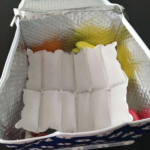
Stellen Sie sich eine Marke vor, die Einwegartikel vergleicht Isolierte Verpackung mit einem wiederverwendbaren VIP -Box auf einer wiederholten Spur, wo Rückgabe und Reinigung kontrolliert werden können. Während der Musterfreigabe, Das Team sollte nicht nur prüfen, ob die Box schließt. Sie sollten die Nutzlast oder ein realistisches Äquivalent laden, Kühlmittel hinzufügen, Positionieren Sie jeden Logger, Dokumente einschließen, und simulieren Sie die Schritte, denen die Mitarbeiter folgen werden. Sie sollten darauf achten, ob sich die Box leicht schließen lässt, ob Etiketten passen, ob die Nutzlast vor direktem Kühlmittelkontakt geschützt ist, und ob der Empfänger die Sendung ohne Verwirrung prüfen kann.
Dieser Ansatz kann Probleme aufdecken, bevor die Bestellung groß ist. Möglicherweise verschiebt sich die Nutzlast beim Handling. Möglicherweise ist der Karton für einen Kurierdienst zu groß. Möglicherweise erfordert ein wiederverwendbares Design einen stärkeren Etikettenentfernungsprozess. Möglicherweise ist der Kühlmittelplan zu komplex für eine stark ausgelastete Abwicklungslinie. Bei diesen Feststellungen handelt es sich nicht um Fehler der Stichprobe. Es sind nützliche Informationen, die aus einer Verpackungsidee einen Arbeitsablauf machen.
Hilfreiche Entscheidungshilfen
Überprüfen Sie die Details, bevor Sie sich für die Verpackung entscheiden
Mit diesen schnellen Tools können Sie das Routenrisiko vergleichen, Größenanforderungen, Kühlmittelauswahl, und Verpackungsdetails, bevor Sie ein Angebot anfordern.
Fallfestigkeit des Isolationsmaterials
Überprüfen Sie die Fallfestigkeit und die Handhabungsfaktoren, bevor Sie Isoliermaterialien auswählen.
Widerstand prüfenBoxliner & Dimensionierung der Palettenabdeckung
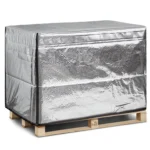
Überprüfen Sie die Größenlogik für Kartoneinlagen und Palettenabdeckungen für isolierte Verpackungsprojekte.
Schätzen Sie die GrößeCompliance-Checklisten-Generator
Erstellen Sie eine praktische Checkliste für die Verpackungsüberprüfung, Versand, und Dokumentation.
Checkliste erstellenLieferantenfragen, die wirklich wichtig sind
Beim Vergleich von Lieferanten für eine temperaturgesteuerte VIP-Box für den CO2-neutralen Versand, Fragen Sie, wie die VIP-Panels geschützt sind, wie groß das geladene Nutzvolumen ist, und ob die Produktionseinheiten mit der Stichprobe übereinstimmen. Fragen Sie nach Verpackungsanweisungen und den Testannahmen, die jeder Leistungsaussage zugrunde liegen. Fragen Sie, ob der Lieferant saisonale Schwankungen unterstützen kann, Inspektion beschädigter Kartons, Ersatzkomponenten, und Nachbestellungen. Wenn der Versand reguliert ist, Fragen Sie, was der Lieferant liefert und was weiterhin in der Verantwortung des Käufers liegt.
Gute Lieferantengespräche sind spezifisch und manchmal unangenehm. Ein glaubwürdiger Lieferant sollte bereit sein, Grenzen zu besprechen, nicht nur Vorteile. Wenn eine Box für eine Lane nicht ausgewertet wurde, Der Lieferant sollte es für diese Spur nicht als nachgewiesen präsentieren. Wenn ein Nachhaltigkeitsanspruch von der Wiederverwendung abhängt, Die Rücklaufquote und der Reinigungsprozess sollten Teil der Diskussion sein. Ob ein Compliance-Anspruch von den Verfahren des Käufers abhängt, Diese Grenze sollte klar sein.
Für temperaturempfindliche Güter, bei denen Leistung gefragt ist, wiederverwendbares Design, und Umweltansprüche müssen zusammen betrachtet werden, Das Einkaufsteam sollte auch den operativen Bereich frühzeitig einbeziehen. Der Einkauf kann den Preis vergleichen, Qualität kann Beweise überprüfen, Die Logistik versteht möglicherweise das Trägerrisiko, und das Lagerpersonal weiß möglicherweise, ob die Auspackung wiederholt werden kann. Das Paket ist nur dann erfolgreich, wenn diese Teams sich darüber einig sind, was die Box leisten soll und was bei jedem Schritt überprüft werden muss.
Betriebsprüfungen vor dem Rollout
Die Wiederholbarkeit des Personals verdient eine eigene Überprüfung. Eine temperaturgesteuerte VIP-Box für den CO2-neutralen Versand kann bei der Musterfreigabe robust aussehen, Aber Routinelieferungen hängen davon ab, dass Menschen unter Zeitdruck die gleichen Schritte ausführen. Das Verpackungspersonal benötigt eine klare Arbeitsordnung: Bereiten Sie die Kiste vor, Zustand des Kühlmittels, Überprüfen Sie die Liner, Nutzlast laden, Platzieren Sie einen beliebigen Monitor, Schließen Sie den Deckel richtig, Etiketten anbringen, und Informationen zur Plattenveröffentlichung. Wenn diese Schritte nicht einfach zu wiederholen sind, Der theoretische thermische Vorteil der VIP-Isolierung wird möglicherweise nicht zu einer zuverlässigen Transportleistung.
Käufer sollten außerdem die Designgenehmigung von der Kaufgenehmigung trennen. Bei der Designgenehmigung wird gefragt, ob die Verpackung temperaturempfindliche Güter schützt, wo Leistung, wiederverwendbares Design, und Umweltansprüche müssen unter realistischen Bedingungen gemeinsam betrachtet werden. Bei der Einkaufsfreigabe wird abgefragt, ob der Lieferant konsistente Einheiten liefern kann, Ersatzteile, Verpackungsanweisungen, und Unterstützung bei Routenänderungen. Ein niedriges Angebot ist weniger attraktiv, wenn die Kartonabmessungen variieren, wenn sich die Passform des Deckels zwischen den Chargen ändert, oder wenn der Lieferant nicht erklären kann, wie die Verpackung bewertet wurde.
Auch die empfangenden Teams verdienen Aufmerksamkeit. Ein Paket kann das Lager ordnungsgemäß verlassen und trotzdem die Prüfung nicht bestehen, wenn der Empfangsstandort nicht weiß, wo sich der Logger befindet, Welche Temperaturnachweise müssen überprüft werden?, wie man körperlichen Schaden beurteilt, oder was mit einer verspäteten Lieferung zu tun ist. Für kontrollierte Sendungen, Die Empfangscheckliste sollte erstellt werden, bevor die Verpackung skaliert wird, weil es definiert, wie Erfolg am Ende der Spur aussieht.
Betrachten Sie die Saisonalität nicht als nebensächliches Detail. Routen bei warmem Wetter, Kaltwetterrouten, Wochenendversand, Verweildauer am Flughafen, und Staus an Feiertagen können das Risikoprofil verändern. Eine temperaturgesteuerte VIP-Box für den CO2-neutralen Versand sollte auf diese Bedingungen geprüft werden, bevor sie in großem Umfang eingesetzt wird. Wenn Beweise fehlen, Fragen Sie nach einer Pilotsendung, ein Kammertest, oder eine dokumentierte Überprüfung der Verpackung, anstatt sich auf eine breite Aussage über die Isolationsleistung zu verlassen.
FAQ
Was unterscheidet eine temperaturgesteuerte VIP-Box für den CO2-neutralen Versand von einer einfachen isolierten Box??
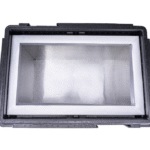
Der Hauptunterschied besteht in der Verwendung von Vakuumisolationspaneelen zur Reduzierung der Wärmeübertragung in einem dünneren Isolationsprofil. Dies kann dazu beitragen, Nutzlastraum zu sparen oder die thermische Marge zu verbessern. Der Unterschied ist nur dann von Bedeutung, wenn die vollständige Verpackung richtig konzipiert und verwendet wird.
Kann ich mich auf die Wartezeitansprüche des Lieferanten berufen??
Nutzen Sie sie als Ausgangspunkt, nicht als universelles Versprechen. Fragen Sie nach der Nutzlast, Kühlmittel, Umgebungsprofil, Sensorplatzierung, und Akzeptanzkriterien hinter dem Anspruch. Wenn Ihre Fahrspur unterschiedlich ist, Fordern Sie eine Pilotbewertung oder eine streckenspezifische Bewertung an.
Ist diese Art der Verpackung für regulierte Sendungen geeignet??
Es unterstützt möglicherweise regulierte Sendungen, Aber die Box allein schafft keine Compliance. Regulierte Waren müssen möglicherweise klassifiziert werden, Sops, geschultes Personal, Überwachung, Dokumentation, Abweichungsbehandlung, oder spezifische Verpackungsanforderungen. Der Käufer sollte die Anforderungen mit dem Qualitäts- oder Regulierungsteam bestätigen.
Was ist die wichtigste Stichprobenprüfung??
Genehmigen Sie die geladene Verpackung, nicht die leere Kiste. Nutzfläche bestätigen, Kühlmittelposition, Platzierung des Trennzeichens, Verschlussqualität, Etikettenbereich, Monitorplatzierung, und Empfangsschritte. Dies verhindert Überraschungen, wenn das Paket von der Musterprüfung in den Routinebetrieb übergeht.
Kann diese Verpackung Nachhaltigkeitsziele unterstützen??
Es kann, vor allem, wenn dadurch fehlgeschlagene Sendungen reduziert werden, Überpacken, oder Einwegmüll. Aber CO2-neutrale oder CO2-arme Behauptungen erfordern fundierte Beweise. Wiederverwendung, Retourenlogistik, Reinigung, Schadensraten, und die Handhabung am Ende der Lebensdauer wirken sich auf das Ergebnis aus.
Abschluss
Eine temperaturkontrollierte VIP-Box für den CO2-neutralen Versand sollte als Teil eines vollständigen Kühlketten-Workflows evaluiert werden. VIP-Isolierung kann wertvoll sein, Die tatsächliche Entscheidung hängt jedoch vom Zustand des Produkts ab, Streckenbelichtung, Nutzlastkarte, Kühlmittelplan, Beweis, Wiederholbarkeit des Personals, und Eingangskontrolle. Der sicherste Beschaffungsprozess erfordert konkrete Nachweise, definiert Grenzen, und prüft, ob die Probe zu einer zuverlässigen Routineverpackung werden kann.
Über Tempk
Tempk bietet Temperaturkontrollierte Verpackung Komponenten wie z Eisbeutel, PCM-bedingte Kältequellen, Isolierte Kisten, medizinische Kühlboxen, Liner, Und Palettenabdeckungen für die Kühlkettenlogistik. Für Käufer, die eine temperaturkontrollierte VIP-Box mit einem klimaneutralen Versand vergleichen, Wir konzentrieren uns auf die Passform der Route, nutzbarer Raum, Umgang mit Realitäten, und Packout-Wiederholgenauigkeit. Dieser praktische Ansatz hilft Teams, Verwirrung zu vermeiden Isolationsmaterial mit einem fertigen, qualifiziertes Versandsystem.
Nächster Schritt
Besprechen Sie Ihre Route, Wiederverwendungsplan, und Messgrenze mit Tempk, bevor temperaturgesteuerte Verpackungen mit einer CO2-Neutralitätsaussage verknüpft werden.