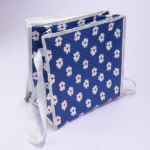
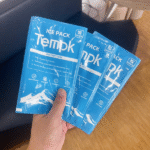
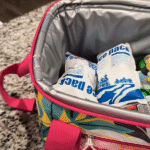
Der Transport und das Servieren verderblicher Lebensmittel ist eine Herausforderung, wenn Sie sich nicht auf einen Kühlschrank verlassen können. A Catering-Trockeneisbeutel löst dieses Problem, indem es ultrakalte Temperaturen ohne unordentliches Schmelzwasser liefert. In den ersten Sätzen erfahren Sie, dass Trockeneis direkt vom Feststoff in den Gaszustand sublimiert, Erreichen von −78,5 °C, So bleiben gefrorene Waren bis zu 48 Std.. Dieser Leitfaden erklärt, wie diese flexibel sind Trockeneisblätter arbeiten, warum sie ideal für Catering-Dienstleistungen sind, und wie man Größe hat, Verpacken und handhaben Sie sie sicher.
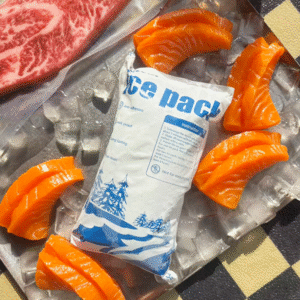
Was macht Gastronomie aus? Trockeneisbeutel anders als normale Eis- oder Gelpackungen? Sie erfahren etwas über Sublimation, Ultraniedrige Temperaturen und warum sie ein Durchnässen der Verpackung verhindern.
Wie wählen Sie die richtige Größe und Menge aus?? Wir bieten einfache Formeln basierend auf der Veranstaltungsdauer und der Art des Essens.
Was sind die besten Praktiken für Verpackung und Handhabung?? Befolgen Sie die Schritt-für-Schritt-Anleitungen, um Ihre Lebensmittel sicher zu halten und Ihre Mitarbeiter zu schützen.
Welche Lebensmittel profitieren am meisten von Trockeneisplatten?? Entdecken Sie fallbasierte Empfehlungen für gefrorenes Fleisch, Meeresfrüchte und Milchprodukte.
Welche neuen Innovationen entstehen in 2025? Entdecken Sie smarte Logistik, nachhaltige Verpackung und Automatisierungstrends.
Warum sind Catering-Trockeneisbeutel ideal für Catering-Dienstleistungen??
Ultratiefe Temperaturen und Trockenkühlung: Trockeneisplatten für die Gastronomie sind flexible, mehrzellige Decken, die mit hochreinem Kohlendioxid gefüllt sind. Wenn das Kohlendioxid sublimiert (geht direkt von fest in gasförmig über), Es nimmt Wärme auf, ohne dass flüssiges Wasser entsteht. Dieser Prozess hält Temperaturen bis zu −78,5 °C aufrecht (−109,3 °F), Sicherstellen, dass gefrorene Lebensmittel, wie Eis oder Meeresfrüchte, Bleiben Sie während des gesamten Transports deutlich unter dem Gefrierpunkt. Im Gegensatz zu herkömmlichen Eis- oder Gelpackungen, Trockeneis schmilzt nicht in Wasser, Es besteht also keine Gefahr einer durchnässten Verpackung oder eines Wasserschadens.
Verlängerte Kühldauer: Eine einzelne Trockeneisplatte kann für Abkühlung sorgen 24–48 Stunden, wohingegen Gelpackungen normalerweise nur 6–12 Stunden halten. Für mehrtägige Veranstaltungen oder Fernlieferungen, Diese verlängerte Kühldauer verhindert kurzfristige Temperaturspitzen und reduziert die Notwendigkeit, Kühlmittel während des Ereignisses nachzufüllen. Caterer verwenden oft die Laken im Inneren Isolierte Behälter Daher bleibt die ultrakalte Umgebung bis zur Wartung bestehen.
Kosteneffizienz und Nachhaltigkeit: Auf den ersten Blick mag Trockeneis teurer erscheinen, Aber die Erhaltung der Lebensmittelqualität reduziert den Verderb und die Verschwendung, die Kosten auszugleichen. Trockeneis wird aus aufgefangenen Kohlendioxidemissionen hergestellt, Dies macht es zu einer nachhaltigeren Option als die Verwendung synthetischer Kältemittel. Zusätzlich, Flexible Trockeneisplatten passen sich an Tabletts und Kühlboxen an, Das heißt, Sie können weniger Packungen als starre Ziegel oder Gelpackungen verwenden und trotzdem die gewünschte Temperatur beibehalten.
Verbesserte Zuverlässigkeit: Denn Trockeneis sublimiert, anstatt zu schmelzen, Es behält während seiner gesamten Nutzungsdauer eine konstant niedrige Temperatur bei, Geben Sie Caterern Sicherheit. Das mehrzellige Deckendesign deckt die gesamte Oberfläche von Lebensmitteltabletts oder -boxen ab, Dadurch wird die Kälte gleichmäßig verteilt und warme Taschen vermieden, die die Lebensmittelsicherheit gefährden könnten.
Die Wissenschaft hinter Trockeneis: Sublimation und ultrakalte Leistung
Wie Sublimation funktioniert: Wenn sich Trockeneis erwärmt, Es geht direkt vom Feststoff in das gasförmige Kohlendioxid über, Dabei wird latente Wärme absorbiert. Das ist etwas anderes als schmelzendes Eis, welches zunächst flüssig wird. Durch den Sublimationsprozess entstehen keine Flüssigkeitsrückstände, So bleibt Ihre Verpackung trocken und die Lebensmittel werden nicht wässrig.
Temperaturen vergleichen: Normales Eis schmilzt bei 0 °C (32 ° F), während Trockeneis Temperaturen um –78,5 °C aufrechterhält (−109,3 °F). Durch die extrem niedrige Temperatur kann Trockeneis Waren gefroren statt nur gekühlt halten. Gelpackungen halten Lebensmittel im Allgemeinen nahe dem Gefrierpunkt (−21 °C). Die Wahl zwischen diesen Optionen hängt davon ab, ob Sie Ihre Lebensmittel gekühlt oder vollständig gefroren benötigen.
Trockeneis im Vergleich zu normalem Eis: wesentliche Unterschiede
| Eigentum | Trockeneisbeutel für die Gastronomie | Normaler Eisbeutel | Was es für Sie bedeutet |
| Temperatur | −78,5 °C (−109,3 °F) | 0 °C (32 ° F) | Trockeneis ist viel kälter, wodurch gefrorene Gegenstände fest bleiben. |
| Phasenwechsel | Sublimiert zu CO₂-Gas | Schmilzt zu flüssigem Wasser | Durch die Sublimation werden Pfützen oder durchnässte Verpackungen vermieden. |
| Kühldauer | Bis zu 48 Std. | 1–2 Stunden | Trockeneis sorgt für eine längere Kühlung, wichtig für mehrtägige Veranstaltungen. |
| Durcheinander | Kein Schmelzwasser | Hinterlässt Wasserpfützen | Mit Trockeneis ist die Reinigung einfacher. |
Diese Unterschiede zeigen, warum Catering-Trockeneisbeutel für Veranstaltungen von unschätzbarem Wert sind: Sie bieten eine deutlich längere Kühlung, Halten Sie niedrigere Temperaturen aufrecht, und vermeiden Sie unordentliches Abfließen.
Zusätzliche Vorteile und Anwendungsfälle
Neben den oben aufgeführten Leistungsvorteilen, Trockeneis sorgt für einen dramatischen visuellen Effekt, wenn es warmem Wasser ausgesetzt wird, Erzeugt einen sanften Nebel, der die Atmosphäre einer Party verbessern kann. Dies macht Trockeneisbeutel zu einer einzigartigen Wahl für besondere Anlässe wie Hochzeiten, Halloween-Partys oder Produkteinführungen, bei denen die Präsentation ebenso wichtig ist wie die Funktion.
Auswahl der richtigen Größe und Menge an Trockeneisplatten
Die richtige Größe Ihres Trockeneises ist entscheidend, um die Lebensmittelsicherheit zu gewährleisten und unnötigen Abfall zu vermeiden. Die Menge an Trockeneis, die Sie benötigen, hängt von der Menge der Lebensmittel ab, die Isolationsqualität Ihres Containers, und die Dauer Ihrer Veranstaltung. Hier ist eine einfache Faustregel, die sich aus den Richtlinien der Kühlkettenlogistik ergibt:
Kleine Sendungen oder kurze Veranstaltungen (Z.B., Meeresfrüchteplatten): planen weiter 1–2 Pfund (0.5–1 kg) von Trockeneis pro 24 Std.. Dadurch bleiben kleine Mengen einen ganzen Tag lang gefroren, ohne dass es zu einer übermäßigen Sublimation kommt. Für einen dreistündigen Empfang, Sie können weniger verwenden, aber immer aufrunden, um Temperaturspitzen zu vermeiden.
Größere Sendungen oder mehrtägige Veranstaltungen (Z.B., Hochzeiten oder Festival-Catering): zuweisen 5–10 Pfund (2–5 kg) von Trockeneis pro 24 Std.. Der obere Bereich ist wichtig für sperrige Speisen wie Fleischbraten oder ganzen Lachs, die tief gekühlt werden müssen.
Spezialsendungen: Pharmazeutische oder biotechnologische Produkte benötigen oft 5–10 Pfund pro Stück 24 Stunden aufgrund strenger Temperaturanforderungen. Jedoch, für Gastronomiezwecke, Überlegen Sie, ob das Produkt gefroren oder einfach gekühlt bleiben muss.
Bei der Mengenberechnung, Berücksichtigen Sie immer die Umgebungstemperatur und die Behälterisolierung. Heißes Klima und schlechte Isolierung beschleunigen die Sublimation und erfordern mehr Trockeneis. Umgekehrt, hochwertig Isolierte Kisten oder Kühler reduzieren die benötigte Menge.
Tisch: Richtlinien zum Trockeneisgewicht für Catering-Events
| Ereignistyp | Beispielhafte Lebensmittel | Dauer | Empfohlenes Trockeneis pro 24 H | Notizen |
| Cocktailempfang | Krabbencocktails, Käsebretter | 3–6 Stunden | 0.5–1 Pfund | Verwenden Sie kleine Blätter, die um die Tabletts gelegt werden; Lebensmittel vorkühlen. |
| Hochzeitsessen | Steaks, Meeresfrüchteplatten, Desserts | 6–12 Stunden | 2–5 Pfund | Kombinieren Sie Trockeneisplatten mit Gelpackungen für Salate und Desserts. |
| Outdoor-Festival | Grillfleisch, Eisriegel | 12–24 Stunden | 5–10 Pfund | Verwenden Sie isolierte Kühlboxen; Legen Sie Trockeneis auf den Boden und zwischen die Tabletts. |
| Mehrtägige Veranstaltung | Essenszubereitung für Touren oder mehrtägige Konferenzen | 24–48 Stunden | 10–15 Pfund | Verwenden Sie mehrere Schichten Trockeneis und überwachen Sie die Temperatur mit einem Temperatursensor. |
Diese Richtlinien geben Ihnen einen Ausgangspunkt. Für zusätzliche Sicherheit, Betrachten Sie a Trockeneis-Gewichtsrechner: ein interaktives Tool, das Sie nach der Containergröße fragt, gewünschte Temperatur und Ereignisdauer, schlägt dann die Anzahl der benötigten Blätter vor. Wenn Sie dies auf Ihrer Website implementieren, fördern Sie das Engagement der Benutzer und reduzieren das Rätselraten.
Best Practices für die Verpackung und Handhabung von Catering-Trockeneisbeuteln
Die richtige Verpackung von Trockeneis sorgt für maximale Kühleffizienz und schützt das Personal vor Schäden. Nachfolgend finden Sie einen schrittweisen Ansatz, der sich an den Best Practices für die Kühlkette orientiert:
Bereiten Sie Ihren Behälter vor: Verwenden Sie eine isolierte Kühlbox oder Schifffahrtsbox mit dicht schließendem Deckel. Kühlen Sie den Behälter vor, indem Sie ihn in einen Gefrierschrank stellen oder hinzufügen Wiederverwendbare Gelpackungen eine Stunde vorher. Je besser Ihre Isolierung, desto weniger Trockeneis benötigen Sie.
Unten aufschichten: Legen Sie eine Schicht Pappe oder Wellpappe auf den Boden des Behälters, um zu verhindern, dass die extreme Kälte direkt mit den Lebensmittelverpackungen in Berührung kommt. Dann verteilen Sie Ihre Trockeneisplatten gleichmäßig auf dem Boden.
Fügen Sie Futter- und Trennschichten hinzu: Stapeln Sie Ihre Lebensmittelbehälter auf dem Trockeneis. Verwenden Sie zwischen Lebensmitteln und Eis zusätzliche Schichten aus Pappe oder Schaumstoff, um eine kontrollierte Kühlung und ein einfaches Auspacken zu ermöglichen. Bewahren Sie verderbliche Lebensmittel wie Fleisch und Meeresfrüchte in der Nähe des Eises auf, und widerstandsfähigere Gegenstände (Z.B., Gemüse) etwas höher.
Hohlräume füllen: Vermeiden Sie Leerräume, indem Sie Verpackungsmaterialien wie zerknittertes Papier oder wiederverwendbare Schaumstoffblöcke hinzufügen. Eine dichte Packung verlangsamt die Sublimation und sorgt für eine gleichmäßige Temperatur.
Die Belüftung ist von entscheidender Bedeutung: Trockeneis setzt beim Sublimieren Kohlendioxidgas frei, das in einem luftdichten Behälter Druck aufbauen kann. Stellen Sie immer sicher, dass Ihre Kühlbox über eine Entlüftung verfügt, oder öffnen Sie den Deckel leicht. Trockeneis niemals in einem vollständig luftdichten Behälter verschließen.
Beschriften Sie entsprechend: Markieren Sie Ihren Behälter mit „Trockeneis (Und 1845)” und das Nettogewicht des Trockeneises im Inneren. Dies ist nicht nur für den Transport erforderlich, sondern weist das Personal auch darauf hin, sorgfältig mit dem Paket umzugehen.
Mit Sorgfalt verarbeiten: Tragen Sie beim Berühren von Trockeneis immer isolierte Handschuhe. Verwenden Sie zum Bewegen der Blätter eine Zange oder eine Schaufel. Direkter Hautkontakt kann Erfrierungen verursachen.
Überwachen Sie die Temperatur: Verwenden Sie Temperaturüberwachungsgeräte wie Bluetooth- oder NFC-fähige Sensoren, damit Sie die internen Bedingungen Ihrer Kühlbox in Echtzeit verfolgen können. Dadurch wird die Einhaltung der Lebensmittelsicherheitsstandards gewährleistet und den Kunden Sicherheit geboten.
Indem Sie diese Schritte befolgen, Sie minimieren das Risiko einer CO₂-Anreicherung, Erfrierungen und Lebensmittelverderb. Durch die Einbindung eines kurzen Schulungsvideos oder eines interaktiven Quiz auf Ihrer Website können Sie die Leser stärker ansprechen und Unfälle reduzieren.
Lebensmittel, die am meisten von Catering-Trockeneisplatten profitieren
Nicht alle Menüpunkte erfordern den gleichen Grad an Kühlung. Die folgenden Kategorien profitieren besonders von Trockeneis:
Gefrorene Lebensmittel: Produkte wie Eis, Gefrorenes Fleisch und Geflügel müssen bei Minustemperaturen aufbewahrt werden, um ein Auftauen zu verhindern. Trockeneis sorgt dafür, dass sie bis zum Verzehr fest bleiben.
Meeresfrüchte: Schalentiere und Fische reagieren sehr empfindlich auf Temperaturschwankungen. Schon leichtes Auftauen kann die Qualität und Sicherheit beeinträchtigen. Trockeneis verhindert das Auftauen und das Bakterienwachstum.
Hilfreiche Entscheidungshilfen
Überprüfen Sie die Details, bevor Sie sich für die Verpackung entscheiden
Mit diesen schnellen Tools können Sie das Routenrisiko vergleichen, Größenanforderungen, Kühlmittelauswahl, und Verpackungsdetails, bevor Sie ein Angebot anfordern.
Compliance-Checklisten-Generator
Erstellen Sie eine praktische Checkliste für die Verpackungsüberprüfung, Versand, und Dokumentation.
Checkliste erstellenTrockeneisrechner
Schätzen Sie vor dem Verpacken den Bedarf an Trockeneis für gefrorene oder ultrakalte Sendungen.
Schätzen Sie TrockeneisEisbeutel-Rechner
Schätzen Sie die Menge an Gel-Eisbeuteln für gekühlte Sendungen und nutzen Sie die praktische Routenplanung.
Schätzen Sie EisbeutelMilchprodukte: Käse, Milch und Sahne erfordern eine gleichmäßige Kühlung. Trockeneis trägt dazu bei, die Qualität während eines längeren Transports aufrechtzuerhalten.
Hybrider Einsatz für weniger empfindliche Gegenstände: Für Früchte, Salate oder Backwaren, die nur gekühlt werden müssen, Gelpackungen können ausreichen. Ein hybrider Ansatz – die Verwendung von Trockeneis für gefrorenes Fleisch und Gelpackungen für empfindliche Desserts – optimiert die Kosten und stellt sicher, dass jedes Produkt die ideale Temperatur hat.
Die wichtigste Erkenntnis besteht darin, die Kühlmethode an die Empfindlichkeit jedes Lebensmittels anzupassen. Dies reduziert nicht nur den Abfall, sondern zeigt Ihren Kunden auch Professionalität.
Kombination von Trockeneis mit anderen Kühlmethoden
Obwohl Trockeneis stark ist, Die Kombination mit anderen Kühlmitteln kann eine maßgeschneiderte Lösung für vielfältige Menüs bieten. Zum Beispiel:
Trockeneis + Gelpackungen: Verwenden Sie Trockeneis für gefrorenes Fleisch und Gelpackungen für Salate oder Obstteller. Diese Hybridtechnik verhindert eine Unterkühlung von Artikeln, die nur gekühlt werden müssen, und kann Ihren Gesamtverbrauch an Trockeneis reduzieren.
Trockeneis + Wassereis: In seltenen Fällen, in denen Feuchtigkeit wünschenswert ist (Z.B., So bleibt Gemüse knackig), Sie können über dem Trockeneis eine kleine Menge normales Eis hinzufügen. Jedoch, Achten Sie darauf, dass keine Feuchtigkeit um die Produkte herum eingeschlossen wird.
Mehrschichtiger Ansatz: Legen Sie Trockeneis auf den Boden, dann ein Teiler, dann Gel oder Wassereis. Dieser Ansatz ermöglicht es jeder Schicht, ihren einzigartigen Zweck zu erfüllen, ohne die andere zu beeinträchtigen.
Hybridkühlung optimiert nicht nur die Kosten, sondern zeigt auch einen maßgeschneiderten Ansatz für die Bedürfnisse der Catering-Kunden. Um den Lesern dabei zu helfen, herauszufinden, welche Kombination zu ihrer Veranstaltung passt, Erwägen Sie, ein einfaches Quiz anzubieten, bei dem Sie nach Menüpunkten gefragt und anschließend eine kühlende Mischung empfohlen werden.
2025 Trends, die die Gastronomie und Kühlkettenlogistik prägen
Den Branchentrends immer einen Schritt voraus zu sein, hilft Caterern, die Servicequalität und Nachhaltigkeit zu verbessern. Wichtige Entwicklungen für 2025 enthalten:
Intelligente Logistik und Temperaturüberwachung: Mithilfe von Echtzeitsensoren und IoT-Geräten können Caterer die Temperatur während des gesamten Transports überwachen. Diese Systeme senden Warnungen, wenn die Temperaturen außerhalb des zulässigen Bereichs liegen, Gewährleistung sofortiger Korrekturmaßnahmen.
Nachhaltige Verpackung: Als Ergänzung zur Trockeneiskühlung werden zunehmend biologisch abbaubare und recycelbare Materialien eingesetzt. Durch die Verwendung von recycelbarer Isolierung und wiederverwendbaren Behältern wird die Umweltbelastung verringert.
Automatisierung in der Kühlkettenlogistik: Automatisierte Verpackungslinien und Roboterhandhabung reduzieren Arbeitskosten und Fehler. Für Caterer, Dies bedeutet eine schnellere Vorbereitung und eine gleichmäßigere Verpackung.
Umweltfreundliche Trockeneisproduktion: Trockeneis entsteht aus eingefangenem CO₂, das sonst in die Atmosphäre gelangen würde. Innovationen bei der Kohlenstoffabscheidung und -speicherung machen Trockeneis noch nachhaltiger, Ausrichtung an den Zielen der sozialen Verantwortung des Unternehmens.
Indem wir diese Trends übernehmen, Caterer können sich in einem wettbewerbsintensiven Markt von anderen abheben. Heben Sie den Einsatz von nachhaltigem Trockeneis und Überwachungstechnologie in Ihren Marketingmaterialien hervor, um umweltbewusste Kunden anzusprechen.
Sicherheitsüberlegungen: Verantwortungsvoller Umgang mit Trockeneis
Trockeneis ist bei richtiger Handhabung sicher, aber es birgt Gefahren, wenn es falsch verwendet wird. Befolgen Sie diese Sicherheitsrichtlinien:
Belüftung: Lassen Sie immer CO₂-Gas entweichen. Lagern Sie Trockeneis niemals in verschlossenen Behältern. Lassen Sie einen kleinen Spalt im Kühlerdeckel oder verwenden Sie Behälter mit eingebauten Lüftungsöffnungen.
Persönliche Schutzausrüstung: Tragen Sie beim Umgang mit Trockeneis isolierte Handschuhe oder eine Zange, um Erfrierungen zu vermeiden.
Beschriftung und Beschilderung: Kennzeichnen Sie Pakete mit „Trockeneis (Und 1845)” und das Nettogewicht, um den Vorschriften zu entsprechen und die Verantwortlichen zu warnen.
Von Kindern und Haustieren fernhalten: Trockeneis ist extrem kalt und kann bei Berührung zu Verletzungen führen. Bewahren Sie es außerhalb der Reichweite auf und lassen Sie es nicht unbeaufsichtigt.
Entsorgung: Lassen Sie das verbleibende Trockeneis in einem gut belüfteten Außenbereich sublimieren. Gießen Sie es nicht in die Kanalisation oder in geschlossene Räume, da das Gas Sauerstoff verdrängen und eine Erstickungsgefahr darstellen kann.
Transportregeln: Fluggesellschaften beschränken ihre Passagiere häufig auf 2.5 kg (5.5 lb) Trockeneis im aufgegebenen Gepäck, Bei Frachtsendungen können bei ordnungsgemäßer Kennzeichnung größere Mengen zulässig sein. Überprüfen Sie vor dem Versand immer die örtlichen Vorschriften.
Die Einbindung einer ausdruckbaren Sicherheitscheckliste oder eines kurzen Schulungsmoduls auf Ihrer Website fördert sichere Praktiken und zeigt Engagement für das Wohlergehen der Mitarbeiter.
Häufig gestellte Fragen zu Trockeneisbeuteln für die Gastronomie
- Wie lange halten Trockeneisplatten für die Gastronomie??
Richtig verpackte Blätter halten in der Regel zwischen 24 Und 48 Std.. Die Dauer hängt von der Qualität der Isolierung ab, Umgebungstemperatur und die Menge des verwendeten Trockeneises. - Sind Trockeneisbeutel für alle Arten von Lebensmitteln geeignet??
Trockeneis ist ideal für Tiefkühlkost, Meeresfrüchte und Milchprodukte. Für Artikel, die nur gekühlt werden müssen (Z.B., Obst und Salate), Kombinieren Sie Trockeneis mit Gelpackungen oder verwenden Sie Gelpackungen allein, um ein Überfrieren zu vermeiden. - Kann ich Trockeneisplatten für die Gastronomie wiederverwenden??
Im Gegensatz zu gelbasierten Packungen, Trockeneis selbst sublimiert und kann nicht wiederverwendet werden. Jedoch, Einige Trockeneisplattenprodukte verwenden einen superabsorbierenden Polymerkern, der mehrmals rehydriert und wieder eingefroren werden kann. Überprüfen Sie die Anweisungen des Herstellers. - Wie entsuche ich das übrig gebliebene Trockeneis sicher?
Lassen Sie Trockeneis in einem belüfteten Bereich sublimieren. Werfen Sie es nicht in den Müll und schütten Sie es nicht in die Kanalisation. Vermeiden Sie geschlossene Räume, in denen sich CO₂ ansammeln könnte. - Kann ich Trockeneis im Flugzeug transportieren??
Ja, aber das Passagiergepäck ist normalerweise auf begrenzt 2.5 kg (5.5 lb)aus Trockeneis, und die Verpackung muss belüftet und beschriftet sein. Für Frachtflüge, bis zu 200 kg können bei entsprechender Kennzeichnung und Schulung zulässig sein. Informieren Sie sich vor Reiseantritt über die Richtlinien der Fluggesellschaft.
Zusammenfassung und Empfehlungen
Zusammenfassend, Trockeneisbeutel für die Gastronomie sorgen für die Ultrakälte, Eine feuchtigkeitsfreie Umgebung ist erforderlich, um Lebensmittel stunden- oder tagelang frisch und sicher zu halten. Sie halten Temperaturen bis zu −78,5 °C aufrecht, dauern 24–48 Stunden, und Wasserschäden vorbeugen, Damit sind sie in vielen Catering-Anwendungen herkömmlichen Eis- und Gel-Packs überlegen. Um sie effektiv zu nutzen:
Passen Sie die Menge an Trockeneis an die Dauer und das Menü Ihrer Veranstaltung an, Verwenden Sie 1–2 Pfund pro Tag für kleine Tabletts und bis zu 10 lbs für große oder mehrtägige Veranstaltungen.
Befolgen Sie die Best Practices für das Packen – legen Sie Trockeneis mit Schutzbarrieren übereinander, Hohlräume füllen, und entlüften Sie Ihre Behälter.
Kombinieren Sie gegebenenfalls Trockeneis mit Gelpackungen, um die Kühlung für jeden Menüpunkt individuell anzupassen.
Nutzen Sie intelligente Überwachungs- und nachhaltige Verpackungstrends, um wettbewerbsfähig zu bleiben.
Durch die Umsetzung dieser Richtlinien, Caterer können Speisen liefern, die sowohl lecker als auch sicher sind, Gleichzeitig werden Abfall und Kosten reduziert.
Aktionsplan
Schätzen Sie Ihren Bedarf: Berechnen Sie anhand der Richtlinien zum Trockeneisgewicht, wie viel Trockeneis Sie benötigen. Erwägen Sie die Erstellung eines einfachen Online-Rechners, den Ihre Kunden bei der Bestellung verwenden können.
Schulen Sie Ihre Mitarbeiter: Bieten Sie praktische Schulungen zu sicheren Handhabungs- und Verpackungsverfahren an. Ermutigen Sie sie, Handschuhe zu tragen und Trockeneis niemals in luftdichten Behältern einzuschließen.
Werten Sie Ihre Verpackung auf: Investieren Sie in hochwertige Isolierbehälter und erwägen Sie den Einbau von IoT-Sensoren zur Temperaturüberwachung.
Nachhaltigkeit fördern: Heben Sie Ihre Verwendung von recycelbaren Verpackungen und kohlenstoffabgeschiedenem Trockeneis in Marketingmaterialien hervor, um umweltbewusste Kunden anzulocken.
Bleib informiert: Überwachen Sie neue Kühlkettentechnologien, wie automatisierte Verpackungslinien und biologisch abbaubare Isolierung, und übernehmen Sie sie, wenn möglich.
Über Tempk
Wir sind Tempk, ein Branchenführer für Kühlkettenlogistiklösungen. Unsere Trockeneisprodukte, Isolierte Verpackung Und intelligente Überwachungssysteme helfen Unternehmen dabei, temperaturempfindliche Güter sicher und effizient zu transportieren. Mit Fokus auf Innovation und Nachhaltigkeit, Wir entwickeln uns kontinuierlich umweltfreundlich Verpackungsmaterialien und Trockeneisproduktion auf Kohlenstoffabscheidungsbasis. Ob Sie ein Caterer sind, Pharmaunternehmen oder Biotech-Unternehmen, Wir bieten maßgeschneiderte Lösungen, die sicherstellen, dass Ihre Produkte in einwandfreiem Zustand ankommen.
Aufruf zum Handeln: Kontaktieren Sie uns noch heute für eine individuelle Beratung zur Integration von Catering-Trockeneisbeuteln in Ihren Betrieb. Unser Team hilft Ihnen bei der Auswahl der richtigen Produkte, Berechnen Sie Mengen und implementieren Sie Best Practices, damit Sie außergewöhnlichen Service bieten können.