Preis für chemikalienbeständige EPP-Box: Ein praktischer Leitfaden für B2B-Käufer
Wählen chemikalienbeständige EPP-Box price should begin with the job the box must perform, nicht mit dem Boxnamen. EPP kann beim Aufprallschutz und bei der Isolierung helfen, Dennoch ist es nur ein Teil eines Handhabungs- oder Kühlkettenplans. Ein praktischer Käufer sollte die Nutzlast definieren, Route, Temperaturerwartung, Wiederverwendungsplan, und Nachweise, die für die Qualität oder den Betrieb erforderlich sind. Dieser abschließende Leitfaden kombiniert die Beschaffung, technisch, und Betriebsprüfungen, sodass Sie einen geeigneten Lieferanten in die engere Wahl ziehen können, ohne von ungeprüfter Leistung ausgehen zu müssen.
Schnelle Antwort für Käufer
The best chemical-resistant EPP box price is the one that matches your payload, Streckendauer, Umgang mit Risiken, Temperaturanforderung, und Dokumentationsbedarf. EPP bietet Isolierung und Schlagfestigkeit, Eine Sendung wird dadurch jedoch nicht automatisch konform oder validiert.
Vor der Bestellung, define whether the box is used as an EPP box with useful moisture resistance and chemical-resistance characteristics that still requires compatibility checks for the exact substance and use condition. Dann fragen Sie den Lieferanten nach Mustermaßen, Materialdetails, Kontrolle der Produktionskonsistenz, und alle Testnachweise, die die beabsichtigte Verwendung belegen.
Definieren Sie die Box-Rolle, bevor Sie den Preis oder die Ausstattung besprechen
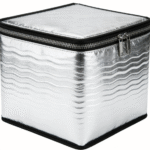
For chemical and laboratory logistics, Die Box sollte eher durch ihre Funktion als durch einen weit gefassten Produktnamen beschrieben werden. Es kann sich um einen wiederverwendbaren Handhabungsbehälter handeln, ein schützender Außenbehälter, ein Isolierter Versender, oder ein Teil von a passiv temperierte Verpackung System. Diese Rollen sind nicht austauschbar. Ein allgemeiner EPP-Behälter kann vor Stößen schützen und die Wärmeübertragung verringern, aber ein qualifiziertes thermisches System erfordert die richtige Nutzlast, Kühlmittel, Konditionierungsprozess, Verpackungsreihenfolge, Überwachungsplan, und Akzeptanzkriterien.
Diese Unterscheidung schützt sowohl den Käufer als auch den Lieferanten. If the application is laboratory reagents, Industrieproben, maintenance chemicals, sealed bottles, and non-hazardous or specially controlled items that need protective insulated handling, Sie können die Abmessungen besprechen, Deckeldesign, Etiketten, Reinigung, und Packout-Verhalten mit nützlicher Präzision. Wenn für den Artikel Vorschriften gelten, steril, gefährlich, oder temperaturempfindliche Anforderungen, Bei der Verpackungsdiskussion sollte es um Qualität gehen, Logistik, und Produktbesitzer, bevor die endgültige Bestellung aufgegeben wird. It is not a substitute for UN-rated packaging, hazardous goods packaging, Eindämmung von verschütteten Flüssigkeiten, or chemical safety review when those are required.
Ein hilfsbereiter Lieferant wird nicht versprechen, dass eine Box alle Probleme löst. Stattdessen, Der Lieferant sollte Ihnen dabei helfen, zu unterscheiden, was EPP sinnvollerweise leisten kann und was vom Kühlmittel verarbeitet werden muss, Innenverpackung, Datenprotokollierung, Sops, oder behördlicher Transportvorschriften. Das führt zu einer klareren Spezifikation und weniger Streitigkeiten nach der Lieferung.
Materialauswahl, die in der Spezifikation erscheinen sollte
Expandiertes Polypropylen ist ein geschlossenzelliger Perlenschaum. In der Einkaufspraxis, Das bedeutet, dass es leicht sein kann, belastbar bei wiederholter Handhabung, und nützlich zur thermischen Pufferung. Das sind Vorteile auf Materialebene, keine endgültigen Leistungsgarantien. Eine Box mit schlechtem Deckelkontakt, schwache Ecken, umständliche interne Stützen, oder eine schwer zu reinigende Felge kann auch bei geeignetem Grundmaterial Probleme bereiten.
Die Dichte wird oft diskutiert, weil sie die Steifigkeit beeinflussen kann, Schlagfestigkeit, Gewicht, und Kosten. Eine höhere Dichte kann hilfreich sein, wenn der Karton rauer Handhabung ausgesetzt ist, gestapelte Lagerung, oder wiederholte Rückschleifen. Es ist nicht automatisch für jedes Projekt besser. Wenn für Sie ein geringes Frachtgewicht im Vordergrund steht, geringere Werkzeugkosten, oder kompakte Lagerung, Die Dichteentscheidung sollte gegen Routenmissbrauch und Nutzlastschutz abgewogen werden. Temperature needs may be absent, Ambient, gekühlt, or controlled; the price quote should not assume thermal performance unless the test method and packout are defined.
Ebenso wichtig wie das Wandmaterial ist die Form des Deckels. Wärme gelangt oft durch Lücken, Deckelnähte, und Ecken. Schäden beginnen auch häufig an Kanten, Griffe, und Verschlusspunkte. Aus diesem Grund, Proben sollten während der Beladung überprüft werden, nicht nur im leeren Zustand. Öffnen Sie den Deckel wiederholt, Heben Sie die gefüllte Kiste an, Überprüfen Sie die Kontaktflächen, und stellen Sie sicher, dass die Nutzlast keine weichen Bereiche quetscht oder gegen den Deckel drückt.
For chemical applications, resistance should be treated as a compatibility question, not a general slogan. The exact substance, Konzentration, packaging closure, Kontaktzeit, Temperatur, and cleaning agent can change the answer. Sealed inner containers and secondary containment may be more important than the EPP body itself.
Verwenden Sie Routenlogik anstelle allgemeiner Leistungsansprüche
Ein kurzer Direktweg mit geschulten Abfertigern unterscheidet sich von einem Paketnetzwerk, eine grenzüberschreitende Exportroute, eine sommerliche Lieferschleife, oder ein Lagerweg mit wiederholten Türöffnungen. Auch wenn die gleiche EPP-Box verwendet wird, das Risikoprofil ändert sich. Umgebungseinflüsse, Wartezeit, Fahrzeugtemperatur, Übergabepunkte, Das Empfangsverhalten kann genauso wichtig sein wie das Material der Box.
Nutzlast verändert auch das thermische Verhalten. Eine volle, Eine vorkonditionierte Ladung verhält sich anders als eine halbleere Kiste mit Gegenständen unterschiedlicher Temperatur. Die Platzierung des Kühlmittels kann je nach direktem Kontakt Waren schützen oder beschädigen, Isolationsbarrieren, und Luftstrom. Für regulierte oder hochwertige Produkte, Fragen Sie, ob die vorgeschlagene Verpackung unter Bedingungen getestet wurde, die Ihrer Verwendung ähneln.
Nachhaltigkeitsaussagen sollten auch praktikabel sein. Wiederverwendbares EPP kann Einwegverpackungsmüll bei der Verwertung von Kartons reduzieren, gereinigt, und effektiv wiederverwendet werden. Wenn die Kartons nicht zurückgegeben werden, werden schnell beschädigt, oder eine übermäßige Rückwärtslogistik erfordern, Das Nachhaltigkeitsargument wird schwächer. Käufer sollten den gesamten Kreislauf bewerten, nicht nur das Materialetikett.
Beschaffungskontrollen, die Auftragsschwächen vorbeugen
| Käuferfrage | Praktischer Grund | Was eine gute Antwort beinhalten sollte |
|---|---|---|
| Wofür genau wird die Box verwendet?? | Für das Handling kann die gleiche EPP-Box verwendet werden, Lagerung, oder Kühlkettenunterstützung | Ein klarer Anwendungsfall, Produkttyp, Route, und Nutzlastbeschreibung |
| Welche Dimensionen sind wichtig?? | Die äußere Größe beeinflusst die Fracht, während die interne Passform die Stabilität der Nutzlast beeinflusst | Innenmaße, nutzbarer Raum, Zeichnungen, und Beispielfotos |
| Wie wird die Temperatur verwaltet?? | Die Isolierung verlangsamt nur die Temperaturänderung | Erforderlicher Bereich, Kühlmittel, Konditionierung, Logger-Plan, und Testnachweise, falls verfügbar |
| Kann es gereinigt und wiederverwendet werden?? | Mehrwegverpackungen versagen, wenn die Reinigung umständlich ist | Zugelassene Reinigungsmethode, Trocknungsprozess, Etikettenstrategie, und Prüfkriterien |
| Entspricht die Produktion dem genehmigten Muster?? | Kleine Änderungen können sich auf die Passform des Deckels und die Traglastunterstützung auswirken | Material, Schimmel, Dichte, Farbe, Toleranz, und Change-Control-Erwartungen |
| Welche Dokumente sind verfügbar?? | Qualitätsteams benötigen oft Beweise, nicht nur Produktfotos | Datenblätter, Zeichnungen, Erklärungen, Testzusammenfassungen, bzw. Lieferantenerklärungen |
Nutzen Sie diese Tabelle, bevor Sie ein Angebot anfordern. Es sorgt dafür, dass sich die Diskussion auf die Passform konzentriert, Beweis, und Wiederholbarkeit statt auf einen einzigen Schlagzeilenpreis oder eine allgemeine Produktbeschreibung.
For chemical and laboratory logistics, Das nützlichste Lieferantengespräch beginnt mit der Nutzlast und der Route. Sobald diese klar sind, Preis, Werkzeuge, Proben, und die Produktionsdurchlaufzeit kann fairer verglichen werden.
Was vor der Skalierung vom Muster zur Produktion überprüft werden muss
The first risk is comparing price only by box size while ignoring resin grade, Dichte, Werkzeuge, chemische Verträglichkeit, Verschlussdesign, Bestellmenge, und Dokumentationsbedarf. Dies geschieht häufig, wenn in einem Angebot eine starke Produktsprache verwendet wird, der Käufer jedoch nicht die tatsächlichen Akzeptanzkriterien definiert hat. Wenn die Ware empfindlich ist, Aus dem Kaufbeleg sollte hervorgehen, warum die ausgewählte Box für diese Route geeignet ist und welche zusätzlichen Komponenten benötigt werden.
Das zweite Risiko ist Dimensionsverwirrung. Käufer vergleichen Kartons häufig nach der Außengröße, da diese in einem Katalog leicht zu erkennen ist. Die Nutzlast, Jedoch, kümmert sich um den nutzbaren Innenraum. Einlagen, Gelpackungen, PCM-Panels, Trenner, Liner, saugfähiges Material, Etiketten, und Logger können das nutzbare Volumen reduzieren. Ein Beispieltest mit realen Inhalten ist viel aussagekräftiger als eine Dimensionstabelle allein.
Hilfreiche Entscheidungshilfen
Überprüfen Sie die Details, bevor Sie sich für die Verpackung entscheiden
Mit diesen schnellen Tools können Sie das Routenrisiko vergleichen, Größenanforderungen, Kühlmittelauswahl, und Verpackungsdetails, bevor Sie ein Angebot anfordern.
Eisbeutel-Rechner
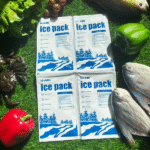
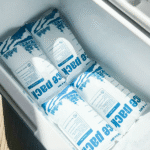
Schätzen Sie die Menge an Gel-Eisbeuteln für gekühlte Sendungen und nutzen Sie die praktische Routenplanung.
Schätzen Sie EisbeutelTrockeneisrechner
Schätzen Sie vor dem Verpacken den Bedarf an Trockeneis für gefrorene oder ultrakalte Sendungen.
Schätzen Sie TrockeneisBoxliner & Dimensionierung der Palettenabdeckung
Überprüfen Sie die Größenlogik für Kartoneinlagen und Palettenabdeckungen für isolierte Verpackungsprojekte.
Schätzen Sie die GrößeDas dritte Risiko ist die Reinigung und Retourenabwicklung. Wiederverwendbare EPP-Verpackungen können die Kreislauflogistik unterstützen, aber nur, wenn der Rückgabevorgang für die Mitarbeiter einfach genug ist. Eine Kiste, die schwer abzuwischen ist, überprüfen, trocken, umbenennen, oder Nest verschwindet möglicherweise aus der Wiederverwendungsschleife. Dadurch können die tatsächlichen Kosten höher ausfallen, als der Kaufpreis vermuten lässt.
Das vierte Risiko besteht in der nicht unterstützten Leistungssprache. Behauptungen wie lange Haltezeit, universelle Compliance, oder starke chemische Beständigkeit sollten an Testbedingungen gebunden oder als zu überprüfende Punkte festgehalten werden. Eine Aussage, die für eine Nutzlast oder Route zutrifft, kann für eine andere falsch sein. Eine gute Dokumentation nutzt vorsichtige Formulierungen und zeigt die Grenzen des Anspruchs auf.
Eine praktische Beweisdatei für ein EPP-Box-Projekt
Eine nützliche Beweisdatei muss nicht kompliziert sein, aber es sollte die Fragen beantworten, die die Akzeptanz beeinflussen. Für einen Standard isolierte Box, Dazu können auch Zeichnungen gehören, Materialbeschreibung, Farb- und Markierungshinweise, Reinigungsanleitung, Verpackungsfotos, und Mustergenehmigungsaufzeichnungen. Für eine temperaturempfindliche Anwendung, Der Nachweis kann auch eine Packout-Beschreibung umfassen, Temperaturüberwachungsplan, Zusammenfassung des thermischen Tests, und Erhalt von Inspektionsanweisungen.
Regulierte Sektoren erfordern eine sorgfältige Sprache. Aufbewahrungs- und Vertriebsregeln der FDA, Erwartungen an das EU-BIP, Zeitliche Leitlinien der WHO- und temperaturempfindliche pharmazeutische Produkte, IATA-Frachtpraktiken für das Gesundheitswesen, und ISTA Thermoverpackung Standards weisen alle auf die gleiche praktische Idee hin: Der Versender sollte die Produktanforderung kennen, Verwenden Sie geeignete Verfahren, und bewahren Sie den Nachweis, dass der Prozess die Produktqualität aufrechterhalten kann. Die genaue Anforderung hängt vom Produkt ab, Route, und Markt.
For a project related to laboratory reagents, Industrieproben, maintenance chemicals, sealed bottles, and non-hazardous or specially controlled items that need protective insulated handling, Sie sollten sich auch fragen, welche Aussagen auf geprüften Daten basieren und welche nur allgemeine Materialeigenschaften sind. ask for material compatibility guidance, Probenprüfung, Wandstruktur, mold cost, secondary containment options, Etiketten, and what is included in the quoted price. Wenn ein Lieferant ein Dokument nicht sofort bereitstellen kann, Die sicherere Antwort besteht darin, diesen Punkt als unbestätigt zu behandeln, bis eine Probe oder ein Test ihn bestätigen kann.
Die Kosten sollten anhand des Routenrisikos und der wiederholten Nutzung beurteilt werden
Der Preis der EPP-Box hängt von der Materialdichte ab, Teilegröße, Wandgestaltung, Formenkomplexität, Oberflächenbeschaffenheit, Farbe, Logo-Methode, Bestellmenge, Verpackungsmethode, und der Umfang der angeforderten Dokumentation oder Tests. Für eine einfache Standardbox kann ein niedrigeres Angebot sinnvoll sein. Für eine sensible benutzerdefinierte Route kann es riskant sein, wenn die Probenahme ausgeschlossen ist, Werkzeugrevisionen, und Beweise.
Für Wiederverwendbare Verpackung, Der Stückpreis ist nur ein Teil der Kosten. Erwägen Sie Schadensminderung, Rücklaufquote, Reinigungsarbeiten, leerer Speicher, Austauschhäufigkeit, Frachtgewicht, und ob das gleiche Design mehr als eine Route bedienen kann. Eine langlebige Box, die für die Rückgabe zu sperrig ist, kann im täglichen Betrieb teuer werden. Eine Billigschachtel, die an der Deckelnaht bricht, kann auch teuer werden, wenn Ersatz und Reklamationen berücksichtigt werden.
Der fairste Angebotsvergleich verwendet für jeden Lieferanten die gleichen Spezifikationen. Senden Sie die gleiche Nutzlastbeschreibung, voraussichtliche Route, Zielverwendung, Anpassungsbedürfnisse, Verpackungsmenge, und Beweispflicht. Wenn ein Lieferant einen niedrigeren Preis angibt, Überprüfen Sie, ob das Material, Deckeldesign, Verpackung, und Dokumentation sind wirklich gleichwertig.
Eine realistische Möglichkeit, einen EPP-Box-Lieferanten zu informieren
A buyer comparing two chemical-resistant EPP box prices may see the lower quote ignore tooling revisions, lid inserts, warning-label areas, and sample testing, which later makes the project more expensive than the initial number suggested.
Die nützliche Lektion ist, dass der Käufer nicht nur mit der Kartongröße beginnen sollte. Im Briefing sollte stehen, was darin platziert wird, ob die Inhalte vorkonditioniert sind, wie lange die Box geschlossen bleiben darf, wo es geöffnet werden kann, Was passiert beim Empfang?, und ob die leere Box zur Wiederverwendung zurückkehrt. Diese Details verändern das interne Layout, Wandgestaltung, Verschlusswahl, Etikettenplatzierung, und Beweise, die für die Genehmigung erforderlich sind.
Eine aussagekräftige Beispielbewertung sollte eine echte Belastung beinhalten, wiederholtes Öffnen und Schließen, Heben im vollen Zustand, Etikettenanwendung, Reinigung nach Gebrauch, und eine Prüfung anhand der endgültigen Außenverpackung oder des Fahrzeugraums. Wenn es auf die Temperaturleistung ankommt, Eine einfache visuelle Überprüfung reicht nicht aus. Der Test sollte das ausgewählte Kühlmittel widerspiegeln, Nutzlastmasse, Umgebungseinflüsse, und Akzeptanzgrenzen.
FAQ
Is chemical-resistant EPP box price enough for temperature-sensitive goods?
Es kann Teil eines temperaturempfindlichen Verpackungsplans sein, aber es reicht nicht automatisch aus. Die EPP-Isolierung verlangsamt Temperaturänderungen, während das tatsächliche Ergebnis von der Nutzlast abhängt, Kühlmittel, Konditionierung, Streckenbelichtung, Deckel passt, und Überwachung. Für empfindliche Produkte, Fordern Sie einen Packout-Plan und Testnachweise an, die zu Ihrer Verwendung passen.
Was ist der Hauptvorteil von EPP im Vergleich zu einem einfachen Kartonversand??
EPP bietet eine geformte Struktur, Stoßdämpfung, und wiederverwendbare Isolierung in einem Material. Als Umkarton oder Etikettenoberfläche kann weiterhin Karton benötigt werden, Aber EPP kann wiederholte Handhabung und interne Nutzlaststabilität besser unterstützen, wenn das Design korrekt ist.
Soll ich nach Innen- oder Außenmaßen fragen??
Bitten Sie um beides. Außenmaße wirken sich auf die Fracht aus, Lagerung, und Palettierung. Innenmaße entscheiden über Ihre tatsächliche Nutzlast, Kühlmittel, Liner, Gestell, oder Datenlogger passt ohne Komprimierung. Für empfindliche Produkte, Testen Sie die Probe mit den tatsächlichen Inhalten, bevor Sie die Produktion genehmigen.
Kann eine EPP-Box mit einem Logo oder einer Sonderform individuell gestaltet werden??
In vielen EPP-Projekten ist eine individuelle Anpassung möglich, Es sollte jedoch besprochen werden, nachdem die funktionalen Anforderungen klar sind. Form, Logo-Methode, Farbe, Griffdesign, Deckelverhalten, und Beschriftungsbereiche können sich auf die Werkzeuge auswirken, kosten, Reinigung, und Produktionskonsistenz.
Was sollte ich vor einer Großbestellung überprüfen??
Überprüfen Sie die Konsistenz zwischen Probe und Produktion, Materialbeschreibung, geformte Dichte oder Qualität, Abmessungen, Verschlussqualität, Verpackungsmethode, Reinigungsanleitung, und alle Ansprüche im Zusammenhang mit der thermischen Leistung. Wenn das Projekt reguliert oder von hohem Wert ist, Berücksichtigen Sie Qualität und Logistik, bevor Sie den Großauftrag erteilen.
Abschluss
The right chemical-resistant EPP box price decision is not based on a product name alone. EPP kann eine leichte Struktur bieten, Schlagfestigkeit, und Isolierung, aber die Verpackung muss trotzdem zum Produkt passen, Route, Handhabungsmethode, Temperaturerwartung, und Beweispflicht.
Vor der Bestellung, Definieren Sie die Rolle der Box, Überprüfen Sie eine geladene Probe, Überprüfen Sie die Innen- und Außenmaße, Bestätigen Sie, wie Reinigung und Wiederverwendung funktionieren, und getrennte geprüfte Leistung von allgemeinen materiellen Vorteilen. Wenn es sich um temperaturempfindliche oder regulierte Güter handelt, Beziehen Sie Qualität und Logistik frühzeitig ein, damit die EPP-Box Teil eines dokumentierten Systems wird und nicht nur eine hoffnungsvolle Annahme.