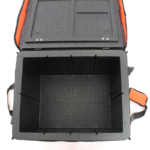
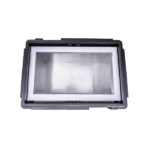
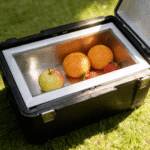
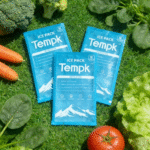
Schokoriegel scheinen einfach zu versenden, weil sie flach sind, versiegelt, und oft besser stapelbar als gefüllte Pralinen. In der Praxis, Sie können dennoch schnell an Verkaufswert verlieren, wenn eine Route warme LKWs beinhaltet, direkte Sonneneinstrahlung, lange Lagerverweildauer, oder feuchte Übergaben. Eine Bar, die voller Blüte ankommt, weiche Kanten, Verpackungskondensation, oder verbeulte Displaykartons können noch essbar sein, aber für den Kunden sieht es nicht mehr erstklassig aus.
Für Marken, Händler, Verkäufer von Geschenkboxen, und Online-Schokoladenläden, Das Ziel besteht nicht darin, das Produkt einzufrieren. Ziel ist es, die Tafel Schokolade stabil zu halten, Cool, trockene Umgebung von der Verpackung bis zur Lieferung.
Was unterscheidet Schokoriegel von anderen Schokoladenprodukten?
Bei Schokoriegeln ist die Gefahr des Zerquetschens in der Regel geringer als bei zarten Trüffeln oder mit Schokolade überzogenen Früchten, Sie verfügen jedoch über eine größere freiliegende Oberfläche und einen hohen visuellen Standard. Dünne Stäbe, geformte Stäbe, mit Folie umwickelte Riegel, und in Hülsen verpackte Riegel können kleine Temperatur- und Handhabungsprobleme sehr deutlich zeigen.
Die häufigsten Versandrisiken sind:
- Erweichung oder teilweises Schmelzen während der heißen Zustellung auf der letzten Meile
- Fettausblühung nach Temperaturwechsel
- Zuckerblüte, wenn sich auf der Verpackung oder der Schokoladenoberfläche Kondenswasser bildet
- Verzogene Stangen, wenn Kartons zu locker verpackt oder in der Nähe von Wärmequellen geladen werden
- Verbeulte Ärmel, rissige Ecken, oder geriebener Aufdruck auf Einzelhandelsverpackungen
- Geruchsaufnahme von stark riechenden Gütern beim gemeinsamen Transport
Im Vergleich zu gefüllten Pralinen, Schokoriegel vertragen oft etwas mehr Kartondruck, Sie benötigen jedoch weiterhin eine stabile Dämpfung und eine kontrollierte Kühlmittelverteilung.
Empfohlener Temperatur- und Luftfeuchtigkeitsansatz
Die meisten Schokoriegel sollten kühl verschickt werden, Trockengebiet statt einer gefrorenen Route. Ein praktisches Ziel für viele Schokoriegelrouten ist die Umgebung 15-18 C, Die endgültige Einstellung wird durch die Produktspezifikation der Marke bestätigt, Kakaobutterformulierung, Einschlüsse, und lokales Klima.
Die Kontrolle der Luftfeuchtigkeit ist genauso wichtig wie die Temperatur. Wenn Schokolade von einer kalten in eine warme Umgebung übergeht, feuchte Luft, Auf Verpackungen oder Kartons kann sich Kondenswasser bilden. Diese Feuchtigkeit kann Etiketten beschädigen und zum Zuckerausblühen beitragen, wenn die Schokoladenoberfläche freiliegt.
Vor dem Versand, Bewahren Sie die fertigen Riegel und Umkartons in einem stabilen Raum auf. Vermeiden Sie es, Schokoriegel sofort zu verpacken, nachdem sie aus einem viel kälteren Raum in einen warmen Versandbereich gebracht wurden.
Vorkühlung und Verpackungsvorbereitung
Schokoriegel sollten erst nach dem Produkt verpackt werden, Einzelhandelskartons, Und Isolierter Versender sind alle stabil. Vorkühlen bedeutet nicht, die Stäbe direkt aneinander zu legen Eisbeutel. Dies bedeutet, die Wärmebelastung auf dem Weg zu reduzieren, bevor das Paket das Lager verlässt.
Ein praktischer Vorbereitungsprozess:
- Fertige Riegel kühl aufbewahren, Lagerraum vor dem Verpacken trocken lagern.
- Konditionieren Sie Gel-Packs oder PCM so, dass sie kalt genug für die Route sind, aber nicht so kalt, dass sie Feuchtigkeit oder Kälteflecken verursachen.
- Halten Sie die Kartons beim Verpacken geschlossen, um die Erwärmung zu verhindern, feuchter Luftaustausch.
- Verwenden Sie eine Trenn- oder Einlagetasche, damit das Kühlmittel niemals direkt gegen die Schokoladenhülsen drückt.
- Schließen Sie den isolierten Versandbehälter nach dem Beladen schnell wieder.
Dieser Prozess ist besonders wichtig für E-Commerce-Sendungen im Sommer, Geschenksendungen, und Lieferungen, die möglicherweise an einem Dock oder vor der Haustür stattfinden.
Kühlmittelplatzierung für Schokoriegel
Schokoriegel profitieren von einer gleichmäßigen Kühlung rund um den Karton und nicht von intensiver Kälte von einer Seite. Direkter Kontakt mit Gelpackungen kann Kondenswasser bilden, Flecken auf dem Karton, und ungleichmäßige Oberflächenqualität.
Eine Tempk-Verpackung für Schokoriegel lässt sich nutzen:
- Eine isolierte Box oder ein isolierter Versandkarton, ausgewählt nach der Routendauer
- Darüber platzierte konditionierte Gelpackungen oder PCM, neben, oder rund um den Produktbereich
- Gewellte Trennwände, Innentaschen, oder thermische Separatoren zwischen Kühlmittel und Einzelhandelskartons
- Hohlraumfüllung, um zu verhindern, dass die Stangen in den Transportbehälter rutschen
- Eine Feuchtigkeitsbarriere oder eine absorbierende Unterlage, wenn die Route feuchte Übergänge beinhaltet
- Ein Temperaturindikator oder Datenlogger für Validierungssendungen
Für flache Schokoriegel, Auch die Packrichtung spielt eine Rolle. Die Stangen sollten fest genug gehalten werden, um ein Verrutschen zu verhindern, aber nicht so eng, dass die Ärmel knittern oder die Ecken drücken.
Verpackungsdruck und Kartonschutz
Schokoriegel sind in der Regel besser stapelbar als Trüffel, Allerdings reagieren dünne Stäbe und hochwertige Einzelhandelshüllen immer noch empfindlich auf Druckstellen. Wenn eine Lieferung mehrere Riegelkartons umfasst, Die Verpackung sollte das Gewicht über die gesamte Kartonoberfläche verteilen und punktuellen Druck durch gefrorene Gelpackungen vermeiden, lose Beilagen, oder schwere Umkartons.
Hilfreiche Entscheidungshilfen
Überprüfen Sie die Details, bevor Sie sich für die Verpackung entscheiden
Mit diesen schnellen Tools können Sie das Routenrisiko vergleichen, Größenanforderungen, Kühlmittelauswahl, und Verpackungsdetails, bevor Sie ein Angebot anfordern.
Fallfestigkeit des Isolationsmaterials
Überprüfen Sie die Fallfestigkeit und die Handhabungsfaktoren, bevor Sie Isoliermaterialien auswählen.
Widerstand prüfenVerpackungsauswahl
Vergleichen Sie isolierte Verpackungsoptionen nach Produkt, Route, und Temperaturbedarf.
Verpackung findenBoxliner & Dimensionierung der Palettenabdeckung
Überprüfen Sie die Größenlogik für Kartoneinlagen und Palettenabdeckungen für isolierte Verpackungsprojekte.
Schätzen Sie die GrößeFür Direktlieferungen an den Verbraucher, Ein starrer Außenkarton ist auf heißen oder langen Strecken normalerweise sicherer als ein weicher Versandkarton. Für Großhandelskartons, eine isolierte Kartoneinlage kann verwendet werden, wenn das Produkt bereits über eine stabile, regalfertige Verpackung verfügt.
Anleitung zur Routendauer
Die Route sollte anhand der tatsächlichen Transitzeit getestet werden, lokales Klima, und Übergabebedingungen.
Für Strecken bis 24 Std., Wenn das Produkt in einem stabilen Lagerraum verpackt wird, kann ein kompakter, isolierter Transportbehälter mit konditioniertem Kühlmittel ausreichend sein.
Für 24-48 Stundenrouten, Verwenden Sie eine dickere Isolierschicht, eine ausgewogenere Kühlmittelanordnung, und ein Routentest, der die erwartete Lagerverweilzeit berücksichtigt.
Für 48-72 Stundenrouten oder grenzüberschreitende Sommerschifffahrt, Verwenden Sie eine validierte Verpackung mit einem Datenlogger. Vermeiden Sie nach Möglichkeit Wartezeiten am Wochenende und unkontrollierte Abholfenster.
Häufige Verlustmuster, die Sie im Auge behalten sollten
Wenn die Schokoriegel an den Rändern weich werden, Die Verpackung verfügt möglicherweise nicht über genügend Kühlmittelkapazität oder Isolationsdicke für die Strecke.
Wenn die Stangen mit Kondenswasser auf den Hülsen ankommen, Möglicherweise ist das Kühlmittel zu kalt, zu nah am Produkt, oder nicht ausreichend von feuchter Luft getrennt.
Wenn die Stangen intakt sind, die Hülsen jedoch eingebeult sind, Das Problem ist normalerweise mechanisch: zu viel leerer Raum, Schwache Umkartons, oder Punktdruck von Kühlmittelpakete.
Wenn nur die oberste Schicht betroffen ist, Überprüfen Sie die Sonneneinstrahlung, LKW-Dachheizung, oder Kühlmittelplatzierung über dem Produkt.
Tempk-Verpackungsempfehlung
Für Schokoriegel, Tempk kann dabei helfen, eine Verpackung entsprechend dem Versandformat zu entwerfen:
- Isolierte Versandtaschen für kurze Lieferungen vor Ort und kleine Bestellmengen
- EPS, EVP, oder isolierte Kartonsysteme für E-Commerce- und Großhandelssendungen
- Konditionierte Gelpackungen oder PCM, ausgewählt für die erwartete Streckentemperatur
- Abscheider, die das Kühlmittel von den Einzelhandelshülsen fernhalten
- Routenvalidierung mit einem Logger vor dem Versand in der Hauptsaison
Das beste Ergebnis erhält man, wenn man die genaue Kartongröße prüft, Taktanzahl, Streckendauer, und Sommerexpositionsprofil vor der Skalierung der Sendung.
FAQ
Können Schokoriegel mit normalen Kühlakkus versendet werden??
Sie können mit versendet werden Kaltpackungen nur, wenn die Packungen ordnungsgemäß konditioniert und vom Produkt getrennt sind. Direkter Kontakt kann zur Kondensation führen, Flecken auf dem Karton, und ungleichmäßige Kühlung.
Sollten Schokoriegel vor dem Versand eingefroren werden??
Bei herkömmlichen Schokoriegeln ist das Einfrieren meist nicht der richtige Ansatz. Ein cooles, trocken, Eine stabile Route ist sicherer für das Erscheinungsbild, Textur, und Verpackungsqualität, sofern in der Spezifikation der Marke nichts anderes angegeben ist.
Was ist der größte Verpackungsfehler bei Schokoriegeln??
Der häufigste Fehler besteht darin, sich nur auf Kühlakkus zu konzentrieren und die Luftfeuchtigkeit zu ignorieren, Kartonpassend, und Druck. Schokoriegel benötigen eine vollständige Verpackung: Isolierung, Kühlmitteltrennung, Feuchtigkeitskontrolle, und Bewegungskontrolle.
Aufruf zum Handeln
Wenn Ihre Schokoriegel über warme Transportwege transportiert werden, lange Kurierwege, oder Sommer-E-Commerce-Kanäle, Tempk kann Ihre Kartongröße überprüfen, Produktanzahl, Transitzeit, und Lieferklima, um eine geprüfte Isolierverpackung zu empfehlen.