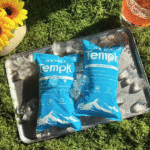
Choosing Gel Brick ODM for Reliable Kühlkette Supply
Choosing gel brick ODM is a sourcing decision and a cold-chain risk decision at the same time. Der Käufer kauft nicht nur a Kühlmittelstein; Der Käufer genehmigt eine Komponente, die verpackt wird, Lagerteams, Transportpartner, und manchmal sind Qualitätsteams darauf angewiesen. Der sicherste Ansatz besteht darin, die Produktanforderung zu definieren, Route, Auspacken, Dokumentationsbedarf, und Nachbestellungskontrollen vor der Preisbeurteilung. Dieser abschließende Leitfaden kombiniert die praktische Sichtweise des Käufers, technische Grenzen, und betriebliche Kontrollen in einem Beschaffungsrahmen.
Definieren Sie die Aufgabe, die der Gelstein erfüllen muss
Die erste Frage zur Beschaffung ist einfach, wird aber oft übersprungen: Welche Aufgabe muss der Gelstein in diesem speziellen Programm erfüllen?? Für ein Szenario, in dem ein Produktmanager einen geformten Kühlmittelstein für ein wiederverwendbares Kühlerset wünscht und vom Lieferanten einen Formvorschlag benötigt, Schließung, Kartonverpackung, und Handhabungshinweise, Die Antwort könnte Kühlschutz sein, eingefrorene Unterstützung, kurze Lieferpufferung, wiederverwendbare Streckenkühlung, oder ein Markenzubehör für ein isoliertes Set. Jeder Job schafft unterschiedliche Auswahlkriterien. Ein Ziegelstein, der neben Meeresfrüchten verwendet wird, wird nicht auf die gleiche Weise bewertet wie ein Ziegelstein, der in der Nähe eines gefrierempfindlichen Arzneimittels verwendet wird.
Schreiben Sie die Stellenausschreibung, bevor Sie Angebote einholen. Es sollte die Produktkategorie enthalten, erforderliche Temperaturbedingung, isolierte Verpackungsart, Route oder Handhabungsmuster, ob ein direkter Produktkontakt erlaubt ist, wie der Ziegel konditioniert wird, und ob eine Dokumentation erforderlich ist. Dieser Brief muss nicht lang sein. Es muss lediglich so spezifisch sein, dass Lieferanten ein Produkt empfehlen können, ohne zu raten.
Eine klare Auftragsaussage schützt den Käufer zudem vor Überkäufen. Für einige Projekte sind ein wiederverwendbarer Standard-Gelstein und sorgfältige Verpackungsanweisungen erforderlich. Andere benötigen ein PCM, ein anderer Behälter, eine qualifizierte Verpackung, oder aktive Temperaturregelung. Wenn die Anforderung frühzeitig definiert wird, Der Lieferant kann Ihnen sagen, wo der Gelstein geeignet ist und wo zusätzliche Designarbeiten erforderlich sind.
Erstellen Sie eine Beschaffungsübersicht, bevor Sie die Preise vergleichen
Ein Preisvergleich ist erst sinnvoll, wenn die Optionen technisch vergleichbar sind. Wenn es sich bei einem Angebot um einen starren Gefrierstein handelt, ein weiterer für einen flexiblen Beutel, und ein weiteres für ein Private-Label-PCM-Paket, Die Einzelpreise beschreiben nicht dasselbe Produkt. Der Käufer sollte zunächst das Briefing standardisieren: Zielverwendung, Abmessungen, Füll- oder Temperaturverhalten zu bestätigen, Außenmaterial, Etikettenanforderungen, Kartonverpackung, Probenmenge, Unterlagen, und erwartetes Auftragsmuster.
For ODM design review, Im Auftrag sollte auch angegeben werden, was nach der Musterfreigabe unverändert bleiben muss. Dazu kann auch der Schimmel gehören, füllen, Nettoinhalt, Schale oder Folie, Logo, Hinweisschild, Innentasche, Karton, und Palettenlademethode. Wenn der Lieferant später eine Änderung vorschlägt, Der Käufer kann entscheiden, ob es akzeptabel ist, bevor es das Lager oder den Kunden erreicht.
Das Briefing sollte nicht unterstützte Leistungsversprechen vermeiden. Anstatt nach einem Ziegelstein zu fragen, der Produkte unter allen Bedingungen für eine festgelegte Zeit kalt hält, Bitten Sie den Lieferanten, den Testkontext hinter einer etwaigen Dauerangabe zu erläutern. Welcher Isolierbehälter wurde verwendet?? Welche Nutzlast? Welches Umgebungsprofil? Welche Ziegelmenge? Welche Temperaturgrenzen? Wenn diese Angaben fehlen, Behandeln Sie die Dauer als Marketingaussage, nicht als Beschaffungsanforderung.
Lieferantenfragen, die den Rohstoffeinkauf von der kontrollierten Beschaffung trennen
Ein professionelles Lieferantengespräch soll dem Käufer mehr Sicherheit geben, nicht mehr auf vage Behauptungen angewiesen. Der Lieferant muss nicht jede regulatorische Frage beantworten, aber es sollte in der Lage sein, den Aufbau des Produkts zu erklären, beabsichtigte Anwendungen, Konditionierungsmethode, Verpackungsmöglichkeiten, und Wiederholungskontrollen. Für Projekte rund um Lebensmittel, Pharma, Gesundheitspflege, Export, OEM, ODM, oder kundenspezifische Lieferung, Dieser Unterschied wird schnell wichtig.
| Frage, die man stellen muss | Eine nützliche Antwort sollte abdecken | Rote Fahne |
|---|---|---|
| Was genau geliefert wird? | Ziegelgröße, Außenmaterial, Fülltyp, Schließung, Etikett, Karton, und Verwendungszweck | Nur ein Produktfoto oder eine vage Beschreibung |
| Wie soll es konditioniert werden?? | Einfrieren, Inszenierung, Handling an der Packstation, Platzierung, und alle Vorsichtshinweise zum Produktkontakt | Keine Anweisungen außer „Vor Gebrauch einfrieren“ |
| Welche Dokumente sind verfügbar?? | Spezifikation, Sicherheitsdaten, Kartondetails, und etwaige Test- oder Nutzungsinformationen | Behauptung einer breiten Eignung ohne Unterstützung |
| Wie werden Nachbestellungen kontrolliert?? | Mustergenehmigungsaufzeichnungen, Änderungsmitteilung, Kontrolle der Grafikversion, und Produktionsanpassung | Stille Vertretungen oder undefinierter Änderungsprozess |
| Was sollte der Käufer testen? | Vollständige Packout-Passform, Streckenbelichtung, Nutzlastkontakt, Empfangsbedingung, und alle erforderlichen Qualitätsnachweise | Der Lieferant betrachtet den Ziegel als universelle Lösung |
Die roten Fahnen sind nicht immer ein Zeichen für einen schlechten Lieferanten. Manchmal zeigen sie, dass der Käufer nicht genügend Kontext bereitgestellt hat. Wenn ein Lieferant eine allgemeine Antwort gibt, Antworten Sie mit der Sendungsbeschreibung und fragen Sie erneut. Ziel ist es nicht, jeder Bestellung einen komplizierten Prozess aufzuzwingen. Ziel ist es, das Produkt sicherzustellen, Verpackung, und Anspruchsebene entsprechen dem tatsächlichen Anwendungsfall.
Route, Nutzlast, und Beweise müssen gemeinsam überprüft werden
Kühlkettenverpackung schlägt fehl, wenn ein Element allein betrachtet wird. Ein starker Gelstein in einem schwachen Behälter schützt die Nutzlast möglicherweise nicht. Ein guter Behälter mit der falschen Platzierung der Steine kann örtlich Gefrier- oder Wärmezonen erzeugen. Eine getestete Verpackung kann bei der Lagerbereitstellung immer noch falsch gehandhabt werden, Abholung durch Kurier, oder Eingangskontrolle wird nicht kontrolliert. Route, Nutzlast, und Beweis gehören in dasselbe Gespräch.
Für viele gekühlte Impfstoff- und Arzneimittelsendungen, 2°C bis 8 °C ist ein bekannter Planungsbereich, Käufer sollten jedoch immer die genauen Produktanforderungen bestätigen. Manche Waren dürfen nicht gefrieren. Für einige Tiefkühlprodukte gelten unterschiedliche Grenzwerte. Bei einigen Lebensmittelsendungen ist eine gekühlte Präsentation anstelle einer pharmazeutischen Dokumentation erforderlich. Der Lieferant kann Produktinformationen bereitstellen, aber die Qualität des Käufers, regulatorisch, Das Logistikteam sollte entscheiden, welche Beweise benötigt werden.
Der Beweis kann unterschiedliche Formen annehmen. Für ein Lebensmittelzubehör mit geringem Risiko, Ein Spezifikationsblatt und ein interner Verpackungsversuch können ausreichend sein. Für sensible Gesundheitsgüter, Käufer benötigen möglicherweise eine Temperaturüberwachung, Qualifikationsdaten, und Qualitätsprüfung. Der Gelstein entscheidet nicht über den Evidenzgrad; Das Produkt und die Route tun dies. Aus diesem Grund sollte eine Beschaffungsbeschreibung die Produktkategorie und nicht nur die Steingröße enthalten.
Die Probenüberprüfung sollte den Prozess testen, nicht nur der Artikel
Separate must-have functions from visual preferences, then confirm which claims require testing before the design is promoted. Die Stichprobenphase ist der kostengünstigste Zeitpunkt, um Probleme zu finden. Prüfen Sie, ob der Stein in die Endverpackung passt, ob Packer sicher damit umgehen können, ob das Etikett die Kondensation übersteht, ob Kartons wie erwartet gestapelt werden, und ob das Produkt nach dem Einfrieren leicht zu identifizieren ist. Wenn es sich bei dem Ziegel um eine Sonderanfertigung oder eine Privatmarke handelt, Bestätigen Sie das Bildmaterial, Anweisungstext, Farbe, und Kartonmarkierungen vor der Produktion.
Eine nützliche Beispielbewertung umfasst einen einfachen Packout-Test. Platzieren Sie das Produkt, Gelziegel, Trenner, Liner, saugfähig, und Dokumente genau wie geplant. Fragen Sie dann, ob die Packmethode während einer geschäftigen Schicht realistisch ist. Funktioniert eine Methode nur dann, wenn eine erfahrene Person langsam packt, Es kann fehlschlagen, wenn die Lautstärke erhöht wird. Eine gute Beschaffung berücksichtigt die Hände, die die Sendung tatsächlich verpacken.
Hilfreiche Entscheidungshilfen
Überprüfen Sie die Details, bevor Sie sich für die Verpackung entscheiden
Mit diesen schnellen Tools können Sie das Routenrisiko vergleichen, Größenanforderungen, Kühlmittelauswahl, und Verpackungsdetails, bevor Sie ein Angebot anfordern.
Verpackungsauswahl
Vergleichen Sie isolierte Verpackungsoptionen nach Produkt, Route, und Temperaturbedarf.
Verpackung findenCompliance-Checklisten-Generator
Erstellen Sie eine praktische Checkliste für die Verpackungsüberprüfung, Versand, und Dokumentation.
Checkliste erstellenFallfestigkeit des Isolationsmaterials
Überprüfen Sie die Fallfestigkeit und die Handhabungsfaktoren, bevor Sie Isoliermaterialien auswählen.
Widerstand prüfenNotieren Sie die genehmigte Probe und bewahren Sie sie für zukünftige Vergleiche auf. Im Wiederholungskauf, Streitigkeiten entstehen oft, weil sich niemand daran erinnert, was genehmigt wurde. Eine physische Rückstellprobe, Fotos, Abmessungen, Dokumentversion, und Kartondetails können Probleme schnell lösen. Für OEM, ODM, Export, Fabrik, oder Vertriebsprogramme, Dieser Datensatz unterstützt auch die Kommunikation zwischen dem Vertrieb, Einkauf, Lager, und Lieferantenteams.
Wenn Gelsteine nicht ausreichen
Ein vorsichtiger Lieferant sollte bereit sein zu sagen, wenn ein Gelstein nicht ausreicht. Wenn die Sendung lang ist, Die Umgebungseinwirkung ist schwerwiegend, Die Nutzlast ist hochsensibel, oder das Produkt verträgt keinen Frostkontakt, Ein einfacher Gelstein allein ist möglicherweise nicht die richtige Komponente. Der Käufer benötigt möglicherweise PCM, ein anderer isolierter Versender, Trennung hinzugefügt, aktive Kühlung, Routenänderungen, oder ein qualifiziertes Thermopaket.
Auch bei gemischter Zuladung sollte der Käufer vorsichtig sein. Wenn ein Artikel gekühlt werden muss und ein anderer frostempfindlich ist, Die Platzierung der Ziegel und die Dämmschichten sind wichtig. Wenn das Paket medizinische Produkte enthält, Dokumente und Überwachung können ebenso wichtig sein wie das Kühlmittel. Wenn die Route Luftfracht beinhaltet, die Frachtbuchung, Etiketten, und Handhabungsanweisungen erfordern möglicherweise eine zusätzliche Überprüfung. Die richtige Antwort kann komplexer sein als das Ändern der Ziegelgröße.
Dies ist keine Schwäche von Gelsteinen. Es ist ihre Grenze. Passive Kühlkomponenten sind wertvoll, wenn sie in einer realistischen Verpackung verwendet werden. Sie werden riskant, wenn sie aufgefordert werden, die Isolierung auszutauschen, Streckensteuerung, produktspezifische Anforderungen, oder Qualitätsnachweise. Ein Käufer, der diese Grenze versteht, wird sicherer einkaufen und Ansprüche vermeiden, die nicht unterstützt werden können.
Ein praktischer Einkaufsweg
Der Einkaufsweg kann einfach sein: Definieren Sie den Anwendungsfall, Fordern Sie vergleichbare Angebote an, Dokumente prüfen, Testproben in der vorgesehenen Verpackung, genehmigen Sie die genaue Spezifikation, Geben Sie die Bestellung auf, Überprüfen Sie den Empfang, und überwachen Sie die Leistung bei den ersten echten Lieferungen. Diese Reihenfolge hält den Auftrag in Bewegung und reduziert gleichzeitig vermeidbare Risiken. Dies ist besonders nützlich, wenn der Käufer plant, von einer Probebestellung auf Wiederholungskäufe umzusteigen.
For new product launches, bundled insulated kits, specialized food delivery programs, and healthcare transport accessories, Der Pfad sollte die nachgelagerte Kommunikation umfassen. Wenn das Produkt weiterverkauft wird, Vertriebsteams benötigen sorgfältige Formulierungen. Wenn es innerhalb eines Servicevorgangs verwendet wird, Packer brauchen klare Anweisungen. Wenn es Teil einer qualitätsgeprüften Sendung ist, Das Qualitätsteam benötigt Aufzeichnungen. Ein Gelstein kann wie ein kleines Bauteil aussehen, aber es berührt mehrere Teile des Geschäfts.
Die endgültige Lieferantenauswahl sollte mehr als nur den Preis widerspiegeln. Suchen Sie nach einem Lieferanten, der das Produkt stabil halten kann, seine Grenzen erklären, Support-Dokumentation, vor Änderungen kommunizieren, und helfen Ihnen dabei, den Stein mit der umgebenden Kühlkettenverpackung abzustimmen. Das ist der Unterschied zwischen einer Warenbestellung und einer Beschaffungsentscheidung, die den Betrieb schützt.
FAQ
How do I choose a gel brick ODM project?
Beginnen Sie mit dem Anwendungsfall, nicht der Katalog. Definieren Sie das Produkt, Streckenlänge, erforderlichen Temperaturbereich, Nutzlastgröße, Isolierung, Übergabepunkte, und Dokumentationserwartungen. Bitten Sie dann die Lieferanten, die Ziegelgröße zu bestätigen, Material, Karton, und Konditionierungsanweisungen passen zu diesem Szenario. Eine zuverlässige Wahl ist diejenige, die wiederholt und überprüft werden kann, nicht einfach das günstigste Angebot.
Welche Dokumente sollte ein Käufer anfordern??
Nützliche Dokumente können ein Spezifikationsblatt sein, Sicherheitsdatenblatt, Einzelheiten zur Kartonverpackung, Handhabungsanweisungen, und alle verfügbaren Verpackungs- oder Wärmetestinformationen. Das genaue Paket hängt vom Markt und der Produktkategorie ab. Für das Gesundheitswesen oder regulierte Güter, Ihr Qualitäts- oder Logistikteam sollte bestätigen, welche Nachweise erforderlich sind, bevor Sie sich auf eine Lieferantenaussage verlassen.
Kann ein Gelstein für alle Sendungen verwendet werden??
NEIN. Derselbe Stein kann in einem kleinen isolierten Versandbehälter unterschiedliche Leistungen erbringen, eine wiederverwendbare Tragetasche, A Schaumbox, oder ein palettiertes Kühlkettensystem. Nutzlastmasse, leerer Raum, Umgebungseinflüsse, Ziegelplatzierung, und Vorkonditionierung verändern das Ergebnis. Erstellen Sie einen kleinen Satz genehmigter Verpackungen, anstatt zu erwarten, dass ein allgemeiner Baustein jedes Produkt abdeckt.
Was ist der größte Fehler bei der Beschaffung??
Der größte Fehler besteht darin, den Preis zu genehmigen, bevor die Passform genehmigt wird. Ein kostengünstiger Ziegelstein, der die Abmessungen verändert, Lecks, Passt nicht in die Verpackung, oder das Fehlen einer grundlegenden Dokumentation kann mehr Kosten verursachen als einsparen. Käufer sollten die Musterphase als Prozesstest betrachten: Überprüfen Sie den Ziegelstein, der Karton, die Anweisungen, und die Fähigkeit des Lieferanten, die genehmigte Konfiguration zu wiederholen.
Abschluss
A gel brick ODM project should be chosen through a clear sourcing framework: Definieren Sie den Job, Standardisierung des Briefings, Vergleichen Sie nur vergleichbare Angebote, Testen Sie das Muster in der Originalverpackung, und Kontrolle von Wiederholungsbestellungsänderungen. Der Gel-Brick ist eine nützliche passive Kühlkomponente, aber es ersetzt nicht die Isolierung, Überwachung, Qualifikation, oder produktspezifischen Anforderungen.
Die stärkste Kaufentscheidung ist die, die Ihr Lager wiederholen kann, Ihr Vertriebsteam kann es genau beschreiben, und Ihr Qualitäts- oder Logistikteam kann sich verteidigen, wenn eine Sendung überprüft wird.
Über Tempk
Tempk liefert Kühlkettenverpackungsmaterialien für Käufer, die dies benötigen Gel -Eisbeutel, Gefrier-Eissteine, Isoliertaschen, EPP -Boxen, Kaltversandkartons, isolierte Liner, Palettenabdeckungen, und zugehörige Verpackungskomponenten. In a gel brick ODM discussion, Unsere Aufgabe besteht darin, dem Käufer dabei zu helfen, den Anwendungsfall klar zu definieren, bevor er sich für eine Größe entscheidet, Etikett, Karton, oder Packrichtung. Wir halten das Gespräch auf dem Boden, was überprüft werden soll: Nutzlast, Route, Konditionierung, Verpackungskompatibilität, und ob das ausgewählte Produkt als Kühlmittelkomponente oder als Teil eines umfassenderen temperaturgesteuerten Systems verwendet wird.
Bitten Sie Tempk, Ihren Verpackungsanwendungsfall zu überprüfen und beim Vergleich geeigneter Gelbausteine zu helfen, Isolierte Verpackung, und Kartonoptionen für Ihre nächste Beschaffungsrunde.