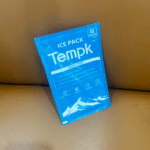
Auswahl von Gelpackungen für Eiscreme mit realistischen Routenerwartungen
In dieser Kategorie eine gute Wahl zu treffen, hängt von einem Prinzip ab: Passen Sie das Paket an die Anwendung an, bevor Sie Anbieter vergleichen. Zu viele Beschaffungsentscheidungen beginnen mit der Packungsgröße oder dem Preis und entdecken erst später Probleme bei der Konditionierung, fit, Leckage, Unterkühlung, Dokumentation, oder Versorgungskontinuität. Eine bessere Reihenfolge besteht darin, zuerst den Auftrag zu definieren und dann zu prüfen, welcher Lieferant ihn zuverlässig wiederholen kann.
Wenn Ihre Route wiederholte Türöffnungen beinhaltet, Übergabeverzögerungen, oder Zielgefriergeräte, deren Bereitschaft nicht garantiert ist, Gehen Sie davon aus, dass die Fahrspur rauer ist, als der Labortest vermuten lässt.
Was das Produkt tun sollte – und was nicht erwartet werden sollte
Für Eis, Unter einer Gelpackung versteht man am besten ein Kältemittel mit begrenzter Verwendung und nicht eine universelle Lösung für den Tiefkühlversand. Es kann dazu beitragen, Produkte auf sehr kurzen oder eng befahrenen Strecken zu schützen, und es kann als sekundärer Stabilisator in einem kontrollierten Behälter nützlich sein. Der Großhandel mit Eiscreme erfordert jedoch häufig einen umfassenderen Kälteschutz, als eine Standard-Gelpackung allein bieten kann, insbesondere wenn die Verweildauer auf dem Grundstück und die Sommerexposition berücksichtigt werden.
Diese Unterscheidung ist wichtig, da viele Käufer die Wörter „Gelpack“ und „Tiefkühlversand“ verwenden, als ob sie dasselbe bedeuten würden. Das tun sie nicht. Eine Gelpackung kann die Erwärmung verlangsamen; Das Eis bleibt bei langen Verzögerungen auf der letzten Meile nicht automatisch in einem hart gefrorenen Zustand, warme Depots, oder unbeaufsichtigte Lieferung. Lieferantengespräche sollten mit dem eigentlichen thermischen Ziel beginnen, nicht mit dem Katalogfoto.
Für gefrorene Desserts, Das Gespräch über Compliance und Qualität beginnt mit dem Produkttemperaturziel. Eine Verpackung, die für den Kühlversand geeignet ist, ist nicht automatisch auch für die Aufbewahrung eines hartgefrorenen Produkts geeignet. In den öffentlichen Versandrichtlinien werden Gelpackungen zur gekühlten Unterstützung konsequent von Trockeneis oder stärker gefrorenen Lösungen für den Tiefkühltransport getrennt.
Wie das richtige Format gewählt wird
Standard-Gelpackungen basieren normalerweise auf einem Gel auf Wasserbasis oder einem Polymergel, das vor der Verwendung eingefroren wird. Sie sind vielseitig, kostengünstig, und weit verbreitet in weichen Beuteln oder strukturierteren Formaten erhältlich. PCM-Pakete sind spezialisierter. Sie sind so konzipiert, dass sie Wärme nahe einer gewählten Übergangstemperatur absorbieren und abgeben, Dadurch eignen sie sich möglicherweise besser für enge Fenster wie 2–8 °C oder den Transport bei kontrollierter Umgebungstemperatur. In den meisten alltäglichen Abläufen, Die Packung wird in einem Gefrierschrank oder Kühlraum vorkonditioniert, Anschließend wird es um die Nutzlast herum platziert, um die einfallende Wärme zu absorbieren. Die Erwärmungsgeschwindigkeit hängt von der Gelformulierung ab, die Masse des Kältemittels, die der Luft ausgesetzte Oberfläche, die Menge der Isolierung im Verlader, und wie warm das Produkt im verpackten Zustand ist.
Kommerzielle Kühlkettenverpackungen verwenden üblicherweise ungiftige Gele, die in Folien auf Polyethylenbasis oder Polynylon versiegelt sind, während einige Formate eine absorbierende Außenschicht hinzufügen, um Kondensation zu verhindern. Therapiepackungen können mit weichen Textilbezügen versehen sein, geformte Wickel, oder Riemen. Auf jeden Fall, Das sichtbare Format ist wichtig, da die äußere Schicht die Durchstoßfestigkeit beeinflusst, Reinigbarkeit, Flexibilität, und wie die Packung Kälte auf das Produkt oder den Körper überträgt. Käufer sollten auch auf die Packungsgeometrie achten. Ein dünner, flexibler Beutel kann das Produkt besser umhüllen und die Wärmeübertragung verbessern, Es kann jedoch anfälliger für Handhabungsschäden sein, wenn die Folie oder die Dichtungen schwach sind. Ein dickeres oder wiederverwendbares Format hält möglicherweise länger, Dennoch kann es Platz verschwenden, wenn es nicht mit der Stellfläche des Kartons übereinstimmt. Ohne Bezug auf Route und Nutzlast gibt es keine allgemeingültige beste Option.
Gelpacks können in den Transportbehältern regionaler Händler sinnvoll sein, Boutique-Direktlieferprogramme, und gemischte Tiefkühl-Dessert-Sendungen, bei denen die Produktpräsentation wichtig ist. Dabei handelt es sich in der Regel um streng kontrollierte Fahrspuren mit kurzen Transitfenstern, starke Isolierung, oder eine teilweise gekühlte Kette, die während der Übergabe nur vorübergehende thermische Unterstützung benötigt. Unter diesen Bedingungen, Die Gelpackung kann als Stabilisator statt als alleinige Quelle der Gefrierkapazität fungieren.
Wo Käufer an Wert gewinnen und wo Fehler beginnen
Der Vorteil von Gelpackungen in der Eislogistik ist hauptsächlich betrieblicher Natur. Sie sind einfach, in einigen Formaten wiederverwendbar, und praktisch für kurze Wege oder kontrollierte Übergabeschritte. In streng verwalteten städtischen Vertriebs- oder isolierten Tragetaschenprogrammen, dass Bequemlichkeit wertvoll sein kann.
Die Einschränkung ist unverblümt: Die meisten Gelpackungen sind kein Ersatz für eine echte Gefrierverteilungsmethode auf langen oder unsicheren Wegen. Wenn das Produkt tiefgefroren bleiben muss, Möglicherweise benötigen Sie Trockeneis, mechanische Kühlung, ein validierter Tiefkühlversender, oder eine Neugestaltung der Route. Behandeln Sie Lieferantenansprüche, die diese Grenze ignorieren, mit Vorsicht.
Die technische Überprüfung sollte mit der tatsächlich eingefrorenen Anforderung beginnen. Fragen Sie den Lieferanten, welche Produkttemperatur die Bahn schützen soll, wie lange die Strecke unter Worst-Case-Bedingungen dauert, und ob die Packung als primäres Gefriermedium oder nur als unterstützender Stabilisator vorgeschlagen wird. Wenn diese Fragen das Angebot nicht beeinflussen, Der Vorschlag ist wahrscheinlich zu allgemein gehalten.
Typische Fehlerarten sind vorhersehbar: zu wenig kalte Masse, zu viel warmer Kopfraum, langes Verweilen vor der Haustür, und wiederholte Auftau- und Wiedergefrierzyklen, die die Produktqualität beeinträchtigen, selbst wenn sich der Karton von außen noch kühl anfühlt. Käufer von Tiefkühldesserts sollten den schwierigsten saisonalen Weg testen und nicht den einfachsten internen Versuch.
Eine praktische Lieferantenauswahlliste
Im Eisvertrieb, Aus der Checkliste sollte hervorgehen, ob der Lieferant sich mit der Tiefkühllogistik auskennt oder nur ein Angebot abgibt Kühlakku. Speiseeis ist eine der schwierigsten thermischen Anwendungen im Paket- und Großhandelsvertrieb, da das zulässige Fenster eng ist und die Erweichung sofort sichtbar ist. Ein Käufer kann Geld für Kältemittel sparen und trotzdem durch Schrumpfung Marge verlieren, Produktbeschwerden, oder Gefriermissbrauch beim Empfang.
Die richtige Auswahlliste basiert auf Wiederholbarkeit, fit, und ehrliche Betriebsgrenzen. Bitten Sie den Lieferanten, die folgenden Punkte schriftlich zu beantworten, damit die Musterfreigabe und die Massenfreigabe aufeinander abgestimmt bleiben.
Hilfreiche Entscheidungshilfen
Überprüfen Sie die Details, bevor Sie sich für die Verpackung entscheiden
Mit diesen schnellen Tools können Sie das Routenrisiko vergleichen, Größenanforderungen, Kühlmittelauswahl, und Verpackungsdetails, bevor Sie ein Angebot anfordern.
Referenz zu Isoliermaterialien
Vergleichen Sie die Auswahl an Isoliermaterialien für unterschiedliche Kühlkettenverpackungsanforderungen.
Vergleichen Sie MaterialienRoutenrisiko-Checker
Überprüfen Sie die Fahrspurbedingungen, bevor Sie die Verpackung entsprechend den tatsächlichen Betriebsanforderungen auswählen.
Streckenrisiko prüfenBoxliner & Dimensionierung der Palettenabdeckung
Überprüfen Sie die Größenlogik für Kartoneinlagen und Palettenabdeckungen für isolierte Verpackungsprojekte.
Schätzen Sie die Größe- Bestätigen Sie die Innen- und Außenmaße, Füllgewicht, und Kartonmengen, damit die Packung zu Ihrem aktuellen Versender passt, ohne dass Luftraum verschwendet wird.
- Fragen Sie nach, welche Folie oder welches Außenmaterial verwendet wird, wie die Siegel entstehen, und welche Kontrollen vorhanden sind, um eine Abweichung von einer Charge zur nächsten zu verhindern.
- Fordern Sie schriftliche Konditionierungsanweisungen an, anstatt sich am Packtisch auf informelle Gefriergewohnheiten zu verlassen.
- Prüfen Sie, ob Musterpackungen und Produktionspackungen aus derselben Stückliste stammen, die gleiche Füllroutine, und der gleiche Qualitätsstandard.
- Fragen Sie, wie der Lieferant eine Formulierung kommuniziert, Film, drucken, oder Änderung der Packungsgröße vor dem Versand.
- Ob die Packung zur gekühlten Unterstützung gedacht ist, eingefrorene Unterstützung, oder wiederverwendbare Verteilung im geschlossenen Kreislauf
- Wie sich die Packung verhält, wenn sie neben hartgefrorenem Produkt mit hoher thermischer Masse geladen wird
- Kompatibilität mit Trockeneis, Eutektische Platten, oder Mehrweg-Isolierbehälter, sofern diese Teil des Systems sind
- Empfangskriterien für Festigkeit, Oberflächentauen, und Wiedereinfrierrisiko
- Pilottest-Unterstützung vor einem Großhandels-Rollout
- Klären Sie, ob die Packung als Einzelkomponente in einem qualifizierten Versender oder lediglich als allgemeines Kältemittel für eine breitere Verwendung gedacht ist.
- Führen Sie vor der Skalierung einen kleinen Pilotversuch mit einem Logger durch. Ein zuverlässiger Lieferant sollte diesen Schritt gerne unterstützen.
So validieren Sie vor der Skalierung
Vor einer Großbestellung, Ein Pilotlauf lohnt sich. Verwenden Sie produktionstaugliche Verpackungen im isolierten Versandkarton, mit realer Nutzlastmasse, echte Konditionierungspraxis, und ein Holzfäller. Diese kleine Übung zeigt oft, ob das Problem in der Wahl des Kältemittels liegt, Packungsplatzierung, Gefrierroutine, Kartonpassend, oder Disziplinarmaßnahmen erhalten. Zeichnen Sie nicht nur den Logger-Trace auf, sondern auch die Ladetemperatur des Produkts, die genaue Anzahl und Platzierung der Packungen, die Zeit, die der Karton beim Verpacken offen stand, und die Umgebungsbedingungen beim Versand.
Nach dem Piloten, Überprüfen Sie mehr als bestanden/nicht bestanden. Suchen Sie nach Kältespitzen, späte Erwärmung, Kondensation, Packungsbruch, und Umgang mit Reibung. Viele Teams stellen fest, dass das Hauptproblem überhaupt nicht die Gelchemie war; es war Packplatzierung, Kastengröße, Gefrierroutine, oder eine Diskrepanz zwischen der Musterpackung und der für die Produktion vorgesehenen Lieferung.
Das bedeutet nicht, dass Gelpacks keine Rolle spielen. Das bedeutet, dass ihre Rolle an Bedingungen geknüpft ist. Sie eignen sich möglicherweise für einen kurzen kontrollierten Abschnitt, eine Mehrweg-Trageschlaufe, oder als stabilisierende Komponente in einem breiteren gefrorenen System. Eine zusätzliche Qualifikation kann erforderlich sein, wenn die Spur variabel ist oder die Produktspezifikation streng ist.
Wenn die Antworten vage bleiben, Gehen Sie davon aus, dass das vorgeschlagene Paket nur für die Kühlunterstützung gedacht ist, und gestalten Sie die Spur entsprechend um. Im gefrorenen Vertrieb, Optimismus ist teuer.
Wohin sich die aktuellen Beschaffungsprioritäten entwickeln
Der stärkste Markttrend ist einfach: Käufer werden immer ehrlicher, wenn es darum geht, wo Gelpacks passen und wo nicht. Wachstum bei der lokalen Lieferung, Mikroerfüllung, und Mehrweg-Behälterprogramme können gültige Anwendungsfälle schaffen, Aber längere E-Commerce-Wege erfordern immer noch tiefergehende Kältestrategien, als Softgel allein normalerweise bieten kann.
Nachhaltigkeits- und Kostengespräche konzentrieren sich daher auf die Routengestaltung. Eine wiederverwendbare Verpackung kann den Abfall in einem geschlossenen Kreislauf reduzieren, Doch wiederholter Produktverlust oder Kundenerstattungen machen diesen Vorteil schnell zunichte. Der verantwortliche Lieferant ist derjenige, der Ihnen hilft, die Grenzen zu definieren, anstatt die Packung zu überverkaufen.
Wenn Gelpacks nicht ausreichen, die Fahrspur neu gestalten
Manche Käufer erhöhen weiterhin die Gelmasse, wenn das eigentliche Problem die Spur selbst ist. Wenn die Bestellung zu lange in warmen Depots verbringt, wartet auf Veranden, oder hängt vom variablen Paket-Timing ab, Das Hinzufügen von mehr weichem Gel erhöht möglicherweise nur das Gewicht und die Kosten, ohne dass ein hartgefrorener Kern erhalten bleibt. An diesem Punkt könnte die bessere Antwort Trockeneis sein, mechanischer Kühltransport, Mikroerfüllung, oder ein eingeschränkteres Lieferversprechen.
Dies ist kein Versagen des Gelpack-Konzepts. Es ist lediglich eine Erkenntnis, dass die Qualität von Tiefkühldesserts geringer ist als die von vielen gekühlten Produkten. Die Beschaffung sollte Lieferanten belohnen, die dies klar sagen.
Abschluss
In der Eislogistik, Eine ehrliche Routenanpassung ist wichtiger als eine hoffnungsvolle Spezifikation. Gelpackungen können eine Rolle spielen, aber nur, wenn das thermische Ziel, Transitzeit, und die Handhabungsbedingungen machen diese Rolle realistisch.
Großhandelskäufer, die diese Grenze definieren, tendieren offensichtlich dazu, weniger Geld zu verschwenden als diejenigen, die eine Packung benötigen, um jedes Problem mit der Tiefkühllieferung zu lösen.
Über Tempk
Und Tempk, Wir konzentrieren uns auf die Kühlkette Temperaturkontrollierte Verpackung für Essen, Medizin, und andere temperaturempfindliche Sendungen. Unser börsennotiertes Produktsortiment umfasst Gel -Eisbeutel, Gefrier-Eissteine, isolierte Boxauskleidungen, EPP -Boxen, Palettenabdeckungen, und dazugehörige Verpackungsmaterialien. Wir beschreiben auch unsere Workarounds Kühlkettenlösung Entwicklung mit hauseigenem R&Unterstützung bei D- und thermischen Tests. Das hilft uns, sowohl einzelne Kältemittel als auch das umfassendere Verpackungssystem um sie herum zu diskutieren.
Nächster Schritt
Beginnen Sie mit der kältesten realistischen Routenbedingung und dem längsten realistischen Lieferfenster. Testen Sie dann, ob Gelpacks wirklich in diese Kategorie passen, bevor Sie ein Großhandelsprogramm skalieren.
FAQ
Dies sind die Fragen, die am häufigsten nach Abschluss des ersten Vergleichs offen bleiben.
Können Gelpackungen Trockeneis für Eiscreme ersetzen??
Teilweise auf kurzen Rundstrecken, aber oft nicht für Paketsendungen, bei denen das Produkt hart gefroren bleiben muss. Trockeneis oder eine validierte gefrorene Lösung ist häufig die sicherere Wahl. Die Logistik für Tiefkühldesserts ist unerbittlich, Testen Sie also die härteste Spur und nicht die einfachste interne Prüfung.
Welchen Test sollten Großhändler zuerst durchführen??
Führen Sie einen einfachen Routentest mit Loggern und realer Produktmasse im tatsächlichen Versender durch. Überprüfen Sie nicht nur die Kartontemperatur, sondern auch die Produktfestigkeit und den Empfangszustand. Das Produktziel sollte weiterhin auf hartgefrorene Qualität ausgerichtet sein, Nicht nur ein Karton mit coolem Gefühl.
Wann lohnen sich wiederverwendbare Formate??
Sinnvoller sind sie auf vorhersehbaren regionalen Routen mit Reverse-Logistik, B. Vertriebsläufe oder lokale Lieferprogramme, die Behälter und Pakete zurückholen. Für den Großhandelskauf, Routenrealismus ist wichtiger als breite Versprechungen zur Kältespeicherung.