Auswahl des richtigen Gefrier-Gelsteins für den Milchvertrieb
Wenn Käufer die Optionen für Gefriergelsteine für den Milchvertrieb vergleichen, Passform ist wichtiger als Schlagzeilen. Das Produkt muss zur Nutzlast passen, der Versender, die Route, und die Packdisziplin, die Ihr Team tatsächlich wiederholen kann.
Wenn diese Elemente in einer Reihe stehen, Ein Gefriergelstein kann eine sehr praktische Kältequelle sein. Wenn sie es nicht tun, Selbst ein gut gemachter Rucksack kann im Gelände enttäuschen.
Was dieses Produkt ist und wo es passt
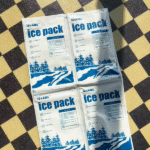
Ein Gefrier-Gelstein lässt sich am besten als kontrollierte Kältequelle für passive Verpackungen verstehen. Es kann bei der Milchverteilung sehr effektiv sein, wenn die Nutzlast einen vorübergehenden Wärmeschutz benötigt und der Betrieb vorkonditioniert werden kann, Ort, und gehen Sie konsequent mit der Packung um.
Es handelt sich nicht automatisch um eine Vollständigkeit temperaturgesteuertes Versandsystem, und es ist nicht automatisch für jede Nutzlast geeignet. Molkereiprodukte benötigen oft einen stabilen Kühltransport, kein versehentliches Einfrieren. Ein starrer Ziegelstein kann Abstand und eine gleichmäßige Stapelung schaffen, Der direkte Kontakt mit frostempfindlichen Verpackungen erfordert jedoch weiterhin Aufmerksamkeit. Die richtige Entscheidung kommt vom passenden Kältemittel, Isolierung, Route, und Betriebsdisziplin.
Die Lebensmittelverteilung bringt ihre eigene Disziplin mit sich. Hygienevorschriften für den Transport konzentrieren sich auf die ordnungsgemäße Kühlung von Lebensmitteln und den Schutz vor Kontamination während des Transports. In der Praxis, Das bedeutet, dass Käufer nicht nur die Wartezeit in Betracht ziehen sollten, sondern auch Auslaufsicherheit, Kondensationsmanagement, Kartonintegrität, und wie einfach das Kühlmittel in stark ausgelasteten Verpackungslinien bereitgestellt werden kann.
Wie die Leistung wirklich bestimmt wird
Kommerzielle Produkte auf dem Markt zeigen, wie breit die Kategorie wirklich ist. Standardmäßig gekühlte Gele basieren üblicherweise auf einem 0°C-Phasenprofil für die gekühlte Verteilung, Während spezielle Tiefkühlrezepte den Gefrierpunkt für Programme mit niedrigeren Temperaturen auf etwa -23 °C senken können. Auch in der öffentlichen Produktliteratur sind Unterschiede in der Konstruktion erkennbar: Einige Packungen sind mit dicken Polyethylenfolien umwickelt 4 Mil, andere verwenden durchstichfeste Nylonlaminate, und einige schweißfreie Designs verfügen über eine absorbierende Außenschicht, um die Kondensation zu kontrollieren. Auf dem Markt sind auch präzisere Gele im PCM-Stil mit kontrollierten Kühlsollwerten wie 3 °C erhältlich, 5°C, 7°C, oder sogar 17°C, wenn das Ziel darin besteht, vor Unterkühlung zu schützen und nicht nur kalt zu bleiben.
Konditionierung ist wichtiger, als viele Käufer erwarten. Eine gute Gelpackung kann immer noch schlecht funktionieren, wenn sie ungleichmäßig gefroren ist, warm geladen, oder zu lange vor der Montage inszeniert. In den auf dem Markt veröffentlichten Betriebsleitfäden wird oft empfohlen, Packungen flach bei etwa -18 °C oder darunter einzufrieren 12 Zu 24 Std., Anschließend wird der Versender nach einem definierten Pack-Out-Muster aufgebaut. Dieser Prozess klingt einfach, aber es ist der Punkt, an dem Beständigkeit gewonnen oder verloren wird. Möglicherweise bieten zwei Lieferanten Packungen mit ähnlichen Abmessungen an, Dennoch kann man klarere Konditionierungsanweisungen geben, strengere Kontrolle des Füllgewichts, und stabilere Wiederholungsleistung.
Die Geometrie verändert das thermische Verhalten genauso wie die Chemie. Eine sehr dünne Packung ermöglicht einen schnellen Oberflächenkontakt, schmilzt aber auch schneller. Ein dickerer Ziegel speichert mehr Kälteenergie, benötigt aber mehr Platz und kann in der Nähe der Nutzlast stärkere Temperaturgradienten erzeugen. Aus diesem Grund ist der richtige Gefrier-Gelstein in der Regel derjenige, der zur Produktanordnung im Versandbehälter passt. Wenn der Karton enge Seitenspalte aufweist, Eine flache Seitenwand funktioniert möglicherweise besser als ein überfüllter Kissenbeutel. Wenn die Nutzlast schwer und gestapelt ist, Ein halbstarrer Ziegelstein kann sauberere Schichten und eine vorhersehbarere Trennung erzeugen.
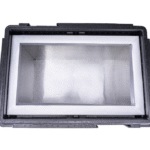
Für regulierte oder hochwertige Sendungen, Das Kühlmittel sollte als Teil des gesamten passiven Systems bewertet werden. Das bedeutet die äußere Box, Isolierung, Nutzlast, Abstandsmaterial, und Logger-Platzierung gehören alle in die gleiche Konversation. Die GDP-Leitlinien der WHO und der EU für den Arzneimittelvertrieb legen Wert auf die Aufrechterhaltung der erforderlichen Temperatur während des Transports und die Vermeidung des direkten Kontakts zwischen Kühlakkus und Produkten, die gefrieren könnten. Mit anderen Worten, Ein starker Rucksack ist nützlich, Zu einer zuverlässigen Lösung wird es aber erst, wenn es auf die reale Route und die reale Produktempfindlichkeit abgestimmt ist.
So vergleichen Sie Formate und Konstruktionen
Die Materialwahl ist nicht kosmetisch. Auf dem Markt, Produkte aus gekühlten Gefriergelsteinen basieren häufig auf Gelsystemen auf Wasserbasis, die mit Wirkstoffen wie Zellulosederivaten oder ähnlichen Stabilisatoren verdickt sind, damit die Füllung verteilt bleibt und nicht wie freie Flüssigkeit schwappt. Diese Formulierung wird dann mit einer Folie oder einem Laminat kombiniert, die das Einfrieren überstehen müssen, Dichtungsstress, Kartonabrieb, und wiederholte Handhabung. Für eine risikoarme Anwendung kann ein einfacher Polyethylenbeutel ausreichend sein, während eine Nylon-Laminat-Struktur für eine bessere Durchstoßfestigkeit auf schwierigeren Routen sorgen kann. Einige Rucksäcke verfügen über eine absorbierende Außenschicht, um die Oberflächenfeuchtigkeit zu regulieren. Käufer sollten diese als funktionale Designentscheidungen betrachten, nicht so kleine ästhetische Unterschiede.
Flexible Beutel nutzen im Allgemeinen den Platz gut aus und passen sich der Nutzlast an. Ziegel sorgen für eine sauberere Stapelung und eine klarere Trennung. Decken- oder Wickelformate können eine größere Oberfläche abdecken und eignen sich für Flaschen oder schmale Kartons. Kein einzelnes Format gewinnt auf jeder Spur. Die bessere Frage ist, welche Konstruktion die Art und Weise unterstützt, wie Ihr Packout tatsächlich zusammengebaut und geöffnet wird.
Worauf es bei Ihrer Bewerbung ankommt
Milchstraßen belohnen Beständigkeit. Ein starrer oder halbstarrer Gelstein wird oft gewählt, weil er sich sauber stapeln lässt, schafft definierten Abstand zwischen Produkt und Kühlmittel, und erleichtert das Wiederholen des Auspackens über mehrere Behälter hinweg, Kisten, oder isolierte Kartons. Für Käse, kultivierte Milchprodukte, Desserts, und Milchpackungen mit kurzer Haltbarkeit, Diese Wiederholbarkeit kann wichtiger sein als die theoretische Haltezeit, da die gleiche Verpackung in einem geschäftigen Betrieb hunderte Male zusammengestellt werden kann.
Das Risikoprofil ist differenziert. Viele gekühlte Milchprodukte vertragen Hitze nicht gut, einige werden aber auch durch direktes Einfrieren an der Produktoberfläche beschädigt. Ein Brick-Format kann Abhilfe schaffen, da es sich mit Trays leichter von der Nutzlast trennen lässt, Trenner, oder obere und untere Schichten. Trotzdem, Käufer sollten sich vergewissern, ob die vorgesehene Spur wirklich gekühlt ist, Kurzfristiges Paket, oder gemischte Zustellung auf der letzten Meile, denn jedes Modell belastet das Kühlmittel unterschiedlich.
Der Gehäusepreis ist wichtig, aber die Lieferkosten ändern oft die Rangfolge. Eine günstigere Packung, die mehr Einheiten pro Versender benötigt, erzeugt ein höheres Frachtgewicht, oder fährt mehr Sommer-Add-Ons kosten möglicherweise mehr als ein besser abgestimmtes Format. Das Gleiche gilt, wenn der Vorgang zusätzliche Arbeit erfordert, um Pakete zu trennen, Kondenswasser abwischen, oder beschädigte Kartons nacharbeiten. Beschaffungsteams erhalten oft eine klarere Antwort, wenn sie die gesamten Verpackungskosten und die Ausnahmekosten vergleichen, anstatt nur den Stückpreis.
Was Käufer prüfen sollten, bevor sie eine Großbestellung aufgeben
Für eine Produktionsentscheidung, Die Auswahlliste sollte praktische Fragen beantworten, nicht nur Produktfragen:
Innen- und Außenmaße: Überprüfen Sie beide, weil kleine Maßabweichungen die Passform des Kartons verändern, Produktabstand, und Loggerplatzierung.
Nutzbare thermische Masse: Nennfüllgewicht erfragen, Toleranz, und ob der Lieferant das Gewicht während der Produktion automatisch prüft.
Materialkonstruktion: Bestätigen Sie den Film- oder Laminattyp, Dicke, Dichtungslayout, und Durchstoßfestigkeit, vor allem, wenn Packungen an Flaschen reiben, Ecken, oder Einlagen.
Formatverhalten: Bestätigen Sie, ob die Packung starr bleiben muss, halbstarr, oder flexibel nach dem Auftauen, und wie dieses Verhalten Ihr Auspacken unterstützt.
Konsistenz zwischen Muster und Produktion: Stellen Sie sicher, dass die Produktionspackung dieselbe Gelformulierung verwendet, Film, und Siegel als genehmigtes Muster.
Hilfreiche Entscheidungshilfen
Überprüfen Sie die Details, bevor Sie sich für die Verpackung entscheiden
Mit diesen schnellen Tools können Sie das Routenrisiko vergleichen, Größenanforderungen, Kühlmittelauswahl, und Verpackungsdetails, bevor Sie ein Angebot anfordern.
Trockeneisrechner
Schätzen Sie vor dem Verpacken den Bedarf an Trockeneis für gefrorene oder ultrakalte Sendungen.
Schätzen Sie TrockeneisFallfestigkeit des Isolationsmaterials
Überprüfen Sie die Fallfestigkeit und die Handhabungsfaktoren, bevor Sie Isoliermaterialien auswählen.
Widerstand prüfenRoutenrisiko-Prüfer
Überprüfen Sie die Fahrspurbedingungen, bevor Sie die Verpackung entsprechend den tatsächlichen Betriebsanforderungen auswählen.
Routenrisiko prüfenKontrolle ändern: Vor jeder Änderung der Gelformulierung ist eine Benachrichtigung erforderlich, Film, Abmessungen, oder Packgewicht, denn diese Verschiebungen können die Feldleistung verändern.
Hygiene- und Leckagekontrolle: für Essen, medizinisch, und Laborarbeiten, Fragen Sie, wie die Packung gereinigt wird, gepackt, und vor dem Gebrauch vor Undichtigkeiten oder Verunreinigungen geschützt werden.
Kennzeichnung und Rückverfolgbarkeit: Fragen Sie nach der Loscodierung, Kartonetiketten, und Dokumentation, mit der Sie die Verpackung bis zu einer Produktionscharge zurückverfolgen können.
MOQ, Vorlaufzeit, und benutzerdefinierte Optionen: Mindestbestellmengen verstehen, Druckoptionen, und wie der Lieferant mit dringendem Nachschub oder Pilotmengen umgeht.
Streckentauglich: Teilen Sie dem Lieferanten Ihr tatsächliches Temperaturziel mit, Transitdauer, Isolationstyp, und Nutzlastanordnung statt nach einer allgemeinen Empfehlung zu fragen.
Scale-up-Disziplin: Vergleichen Sie, wie der Lieferant Pilotaufträge verwaltet, erste Produktionsläufe, und laufende Qualitätskontrollen, anstatt nur auf den Gehäusepreis zu achten.
Eine Auswahlliste sollte auf der Grundlage von Beweisen erstellt werden, nicht aus Katalogfotografie. Die beste Reihenfolge ist normalerweise einfach: Überprüfen Sie die Abmessungen und Füllgewichte, Testen Sie das Konditionierungsverhalten, Führen Sie einen kleinen, auf Loggern basierenden Spurversuch durch, Vergleichen Sie dann, wie die Beispielleistung mit der Produktionsdokumentation übereinstimmt. Dieser Prozess filtert schnell Lieferanten heraus, die Lagerpackungen verkaufen können, aber keine wiederholbare Kühlkettenausführung unterstützen können.
Bevor Sie eine Großbestellung aufgeben, Es ist hilfreich, die Probe als Prozessprobe und nicht als Verkaufsprobe zu behandeln. Messen Sie es, Wiege es, Frieren Sie es so ein, wie Ihre Website es wirklich einfriert, und verpacken Sie es genau in den Versanddienstleister, den Sie verwenden möchten. Dieser schnelle Überprüfungsschritt erkennt viele Probleme frühzeitig: überfüllte Beutel, Inkonsistente Siegelränder, umständliche Passform im Karton, und unrealistische Annahmen zur Gefrierschrankwende.
Operative Fehler, die es zu vermeiden gilt
Der erste häufige Fehler besteht darin, nur nach Gewicht zu kaufen. Ein schwererer Rucksack ist nicht automatisch besser, wenn seine Form Volumen verschwendet, drückt das Produkt gegen eine Kartonwand, oder es entsteht ein Einfrieren des Kontakts. Der zweite Fehler besteht darin, anzunehmen, dass die gleiche Auslagerung das ganze Jahr über funktioniert. Auf realen Strecken, Winter, Nebensaison, und Sommer erfordern oft eine andere Konditionierung oder Rucksackplatzierung. Der dritte Fehler besteht darin, ein Muster zu genehmigen und dann zu vergessen, die Produktionsspezifikation zu sperren.
Ein weiterer vermeidbarer Fehler besteht darin, die Verfügbarkeit im Inland als Eignungsnachweis zu betrachten. Schneller Nachschub ist hilfreich, Es beantwortet jedoch nicht, ob das Kühlmittel dem tatsächlichen thermischen Risiko entspricht.
Die Hauptfehlerarten sind vorhersehbar. Packungen können unterkühlt sein, warm geladen, durch scharfe Ecken durchstochen, im Gefrierschrank zu eng gestapelt, oder direkt an einer frostempfindlichen Nutzlast platziert werden. Bei niedrigen Temperaturen kann sich die Filmsteifigkeit ändern, und wiederholte Wiederverwendung kann schließlich die Versiegelung schwächen. Kondensation kann gewellte oder nasse bedruckte Einlagen aufweichen. Keines dieser Probleme ist ungewöhnlich, aber jeder einzelne Schritt sollte geplant werden, bevor die Großbestellung genehmigt wird.
Ein erster Produktionsauftrag sollte sich wie ein kontrollierter Rollout verhalten. Bestätigen Sie die Kapazität des Gefrierschranks, Konditionierungszeit, Anweisungen zum Zusammenbau des Kartons, Arbeiterschulung, und Erhalt von Schecks vor Volumenskalierungen. Wenn mehrere Standorte die Sendung zusammenstellen, Stellen Sie sicher, dass jede Site dasselbe Konditionierungsfenster und dieselbe Platzierungskarte verwendet. Diese einfache Disziplin verhindert oft das Muster, dass ein Standort eine gute Leistung meldet und ein anderer vermeidbare Abweichungen verzeichnet.
Nachhaltigkeitsentscheidungen funktionieren am besten, wenn sie praktisch bleiben. Im geschlossenen Kreislauf sind Mehrwegverpackungen sinnvoll, interne Rückkehr, oder eine wiederholte lokale Route existiert tatsächlich. Für den Paketverkehr in eine Richtung, Käufer können sich Drain-Safe ansehen, Papier-Weiterleitung, oder Optionen mit geringerem Kunststoffgehalt, Diese Alternativen müssen jedoch weiterhin die Nutzlast schützen und der normalen Handhabung standhalten. Ziel ist es nicht, den modischsten Nachhaltigkeitsanspruch zu wählen. Ziel ist es, vermeidbaren Abfall zu reduzieren, ohne dass es zu Produktverlusten kommt, Temperaturbeschwerden, oder mehr Umpacken.
Häufig gestellte Fragen
Was ist die erste Frage, die Sie beantworten müssen, bevor Sie sich für eine Gelpackung entscheiden??
Definieren Sie zunächst die Temperaturanforderung für die Nutzlast. Ohne das, Packformat, Packung, und Konditionierungsanweisungen sind alles Vermutungen.
Kann ein Packformat jede Saison bewältigen??
Manchmal kurz, risikoarme Routen, Bei vielen Programmen sind jedoch saisonale Anpassungen der Packungsanzahl erforderlich, Platzierung, oder Konditionierung, um zuverlässig zu bleiben.
Was unterscheidet einen starken Lieferanten von einem einfachen Lagerverkäufer??
Ein starker Lieferant kann den Aufbau des Rucksacks erklären, Halten Sie die Produktion konstant, Unterstützung des kontrollierten Rollouts, und klar reagieren, wenn sich die Route oder das Produkt ändert.
Ein praktisches Fazit
Der nützlichste Gefrier-Gelstein ist nicht derjenige mit den lautesten Ansprüchen. Es ist dasjenige, das zur Nutzlast passt, das Auspacken, und die betriebliche Realität Ihrer Route. Das ist der Maßstab, an dem es sich zu orientieren gilt, wenn man Hersteller vergleicht, Großhändler, oder benutzerdefinierte Optionen.
Die beste Entscheidung für Gefriergelsteine ist normalerweise die, die drei Dinge miteinander verbindet: das richtige thermische Verhalten, das richtige physische Format, und die richtige Betriebsdisziplin. Im Milchvertrieb, Käufer erzielen bessere Ergebnisse, wenn sie Lieferanten hinsichtlich der Spezifikationskontrolle vergleichen, Konditionierung der Klarheit, und Routenanpassung statt nur auf kalter Sprache.
Über Tempk
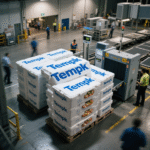
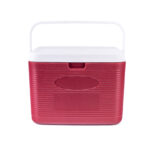
Wir sind Tempk, eine Marke von Shanghai Tempk Industrial Co., Ltd., Der Schwerpunkt liegt auf Temperaturkontrollprodukten für den geschäftlichen und täglichen Gebrauch. Unser Sortiment umfasst Gel -Eisbeutel, Trockeneisbeutel, Gefrier-Eissteine, Isoliertaschen, EPP Cooler Boxen, Thermoboxauskleidungen, Palettenabdeckungen, und medizinische Transportverpackungen. Diese Breite ist nützlich, wenn bei einem Projekt das Kältemittelformat und die Außenverpackung zusammenarbeiten müssen und nicht als separate Entscheidungen getroffen werden müssen.
Nächster Schritt
Wenn Sie eine neue Spur oder einen Großeinkauf in Betracht ziehen, Bitten Sie um eine Orientierung basierend auf dem Temperaturband, Transitzeit, und Auspackstruktur, die Sie tatsächlich verwenden. Eine klarere Spezifikation zu Beginn verhindert in der Regel teures Ausprobieren später.