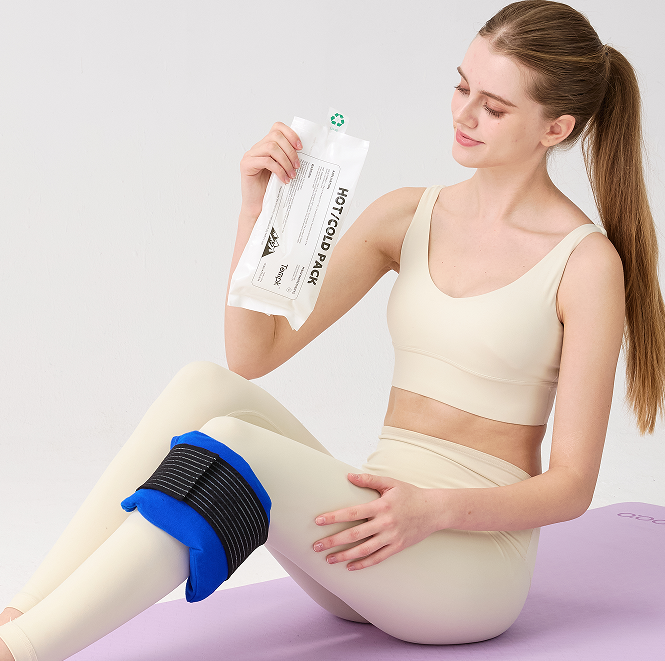
Auswahl der richtigen Gel-Gefrierverpackungen für den Kosmetikversand
If you are evaluating gel Gefrierbeutel for cosmetics shipping, Der richtige Ausgangspunkt besteht darin, das Versandproblem zu definieren, bevor Sie das Paket definieren. In den meisten Kaufsituationen, the goal is reducing heat exposure that can destabilize sensitive cosmetic formulas while keeping the unboxing experience clean and commercially acceptable. Ein gutes Kältemittelformat sollte diesen Schutz ohne unnötiges Gewicht bieten, vermeidbares Chaos, oder versteckte betriebliche Komplexität.
Cosmetics are not all true cold-chain products, but many formulas suffer from summer heat, prolonged parcel dwell, or temperature spikes that can separate emulsions, soften balms, distort sticks, or stress active ingredients. A freezer pack can help only when its temperature, Platzierung, and condensation behavior match the formula. Die zuverlässigsten Kaufentscheidungen ergeben sich daraus, das Gelpack als Teil eines Gesamtsystems zu betrachten und dann zu prüfen, ob der Lieferant diesen Teil im großen Maßstab konsistent halten kann.
Das bedeutet, dass man sich das Temperaturziel ansieht, Packungsgeometrie, Konditionierungsmethode, Packungsplatzierung, Streckenbelichtung, und Lieferantenänderungskontrolle gemeinsam. Sobald diese Teile klar sind, Es wird viel einfacher zu entscheiden, ob es sich um einen Standard-Gelbeutel handelt, ein starrer Ziegelstein, oder ein PCM-basiertes Format ist die bessere Lösung.
Beginnen Sie mit der richtigen Definition
A gel freezer pack for cosmetics shipping is a coolant component designed to slow temperature rise or support a defined shipping window inside a larger packout. In der Praxis, Es kann sich um einen Standard-Gelbeutel handeln, ein schmaler Einsatz, ein starrer Ziegelstein, oder ein Phasenwechselformat, das für eine spezifischere Zieltemperatur ausgewählt wird.
Es ist nicht dasselbe wie ein voll qualifizierter isolierter Versender. Die Packung hilft, aber das Endergebnis hängt immer noch von der Isolierung ab, Produktladung, Umgebungseinflüsse, Konditionierung, und Packungsplatzierung. Bei guten Kaufentscheidungen bleibt die Systemsicht von Anfang an im Fokus.
Thermisches Verhalten und Compliance-Grenzen
Bevor Sie einen Lieferanten genehmigen, Stellen Sie sicher, dass die Kältemittelstrategie tatsächlich mit dem angestrebten Versandfenster übereinstimmt. Für diese Kategorie, that usually means supporting heat protection or chilled transit depending on product sensitivity, often with caution against over-cooling with a pack that can be conditioned repeatably and loaded the same way by operators on every shift.
Es ist auch wichtig, die thermische Leistungsfähigkeit von regulatorischen oder qualitätsbezogenen Schlussfolgerungen zu trennen. Ein gut gemachter Rucksack kann für die Route trotzdem falsch sein, und eine technisch geeignete Verpackung kann noch eine weitere Verpackungsqualifizierung erfordern, Überwachung, oder Dokumentation, bevor es in einem sensiblen Programm verwendet wird.
Cosmetics rarely need the same regulated cold-chain controls as vaccines or clinical samples, but brands still need a realistic temperature protection strategy for the actual shipping lane.
Claims about product stability should come from the cosmetic brand or formula owner, not from the coolant supplier alone.
Formate, Materialien, und Temperaturstrategie
Formate und Materialien sollten gemeinsam beurteilt werden, denn auch eine große Packung mit der falschen Folie kann scheitern, während ein haltbarer Rucksack mit der falschen Geometrie Platz und Kältemasse verschwenden kann.
Many cosmetic shipments use water-based Gelpackungen because they are familiar, leicht zu konditionieren, and available in slim pouch formats.
For freeze-sensitive formulas, a PCM pack that changes phase above 0 C may be more appropriate than a standard hard-frozen gel pack.
Film choice affects feel, Durchstoßfestigkeit, and whether the cold pack looks premium or purely industrial.
In den meisten Sourcing-Projekten, Die beste Probe ist diejenige, die die thermische Belastung ausgleicht, Einfache Verpackungslinie, und Schadensresistenz zugleich. Ein Rucksack, der nur in einem dieser Bereiche herausragend ist, wird später oft teuer.
Passende Anwendungen und Betriebskontexte
Die beste Anwendungsanpassung ergibt sich aus der Abstimmung des Kühlmittels auf das Versandmuster, nicht aus der Annahme, dass ein erfolgreicher Test jede Spur abdecken kann. Dies sind die häufigsten Anwendungsfälle, die Käufer zuerst bewerten.
Viele Unternehmen stellen schließlich fest, dass Dual-SKU- oder Saisonstrategien einen einheitlichen Ansatz übertreffen, insbesondere wenn die Streckenbedingungen variabel sind.
Summer parcel protection for serums, Cremes, Masken, and beauty tools. Here the pack is usually buffering heat risk and presentation risk at the same time, not acting as a heavy-duty pharmaceutical coolant.
Temperature-sensitive skin care lines with active ingredients or lower heat tolerance. Here the pack is usually buffering heat risk and presentation risk at the same time, not acting as a heavy-duty pharmaceutical coolant.
Subscription boxes and influencer kits where package appearance matters. Here the pack is usually buffering heat risk and presentation risk at the same time, not acting as a heavy-duty pharmaceutical coolant.
Regional fulfillment of premium cosmetics that cannot tolerate melt, Leckage, or texture change. Here the pack is usually buffering heat risk and presentation risk at the same time, not acting as a heavy-duty pharmaceutical coolant.
Praxisszenarien und Routenentscheidungen
Echte Kaufentscheidungen verbessern sich, wenn die Packung im Kontext beurteilt wird. Die folgenden Szenarien erfassen die Fragen, die Käufer normalerweise beantworten müssen.
A vitamin C serum mailer may need only short-duration heat buffering in summer, not an aggressively frozen pack that chills the glass bottle far below the formula comfort zone.
A wax-based balm assortment can survive mild temperature swings but still arrive distorted if the box sits in a hot van. In diesem Fall, modest coolant plus good insulation can be more effective than oversized gel mass.
Many beauty brands split packouts by season rather than treating cosmetics as either ambient or full Kühlkette.
Eine praktische Lieferanten-Checkliste für Großbestellungen
Wenn der Kauf für den Hersteller erfolgt, Anbieter, oder Großhandelsnutzung, Am nützlichsten ist es, frühzeitig operative Fragen zu stellen. Das spart Zeit, reduziert die Probenverwälzung, und vermeidet Überraschungen im Spätstadium.
Hilfreiche Entscheidungshilfen
Überprüfen Sie die Details, bevor Sie sich für die Verpackung entscheiden
Mit diesen schnellen Tools können Sie das Routenrisiko vergleichen, Größenanforderungen, Kühlmittelauswahl, und Verpackungsdetails, bevor Sie ein Angebot anfordern.
Boxliner & Dimensionierung der Palettenabdeckung
Überprüfen Sie die Größenlogik für Kartoneinlagen und Palettenabdeckungen für isolierte Verpackungsprojekte.
Schätzen Sie die GrößeTrockeneisrechner
Schätzen Sie vor dem Verpacken den Bedarf an Trockeneis für gefrorene oder ultrakalte Sendungen.
Schätzen Sie TrockeneisRoutenrisiko-Prüfer
Überprüfen Sie die Fahrspurbedingungen, bevor Sie die Verpackung entsprechend den tatsächlichen Betriebsanforderungen auswählen.
Routenrisiko prüfenZumindest, Ihre Lieferantenbewertung sollte interne und externe Dimensionen abdecken, nutzbare Kaltmasse, Materialkonstruktion, Konditionierungsmethode, Stapelbarkeit oder Lagereffizienz, Hygiene oder Reinigungsfähigkeit, sofern relevant, Unterstützung bei der Kennzeichnung und Rückverfolgbarkeit, und die Konsistenz der Muster-zu-Produktions-Ausgabe. Wenn der Lieferant diese Punkte nicht klar beantworten kann, Das Risiko teurer Versuche und Irrtümer steigt schnell.
Ask whether the manufacturer offers softer Kaltpackungen, PCM-style packs, or no-sweat options better suited to cosmetics than a hard-frozen standard pack. Es handelt sich um einen praktischen Filter zur Trennung leistungsfähiger Anbieter von ähnlichen Angeboten.
Check film clarity, Nahtqualität, and leak resistance because cosmetic packaging is highly sensitive to presentation defects. Es handelt sich um einen praktischen Filter zur Trennung leistungsfähiger Anbieter von ähnlichen Angeboten.
Review thickness and flexibility so the pack works inside premium cartons without distorting inserts or causing closure problems. Es handelt sich um einen praktischen Filter zur Trennung leistungsfähiger Anbieter von ähnlichen Angeboten.
Request seasonal test samples using your real product load, not only an empty carton. Es handelt sich um einen praktischen Filter zur Trennung leistungsfähiger Anbieter von ähnlichen Angeboten.
Confirm whether the supplier can support private labeling, Sondergrößen, or color choices that fit branded unboxing programs. Es handelt sich um einen praktischen Filter zur Trennung leistungsfähiger Anbieter von ähnlichen Angeboten.
Ask how pack conditioning should change between mild and high-heat seasons. Es handelt sich um einen praktischen Filter zur Trennung leistungsfähiger Anbieter von ähnlichen Angeboten.
Fehler, die Kosten verursachen, Schaden, und Ausflüge
Der einfachste Weg, Geld zu verschwenden Kühlkettenverpackung besteht darin, das falsche Problem zu beheben. Viele Sendungen sind überpackt, nicht ausreichend getestet, oder auf die falsche Kältemittelfamilie abgestimmt. Das sind die Fehler, die am wichtigsten sind.
In der Praxis, Bessere Ergebnisse werden in der Regel durch strengere Spezifikationen und einfachere Bedienungsanleitungen erzielt, nicht durch endloses Hinzufügen weiterer kalter Masse.
A very cold pack can be the wrong choice for emulsions or formulas that should be kept cool but not exposed to freezing surfaces. Ein gutes Verpackungsdesign und eine klare Lieferantenkommunikation sollten dieses Risiko vor der Markteinführung verringern, nicht nach Auftreten von Beschwerden.
Condensation control matters because damp cartons and labels can damage brand presentation. Ein gutes Verpackungsdesign und eine klare Lieferantenkommunikation sollten dieses Risiko vor der Markteinführung verringern, nicht nach Auftreten von Beschwerden.
The right solution varies by formula, Packungsgröße, und Spur. Many cosmetics need heat buffering rather than aggressive refrigeration. Ein gutes Verpackungsdesign und eine klare Lieferantenkommunikation sollten dieses Risiko vor der Markteinführung verringern, nicht nach Auftreten von Beschwerden.
Effizienz, Nachhaltigkeit, und Gesamtbetriebskosten
Sustainability discussion around gel freezer pack for cosmetics shipping is becoming more practical. Käufer fragen nicht nur, woraus die Packung besteht, sondern auch, ob das Format die Boxgröße reduziert, vermeidet Rücksendungen, Passend für Rücklaufschlaufen, und schneidet unnötige kalte Masse ab.
Because beauty packaging is design driven, some brands prefer slimmer coolant, reduced box size, and reusable inserts over simply adding more cold mass.
Recyclability and recycled content are growing evaluation points, especially when they do not compromise appearance or leak resistance.
Beauty e-commerce has increased demand for cleaner-looking, lower-condensation coolant formats that protect appearance as well as product integrity.
FAQ
Diese kurzen Antworten decken die Fragen ab, die eine Beschaffungsentscheidung am häufigsten verlangsamen.
Do cosmetics always need freezer packs in summer?
NEIN. Many need heat buffering rather than deep cooling. The right answer depends on formula sensitivity, Transitzeit, and packaging design.
Can a colder pack damage cosmetics?
Ja. Some emulsions, Masken, and active-rich products can suffer from over-cooling or direct contact with frozen surfaces.
What is the biggest sourcing mistake for cosmetic cold packs?
Using a generic pack without testing condensation, Präsentation, and actual formula response in the finished packout.
Letzte Erkenntnisse
The most effective way to source gel freezer packs for cosmetics shipping is to define the shipment first, dann das Kältemittel. Sobald Sie das tatsächliche Temperaturziel kennen, Streckenbelichtung, Packout-Geometrie, und Handhabungsmethode, Der Lieferantenvergleich wird deutlich präziser.
Für Kosmetik, Starke Ergebnisse werden normalerweise mit Packungen erzielt, die leicht zu konditionieren sind, konsistent in Größe und Füllung, robust genug für die Route, und ehrlich darüber, was sie tun können und was nicht. Diese Kombination ist normalerweise wertvoller als die aggressivste Erkältungsaussage auf dem Markt.
Warum Stichprobentests den realen Betrieb widerspiegeln sollten
Die Probenüberprüfung sollte immer über einen einfachen Freeze-and-Feel-Test hinausgehen. Für Kosmetik, Der sinnvollere Ansatz besteht darin, die Packung im tatsächlichen Versender mit echten Produkten oder realistischen Ersatznutzlasten zu testen, Verwendung des gleichen Konditionierungsfensters und Lademusters, das für den Live-Betrieb geplant ist.
Ein solcher Versuch zeigt schnell, ob das Format zu sperrig ist, zu zerbrechlich, zu kalt am Anfang, oder zu inkonsistent auf der Linie. Außerdem verrät es praktische Details, etwa ob die Packung beim Verschließen stört, Verschiebungen im Transit, oder es entsteht bei der Lieferung vermeidbare Kondensation.
Wenn Lieferanten diesen Prozess gut unterstützen, Sie bieten in der Regel klarere Konditionierungsanweisungen, stabilere Abmessungen, und bessere Abstimmung zwischen Probenmaterial und Produktionsmaterial. Diese Details reduzieren später kostspielige Überraschungen.
Über Tempk
Und Tempk, wir konzentrieren uns auf Temperaturkontrollierte Verpackung Und Kühlkettenversand Materialien. Gegründet in 2011, Wir bieten Produkte wie Kühlakkus an, Eisziegel, Trockeneisbeutel, PCM-Materialien, Isoliertaschen, Boxliner, Kühlboxen, und Palettenabdeckungen für die Lebensmittel- und Pharmalogistik. Wir arbeiten mit Kunden zusammen, die eine auf den tatsächlichen Temperaturbereich abgestimmte Verpackung benötigen, Transitdauer, und Handhabungsbedingungen der Sendung, mit Anpassungsmöglichkeiten, wenn Standardformate nicht die beste Lösung sind.
Nächster Schritt
If you are comparing options for gel freezer pack for cosmetics shipping, Fragen Sie uns nach Ihrer Zieltemperatur, Transitdauer, Packout-Format, und Bedarf an Großlieferungen. Wir können Ihnen dabei helfen, einen praktischen Verpackungsansatz festzulegen, bevor Sie sich auf eine Großbestellung festlegen.