Um Kuchen frisch und schön zu halten, kommt es nicht nur auf die Backfähigkeiten an, sondern auch auf das Meistern Kühlkettenlogistik für Kuchen. Wenn verderbliche Desserts wie Sahnegebäck oder Obsttorten den Ofen verlassen, Sie müssen einen temperaturkontrollierten Weg von der Produktion bis zur Lagerung durchlaufen, Transport, Display und schließlich auf dem Teller Ihres Kunden. Jeder Fehler kann zum Verderb führen, matschiger Zuckerguss oder gefährliches Bakterienwachstum. Dieser Leitfaden, aktualisiert im Dezember 2025, erklärt, warum Temperaturkontrolle und Feuchtigkeitsmanagement von entscheidender Bedeutung sind, wie Sie eine nahtlose Kühlkette für Kuchen aufbauen und was neue Technologien und Vorschriften für Ihr Unternehmen bedeuten. Ob Sie eine Konditorei betreiben, Cafe, Hotel- oder Gastronomiebetrieb, Sie erfahren, wie Sie die Produktqualität schützen können, einhalten 2025 Gesetz zur Modernisierung der Lebensmittelsicherheit (FSMA) Updates und Nutzung von Innovationen wie IoT und Blockchain.
Dieser Ratgeber wird Ihnen dabei helfen:
Verstehen Sie, warum die Integrität der Kühlkette für die Qualität und Sicherheit von Kuchen wichtig ist, und die mit den Temperaturen verbundenen Risiken 5 °C–63 °C Gefahrenbereich.
Erfahren Sie die empfohlenen Temperatur- und Luftfeuchtigkeitsbereiche für die Kuchenzubereitung, Lagerung, Anzeige und Transport, mit praktischen Tipps zum schnellen Abkühlen, Kühllagerung und Einfrieren.
Meistern Sie den sicheren Transport von Kuchen Verwendung vorgekühlter Fahrzeuge, Isolierte Behälter, Routenoptimierung und Echtzeitüberwachung.
Navigieren 2025 regulatorische Anforderungen, einschließlich FSMA-Transportregeln, Richtlinien der Food Standards Agency und BRCGS-Zertifizierungsanforderungen.
Entdecken Sie neue Technologien und Markttrends, wie IoT-Sensoren, KI-gesteuerte Analysen, Blockchain-Rückverfolgbarkeit und nachhaltige Verpackung, die die Kuchenlogistik neu gestalten.
Erhalten Sie umsetzbare Checklisten und FAQs die Ihnen helfen, Verbesserungen sofort umzusetzen und häufige Fragen zur Kuchenaufbewahrung zu beantworten, Anzeige und Transport.
Warum ist die Temperaturkontrolle bei Kühlkettenkuchen so wichtig? 2025?
Durch die Aufrechterhaltung einer kontinuierlichen Kühlkette bleiben Kuchen sicher und lecker. Kuchen mit Sahne, Vanillesoße oder frisches Obst gelten als Lebensmittel mit hohem Risiko, da sich oben Bakterien schnell vermehren 5 °C; Aufsichtsbehörden warnen davor, dass Lebensmittel darin aufbewahrt werden 5 °C–63 °C Gefahrenzone kann innerhalb von Stunden Krankheitserreger beherbergen. Indem Sie Kuchen unten aufbewahren 5 °C und über dem Gefrierpunkt während der Lagerung und des Transports, Sie hemmen das mikrobielle Wachstum und bewahren gleichzeitig Texturen und Aromen. Regulatorische Aktualisierungen im Jahr 2025 – insbesondere die FSMA-Transportregel – erfordern kalibrierte Sensoren, Datenlogger und Aufzeichnungen. Das bedeutet, dass Bäckereien in jeder Phase Temperaturdaten dokumentieren müssen, sonst riskieren sie Strafen. Eine gut verwaltete Kühlkette schützt die Gesundheit der Verbraucher, Reduziert Abfall und schützt den Ruf Ihrer Marke.
Die Temperatur-Gefahrenzone und sichere Bereiche
| Bühne | Temperaturbereich | Empfohlene Luftfeuchtigkeit | What It Means for You |
| Vorbereitung & Schnelle Abkühlung | Kühlen Sie Kuchen von Backtemperaturen auf unter 4 °C innerhalb von zwei Stunden | Mäßige Luftfeuchtigkeit | Schnelle Abkühlung verhindert mikrobielles Wachstum und bewahrt die Feuchtigkeit |
| Gekühlte Lagerung | 0–4 °C (32–39 °F); Luftfeuchtigkeit ≥ 85 % | Hohe Luftfeuchtigkeit verhindert Risse an der Oberfläche und sorgt für eine weiche Krume | Hält Cremefüllungen sicher und reduziert Abfall |
| Kühlung anzeigen | 2–8 ° C (35.6–46,4 °F) je nach Kuchensorte (frische Sahne 2–4 °C; Schaum 2–6°C; Schmelzpunkt 5–8°C; Fruchtbelag 2–6 °C) | Mäßige Luftfeuchtigkeit | Präsentiert Kuchen attraktiv, hält sie gleichzeitig kühl und verhindert Kondensation |
| Transport (kurze Reisen <2 H) | 8–12 °C für die meisten Kuchen; unten 8 °C für Kuchen auf Sahnebasis | Feuchtigkeitskontrolle durch isolierte Verpackung | Ermöglicht eine sichere Lieferung mit tragbaren Kühlboxen oder Kühltransportern |
| Langzeitgefrieren | ≤ –18 °C (0 ° F) mit geringer Luftfeuchtigkeit | Niedrige Luftfeuchtigkeit | Verlängert die Haltbarkeit von ungefrorenen Kuchen auf bis zu drei Monate |
Mehr als nur Temperatur: Luftfeuchtigkeit und Verpackung
Die Luftfeuchtigkeit ist genauso wichtig wie die Temperatur. Trockene Luft führt dazu, dass Kuchen altbacken werden oder Risse bekommen, während überschüssige Feuchtigkeit zu Durchnässigkeit führt. Zitierte Studien in 2025 Untersuchungen zur Kühlkette zeigen, dass Verpackungen mit Mikroperforationen 85–90 halten können % Luftfeuchtigkeit und reduzieren den Wasserverlust 60 %, Weichheit bewahren. Verwenden Sie luftdichte Boxen oder Frischhaltefolie in Lebensmittelqualität, um die Feuchtigkeit einzuschließen. Wählen Sie Vitrinen mit lüfterunterstützter Kühlung und gehärtetem Glas, um eine gleichmäßige Temperaturverteilung zu gewährleisten und Kondensation zu verhindern.
So lagern Sie Kuchen richtig gekühlt oder gefroren
Die richtige Lagerung ist das Rückgrat der Temperaturkontrolle von Kühlkettenkuchen. Kuchen sind empfindliche Gebilde: Schwammschichten, Buttercremes, Mousses und Fondants reagieren unterschiedlich auf Kälte und Feuchtigkeit. Wenn man sie auf der richtigen Temperatur hält, beugt man nicht nur lebensmittelbedingten Krankheiten vor, sondern bewahrt auch Geschmack und Textur.
Gekühlte Lagerung: Sicherheit und Qualität in Einklang bringen
Verwenden Sie kalibrierte Thermometer: Installieren Sie digitale Thermometer in jedem Kühlschrank und überprüfen Sie die Genauigkeit regelmäßig mit einer separaten Sonde. Die FSMA-Richtlinien erfordern Temperaturprotokolle.
Halten Sie eine hohe Luftfeuchtigkeit aufrecht: Halten Sie die Luftfeuchtigkeit höher 85 %. Stellen Sie einen Behälter mit Wasser in den Kühlschrank oder verwenden Sie Luftbefeuchter.
Organisieren Sie nach Risiko: Trennen Sie die Rohzutaten von den fertigen Kuchen, um Kreuzkontaminationen zu vermeiden.
Halten Sie die Verpackung verschlossen: Verwenden Sie Backkartons oder Frischhaltefolie in Lebensmittelqualität, um Geruchsaufnahme und Feuchtigkeitsverlust zu verhindern.
Einfrieren und Langzeitlagerung
Wickeln Sie nicht gefrorene Kuchen oder Biskuitschichten einzeln in Plastikfolie und Folie ein, bevor Sie sie in luftdichte Behälter legen. Gefrierschränke sollten eine Temperatur von –18 °C oder kälter haben. Vermeiden Sie häufiges Öffnen, um die Temperatur stabil zu halten. Tauen Sie Kuchen im Kühlschrank auf, um Kondensation zu vermeiden.
Schutz von Fondant und Dekorationen
Fondant- und Zuckerdekorationen reagieren empfindlich auf Feuchtigkeit und Temperaturschwankungen. Um Schwitzen zu verhindern:
Stellen Sie Ausstellungs- und Lagerkühlschränke am oberen Ende des sicheren Bereichs ein (5–8 ° C) für Fondantkuchen.
Verwenden Sie Silicagel-Päckchen in Vitrinen, um überschüssige Feuchtigkeit aufzunehmen.
Lassen Sie die Kuchen langsam auf Zimmertemperatur kommen vor dem Servieren, um Kondensation zu vermeiden.
Anwendung in der realen Welt
Eine Boutique-Konditorei implementierte eine Echtzeitüberwachung ihrer Kühl- und Gefrierschränke. Indem Sie mit Sahne gefüllte Kuchen bei 2–4 °C aufbewahren und die Luftfeuchtigkeit überwachen, Sie reduzierten den Verderb um 25 % und verlängerte Haltbarkeit von drei auf fünf Tage. Regelmäßige Logbücher vereinfachten zudem die jährliche Prüfung im Rahmen der BRCGS-Zertifizierung.
So transportieren Sie Kuchen sicher und wahren gleichzeitig die Kühlkette
Der Transport ist oft das schwächste Glied bei der Temperaturkontrolle von Kühlkettenkuchen. Ein schön gekühlter Kuchen kann während einer kurzen Reise bei steigenden Temperaturen verderben. Befolgen Sie diese Richtlinien:
Vorbereitung für den Transport
Kühlen Sie das Fahrzeug vor: Vor dem Laden, Lassen Sie die Klimaanlage oder das Kühlgerät laufen, um den Innenraum nach unten zu bringen 8 °C.
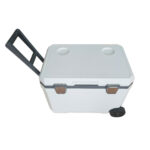
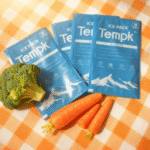
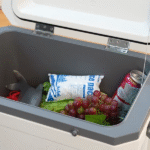
Verwenden Sie isolierte Behälter: Bewahren Sie Kuchen in stabilen Kartons in isolierten Transportboxen oder Kühlboxen auf. Packen Sie Eisbeutel rundherum ein, aber berühren Sie den Kuchen nicht direkt; Halten Sie die Gesamttemperatur bei Kurzstrecken und darunter zwischen 8 und 12 °C 8 °C für Kuchen auf Sahnebasis.
Kuchen auf eine ebene Fläche legen, ebene Fläche: Benutzen Sie den Kofferraum/den Kofferraum statt der Sitze, um ein Umkippen zu vermeiden.
Überwachen Sie mit einem tragbaren Thermometer: Verwenden Sie eine digitale Sonde oder einen drahtlosen Sensor, der mit Ihrem Telefon verbunden ist.
Während des Transits
Routen planen: Nutzen Sie GPS oder Routenplanungstools, um die Reisezeit zu minimieren und Staus zu vermeiden; FSMA-Updates fördern die Routenoptimierung.
Vermeiden Sie direkte Sonneneinstrahlung: Halten Sie Kuchen von der Sonne fern, um heiße Stellen zu vermeiden.
Behälteröffnungen minimieren: Beim Öffnen der Box entweicht kalte Luft; nur bei Bedarf prüfen.
Lieferung und Handhabung
Temperaturkontrolle bei der Ankunft: Verwenden Sie ein sofort ablesbares Thermometer; Kuchen mit hohem Risiko sollten bei oder darunter liegen 5 °C.
Lassen Sie die Kuchen vor dem Servieren ruhen: Für Fondantkuchen, Lassen Sie sie in einem kühlen Raum sitzen (~20 °C) für zumindest 30 Minuten, um Kondensation zu vermeiden.
Beispiel aus der realen Welt: Ein Catering-Unternehmen, das Hochzeitstorten ausliefert, ist auf vorgekühlte Elektro-Kühltransporter umgestiegen 5 °C und gebrauchte maßgeschneiderte Isolierboxen mit Bluetooth-Temperatursensoren. Infolge, Sie haben Beschwerden beseitigt und ihre Fünf-Sterne-Bewertungen verbessert.
Welche Temperatur sollten Kuchenkühlschränke beibehalten??
Präsentationskühlschränke sollten etwas wärmer als Lagerkühlschränke sein, um Kondensation zu vermeiden, aber kühl genug, um ein Verderben zu verhindern. Empfohlene Einstellungen (wie oben zusammengefasst) Für Sahnetorten 2–4 °C einkalkulieren, 2–6 °C für Mousse und Käsekuchen, 5–8 °C für Fondantkuchen und 2–6 °C für Obstkuchen. Vitrinenschränke unterscheiden sich von Aufbewahrungsschränken dadurch, dass sie auf gleichmäßige Kühlung und Ästhetik Wert legen. Investieren Sie in Schränke mit lüfterunterstützter Kühlung, digitale Thermostate und gehärtetes Glas; Reinigen Sie sie regelmäßig und drehen Sie den Vorrat um, um Frostbildung zu vermeiden.
2025 Regulatorische Richtlinien und Standards für die Kontrolle der Kuchentemperatur
FSMA- und BRCGS-Updates
In 2025, die FSMA-Transportregel (Teil des Gesetzes zur Modernisierung der Lebensmittelsicherheit) verschärfte Hygieneanforderungen. Transportunternehmen müssen kalibrierte Sensoren verwenden, Führen Sie Aufzeichnungen und stellen Sie sicher, dass die Kühleinheiten sichere Temperaturen einhalten. Lebensmittelversender und -empfänger müssen schriftliche Verfahren und Schulungsprogramme entwickeln; Nichteinhaltung kann zu Strafen führen. Auch Zertifizierungssysteme wie BRCGS und SQF betonen die Integrität der Kühlkette: Audits prüfen, ob Kuchen bei 0–4 °C gelagert werden, Kühlschränke verfügen über Kalibrierungszertifikate und das Personal führt Protokolle.
Britische und EU-Vorschriften
Die britische Food Standards Agency verlangt, dass Lebensmittel mit hohem Risiko bei oder darunter aufbewahrt werden 5 °C. Lokale Richtlinien empfehlen, Kühlschränke bei 0–5 °C und Gefrierschränke bei –18 °C oder kälter zu betreiben. Kommunalverwaltungen raten oft dazu, nur die Lufttemperatur zu überwachen, Die Lufttemperatur im Kühlschrank sollte kälter sein, um sicherzustellen, dass die Lebensmittel darunter bleiben 8 °C.
FDA-Lebensmittelkodex
Der FDA-Lebensmittelkodex weist darauf hin, dass kalte Speisen bei oder darunter aufbewahrt werden müssen 41 ° F (5 °C). Kuchen mit Milchcreme gelten aus Sicherheitsgründen als Zeit-/Temperaturkontrolle (TCS) Lebensmittel; Der Code erfordert eine Kühlung von 135 °F bis 70 °F innerhalb von zwei Stunden und ab 70 °F bis 41 °F innerhalb von vier Stunden.
Tipps zur Einhaltung gesetzlicher Vorschriften
Schreiben Sie Standardarbeitsanweisungen (Sops): Dokumentieren Sie, wie Kuchen gekühlt werden, gelagert, angezeigt und transportiert; Korrekturmaßnahmen einschließen.
Personal schulen: Stellen Sie sicher, dass jeder die Bedeutung der Temperaturkontrolle versteht und weiß, wie man Thermometer und Logbücher verwendet.
Verwenden Sie kalibrierte Sensoren: Bewahren Sie Kalibrierzertifikate und Protokolle mindestens zwei Jahre lang auf.
Bereiten Sie sich auf Audits vor: Führen Sie Scheinaudits durch, Überprüfen Sie Protokolle und Wartungsaufzeichnungen und aktualisieren Sie die Verfahren regelmäßig.
Neue Technologien und Trends im Temperaturmanagement von Kühlkettenkuchen
Die Kühlkettenbranche erlebt eine digitale Revolution. Innovationen, die einst der Pharmaindustrie vorbehalten waren, erreichen nun auch Bäckereien und Gastronomiebetriebe. Durch den Einsatz von Technologie wird Abfall reduziert, steigert die Qualität und verschafft einen Wettbewerbsvorteil.
IoT-Überwachung, Blockchain und KI
IoT-Sensoren und Echtzeitüberwachung: Geräte für das Internet der Dinge überwachen kontinuierlich die Temperatur, Luftfeuchtigkeit und Standort. Diese Sensoren senden Warnungen, wenn Abweichungen auftreten, um sofortige Korrekturmaßnahmen zu ermöglichen. Sie reduzieren außerdem die manuelle Aufzeichnungsführung und unterstützen die vorausschauende Wartung.
Blockchain -Rückverfolgbarkeit: Blockchain erstellt unveränderliche Aufzeichnungen über jeden Schritt auf dem Weg eines Kuchens. Es erhöht die Transparenz und gewährleistet die Einhaltung der Lebensmittelsicherheitsgesetze, Dies ermöglicht die Rückverfolgbarkeit einer Charge oder Zutat im Falle eines Rückrufs.
KI-gesteuerte Routenoptimierung: Künstliche Intelligenz analysiert Verkehrsmuster, Wetter- und Lieferfenster, um effiziente Routen vorzuschlagen, Reduzieren Sie den Kraftstoffverbrauch und halten Sie Kuchen kühl. In Kombination mit IoT-Daten sagt KI auch Geräteausfälle voraus.
Nachhaltige Verpackung und Solarkühlung
Umweltfreundliche Verpackungen und erneuerbare Energien nehmen immer mehr zu 2025. Unternehmen entwickeln Leichtbau, Isolierbehälter aus biologisch abbaubaren Materialien, einige mit integrierten IoT-Sensoren zur Überwachung von Temperatur und Luftfeuchtigkeit. Solarbetriebene Kühlgeräte erfreuen sich zunehmender Beliebtheit, insbesondere in Regionen mit unzuverlässiger Stromversorgung.
Leichtere Fahrzeuge und Micro Fulfillment
Kühle leichte Nutzfahrzeuge (Leichte Nutzfahrzeuge) entwickeln sich zum am schnellsten wachsenden Segment im Kühlkettentransport. Sie bieten Kraftstoffeffizienz und können durch verstopfte Stadtgebiete navigieren. Mikro-Fulfillment-Center in der Nähe von Kunden verkürzen die Reisewege, Verbesserung der Frische und Reduzierung der Emissionen.
Marktwachstum und globale Chancen
Der globale Kühlkettenmarkt boomt. Precedence Research berichtet, dass die globale Marktgröße für Kühlkettenlogistik betrug USD 436.3 Milliarden in 2025 und wird voraussichtlich erreicht werden USD 1.36 Billionen von 2034 (CAGR 13.46 %). Der asiatisch-pazifische Raum wird voraussichtlich mit der höchsten jährlichen Wachstumsrate (CAGR) wachsen 14.3 %, und das Segment Milchprodukte und Tiefkühldesserts hatte den größten Umsatzanteil 36.1 %. In der Zwischenzeit, Die 2025 Der Leitfaden für Kühlkettenkuchen stellt fest, dass der gesamte Kühlkettenmarkt (Lebensmittel und Arzneimittel) War USD 278 Milliarden in 2023 und wird voraussichtlich erreicht werden USD 428 Milliarden von 2028. Nach dem Weltbäcker Bericht, Der Markt für gewerbliche Kühlung wird voraussichtlich wachsen USD 45.6 Milliarden in 2023 in USD 62.7 Milliarden von 2028, getrieben durch expandierende Einzelhandelsketten und Convenience-Stores. Die Vereinigten Staaten exportierten Backwaren im Wert USD 4.21 Milliarden in 2022, Hervorhebung von Möglichkeiten für den internationalen Kuchenverkauf.
Immer einen Schritt voraus
Um wettbewerbsfähig zu bleiben 2025 und darüber hinaus:
Führen Sie Echtzeitüberwachung und -analysen ein: Integrieren Sie IoT-Sensoren in Kühlschränke, Kühlschränke und Lieferkartons und analysieren Sie die Daten, um Probleme vorherzusagen.
Entdecken Sie erneuerbare Energien: Solarkühlung und energieeffiziente Geräte reduzieren Kosten und CO2-Fußabdruck.
Informieren Sie Ihre Kunden: Fördern Sie Ihr Engagement für Lebensmittelsicherheit, Transparenz und Nachhaltigkeit. Fügen Sie QR-Codes ein, die auf Blockchain-Daten verweisen.
Beteiligen Sie sich an Brancheninitiativen: Treten Sie Handelsverbänden bei und arbeiten Sie mit Lieferanten an Verpackungsinnovationen und neuen Standards zusammen.
Häufig gestellte Fragen
Q1: Müssen alle Kuchen gekühlt werden??
Nicht jeder Kuchen benötigt das gleiche Maß an Kühlung. Biskuitkuchen ohne Sahne sind in einem luftdichten Behälter bei Zimmertemperatur zwei bis drei Tage haltbar. Jedoch, Kuchen mit Sahne, Vanillesoße oder frisches Obst müssen bei 1–5 °C gekühlt und innerhalb von drei bis vier Tagen verzehrt werden. Im Zweifelsfall, Behandeln Sie den Kuchen als risikoreich und bewahren Sie ihn gekühlt auf.
Q2: Wie soll ich einen Fondantkuchen über Nacht aufbewahren??
Fondantkuchen werden am besten in einem kühlen Raum aufbewahrt (~20 °C) um Schwitzen zu verhindern. Wenn der Kuchen verderbliche Füllungen enthält, Kühlen Sie es bei 5–8 °C und decken Sie es mit einer Box oder Kuppel ab.
Q3: Was ist die optimale Temperatur für den Transport eines Moussekuchens??
Transportieren Sie Mousse-Kuchen unten 8 °C und verwenden Sie isolierte Behälter mit Eisbeuteln. Für Fahrten länger als zwei Stunden, Streben Sie eine Temperatur von 2–6 °C an und überwachen Sie die Temperaturen mit einem digitalen Thermometer.
Q4: Benötige ich eine spezielle Vitrine für Kuchen??
Ja. Vitrinen sind so konzipiert, dass sie bei gleichmäßiger Luftzirkulation und gehärtetem Glas eine Temperatur von 2–8 °C aufrechterhalten. Haushaltskühlschränke sind zu kalt und lassen den Zuckerguss schwitzen.
Q5: Was ist die Gefahrenzone für Kuchen??
Der Gefahrenbereich reicht von 5 ° C bis 63 °C (41 °F bis 145 ° F). Bakterien vermehren sich in diesem Bereich schnell; Vermeiden Sie es, Kuchen länger als zwei Stunden darin zu lassen.
Q6: Gibt es spezielle Vorschriften für den Transport von Kuchen? 2025?
Während die Vorschriften alle Lebensmittel mit hohem Risiko abdecken, Die 2025 FSMA-Aktualisierungen betonen den hygienischen Transport und die Echtzeitüberwachung. Spediteure müssen Verfahren dokumentieren, die Ausrüstung warten, Schulung des Personals und schnelle Reaktion auf Temperaturschwankungen.
Zusammenfassung und Empfehlungen
Key Takeaways
Bewahren Sie Kuchen in sicheren Temperaturbereichen auf: Kuchen zwischen 0 und 4 °C kalt stellen, Stellen Sie sie bei 2–8 °C zur Schau, Transportieren Sie sie unten 8 °C und gefrorene Kuchen bei –18 °C oder kälter einfrieren.
Kontrollieren Sie Luftfeuchtigkeit und Verpackung: Hohe Luftfeuchtigkeit (≥85 %) verhindert das Austrocknen; Mikroperforierte Verpackungen reduzieren den Wasserverlust um 60 %.
Kontinuierlich überwachen: Verwenden Sie kalibrierte Thermometer, IoT-Sensoren und Aufzeichnungsprotokolle zur Einhaltung der FSMA- und FSA-Anforderungen.
Investieren Sie in die richtige Ausrüstung: Wählen Sie Vitrinen für Kuchen, isolierte Transportbehälter und energieeffiziente Kühlgeräte.
Bleiben Sie über Trends informiert: Umfassen Sie die Blockchain, KI und nachhaltige Verpackungen machen Ihren Betrieb zukunftssicher.
Aktionsplan
Überprüfen Sie Ihre Kühlkette: Bilden Sie jede Phase vom Backen bis zur Lieferung ab; Identifizieren Sie Schwachstellen, an denen die Temperaturen steigen 5 °C und ergreifen Sie Korrekturmaßnahmen.
Aktualisieren Sie Sensoren und Tracking: Installieren Sie IoT-Überwachung auf Kühlschränken, Gefrierschränke und Lieferboxen; Automatische Benachrichtigungen einrichten.
Überarbeiten Sie SOPs und schulen Sie das Personal: Aktualisieren Sie die Verfahren entsprechend 2025 Vorschriften; Führen Sie regelmäßig Schulungen zur Temperaturkontrolle durch, Hygiene und Dokumentation.
Entdecken Sie nachhaltige Lösungen: Bewerten Sie umweltfreundliche Verpackungen und Optionen für erneuerbare Energien; Arbeiten Sie mit Lieferanten zusammen, um umweltfreundlichere Materialien zu entwickeln.
Interagieren Sie mit Kunden: Teilen Sie Ihre Kühlkettenpraktiken durch Marketingmaterialien, Dabei wird Wert auf Transparenz und Nachhaltigkeit gelegt.
Über Tempk
Tempk ist ein führender Anbieter von Kühlkettenverpackungslösungen für Lebensmittel, Pharma- und E-Commerce-Branche. Wir entwickeln Mehrwegprodukte, umweltfreundliche Isolierboxen und Kühlakkus Entwickelt, um präzise Temperaturbereiche einzuhalten. Unser r&Das D-Center konzentriert sich auf innovative Materialien wie vakuumisolierte Paneele und biologisch abbaubare Schäume, Wir helfen unseren Kunden, Abfall zu reduzieren und strenge Vorschriften einzuhalten. Indem Sie sich für die Lösungen von Tempk entscheiden, Unternehmen profitieren davon zuverlässige Temperaturregelung, Reduzierter Energieverbrauch und geringerer CO2-Fußabdruck.
Bereit, Ihre Kuchenlogistik zu verbessern? Kontaktieren Sie unser Team, um maßgeschneiderte Kühlkettenlösungen zu erkunden, die den Anforderungen Ihrer Bäckerei entsprechen. Von Isolierboxen bis hin zu smarten Sensoren, Wir helfen Ihnen, die Kuchen frisch und die Kunden zufrieden zu halten.