Ausrüstung für Kühlketten-Fischbeutel: Vollständig 2025 Leitfaden zum Frischhalten von Meeresfrüchten
Aktualisiert: Dezember 1 2025 - - Es ist eine Herausforderung, Meeresfrüchte vom Fang bis zum Verbraucher frisch zu halten. Die Temperaturen müssen in der Nähe bleiben 0 °C und Sauerstoffgehalt werden sorgfältig kontrolliert, um Verderb und gefährliche Krankheitserreger zu verhindern. Wenn die Kühlkette unterbrochen wird, Die Qualität nimmt ab und die Sicherheit ist gefährdet. Kühlketten-Fischbeutel Ausrüstung umfasst alles von flexibel Isoliertaschen von Fischern bis hin zu FDA-konformen 10KOTR-Vakuumschrumpfbeuteln und intelligenten Sensoren, die Zeit und Temperatur überwachen. Dieser Leitfaden erklärt, was sie sind, warum sie wichtig sind und wie man die richtige Lösung wählt 2025. Nach a 2025 Studie, Eine ineffektive Temperaturregelung verursacht bis zu 80 % von pharmazeutischen Produktverlusten und nahezu 50 % der Impfstoffe werden aufgrund von Temperaturschwankungen verschwendet. Meeresfrüchte sind ähnlichen Risiken ausgesetzt.
Was macht die Ausrüstung von Kühlketten-Fischbeuteln für die Sicherheit so wichtig?? Erfahren Sie, wie Isolierung, Vakuumversiegelung und sauerstoffdurchlässige Folien verhindern den Verderb und das Wachstum von Krankheitserregern.
Welche Arten von Fischbeuteln gibt es? 2025 und was sind ihre Vorteile? Vergleichen Sie isolierte Fischtaschen, Von der FDA zugelassene 10K OTR-Vakuumschrumpfbeutel, thermogeformte Tabletts, wiederverschließbare Beutel und recycelbare Faserboxen.
So wählen Sie die richtige Fischbeutelausrüstung aus? Kapazität verstehen, Isolierung, Materialien, Nachhaltigkeit und Einhaltung gesetzlicher Vorschriften passend zu Ihren Produkt- und Routenanforderungen.
Wozu dienen die neuesten Trends und Innovationen bei Kühlketten-Fischverpackungen? 2025? Entdecken Sie KI-gestützte Überwachung, Smart Sensoren, biologisch abbaubare Mehrschichtfolien und modulare Verpackungsmaschinen, die die Haltbarkeit verlängern und Abfall reduzieren.
Wie können Sie diese Taschen effektiv nutzen?? Schritt-für-Schritt-Anleitung, Praktische Tipps und interaktive Checklisten helfen Ihnen beim Packen, Überwachen und transportieren Sie Meeresfrüchte sicher.
Grundlegendes zur Ausrüstung für Kühlketten-Fischbeutel
Kühlkettenausrüstung ist die Hardware, die verwendet wird, um temperaturempfindliche Güter während der Lagerung und des Transports innerhalb sicherer Bereiche zu halten. Für Meeresfrüchte, dazu gehören auch isolierte Taschen, Vakuum-Schrumpfbeutel, Datenlogger und aktive Kühlsysteme. Die Aufrechterhaltung korrekter Bedingungen ist von entscheidender Bedeutung, da Krankheitserreger es mögen Clostridium botulinum gedeihen in Umgebungen mit niedrigem Sauerstoffgehalt und höheren Temperaturen 3.3 °C (38 ° F). Wenn Fisch vakuumverpackt oder in einer sauerstoffreduzierten Verpackung versiegelt wird (ROP), der Sauerstoffgehalt sinkt; ohne ausreichende Belüftung, C. Botulinum kann Giftstoffe produzieren, bevor das Produkt Anzeichen von Verderb zeigt.
Komponenten der Kühlkette
Speichersysteme: Begehbare Gefrierschränke, In Kühllagern und Kühlräumen werden rohe und fertige Meeresfrüchte aufbewahrt 2 ° C bis 8 °C für gekühlte Produkte bzw. −20 °C bis −60 °C für Tiefkühlware. Einige Impfstoffe und Biologika erfordern – 90 °C; Meeresfrüchte erfordern im Allgemeinen 0 °C bis –2 °C, um mikrobielles Wachstum zu verhindern.
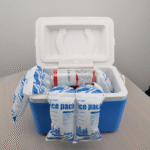
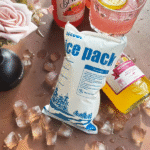
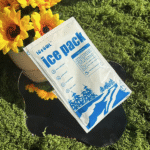
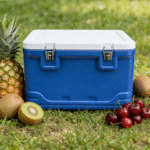
Transportsysteme: Isolierte LKWs, Kühlcontainer und tragbar Kühlboxen Halten Sie während des Transports konstante Temperaturen aufrecht. Viele setzen auf passive Isolierung in Kombination mit Phasenwechselmaterialien (PCMs) wie Gelpackungen, Trockeneis oder technische Salze zur Aufnahme und Abgabe von Wärmeenergie.
Überwachungssysteme: Datenlogger, IoT-Sensoren und GPS-Tracker erfassen Temperatur und Standort in Echtzeit. Moderne Systeme senden sofortige Warnungen und erstellen die von den USA geforderten Rückverfolgbarkeitsaufzeichnungen. Gesetz zur Modernisierung der Lebensmittelsicherheit (FSMA) Regel 204.
Warum Angeltaschenausrüstung wichtig ist
Fisch ist extrem verderblich. Muskelgewebe enthält Enzyme und Mikroben, die postmortal weiterhin reagieren. Temperaturen oben ausgesetzt 5 °C beschleunigt den Verderb, und sauerstoffarme Bedingungen können schädlich sein C. Botulinum Sporen zum Keimen. Da der weltweite Handel mit Meeresfrüchten zunimmt, wird auch für den Markt für gefrorene Meeresfrüchte ein Wachstum prognostiziert USD 24.78 Milliarden in 2025 in USD 42.58 Milliarden von 2034– Die Aufrechterhaltung der Qualität über weite Distanzen ist eine Wettbewerbsnotwendigkeit. 10K OTR-Folien und atmungsaktive Beutel reduzieren das Risiko von Botulismus, indem sie einen ausreichenden Sauerstoffaustausch ermöglichen, um aerobe Verderbnisorganismen zu unterstützen, Dadurch wird die Bildung von Toxinen verhindert. Ohne sie, Vakuumverpackter Fisch muss unten gelagert werden 3.3 °C oder gefroren aufbewahren und entsprechend kennzeichnen.
Arten von Fischbeutelausrüstung in 2025
Der Begriff Ausrüstung für Kühlketten-Fischbeutel deckt verschiedene Verpackungsformate ab, jedes für spezifische Bedürfnisse konzipiert. Nachfolgend finden Sie die Hauptkategorien und ihre typischen Anwendungsfälle.
Isolierte Fischtaschen für den Fang kleinerer Mengen
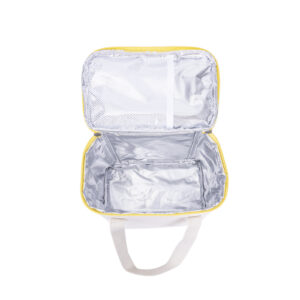
Diese sind tragbar, Hochleistungstaschen, die von Anglern verwendet werden, Handwerksfischer und kleine Verarbeiter sorgen dafür, dass der Fang auf Kurztrips frisch bleibt. Produkte wie Smith’s 3680 Zoll-isolierte Fischtaschen verfügen über robuste Reißverschlüsse, Verstellbare Schultergurte, Isolierte Seiten und Ablassstopfen. Der flache Boden erleichtert das Packen, und Größen reichen von 35 Quarts zu 205 Quarts. Zu den Vorteilen gehören::
Behält Gewicht und Frische: Eine dicke Isolierung und optionale Gelpackungen halten die Fische in der Nähe 0 °C, Das Gewicht bleibt erhalten und der Muskelabbau wird verhindert.
Geruchsreduzierung: Materialien minimieren Geruch, Verringerung der Anziehungskraft von Raubtieren oder Schädlingen.
Vielseitigkeit: Geeignet für das Angeln im Binnengewässer, Eisfischen und Küstenausflüge.
Diese Taschen sind ideal für kleine Mengen und Tagesausflüge, reichen aber für den Fernversand nicht aus, da sie nicht versiegelt sind und keine gesetzlichen Vorschriften einhalten.
10K OTR Vakuum-Schrumpfbeutel
Für den kommerziellen Vertrieb von Meeresfrüchten, Vakuum-Schrumpfbeutel mit einer Sauerstoffdurchlässigkeitsrate (OTR) von 10,000 cc/m²/24 Std. oder höher gelten als sauerstoffdurchlässig und werden daher gemäß den FDA-Vorschriften nicht als sauerstoffreduzierte Verpackung eingestuft. CRYOVAC® von Sealed Air 10K OTR Vakuum-Schrumpfbeutel sind für frischen Fisch und Meeresfrüchte konzipiert und sorgen für einen enganliegenden Sitz auf der Haut. Zu den wichtigsten Funktionen gehören:
FDA-Konformität: Erfüllt die 10K-Sauerstoffdurchlässigkeitsrichtlinie für Meeresfrüchteverpackungen, Erlaubt ausreichend Sauerstoffaustausch, um ihn zu hemmen C. Botulinum Wachstum.
Hautenge Passform: Hochschrumpffolie umhüllt das Produkt eng, Ermöglicht schnelles Kühlen und Versenden bei niedrigsten Temperaturen.
Farbbeständigkeit: Durch die hohe Durchlässigkeit bleibt die leuchtend rote Farbe des Thunfischs ohne Kohlenmonoxidbehandlung erhalten.
Leckverhinderung: Luftdichte Dichtungen und eine haltbare Folie reduzieren Leckagen und Nacharbeiten.
Verbraucherfreundlichkeit: Leicht zu öffnende Laschen und bedruckbare Flächen für das Branding.
Diese Beutel sind für Verarbeiter, die Fischportionen oder Filets vakuumieren, von entscheidender Bedeutung. Sie müssen die Produkte weiterhin unten halten 3.3 °C oder verwenden Sie Zeit-Temperatur-Indikatoren (TTIs) um den FDA-Richtlinien zu entsprechen.
Wiederverschließbare Beutel und VFFS-Beutel
Fortschritte im vertikalen Form-Füll-Siegel (VFFS) Die Technologie ermöglicht flexible Beutel mit wiederverschließbaren Reißverschlüssen für Fertiggerichte. Auf der Pack Expo 2025, GEA präsentierte die SmartPacker CX400 gepaart mit dem Jeep Modul, Dadurch entstehen wiederverschließbare Reißverschlussbeutel, die für zerkleinerte Krabben geeignet sind, marinierte Garnelen und geräucherte Lachsscheiben. Diese Beutel bieten:
Portionskontrolle und Wiederverschließbarkeit: Verbraucher können einen Teil des Produkts verwenden und den Beutel wieder verschließen, Abfall reduzieren.
Flexible Größen: VFFS-Maschinen wechseln schnell zwischen Produktformaten.
Erhöhte Regalattraktivität: Klare Fenster und hochwertige Grafiken fördern das Merchandising.
Wiederverschließbare Beutel sind im Einzelhandel beliebt, insbesondere für verzehrfertige und Snack-Meeresfrüchte.
Vakuum-Skin-Verpackungen und thermogeformte Tabletts
Vakuum-Skin-Verpackung (VSP) und Verpackungen mit modifizierter Atmosphäre (KARTE) Verlängern Sie die Haltbarkeit, indem Sie einen dichten Film über dem Produkt bilden, Reduzierung des Sauerstoffkontakts bei gleichzeitiger Beibehaltung der Form. GEAs PowerPak Plus Die Tiefziehanlage ermöglicht Hochbarriereverpackungen wie Vakuum-Skin-Verpackungen oder MAP-Formate. Zu den Vorteilen gehören::
Hoher Barriereschutz: Mehrschichtfolien mit EVOH oder PA bieten hervorragende Sauerstoff- und Feuchtigkeitsbarrieren.
Premium-Präsentation: Skinpackungen sind dem Produkt angepasst, Verbessert das Erscheinungsbild und ermöglicht eine vertikale Anzeige.
Betriebseffizienz: Modulare Maschinen passen sich an unterschiedliche Meeresfrüchteformen an, vom ganzen Fisch bis zum Filet.
Recycelbare Boxen auf Faserbasis und umweltfreundliche Lösungen
Nachhaltigkeit ist ein großer Trend. DryPack von DS Smith ist ein 100 % recycelbare Box auf Faserbasis Hergestellt mit Greencoat®-Technologie, die Feuchtigkeit und Kälte widersteht; Es verfügt über Zertifizierungen des USDA, CFIA, FDA und FBA. Verpackungen auf Papierbasis halten 37 % des Marktes für Meeresfrüchteverpackungen in 2025, und die Nachfrage nach wiederverwertbaren Materialien wächst rasant. Möglicherweise sind umweltfreundliche Fischbeutelausrüstung vorhanden:
Auskleidungen aus Wellpappe: Bietet Struktur und Wärmeschutz und ist gleichzeitig recycelbar.
Biobasierte Isolierschäume: Ersetzen Sie erdölbasiertes EPS; einige werden aus Pilzmyzel oder Stärke hergestellt.
Wiederverwendbare Eisbeutel: Befüllt mit pflanzlichen Phasenwechselmaterialien und kann mehrmals wieder eingefroren werden.
Hybridsysteme und aktive Kühlung
Hybridverpackungen kombinieren passive Isolierung mit aktiven Kühlelementen. Für hochwertige Impfstoffe und Biologika, Hybridsysteme können batteriebetriebene Kompressoren verwenden; Jedoch, für Meeresfrüchte, Hybride enthalten häufig Gel-Packs mit Sensoren, die bei steigenden Temperaturen Lüfter oder Peltier-Module auslösen. Dieser Ansatz liefert eine hohe Präzision, erhöht jedoch die Kosten und die Komplexität.
Faktoren, die bei der Auswahl der Fischbeutelausrüstung zu berücksichtigen sind
Die Auswahl der richtigen Fischbeutelausrüstung hängt vom Produkttyp ab, Streckenlänge, regulatorische Anforderungen und Nachhaltigkeitsziele. Nutzen Sie die folgenden Kriterien als Checkliste.
Kapazität und Produktform
Chargengröße: Für kleine Fänge oder lokale Lieferungen, Isolierte Fischbeutel mit einem Fassungsvermögen von bis zu 205 Quarts reichen aus. Gewerbliche Sendungen benötigen Vakuum-Schrumpfbeutel oder -schalen in der richtigen Größe 2 lb, 5 Pfund oder 10 Pfund-Einheiten.
Produktform: Ganze Fische benötigen größere Beutel oder Schalen mit verstärkten Ecken. Filets und Steaks passen in standardmäßige 10K-OTR-Beutel oder VSP-Tabletts. Schalentiere benötigen möglicherweise Netzeinsätze, um die Salzlake abzulassen.
Isolationsleistung
Wärmewiderstand: Suchen Sie nach Materialien mit hohem R-Wert. Polyurethan (Pur) Bietet eine bessere Isolierung als expandiertes Polystyrol (EPS).
Phasenwechselmaterial (PCM) Kompatibilität: Gelpackungen pflegen 0 °C; Trockeneis (sublimiert bei –78,5 °C) wird für ultrakalte Sendungen verwendet.
Dauer: Passive Systeme haben eine begrenzte Lebensdauer; Stellen Sie sicher, dass die PCM-Masse und die Isolationsdicke für die erwartete Laufzeit ausreichend sind.
Sauerstoffübertragung und Einhaltung gesetzlicher Vorschriften
10K OTR-Anforderung: Verpackungen für gekühlten rohen Fisch müssen eine Sauerstoffdurchlässigkeit von haben 10,000 cm³/m²/24 Std oder höher, um eine Einstufung als sauerstoffreduzierte Verpackung zu vermeiden und zu mildern C. Botulinum Risiko.
Temperaturkontrollen: Wenn die Verpackung eine geringe Durchlässigkeit aufweist (Vakuum oder MAP), Pflegen Sie das Produkt unten 3.3 °C und verwenden Sie Zeit-Temperatur-Indikatoren oder frieren Sie sie ein und kennzeichnen Sie sie entsprechend.
Beschriftung: Auf jeder Verpackung sollte der Endverbraucher klar darauf hingewiesen werden, das Produkt gefroren oder gekühlt aufzubewahren, und unmittelbar vor Gebrauch aufzutauen.
Materielle Nachhaltigkeit
Recyclingfähigkeit: Wählen Sie papierbasiert, Faser- oder Monomaterialfolien zur Verbesserung der Recyclingfähigkeit. Papierkonten für 37 % von Meeresfrüchten Verpackungsmaterialien In 2025.
Wiederverwendbarkeit: Einige isolierte Taschen enthalten Wiederverwendbare Gelpackungen und herausnehmbare Einlagen, um Abfall zu reduzieren.
Biobasierte Kunststoffe: Pflanzliche Polyester (PLA, PHA) und biologisch abbaubare Mehrschichtfolien reduzieren den CO2-Fußabdruck; Der Markt für 10K-OTR-Filme wird voraussichtlich wachsen USD 1.6 Milliarden in 2025 in USD 2.9 Milliarden von 2035 mit Over 40 % Mehrwert aus biobasierten und recycelbaren Folien.
Hilfreiche Entscheidungshilfen
Überprüfen Sie die Details, bevor Sie sich für die Verpackung entscheiden
Mit diesen schnellen Tools können Sie das Routenrisiko vergleichen, Größenanforderungen, Kühlmittelauswahl, und Verpackungsdetails, bevor Sie ein Angebot anfordern.
Kühlakku-Rechner
Schätzen Sie die Menge an Gel-Eisbeuteln für gekühlte Sendungen und nutzen Sie die praktische Routenplanung.
Schätzen Sie EisbeutelVerpackungsauswahl
Vergleichen Sie isolierte Verpackungsoptionen nach Produkt, Route, und Temperaturbedarf.
Verpackung findenKühlmittel & PCM-Referenz
Vergleichen Sie Kühlmittel- und PCM-Optionen, wenn eine Route zusätzliche Temperaturunterstützung benötigt.
Vergleichen Sie OptionenBenutzerfreundlichkeit und betriebliche Effizienz
Automatisierungskompatibilität: VFFS- und Thermoformmaschinen verbessern den Durchsatz; Maschinen wie GEA PowerPak 1000 Bewältigen Sie gemischte Produktlinien und integrieren Sie sie in die vorgelagerte Automatisierung.
Verbraucherfreundlichkeit: Wiederverschließbare Beutel und leicht zu öffnende Verschlüsse verbessern das Benutzererlebnis und reduzieren Abfall.
Branding-Möglichkeiten: Bedruckbare Folien ermöglichen hochwertige Grafiken; wichtig für die Differenzierung hochwertiger Meeresfrüchteprodukte.
Praktischer Leitfaden zur Verwendung von Fischbeutelausrüstung
Befolgen Sie diese Schritte, um Meeresfrüchte sicher zu verpacken und die Qualität während der gesamten Kühlkette aufrechtzuerhalten.
Schritt-für-Schritt-Packanleitung
Verpackung vorkühlen: Platzieren Sie isolierte Taschen, Vakuumieren Sie Beutel oder Schalen und Gelpackungen zumindest im Kühlschrank oder Gefrierschrank 12 Stunden vor dem Packen. Das Vorkühlen reduziert den Temperaturschock und verlängert die Kühldauer.
Produkt vorbereiten: Unmittelbar nach der Ernte, Reinigen Sie den Fisch mit Trinkwasser und entfernen Sie nach Möglichkeit die Eingeweide. Bewahren Sie den Fisch auf Eis oder in einer Aufschlämmung auf 0 °C bis zum Verpacken.
PCMs laden: Für Isoliertaschen, Platzieren Sie gefrorene Gelpackungen unten und an den Seiten. Ordnen Sie den Fisch in einzelnen Schichten an, um die Luftzirkulation zu verbessern. Verwenden Sie beim Versand von Filets Trennwände, um ein Zerdrücken zu verhindern.
Vakuumversiegelung: Legen Sie die Fischportionen in 10K OTR-Vakuumschrumpfbeutel; Entfernen Sie die Luft mit einem Kammerversiegeler und versiegeln Sie den Beutel. Stellen Sie sicher, dass die sauerstoffdurchlässige Folie den FDA-Richtlinien entspricht.
Kennzeichnung und TTIs: Bringen Sie bei Bedarf Zeit-Temperatur-Indikatoren an den sauerstoffreduzierten Packungen an. Beschriften Sie die Pakete mit Lagerungshinweisen (Z.B., unten bleiben 38 ° F, im Kühlschrank auftauen).
Boxen: Legen Sie versiegelte Beutel in Wellpappkartons oder DryPack-Behälter auf Faserbasis, die mit zusätzlicher Isolierung ausgekleidet sind. Stellen Sie sicher, dass möglichst wenig Leerraum vorhanden ist, um Temperaturschwankungen zu reduzieren.
Überwachung: Stecken Sie Datenlogger in ein oder mehrere Pakete, um Temperatur und Luftfeuchtigkeit aufzuzeichnen. Nutzen Sie IoT-fähige Sensoren für Echtzeitverfolgung und -warnungen.
Dokumentation: Packzeit aufzeichnen, Chargennummern und Sensor-IDs zur Rückverfolgbarkeit. FSMA-Regel 204 Für bestimmte Lebensmittel ist eine 24-Stunden-Rückverfolgbarkeit erforderlich.
Transport: Verwenden Sie vorgekühlte LKWs oder Container. Vermeiden Sie unnötige Türöffnungen. Bei internationalem Versand, Sicherstellung der Einhaltung von Einfuhrbestimmungen und Transitzeiten innerhalb der PCM-Dauer.
Auspacken: Weisen Sie die Empfänger an, TTIs und Sensoren zu überprüfen. Produkte, die sichere Temperaturschwellenwerte überschritten haben, sollten aussortiert werden, um Botulismus oder Verderb zu verhindern.
Interaktive Checkliste: Sind Sie zum Versand bereit??
Vor dem Versand einer Sendung, Führen Sie diese kurze Selbsteinschätzung durch:
Temperatur überprüft? Verpackung und PCMs vorgekühlt; erwarteter Temperaturbereich 0 °C–2 °C für frischen Fisch.
Sauerstoffdurchlässigkeit? Taschen erfüllen die 10K-OTR-Anforderung oder enthalten TTIs, wenn ROP verwendet wird.
Ausreichende PCM-Masse? Gelpackungen oder Trockeneis, berechnet für die Transportdauer plus Eventualverbindlichkeiten (Z.B., 20 % Verlängerung).
Richtige Kennzeichnung? Auf jeder Verpackung finden Sie klare Anweisungen zur Aufbewahrung und zum Auftauen.
Sensoren aktiv? Datenlogger und GPS-Tracker mit korrekten Einstellungen und protokollierten IDs aktiviert.
Regulierungsdokumente? FSMA-Rückverfolgbarkeitsaufzeichnungen, Import-/Exportzertifikate und Zolldokumente erstellt.
Wenn Sie alle Kästchen angekreuzt haben, Ihre Kühlketten-Fischbeutelsendung ist für den Versand bereit.
Marktgröße, Trends und Zukunftsaussichten für 2025 und darüber hinaus
Marktwachstum und Segmentierung
Die Kühlkettenbranche wächst rasant. Der globale Markt für Kühlkettenlogistik wurde mit bewertet USD 293.58 Milliarden in 2023 und soll voraussichtlich wachsen USD 324.85 Milliarden in 2024 in USD 862.33 Milliarden von 2032, was einer CAGR von rund entspricht 13 %. Innerhalb dieses Marktes, Die Kühlkettenausrüstung Allein für das Segment wird ein Wachstum prognostiziert USD 40.34 Milliarden in 2025 in USD 112.23 Milliarden von 2032. Die Verpackung von Meeresfrüchten ist ein Nischensektor, der jedoch schnell wächst: USD 1.4 Milliarden in 2025 mit einer CAGR von 4.5 % Zu USD 2.1 Milliarden von 2035. Die Beutel halten ca 47 % des Marktes für Meeresfrüchteverpackungen in 2025, während papierbasierte Materialien ausmachen 37 %.
Treiber
Steigende Nachfrage nach frischen und gefrorenen Meeresfrüchten: Gesundheitsbewusste Verbraucher und der Ausbau der Aquakultur steigern den Fischkonsum, Garnelen und Weichtiere. Kochfertige Produkte steigern die Nachfrage nach praktischer Verpackung.
Vorschriften zur Lebensmittelsicherheit: Importwarnungen weisen auf das Risiko hin C. Botulinum in sauerstoffreduzierter Verpackung. Die Einhaltung der 10K-OTR-Anforderungen und die Temperaturüberwachung sind obligatorisch.
E-Commerce- und Direct-to-Consumer-Modelle: Der Online-Verkauf von Meeresfrüchten erfordert robuste Verpackungen, die längeren Transportzeiten und unvorhersehbaren Bedingungen auf der letzten Meile standhalten. Die Investitionen in Kühllager in der Nähe von Häfen und Produktionsgebieten nehmen zu.
Nachhaltigkeit und Kreislaufwirtschaft: Verbraucher bevorzugen umweltfreundliche Materialien; Durch staatliche Vorschriften werden Fluorkohlenwasserstoff-Kältemittel aus dem Verkehr gezogen und recycelbare Verpackungen gefördert.
Innovationen
KI-gesteuerte Routenoptimierung und vorausschauende Wartung: Moderne Logistikplattformen nutzen KI, um Transitzeiten zu minimieren und Geräteausfälle zu antizipieren, Reduzierung des Risikos von Temperaturschwankungen.
Blockchain und digitale Zwillinge: End-to-End-Rückverfolgbarkeitsplattformen nutzen Blockchain, um unveränderliche Aufzeichnungen von Temperatur- und Handhabungsereignissen zu erstellen. Digitale Zwillinge simulieren Sendungen, um Schwachstellen zu identifizieren.
Intelligente Sensoren und IoT: Sensoren mit geringem Stromverbrauch überwachen die Temperatur, Feuchtigkeit und Schock in Echtzeit. Einige lassen sich in 5G integrieren, um kontinuierliche Datenströme bereitzustellen.
10K OTR-Folien und atmungsaktive Barrieren: Der weltweite Markt für 10K-OTR-Filme wird sich nahezu verdoppeln USD 2.9 Milliarden von 2035 da Unternehmen in biobasierte Produkte investieren, mehrschichtige und recycelbare Folien.
Modulare Verpackungsmaschinen: Systeme wie das PowerPak von GEA 1000 unterstützt mehrere Verpackungsformate, Dadurch können Prozessoren zwischen Vakuum umschalten, KARTE, Skin- und Schrumpfverpackungen auf derselben Linie.
Nachhaltige Materialien: Faserbasierte Kartons wie DS Smith DryPack und papierbasierte Verpackungen halten einen erheblichen Marktanteil, Reduzierung von Plastikabfällen. Zu den Innovationen gehören Isolierungen auf Pilzbasis und biologisch abbaubare Polymerauskleidungen.
Herausforderungen
Trotz Wachstum, Die Branche steht vor Hürden:
Hohe Kosten für fortschrittliche Barrierematerialien: EVOH- und Nanokompositfolien sind teuer.
Schwierigkeiten beim Recycling: Mehrschichtlaminate sind schwer zu recyceln; Neue Monomateriallösungen müssen Barriereleistung und Recyclingfähigkeit in Einklang bringen.
Einschränkungen der Infrastruktur: Altern Kühllagereinrichtungen benötigen Modernisierungen, um Energieeffizienz- und Umweltvorschriften zu erfüllen.
Regulatorische Komplexität: Einfuhrbeschränkungen, Kennzeichnungsanforderungen und FSMA-Rückverfolgbarkeitsregeln erhöhen den Compliance-Aufwand, insbesondere für kleine Exporteure.
Häufig gestellte Fragen
Q1: Was ist ein 10K OTR-Fischbeutel und warum ist er erforderlich??
Ein 10K OTR-Beutel ist ein Vakuum-Schrumpfbeutel mit einer Sauerstoffdurchlässigkeitsrate von mindestens 10,000 cm³/m² pro 24 Std.. Die USA. Die FDA betrachtet solche Verpackungen als sauerstoffdurchlässig, was das Risiko verringert Clostridium botulinum Wachstum bei gekühltem Fisch. Durch die Verwendung von 10K-OTR-Beuteln können Verarbeiter frischen Fisch vakuumversiegeln, ohne ihn als sauerstoffarme Verpackung einzustufen. Sie müssen immer noch die Temperaturen unten halten 3.3 °C oder frieren Sie das Produkt ein.
Q2: Kann ich Fisch ohne 10K-OTR-Beutel vakuumverpacken??
Ja, Sie müssen das Produkt jedoch sofort einfrieren und bis zur Verwendung gefroren aufbewahren, oder bringen Sie Zeit-Temperatur-Indikatoren an, um die Exposition zu überwachen, wenn Kühlung verwendet wird. Bei Nichtbeachtung besteht die Gefahr von Botulismus und eine behördliche Inhaftierung.
Q3: Was Isolationsmaterial eignet sich am besten für wiederverwendbare Fischbeutel?
Polyurethan (Pur) hat einen höheren Dämmwert als expandiertes Polystyrol (EPS), aber es ist schwerer. Papierbasierte und biologisch hergestellte Schäume sind aufstrebende Alternativen. Wählen Sie Materialien basierend auf den Anforderungen an die Dauer und den Nachhaltigkeitszielen aus.
Q4: Wie lange können isolierte Fischbeutel ohne aktive Kühlung die Temperatur halten??
Die Dauer hängt von der Dämmstärke ab, Umgebungstemperatur, und PCM-Masse. Ein typisches 60 Ein Zoll isolierter Fischbeutel mit ausreichend Gelpackungen kann den Fisch lange kalt halten 1218 Std. unter moderaten Umgebungsbedingungen. Für längere Laufzeiten, Verwenden Sie Vakuum-Schrumpfbeutel in Kombination mit Isolierte Kisten und zusätzliche PCMs.
Q5: Sind Fischboxen aus Papier stabil genug??
Ja. Faserbasierte Behälter wie DS Smith DryPack verwenden feuchtigkeitsbeständige Beschichtungen und erfüllen die USDA-Anforderungen, CFIA, FDA- und FBA-Standards. Sie halten nassen Bedingungen und schweren Lasten stand und sind gleichzeitig recycelbar.
Q6: Was sind Verpackungen mit Schutzatmosphäre? (KARTE) und Vakuum-Skin-Verpackung (VSP)?
MAP ersetzt die Luft in der Verpackung durch ein Gasgemisch (Typischerweise 60 % CO₂/40 % N₂) um Oxidation und mikrobielles Wachstum zu verlangsamen. VSP zieht die Folie straff über das Produkt, Reduzierung des Restsauerstoffs und Erhaltung der Form. Beide verlängern die Haltbarkeit und werden häufig mit Hochbarrierefolien kombiniert.
Q7: Wie helfen IoT-Sensoren in der Fischlogistik??
Sensoren messen die Temperatur, Luftfeuchtigkeit und Standort in Echtzeit, Senden von Warnungen, wenn die Bedingungen von den festgelegten Schwellenwerten abweichen. Bei Integration mit Blockchain, Sie erstellen unveränderliche Rückverfolgbarkeitsaufzeichnungen, die den FSMA-Regeln entsprechen 204 Anforderungen.
Zusammenfassung und Empfehlungen
Moderne Kühlkettenausrüstung für Fischbeutel sorgt dafür, dass die Meeresfrüchte frisch ankommen, sicher und ansprechend. Der 2025 Landscape bietet isolierte Taschen für den Einsatz im kleinen Maßstab, FDA-konforme 10K OTR-Vakuumschrumpfbeutel, wiederverschließbare Beutel, Hochbarriere-Skin-Packungen und recycelbare Faserboxen. Die Wahl der richtigen Option hängt von der Produktform ab, Versanddauer, regulatorische Anforderungen und Nachhaltigkeitsziele. Zu den wichtigsten Erkenntnissen gehören::
Investieren Sie in sauerstoffdurchlässige Folien: 10K OTR-Beutel ermöglichen eine Vakuumversiegelung, ohne dass eine Gefahr durch reduzierten Sauerstoff entsteht. Halten Sie die Temperaturen immer darunter 3.3 °C oder einfrieren, wenn Verpackungen mit geringer Durchlässigkeit verwendet werden.
Priorisieren Sie die Überwachung: Verwenden Sie Datenlogger, Zeit-Temperatur-Indikatoren und IoT-Sensoren zur Erkennung von Abweichungen und zur Aufrechterhaltung der Rückverfolgbarkeit.
Setzen Sie auf nachhaltige Materialien: Papierbasierte Kartons und biobasierte Folien verringern die Umweltbelastung und erfüllen gleichzeitig die Leistungsanforderungen.
Bleiben Sie über die Vorschriften auf dem Laufenden: Importwarnungen und FSMA-Regeln entwickeln sich weiter; Die Zusammenarbeit mit sachkundigen Lieferanten und Logistikexperten reduziert das Compliance-Risiko.
Nutzen Sie Technologie: KI-Routenoptimierung, Blockchain-Rückverfolgbarkeit und modulare Verpackungsmaschinen verbessern die Effizienz und Widerstandsfähigkeit in einer immer komplexer werdenden Lieferkette.
Die Einhaltung dieser Richtlinien wird Ihrem Unternehmen dabei helfen, qualitativ hochwertige Meeresfrüchte auf umweltfreundliche und gesetzeskonforme Weise zu liefern.
Über Tempk
Tempk ist ein führender Innovator in Kühlkettenverpackung Lösungen, Ich biete isolierte Taschen an, Gelpackungen, Vakuum-Schrumpfbeutel und komplette Kühlkettensysteme. Unser r&Das D-Zentrum konzentriert sich auf die Entwicklung umweltfreundlicher Produkte, wiederverwendbare Produkte, die den strengen FDA- und WHO-Richtlinien entsprechen. Wir verfügen über Zertifizierungen wie Sedex und Qualitätsgarantien für unsere Produkte. Wir bedienen unsere Kunden im gesamten Lebensmittelbereich, Pharma- und Biologikaindustrie, Wir helfen ihnen dabei, die Produktintegrität aufrechtzuerhalten und Abfall zu reduzieren. Unsere Isolierboxen und 10K-OTR-Lösungen sind auf Effizienz ausgelegt, Nachhaltigkeit und Komfort. Bereit, Ihre Kühlkette zu verbessern? Unser Team kann Sie bei der Auswahl der richtigen Fischbeutelausrüstung und der Integration der IoT-Überwachung in Ihren Betrieb beraten.
Aufruf zum Handeln
Möchten Sie frischere Meeresfrüchte?, weniger Produktverluste und eine umweltfreundlichere Lieferkette? Contact Tempk for a personalised consultation on Kühlkette fish bag equipment. Unsere Experten helfen Ihnen bei der Beurteilung Ihrer aktuellen Verpackung, Empfehlen Sie Verbesserungen und implementieren Sie modernste Lösungen, die Sicherheit und Nachhaltigkeit erhöhen. Beginnen Sie noch heute und sorgen Sie dafür, dass Ihre Meeresfrüchte vom Fang bis zum Verbraucher auf dem neuesten Stand sind.