Ensuring energy efficiency in the Kühlkette für Tiefkühlkost isn’t just a technical goal—Es ist eine Wettbewerbsnotwendigkeit. As global demand for frozen meals and temperaturecontrolled goods climbs, refrigeration can represent 40–60 % of energy use in facilities, and the food industry uses about 30 % der globalen Energie. In der Zwischenzeit, refrigeration and air conditioning generate mehr als 10 % der globalen Treibhausgasemissionen. This guide demystifies the technologies, regulations and practices that can help you boost efficiency, lower operating costs and support sustainability throughout 2025 und darüber hinaus.
Why energy efficiency matters in frozen Kühlkette für Lebensmittel Logistik: Understand the environmental and financial stakes, including how refrigeration alone can consume more than 70 % of a cold storage facility’s energy.
Which technologies can reduce energy consumption: Entdecken Sie IoT-Sensoren, prädiktive Analytik, natural refrigerants and renewable power systems that deliver 5–12 % Energieeinsparungen und sogar 30 % reductions in refrigeration costs.
How to implement best practices across the chain: Learn actionable steps for receiving, Speicherung, packaging and transporting frozen foods to maintain quality and cut waste.
What regulations and trends to watch in 2025: Stay ahead of FSMA 204 Anforderungen an die Rückverfolgbarkeit, refrigerant phasedown rules and emerging initiatives such as the Moveto15 °C program.
How renewable energy and smart coatings are changing the game: See how solar power and passive radiative coatings reduce operational costs and emissions, with case studies showing 39 % cuts in cooling costs.
Why Does Energy Efficiency Matter in Frozen Food Cold Chain Logistics?
Core motivations
Hoher Energieverbrauch: Multisite facilities rely heavily on refrigeration; it can account for 40–60 % of their total energy use und vorbei 70 % in cold storage warehouses. Global, the food and beverage industry is the largest energy consumer in the agrifood sector, responsible for 67 % der Treibhausgasemissionen.
Umweltauswirkungen: Refrigeration and air conditioning contribute mehr als 10 % der gesamten Treibhausgasemissionen. Leakage of fluorocarbon refrigerants causes roughly 20 % of the cold chain’s warming impact, while indirect emissions from electricity generation account for the remaining 80 %. Transport adds another burden—23 % der weltweiten CO₂-Emissionen are linked to freight, with road transport representing over 70 % of that share.
Financial pressure: Energy costs are rising. Kühllagereinrichtungen spend more than US$30 billion annually auf Strom, and energy expenses can make up 18 % der Betriebskosten. In Kalifornien, commercial electricity prices doubled over the past decade, and rate volatility undermines profitability. Uncontrolled refrigeration energy use therefore threatens both margins and competitiveness.
Food waste and social impact: Etwa 14 % der weltweiten Nahrungsmittel gehen verloren between harvest and retail due to poor temperature control. Ohne ordnungsgemäßes Kühlkettenmanagement, nutrient loss accelerates and billions of tons of food end up in landfills, Beitrag zu 8–10 % der globalen Treibhausgase. Energy efficiency is not only about costs; it directly influences food security and climate action.
How much energy does the cold chain consume?
| Segment | Energy share | Schlüsselfaktoren | Auswirkungen auf die reale Welt |
| Refrigeration in multisite facilities | 40–60 % des Gesamtenergieverbrauchs | Dauerbetrieb; inefficient equipment; outdated controls | Drives high operating expenses and carbon footprint |
| Kühllager | Refrigeration can exceed 70 % der Gesamtenergie | 24/7 Betrieb; energyintensive compressors; unzureichende Isolierung | Cold warehouses are four to five times more energyintensive than typical commercial buildings |
| Global electricity consumption for refrigeration & Wechselstrom | ≈17 % of electricity | Air conditioning and refrigeration loads across households and industry | Significant share of grid demand; reliance on fossil fuels |
| Food industry overall | Uses about 30 % der globalen Energie | Verarbeitung, Herstellung, refrigeration and facility operations | Highlights scale of efficiency challenge |
| Impact of leaks & Transport | 20 % of warming from refrigerant leaks Und 80 % from indirect emissions; 23 % des globalen CO₂ from transport | Inefficient refrigerants; long transport distances; roadbased logistics | Amplifies need for refrigerant management and optimized distribution |
Praktische Implikationen für Sie
Höhere Betriebskosten: If refrigeration accounts for half of your energy use, A 20 % reduction in consumption can yield doubledigit savings. Tools like datadriven control systems offer 5–12 % Energieeinsparungen by adjusting setpoints and improving airflow.
Wettbewerbsvorteil: Implementing energyefficient systems and renewables reduces costs and enhances your corporate sustainability profile. Customers increasingly favour brands that demonstrate climate leadership.
Regulatory preparedness: Upcoming laws, such as the FDA’s FSMA 204 traceability rule and global refrigerant phasedowns, make energy efficiency part of compliance. Addressing it now will help you avoid costly retrofits later.
Fallbeispiel: A Dubai warehouse applied a passive radiative coating to its roof and reduced cooling costs by 39 % while cutting CO₂ emissions by 39 %. The investment paid off within eight months, demonstrating that wellchosen upgrades pay for themselves quickly.
Which Technologies Improve Energy Efficiency in the Frozen Food Cold Chain?
IoT -Sensoren, predictive analytics and AI
Modern energy management is datadriven. Predictive analytics powered by IoT sensors and artificial intelligence allow facility leaders to identify anomalies in energy use before equipment fails. Sensoren überwachen die Temperatur, humidity and pressure in real time, while AI analyses patterns and external factors like weather to dynamically adjust operations. This delivers lower energy consumption and reduced operating costs.
Hauptvorteile:
Early fault detection: Realtime data helps staff prevent compressor failures and product losses.
Optimized setpoints: AI finetunes temperature targets, reducing energy without compromising food safety.
Reduzierte Ausfallzeiten: Predictive maintenance minimises unplanned outages, improving uptime and extending equipment life.
Natural refrigerants and alternative fluids
Highglobalwarmingpotential hydrofluorocarbons (HFKW) are being phased down by 85 % over the next 15 Jahre under the AIM Act in the United States and similar policies in the EU. Natural refrigerants—such as CO₂, Ammoniak (NH₃) und Kohlenwasserstoffe (R290, R600a)—offer a longterm solution with minimal climate impact.
Advantages of natural refrigerants:
Low global warming potential: CO₂ and ammonia have negligible global warming potential and zero ozone depletion potential.
High efficiency: Improved compressors and heat exchangers now enable CO₂ systems to deliver high efficiency even in warm climates.
Vorschriftenregulierung: Early adoption protects against future HFC price increases and supply shortages; studies show that switching to alternative refrigerants can reduce carbon emissions by 9–25 %.
Datadriven controls and smart diagnostics
Digitalization is transforming cold storage. Sensoren, remote access platforms and cloud dashboards allow operators to monitor equipment 24/7. Datadriven control systems automatically adjust fan speeds, compressor load and defrost cycles. Die USA. Environmental Protection Agency reports that smart diagnostics can yield 5–12 % Energieeinsparungen simply by raising temperature setpoints slightly or improving airflow.
Highefficiency refrigeration units and coatings
Equipment manufacturers are introducing units designed for future refrigerants and lower energy consumption. Carrier’s OptimaLINE container refrigeration unit maintains high energy efficiency across load conditions and lowers annual energy costs by bis zu 15 % compared with competitor models while reducing CO₂ emissions by up to 40 %. Passive radiative coatings, like i2cool’s LC500 truck coating, use nanophotonic materials to reflect 97 % of sunlight and emit heat into space. This technology operates without electricity and can reduce refrigeration costs by about 30 %.
Renewable energy and energy storage
Combining onsite solar panels with battery storage turns refrigeration from a cost centre into a source of resilience. Solar electricity can be produced for 3.2–15,5 Cent pro kWh, im Vergleich zu einem durchschnittlichen kommerziellen Versorgungspreis von 13.1 Cent. Cold storage facilities using solarplusstorage save US$20,000–50,000 annually and gain backup power during outages, preserving product quality and compliance. Solar adoption also helps facilities meet clean energy mandates and reduce emissions.
Tisch: EnergyEfficient Technologies for Frozen Food Logistics
| Technologie | Energy impact | Beispielanwendung | Was es für Sie bedeutet |
| IoT -Sensoren & AI controls | 5–12 % Energieeinsparungen by optimizing setpoints and airflow | Realtime temperature and performance monitoring in cold storage and transport | Niedrigere Energiekosten, less downtime, better food safety |
| Natürliche Kältemittel (Co₂, NH₃, Kohlenwasserstoffe) | Reduce carbon emissions by 9–25 % and avoid HFC phasedown penalties | Supermarkets and warehouses adopt CO₂ cascade systems with advanced heat exchangers | Compliance with global regulations, longterm cost stability |
| OptimaLINE & similar highefficiency units | Bis zu 15 % lower annual energy costs Und 40 % fewer emissions | Refrigerated containers and transport fleets | Futureproof investment; improved reliability |
| Passive radiative coatings | Cut refrigeration costs by ~30 %; case study shows 39 % Kostenreduzierung | Roof coatings on warehouses, reefer trucks and pipelines | No electricity required; quick ROI; reduces heat load on refrigeration |
| Solarplusstorage systems | Speichern US$20k–50k annually; produce energy at lower cost (3.2–15.5 ¢/kWh vs. 13.1 ¢/kWh) | Rooftop solar and battery storage at cold storage sites | Predictable energy costs, resilience against outages |
Praktische Tipps und Szenarien
Beginnen Sie mit Daten: Conduct an energy audit to identify your baseline consumption. Install IoT sensors and integrate data into a centralized dashboard for realtime monitoring.
Wählen Sie das richtige Kältemittel: Evaluate CO₂ or ammonia systems when upgrading; consider hybrid approaches (Z.B., CO₂ cascade with glycol loops) for mediumtemperature zones.
Adopt smart coatings: For reefer trucks or warehouses exposed to high solar loads, passive coatings can reduce roof temperatures by 17 °C and cut cooling costs by 39 %.
Nutzen Sie prädiktive Analysen: Leverage AI to detect abnormal patterns; schedule maintenance before breakdowns and avoid emergency repairs.
Explore solar and storage: Assess roof space and local incentives. A 268,000 sq ft facility in Maryland uses rooftop solar to generate 2.5 Millionen kWh pro Jahr, locking in predictable energy costs.
Beispiel aus der Praxis: A cheese manufacturer upgraded its cold chain using energy efficiency measures identified through the EU’s ICCEE project. By optimizing temperatures and improving maintenance, sie erreichten 15–40 % Energiereduzierung in certain operations and benefited from nonenergy perks such as improved working conditions and higher product quality.
How Can Renewable Energy and Sustainable Practices Reduce Energy Costs?
The Moveto15 °C initiative
Der Moveto15 °C initiative is a coalition promoting the storage of frozen foods at –15 °C rather than the traditional –18 °C. Research suggests that this shift can reduce energy consumption by around 10 %, although it may shorten product shelf life by um 30 % und erfordern eine dickere Verpackung. Companies must evaluate product sensitivity—lowrisk items like frozen potatoes or bread can tolerate higher temperatures, while sensitive items like seafood may require stricter control.
Wiederverwendbare und recycelbare Verpackung
Der Mehrweg Kaltkettenverpackung market is projected to grow from 4,97 Milliarden US-Dollar im Jahr 2025 auf 9,13 Milliarden US-Dollar 2034. Palettenversender, insulated totes and collapsible crates help reduce waste and energy use: each reuse avoids the energy associated with manufacturing and disposal. Using thicker Isolationsmaterialien or vacuum panels reduces heat gain and lessens refrigeration load.
Solarpowered refrigeration and offgrid cooling
Solarpowered refrigerators are transforming energy access. Companies like Sure Chill have developed systems that maintain cooling even without a consistent power supply, using phasechange materials and renewable electricity. These systems are vital in rural clinics for vaccine storage and on small farms, bridging the gap between sustainability and social equity.
Renewablepowered coatings and truck technologies
As highlighted earlier, passive radiative coatings operate without electricity and can reduce refrigeration energy by 30 %. For refrigerated vehicles, such coatings lower roof temperatures and cut fuel consumption. Combined with electric or biofuelpowered refrigeration units, they support greener transport.
Emerging solutions: hydrogen and phasechange materials
Innovators are exploring hydrogenpowered refrigeration units and phasechange materials (PCMs) for thermal storage. PCMs absorb heat during transit and release it later, reducing compressor cycles. When integrated with renewable energy or waste heat recovery, PCMs can further cut energy consumption.
Tisch: Sustainable Practices and Their Impacts
| Üben | Energy/Emissions impact | Anwendung | Profitieren Sie davon |
| Move to –15 °C storage | ≈10 % reduction in energy use; may shorten shelf life by 30 % | Warehouses storing lowsensitivity foods | Niedrigere Energiekosten; evaluate product sensitivity and packaging costs |
| Wiederverwendbare Verpackung | Market projected to nearly double by 2034; avoids manufacturing energy per trip | Palettenversender, Isolierte Tragetaschen | Reduced waste and embodied energy; potential cost savings |
| Solarbetriebene Kühlung | Enables offgrid cooling; renewable energy reduces emissions and operating costs | Rural clinics, Bauernhöfe, remote warehouses | Maintains product quality without grid; expands access |
| Radiative coatings | ≈30 % Reduktion in refrigeration costs; case study shows 39 % Reduktion | Warehouse roofs, Kühlfahrzeuge | Lowmaintenance cooling; quick payback |
| Hydrogen & PCMs | Neue Technologien; potential to power refrigeration units with zero emissions or store cold energy | In transport and stationary units | Longterm sustainability; reduces reliance on fossil fuels |
Praktische Tipps
Conduct shelflife assessments: Before shifting to –15 °C, test how your products respond. Consider thicker insulation and shorter distribution cycles to compensate for reduced shelf life.
Invest in reusable assets: Compare lifecycle costs of reusable vs. singleuse packaging. Work with suppliers who offer reverselogistics programs.
Explore offgrid options: For rural or unstable power markets, evaluate solarpowered refrigeration units; these can ensure compliance during outages and reduce emissions.
Kombinieren Sie Technologien: A warehouse may pair radiative coatings with solar power and natural refrigerants to maximize impact.
Erfolgsgeschichte: A logistics company coated its reefer fleet with passive radiative material and integrated solar panels on the roof. Das Ergebnis? A 30 % reduction in diesel use and extended range for electric reefers. Operators also reported lower internal temperatures and reduced compressor run time.
What Regulations and Standards Influence Energy Efficiency in 2025?
FSMA 204 and food traceability
Die USA. Food and Drug Administration’s Gesetz zur Modernisierung der Lebensmittelsicherheit (FSMA) Abschnitt 204, known as the Food Traceability Final Rule, imposes new recordkeeping requirements on manufacturers, Prozessoren, Verpacker und Besitzer von Lebensmitteln auf der Lebensmittelrückverfolgbarkeitsliste. Entities must maintain Wichtige Datenelemente verbunden mit Kritische Tracking-Ereignisse und stellen Sie diese Informationen der FDA zur Verfügung 24 Std.. Während das ursprüngliche Compliance-Datum Januar war 20 2026, Die FDA hat eine Ausweitung auf vorgeschlagen Juli 20 2028. Companies should begin aligning their systems with the new requirements—digital temperature monitoring and traceability tools not only support compliance but also improve energy efficiency by enabling realtime decision making.
Refrigerant phasedowns and global agreements
The global shift away from HFCs is driven by several policies:
AIM-Gesetz (USA): Requires an 85 % phasedown of HFCs over 15 Jahre.
EU Fgas Regulation: Tightens quotas and mandates leak checks, spurring adoption of natural refrigerants.
Kigali-Änderung des Montrealer Protokolls: Aims to reduce production and consumption of HFCs worldwide.
Businesses must replace highGWP refrigerants with alternatives and ensure equipment compatibility. Manufacturers like Carrier and Trane offer systems designed for CO₂ or lowGWP blends, delivering energy savings and compliance.
Energy codes and standards
Facility operators should monitor updates to national and international energy codes (Z.B., ASHRAE 90.1 Und 90.4) that set minimum efficiency levels for refrigeration equipment. In einigen Regionen, utilities offer incentives for exceeding code requirements, especially when installing energyefficient compressors, variablespeed drives or advanced controls.
Industry certifications and best practices
Zertifizierungen wie LEED, BREEAM Und ISO 50001 recognize energyefficient buildings and operations. Achieving these standards signals commitment to sustainability and can attract customers and investors. The Global Cold Chain Alliance also provides guidelines and training on energy management, natural refrigerants and safety procedures.
Praktische Ratschläge
Track regulatory timelines: Map out compliance deadlines and integrate them into capital planning. Early movers gain access to incentives and avoid supply shortages.
Binden Sie Lieferanten ein: Work with equipment manufacturers to confirm that new systems meet future refrigerant and efficiency standards.
Implementieren Sie Rückverfolgbarkeitssysteme: Digitalize record keeping to satisfy FSMA 204; choose platforms that integrate with temperature monitoring and energy management.
Schulen Sie Ihre Belegschaft: Regulatory change comes with new safety and operational practices. Invest in training on natural refrigerants and digital tools.
Wichtiger Hinweis: Die Einhaltung gesetzlicher Vorschriften ist nicht optional. Companies that delay may face rising refrigerant costs, fines or forced retrofits. Integrating energy efficiency upgrades into compliance planning saves money in the long run.
What Best Practices Should You Implement Across the Cold Chain?
Optimizing energy efficiency requires a holistic approach. The following best practices are derived from industry research and expert guidelines.
Receiving and inspection
Verify temperature on arrival: Measure product temperature and physical condition. Reject loads that fall outside specified ranges.
Use chilled staging areas: Maintain a precooled area near loading docks to minimize heat gain during transfer.
Beschriften und verfolgen: Geben Sie den Produkttyp an, Loscode, Lagerungsanforderungen und Verfallsdatum. Accurate labels improve traceability and reduce dwell time.
Storage and inventory management
Zonenlager nach Temperatur: Separate Bereiche zum Kühlen, frozen and deepfrozen products. Avoid mixing categories that require different temperatures.
Folgen Sie FIFO: Rotate stock to minimize ageing and energy spent on expired goods.
Kontrollieren Sie die Luftfeuchtigkeit: Maintain proper humidity to prevent dehydration and condensation.
Invest in warehouse management systems (WMS): Verfolgen Sie den Lagerort, Temperatur und Status in Echtzeit.
Verpackung und Zubereitung
Wählen Sie die richtige Verpackung: Choose passive options (Gelpackungen, Trockeneis) oder aktive Lösungen (mechanische Kühlung) based on journey length. Hybrid systems often provide the best balance.
Stellen Sie die Integrität der Dichtung sicher: Use heat or ultrasonic sealing techniques calibrated for low temperatures to prevent freezer burn.
Kontrollieren Sie die Feuchtigkeit: Maintain moisture levels and use rapid freezing methods like individually quick frozen (IQF) to reduce ice crystal formation.
Protect materials: Select temperatureresistant packaging such as polyethylene/polypropylene blends and multilayer films.
Loading and transportation
Conduct pretrip inspections: Überprüfen Sie die Einstellungen des Kühlgeräts, Kraftstoffniveaus, door seals and sensors.
Use multizone vehicles: Partition trucks to maintain different temperatures for diverse products.
Routen optimieren: Employ software to minimize travel time and adjust for traffic and weather.
Provide realtime updates: Teilen Sie geschätzte Ankunftszeiten und Warnungen bei Abweichungen.
Führen Sie Backups mit sich: Lagern Sie zusätzliche Gelpackungen, dry ice or portable generators.
Monitoring and record keeping
Layer monitoring systems: Combine IoT sensors for realtime alerts with data loggers for backup records.
Nutzen Sie prädiktive Analysen: Analyse temperature trends to forecast equipment failures.
Integrieren Sie Blockchain- oder Cloud-Plattformen: Ensure data is immutable and interoperable.
Document excursions: Record any temperature breaches, deren Dauer und Korrekturmaßnahmen.
Personal schulen: Provide rolespecific training on monitoring technologies and emergency procedures.
Kontinuierliche Verbesserung
Auditieren Sie Lieferanten: Conduct regular audits to verify compliance and equipment calibration.
Überprüfen Sie die Protokolle: Periodically assess and update quality management systems.
Zusammenarbeiten: Work with partners to share data and optimize crosschain energy performance.
Praktische Szenarien
Szenario 1: A seafood distributor noticed recurring temperature spikes during long hauls. By partitioning their fleet into multizone compartments and installing smart sensors with predictive alerts, they reduced spoilage and cut fuel use.
Szenario 2: A frozen pizza manufacturer replaced singleuse boxes with reusable totes and vacuum insulation panels. After analysing the lifecycle cost, they realized each tote saved the equivalent of three cardboard boxes per cycle and reduced energy use in storage.
Szenario 3: A regional grocer implemented a WMS that integrates with IoT sensors. The system automatically orders maintenance when a freezer’s energy use deviates from the norm, preventing breakdowns and saving thousands of dollars per month.
2025 Trends and Future Outlook for Cold Chain Energy Efficiency
Marktwachstum und Investitionen
Das Globale Markt für Lebensmittelkühlkette wird voraussichtlich erreicht werden 65,8 Milliarden US-Dollar im Jahr 2025 and to grow to 205,3 Milliarden US-Dollar bis 2032 bei a 17.5 % CAGR. Refrigerated storage dominates with a 58.6 % Umsatzbeteiligung, while the frozen segment accounts for 59.7 % von Volumen. Major players are investing more than US$5 billion between 2023 Und 2025 in der Automatisierung, green refrigeration and renewablepowered facilities. This financial commitment underscores the importance of energy efficiency as a driver of growth.
Nachhaltigkeit und Innovation
Einführung natürlicher Kältemittel: Retailers across Europe and North America are rapidly replacing HFC systems with CO₂ refrigeration. Improved designs deliver high efficiency even in warm climates.
Digitale Transformation: IoT sensors and AI systems are becoming standard, ensuring that large cold chain networks maintain reliability while minimizing energy use.
Renewablepowered cold chain: Solarpowered refrigeration is expanding access to offgrid regions, and solarplusstorage systems are saving operators tens of thousands of dollars annually.
Modulare Designs: Skalierbar, plugandplay cold rooms and portable units provide flexibility and enable businesses of all sizes to adopt energyefficient technologies.
Smart coatings and coatings with IoT: Materials that reflect sunlight and radiate heat now include sensors for realtime monitoring and integration with control systems.
Hydrogen and electrified transport: Emerging hydrogen fuelcell refrigeration units and batteryelectric reefers reduce emissions and pair well with renewable power.
Regulatorische Dynamik
Regulators continue to tighten standards. The FDA’s FSMA 204 rule and the proposed extension to 2028 emphasise traceability. The AIM Act and EU Fgas regulations accelerate the phasedown of HFCs. 2024 was confirmed as the warmest year on record, underscoring the urgency of resilience and efficiency in design.
Consumer expectations and market differentiation
Consumers increasingly seek transparency, Rückverfolgbarkeit und Nachhaltigkeit. Companies that demonstrate climate leadership through energyefficient operations and renewable energy adoption gain loyalty and brand advantage. Plantbased and specialty frozen foods also require specialized cold chains, opening new markets for tailored solutions.
Nearfuture predictions
AIintegrated platforms: Energy management platforms will connect refrigeration, HVAC, lighting and EV charging into a single ecosystem.
Hybrid energy systems: Combining solar, Batterie, hydrogen and waste heat recovery will enable nearzeroemission operations.
Circular economy adoption: Refrigerant recovery, recycling and reuse will become standard, spurred by regulatory and economic incentives.
Skills transformation: Technicians will require new certifications to handle natural refrigerants and digital systems.
AIenabled predictive demand: Advanced analytics will forecast demand surges and adjust cold chain capacity accordingly, minimizing waste and energy use.
Häufig gestellte Fragen
How can I calculate my facility’s energy efficiency? Start by installing IoT sensors to collect realtime energy consumption data. Compare your kWh per square foot against industry benchmarks (cold storage facilities may use 60 kWh pro Quadratfuß jährlich). Many energy management platforms include calculators to estimate potential savings.
Which foods can safely be stored at –15 °C? Lowsensitivity items like frozen potatoes, bread or baked goods tolerate higher storage temperatures. Highsensitivity products such as seafood or ice cream may experience texture and quality loss. Always conduct shelflife tests before adopting the Moveto15 °C Initiative.
Do natural refrigerants require special training? Ja. CO₂ systems operate at high pressure, and ammonia requires specific handling procedures. Staff must be trained on safety, leak detection and emergency response.
Is solar power feasible in cold climates? Solar panels produce electricity even in cold weather. Pairing panels with battery storage ensures continuous power during lowsun periods. Evaluate local irradiance and incentives to determine feasibility.
Was ist FSMA? 204, and does it apply to me? FSMA 204 ist die USA. Endgültige Regelung der FDA zur Rückverfolgbarkeit von Lebensmitteln. Wenn Sie herstellen, Verfahren, Lebensmittel auf der Lebensmittelrückverfolgbarkeitsliste verpacken oder aufbewahren, you must maintain records containing Wichtige Datenelemente für Kritische Tracking-Ereignisse und liefern sie innerhalb der FDA an die FDA 24 Std.. Compliance may be extended to Juli 20 2028, but early adoption is advisable.
Zusammenfassung und Empfehlungen
Key Takeaways:
Energy use is significant: Refrigeration can account for 40–60 % of facility energy consumption, and poor management leads to high costs and emissions.
Data and smart tech drive savings: IoT -Sensoren, AI and datadriven controls deliver 5–12 % Energieeinsparungen and reduce downtime.
Natural refrigerants and efficient units are critical: Switching from HFCs to CO₂ or ammonia systems cuts emissions by 9–25 % und erfüllt die gesetzlichen Anforderungen.
Renewables and coatings offer big gains: Solarplusstorage systems yield substantial cost savings, and passive coatings reduce refrigeration costs by ≈30 %.
Die Vorschriften werden verschärft: FSMA 204, AIM Act and Fgas regulations demand traceability and lowGWP refrigerants.
Best practices matter: Effective receiving, Lagerung, Verpackung, Transport, monitoring and continuous improvement ensure product quality and energy efficiency
Aktionsplan:
Audit and monitor: Perform an energy audit and install IoT sensors for realtime monitoring. Use the data to identify quick wins (Z.B., adjusting setpoints).
Plan upgrades: Prioritize replacing HFC systems with natural refrigerant units or highefficiency models like OptimaLINE. Consider passive coatings for buildings and vehicles.
Integrate renewables: Evaluate rooftop solar and battery storage; aim for at least 20 % onsite generation to hedge against price volatility.
Train and certify: Upskill your workforce to handle new refrigerants and digital tools.
Bereiten Sie sich auf Vorschriften vor: Develop traceability plans to meet FSMA 204 and map refrigerant inventories to schedule phaseouts ahead of deadlines.
Zusammenarbeiten: Binden Sie Lieferanten ein, logistics partners and technology providers to share data and codevelop energyefficient solutions.
By following this blueprint, you can turn energy efficiency from a cost burden into a strategic advantage, protecting your bottom line while safeguarding the planet.
Über Tempk
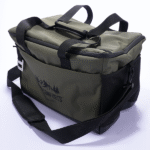
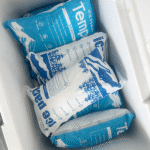
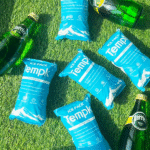
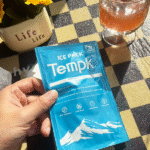
Tempk ist spezialisiert innovative cold chain packaging and refrigeration solutions. Our team combines engineering expertise with a commitment to sustainability to help clients navigate the evolving landscape of cold chain for frozen foods energy efficiency. From reusable Isolierte Kisten to advanced Eisbeutel and IoTenabled monitoring, we provide holistic solutions tailored to your needs. We prioritize ecofriendly materials and continuously test our products to ensure reliability and compliance with the latest regulations. Working with Tempk means partnering with a company that shares your goals for quality, Sicherheit und Umweltschutz.
Bereit, Ihre Kühlkette zu verbessern? Contact Tempk to explore energyefficient Verpackungslösungen, schedule a consultation or request a customized energy audit. Our experts are here to help you build a resilient, konforme und nachhaltige Kühlkette.