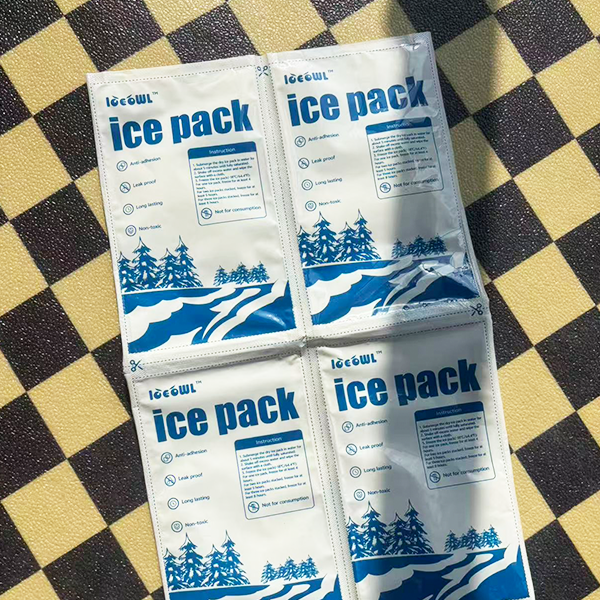
Kühlketten-Eisbox-Fabrikkosten: So wählen Sie den richtigen Partner aus
The right decision for Kühlkette Eisbox-Fabrik Die Kosten hängen von einem kontrollierten Verpackungsprozess ab, keine Abkürzung für die Kühlkettenplanung. Sie benötigen einen Container, der zur Nutzlast passt, ein Kühlmittelplan, der zum Temperaturbereich passt, und einen Lieferanten, der erklären kann, was auf Ihrer Route getestet wurde und was noch überprüft werden muss. Für die direkte Beschaffung ab Werk für wiederholbare Kühlkettenprogramme, Dies ist wichtig, da die Fabrikkosten als vollständige Programmkosten behandelt und die Werkzeuge außer Acht gelassen werden, Verpackung, QC, Fracht, kehrt zurück, und Probenvalidierung. Der folgende Leitfaden fasst Käufer zusammen, technisch, und operativer Sicht.
Schnelle Antwort: Wählen Sie a Kühlketten-Eisbox Fabrikkosten durch Definition der Route, Nutzlast, Temperaturbereich, Kühlmittelformat, Reinigungsbedarf, Anpassungsdetails, und Nachweise, die vor dem Vergleich von Angeboten erforderlich sind. Der Lieferant sollte dabei helfen, diese Eingaben in einen Musterplan umzuwandeln, Behandeln Sie die Box nicht als eigenständige Garantie.
Die kurze Antwort auf die Beschaffung
Eine Lieferantenentscheidung für die Fabrikkosten für Kühlketten-Eisboxen sollte anhand von vier miteinander verbundenen Tests bewertet werden: ob die Kühlketten-Eisbox zur Nutzlast passt, ob die Isolierung und das Kühlmittel dem erforderlichen Temperaturbereich entsprechen, ob der Lieferant eine wiederholbare Produktion unterstützen kann, und ob Ihr Team den Packout konsistent durchführen kann. Preis, Farbe, und Kapazität sind wichtig, Sie sollten jedoch nicht der erste Filter sein, wenn das Produkt temperaturempfindlich ist.
Der beste Anbieter ist nicht immer der mit dem umfangreichsten Katalog. Es ist diejenige, die Ihre Routendetails in eine Spezifikation umwandeln kann, Erläutern Sie die Grenzen des Designs, und helfen Ihnen, Annahmen zu vermeiden. Wenn der Käufer unklare Angaben macht, selbst ein fähiger Lieferant kann nur raten. Wenn der Käufer die Route angibt, Nutzlast, und Qualitätsanforderungen, Die Antwort des Lieferanten lässt sich viel besser vergleichen.
Beginnen Sie mit der Route, bevor Sie die Box auswählen
Beginnen Sie mit der Spur, bevor Sie mit der Boxgröße beginnen. Eine Lane ist der eigentliche Warentransport von der Verpackung bis zum Wareneingang, inklusive Lagerwartezeit, Fahrzeugbeladung, Kuriertransfer, Lieferung auf der letzten Meile, und die Zeit, bevor der Empfänger den Behälter öffnet. Zwei Sendungen mit derselben Kühlkette können unterschiedlich abschneiden, wenn auf einer Route weniger Übergaben stattfinden und auf der anderen Route Zeit in der Nähe einer Laderampe oder in einem warmen Lieferwagen verbracht wird.
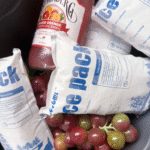
Notieren Sie den erforderlichen Temperaturbereich, die maximal geplante Transitzeit, die Ausgangstemperatur des Produkts, das Nutzlastgewicht oder die Kartonanzahl, und die erwartete Umgebungsexposition. Wenn die Versandanforderung und nicht der Boxname definiert ist, ist dies nicht eindeutig definiert, Der Lieferant kann nur eine grobe Empfehlung aussprechen. Dies ist besonders wichtig bei Gelpackungen, Eisziegel, PCM -Packungen, oder Trockeneis-ähnliche Kühlmedien werden verglichen. Das Kühlmittel ist kein Zubehör; es ist Teil des thermischen Designs.
Käufer müssen auch die schwächste Übergabe identifizieren. Auf vielen Strecken, Das größte Risiko ist nicht der lange Autobahnabschnitt. Es ist ein kurzes unkontrolliertes Warten: Eine gepackte Kiste steht beim Pflücken offen, eine Verzögerung bei der Abholung durch den Kurier, ein Empfangsteam, das Behälter auf dem Boden liegen lässt, oder eine Rückführschleife, die schmutzige Kartons zurück in den sauberen Verpackungsbereich bringt. Ein Lieferant, der sich mit dem Streckendruck auskennt, kann Ihnen bei der Konstruktion für diese realen Punkte helfen, statt nur für ideale Laborbedingungen.
Was die Box kann, und was es alleine nicht schaffen kann
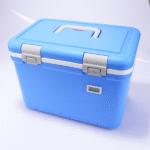
Die erste Grenze ist einfach: Eine Kühlketten-Eisbox ist normalerweise ein passiv isolierter Behälter, es sei denn, der Lieferant stellt eindeutig ein aktives Kühlsystem zur Verfügung. Passive Verpackungen verlangsamen den Wärmegewinn oder -verlust. Es sorgt nicht selbst für eine Temperaturregelung. Die Kiste, Deckel, Kühlmittel, Nutzlast, leerer Raum, Vorkonditionierung, und Routenbelichtung arbeiten als ein Packout zusammen. Diese Unterscheidung verhindert einen häufigen Kauffehler: Eine starke Außenhülle wird als Beweis für die thermische Leistung betrachtet.
Für die direkte Beschaffung ab Werk für wiederholbare Kühlkettenprogramme, Die Aufgabe des Containers besteht darin, der Verpackung eine stabile physische Umgebung zu bieten. Es soll die Nutzlast vor grober Handhabung schützen, reduzieren die Wärmeübertragung, und das Packen wiederholbar machen. Es ist nicht zu erwarten, dass eine undefinierte Route kompensiert wird, unkontrollierte Ladetemperatur, oder eine durch Vermutung gewählte Kühlmittelmenge. Der Lieferant sollte bereit sein, über diese Grenzwerte zu sprechen, bevor er die endgültige Spezifikation angibt.
Ein nützlicher Lieferant wird nicht voreilig sagen, dass ein Modell für alles passt. Stattdessen, Sie werden nach dem Temperaturbereich fragen, Streckenlänge, Jahreszeit, Produktmasse, Kartonabmessungen, Kühlmittelformat, Übergabepunkte, und ob es sich bei der Box um eine Einwegbox handelt, rückgabefähig, oder nach Gebrauch gewaschen werden. Diese Fragen können sich am Anfang langsam anfühlen, Sie verringern jedoch die Wahrscheinlichkeit, dass ein Container bestellt wird, der korrekt aussieht und versagt, wenn die Route stark ausgelastet ist.
Kapazität, Nutzlast, und der durch kalte Medien verlorene Raum
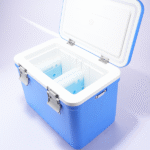
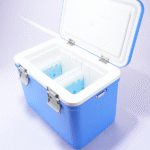
Die Kapazität sollte rund um die Nutzlast gemessen werden, nicht nur rund um die publizierte Literzahl. Mit einer Kühlkette-Eisbox, die Innenmaße, Eckradius, Wandstärke, Deckel fallen lassen, Griffstruktur, und Kühlmittelstandort können den tatsächlich nutzbaren Platz reduzieren. Ein Container mit einem größeren Nennvolumen kann dennoch weniger effizient packen, wenn die Nutzlastkartons nicht zur Geometrie passen.
Bitten Sie den Lieferanten, die Außenmaße zu trennen, Bruttoinnenvolumen, und nutzbarer Nutzlastraum. Außenmaße wirken sich auf die Palettierung aus, Kurierabrechnung, Fahrzeug passen, und Lagerlagerung. Innenmaße wirken sich auf das Produktlayout aus. Der nutzbare Nutzlastraum wirkt sich auf den Geschäftsfall aus, denn zu jedem Packout gehören auch Kaltmedien, Dämpfung, Separatoren, oder Dokumente. Wenn diese Zahlen miteinander vermischt werden, Käufer können ein Muster genehmigen, das den realen Betrieb nicht unterstützt.
Eine schnelle Layoutzeichnung ist oft nützlicher als eine lange Funktionsliste. Markieren Sie das Produkt, Kühlmittel, Oberschicht, Seitenschicht, Logger-Tasche, Unterlagen, und jegliche Lückenfüllung. Prüfen Sie dann, ob die Betreiber die Vereinbarung zu Spitzenzeiten wiederholen können. Wenn der Verpackungsprozess von einem einzelnen erfahrenen Arbeiter abhängt, der sich an ein komplexes Layout erinnert, Das Problem wird später in Form von Temperaturschwankungen auftreten, beschädigte Ware, oder inkonsistente Empfangsergebnisse.
Dokumentation, die Qualität und Betrieb unterstützt
Durch die Dokumentation wird die Leistung einer Box nicht verbessert, aber es macht Entscheidungen nachvollziehbar. Beim Kauf in der Kühlkette, Zu den nützlichen Dokumenten können Produktzeichnungen gehören, Materialbeschreibungen, Reinigungsanleitung, Verpackungsanweisungen, Musterprüfprotokolle, Testzusammenfassungen, Hinweise zur Änderungskontrolle, und Datenloggerberichte aus Ihren eigenen Versuchen. Der Umfang der Dokumentation sollte dem Risiko der Ware und den Erwartungen des Empfängers entsprechen.
Für allgemeine kommerzielle Programme, Die minimale nützliche Dokumentation ist ein klares Spezifikationsblatt und eine wiederholbare Verpackungsanweisung. Ohne die, Käufer genehmigen möglicherweise ein Produktmuster und stellen später fest, dass der Deckel der Großlieferung nicht passt, Wanddichte, Druckqualität, Griffstärke, oder Innenraum. Die Dokumentation ist ein praktischer Schutz gegen Abweichungen zwischen Erstmuster und Nachbestellungen.
Fordern Sie Unterlagen an, bevor die Bestellung abgeschlossen wird, nicht, nachdem ein Problem auftritt. Ein Lieferant, der zögert, Zeichnungen bereitzustellen, Materialnotizen, oder Packout-Annahmen sind möglicherweise noch möglich, aber das Risiko liegt beim Käufer. Wenn Waren temperaturempfindlich sind, Eine unklare Dokumentation wird später oft durch Nacharbeiten zu einem Kostenfaktor, abgelehnte Sendungen, oder dringende Ersatzbestellungen.
Hilfreiche Entscheidungshilfen
Überprüfen Sie die Details, bevor Sie sich für die Verpackung entscheiden
Mit diesen schnellen Tools können Sie das Routenrisiko vergleichen, Größenanforderungen, Kühlmittelauswahl, und Verpackungsdetails, bevor Sie ein Angebot anfordern.
Referenz zu Isoliermaterialien
Vergleichen Sie die Auswahl an Isoliermaterialien für unterschiedliche Kühlkettenverpackungsanforderungen.
Vergleichen Sie MaterialienRoutenrisiko-Checker
Überprüfen Sie die Fahrspurbedingungen, bevor Sie die Verpackung entsprechend den tatsächlichen Betriebsanforderungen auswählen.
Streckenrisiko prüfenFallfestigkeit des Isolationsmaterials
Überprüfen Sie die Fallfestigkeit und die Handhabungsfaktoren, bevor Sie Isoliermaterialien auswählen.
Widerstand prüfenSo nehmen Sie einen Lieferanten ohne Vermutungen in die engere Auswahl
Ein intensives Lieferantengespräch für Kühlketten-Eisboxen ist spezifisch. Anstatt nur nach einem Katalog und einem Preis zu fragen, Geben Sie dem Lieferanten eine kurze Wegbeschreibung: Nutzlastgröße und Gewicht, Zieltemperatur, Transitzeit, erwartete Umgebungsexposition, Reinigungsbedarf, Rückkehrplan, Anpassungsbedürfnisse, und Auftragsvolumen. Die Qualität der Lieferantenfragen verrät oft mehr als das erste Angebot. Ein seriöser Lieferant stellt eher vage Anforderungen in Frage, als die Unsicherheit hinter einem niedrigen Stückpreis zu verbergen.
Die Probenüberprüfung sollte die Eignung umfassen, Gewicht, Deckelverschluss, Griffkomfort, Stapelverhalten, Beschriftungsfeld, Reinigung der Innenfläche, Kühlmittelplatzierung, und Produktionskonsistenz. Wenn die Probe auf einem regulierten oder hochwertigen Weg verwendet wird, Prüfen Sie, ob der Lieferant Prüfunterlagen oder zumindest einen realistischen Musterversuchsplan vorweisen kann. Farbe nicht genehmigen, Logo, und äußere Größe, während das thermische System undefiniert bleibt.
Für Massenbestellungen, Fragen Sie, wie die Fabrik mit wesentlichen Änderungen umgeht, Formenpflege, Kontrolle der Logografik, Kartons verpacken, Prüfkriterien, und fehlerhafte Einheiten. Eine kleine Abweichung in der Passform des Deckels oder der Wandstruktur spielt bei der normalen Aufbewahrung möglicherweise keine Rolle, aber es kann für eine wiederholte Kühlkettenroute von Bedeutung sein. Der Einkauf sollte auch fragen, ob der Lieferant bei Nachbestellungen die gleichen Spezifikationen beibehalten kann oder ob sich Komponenten ohne Vorankündigung ändern können.
- Bestätigen Sie, ob die Proben- und Großeinheiten dasselbe Material verwenden, Schimmel, Liner, Deckel, und Verschlussstruktur.
- Fragen Sie, ob der Lieferant Zeichnungen zur Verfügung stellen kann, Packout-Annahmen, und Prüfkriterien vor der Produktion.
- Überprüfen Sie, ob ein benutzerdefiniertes Logo vorliegt, Farbe, Etikettenbereich, und Verpackungsänderungen wirken sich auf die Vorlaufzeit oder das thermische Layout aus.
- Klären Sie, ob kalte Medien, Separatoren, und Verpackungsanweisungen sind im Lieferumfang enthalten oder werden separat angegeben.
Von der Musteranfrage bis zum Produktions-Rollout
Die praktische Einführung von Kühlketten-Eisboxen sollte schrittweise erfolgen. Erste, Definieren Sie die Route und die Nutzlast. Zweite, Materialien und Größen in die engere Auswahl nehmen. Dritte, Fordern Sie Muster mit Zeichnungen und Verpackungsannahmen an. Vierte, Führen Sie ein Pilotprojekt mit echten Bedienern durch, reales Produkt oder repräsentative Masse, und das vorgesehene Kühlmittel. Fünfte, Überprüfen Sie die Ergebnisse mit der Beschaffung, Operationen, und Qualität, bevor die Massenproduktion genehmigt wird. Dieser abgestufte Ansatz verlangsamt den ersten Kauf etwas, reduziert aber teure spätere Korrekturen.
Während des Piloten, mehr als nur die Temperatur aufzeichnen. Packzeit aufzeichnen, Kommentare des Personals, Probleme beim Schließen des Deckels, Produktschäden, Kondensation, Lesbarkeit des Etiketts, Rückgabebedingung, Reinigungszeit, und jegliche Verwirrung beim Empfang. Wenn der Behälter wiederverwendbar ist, Verfolgen Sie, wie es zurückkommt. Wenn die Box individuell bedruckt ist, Überprüfen Sie, ob das Branding die Handhabung und Reinigung übersteht. Diese Betriebsbeobachtungen entscheiden darüber, ob die Box funktioniert, nachdem die erste Woche der Begeisterung nachgelassen hat.
Vor der Skalierung, die Spezifikation einfrieren. Das bedeutet genehmigte Probe, Materialnotizen, Farbstandard, Logo-Artwork, Kartonverpackung, Prüfkriterien, und alle zulässigen Toleranzen. Definieren Sie außerdem, was als Änderung gilt, die die Zustimmung des Käufers erfordert. Kühlkettenverpackung reagiert empfindlich auf kleine Designänderungen, insbesondere wenn die Verpackung bereits getestet wurde. Ein Lieferant, der bereit ist, die Änderungskontrolle zu besprechen, ist in der Regel leichter zu verwalten als Nachbestellungen.
Risiken, die vor der Großbestellung gelöst werden sollten
| Betriebsrisiko | Wie es im Gebrauch aussieht | Praktische Prävention |
|---|---|---|
| Undefinierter Temperaturbereich | Das Team kauft eine Schachtel, bevor es prüft, ob das Produkt gekühlt ist, gefroren, oder produktspezifisch. | Bestätigen Sie den erforderlichen Bereich und die Produktempfindlichkeit, bevor Sie die Box und das Kühlmittel auswählen. |
| Verwirrung beim Nennvolumen | Die angegebene Literkapazität scheint angemessen zu sein, aber das Kühlmittel verringert den Nutzlastraum. | Erstellen Sie ein Verpackungslayout mit echten Kartons, kalte Medien, und Loggerplatzierung. |
| Schwache Übergabekontrolle | Kisten warten auf Docks, in Transportern, oder beim Empfang ohne Prüfung. | Übergabepunkte einplanen und Set packen, versenden, und Erhalt von Schecks. |
| Drift der Lieferantenspezifikation | Großpackungen unterscheiden sich von der zugelassenen Probe hinsichtlich der Passform des Deckels oder der Haptik des Materials. | Verwenden Sie Zeichnungen, Musterabnahme, und Prüfkriterien für Nachbestellungen. |
| Lücken reinigen und wiederverwenden | Zurückgegebene Behälter weisen einen Geruch auf, Rückstand, oder beschädigte Etiketten. | Reinigungsverantwortung definieren, Inspektionspunkte, und Ruhestandskriterien. |
Die Risikoüberprüfung sollte erfolgen, bevor die Preisverhandlung abgeschlossen ist. Sobald die Bestellung aufgegeben wurde, Es wird schwieriger, die Innenmaße zu ändern, Kühlmittelanordnung, Deckelstruktur, oder Reinigungsworkflow. Eine kurze Risikotabelle gibt Beschaffung, Operationen, und Qualität einer gemeinsamen Sprache zur Genehmigung.
FAQ
Wie soll ich Lieferanten für Kühlketten-Eisboxen vergleichen??
Vergleichen Sie Lieferanten nach Routeneignung, Materialstruktur, nutzbare Nutzlast, Kühlmittelkompatibilität, Beispielunterstützung, Dokumentation, und Produktionskonsistenz. Ein niedriger Stückpreis ist nur dann sinnvoll, wenn das Angebot die gleiche Spezifikation und den gleichen Leistungsumfang abdeckt. Bitten Sie jeden Lieferanten, zu erklären, was im Lieferumfang enthalten ist, was vom Käufer geprüft werden muss, und welche Designdetails sich in der Massenproduktion ändern können.
Warum ist nutzbarer Innenraum wichtiger als Katalogkapazität??
Die Katalogkapazität spiegelt nicht immer die Art und Weise der Produkte wider, Kühlmittel, Trenner, und Dokumente passen zusammen. Eine Schachtel mit geringerem Nennvolumen funktioniert möglicherweise besser, wenn die Innengeometrie zu Ihren Kartons passt. Bitten Sie um interne Messungen und testen Sie die Verpackung mit echten oder repräsentativen Waren, bevor Sie in großen Mengen bestellen.
Muss ich vor einer Großbestellung einen Test durchführen??
Für temperaturempfindliche Güter, Ein Probeversuch wird dringend empfohlen. Der Versuch sollte die vorgesehene Nutzlast nutzen, Kühlmittel, Verpackungslayout, und Routenbelichtung so genau wie möglich. Für Routen mit geringem Risiko müssen die Tests nicht übermäßig umfangreich sein, aber es sollte spezifisch genug sein, um die Passung zu erkennen, Handhabung, und Temperaturrisiken.
Was sollte in einem seriösen Angebot enthalten sein??
Ein seriöses Angebot sollte die Containerspezifikation angeben, Material, Abmessungen, Anpassungsumfang, Zubehör, Verpackungsmethode, Beispielbegriffe, Produktionsannahmen, und jede verfügbare Test- oder Dokumentationsunterstützung. Wenn Kühlmittel, Trenner, Holzfäller, oder bedruckte Verpackungen sind nicht im Lieferumfang enthalten, Das Zitat sollte dies deutlich zum Ausdruck bringen.
Warum variieren die Preise verschiedener Unternehmen so stark??
Die Preise variieren, da Lieferanten möglicherweise unterschiedliche Materialien angeben, Wandstrukturen, Deckeldesigns, Anpassungsmethoden, Kartons verpacken, Bestellmengen, Inspektionsstandards, Frachtannahmen, und Serviceunterstützung. Vor dem Zahlenvergleich, Normalisieren Sie die Spezifikation und fragen Sie jeden Lieferanten, was vom Preis ausgeschlossen ist.
Abschluss
Die Auswahl eines Lieferanten für Kühlketten-Eisboxen ist keine Katalogübung. Für Kühlketten-Eisbox-Fabrikkosten, Die Lieferantenentscheidung sollte mit der Routen- und Nutzlastrealität beginnen. Der richtige Kühlketten-Eiskasten muss zur Route passen, Nutzlast, Temperaturanforderung, Kühlmittelmethode, Abwicklungsprozess, und Dokumentationserwartungen. Einkäufer, die diese Eingaben frühzeitig definieren, erhalten bessere Lieferantenempfehlungen und vermeiden den Vergleich von Angeboten, die technisch nicht gleichwertig sind.
Der nützlichste nächste Schritt besteht darin, eine kurze Routenbeschreibung vorzubereiten, bevor Sie nach Proben fragen. Geben Sie den Produkttyp an, Zieltemperatur, Kartongröße, Nutzlast, Transitzeit, Umgebungseinflüsse, Reinigungsbedarf, Rückkehrplan, und Anpassungsanforderungen. Mit diesen Details, Ein Lieferant kann eine realistischere Verpackung empfehlen und Sie können die Kosten mit weniger versteckten Annahmen überprüfen.
Über Tempk
Über Tempk: Tempk, Teil von Shanghai Tempk Industrial, konzentriert sich auf kühlkettentemperaturkontrollierte Verpackungen für Lebensmittel, Medizin, und andere temperaturempfindliche Waren. Das Unternehmen arbeitet mit Produktfamilien wie Gel -Eisbeutel, mit Wasser gefüllte Kühlakkus, Befeuchten Sie Trockeneis-Packungen, Gefrier-Eissteine, Isoliertaschen, EPP-Isolierboxen, VPU-Medizinkühler, isolierte Boxauskleidungen, Palettenabdeckungen, und verwandte Kühlkettenmaterialien. Für Käufer, die Kühlketten-Eisboxen bewerten, Tempk kann bei der Besprechung der Nutzlasteignung behilflich sein, Kühlmittelwahl, individuelle Anforderungen, und Musterplanung vor einer Großbestellung.
CTA: Teilen Sie Ihre Route, Produkttyp, Zieltemperaturbereich, Nutzlastanordnung, und Anpassungsanforderungen mit Tempk, um eine praktische Empfehlung für Kühlketten-Eisboxen zu besprechen, bevor von der Probe zur Produktion übergegangen wird.