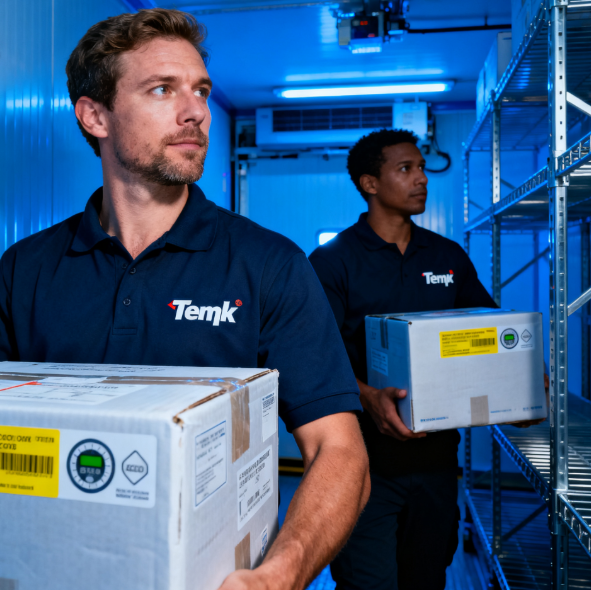
Cold Chain Packaging Solutions Built Around Your Shipment
Kühlkettenverpackung is not a carton plus something cold. A workable solution starts with the product limits and turns them into one controlled packout. The outer container, Isolierung, Kühlmedien, internal arrangement and packing instructions must work together through the real route, handoffs and receiving process.
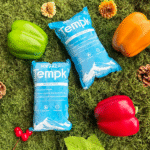
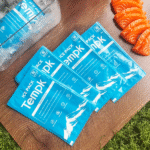
Tempk supplies passive temperature-control packaging, einschließlich Isolierte Versender, Taschen, Liner, cooling media and practical packout support. The aim is to help buyers move from a product-family choice to a defined configuration: Die cold chain packaging system needed for a particular shipment, rather than a generic hold-time promise.
Start With the Shipment Rather Than a Product List
Two shipments can use the same isolierte Box yet need different packouts. A freeze-sensitive product, a dense liquid payload, a long airport handoff, a hot loading dock or a frequently opened Liefertasche can each change the correct packaging path. Vor dem Materialvergleich, define the shipment conditions that make a difference.
- Produktanforderung: approved temperature limits, Gefrierempfindlichkeit, allowable excursions and required arrival condition.
- Nutzlast: nutzbare Abmessungen, Masse, Starttemperatur, primary packaging and fill pattern.
- Route: planned door-to-door time, credible delay allowance, Jahreszeit, Übergaben, ambient exposure and receiving conditions.
- Operationen: Kühlmittelaufbereitung, Verpackungsreihenfolge, Inszenierungszeit, Arbeitsschritte, reuse or return process and storage constraints.
- Beweis: Überwachungsbedarf, test or route-trial scope, acceptance criteria and the team responsible for approval.
A Cold Chain Packaging System Has Five Linked Parts
Eine Kühlkette Verpackungslösung is a coordinated system, not a single component. The table below separates the decisions that should be made together. This prevents a common error: treating a liner, Gelpackung, Eisstein or rigid cooler as proof of a shipment outcome on its own.
| Systemelement | What must be defined | Warum ist es wichtig |
|---|---|---|
| Boundary and insulation | Äußerer Versender, liner or rigid container, Schließung, usable internal volume and any exposed seams. | The thermal barrier and package geometry set the space available for the load and cold source. |
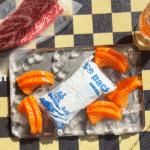
| Kühlmedien | Typ, Konditionierungsmethode, Masse, Platzierung, separation and protection from direct contact. | Cold source behavior changes with preparation and layout; more coolant is not automatically safer for a freeze-sensitive load. |
| Product interface | Primärpaket, Separatoren, Dämpfung, Saugfähigkeit, leak control and product starting condition. | The load must be protected from physical damage, condensation and localized hot or cold spots. |
| Verpackungsmethode | Assembly order, Schließung, Inszenierungszeit, handoff instructions and receiving checks. | A capable component set can still fail when daily packing steps are inconsistent. |
| Beweis- und Änderungskontrolle | Logger-Plan, Akzeptanzkriterien, Testumfang, packout record and changes that trigger review. | A component specification is not proof of the completed system on a real route. |
Choose the Starting Path by Operating Conditions
Start with a packaging family that fits the way the product moves, then define the configuration. The following paths are planning directions, not thermal-performance guarantees.
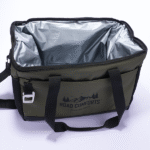
- Local and last-mile delivery: Isoliertaschen, thermal totes or liners can be a useful starting point when the load is handled frequently and the packing process must stay simple.
- Paketsendungen: carton-based liners, insulated shippers and structured cooling-media layouts may suit shipments that need protection through sorting, transfer and delivery.
- Repeated distribution: reusable rigid containers such as EPP formats may be considered where cleaning, Erholung, stacking and repeatable loading matter.
- High-value or quality-managed shipments: use the product requirement, monitoring plan and agreed evidence standard to define the packaging path before procurement.
- Pallet and bulk freight: add the load configuration, Lagerhaus wohnen, airport or dock exposure, and protection of the outer faces to the initial review.
This page focuses on passive packaging and packout support. Kühlfahrzeuge, active equipment and carrier services are separate controls. Tempk supplies packaging systems and related technical support; customers arrange freight and carrier services with their chosen logistics providers.
Turn Components Into a Controlled Packout
- Define the requirement. Record the approved product limits and the shipment conditions before selecting a material or cold source. Do not infer the required temperature band from a product category alone.
- Build and compare candidate configurations. Choose container, Isolierung, Kühlmittel, Separatoren, loading pattern and closure together. Record what changes between candidates so results can be interpreted later.
- Review the configuration under an agreed scope. Confirm coolant conditioning, Ausgangszustand des Produkts, Loggerpositionen, Umgebungseinflüsse, test duration and physical checks. Für pharmazeutische Sendungen, the quality team should set the approved product limits and relevant quality requirements.
- Release a repeatable method. Keep packing instructions, a configuration record, acceptance criteria and a clear trigger for review when the product, laden, Kühlmittel, Route, season or handling method changes.
Provide These Details Before Requesting a Quote or Sample
A useful request for quotation is also a design brief. It lets a supplier distinguish a component request from a packaging-system review and reduces the risk of samples that fit the carton but not the route.
Hilfreiche Entscheidungshilfen
Überprüfen Sie die Details, bevor Sie sich für die Verpackung entscheiden
Mit diesen schnellen Tools können Sie das Routenrisiko vergleichen, Größenanforderungen, Kühlmittelauswahl, und Verpackungsdetails, bevor Sie ein Angebot anfordern.
Trockeneisrechner
Schätzen Sie vor dem Verpacken den Bedarf an Trockeneis für gefrorene oder ultrakalte Sendungen.
Schätzen Sie TrockeneisBoxliner & Dimensionierung der Palettenabdeckung
Überprüfen Sie die Größenlogik für Kartoneinlagen und Palettenabdeckungen für isolierte Verpackungsprojekte.
Schätzen Sie die GrößeCompliance-Checklisten-Generator
Erstellen Sie eine praktische Checkliste für die Verpackungsüberprüfung, Versand, und Dokumentation.
Checkliste erstellen| Informationen zur Verfügung zu stellen | Useful detail | Was es verändert |
|---|---|---|
| Produktgrenzen | Zulässiger Temperaturbereich, Gefrierempfindlichkeit, permitted excursions and required arrival condition. | Defines the thermal target and guards against over-cooling as well as warming. |
| Payload and primary pack | Usable dimensions, Masse, fill pattern, primary packaging and starting temperature. | Changes thermal mass, nutzbarer Raum, separation needs and product protection. |
| Route and exposure | Dauer von Tür zu Tür, credible delay allowance, Jahreszeit, transfer points and receiving conditions. | Sets the exposure assumptions that the configuration must address. |
| Packing operations | Konditionierungsausrüstung, Verpackungsrate, Inszenierungszeit, labor steps and whether the package is reused. | Determines whether a packout can be repeated consistently outside a test environment. |
| Nachweis erforderlich | Vorführung, Datenprotokollierung, chamber work, Streckenversuch, customer protocol or quality approval path. | Aligns the test plan and documentation with the decision that must be made. |
| Supply requirements | Expected volume, preferred format, benutzerdefinierte Größe, printing or OEM needs. | Separates a technically suitable concept from the sourcing and implementation plan. |
Testing and Qualification Need an Agreed Scope
Ein Materialdatenblatt, a cold-source specification or one successful shipment does not establish performance for every route. The complete configuration must be assessed with the intended payload, preparation method and exposure assumptions. For a pharmaceutical context, the World Health Organization's guidance on temperaturgeführter Transport describes active and passive shipping containers and states that packaging systems should be qualified before use.
When a formal thermal profile is required, review ISTA thermal standards alongside the relevant product, route and quality requirements. ISTA beschreibt Standard 20 als Design- und Qualifizierungsprozess für Isolierte Versandbehälter and 7E as a thermal transport packaging standard for parcel delivery. Select a test approach that fits the decision being made; do not treat a general profile as an all-route guarantee.
For pharmaceutical transport context, see the WHO temperature-controlled transport guidance. Confirm market-specific regulatory obligations and product approval requirements with the responsible quality and regulatory teams.
- Document the tested packout: Komponenten, Kühlmittelaufbereitung, Layout, Nutzlast, closure and logger locations.
- Record the exposure profile, Passreichweite, measured temperature trace and physical arrival checks.
- State the limitations: Route, Jahreszeit, Produktladung, conditioning method and operating steps covered by the evidence.
- Review meaningful changes before reusing the conclusion for a new configuration or lane.
Choose the Next Step
If the packaging family is still unclear, use the Packaging Selector to compare practical starting directions by cargo, Zieltemperatur, transit time and shipment format. If you already have the product, payload and route details, prepare a packout design and testing brief so that the next discussion begins with the actual decision conditions.
Explore the Packaging Selector, start a packout design and testing brief, or browse cold chain packaging products before asking for samples, a custom format or a bulk quotation.
Senden Sie den Produkttyp, approved temperature limits, Nutzlast, Streckendauer, credible delay allowance, Ausgangsbedingung, packout format and the evidence you need. That is the information that turns a list of components into a cold chain packaging solution built for your shipment.