Die Aufrechterhaltung von Frische und Qualität ist für jeden Bäcker eine Herausforderung, vor allem, wenn Kuchen und Gebäck vom Ofen zum Kunden reisen. Cold chain pastry technology refers to the systems that control temperature and humidity from mixing through baking, Verpackung, Lagerung und Lieferung. Dieser Leitfaden, updated in late2025, erklärt, warum die Kühlkette für Gebäck wichtig ist, wie man mit Temperatur und Feuchtigkeit umgeht, und welche neuen Technologien Ihrem Unternehmen helfen können, der Konkurrenz einen Schritt voraus zu sein. Am Ende, Sie wissen, wie Sie empfindliche Desserts schützen, meet regulatory requirements and use cuttingedge innovations to extend shelf life and increase profits.
Dieser Leitfaden beantwortet Ihre Fragen zu:
Why Kühlkette integrity is essential for pastry quality and safety, referencing the projected growth of the global Kühlkette market and consumer demand for cleanlabel products.
Wie sich Temperatur und Luftfeuchtigkeit auf Desserts auswirken, einschließlich der Gefahrenzone für mikrobielles Wachstum und sichere Lagerbereiche.
Innovationen treiben die Kühlketten-Gebäcktechnologie voran 2025, such as modifiedatmosphere packaging (KARTE), Smart Sensoren, IoT, Robotik, und nachhaltige Materialien.
Praktische Schritte zur Implementierung einer Kühlkette für Ihre Bäckerei, einschließlich schneller Abkühlung, Verpackungsauswahl, realtime monitoring and route optimisation.
Markttrends und Zukunftsaussichten, Abdeckung von Marktwachstumsprognosen, AIdriven product development, personalised experiences and directtoconsumer delivery.
Warum Kühlketten-Konditortechnologie wichtig ist
Qualität und Sicherheit schützen. The Kühlkette is a temperaturecontrolled supply chain that keeps perishable products within a safe range from production to consumption. In der Bäckerei, this means controlling everything from ingredient storage and mixing to proofing, Backen, Kühlung, Verpackung, warehousing and transport. Breaks in the Kühlkette cause microbial growth and staling, shortening shelf life and eroding customer trust. Delicate pastries with cream or fruit fillings are particularly vulnerable because bacteria multiply rapidly above 5 °C; food left in the 5 °C–63 °C Gefahrenzone kann innerhalb von Stunden Krankheitserreger beherbergen.
Growing market and customer expectations. Der globale Kühlkettenmarkt wurde auf etwa USD geschätzt 278 Milliarden in 2023 und wird voraussichtlich USD erreichen 428 Milliarden von 2028 mit einer durchschnittlichen jährlichen Wachstumsrate (CAGR) von ungefähr 9 %. This growth is driven by rising demand for perishable foods and increased consumer expectations for freshness and cleanlabel bakery products. In 2025 the global Kühlkette logistics market alone was worth USD 436 billion and is forecast to exceed USD 1.36 Billionen von 2034. For bakers, investing in Kühlkette technology is not optional—it’s a competitive necessity that protects brand reputation, reduces waste and unlocks new distribution opportunities.
Einhaltung gesetzlicher Vorschriften und Risikomanagement. Weltweit schreiben Gesetze zur Lebensmittelsicherheit eine strenge Temperaturkontrolle vor. Der 2025 Updates für die USA. Gesetz zur Modernisierung der Lebensmittelsicherheit (FSMA) verlangen von den Spediteuren die Verwendung kalibrierter Sensoren, Führen Sie Temperaturaufzeichnungen und implementieren Sie Schulungsprogramme. The UK Food Standards Agency recommends keeping highrisk foods at or below 5 °C und Gefrierschränke bei –18 °C, während der FDA-Lebensmittelkodex eine Kühlung vorschreibt 135 °F bis 70 °F innerhalb von zwei Stunden und dann auf 41 °F innerhalb von vier Stunden. Eine starke Kühlkette verringert das Risiko des Verderbens, schützt Verbraucher und hilft Ihnen, Strafen zu vermeiden.
Wie Temperatur und Luftfeuchtigkeit die Qualität von Gebäck beeinflussen
Die Temperatur- und Feuchtigkeitskontrolle bestimmt, ob Ihr Kuchen feucht und schön oder trocken und unsicher ankommt. Die folgende Tabelle fasst die empfohlenen Bereiche für verschiedene Phasen der Gebäckherstellung und -verarbeitung zusammen. Durch die Einhaltung dieser Bereiche wird das mikrobielle Wachstum verhindert, preserves textures and enhances shelf life.
| Bühne | Temperaturbereich | Luftfeuchtigkeit | What It Means for You |
| Vorbereitung & Schnelle Kühlung | Kühle Kuchen von Backtemperaturen auf unten 4 °C innerhalb von zwei Stunden | Mäßig | Schnelle Abkühlung verhindert mikrobielles Wachstum und bewahrt die Feuchtigkeit. |
| Gekühlte Lagerung | 0–4 °C (32–39 °F) with humidity ≥ 85 % | Hoch | High humidity prevents cracking, keeps cream fillings safe and reduces waste. |
| Kühlung anzeigen | 2–8 ° C je nach Kuchensorte (Sahnetorten 2–4 °C, Schaum 2–6°C, Schmelzpunkt 5–8°C, fruchtbedeckt 2–6 °C) | Mäßig | Proper display keeps cakes attractive while preventing condensation and staling. |
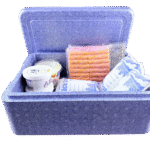
| Kurzer Transport (< 2 H) | 8–12 °C für die meisten Kuchen; unten 8 °C für Sahnetorten | Kontrolliert über isolierte Verpackung | Ensures safe delivery using portable coolers or refrigerated vans. |
| Langzeitgefrieren | ≤ –18 °C (0 ° F) mit geringer Luftfeuchtigkeit | Niedrig | Extends storage up to three months for unfrosted cakes without freezer burn. |
Why Humidity Matters as Much as Temperature
Trockene Luft führt dazu, dass Kuchen altbacken werden oder Risse bekommen, während überschüssige Feuchtigkeit zu Durchnässigkeit führt. Studium in 2025 show that packaging with microperforations can maintain 85–90 % Luftfeuchtigkeit und reduzieren den Wasserverlust 60 %, Weichheit bewahren. Airtight boxes or foodgrade cling film lock in moisture, and display cabinets with fanassisted cooling and tempered glass ensure even temperature distribution. Für Fondantkuchen, keep display fridges at the high end of the safe range (5–8 ° C) and use silica gel packets to absorb excess moisture.
Tipp: Avoid the Danger Zone
Der Gefahrenzone for pastries lies between 5 °C und 63 °C. Bakterien vermehren sich in diesem Bereich schnell. Do not leave creamfilled or fruittopped pastries at room temperature for more than two hours. Zur Sicherheit, treat any cake with perishable fillings as high risk and keep it chilled.
Innovations Driving Kühlkette Pastry Technology in 2025
The Kühlkette industry is undergoing a digital revolution. Innovations originally developed for pharmaceuticals are now transforming bakery operations, macht sie schlauer, greener and more responsive. Here are the key technologies shaping pastry logistics in 2025.
ModifiedAtmosphere Packaging (KARTE)
Modifiedatmosphere packaging alters the gas composition inside a package—usually increasing carbon dioxide and nitrogen while reducing oxygen—to inhibit microbial growth and slow oxidation. In der Bäckerei, MAP extends shelf life dramatically. Zum Beispiel, MAP can increase the ambient shelf life of white bread from 5–6 Tage bis 14–18 Tage, and waffles from 3–4 Tage bis 20 Tage. In Kombination mit Einfrieren, MAP allows bakeries to ship products long distances without sacrificing quality.
Intelligente Verpackungen und Sensoren
Intelligent packaging integrates timetemperature indicators, humidity sensors and freshness detectors that change colour if conditions deviate or microbial growth occurs. These indicators provide realtime feedback to retailers and consumers and can be connected to IoT systems for remote monitoring. Industry analysts highlight similar smart packaging labels and sensors across the food sector, including timetemperature indicators that change colour when exposed to unsafe conditions and RFID tags that enable consumers to access traceability data with a smartphone. As regulatory pressure for transparency increases, smart packaging adoption is rising in 2025.
Automatisierung, Robotics and Energy Efficiency
Modern Kühlkette bakeries rely on automated picking systems, robotics and microfulfilment centres to improve efficiency and reduce labour costs. Combining automation with energyefficient technologies—such as LED lighting, solar integration and advanced insulation—can cut energy costs by nearly 50 %. Robotics gently handle pastries to prevent damage, while IoT sensors feed data into warehouse management systems to optimise energy use and ensure regulatory compliance.
Automation also plays a critical role in packaging lines. Kollaborative Roboter (Cobots) assist workers in palletising, Sortier- und Etikettieraufgaben, boosting productivity and reducing errors. Künstliche Intelligenz (Ai) is integrated into packaging equipment to detect defects, optimise materials and ensure safety compliance.
Micro Fulfilment and Urban Logistics
Rapid urbanisation and demand for sameday delivery are leading bakeries to open micro fulfilment centres in city centres. Diese kompakt, Automatisierte Lager verkürzen die Distanz zwischen Produktion und Verbraucher, Verkürzung der Lieferzeiten und Erhaltung der Frische. Pairing micro fulfilment with electric delivery vehicles further reduces carbon emissions and fuel costs. Leichte Nutzfahrzeuge (Leichte Nutzfahrzeuge) entwickeln sich zum am schnellsten wachsenden Segment in Kühlkettentransport because they combine fuel efficiency with precise temperature control.
Sustainable Materials and Renewable Energy
Consumers increasingly demand ecofriendly packaging and sustainable operations. Bakeries are exploring recyclable or biodegradable materials, compostable liners and reusable insulated containers made from agricultural byproducts. Packaging researchers also highlight edible packaging made from seaweed or rice, plantbased bioplastics like polylactic acid (PLA) und Polyhydroxyalkanoate (PHA), and minimalist designs that reduce waste. Solarpowered refrigeration units and green roofs help reduce energy consumption and support corporate sustainability goals.
Digitalisierung, IoT, Blockchain und KI
Fortschrittliche Sensoren, IoT-Konnektivität, artificial intelligence and blockchain technology are transforming Kühlkette management. Realtime monitoring and predictive analytics enable bakeries to anticipate equipment failures, optimise energy use and track products from source to shelf. Blockchain bietet fälschungssichere Aufzeichnungen, improving transparency and traceability. Im Transportwesen, AIdriven route optimisation software analyses traffic, weather and delivery windows to minimise fuel consumption and maintain cold temperatures. These digital tools reduce waste, enhance compliance and provide valuable data for business decisions.
Advanced Food Preservation and Active Packaging
Beyond MAP, active packaging materials interact with the food or its environment to extend freshness. Sauerstofffänger, moisture absorbers and antimicrobial films inhibit bacterial growth and reduce the need for preservatives. Hochdruckverarbeitung (HPP) uses cold water under high pressure to eliminate pathogens while preserving nutrients and flavours; it is increasingly used for readytoeat products and dairy items. Nanotechnology is emerging as a revolutionary approach—nanocoatings create antimicrobial barriers and nanoencapsulation allows controlled release of antioxidants.
Implementing a Kühlkette for Pastry: Praktische Schritte
Building a robust Kühlkette involves careful planning, investment and training. Below are actionable steps to help you implement or refine your system.
Plan Temperature Zones in Your Facility
Design your Kühlspeicher with separate zones for refrigerated products (0–4 °C) und gefrorene Waren (–18 °C oder kälter). Verwenden Sie isolierte Paneele, sealed doors and air curtains to minimise temperature fluctuations and ensure humidity control. This zoning prevents crosscontamination and allows different pastries to be stored under optimal conditions.
Rapid Cooling and Freezing
Cool cakes and pastries immediately after baking to retain moisture and inhibit microbial growth. Use blast chillers or rapid chillers to bring internal temperatures below 4 °C innerhalb von zwei Stunden. Zur Langzeitlagerung, transfer products to quick freezers that reduce ice crystal formation and preserve texture.
Hilfreiche Entscheidungshilfen
Überprüfen Sie die Details, bevor Sie sich für die Verpackung entscheiden
Mit diesen schnellen Tools können Sie das Routenrisiko vergleichen, Größenanforderungen, Kühlmittelauswahl, und Verpackungsdetails, bevor Sie ein Angebot anfordern.
Trockeneisrechner
Schätzen Sie vor dem Verpacken den Bedarf an Trockeneis für gefrorene oder ultrakalte Sendungen.
Schätzen Sie TrockeneisEisbeutel-Rechner
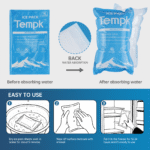
Schätzen Sie die Menge an Gel-Eisbeuteln für gekühlte Sendungen und nutzen Sie die praktische Routenplanung.
Schätzen Sie EisbeutelReferenz zu Isoliermaterialien
Vergleichen Sie die Auswahl an Isoliermaterialien für unterschiedliche Kühlkettenverpackungsanforderungen.
Vergleichen Sie MaterialienVerpackung optimieren
Select packaging materials with low oxygen and moisture permeability and ensure adequate thickness. Evaluate compatibility with MAP or vacuum sealing for frozen doughs to prevent freezer burn. Consider sustainable options such as recyclable liners, edible wraps or compostable trays. Remember that packaging should also support proper humidity levels by allowing microventilation when needed.
Use RealTime Monitoring and Analytics
Install sensors and data loggers in storage units, transport vehicles and even individual packages to monitor temperature and humidity. Integrate these devices with a warehouse management system to receive alerts and analyse trends in real time. Data analytics can identify heat intrusion patterns and inform process adjustments, saving energy and preventing spoilage.
Route Planning and LastMile Logistics
Use advanced route optimisation software that accounts for traffic, Lieferfenster und Echtzeitbedingungen, um Transitzeit und Kraftstoffverbrauch zu minimieren. Align delivery schedules with retailers’ sales patterns to reduce waste and ensure that pastries arrive when customers expect them. Für lokale Lieferungen, consider electric vans or cargo bikes to reduce emissions and operate more quietly.
Train Staff and Standardise Procedures
Informieren Sie Ihre Mitarbeiter über den richtigen Umgang, Überwachung und Dokumentation. Entwickeln Sie Standardarbeitsanweisungen (Sops) covering loading, Entladung, Stapeln von Paletten, Wartung und Reinigung der Ausrüstung. Regular audits ensure compliance and identify improvement areas. Encourage a safety culture where staff record and verify temperatures using calibrated thermometers and logbooks.
Fallstudie: Delivering Fresh Pastries to Cafés
Imagine biting into a flaky croissant at your favourite café and wondering how it stayed so fresh. The answer lies in a wellmanaged Kühlkette. In einem Beispiel, a logistics company used temperaturecontrolled systems to deliver baked goods from producers to cafés. The chain started with rapid cooling immediately after baking, followed by storage at controlled temperatures, transport in refrigerated vans and careful handling on arrival. This continuous Kühlkette maintained optimal temperature and humidity, resulting in consistent freshness and reduced waste. Clients enjoyed pastries that tasted like they were just baked, and the bakeries enhanced their reputation and profitability.
2025 Markttrends und Zukunftsaussichten
Market Growth and Regional Dynamics
Global demand for Kühlkette services continues to surge. Wie bereits erwähnt, the overall Kühlkette market is projected to grow from USD 278 Milliarden in 2023 in USD 428 Milliarden von 2028. Precedence Research reports that the Kühlkette logistics market size reached USD 436.3 Milliarden in 2025 und wird voraussichtlich erreicht werden USD 1.36 Billionen von 2034 (CAGR 13.46 %). AsiaPacific is forecast to grow at the highest CAGR (~14.3 %), while the dairy and frozen desserts segment holds the largest revenue share. Es wird prognostiziert, dass die gewerbliche Kühlung ab USD wachsen wird 45.6 Milliarden in 2023 in USD 62.7 Milliarden von 2028.
Digitalisierung und Smart Chains
Sensoren, IoT, KI und Blockchain verändern das Kühlkettenmanagement. Realtime monitoring and predictive analytics help bakeries anticipate equipment failures and optimise energy use. Blockchain records provide tamperproof traceability and build consumer trust. AIdriven route optimisation analyses traffic, Wetter- und Lieferfenster, um den Kraftstoffverbrauch zu reduzieren und kalte Temperaturen aufrechtzuerhalten. Da die Kosten für Sensoren sinken und der regulatorische Druck für Transparenz zunimmt, Intelligente Kühlketten werden zur Standardpraxis.
Nachhaltigkeit und Kreislaufwirtschaft
Environmental concerns motivate bakers to adopt ecofriendly practices. Mehrwegbehälter, biologisch abbaubare Materialien und kompostierbare Einlagen reduzieren den Abfall. Essbare Verpackung aus Algen oder Reis, plantbased bioplastics (PLA, PHA) and recyclable monomaterial plastics offer alternatives to traditional plastics. Solarpowered refrigeration and green roofs lower energy consumption and carbon footprints. Regulators are also implementing stricter labeling requirements and offering incentives for sustainable packaging.
AIDriven Product Development and Personalisation
Artificial intelligence is revolutionising product development and market insights. Generative AI enables rapid recipe testing, machine learning forecasts consumer trends and digital twins simulate baking performance. Durch den Einsatz von KI, bakeries can accelerate product launches, adapt to shifting tastes and make datadriven decisions. Consumers also increasingly seek personalised and premium experiences; custom cake design tools, gourmet hybrids and smallbatch snacks with global flavours are gaining popularity. Despite rising food costs, bakery expenditures rose by about 8 % in früh 2024 compared with the previous year, indicating that customers are willing to pay more for highquality, personalised desserts.
DirecttoConsumer (DTC) and ECommerce
Abonnementboxen, cake kits and ondemand delivery services are reshaping how baked goods reach consumers. According to baking industry insights, DTC and ecommerce channels contribute significantly to revenue and profit growth. Micro fulfilment centres located near customers, coupled with light commercial vehicles, allow sameday delivery while preserving freshness. Thirdparty fulfilment and lastmile partnerships help bakeries meet consumer expectations for convenience and speed.
Häufig gestellte Fragen
Q1: Do all pastries need refrigeration?
Not all pastries require the same level of refrigeration. Plain sponge cakes can be stored at room temperature in an airtight container for two to three days. Pastries with cream, custard or fresh fruit should be refrigerated at 1–5 °C and consumed within three to four days.
Q2: How do I store a fondant cake overnight?
Fondantkuchen werden am besten in einem kühlen Raum aufbewahrt (~20 °C) um Schwitzen zu verhindern. Wenn der Kuchen verderbliche Füllungen enthält, Kühlen Sie es bei 5–8 °C und decken Sie es mit einer Box oder Kuppel ab.
Q3: What is the optimal temperature for transporting a mousse cake?
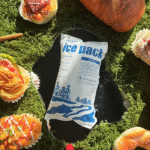
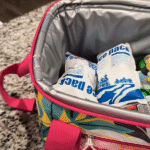
Keep mousse cakes below 8 °C during transport and use insulated containers with ice packs. Für Fahrten länger als zwei Stunden, Streben Sie eine Temperatur von 2–6 °C an und überwachen Sie die Temperaturen mit einem digitalen Thermometer.
Q4: Benötige ich eine spezielle Vitrine für Kuchen??
Ja. Display cabinets maintain 2–8 °C with even airflow and tempered glass, whereas household refrigerators can be too cold and cause frosting to sweat. Investieren Sie in Schränke mit lüfterunterstützter Kühlung, digital thermostats and glass doors to keep desserts attractive and safe.
Q5: What are the key regulations affecting Kühlkette pastry in 2025?
Der 2025 FSMA transportation rule requires calibrated sensors and temperature records. UK regulations mandate storing highrisk foods at 0–5 °C and freezers at –18 °C or colder. The FDA Food Code requires rapid cooling from 135 °F bis 41 °F innerhalb von sechs Stunden. Compliance protects public health and prevents penalties.
Zusammenfassung und Empfehlungen
In 2025 Kühlkette pastry technology evolved from a logistical necessity to a strategic differentiator. Maintaining continuous temperature and humidity control protects food safety, preserves textures and prolongs shelf life. Market growth projections highlight the increasing economic importance of Kühlkette services. Technologische Innovationen—from MAP and smart packaging to robotics, Ai, blockchain and renewable energy—allow bakeries to operate more efficiently and sustainably. Um wettbewerbsfähig zu bleiben, bakeries should invest in rapid cooling, realtime monitoring and sustainable packaging, and train staff on SOPs and regulatory compliance.. Embracing AIdriven product development and directtoconsumer channels can also boost innovation and customer engagement.
Nächste Schritte und Aufruf zum Handeln
Überprüfen Sie Ihre Kühlkette. Review temperature logs from ingredient sourcing to delivery. Identify temperature spikes, humidity fluctuations or packaging weaknesses.
Invest in sensors and analytics. Affordable IoT devices provide realtime data and help you predict issues before spoilage occurs.
Verbessern Sie die Verpackung. Explore MAP, aktive Verpackung, compostable materials and smart labels to extend shelf life and reduce waste.
Planen Sie Nachhaltigkeit. Implement renewable energy options such as solar refrigeration, choose biodegradable packaging and optimise delivery routes to reduce emissions.
Innovate with AI and ecommerce. Use AI for recipe testing, personalised product development and route optimisation. Consider subscription boxes and directtoconsumer platforms to reach new markets and gather customer feedback.
Bleib informiert. Follow industry events like IBIE to learn about emerging technologies and regulations.
By following these steps you’ll protect your products, delight your customers and position your bakery for longterm success.
Über Tempk
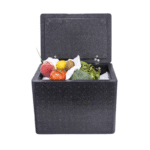
Tempk ist ein führender Entwickler von Kühlkettenlösungen that help food producers, pharmacies and other temperaturesensitive industries maintain product integrity. Wir bieten Isolierboxen an, Gel -Eisbeutel, Trockeneisbeutel, tragbare Kühlboxen, Thermopalettenabdeckungen and other reusable packaging solutions designed for temperature ranges from 0 °C to below –20 °C. Our products comply with international standards and are manufactured in ISOcertified facilities. With a strong focus on R&D and sustainability, we continuously improve Isolationsmaterialien and designs to reduce environmental impact and support a circular economy. Whether you need to transport cream cakes, frozen dough or vaccines, Tempk’s Kühlkette products help you maintain freshness, Vorschriften einhalten und Abfall reduzieren.
Ready to protect your pastries? Contact our team for a personalised assessment and discover how Tempk’s solutions can transform your Kühlkette operations.