Kühlketten-Lieferkette: Innovativ sein & Optimieren 2025
Sind Sie neugierig, wie Sie Impfstoffe aufbewahren können?, Meeresfrüchte und pflanzliche Lebensmittel, sicher vom Bauernhof bis zum Tisch? A Kühlkette, Lieferkette stellt sicher, dass temperaturempfindliche Waren während der Lagerung innerhalb präziser Bereiche bleiben, Transport und Lieferung. In 2025 Dieses System boomt: Analysten schätzen, dass der weltweite Markt für Kühlkettenlogistik von etwa 436 Milliarden US-Dollar im Jahr wachsen wird 2025 auf mehr als 1,3 Billionen US-Dollar 2034, während E-Commerce, Biologika und pflanzliche Lebensmittel treiben die Nachfrage an. In diesem Leitfaden wird erklärt, was eine Kühlketten-Lieferkette ist, Warum es wichtig ist und wie Sie neue Technologien und nachhaltige Praktiken nutzen können, um an der Spitze zu bleiben.

Was eine Kühlketten-Lieferkette ausmacht? - erkunden Kühlketten-Lieferkettenmanagement Und temperaturgesteuerte Operationen die die Waren vom Ursprung bis zum Verbrauch sicher aufbewahren
Wie sind Technologien wie KI, IoT und Blockchain verändern die Logistik? – erfahren Sie mehr darüber KI-gestützte Kühlketten-Lieferkettenlösungen Und Blockchain-fähige Rückverfolgbarkeit Verbesserung der Effizienz und Compliance
Welche Markttrends und regionalen Treiber wichtig sind? — Marktgrößen verstehen, Wachstumsraten und Regulierungskräfte formen sich Wachstum der Kühlketten-Lieferkette
Welche nachhaltigen Praktiken und Innovationen entstehen?? – Entdecken Sie solarbetriebene Speicher, –15 °C Standards und umweltfreundliche Kühlketten-Lieferkettenstrategien
Wie können Sie Ihre Abläufe optimieren?? – Erhalten Sie umsetzbare Tipps zur Auswahl der Technologie, Mit Experten zusammenarbeiten und Verschwendung reduzieren
Was ist eine Kühlketten-Lieferkette und warum wächst sie??
Eine Kühlketten-Lieferkette ist das koordinierte Netzwerk der Kühllagerung, Isolierter Transport, Verpackungs- und Überwachungstechnologien, die temperaturempfindliche Güter an jedem Knotenpunkt innerhalb sicherer Grenzen halten. Es umfasst Rohstoffe, Produktionsstätten, Verteilungszentren, Lastwagen, Schiffe, Einzelhandelsgeschäfte und sogar Hauslieferdienste. Im Gegensatz zur allgemeinen Logistik, Es erfordert eine konstante Temperaturkontrolle – oft 2–8 °C bei Impfstoffen oder –18 °C bei Tiefkühlkost –, um den Verderb zu verhindern und die Wirksamkeit aufrechtzuerhalten. Von 2025, Der Sektor expandiert rasant: Precedence Research prognostiziert, dass der weltweite Markt für Kühlkettenlogistik einen Wert von 436,30 Milliarden US-Dollar hat und voraussichtlich 1,3 Billionen US-Dollar übersteigen wird 2034, wächst mit einer CAGR von 13.46 %. Mehrere Treiber treiben dieses Wachstum voran: steigender globaler Lebensmittelhandel, Der E-Commerce und die Lieferung von Essenssets nehmen zu, technologische Innovation und strengere Vorschriften.
Kühlketten-Lieferketten sind für das moderne Leben unerlässlich. Sie schützen Impfstoffe, Biologika, Meeresfrüchte, Milchprodukte, Tiefkühlgerichte und sogar pflanzliche Proteine. Während der COVID-19-Pandemie, Sie ermöglichten die weltweite Verteilung temperaturempfindlicher Impfstoffe und Medikamente. Heute besteht die Nachfrage weiterhin, da die Verbraucher das ganze Jahr über frische Produkte erwarten und die Regierungen strenge Lebensmittel- und Arzneimittelsicherheitsstandards durchsetzen. Der Marktboom hängt auch mit der technologischen Reife zusammen: IoT -Sensoren, KI-Routenoptimierungs- und Blockchain-Plattformen bieten jetzt Sichtbarkeit und Rückverfolgbarkeit in Echtzeit.
Wesentliche Komponenten von Kühlketten-Lieferkettenlösungen
Eine effiziente Kühlketten-Lieferkette kombiniert physische Vermögenswerte mit intelligenten Technologien. Zu den Schlüsselkomponenten gehören:
Kühllager: Temperaturkontrollierte Lagereinrichtungen sorgen für gleichbleibende Bedingungen für die Waren, die auf die Verteilung warten. Moderne Lagerhäuser verfügen über energieeffiziente Designs und IoT-Sensoren, die die Temperatur überwachen, Luftfeuchtigkeit und Türstatus, um die Einhaltung sicherzustellen.
Isolierte Fahrzeuge und Kühlcontainer: speziell konstruierte LKWs, Anhänger und Schiffscontainer halten die Produkte während des Transports auf der erforderlichen Temperatur. Einige Fahrzeuge nutzen elektrische oder hybride Kühlsysteme und sind mit GPS- und IoT-Sensoren zur Echtzeitüberwachung ausgestattet.
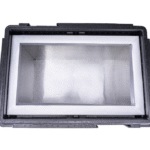
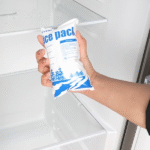
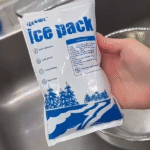
Intelligente Verpackungen und Behälter: fortschrittliche Materialien (vakuumisolierte Paneele, Phasenwechselmaterialien) und wiederverwendbare Kühlakkus sorgen dafür, dass die Temperatur auch bei schwankenden äußeren Bedingungen erhalten bleibt. Leichte, intelligente Container integrieren Sensoren und 5G-Konnektivität.
Überwachungstechnologien: IoT -Sensoren, Datenlogger und Blockchain-Gateways liefern kontinuierlich Daten zur Temperatur, Standort und Luftfeuchtigkeit, Dies ermöglicht prädiktive Analysen und eine schnelle Reaktion auf Abweichungen.
Menschliche Expertise und Prozesse: geschultes Personal, Standardarbeitsanweisungen und Qualitätsmanagementsysteme (Z.B., Gute Vertriebspraxis) Stellen Sie sicher, dass die Technologie richtig eingesetzt wird und dass Korrekturmaßnahmen ergriffen werden, wenn Alarme ausgelöst werden.
| Kühlkettenkomponente | Schlüsselmerkmale | Nutzen für Ihr Unternehmen |
| Kühllager | Energieeffiziente Kühlung, IoT-Überwachung | Inventar schützen, Energiekosten senken, Halten Sie sich an die Lebensmittel- und Arzneimittelvorschriften |
| Isolierte Fahrzeuge & Behälter | Kühlwagen, Hybridkühlung, GPS-Tracking | Halten Sie die Temperatur während des Transports aufrecht, Gewährleistung der Lieferintegrität |
| Intelligente Verpackungen & Behälter | Vakuumisolierung, Phasenwechselmaterialien, 5G-Sensoren | Temperaturhaltezeit verlängern, Verpackungsmüll reduzieren, ermöglichen Echtzeit-Sichtbarkeit |
| Überwachungstechnologien | IoT -Sensoren, Datenlogger, Blockchain-Gateways | Stellen Sie Warnungen bereit, ermöglichen eine vorausschauende Wartung, Unterstützung von Audit-Trails |
Praktische Tipps und Vorschläge
Implementieren Sie mehrschichtige Verpackungen für empfindliche Waren: Verwenden Sie isolierte Boxen, die mit Phasenwechselmaterialien und Gelpackungen ausgekleidet sind, um die Temperatur während der Übergaben aufrechtzuerhalten.
Nutzen Sie Echtzeitüberwachung und prädiktive Analysen: Setzen Sie IoT-Sensoren ein, die mit einem Cloud-Dashboard verbunden sind, um Temperaturschwankungen sofort zu erkennen und mithilfe von KI Geräteausfälle vorherzusagen.
Arbeiten Sie mit erfahrenen Drittanbietern zusammen: Arbeiten Sie mit 3PL-Spezialisten zusammen, die Kühllagerung anbieten, Transport- und Compliance-Services zur Reduzierung der Komplexität.
Fallstudie: Pharmalieferketten in Südostasien nutzen Blockchain-basierte Trackingsysteme mit IoT-Sensoren und solarbetriebener Speicherung, um Impfstofflieferungen zu überwachen. Alle Temperatur- und Reisedaten werden in einem verteilten Hauptbuch erfasst, Dies ermöglicht es Regulierungsbehörden und Interessenvertretern, die Einhaltung zu überprüfen und Manipulationen zu verhindern. Diese Technologiekombination gewährleistet eine sichere Lieferung auch in Regionen mit unzuverlässiger Stromversorgung.
Wie verändern Innovationstechnologien die Lieferketten der Kühlkette??
Digitale Technologien – KI, IoT, Blockchain, Robotik und fortschrittliche Materialien – verändern die Kühlketten-Lieferketten, indem sie die Transparenz erhöhen, Effizienz und Belastbarkeit. IoT-Geräte und Sensoren erfassen die Temperatur in Echtzeit, Luftfeuchtigkeit und Standortdaten; KI-Algorithmen analysieren den Verkehr, Wetter und Nachfrage, um Routen zu optimieren und Wartung vorherzusagen; Blockchain erstellt eine manipulationssichere Aufzeichnung jeder Produktbewegung; und fortschrittliche Materialien wie Sonnenkollektoren und leichte Isolierung reduzieren den Energieverbrauch und den CO2-Fußabdruck. Diese Innovationen sind nicht mehr experimentell; Große Logistikanbieter und Hersteller übernehmen sie in allen Lagerhäusern und Transportnetzwerken, Dies sorgt für sofortige Kosteneinsparungen und Wettbewerbsvorteile.
Neue Technologien ermöglichen auch neue Servicemodelle. Während der Pandemie, Viele B2B-Händler sind auf Essenssets für den Direktvertrieb umgestiegen. Mit IoT-fähiger Kühllagerung und Routenoptimierung, Sie können nun frische Mahlzeiten direkt an Haushalte liefern, Überbrückung der Kluft zwischen Restaurants und Verbrauchern. KI-gestützte Tools prognostizieren die Nachfrage und passen den Lagerbestand an, Abfall reduzieren. Tragbare Kryo-Gefriergeräte halten extrem niedrige Temperaturen aufrecht (–80 °C bis –150 °C) für Biologika und Gentherapien. Solarbetriebene Kühlung verringert die Abhängigkeit vom Stromnetz und senkt die Betriebskosten. Zusammen, Diese Technologien verändern die Art und Weise, wie Waren bewegt werden, und ermöglichen neue Geschäftsmodelle.
Ai, IoT und Blockchain: Game Changer in Kühlketten-Lieferketten
KI und Predictive Analytics: Algorithmen analysieren historische und Echtzeitdaten (Verkehr, Wetter, Fahrzeuggesundheit) um optimale Routen vorzuschlagen und Wartungsarbeiten zu planen. Dies reduziert den Kraftstoffverbrauch, verhindert Verderb und verbessert die pünktliche Lieferung. KI prognostiziert auch Nachfragemuster, Unterstützung von Unternehmen bei der Anpassung der Lagerbestände und Reduzierung von Fehlbeständen.
IoT-Sensoren und Echtzeitdaten: Angeschlossene Geräte überwachen die Temperatur, Luftfeuchtigkeit und Standort entlang der Lieferkette. Kontinuierliche Daten ermöglichen sofortiges Handeln bei Abweichungen. In Verbindung mit Blockchain, IoT-Daten liefern lückenlose Aufzeichnungen, die von Prüfern überprüft werden können.
Blockchain für Transparenz und Vertrauen: Die Blockchain-Technologie zeichnet jede Transaktion und Bewegung sicher auf, dezentrales Hauptbuch. Große Lebensmittelunternehmen wie Walmart und IBM nutzen Blockchain, um Produkte zu verfolgen und Kontaminationsquellen schnell zu identifizieren. Für Pharmazeutika, Blockchain stellt die Integrität des Impfstoffs sicher und schützt geistiges Eigentum.
Robotik, Drohnen und autonome Fahrzeuge: Autonome LKWs und Drohnen werden für die Zustellung auf der letzten Meile und den Fernversand getestet. Unternehmen wie Tesla und Waymo entwickeln autonome Lkw, während Drohnen Lieferungen in überfüllten oder abgelegenen Gebieten abwickeln. Roboter in Lagern verwalten den Lagerbestand und kommissionieren Bestellungen, Reduzierung menschlicher Fehler und Aufrechterhaltung der Temperaturkonsistenz.
Solar- und erneuerbare Energie: Solarpaneele versorgen Lagerhäuser und Kühlwagen mit Strom, Senkung der Stromkosten und CO2-Emissionen. Kommerzielle Solartarife liegen zwischen 3.2 Und 15.5 Cent pro kWh in den Vereinigten Staaten, im Vergleich zu durchschnittlichen Netzraten von 13.10 Cent, Einsparpotenziale aufzeigen. Solarbetriebene Einheiten sind besonders in ländlichen Gebieten mit unbeständiger Stromversorgung nützlich.
| Technologie | Zweck | Profitieren Sie für Ihr Unternehmen |
| Ai & prädiktive Analytik | Analysieren Sie Daten, um Routen zu optimieren und den Bedarf zu prognostizieren | Schnellere Lieferungen, reduzierte Kraftstoffkosten, weniger Fehlbestände |
| IoT -Sensoren | Überwachen Sie die Temperatur, Luftfeuchtigkeit und Standort in Echtzeit | Sofortige Benachrichtigungen, verbesserte Bestandsverwaltung, Compliance-Nachweis |
| Blockchain-Plattformen | Erstellen Sie manipulationssichere Aufzeichnungen über Produktbewegungen | Verbesserte Rückverfolgbarkeit, Betrugsprävention, Vorschriftenregulierung |
| Robotik & Automatisierung | Nutzen Sie autonome Fahrzeuge, Drohnen und Lagerroboter | Reduzierte Arbeitskosten, konstante Temperaturen, höhere Genauigkeit |
| Solar & erneuerbare Energie | Versorgen Sie Lagerhallen und Fahrzeuge mit Solarzellen | Niedrigere Energiekosten, reduzierter CO2-Fußabdruck, Widerstandsfähigkeit in abgelegenen Gebieten |
Praktische Tipps und Vorschläge
Pilot-KI-Routenoptimierung auf Hochrisikorouten: Beginnen Sie mit Sendungen, bei denen es in der Vergangenheit zu Verzögerungen oder Beschädigungen kam; Messen Sie Verbesserungen und skalieren Sie sie schrittweise.
Integrieren Sie IoT-Sensoren mit Blockchain: Verwenden Sie Sensoren, die Daten automatisch an ein Blockchain-Ledger übertragen, Erstellen einer unveränderlichen Aufzeichnung für Aufsichtsbehörden und Partner.
Investieren Sie in erneuerbare Energielösungen: Bewertung von Solaranlagen für Lagerhallen und Kühlfahrzeuge; Vergleichen Sie Kosten und Einsparungen mithilfe lokaler Stromtarife.
Fallstudie: Die Blockchain-Initiative Food Trust von Walmart und IBM zeichnet jeden Schritt der Lebensmittelversorgungskette auf einer Blockchain auf. Wenn eine Kontamination auftritt, Die Quelle kann innerhalb von Minuten zurückverfolgt werden, Dies ermöglicht schnelle Rückrufe und reduziert Abfall. Ähnlich, Von großen Herstellern getestete autonome Lkw beginnen, Waren mit minimalem menschlichen Eingriff auszuliefern, Reduzierung der Arbeitskosten und Emissionen.
Markttrends und regionale Dynamik treiben das Wachstum voran
Der Markt für Kühlketten-Lieferketten erlebt ein explosionsartiges Wachstum und eine Diversifizierung über Regionen und Segmente hinweg. Laut Präzedenzforschung, Der Markt wird von 436,30 Milliarden US-Dollar im Jahr wachsen 2025 auf mehr als 1,3 Billionen US-Dollar 2034. Fortune Business Insights schätzt, dass der Markt 293,58 Milliarden US-Dollar wert war 2023 und wird bis 862,33 Milliarden US-Dollar erreichen 2032, reflektieren a 13 % CAGR. StartUs Insights berichtet, dass der Sektor gewachsen ist 26,800 Mitarbeiter im vergangenen Jahr, Gesamtbeschäftigung auf mehr als erhöhen 576,300 und unterstreicht das starke Beschäftigungswachstum. Auch die Innovation floriert: mehr als 2,800 Patente wurden angemeldet und die Zahl der Patentanmeldungen nimmt zu 36.6 % jährlich. Die Finanzierung ist robust, mit Over 1,880 Finanzierungsrunden im Wert von durchschnittlich 56,2 Millionen US-Dollar pro Deal.
Segment & Einblicke in die Region: Wo investieren
Die Lieferkette der Kühlkette ist nicht monolithisch; Das Wachstum variiert je nach Servicetyp, Region und Technologie:
Transport vs. Lagerung: Der Transport macht einen erheblichen Teil der Investitionen aus, Aber auch die Kühllagerung boomt aufgrund des E-Commerce und der Essenspakete. In 2024, Kühllager hatten einen Wert von 238,29 Milliarden US-Dollar. Die Trockeneistechnologie hat mehr als erfasst 55 % Marktanteil, während Vorkühlanlagen im asiatisch-pazifischen Raum über 204,4 Milliarden US-Dollar erwirtschafteten.
Asien–Pazifik: Die rasche Urbanisierung und steigende Einkommen treiben das Wachstum der Kühlkette in der Region voran. Precedence Research-Projekte im asiatisch-pazifischen Raum werden die höchste CAGR verzeichnen (~14.3 %) durch 2034. Märkte wie Indien und China investieren stark in den organisierten Einzelhandel und verarbeitete Lebensmittel.
Nordamerika: Ein reifer, aber expandierender Markt, Nordamerika profitiert von einem starken biopharmazeutischen Sektor und einem wachsenden E-Commerce. Die Investitionen in grenzüberschreitende Transporte und Nachhaltigkeitsverbesserungen werden fortgesetzt.
Europa: Umweltbewusstsein und strenge Vorschriften zwingen europäische Betreiber dazu, umweltfreundliche Technologien und energieeffiziente Praktiken einzuführen. Die veraltete Infrastruktur wird modernisiert, um den neuen Kältemittelvorschriften und Nachhaltigkeitsstandards zu entsprechen.
Schwellenländer: Südostasien, Afrika und Lateinamerika investieren in Kühlkettenkapazitäten, um die wachsenden Verbrauchermärkte und den Arzneimittelbedarf zu decken. Solarbetriebene Kühlung und Blockchain-Rückverfolgbarkeit sind in Regionen mit unzuverlässiger Stromversorgung besonders wertvoll.
| Region/Segment | Wachstumsprognose | Gelegenheiten |
| Asien–Pazifik | Höchste CAGR (~14.3 %) und starke Nachfrage nach Vorkühlanlagen und Kühllagern | Investieren Sie in moderne Lagerhaltung, Zustellung auf der letzten Meile und lokale Vertriebszentren |
| Nordamerika | Wachstumstreiber sind Biopharmazeutika und E-Commerce | Modernisierung der Alterungsanlagen, Automatisierung und erneuerbare Energien einführen |
| Europa | Umweltauflagen und veraltete Infrastruktur treiben die Modernisierung voran | Konzentrieren Sie sich auf energieeffiziente Geräte, nachhaltige Verpackungen und neue Kältemittel |
| Schwellenländer | Erweiterung, um der steigenden Verbrauchernachfrage und dem Gesundheitsbedarf gerecht zu werden | Setzen Sie solarbetriebene Kühlung ein, Blockchain-Rückverfolgbarkeit und Schulungsprogramme |
Praktische Tipps und Vorschläge
Bewerten Sie die regionalen Möglichkeiten sorgfältig: Forschungsmarktgröße, Informieren Sie sich vor einer Investition über das regulatorische Umfeld und die Verbrauchernachfrage; Schwellenländer bieten möglicherweise hohe Renditen, erfordern jedoch lokale Lösungen.
Dienstleistungen diversifizieren: bieten Mehrwertdienste wie Verpackung an, Etikettierung und Zustellung auf der letzten Meile, um sich von der Konkurrenz abzuheben.
Gemeinsam für Resilienz sorgen: Bauen Sie Partnerschaften mit Herstellern auf, Einzelhändler und Technologieanbieter, um Ressourcen und Wissen auszutauschen, Verbesserung der Widerstandsfähigkeit der Lieferkette.
Fallstudie: Während der Pandemie, Foodservice-Händler haben sich auf Direct-to-Consumer-Modelle umgestellt. Diejenigen, die über eine fortschrittliche Kühlketteninfrastruktur verfügen, lieferten Essenspakete erfolgreich direkt an Haushalte. Durch Investitionen in neue Lagerhallen, Cross-Docking-Einrichtungen und Routenoptimierungssoftware, Sie schufen neue Einnahmequellen und verbesserten die Kundenbindung.
Nachhaltigkeit und Widerstandsfähigkeit in Kühlketten-Lieferketten
Nachhaltigkeit ist nicht mehr optional – sie ist ein Wettbewerbsvorteil. Die Kühlkettenlogistik verbraucht viel Energie und Material; Daher wenden Unternehmen umweltfreundliche Praktiken an, um Kosten zu senken und strengere Vorschriften einzuhalten. Arcadia Cold weist darauf hin, dass viele Unternehmen die Tiefkühllagertemperaturen von –18 °C auf –15 °C umstellen, um Energie zu sparen, ohne die Produktqualität zu beeinträchtigen. Auch Unternehmen setzen auf umweltfreundliche Verpackungen, energieeffiziente Lager und erneuerbare Energien. Verbraucher und Regulierungsbehörden treiben diesen Wandel voran, fordert Transparenz und Rechenschaftspflicht.
Nachhaltigkeit geht über den CO2-Fußabdruck hinaus; Es umfasst die Widerstandsfähigkeit gegenüber geopolitischen Störungen, extreme Wetter- und Lieferkettenschocks. Der Maersk-Bericht warnt davor, dass geopolitische Unruhen und Zölle den Handel stören können, Auswirkungen auf Transitzeiten und Kapazität haben. In die Jahre gekommene Kühllageranlagen müssen modernisiert werden, um neue Kältemittelstandards und Umweltvorschriften zu erfüllen. In der Zwischenzeit, neue Produktkategorien – pflanzlich, glutenfreie und biologische Lebensmittel – erfordern flexiblere Lieferketten. Um Resilienz aufzubauen, müssen die Versorgungsquellen diversifiziert werden, Einführung digitaler Zwillinge zur Simulation von Störungen und Schulung des Personals für die Reaktion auf Notfälle.
Grüne Praktiken und Zirkularität
Unternehmen können mehrere Nachhaltigkeitsstrategien umsetzen:
Umweltfreundliche Verpackung: Verwenden Sie biologisch abbaubare oder recycelbare Materialien; Nachhaltige Verpackungen reduzieren Abfall und sprechen umweltbewusste Verbraucher an.
Energieeffizienz: Kühlsysteme aufrüsten, Installieren Sie energieeffiziente Beleuchtung und nutzen Sie LED-Sensoren. Investieren Sie in Isolierungsverbesserungen und Wärmerückgewinnungssysteme, um Energieverluste zu minimieren.
Erneuerbare Energie: Installieren Sie Sonnenkollektoren in Lagerhallen und Kühlfahrzeugen. Kommerzielle Solartarife sind deutlich niedriger als Netztarife, bietet Kosteneinsparungen und Energieunabhängigkeit.
Routenoptimierung und Elektrofahrzeuge: Nutzen Sie KI-Algorithmen, um die Streckenlänge und den Kraftstoffverbrauch zu reduzieren. Elektro- und Hybridfahrzeuge reduzieren Emissionen und senken die Betriebskosten.
Abfallreduzierung und Kreislaufwirtschaft: Implementieren Sie Recyclingprogramme, Verwenden Sie Verpackungen wieder und entwerfen Sie eine Rückwärtslogistik, um Produkte und Materialien zurückzugewinnen. Geschlossene Kreislaufsysteme reduzieren Abfall und schaffen neue Einnahmequellen.
| Nachhaltigkeitsstrategie | Beschreibung | Profitieren Sie für Ihr Unternehmen |
| Stellen Sie die Tiefkühllagerung auf –15 °C ein | Reduziert den Energieverbrauch, ohne die Produktqualität zu beeinträchtigen | Geringere Energiekosten und geringerer CO2-Fußabdruck |
| Umweltfreundliche Verpackung | Verwenden Sie biologisch abbaubare oder recycelbare Materialien | Abfall reduzieren, den Ruf der Marke verbessern |
| Erneuerbare Energie | Installieren Sie Sonnenkollektoren auf Lagerhallen und Fahrzeugen | Niedrigere Stromrechnungen, größere Widerstandsfähigkeit |
| Routenoptimierung & Elektrofahrzeuge | Nutzen Sie KI, um Routen zu verkürzen; Elektrofahrzeuge einführen | Reduzieren Sie Kraftstoffkosten und Emissionen |
| Praktiken der Kreislaufwirtschaft | Materialien recyceln und zurückgewinnen; Entwerfen Sie eine Reverse-Logistik | Abfall minimieren, Wert wiederherstellen |
Praktische Tipps und Vorschläge
Bewerten Sie den Energieverbrauch und legen Sie Ziele fest: Führen Sie Energieaudits von Lagerhallen und Fahrzeugen durch; Legen Sie messbare Ziele fest, um den Verbrauch zu reduzieren und den Fortschritt zu verfolgen.
Investieren Sie in erneuerbare Infrastruktur: Bewerten Sie den ROI von Solar- oder Windanlagen; Nutzen Sie staatliche Anreize und Steuergutschriften.
Nehmen Sie eine zirkuläre Denkweise an: Entwerfen Sie Produkte und Verpackungen, die wiederverwendet oder recycelt werden können; Binden Sie Kunden in Rückgabeprogramme ein.
Fallstudie: Ein südostasiatisches Impfprogramm setzte solarbetriebene Kühllager in Kombination mit IoT-Sensoren in ländlichen Kliniken ein. Kommerzielle Solartarife von 3,2–15,5 Cent pro kWh sparten Energiekosten und sorgten gleichzeitig für eine zuverlässige Stromversorgung. Durch die Echtzeitüberwachung konnte das Personal eingreifen, wenn die Temperaturen kritische Schwellenwerte erreichten, Verhinderung des Verderbens von Impfstoffen.
2025 Entwicklungen und Trends in der Kühlkette
Neueste Entwicklungen auf einen Blick
KI-gesteuerte Routenoptimierung und vorausschauende Wartung: Algorithmen analysieren den Verkehr, Wetter- und Lieferpläne, um den Kraftstoffverbrauch zu reduzieren und die Temperaturintegrität aufrechtzuerhalten. Prädiktive Analysen antizipieren Geräteausfälle und Nachfragetrends, Ermöglicht eine proaktive Wartung.
Blockchain und Rückverfolgbarkeit: Verteilte Hauptbücher erfassen jede Produktbewegung und jeden Temperaturmesswert, Verbesserung der Transparenz und Vereinfachung von Prüfungen.
Solar powered refrigeration and renewable energy: Sonnenkollektoren senken die Energiekosten und unterstützen den Betrieb in abgelegenen Gebieten. Solarbetriebene Einheiten ermöglichen Impfprogramme in Regionen mit unzuverlässiger Stromversorgung.
Intelligente Behälter und leichte Materialien: Innovative Container integrieren Sensoren und 5G-Konnektivität, Reduzieren Sie das Gewicht und verbessern Sie die Isolierung. Phasenwechselmaterialien und Vakuumisolierung sorgen für längere Haltezeiten.
Tragbare kryogene Gefriergeräte: Mobile Einheiten halten extrem niedrige Temperaturen aufrecht (–80 °C bis –150 °C) für Biologika und Gentherapien, Dies ermöglicht eine flexible Verteilung fortschrittlicher Therapien.
Regulatorische Verbesserungen: Die Industrie verzichtet aufgrund von Umweltvorschriften schrittweise auf Kältemittel wie H-FCKW und HFKW, Dies führt zu Anlagenmodernisierungen und der Einführung neuer Geräte.
B2B- bis D2C-Erweiterung und E-Commerce: Händler stellen sich auf Direct-to-Consumer-Modelle um, bietet Essenssets und schnelle Lebensmittellieferungen an.
Regionale Investitionen und Infrastruktur: Der asiatisch-pazifische Raum verzeichnet ein hohes Wachstum mit neuen Lagern und Cross-Docking-Einrichtungen; Nordamerika erweitert Kühllager für Arzneimittel; Europa modernisiert Anlagen, um Nachhaltigkeitsanforderungen zu erfüllen.
Markteinblicke und Verbraucherpräferenzen
Die Beliebtheit pflanzlicher und biologischer Lebensmittel verändert die Kühlketten-Lieferketten. Pflanzliche Lebensmittel könnten das ausgleichen 7.7 % des globalen Proteinmarktes durch 2030, im Wert von über 162 Milliarden US-Dollar. Dadurch entstehen neue Anforderungen an die Verpackung, Lagerung und Vertrieb, Da es vielen kleinen und mittleren Unternehmen, die in den Markt eintreten, an Logistikerfahrung mangelt. Verbraucher erwarten frischere Produkte und eine schnellere Lieferung, Unternehmen dazu drängen, Last-Mile-Fähigkeiten zu entwickeln. In der Zwischenzeit, Der Pharmasektor wächst weiter, Der Umsatz soll bis zum Jahr 1,454 Billionen US-Dollar erreichen 2029, Stärkung des Bedarfs an robusten Kühlketten-Lieferketten. Die Einhaltung gesetzlicher Vorschriften – etwa des Food Safety Modernization Act in den USA und der BRC-Standards in Europa – treibt Investitionen in fortschrittliche Temperaturkontrolle und Rückverfolgbarkeit voran.
Häufig gestellte Fragen (FAQ)
- Wie unterscheidet sich eine Kühlkettenlieferkette von einer regulären Lieferkette??
Eine Kühlketten-Lieferkette erfordert eine konstante Temperaturkontrolle während der gesamten Lagerung und des Transports, Bei einer regulären Lieferkette ist dies jedoch nicht der Fall. Es nutzt spezialisierte Lager, isolierte Fahrzeuge und Überwachungstechnologien, um sicherzustellen, dass die Waren innerhalb sicherer Bereiche bleiben. - Welche Rolle spielt IoT in Kühlketten-Lieferketten??
IoT-Geräte erfassen die Temperatur in Echtzeit, Luftfeuchtigkeit und Standortdaten. Diese Informationen ermöglichen es Unternehmen, sofort auf Abweichungen zu reagieren, Optimieren Sie den Lagerbestand und erbringen Sie einen Compliance-Nachweis. - Wie verbessert Blockchain die Transparenz in Kühlketten-Lieferketten??
Blockchain zeichnet jede Transaktion und jeden Temperaturmesswert in einem manipulationssicheren Hauptbuch auf. Stakeholder können den Weg eines Produkts verfolgen und die Konformität ohne Zwischenhändler überprüfen. - Warum ist Nachhaltigkeit für Kühlketten-Lieferketten wichtig??
In Kühlkettenbetrieben sind der Energieverbrauch und die Materialverschwendung hoch. Einführung umweltfreundlicher Verpackungen, Erneuerbare Energien und Routenoptimierung reduzieren den CO2-Fußabdruck, spart Geld und erfüllt die regulatorischen Erwartungen. - Wie verbessern KI und prädiktive Analysen die Effizienz der Kühlkette??
KI analysiert Verkehrsdaten, Wetter und Nachfrage, um Routen zu optimieren und den Lagerbedarf vorherzusagen. Vorausschauende Wartung antizipiert Geräteausfälle, Reduzierung von Ausfallzeiten und Ausschuss.
Zusammenfassung & Empfehlungen
In diesem Artikel wurde untersucht, wie die Kühlkette, Lieferkette ist zu einem entscheidenden Rückgrat des globalen Handels geworden 2025. Die Nachfrage steigt, da die Verbraucher frische Produkte erwarten, pflanzliche Lebensmittel und schnelle E-Commerce-Lieferungen, während die pharmazeutische und biologische Industrie eine strenge Temperaturkontrolle erfordert. Der Markt wird voraussichtlich schnell wachsen, Investitionen und Innovation anziehen. Schlüsseltechnologien – KI, IoT, Blockchain und Solarenergie – verändern den Betrieb, indem sie Echtzeittransparenz bieten, Prädiktive Analysen und manipulationssichere Rückverfolgbarkeit. Nachhaltigkeit und Resilienz sind heute strategische Gebote, mit Unternehmen, die umweltfreundliche Verpackungen einführen, erneuerbare Energien und Kreislaufwirtschaftspraktiken. Die regionale Dynamik variiert: Asien-Pazifik ist Wachstumsführer, Nordamerika und Europa investieren in Modernisierung, und Schwellenländer setzen auf Solar- und Blockchain-Lösungen.
Umsetzbare Schritte und nächste Schritte
Bilden Sie Ihre Lieferkette ab: Überprüfen Sie jeden Knotenpunkt – vom Lieferanten bis zur Zustellung auf der letzten Meile –, um kritische Kontrollpunkte und temperaturempfindliche Phasen zu identifizieren.
Investieren Sie in Technologie: Deploy IoT sensors and AI analytics to gain real time visibility and predictive capabilities. Consider pilot projects for blockchain traceability and autonomous vehicles.
Infrastruktur aufrüsten: Modernize warehouses and vehicles for energy efficiency; adopt renewable energy and adjust frozen storage to –15 °C where possible.
Build resilient partnerships: Arbeiten Sie mit Logistikdienstleistern zusammen, technology companies and regulatory experts to navigate cross border requirements and share best practices.
Nachhaltigkeit verankern: Verwenden Sie umweltfreundliche Verpackungen, implement recycling programs and design reverse logistics to reduce waste.
Trainiere dein Team: Educate staff on new technologies, emergency response protocols and sustainability goals to ensure consistent operations.
Indem Sie diese Schritte befolgen, you can transform your Kühlkette, Lieferkette into a resilient, efficient and sustainable network that meets regulatory requirements and delights customers.
Interne Verlinkungsmöglichkeiten
In your content strategy, Verknüpfen Sie diesen Artikel mit anderen Ressourcen auf Ihrer Website, um die Leserbindung und SEO zu verbessern. Hier finden Sie beschreibende Ankertexte, die Sie verwenden können (durch tatsächliche URLs ersetzen):
„Leitfaden für Kühlkettenverpackungslösungen“ – eine umfassende Übersicht über Dämmstoffe, Best Practices für Phasenwechselmaterialien und Verpackungen.
„KI im Supply Chain Management“ – ein ausführliches Tutorial zur Anwendung von KI und maschinellem Lernen in der Logistik und Bestandsverwaltung.
„Nachhaltige Lagerhaltungspraktiken“ – eine Ressource für Energieeffizienz, erneuerbare Energien und Abfallreduzierung in Lagerhäusern.
„Regulatorische Compliance in der Kühlkettenlogistik“ – ein Artikel, der die FDA erklärt, FSMA- und BRC-Anforderungen und wie man sie erfüllt.
„Direct-to-Consumer-Kühlkettenlogistik“ – Einblicke in die Lieferung von Essenspaketen und Strategien für die letzte Meile.
Empfohlenes Schema-Markup
Durch die Implementierung strukturierter Daten können Sie Ihre Sichtbarkeit in den Suchergebnissen verbessern. Zu den empfohlenen Schematypen gehören::
Artikel: Markieren Sie den Hauptinhalt mit dem Artikelschema, um den Autor zu identifizieren, Überschrift, Veröffentlichungsdatum und Schlüsselwörter.
FAQ-Seite: Verwenden Sie das FAQPage-Schema für den Abschnitt mit häufig gestellten Fragen, um die Wahrscheinlichkeit zu erhöhen, dass er in Rich Snippets erscheint.
Howto: Wenden Sie das HowTo-Schema auf das an Umsetzbare Schritte Abschnitt, um Suchmaschinen dabei zu helfen, die Schritt-für-Schritt-Anleitung zu verstehen.
BreadcrumbList: Stellen Sie ein Breadcrumb-Schema bereit, um die Seitenhierarchie zu verdeutlichen und die Navigation zu verbessern.
Über Tempk
Tempk ist ein Branchenführer für Kühlkettenlösungen. Wir Entwerfen und fertigen Sie isolierte Verpackungen, Kühlcontainer und Kühlkette, Lieferkette Überwachungssysteme, die von –80 °C bis arbeiten 50 °C. Unsere IoT-Sensoren lassen sich in Blockchain-Plattformen integrieren, um Echtzeittransparenz und manipulationssichere Aufzeichnungen zu liefern. Nachhaltigkeit steht im Mittelpunkt unseres Ansatzes: Wir bieten wiederverwendbare und recycelbare Verpackungen an und integrieren Sonnenkollektoren in unsere Kühllagereinheiten. In 2024, Mit den Lösungen von Tempk konnten Kunden den Verderb um bis zu reduzieren 25 %, Gleichzeitig werden die Energiekosten dank der Einführung erneuerbarer Energien gesenkt.
Bereit zur Optimierung Ihrer Kühlketten-Lieferkette?
Wenn Sie Ihre modernisieren möchten Kühlkette, Lieferkette oder modernste Technologien übernehmen, Tempk kann helfen. Kontaktieren Sie uns noch heute, um einen persönlichen Beratungstermin zu vereinbaren und zu erfahren, wie unsere Lösungen die Effizienz steigern können, Compliance und Nachhaltigkeit.