Zusammenklappbare Box aus expandiertem Polypropylen: So wählen Sie die richtige Option, ohne die Leistung zu überfordern
Ein zusammenklappbares Box aus expandiertem Polypropylen Bulk wird nicht nur anhand des Namens ausgewählt. Die richtige Wahl hängt von der Nutzlast ab, nutzbarer Raum, Streckenbelichtung, Umgangsgewohnheiten, Kühlmittelplan, und die Nachweise, die ein Lieferant erbringen kann. Für Großabnehmer, Flottenbetreiber, und Lagerplaner auf der Suche nach Mehrwegartikeln Isolierte Behälter mit besserer Leerlagerungseffizienz, Diese endgültige, käuferorientierte Version bringt das Material, operativ, und Beschaffungsfragen zusammen, sodass die Schachtel als Teil eines echten Verpackungsprozesses und nicht als allgemeiner Katalogartikel bewertet werden kann.
Die Leistungsfähigkeit des Lieferanten ist wichtiger als ein Produktfoto
Die erste Grenze ist einfach: Eine zusammenklappbare Konstruktion sollte vor Großbestellungen auf thermische Schwachstellen und mechanischen Verschleiß überprüft werden. Dies ist wichtig, da viele Kauffehler darauf zurückzuführen sind, dass ein Isolierbehälter so behandelt wird, als sei er bereits für jede Lieferung geeignet. Bei der Essenslieferung, Das kann Kundenbeschwerden oder abgelehnte Waren bedeuten. Im Gesundheitswesen oder in der Biotechnologie, Dabei kann es sich um eine Dokumentationslücke handeln, die erst nach dem Transport der Sendung entdeckt wird.
Die thermische Dauer hängt von der vollständigen Verpackung und dem Handhabungsprofil ab; Die Zusammenklappbarkeit darf den temperaturempfindlichen Schutz der Nutzlast nicht beeinträchtigen. Ein Lieferant kann Ihnen bei der Auswahl einer Schachtel helfen und eine Verpackung vorschlagen, aber der Produkteigentümer oder das Qualitätsteam sollten die Akzeptanzkriterien definieren. Diese Unterscheidung schützt beide Seiten der Transaktion.
Es ist auch nützlich, eine zu unterscheiden Isolierte EPP-Box von einem Temperaturdatenlogger. Die Box hilft, die Wärmeübertragung zu verlangsamen. Der Logger zeichnet auf, was passiert ist. Keines ersetzt das andere. Wenn die Sendung sensibel ist, Die Verpackung sollte so gestaltet sein, dass das Risiko verringert wird, und der Überwachungsplan sollte so gewählt werden, dass das Risiko dokumentiert wird.
Passen Sie die Karte für den tatsächlichen Gebrauch an
| Entscheidungsbereich | Was es bedeutet | Was als nächstes zu tun ist |
|---|---|---|
| Gute Passform | Mehrwegverteilung, Lebensmittelflotten, Kühllieferung auf der letzten Meile, saisonale Isolierbox-Programme, Große Exportaufträge | Bei Nutzlast, Route, und Handhabung sind klar definiert |
| Benötigt zusätzliche Überprüfung | Gesundheitspflege, Biotech, pharmazeutisch, oder qualitätsempfindliche Güter | Beim Temperaturbereich, Dokumentation, oder es ist eine Überwachung erforderlich |
| Schlechte Passform | Undefinierte Routen, unbekannte Nutzlasten, oder nicht unterstützte thermische Ansprüche | Wenn Käufer erwarten, dass die Box ohne Verpackungsnachweise ihre Leistung unter Beweis stellt |
| Lieferantengespräch | Klappmechanismus, Isolationskontinuität, Eckabdichtung, Haltbarkeit nach mehrmaligem Falten, Massenverpackungsmethode, und Konsistenz zwischen Muster und Produktion | Wenn eine Musterfreigabe oder eine Großbestellung geplant ist |
Die Fit-Map ist eine schnelle Möglichkeit, Überkäufe oder Unterspezifikationen zu vermeiden. Es zeigt, dass derselbe EPP-Container in einem Arbeitsablauf eine kluge Wahl und in einem anderen eine unvollständige Wahl sein kann. Der nächste Schritt besteht darin, den beabsichtigten Nutzen in messbare Fragestellungen zu überführen.
Vor der Musterfreigabe zu sperrende Spezifikationen
Die Größenbestimmung ist nicht nur eine Frage der Außenmaße. Käufer fragen oft nach einem Medium, kompakt, Brauch, oder schüttgutfreundliche Box, aber die operative Antwort liegt im Container. Der nutzbare Nutzlastraum ist das, was nach dem Kühlmittel übrig bleibt, Separatoren, Hohlraumfüllung, Produktorientierung, und Umgang mit dem Arbeiter werden berücksichtigt. Eine Kiste kann im Bruttoinnenvolumen großzügig wirken und dennoch für die tatsächliche Ladung eng sein.
Zur Mehrwegverteilung, Lebensmittelflotten, Kühllieferung auf der letzten Meile, saisonale Isolierbox-Programme, Große Exportaufträge, Fragen Sie, wie die Nutzlast platziert und entfernt wird. Wenn Kartons vertikal geladen werden, Die Deckeltiefe und die Handfreiheit sind wichtig. Wenn Gelpacks oder PCM-Packs verwendet werden, Es muss genügend Abstand vorhanden sein, um ein direktes Gefrierrisiko für Produkte zu vermeiden, die nicht mit gefrorenem Kühlmittel in Berührung kommen dürfen. Wenn die Route häufiges Öffnen beinhaltet, Das Design der Box sollte das korrekte Verschließen erleichtern und nicht auf ein perfektes Verhalten des Bedieners angewiesen sein.
Auch die Außenabmessungen wirken sich auf die Streckenkosten aus. Eine etwas zu große Box kann die Fahrzeugauslastung verringern oder den Rücklaufdruck erhöhen. Ein zu kleiner Karton kann dazu führen, dass Arbeiter zu viel einpacken müssen, Kartons biegen, oder lassen Sie weniger Platz für Kühlmittel. Die bessere Spezifikation beginnt mit Nutzlastzeichnungen oder gemessenen Mustern, Anschließend wird bestätigt, wie mit dem Container vor und nach dem Versand umgegangen wird.
Die Anpassung sollte mit einer Zeichnung oder einem übersichtlichen Maßblatt beginnen. Innenbreite, Höhe, und Tiefe sind nur der Anfang. Käufer sollten die Form der Nutzlast definieren, Wie viele Einheiten passen pro Schicht?, ob Kühlmittel daneben steht, über, oder unterhalb der Ware, und ob ein Separator erforderlich ist, um direkten Kontakt zu verhindern.
Für ODM- oder kundenspezifische Projekte, Werkzeugbau und Musterfreigabe verdienen besondere Aufmerksamkeit. Ein Prototyp könnte korrekt aussehen, aber der Käufer sollte Toleranzen bestätigen, Produktionsmaterial, Deckel passt, Beschriftungsflächen, und ob zukünftige Designänderungen mitgeteilt werden, bevor sie sich auf eine Nachbestellung auswirken. Dies ist besonders wichtig, wenn die Verpackung Teil eines validierten oder qualitätsgeprüften Arbeitsablaufs ist.
Beweis, Ansprüche, und Übergabekontrolle
Die Wärmeleistung ist das Ergebnis der Wärmeübertragung, Zeit, Masse, und Handling. Der EPP-Körper verlangsamt die Wärmebewegung. Kühlmittel nimmt Wärme auf. Die Nutzlast reagiert entsprechend ihrer eigenen Empfindlichkeit. Der Deckel, Separatoren, und der Hohlraum beeinflussen, wie sich die Luft innerhalb der Box bewegt. Weil diese Elemente zusammenarbeiten, Ein allgemeiner Anspruch auf eine Haltezeit sollte nicht als Beweis für eine andere Route angesehen werden.
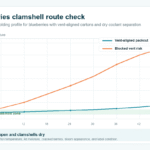
Wenn ein Lieferant einen thermischen Test erwähnt, fragen Sie nach den Konditionen: Umgebungsprofil, Nutzlast, Kühlmitteltyp, Kühlmittelaufbereitung, Kastengröße, Starttemperatur, Platzierung des Loggers, und Kriterien für das Bestehen oder Nichtbestehen. Ein Test kann auch dann nützlich sein, wenn er nicht mit Ihrer Spur identisch ist, Es sollte jedoch unter definierten Bedingungen als Beweismittel gelesen werden, nicht als universelles Versprechen.
Für den Paket- oder Gesundheitsversand, ISTA-Wärmeprofile oder IATA-Frachtpraktiken im Gesundheitswesen könnten Teil der Diskussion sein. Diese Referenzen helfen Käufern, bessere Fragen zu stellen, Der Produktbesitzer muss jedoch noch den erforderlichen Temperaturbereich und die akzeptablen Nachweise für die spezifische Sendung bestätigen.
Routen fallen an Übergabepunkten häufiger aus, als Käufer erwarten. Die Box kann auf einer Laderampe stehen, in einem Fahrzeug warten, durch ein Crossdock bewegen, oder zur Inspektion geöffnet werden. Jede Übergabe bringt Unsicherheit mit sich. Eine gute Wahl eines EPP-Behälters verringert ein gewisses Risiko, Es braucht aber auch Anweisungen, die zur Route passen.
Schauen Sie sich an, wo und von wem die Box geöffnet wird. Wenn das empfangende Team es sofort öffnet und den Zustand protokolliert, Der Prozess unterscheidet sich von einem Weg, bei dem Kartons im Kühlschrank der Filiale oder auf der Kundentheke warten. Das Betriebsmodell sollte über die Platzierung der Etiketten entscheiden, Logger-Position, Manipulationsnachweis, und Reinigung der Rücklaufschritte.
Lieferantenfragen, die wirklich wichtig sind
Ein Lieferant sollte anhand der Fragen bewertet werden, die er beantworten kann. Können sie den Unterschied zwischen Bruttoinnenvolumen und nutzbarem Nutzlastraum erklären?? Können sie materielle Informationen liefern, ohne daraus ein universelles Leistungsversprechen zu machen?? Können sie die Mustergenehmigung besprechen?, Produktionskonsistenz, Verpackung für den Export, und After-Sales-Abwicklung?
Für den Großhandel, Verteiler, Exporteur, und ODM-Projekte, Kommunikation ist genauso wichtig wie Katalogvielfalt. Der Käufer benötigt möglicherweise Zeichnungen, Kartonabmessungen, Logo-Optionen, Beschriftungszonen, Reinigungsanleitung, oder Informationen zur Testunterstützung. Wenn der Lieferant diese Grundlagen nicht vor der Bestellung bereitstellen kann, Es kann schwierig sein, Probleme zu lösen, nachdem die Sendung angekommen ist.
Hilfreiche Entscheidungshilfen
Überprüfen Sie die Details, bevor Sie sich für die Verpackung entscheiden
Mit diesen schnellen Tools können Sie das Routenrisiko vergleichen, Größenanforderungen, Kühlmittelauswahl, und Verpackungsdetails, bevor Sie ein Angebot anfordern.
Compliance-Checklisten-Generator
Erstellen Sie eine praktische Checkliste für die Verpackungsüberprüfung, Versand, und Dokumentation.
Checkliste erstellenTrockeneisrechner
Schätzen Sie vor dem Verpacken den Bedarf an Trockeneis für gefrorene oder ultrakalte Sendungen.
Schätzen Sie TrockeneisBoxliner & Dimensionierung der Palettenabdeckung
Überprüfen Sie die Größenlogik für Kartoneinlagen und Palettenabdeckungen für isolierte Verpackungsprojekte.
Schätzen Sie die GrößeEin sorgfältiger Lieferant wird auch sagen, was vom Käufer überprüft werden muss. Das ist ein gutes Zeichen. Dies bedeutet, dass der Lieferant die Grenze zwischen dem Verkauf eines EPP-Behälters und der Genehmigung eines vollständigen Kühlkettenbetriebs versteht. Bei sensiblen Anwendungen, Diese Grenze ist Teil der Risikokontrolle.
Ein praktisches Szenario für die Käuferbewertung
Ein typisches Szenario für faltbare Kartons aus expandiertem Polypropylen in großen Mengen ist, dass ein Käufer auf einem wiederholten Lieferweg Einwegschaumkartons austauscht. Die aktuellen Verpackungen sind leicht zu kaufen, erzeugen aber Abfall, inkonsistente Verpackung, und begrenzte Wiederverwendung. Eine EPP-Box sieht attraktiv aus, weil sie mehrfach verwendet und wie eine robuste Tragetasche gehandhabt werden kann, Der Käufer muss jedoch noch den Innenraum prüfen, Kühlmittelplatzierung, Deckel passt, und Retourenabwicklung.
Wenn die Probe nur auf einem Schreibtisch getestet wird, Die Entscheidung ist unvollständig. Lassen Sie es von den Bedienern laden, schließe es, trage es, reinige es, und stapeln Sie es wie an einem anstrengenden Tag. Kleinere Probleme im Arbeitsablauf zeigen sich schnell: Ein Deckel, der leicht verlegt werden kann, ein Griff, der sich im vollen Zustand unangenehm anfühlt, oder eine Form, die Platz im Transporter verschwendet. Diese Beobachtungen sind oft nützlicher als eine ausgefeilte Katalogbeschreibung.
FAQ
Ist eine zusammenklappbare Box aus expandiertem Polypropylen mit automatischer Temperaturregelung?
NEIN. Eine EPP-Box bietet Isolierung und physischen Schutz, Die Temperaturkontrolle hängt jedoch von der vollständigen Verpackung ab. Kühlmitteltyp, Nutzlast laden, Separatoren, Streckendauer, Umgebungseinflüsse, Deckeldisziplin, und Überwachung wirken sich auf das Ergebnis aus. Behandeln Sie die Box als einen Teil des Systems, nicht als vollständige Temperaturlösung für sich.
Was sollte ich überprüfen, bevor ich Muster bestelle??
Beginnen Sie mit den Nutzlastabmessungen, nutzbarer Innenraum, ggf. erforderlicher Temperaturbereich, voraussichtliche Reisezeit, Reinigungsmethode, Kennzeichnungsbedarf, und wie die Bediener die Kiste tragen oder stapeln. Zur Mehrwegverteilung, Lebensmittelflotten, Kühllieferung auf der letzten Meile, saisonale Isolierbox-Programme, Große Exportaufträge, Eine Probenüberprüfung sollte Lager- und Empfangsteams umfassen, nicht nur das Einkaufsteam.
Kann EPP für Lebensmittel verwendet werden?, medizinisch, oder Biotech-Lieferungen?
EPP kann für die Verpackung vieler Lebensmittel verwendet werden, Gesundheitspflege, Labor, und Industrieszenarien, Die Eignung hängt jedoch von der Nutzlast und der erforderlichen Dokumentation ab. Käufer sollten die Erklärungen zum Lebensmittelkontakt überprüfen, Reinigungserwartungen, Temperaturanforderungen, und alle Qualitäts- oder behördlichen Überprüfungen, bevor Sie die Verpackung für sensible Waren verwenden.
Wie soll ich zwei Anbieter vergleichen??
Vergleichen Sie mehr als nur den Preis. Überprüfen Sie die Probenkonsistenz, Deckel passt, Zeichnungen, Materialdetails, Reinigungsanleitung, Kartonverpackung, Anspruchsformulierung, und ob der Lieferant die Grenzen der thermischen Leistung erklären kann. Ein Anbieter, der sorgfältige Antworten gibt, ist möglicherweise sicherer als einer, der verspricht, dass ein einziges Kästchen jede Spur löst.
Zusätzliche Käuferhinweise vor der Bestellung
Vor der Genehmigung einer zusammenklappbaren Box aus expandiertem Polypropylen, Fragen Sie, wem die Betriebsanweisung gehört. Verpackungsentscheidungen liegen oft zwischen der Beschaffung, Lager, Logistik, Qualität, und Verkäufe. Wenn niemand das Verfahren besitzt, Arbeiter können die Kiste von Schicht zu Schicht anders packen. Das ist bei temperaturempfindlichen Gütern ebenso wichtig wie bei gewöhnlichen Mehrwegverpackungen, denn eine unregelmäßige Nutzung verkürzt die Lebensdauer.
Die Probenbegutachtung sollte sowohl negative als auch positive Beobachtungen umfassen. Wenn ein Arbeiter sagt, dass die Box schwer zu reinigen ist, wenn sich der Deckel leicht lösen lässt, oder wenn sich Etiketten auf der Oberfläche wellen, Zeichnen Sie dieses Feedback auf. Diese Kommentare mögen klein erscheinen, Sie sagen jedoch voraus, wie sich die Box nach Hunderten von Ereignissen mit hoher Belastung verhalten wird.
Für Käufer, die Lieferanten marktübergreifend vergleichen, Seien Sie vorsichtig mit übersetzten Ansprüchen. Wörter wie „medizinisch“., Lebensmittelqualität, umweltfreundlich, dauerhaft, oder professionell kann in verschiedenen Katalogen unterschiedliche Bedeutungen haben. Fragen Sie nach den zugrunde liegenden Beweisen oder verwenden Sie neutrale Formulierungen in Ihren eigenen Verkaufsmaterialien, bis Ihr Team bestätigt hat, was sicher behauptet werden kann.
Eine letzte Kontrolle ist die Entsorgung bzw. End-of-Life-Planung. Wenn die Box zur Wiederverwendung bestimmt ist, Entscheide, was passiert, wenn es geknackt wird, befleckt, ein Deckel fehlt, oder für die Strecke nicht mehr akzeptabel. Eine einfache Inspektionsregel kann verhindern, dass beschädigte Verpackungen wieder in Betrieb genommen werden, und die Glaubwürdigkeit des gesamten Verpackungsprogramms schützen.
Käufer sollten auch prüfen, wie die Kartons selbst versendet werden, bevor sie Nutzlast transportieren. Exportkartons, Stapeln von Paletten, Komprimierung während des Transports, und die Wareneingangskontrolle im Lager kann den Zustand von Deckeln und Ecken beeinträchtigen. Ein beschädigter leerer Karton kann wie ein kleines Problem beim eingehenden Versand aussehen, Dies kann jedoch zu einem wiederkehrenden Problem werden, wenn der Behälter später höherwertige Güter schützen soll.
Wenn die Bestellung Teil eines ODM- oder Private-Label-Programms ist, Die Formulierung des Anspruchs sollte mit Sorgfalt genehmigt werden. Die sicherste Beschreibung erklärt normalerweise das Material, Verwendungszweck, und Schritte zur Käuferüberprüfung, ohne eine allgemeine Einhaltung oder eine feste thermische Dauer zu versprechen. Diese Formulierung ist für den Verkauf einfacher, Qualität, und Logistikteams zur Verteidigung, wenn Kunden detaillierte Fragen stellen.
Endlich, Entscheiden Sie, was Standard bleiben muss und was variieren kann. Farbe, Logo, oder Etikettenbereich kann flexibel sein, während interne abmessungen, Deckel passt, Kühlmittelabstand, und die Materialqualität sollte nach der Genehmigung der Probe weiterhin kontrolliert werden. Klare Kontrollpunkte verringern die Wahrscheinlichkeit, dass eine spätere Neuordnung ähnlich aussieht, sich aber im Feld anders verhält.
Abschluss
Die beste Wahl für faltbare Kartons aus expandiertem Polypropylen in großen Mengen ist diejenige, die zur Route passt, Nutzlast, Handhabungsroutine, und Beweispflicht. EPP kann ein starkes Material für wiederverwendbare Isolierverpackungen sein, Der Käufer sollte jedoch materielle Vorteile nicht in nicht unterstützte Leistungsversprechen umwandeln.
Vor der Bestellung, Nutzfläche bestätigen, Kühlmittelkompatibilität, Deckelverhalten, Reinigungsmethode, Dokumentationsbedarf, und Konsistenz zwischen Muster und Produktion. Für regulierte oder qualitätssensible Güter, Beziehen Sie den Product Owner oder das Qualitätsteam frühzeitig ein. Dieser Schritt spart Zeit, da er klarstellt, was die Box leisten soll und was durch die vollständige Verpackung nachgewiesen werden muss.
Über Tempk
Tempk bietet eine Reihe von Kühlkettenverpackung Produkte, einschließlich EVP Isolierte Kisten, Kaltversandkartons, Gel -Eisbeutel, PCM bricks, isolierte Liner, Thermobeutel, und Palettenabdeckungen. Für Käufer, die EPP-Behälter bewerten, Unsere Aufgabe besteht darin, dabei zu helfen, eine umfassende Beschaffungsformel in ein praktisches Briefing umzuwandeln: Nutzlast, Route, Temperaturanforderung, Handhabungsmethode, Anpassungsbedürfnisse, und welche Beweise sollten vor der Skalierung überprüft werden.
Nutzen Sie Ihre Route, Nutzlast, und Dokumentationsbedarf als Ausgangspunkt, Dann bitten Sie Tempk, geeignete EPP- und Kühlkettenverpackungsoptionen zu vergleichen.