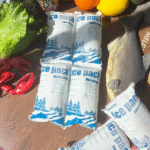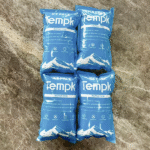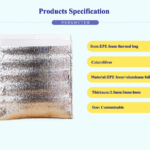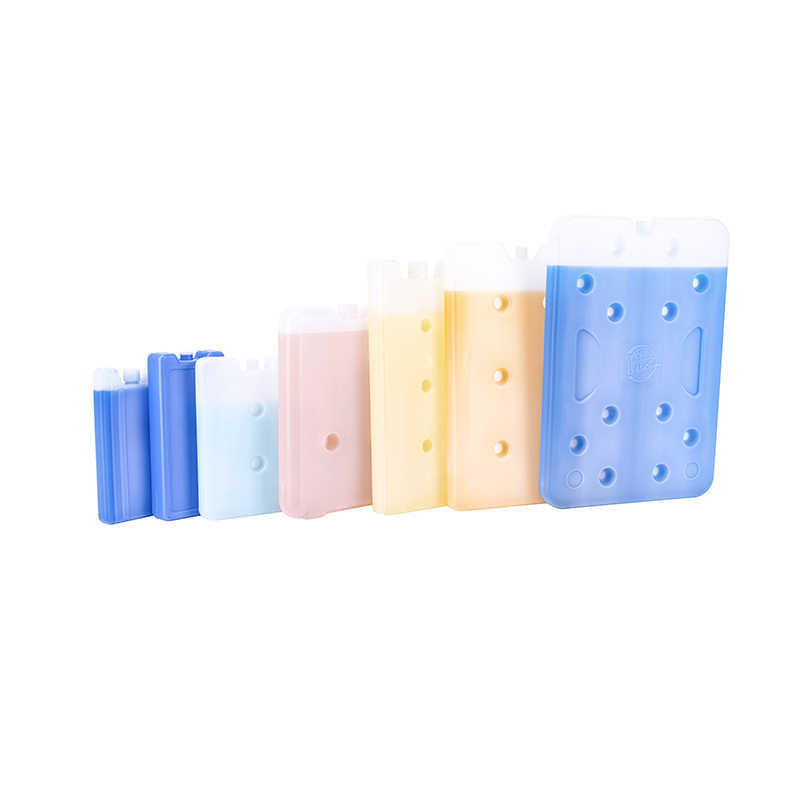
Die pharmazeutische Kontrolle von Cool Brick wird bei Erhalt nachgewiesen, Nicht im Gefrierschrank
Ein Empfänger, der einen alarmierten Holzfäller beobachtet, muss nicht wissen, dass sich die Ziegel beim Versand kalt angefühlt haben. Der Empfänger benötigt eine nachvollziehbare Antwort: Wurde die zugelassene Cool-Brick-Pharmakonfiguration korrekt verpackt und konditioniert?, War die Sendung der Herausforderung gewachsen, für die sie konzipiert war?, und wer kann das Medikament jetzt beurteilen? Diese Perspektive verändert das Projekt. Eine starre Kühlmittelstein wird nicht als eigenständiger Schutz erworben; Es wird als eine kontrollierte Komponente in einer isolierten Anlage ausgewählt, überwacht, qualifiziertes System. Viele gekühlte Medikamentenströme nutzen 2 °C bis 8 °C, Die erforderlichen Grenzwerte sind jedoch immer produktspezifisch. Einige Medikamente haben unterschiedliche Bedingungen, und einige können durch Einfrieren beschädigt werden, selbst während eines nominell gekühlten Versands.
Schreiben Sie die Empfangsentscheidung, bevor Sie die Box entwerfen
Beginnen Sie mit der Entscheidung, die nach der Entbindung getroffen werden muss. Definieren Sie die zulässigen Transportbedingungen des Produkts, welche Daten vorhanden sein müssen, Wer überprüft diese Daten?, und welche Beweise für eine Freilassung sprechen, Quarantäne, Eskalation, oder Ablehnung. Dies verhindert, dass die Verpackungsentwicklung zu einem Wettbewerb um die Produktion einer langen Verpackung wird, Flaches Temperaturdiagramm ohne sinnvollen Betriebskontext.
Eine nützliche Empfangsanforderung beantwortet fünf Fragen:
Was identifiziert die Sendung?, Produkt, Auspackrevision, und überwachen?
Welche Temperaturgrenzen und Zeitregeln gelten für dieses Produkt??
Welche physischen Kontrollen sind vor dem Auspacken oder Freigeben erforderlich??
Wer ist befugt, einen möglichen Ausflug zu beurteilen??
Was passiert, wenn Daten, Siegel, Komponenten, oder Unterlagen fehlen?
Die Messwerte des Temperaturmonitors sind ein Beweis, kein Schutz und keine automatische Verfügungsentscheidung. Für die Bewertung sind möglicherweise Informationen zur Produktstabilität erforderlich, Ausmaß und Dauer der Exposition, Sensorkontext, und Qualitätsgenehmigung. USP-Material zur Lagerung, Versand, und die mittlere kinetische Temperatur können ein Verfahren beeinflussen, Eine zusammenfassende Metrik sollte jedoch nicht dazu verwendet werden, eine Frostexposition auszuschließen oder eine produktspezifische Bewertung zu ersetzen.
Sobald die endgültige Entscheidung klar ist, rückwärts arbeiten. Der Monitor muss rückholbar und korrekt platziert sein. Das Auspacken muss mit einer kontrollierten Anweisung verknüpft sein. Die Identität und der Konditionierungszustand des Ziegels müssen überprüfbar sein. Die Qualifikation muss die vorgesehene Belastung und thermische Herausforderung abdecken. Bei der Beschaffung muss die Komponentenspezifikation erhalten bleiben, von der der Nachweis abhängt.
Wandeln Sie Medizin und Spur in Benutzeranforderungen um
Die Benutzeranforderungen des Pakets sollten kurz genug für die Verwendung und detailliert genug für Tests sein. Beginnen Sie mit den gekennzeichneten oder anderweitig genehmigten Produktbedingungen. Vermeiden Sie es, 2 °C bis 8 °C als Kategoriestandard zu behandeln. Notieren Sie die Frostempfindlichkeit, Hitze, Licht, Vibration, Orientierung, oder andere relevante Faktoren, ohne davon auszugehen, dass eine Kühlmittelkomponente sie alle berücksichtigt.
Beschreiben Sie die Nutzlastgrenzen anhand tatsächlicher Versandkonfigurationen. Die Mindestbeladung kann thermisch anfällig sein, da sie weniger Produktmasse und mehr Hohlraum enthält. Die maximale Belastung kann die Zirkulation einschränken oder dazu führen, dass die Kartons näher an einen Ziegelstein rücken. Wenn Zwischensätze variieren, Definieren Sie zulässige Anordnungen oder eine qualifizierte Konfigurationsmatrix.
Dokumentieren Sie dann die Spur als eine Abfolge von Enthüllungen und Sorgerechtswechseln. Die nominale Transitzeit ist nur eine Eingabe. Abholfenster einbeziehen, Inszenierung, Hubs, Zoll- oder Sicherheitskontrollen, Wochenenden, Planung der letzten Meile, Empfängerstunden, und glaubwürdige Verzögerungen. Überprüfen Sie Sommer- und Winterrisiken unabhängig voneinander. Die technischen Leitlinien der WHO trennen, verbinden aber die Qualifizierung von Versandcontainern, Routenprofilierung, und Transportüberwachung; Dies ist ein hilfreiches Modell, um Labornachweise mit der Feldnutzung zu verknüpfen.
Endlich, Betriebszwänge festlegen. Welche Konditionierungsgeräte stehen zur Verfügung?? Wie viele Steine passen darin in den richtigen Abstand?? Wie lange darf eine konditionierte Komponente vor dem Verpacken ruhen?? Können Mitarbeiter ähnliche Schalen unterscheiden, die unterschiedliche PCM-Formeln enthalten?? Kann ein Empfänger wiederverwendbare Komponenten zurückgeben?? Ein Entwurf, der nur unter idealer technischer Aufsicht funktioniert, ist nicht für den routinemäßigen Vertrieb geeignet.
Nutzen Sie Evidence Gates statt Produkt-Superlative
Ein kontrolliertes Projekt durchläuft Beweismitteltore. Jedes Tor beseitigt eine andere Unsicherheit, und keiner kann durch Aussagen wie „langlebig“ ersetzt werden,” „medizinischer Grad,“ oder „GDP-konform.“
| Tor | Entscheidung zu treffen | Mindestens nützliche Beweise |
|---|---|---|
| Produkt | Was muss geschützt werden? | Genehmigte Bedingungen, Empfindlichkeiten, Nutzlastreichweite |
| Komponente | Was genau ist der Ziegel?? | Zeichnung, Identifizierung von Hüllen und Füllungen, Toleranzen, Prüfkriterien |
| Design | Wie werden Teile interagieren?? | Pack-Out-Konzept, Abstand, Konditionierung, thermische Begründung |
| Qualifikation | Erfüllt das System die Anforderungen?? | Protokoll und Report für definierte Lasten, Profile, Sensoren, und Grenzen |
| Fahrbahn | Passt der Verwendungszweck zur Herausforderung?? | Überprüfung des Routenrisikos, Messdaten bei Bedarf, Verzögerungsgrund |
| Betrieb | Können Websites es reproduzieren und auswerten?? | Kontrollierte Anweisungen, Ausbildung, Überwachung, Empfang, Abweichungen |
| Lebenszyklus | Werden Beweise Veränderungen und Wiederverwendung überleben?? | Lieferantenbenachrichtigung, Inspektion, Aufzeichnungen, Überprüfungs- oder Requalifizierungsregeln |
Diese Sequenz deckt Lücken frühzeitig auf. A qualifizierter Versender Der Bericht kann die Identität eines vorgeschlagenen Ersatzsteins nicht feststellen. Detaillierte Materialdaten können den fertigen Versender nicht belegen. Exzellente Spurdaten können eine Baugruppe nicht retten, die das Personal nicht reproduzieren kann. Das Einkaufsdossier sollte alle sieben Links enthalten.
Ausgleichskühlmittel, Isolierung, Nutzlast, und Luft
Passive thermische Leistung entsteht durch Wärmeübertragung. Energie bewegt sich durch Leitung durch den Behälter, Konvektion, und Strahlung. Die Isolierung verlangsamt diese Bewegung. Der Ziegel absorbiert oder gibt Energie ab, wenn sich seine Temperatur ändert, für ein PCM, wenn sich das Material in der Phase ändert. Nutzlast und Innenluft reagieren entsprechend ihrer Masse, Anordnung, Verpackung, und Kontakt mit umgebenden Oberflächen.
Aus diesem Grund ist „mehr Kühlmittel“ keine technische Regel. Ein größerer oder kälterer Stein könnte den Schutz auf der warmen Seite erhöhen, erhöhen jedoch das Risiko von Kältekontakt, Nutzlastvolumen verbrauchen, die Durchblutung behindern, oder die Konditionierungskapazität überschreiten. Ähnlich, Der Wärmeleitfähigkeitswert eines Materials ist kein Beweis für die Leistung einer Box mit Ecken, Nähte, ein Deckel, und Herstellungsvariation.
Frostempfindliche Arzneimittel erfordern eine bewusste Trennung von sehr kalten Oberflächen. Ein gefrorener Ziegelstein auf Wasserbasis, der gegen einen Produktkarton gelegt wird, kann eine lokale Abweichung verursachen, selbst wenn ein zentraler Luftsensor akzeptabel bleibt. Ein Abstandshalter, konditionierter Puffer, überarbeitete Geometrie, oder geeignetes PCM in Betracht gezogen werden, aber jedes wird Teil der kontrollierten Konfiguration. Das PCM-Label allein sagt nichts über Phasenverhalten oder Eignung aus; Es sind formelspezifische Informationen und Systemtests erforderlich.
Hilfreiche Entscheidungshilfen
Überprüfen Sie die Details, bevor Sie sich für die Verpackung entscheiden
Mit diesen schnellen Tools können Sie das Routenrisiko vergleichen, Größenanforderungen, Kühlmittelauswahl, und Verpackungsdetails, bevor Sie ein Angebot anfordern.
Routenrisiko-Checker
Überprüfen Sie die Fahrspurbedingungen, bevor Sie die Verpackung entsprechend den tatsächlichen Betriebsanforderungen auswählen.
Streckenrisiko prüfenBoxliner & Dimensionierung der Palettenabdeckung
Überprüfen Sie die Größenlogik für Kartoneinlagen und Palettenabdeckungen für isolierte Verpackungsprojekte.
Schätzen Sie die GrößeTrockeneisrechner
Schätzen Sie vor dem Verpacken den Bedarf an Trockeneis für gefrorene oder ultrakalte Sendungen.
Schätzen Sie TrockeneisDie Konditionierung legt die Ausgangsgrenze fest. Definieren Sie den Gerätesollwert, Lademuster, Abstand, verweilen, Komponentenstatusprüfung, Entfernungssequenz, und zulässige Transferzeit. Ein mit gestapelten Tellern vollgestopfter Gefrierschrank kann dazu führen, dass diese anders konditioniert werden als bei der Konfiguration, die während der Qualifizierung verwendet wurde. Dokumentieren Sie den praktischen Ablauf und testen Sie mit so vorbereiteten Komponenten.
Fordern Sie das System heraus, Dann lesen Sie den Geltungsbereich sorgfältig durch
Durch die Qualifizierung sollte die genaue Isolierung ermittelt werden, Ziegelrevision, Kühlmittelmenge und -ort, Konditionierungsverfahren, Nutzlastsimulation oder Produktladung, Sensorpositionen, Umgebungsherausforderung, Dauer, und Akzeptanzkriterien. ISTA 7E-Profile können thermische Herausforderungen darstellen Transportverpackung in Paketnetzen eingesetzt. ISTA-Standard 20 Bietet einen umfassenderen Design- und Qualifizierungsprozess für Isolierte Versandbehälter. Das bedeutet auch nicht, dass für jedes Arzneimittel ein einzelner Baustein zugelassen ist, Absender, oder Spur.
Verwenden Sie ein generisches Profil, wenn dies gerechtfertigt ist, Spurdaten, wenn streckenspezifisches Verhalten wichtig ist, oder eine dokumentierte Kombination. Ein Kammertest liefert oft wiederholbare Belastungen; Die Feldverifizierung testet Annahmen unter tatsächlicher Handhabung. Die Risikobewertung der Organisation sollte die Beziehung definieren. Vermarkten Sie keine Laborhaltezeiten, ohne das System zu erklären, Profil, Nutzlast, Sensorlogik, und Grenzen, die es hervorgebracht haben.
Lesen Sie Fehler als Information. Eine kalte Stelle an der Ecke kann einen leitenden Kontakt erkennen lassen, ein Problem mit der Mindestlast, oder eine Konditionierungsinkonsistenz. Ein später Warmaufstieg kann auf eine Lidfalte hinweisen, unzureichende Wärmereserve, oder eine Verzögerung über die vorgesehene Dauer hinaus. Überprüfen Sie die Kalibrierung, Montage, Kammerexekution, und Datenintegrität vor der Neugestaltung. Ändern Sie dann eine oder mehrere kontrollierte Variablen mit einer klaren Hypothese und testen Sie sie gegebenenfalls erneut.
Das EU-GDP erwartet, dass beim Transport von Arzneimitteln akzeptable Bedingungen im Rahmen eines Qualitätsmanagements gewährleistet werden, risikobasierter Ansatz. Gute Lagerungs- und Verteilungspraktiken der WHO beziehen sich auf dokumentierte Verantwortlichkeiten, Überwachung, Qualifikation, und Kontrollen in der gesamten Vertriebskette. Diese Grundsätze legen fest, wie Beweise verwaltet werden. Sie verleihen einer HDPE-Hülle keine Konformität, PCM-Füllung, oder fertig ausgepackt, nur weil in einem Bericht ein Standardname vorkommt.
Hypothetischer Pilot: Unsicherheit sichtbar machen
Angenommen, ein Qualitätsteam führt eine wiederverwendbare starre Platte auf einer gekühlten Medikamentenstraße ein. Dieses hypothetische Beispiel geht von einer genehmigten Anforderung von 2 °C bis 8 °C und einer bekannten Frostempfindlichkeit aus; Es wird kein Anspruch auf ein bestimmtes Produkt erhoben, Dauer, oder Tempk-Konfiguration.
Das Projektteam friert zunächst die Anforderungen ein, nicht die Ziegel: Produktgrenzen, zwei Nutzlast-Extreme, glaubwürdige Streckenverzögerung, Sommer- und Winterherausforderungen, Empfangsstunden, und Überwachungsaufgaben. Eine vorgeschlagene PCM-Platte ist so dimensioniert, dass sie in einen definierten isolierten Karton passt und über einen Separator verfügt, der den direkten Kontakt mit der Nutzlast verhindert. Der Lieferant stellt Bauteilzeichnungen und formelspezifische Informationen zur Verfügung, während die Verpackungstechnik für das Systemdesign verantwortlich ist.
Die Entwicklungsarbeit identifiziert die anspruchsvollsten Sensorpositionen. Formale Tests nutzen den Betriebskonditionierungsprozess und genehmigte Akzeptanzkriterien. Ein Pilot mit eingeschränkter Fahrspur überprüft dann die Ausführung des Packers, Übergabezeitpunkt, Monitorabruf, und Empfängerantwort. Wiederverwendbare Einheiten werden für den Piloten eindeutig identifiziert und durchlaufen die Inspektion, Reinigung, Statustrennung, und Aufarbeitung.
Bei der Rollout-Entscheidung geht es nicht nur um „Bestehen oder Scheitern“.. Das Team listet Restrisiken auf, genehmigte Konfigurationen, Schulungsbedarf, Erholungsleistung, offene Abweichungen, und Auslöser für eine Überprüfung. Wenn es einer Route an zuverlässigem Empfang oder Brick-Return mangelt, Es kann in einer anderen qualifizierten Konfiguration verbleiben. Ein kontrollierter teilweiser Rollout ist stärker als eine nicht unterstützte Behauptung einer universellen Passform.
Betreiben Sie die Beweiskette jeden Tag
Beim Packen, Überprüfen Sie die aktuelle Arbeitsanweisung, Versender- und Komponentenidentität, Ziegelzustand und -status, korrekte Lastkonfiguration, Separatoren, Aktivierung überwachen, Schließung, und Etiketten. Erfassen Sie genügend Informationen, um die Sendung zu rekonstruieren, ohne dass Papierkram entsteht, den niemand braucht. Fotos oder Scans können bei entsprechender Regelung die Kontrolle unterstützen, Sie ersetzen jedoch keine Schulung und Verantwortung.
Vor der ersten kommerziellen Lieferung, Führen Sie mit den tatsächlichen Mitarbeitern eine Überprüfung der Leitungsbereitschaft durch, Ausrüstung, und Lagerorte. Bestätigen Sie, dass eingehende Steine der genehmigten Spezifikation entsprechen und nach Füllung und Status getrennt werden können. Beladen Sie die Konditionierungsausrüstung mit der erwarteten Betriebsdichte, Bestätigen Sie die Wiederherstellung nach dem Öffnen der Tür, und Kontingenzräume sichtbar machen. Lassen Sie jeden zulässigen Lastfall anhand der Anleitung von mehr als einem geschulten Bediener ohne Schulung zusammenbauen. Fordern Sie die Fehlerkontrollen heraus, indem Sie ein beschädigtes Schild vorlegen, ein ähnlich aussehender, nicht genehmigter Artikel, eine überfällige konditionierte Charge, und ein nicht verfügbarer Monitor. Das gewünschte Ergebnis ist nicht Geschwindigkeit; es ist die richtige Erkennung und Eskalation. Endlich, Bitten Sie den Empfangsstandort, einen Alarm und ein Ereignis fehlender Daten zu testen. Schließen Sie jede Bereitschaftslücke vor der Veröffentlichung, oder eine kontrollierte temporäre Maßnahme mit Qualitätsfreigabe dokumentieren. Diese Inbetriebnahmearbeit testet die Prozessfähigkeit rund um das qualifizierte Packout, ohne Anspruch auf neue thermische Leistung zu erheben.
Bei Erhalt, auf Schäden prüfen, Leckage, Dichtungsprobleme, unerwartetes Layout, und Datenverfügbarkeit. Bringen Sie die verdächtige Nutzlast in den definierten Haltezustand, während autorisiertes Personal sie beurteilt. Verwenden Sie den Brick-Tauzustand nicht als Pass/Fail-Verknüpfung. Schließen Sie den Datensatz mit der Disposition ab, Begründung, und etwaige Korrekturmaßnahmen.
Zur Wiederverwendung, Behandeln Sie jede Rücksendung als eingehende Komponente. Nähte prüfen, Kappen, Form, Oberfläche, Etikett, und Kontamination anhand schriftlicher Kriterien. Mit einer kompatiblen Methode reinigen und trocknen. Bleiben Sie schmutzig, sauber, beschädigt, konditioniert, und fertige Einheiten getrennt. Es gibt keine vertretbare universelle Zählung der Wiederverwendungszyklen; Der Ruhestand sollte nach Komponentenbeweis erfolgen, beobachteter Zustand, und genehmigtes Verfahren.
Regelmäßige Trendalarme, Streckendauer, Verpackungsabweichungen, Ziegelausschuss, Rückflussverlust, Konditionierungskapazität, Empfängerverzögerung, und Lieferantenwechsel. Diese Daten offenbaren Abweichungen, bevor sie zur Routine werden. Die Änderungskontrolle sollte Veränderungen am Schimmel beurteilen, Harz, Kappe, füllen, Etikett, Kartonverpackung, Absender, Nutzlast, Separator, Konditionierungsausrüstung, Träger, Route, oder Überwachungsplan. Das Ergebnis kann eine dokumentierte Begründung sein, gezielte Verifizierung, oder Umqualifizierung.
Zwei letzte Fragen vor der Genehmigung
Was ist die wichtigste Lieferantenfrage??
Fragen Sie, welche Nachweise für die genaue Komponente und Konfiguration gelten, die Sie kaufen möchten. Das eröffnet die notwendigen Folgemaßnahmen: Material und Füllung Identität, Zeichnungsüberarbeitung, Toleranzen, Konditionierung, Inspektion, getesteter Verlader und Nutzlast, Änderungsmitteilung, und Produktionskonsistenz. Ein Anspruch ohne seine Bedingungen kann die Genehmigung nicht stützen.
Wann ist ein wiederverwendbarer Stein die falsche Wahl??
Wenn die Route keine Komponenten wiederherstellen kann, kann dies eine schlechte Lösung sein, Eine Reinigung oder Statuskontrolle ist unpraktisch, Die Konditionierungskapazität ist unzureichend, Geometrie opfert wesentlichen Nutzlastraum, oder die Qualifikation weist ein inakzeptables Hitze- oder Kälterisiko auf. Ein flexibles Kühlmittel, ein anderes PCM-Format, ein anderes passives System, oder eine aktive Lösung könnte besser passen. Entscheiden Sie anhand von Anforderungen und Nachweisen, keine Wiederverwendungspräferenz.
Abschluss: Kontrollieren Sie die Entscheidung, Nicht nur die Temperatur
Die stärkste Arzneimittelauspackung beginnt mit der Freigabeentscheidung beim Wareneingang und geht über die Überwachung zurück, Spurrisiko, Qualifikation, Systemdesign, und Komponentenbeweise. Kühlmittel, Isolierung, Nutzlast, und Luft müssen gemeinsam bewertet werden. Produktspezifische Grenzwerte, insbesondere Frostempfindlichkeit, bestimmen das Ergebnis; 2°C bis 8 °C sind üblich, aber niemals universell. Routineanweisungen, Steuerelemente wiederverwenden, Datenüberprüfung, und das Änderungsmanagement bewahren die Ergebnisse der Tests. Ein starrer Cool Brick ist wertvoll, wenn er die Beweiskette reproduzierbarer macht, nicht, wenn es als die Kette selbst behandelt wird.
Über Tempk
Die Auswahl der Komponenten ist dann von größter Bedeutung, wenn sie direkt einem genehmigten Packout-Konzept zugeordnet werden kann. Tempk bietet wiederverwendbare Eissteine und PCM-Eisplatten für Isolierkartons, medizinische Boxen, Kühltaschen, und wiederholbare Baugruppen; Zu den öffentlichen Produkten gehören HDPE-Eissteine. Wir können die Lautstärke besprechen, Formform, Kappe, Schalenfarbe, PCM-Formel, Etikett, und Kartonverpackung für ein definiertes Projekt. Diese Optionen können den Baustein mit einem Versender und einem Betriebsplan in Einklang bringen, während die Qualitäts- und Verpackungsteams des Käufers die Verantwortung für die Qualifizierung der gesamten Konfiguration und ihres Verwendungszwecks behalten.
Vor der Musterfreigabe, Vergleichen Sie die vorgeschlagenen Ziegelzeichnungs- und Konditionierungsannahmen mit Ihren Benutzeranforderungen; Tempk kann dabei helfen, die verfügbaren Komponentenoptionen zu definieren.