Coole Kette von Frozen-Joghurt-Unternehmen: Schutz von Qualität und Compliance 2025
Gefrorener Joghurt ist ein empfindliches Produkt. Im Gegensatz zu normalem Joghurt, Es enthält lebende Kulturen und Lufteinschlüsse, die bei Temperaturschwankungen leicht beschädigt werden können. In 2025, Der weltweite Markt für gefrorenen Joghurt übersteigt USD 6 Milliarden und wächst angesichts der Nachfrage nach gesünderen Snacks weiter. Bewahren Sie Ihr Produkt zwischen −10 °C und −30 °C auf (14 °F bis −22 °F) behält seine cremige Textur, verhindert Bakterienwachstum und entspricht internationalen Standards. Dieser Leitfaden zeigt Du– ob Sie ein Hersteller sind, Großhändler oder Inhaber eines Selbstbedienungsladens – wie man eine moderne Kühlkette umsetzt, die strenge Sicherheitsvorschriften erfüllt und die Kunden begeistert.
In welchen Temperaturbereichen ist gefrorener Joghurt sicher?? Wir erkunden Temperaturzonen und Haltbarkeitsrichtlinien, einschließlich der Frage, warum gefrorener Joghurt viel kälter bleiben muss als Naturjoghurt.
Welche Verpackungs- und Kühlmaterialien funktionieren am besten?? Vergleichen Sie Isolierbehälter, Gelpackungen und Trockeneis, um die richtige Lösung auszuwählen.
Wie überwachen Sie die Temperatur und verhindern den Verderb?? Erfahren Sie mehr über IoT-Sensoren, RFID-Tags und GPS-Tracking sorgen für Sichtbarkeit in Echtzeit.
Welche Vorschriften gelten für Milchprodukte? 2025? FSMA verstehen 204 Zeitlinien, Kennzeichnungsregeln und internationale Standards wie der −18 °C-Benchmark für Tiefkühlkost.
Was sind die neuesten Markttrends und Innovationen?? Sehen Sie, wie KI, Automatisierung und nachhaltige Technologien verändern die Kühlkette und treiben den Markt für gefrorenen Joghurt voran.
In welchen Temperaturbereichen ist gefrorener Joghurt sicher??
Gefrorener Joghurt muss zwischen –10 °C und –30 °C bleiben (14 °F bis −22 °F)– ein von Kühlkettenexperten empfohlenes Sortiment. Bei diesen Temperaturen, Eiskristalle bleiben klein und das Produkt bleibt hart und glatt. Tiefgefrorene Bedingungen (−25 °C bis −30 °C) sind bei Langstreckentransporten erforderlich, um Hitzeschocks zu vermeiden, Dies geschieht, wenn Eiskristalle schmelzen und neu kristallisieren, Textur zerstören. Naturjoghurt, dagegen, sollte beibehalten werden 7 °C–10 °C für bis zu einer Woche oder 0 °C–1 °C für Langzeitlagerung. Beim Mischen von Naturjoghurt und gefrorenem Joghurt in derselben Kühlbox besteht die Gefahr, dass der Joghurt teilweise auftaut oder den Geschmack verliert.
Temperaturzonen und Haltbarkeit verstehen
Kühllager unterteilen Produkte in verschiedene Zonen, um den Bedürfnissen jedes Artikels gerecht zu werden. Dies verhindert Kreuzkontaminationen und erleichtert die Kapazitätsplanung. Zu den empfohlenen Bereichen gehören: Standardkühlung (2–4 °C) für Milch und Mix-Ins, gefroren (−10 °C bis −20 °C) für fertigen Frozen Yoghurt und Toppings, tief gefroren (−25 °C bis −30 °C) für Langstreckentransporte, Und kontrollierte Umgebung (12–21 °C) für trockene Zutaten. Wenn diese Bereiche eingehalten werden, wird das mikrobielle Wachstum verlangsamt und die Qualität erhalten. Die folgende Tabelle fasst zusammen, wie die Temperatur die Haltbarkeit beeinflusst.
| Lagerzone | Typische Temperatur | Typische Dauer | Praktische Bedeutung |
| Standardkühlung | 2 °C–4 °C (35.6 °F–39,2 °F) | Stunden bis Tage | Verwendung für Milch, Joghurtkulturen und Mischungen vor der Produktion |
| Gefroren | −10 °C bis −20 °C (14 °F bis −4 °F) | Wochen bis Monate | Geeignet für fertigen gefrorenen Joghurt und kurzfristigen Transport |
| Tiefgefroren | −25 °C bis −30 °C (–13 °F bis –22 °F) | Monate | Erforderlich für Langstreckentransporte und zur Vermeidung von Hitzeschocks |
| Kontrollierte Umgebung | 12 °C–21 °C (55 °F–70 °F) | Nach Bedarf | Bewahren Sie Toppings und Verpackungen trocken auf; Nicht mit Tiefkühlware vermischen |
Behalten Sie Ihr Produkt unten 0 ° F (−18 °C) ist für die Langzeitlagerung von entscheidender Bedeutung. Das International Institute of Refrigeration weist darauf hin, dass ein Lebensmittelprodukt als gefroren gilt, wenn seine Temperatur –10 °C erreicht oder wenn 80 % des gefrierbaren Wassers ist zu Eis geworden; nach dem Einfrieren, Das Produkt muss äquilibriert und bei –18 °C gelagert werden, um internationalen Standards zu entsprechen. Dieser Benchmark stellt zumindest sicher 95 % Wasser bleibt gefroren, Reduziert das mikrobielle Wachstum und schützt die Textur.
Warum Temperatur für Qualität und Sicherheit wichtig ist
Bei der Temperaturkontrolle geht es nicht nur darum, Ihr Produkt kalt zu halten; es geht darum, es zu behalten ständig kalt. Durch wiederholte Wärme- und Kältewechsel wachsen Eiskristalle, was zu einer körnigen Textur führt, Schrumpfung und probiotischer Tod. Für gefrorenen Joghurt, Selbst geringfügiges Auftauen kann die Cremigkeit beeinträchtigen. In der Zwischenzeit, Die Lagerung von Naturjoghurt bei Minustemperaturen kann die Zellstrukturen schädigen und nützliche Kulturen abtöten. Deshalb sind getrennte Temperaturzonen unerlässlich.
Zum Vergleich, Eine allgemeine Richtlinie für Kühlfahrzeuge besagt, dass gefrorene Waren bei –10 °F bis –10 °F gelagert werden sollten 0 ° F (−23 °C bis −18 °C) um ein Auftauen und Wiedereinfrieren zu verhindern. Dieses Sortiment entspricht dem internationalen Standard und unterstreicht die Bedeutung einer gleichmäßigen Kühlung während des gesamten Transports.
Welche Verpackungs- und Kühlmaterialien funktionieren am besten??
Um die Tiefkühltemperaturen von der Fabrik bis zum Verbraucher aufrechtzuerhalten, ist mehr als nur ein Thermostat erforderlich. Isolierung, Kältemittel und geeignete Verpackungstechniken machen den Unterschied zwischen eisfreier Cremigkeit und unappetitlichen Kristallen. Vor dem Versand, Frieren Sie Ihre Produkte immer auf die Zieltemperatur vor, um die Wärmebelastung der Kühlmittel zu minimieren.
Auswahl der richtigen Isolierung und des richtigen Kältemittels
Hochwertige Isoliermaterialien, wie erweiterte Polystyrol (EPS), Polyurethanschaum und vakuumisolierte Paneele (VIPs), Begrenzen Sie die Wärmeübertragung und schützen Sie gefrorenen Joghurt während des Transports. Die Dicke der Isolierung sollte der Transportzeit und den Umgebungsbedingungen entsprechen – längere Strecken erfordern dickere Platten. Innerhalb der Isolierbox, Folgen Sie einem Schichtungsansatz: eine Barriere aufstellen (wie Luftpolsterfolie oder Pappe) ganz unten, Fügen Sie Ihre Joghurtbehälter und separate Kühlmittel hinzu (Trockeneis oder Gelpackungen) vom Produkt fernhalten, um direkten Kontakt zu verhindern. Kleine Entlüftungsöffnungen geben Kohlendioxidgas aus Trockeneis ab und verhindern einen Druckaufbau.
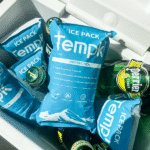
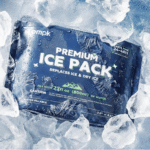
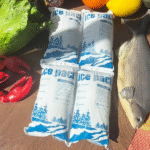
Kältemittel haben unterschiedliche Rollen. Trockeneis sublimiert bei −78,5 °C (−109,3 °F) und bietet extrem niedrige Temperaturen für bis zu 72 Std., Damit eignet es sich ideal für den Versand über große Entfernungen. Gelpackungen pflegen 2 °C–8 °C und eignet sich am besten für kurze Fahrten oder wenn Ihr Produkt gekühlt statt gefroren bleiben muss. In Verpackungsrichtlinien eines führenden Isolieranbieters, Gelpackungen werden zur Aufbewahrung gekühlter Produkte wie Schokolade oder Arzneimittel empfohlen, während Trockeneis am besten geeignet ist, um Gegenstände vollständig gefroren zu halten. Gelpackungen enthalten ungiftige Phasenwechselmaterialien, die Wärme langsam abgeben, wohingegen Trockeneis eine besondere Kennzeichnung erfordert („Kohlendioxid, massiv – UN 1845“) und Handhabung aufgrund seiner extrem kalten und gefährlichen Einstufung. Wählen Sie das Kältemittel, das Ihrer Laufzeit und dem gewünschten Temperaturbereich entspricht.
Checkliste und Best Practices für den Versand
Um Ihnen bei der Planung Ihrer Sendungen zu helfen, Betrachten Sie die folgenden Schritte:
Vorgefrieren und stabilisieren Bringen Sie das Produkt vor dem Verpacken auf die gewünschte Temperatur.
Wählen Sie den richtigen Behälter aus– EPS- oder VIP-Boxen in der Größe Ihrer Route.
Entsprechend schichten mit Absperrungen und Belüftung.
Verwenden Sie Temperaturlogger in jeder Sendung, um den Zustand zu dokumentieren.
Vorkühlen von Fahrzeugen und planen Sie Abholungen in kühleren Perioden, um den Wärmeeintrag zu minimieren.
Koordinieren Sie sich mit den Spediteuren um sicherzustellen, dass sie Ihre Temperaturanforderungen verstehen.
Richtig beschriften– insbesondere bei der Verwendung von Trockeneis – und geben Sie Mindesthaltbarkeitsdaten und Lagerungshinweise an.
Fallstudie: Bei einer grenzüberschreitenden Lieferung in Kanada wurde eine Kombination aus Trockeneis und vakuumisolierten Paneelen verwendet, um im Winter gefrorenen Joghurt von British Columbia nach Ontario zu liefern. Trotz schwankender Außentemperaturen von −15 °C bis +5 °C, Das Produkt blieb während der gesamten Fahrt unter –20 °F, Ankunft ohne Eiskristallbildung. Dies verdeutlicht den Wert der Wahl des richtigen Kältemittels und der richtigen Isolierung.
Gelpackungen versus Trockeneis: Was ist der Unterschied??
| Kühlmittel | Temperaturbereich | Dauer | Vorteile | Überlegungen |
| Gelpackungen | 2 °C–8 °C (36 °F–46 °F) | Kurze Reisen (1–2 Tage) | Sicher und wiederverwendbar; verhindern, dass Produkte einfrieren; einfache Entsorgung; erhältlich in verbraucherfreundlichen Formen wie abflussfreundlichen oder schweißfesten Packungen | Nicht für Tiefkühlsendungen geeignet; erfordern mehr Packungen für längere Zeiträume |
| Trockeneis | −78,5 °C (−109,3 °F) Sublimation | Bis zu 72 Stunden je nach Menge | Bietet extrem kalte Bedingungen, ideal für den Transport über große Entfernungen; verhindert das Auftauen | Erfordert eine Kennzeichnung und die Einhaltung der Gefahrstoffvorschriften; kann empfindliche Produkte überkühlen; Sublimationsgas muss entweichen |
Eine Alternative ist wiederverwendbare PCM-Steine, die Phasenwechselmaterialien verwenden, um einen bestimmten Temperaturbereich aufrechtzuerhalten. Sie sind nachhaltiger als Einweg-Gelpackungen und weniger gefährlich als Trockeneis. Bewerten Sie sie für Abonnementdienste oder Closed-Loop-Lieferungen.
Wie überwachen Sie die Temperatur und verhindern den Verderb??
Um gefrorenen Joghurt sicher aufzubewahren, müssen Sie genau wissen, was in Ihrem Gefrierschrank passiert, LKW oder Geschäft. Echtzeitüberwachung ermöglicht es Ihnen, Temperaturschwankungen frühzeitig zu erkennen und Korrekturmaßnahmen zu ergreifen, bevor es zu Qualitätsverlusten kommt. Manuelle Prüfungen sind fehleranfällig; leichte Schwankungen von 4 °C–7 °C können die Haltbarkeit drastisch verkürzen. Moderne Kühlketten nutzen eine Kombination aus Datenloggern, IoT -Sensoren, RFID-Tags und GPS-Tracker sorgen für kontinuierliche Sichtbarkeit.
Sensortypen und ihre Vorteile
| Gerätetyp | Beschreibung | Vorteile | Überlegungen |
| Datenlogger | Eigenständige batteriebetriebene Geräte, die Temperatur und Luftfeuchtigkeit im Laufe der Zeit aufzeichnen | Preiswert; Bereitstellung historischer Aufzeichnungen zur Einhaltung der Vorschriften; einfach zu implementieren | Erfordern einen manuellen Abruf oder eine Verbindung zu einem Netzwerk; möglicherweise keine Echtzeitwarnungen |
| Drahtlose IoT-Sensoren | Geräte, die Temperatur- und Luftfeuchtigkeitsdaten über WLAN übertragen, Mobilfunk- oder LoRa-Netzwerke | Bieten Sie eine kontinuierliche Überwachung an, automatisierte Warnungen und prädiktive Analysen | Höhere Kosten; hängen von der Netzabdeckung ab; erfordern Wartung und Batteriewechsel |
| RFID-Temperaturetiketten | In RFID-Etiketten eingebettete Sensoren für berührungsloses Scannen | Automatisieren Sie die Datenerfassung und reduzieren Sie menschliche Fehler | Begrenzte Reichweite; erfordern strategisch platzierte Leser |
| GPS-Tracker mit Temperatursonden | Kombinieren Sie Standortverfolgung mit Temperaturüberwachung | Sorgen Sie für Transparenz in Echtzeit und verbessern Sie die Ladungssicherheit | Verlassen Sie sich auf die Mobilfunk- oder Satellitenabdeckung; kann kostspielig sein |
Bei der Auswahl von Sensoren, Berücksichtigen Sie den Umfang Ihres Betriebs, Netzwerkinfrastruktur und das Risikoniveau, das Sie tolerieren können. Zum Beispiel, Ein kleiner Selbstbedienungsladen kann Datenlogger verwenden, um die Leistung des Gefrierschranks zu bestätigen, während ein landesweiter Händler möglicherweise IoT-Sensoren auf jeder Palette zur Live-Verfolgung anbringt.
Aufbau eines intelligenten Überwachungssystems
Moderne Überwachungsplattformen sammeln Daten von Sensoren, GPS-Tracker und Telematik zur Erstellung eines einzigen Dashboards. KI-gesteuerte Analysen Muster erkennen, Prognostizieren Sie den Bedarf und prognostizieren Sie Geräteausfälle. Dadurch wird die Kühlkette von reaktiv auf proaktiv umgestellt: anstatt ein Problem zu entdecken, nachdem es auftritt, Sie erhalten eine Warnung, bevor die Produktqualität beeinträchtigt wird. Zum Beispiel, Ein Produkthändler, der intelligente Sensoren integriert hat, sah a 20 % Reduzierung des Verderbs nach Erhalt der Echtzeit-Sichtbarkeit; Durch die Anpassung der Routen basierend auf Temperaturdaten wurde die Liefergenauigkeit verbessert.
Praktische Schritte zum Aufbau Ihres Systems:
Ordnen Sie Ihre Kette zu. Identifizieren Sie alle temperaturempfindlichen Produkte, Temperaturbereiche und Transportwege, um Investitionen zu priorisieren.
Sensoren integrieren. Setzen Sie IoT-Sensoren in Lagereinheiten und Fahrzeugen ein, um Standort- und Temperaturdaten zu erfassen.
Nutzen Sie Analysen. Wählen Sie eine Software, die Sensordaten aggregiert und Sie bei Abweichungen warnt; KI kann den Bedarf vorhersagen und Muster bei Temperaturschwankungen erkennen.
Dokumentieren Sie alles. Führen Sie digitale Aufzeichnungen über Temperaturbedingungen und Chargencodes; Blockchain kann unveränderliche Prüfpfade erstellen.
Echtzeitüberwachung und Compliance
Regulierungsbehörden erwarten zunehmend kontinuierliche Transparenz. Die USA. Gesetz zur Modernisierung der Lebensmittelsicherheit (FSMA) Abschnitt 204 verlangt, dass für bestimmte Lebensmittel Rückverfolgbarkeitsaufzeichnungen vorhanden sind, die es den Aufsichtsbehörden ermöglichen, die gesamte Geschichte einer Charge darin zurückzuverfolgen 24 Std.. Die Regel, veröffentlicht in 2022 und gültig ab Januar 20 2023, Ursprünglich war die Einhaltung bis Januar vorgeschrieben 20 2026 wurde aber erweitert Juli 20 2028. Ihr Rückverfolgbarkeitsplan sollte detailliert beschreiben, wie Sie Chargencodes generieren und verwalten, Aufzeichnungen speichern und auf Anfragen antworten. Identifizieren Sie, welche Ihrer Produkte unter die FSMA-Liste zur Rückverfolgbarkeit von Lebensmitteln fallen, und stellen Sie sicher, dass Ihre Systeme alle erforderlichen Schlüsseldatenelemente erfassen (KDEs) bei jedem kritischen Tracking-Ereignis (CTE).
Welche Vorschriften gelten für Milchprodukte? 2025?
Internationale Standards und nationale Richtlinien
Globale Standards sehen −18 °C als Richtwert für Tiefkühlkost vor. Während des Gefrierens, Ein Produkt gilt als „gefroren“, wenn seine Temperatur −10 °C erreicht oder wenn 80 % gefrierbares Wasser wird zu Eis; es muss dann äquilibrieren und bei –18 °C gelagert werden. Dadurch wird ein gewisser Grad an Gefrorenheit gewährleistet (LOF) von 95 %–98 %, hemmt wirksam das mikrobielle Wachstum.
In Kanada und vielen Teilen Europas, Lebensmittelsicherheitsbehörden verlangen, dass Gefrierschränke auf –18 °C eingestellt werden (0 ° F) oder niedriger und Kühlschränke bei 4 °C (40 ° F) oder niedriger, um Lebensmittel aus dem Gefahrenbereich fernzuhalten. Die Canadian Food Inspection Agency schreibt vor, dass vorverpackte Lebensmittel eine Haltbarkeitsdauer von haben müssen 90 Tage oder weniger werden Mindesthaltbarkeitsdaten und Lagerungshinweise angezeigt. Beschriften Sie Ihren gefrorenen Joghurt mit klaren Botschaften wie „Bei –18 °C gefroren aufbewahren“, um den Verbrauchern Orientierung zu geben.
Für den Versand, Die Compliance geht über die Temperatur hinaus. Die Internationale Luftverkehrsvereinigung (Iata) beschränkt Trockeneis auf 5.5 Pfund im Flugzeug; die USA. Das Verkehrsministerium stuft Trockeneis als gefährliches Material ein und verlangt, dass Pakete eine entsprechende Klasse tragen 9 Etikett „Trockeneis“ mit Nettogewicht. Die FDA-Vorschriften im Rahmen des Food Safety Modernization Act verlangen, dass gekühlte Lebensmittel bei oder darunter bleiben 40 ° F (4 °C) und Tiefkühlkost bei oder darunter 0 ° F (−18 °C) um schädliche Bakterien zu verhindern. Gute Vertriebspraxis (BIP) Richtlinien für Arzneimittel definieren Tiefkühlprodukte als Produkte mit einer Temperatur oder unter −20 °C (−4 °F). Das Verständnis dieser sich überschneidenden Regeln sorgt dafür, dass Ihr Unternehmen über die Grenzen hinweg konform ist.
HACCP- und Rückverfolgbarkeitspläne
Zusätzlich zu FSMA 204, Die Aufsichtsbehörden erwarten von Ihnen eine Gefahrenanalyse und einen kritischen Kontrollpunkt (Haccp) Plan für die Verarbeitung und den Vertrieb von Milchprodukten. Ein HACCP-Plan identifiziert potenzielle Gefahren in jeder Phase – wie z. B. Temperaturmissbrauch beim Verladen – und beschreibt kritische Kontrollpunkte, an denen Überwachungs- und Korrekturmaßnahmen durchgeführt werden. Für gefrorenen Joghurt, Zu den Kontrollpunkten gehören Mischen und Pasteurisieren, Einfrieren, Verpackung, Lagerung und Transport. Stellen Sie sicher, dass jeder Schritt einen definierten Temperaturbereich hat, Überwachungsmethode und Korrekturmaßnahmen (Z.B., Produkt entsorgen oder erneut verarbeiten, wenn die Temperatur den Grenzwert überschreitet). Das Führen gründlicher Aufzeichnungen schützt nicht nur die öffentliche Gesundheit, sondern hilft Ihnen auch, schnell auf Rückrufe oder Audits zu reagieren.
Was sind die neuesten Markttrends und Innovationen??
Marktwachstum und Verbrauchertrends
Der Markt für gefrorenen Joghurt wächst rasant. Jüngste Berichte gehen davon aus, dass der globale Markt erreicht wurde USD 6.20 Milliarde In 2025 und konnte doppelt so hoch wie USD 11.53 Milliarden von 2035. Nordamerika hält ungefähr 47 % des Marktanteils, während der Asien-Pazifik-Raum die am schnellsten wachsende Region ist. Verbraucher streben nach einer gesünderen Ernährung, fettarme und pflanzliche Optionen, Wir treiben Innovationen bei Aromen und Zutaten voran. Schokolade bleibt das größte Geschmackssegment, während die Erdbeere schnell wächst. Pflanzenbasierter gefrorener Joghurt aus Kokosnuss, Mandel- oder Hafermilch spricht vegane und laktosefreie Verbraucher an, Ausrichtung an Nachhaltigkeits- und Tierschutzbelangen.
Technologie und Automatisierung
Die Kühlkettenlogistik selbst entwickelt sich weiter. Der Markt für intelligente Kühlketten wird voraussichtlich wachsen USD 324.85 Milliarden in 2024 in USD 862.33 Milliarden von 2032, noch ungefähr 80 % der Lager sind weiterhin nicht automatisiert. Automatisierung und Robotik beheben Arbeitskräftemangel und verbessern die Genauigkeit. Automatisierte Lager- und Bereitstellungssysteme, Roboterpalettierer und autonome Fahrzeuge sind im Einsatz 24/7, Senkung der Arbeitskosten und Aufrechterhaltung konstanter Temperaturen. Kombiniert mit KI-gesteuerter Analyse, Diese Systeme können den Bedarf vorhersagen, Optimieren Sie Routen und prognostizieren Sie den Wartungsbedarf. Zum Beispiel, Die vorausschauende Wartung analysiert Gerätevibrationen und Temperatursignale, um Reparaturen zu planen, bevor es zu Ausfällen kommt, Wahrung der Produktintegrität.
Nachhaltigkeit und Energieeffizienz
Kühlketten verbrauchen viel Energie und tragen zu Treibhausgasemissionen bei. Die globale Infrastruktur für die Kühlkette von Lebensmitteln macht etwa aus 2 % der weltweiten CO₂-Emissionen, und Kühltransporte etwa 15 % der weltweiten Energie aus fossilen Brennstoffen. Viele Kühllager sind über vier Jahrzehnte alt, was zu Ineffizienz und Lebensmittelverschwendung führt – etwa 638 Millionen Tonnen der Lebensmittel gehen jedes Jahr verloren. Nachhaltige Praktiken wie zum Beispiel die Verwendung natürlicher Kältemittel (Co₂, Ammoniak), Hochleistungskompressoren, erneuerbare Energie (Solar-, Wind) und recycelbare Verpackungen tragen dazu bei, die Umweltbelastung zu reduzieren. Phasenwechselmaterialien (PCMs) sorgen für Kühlung mit weniger Energie, während Elektro- oder Wasserstofffahrzeuge die Emissionen senken.
E-Commerce, Lieferung und Anpassung auf der letzten Meile
Da der E-Commerce wächst, Verbraucher erwarten, dass gefrorener Joghurt direkt nach Hause geliefert wird. Dies erfordert eine flexible Logistik, kleinere Sendungsgrößen und präzise Temperaturkontrolle. Selbstbedienungsläden und Mikro-Fulfillment-Center passen sich diesen Bedürfnissen an, indem sie IoT-fähige Gefrierschränke installieren und DIY-Mischungen anbieten. Algorithmen zur Routenoptimierung berücksichtigen den Verkehr, Wetter- und Lieferfenster, um Transitzeiten und Kraftstoffverbrauch zu reduzieren. KI hilft Herstellern, Produktformulierungen anzupassen und so Zuckeralternativen auszubalancieren, Fettgehalt und probiotische Lebensfähigkeit – um unterschiedlichen Ernährungsanforderungen gerecht zu werden. Im April 2025, Große Molkereiunternehmen haben neue Frozen-Joghurt-SKUs auf pflanzlicher Basis auf den Markt gebracht, Wir zeigen, wie Innovation das Marktwachstum vorantreibt.
Häufig gestellte Fragen
Auf welche Temperatur sollte ich meinen Gefrierschrank für gefrorenen Joghurt einstellen?? Halten Sie Ihren Gefrierschrank eingeschaltet −18 °C (0 ° F) oder kälter. Diese Temperatur verhindert das Auftauen und hält gefrorenen Joghurt hart und geschmeidig. Verwenden Sie zur Überprüfung ein Gefrierthermometer.
Kann ich Naturjoghurt und gefrorenen Joghurt zusammen aufbewahren?? Am besten trennt man sie. Naturjoghurt wird bei gelagert 2 °C–4 °C, wohingegen gefrorener Joghurt −18 °C oder kälter benötigt. Das Mischen kann zum teilweisen Auftauen oder Geschmacksverlust führen.
Woher weiß ich, ob meine Sensoren genau sind?? Kalibrieren Sie Sensoren regelmäßig anhand eines zertifizierten Referenzthermometers. Wählen Sie Geräte mit rückverfolgbaren Kalibrierzertifikaten und tauschen Sie die Batterien gemäß den Herstellerrichtlinien aus.
Was ist der Unterschied zwischen Trockeneis und Gelpackungen für den Versand von gefrorenem Joghurt?? Trockeneis sublimiert bei −78,5 °C und sorgt für ultrakalte Bedingungen für bis zu 72 Std.; Gelpackungen halten die Produkte dazwischen 2 °C und 8 °C und sind ideal für kürzere Fahrten. Gelpackungen sind sicherer und wiederverwendbar; Trockeneis erfordert eine besondere Kennzeichnung.
Erfordern gefrorene Joghurtprodukte auf pflanzlicher Basis eine andere Lagerung?? NEIN. Pflanzenbasierter gefrorener Joghurt erfordert immer noch tiefgefrorene Bedingungen (−10 °C bis −30 °C) und ordnungsgemäße Verpackung, um die Bildung von Eiskristallen zu vermeiden. Jedoch, Formulierungen mit Kokos- oder Mandelmilch können unterschiedliche Texturen haben, Bewerten Sie daher jedes Produkt während der Pilottests.
Wie kann KI meine Kühlkettenabläufe verbessern?? KI analysiert Echtzeit-Sensordaten, um den Bedarf vorherzusagen, Lieferwege optimieren, und Geräteausfälle vorhersagen. Vorausschauende Wartung reduziert Ausfallzeiten, während die Routenoptimierung die Lieferzeiten verkürzt und Kraftstoff spart. KI hilft Herstellern auch dabei, Rezepturen an Geschmack und Textur anzupassen.
Zusammenfassung und Empfehlungen
Um gefrorenen Joghurt sicher und lecker zu halten, ist eine ganzheitliche Kühlkettenstrategie erforderlich. Halten Sie Tiefkühltemperaturen ein (−10 °C bis −30 °C) in jeder Phase – von der Produktion über die Lagerung bis zum Transport – um das Wachstum von Eiskristallen zu verhindern und lebende Kulturen zu schützen. Verwenden Sie spezielle Temperaturzonen und trennen Sie Naturjoghurt von gefrorenem Joghurt. Wählen Sie die richtige Verpackung und das richtige Kältemittel: Produkte vor dem Einfrieren, Wählen Sie isolierte Behälter, Legen Sie Trockeneis oder Gelpackungen richtig auf und kennzeichnen Sie Sendungen aus Sicherheitsgründen. Stellen Sie eine Echtzeitüberwachung bereit mit Sensoren und Analysen, um Abweichungen frühzeitig zu erkennen; Ordnen Sie Ihre Kette zu, Geräte integrieren, Software verwenden und Daten dokumentieren. Bleib konform durch die Einhaltung internationaler Standards (−18 °C für Tiefkühlkost), FSMA 204 Rückverfolgbarkeitsregeln und HACCP-Grundsätze. Umfassen Sie Innovation: Automatisierung, Ai, Nachhaltige Kältemittel und E-Commerce-Lösungen verändern die Kühlkette. Durch Übernahme dieser Praktiken, Sie reduzieren den Abfall, Verbesserung der Qualität und Erfüllung der wachsenden Verbraucheranforderungen.
Empfohlene nächste Schritte
Überprüfen Sie Ihre Kühlkette: Bewerten Sie jeden Touchpoint – Bauernhof, Verarbeitung, Lagerung, Transport und Einzelhandel – und identifizieren Sie Risiken und Temperaturanforderungen.
Überwachungssysteme aufrüsten: Investieren Sie in IoT-Sensoren, Datenlogger und Analysesoftware für kontinuierliche Transparenz und vorausschauende Wartung.
Verbessern Sie die Verpackung: Wechseln Sie zu Hochleistungs-Isolierbehältern und wählen Sie Kältemittel basierend auf der Transportdauer aus; Entdecken Sie wiederverwendbare PCMs für Nachhaltigkeit.
Entwickeln Sie einen Compliance-Plan: Erstellen oder aktualisieren Sie Ihr HACCP und FSMA 204 Rückverfolgbarkeitspläne; Schulen Sie Ihr Team in der ordnungsgemäßen Dokumentation und Reaktion.
Übernehmen Sie nachhaltige Praktiken: Übergang zu natürlichen Kältemitteln, energieeffiziente Geräte, erneuerbare Energien und recycelbare Verpackungen zur Reduzierung des CO2-Fußabdrucks.
Über Tempk
Tempk ist auf temperaturkontrollierte Verpackungen spezialisiert, Überwachungsgeräte und Kühlkettenberatung. Wir entwerfen Isolierte Behälter, Gelpackungen, Trockeneislösungen Und IoT -Überwachungssysteme die sichere Temperaturbereiche von der Fabrik bis zum Verbraucher aufrechterhalten. Unser r&Das D-Team testet kontinuierlich neue Materialien und integriert intelligente Sensoren in Verpackungen, um den sich ändernden gesetzlichen Anforderungen gerecht zu werden. Egal, ob Sie eine neue Linie für gefrorenen Joghurt einführen oder eine bestehende Lieferkette aktualisieren, Wir bieten maßgeschneiderte Lösungen und praktische Unterstützung, um Ihre Produkte gefroren zu halten, konform und lecker.
Aufruf zum Handeln
Machen Sie Ihre Lieferkette für gefrorenen Joghurt zukunftssicher? Kontaktieren Sie die Experten von Tempk für eine persönliche Beratung. Zusammen, Wir entwerfen eine Kühlkette, die die Qualität sichert, Reduziert Abfall und sorgt dafür, dass Kunden immer wieder zurückkommen.