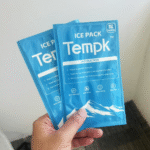
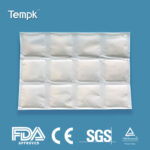
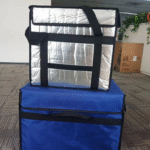
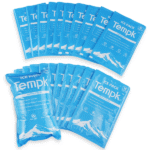
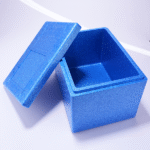
Kühler & Isolierte Taschen: Was sollten Sie verwenden??
Wenn Sie sich entscheiden Kühler & Isoliertaschen, Beginnen Sie mit einer einfachen Frage: Wie lange dauert es, bis Ihr Essen den Kühlschrank erreicht? (oder wird gefressen)? Ein schneller Einkaufsbummel kann mit einer isolierten Tasche funktionieren, während längere Reisen normalerweise eine Kühlbox belohnen. Hier ist ein praktischer Auslöser: wenn Sie Tiefkühlkost transportieren, Fleisch, Meeresfrüchte, oder Milchprodukte für mehr als 20–30 Minuten, Kühlakkus werden zu einem echten Sicherheits- und Qualitätsupgrade.
Dieser Artikel wird für Sie antworten:
- Wie man wählt Kühler & Isoliertaschen von Zeit bis zum Kühlschrank und Routenkomplexität
- Ein einfaches Kühler & Isolierte Taschen halten mit Eisbeuteln die Zeit Entscheidungstool, das Sie verwenden können 2 Minuten
- Welche Funktionen sind für die Leckkontrolle am wichtigsten?, Stabilität, und leicht Reinigung
- Eine wiederholbare Verpackungsmethode (So verlieren Sie keine Kälte mehr durch Luftspalte und Öffnungen)
- Wie Unternehmen nutzen Kühler & Isoliertaschen für die Lebensmittellieferung ohne Chaos
Was ist der wirkliche Unterschied zwischen Kühlern? & Isoliertaschen?
Kühler & Isoliertaschen erfüllen die gleiche Aufgabe – sie verlangsamen Temperaturänderungen –, verhalten sich aber im wirklichen Leben anders. Eine Kühlbox hält in der Regel länger, schützt vor Quetschungen, und dämmt Leckagen besser ein. Eine isolierte Tasche ist leichter, schneller zu tragen, und einfacher zu lagern, Allerdings verliert es schneller an Leistung, wenn es zu wenig eingepackt oder häufig geöffnet wird.
Ein einfacher Gedächtnistrick hilft:
- Ein Kühler ist ein „Hartschalen-Kühlschrank-Ersatz.“
- Eine Isoliertasche ist eine „Softshell-Temperaturhelfer.“
Harte Kühltasche vs. weiche Isoliertasche (schneller Vergleich)
| Besonderheit | Harter Kühler | Weiche Isoliertasche | Was es für Sie bedeutet |
|---|---|---|---|
| Kalthaltepotenzial | Höher | Mäßig | Lange Reisen fühlen sich sicherer an |
| Quetschschutz | Stark | Beschränkt | Weniger Schäden an zerbrechlichen Gegenständen |
| Gewicht und Masse | Höher | Untere | Einfacheres Tragen und Aufbewahren |
| Reinigung | Einfaches Abwischen/Spülen | Hängt vom Liner ab | In Hartschalen ist die Geruchskontrolle einfacher |
Praktische Tipps, die Sie sofort anwenden können
- Kurzer Weg: Wählen Sie leicht Kühler & Isoliertaschen Sie werden es tatsächlich täglich tragen.
- Lange Fahrt oder Hitze: Wählen Sie eine harte Kühltasche oder eine strukturierte Tasche mit festem Verschluss.
- Zerbrechliche Gegenstände: Geben Sie Struktur und einer stabilen Basis Vorrang vor zusätzlichen Taschen.
Praktischer Fall: Ein Pendler wechselte von einer Floppy-Tasche zu einer strukturierten Option. Die Container kippten nicht mehr, und das Mittagessen blieb kühler.
Wie funktionieren Kühler? & Isoliertaschen halten Gegenstände kalt?
Kühler & Isoliertaschen mach nicht „erkältet“. Sie schützen die Kälte, die Sie bereits haben, indem sie die Wärmeübertragung verlangsamen. Kühlakkus und Tiefkühlartikel sorgen für die Kälte. Isolierung und Verschluss schützen es.
Hier ist die einfachste Analogie:
Die Temperatur ist wie Geld in Ihrer Brieftasche. Eis ist das Geld. Isolierung ist der Geldbeutel. Eine bessere Geldbörse schafft kein Geld – sie hilft Ihnen, es zu behalten.
Was tatsächlich die Kälteleistung verbessert?
- Dickere Isolierung
- Strengere Verschlüsse
- Weniger leerer Luftraum
- Weniger Öffnungen
- Eisbeutel richtig platziert
| Leistungstreiber | Warum ist es wichtig | Praktisches Ergebnis |
|---|---|---|
| Verschlusssiegel | Blockiert heiße Luft | Bessere Stabilität |
| Packungsdichte | Reduziert warme Lufteinschlüsse | Längerer Halt |
| Platzierung des Eisbeutels | Schützt empfindliche Gegenstände | Sicherere Ergebnisse |
Wann sollten Sie eine Kühlbox statt einer Isoliertasche wählen??
Wählen Sie einen Kühler, wenn Sie eine längere Kühldauer benötigen, stärkerer Schutz, oder besser Leckageeindämmung. In Hochrisiko- oder Langzeitsituationen ist in der Regel eine Kühlbox die bessere Wahl.
Typische kühlere Situationen:
- Lange Fahrten (über 40–60 Minuten)
- Transport von Meeresfrüchten oder rohem Fleisch
- Camping- und Outdoor-Events
- Großer Tiefkühleinkauf
- Hochempfindliche Gegenstände, die kalt bleiben müssen
Tipp zur Kühlerauswahl, der Geld spart
Wenn Ihr Kühler zu groß ist, Sie verschwenden Kältekapazität, weil Sie zusätzliche Luft kühlen. Wenn es zu klein ist, Sie können Kühlakkus nicht richtig einsetzen. Eine „richtig große“ Kühlbox ist für den täglichen Gebrauch in der Regel besser als eine große.
Wann sollten Sie sich stattdessen für eine Isoliertasche entscheiden??
Wählen Sie eine isolierte Tasche, wenn Sie Flexibilität wünschen, geringeres Gewicht, und schnelle tägliche Nutzung. Isolierte Taschen sind einfacher zu tragen, speichern, und sich an kleine Besorgungen anpassen.
Typische Situationen mit Isoliertaschen:
- Mittagessen für die Arbeit oder die Schule
- Kurze Einkaufstouren
- Transport zur Essenszubereitung
- Lieferfahrer mit häufigem Tragen
Beste praktische Antwort: Viele Haushalte kommen damit am besten zurecht ein mittlerer Kühler + zwei isolierte Taschen.
Wie wählt man Kühler aus? & Isoliertaschen von Time-to-Fridge?
Dies ist der schnellste Weg zur Auswahl Kühler & Isoliertaschen ohne zu viel nachzudenken. Beginnen Sie mit „Time-to-fridge“.,” und passen Sie dann die Hitze und die Öffnungen an.
Das 2-Minuten-Entscheidungstool (interaktiv)
Schritt 1: Wie lange dauert es, bis Sie Ihr Ziel erreichen??
- Unter 20 Minuten: Eine Isoliertasche reicht oft aus
- 20–60 Minuten: hängt davon ab, was du trägst
- Über 60 Minuten: Kühler gewinnt normalerweise
Schritt 2: Was trägst du??
- Eiscreme, Fleisch, Meeresfrüchte, Molkerei: Kühlbox oder Hochleistungs-Isoliertasche mit Kühlakkus
- Mittagessen und Snacks: Eine isolierte Tasche ist normalerweise am besten
- Gemischte Lebensmittel: Eine Kombination funktioniert oft am besten
Schritt 3: Was ist Ihr größter Schmerzpunkt??
- Undichtigkeiten → Kühler
- Schweres Tragen → isolierte Tasche
- Zerkleinerte Gegenstände → Kühler
- Stauraum → Isoliertasche
Mini-Regel zur Anzahl der Eisbeutel (einfach und realistisch)
- Unter 3 Std.: kompakte Isoliertasche
- 3–6 Stunden: Strukturierte Isoliertasche + 2 Eisbeutel
- Über 6 Std.: harter Kühler (oder Hochleistungs-Softkühler) + 3 Packungen
Welche Eigenschaften sind beim Vergleich von Kühlern am wichtigsten? & Isoliertaschen?
Das meiste Kaufbedauern entsteht dadurch, dass man ein paar langweilige Funktionen ignoriert. Der beste Kühler & Isoliertaschen teilen vier Prioritäten: Versiegelung, Isolierung, einfache Reinigung, und eine praktische Form.
Schließungen: Das Siegel ist alles
- Kühler: Die Qualität der Deckeldichtung ist wichtig
- Taschen: Es kommt auf den Reißverschluss oder die enge Klappe an
Ein schwacher Verschluss verwandelt die Isolierung in eine Dekoration.
Innenfutter: schnell reinigen oder später leiden
Es kommt zu Verschüttungen (geschmolzenes Eiswasser, Fleisch tropft, Milchlecks). Glatte Einlagen, die sich leicht abwischen oder abspülen lassen, verhindern Gerüche und „mysteriöse Flecken“.
| Besonderheit | Bestes Zeichen | Warum es dir hilft |
|---|---|---|
| Siegelqualität | Dichter Verschluss | Bessere Temperaturstabilität |
| Reinigung | Abwischen oder abspülen | Weniger Geruch und Schimmel |
| Struktur | Stabile Basis | Weniger Lecks und Crush-Ereignisse |
Wie wählt man die richtige Größe für Kühlboxen aus? & Isoliertaschen?
Bei der Größenbestimmung scheitern die meisten Menschen Kühler & Isoliertaschen. Zu groß ist Leistungsverschwendung. Zu klein führt zu warmen Stellen und unordentlichem Packen.
Praktischer Größenratgeber (echtes Leben)
- Klein (persönlich): Mittagessen, Getränke, Snacks
- Medium (Haushalt): wöchentliche Lebensmittel mit kalten Artikeln
- Groß (Ereignis): Parteien, Camping, lose eingefroren
Der „Fit-Test“ (interaktiv, 60 Sekunden)
Schreiben Sie auf, was Sie am häufigsten bei sich tragen:
- Behälter/Flaschen zählen: ___
- Ein „sensibelster“ Gegenstand (Eiscreme, Sushi, Molkerei): ___
- Kühlakkus, die Sie unterbringen können ohne Zwang: ___
Regel: wenn Sie Eisbeutel nicht bequem unterbringen können, Sie haben Speicher gekauft – keine Temperaturkontrolle.
Wie sollte man Kühlboxen verpacken? & Isoliertaschen für beste Ergebnisse?
Verpackungsregeln können doppelt so viel Leistung von Kühler & Isoliertaschen ohne etwas Neues zu kaufen. Ihr Ziel ist einfach: Reduzieren Sie Warmlufteinschlüsse und schützen Sie zuerst empfindliche Gegenstände.
Packregeln, die Sie jederzeit befolgen können
- Legen Sie die kältesten Gegenstände nach unten (sie wirken wie Eis).
- Legen Sie Eisbeutel darauf (Top-Packs reduzieren den Warmlufteintritt).
- Gruppieren Sie ähnliche Temperaturelemente.
- Halten Sie rohes Fleisch und Meeresfrüchte getrennt.
- Füllen Sie den leeren Raum nach Möglichkeit mit einem Handtuch oder extra kalten Gegenständen.
Die „kalte Sandwich“-Methode (das einfachste Upgrade)
Platzieren Sie Eis unter und über Ihren verderblichen Waren, Packen Sie es dann fest ein, um Luftspalte zu reduzieren. Dadurch bleibt die Temperatur stabiler, vor allem, wenn man den Deckel öffnet.
| Wahl der Verpackung | Bessere Option | Warum funktioniert es | Ihr praktischer Gewinn |
|---|---|---|---|
| Eine Packung nebenbei | Packt top + unten | Schützt vor Wärmeeintritt | Stabilere Temperatur |
| Lose Gegenstände | Enge Stapelung | Weniger Luftzirkulation | Längerer Halt |
| Heiß + kalt zusammen | Separate Behälter | Vermeidet Erwärmung der Kältespur | Sicherere Ergebnisse |
Verpackungsbeispiel für einen gemischten Lebensmitteleinkauf
Wenn Sie Eis kaufen, Huhn, Molkerei, und Gemüse:
- Kühler: Eiscreme + gefrorene Mahlzeiten + 1–2 Eisbeutel
- Tasche 1: Molkerei + Eisbeutel
- Tasche 2: Huhn (versiegelt) + Meeresfrüchte (versiegelt)
Praktischer Fall: Eine Familie verwendete die Kaltsandwich-Methode für Milchprodukte und Fleisch. Sie reduzierten die Zahl der „warm angekommenen“ Überraschungen auf Sommerreisen.
Dosenkühler & Isoliertaschen eignen sich auch für heiße Speisen?
Ja, Aber das Mischen von heiß und kalt ist ein häufiger Fehler. Heiße Gegenstände geben Dampf ab, Verpackung einweichen, und warme kalte Speisen in einem geschlossenen Raum. Die einfachste Regel ist zweispurig: heiße Lane Und kalte Spur.
Regeln für das Hot-Lane-Packen (einfach)
| Heißer Artikel | Hauptrisiko | Best Practice | Was es für Sie bedeutet |
|---|---|---|---|
| Suppen | Verschüttungen | Starre Basis + aufrechtes Tragen | Weniger Unordnung |
| Gerichte vom Drehspieß | Dampf | Zuerst kurz entlüften | Weniger durchnässte Verpackung |
| Meal-Prep-Boxen | Wärmeübertragung | Getrennt bleiben | Schützt die Kältespur |
Praktische Tipps und Empfehlungen
- Niemals heiß über kalt stellen. Hitze steigt auf und wärmt Ihre kalte Spur.
- Verwenden Sie eine Handtuchschicht. Es schützt die Liner vor kleinen Lecks und Kondensation.
- Nach jedem Gebrauch trocknen. Warmer Dampf kann bei feuchter Lagerung zu Geruch führen.
Wie reinigt und pflegt man Kühler? & Isoliertaschen?
Reinigung gehört zur Leistung. Gerüche und Rückstände reduzieren die wiederholte Verwendung. Der meiste Langzeitgeruch entsteht durch eingeschlossene Feuchtigkeit und die Lagerung geschlossener Ausrüstung im feuchten Zustand.
Reinigungsroutine, die zum echten Leben passt
| Frequenz | Was zu tun | Zeit | Was es für Sie bedeutet |
|---|---|---|---|
| Nach jedem Gebrauch | Liner abwischen + Reißverschlusszone | 1–2 Min | Verhindert Ablagerungen |
| Wöchentlich | Milde Wäsche + spülen | 10–15 Min | Entfernt Gerüche |
| Monatlich | Nähte prüfen + Base | 5 min | Verlängert die Lebensdauer |
Geruchsregel: Bewahren Sie eine Tasche oder Kühlbox niemals geschlossen auf, solange sie feucht ist. Das Trocknen macht den Unterschied zwischen „frisch“ und „muffig“ aus.
Wie nutzen Unternehmen Kühler? & Isoliertaschen für die Zustellung auf der letzten Meile?
Für Unternehmen, Kühler & Isoliertaschen sind kein Zubehör. Sie sind Ausrüstung. Mehr Stopps bedeuten mehr Öffnungen, mehr Bühnenzeit, und weniger Kontrolle über die Bereitschaft der Kunden. Deshalb ist Betriebsdisziplin wichtiger als das „perfekte Produkt“.
Bewertung des Routenrisikos (interaktiv)
Bewerten Sie jeden Faktor 0–2:
- Stopps pro Route
- Türöffnungen pro Stunde
- Belichtungszeit im Freien
- Umgebungswärme
- Auftragskomplexität
Notenführer:
- 0–4: Die grundlegende SOP gilt wahrscheinlich
- 5–7: mehr Eis hinzufügen + strengere Inszenierungsregeln
- 8–10: Verwenden Sie strukturierte Systeme + stärkere Trennung
| Geschäftsrisiko | Was verursacht es? | Schnelle Lösung | Was es für Sie bedeutet |
|---|---|---|---|
| Zu viele Öffnungen | Suche nach Artikeln | Stop-Order-Laden | Weniger Temperaturdrift |
| Warme Inszenierung | Bestellungen warten | Nur kalte Bereitstellungsspur | Weniger Ansprüche |
| Gemischte Bestellungen | Verwirrung | Beschriftung/Farbschilder | Weniger Rückerstattungen |
Praktischer Fall: Ein Lieferteam reduzierte die Zahl der Beschwerden, nachdem es die Ladereihenfolge geändert und einen sichtbaren Bereitstellungstimer hinzugefügt hatte.
2025 neueste Entwicklungen und Trends bei Kühlern & Isoliertaschen
In 2025, Kühler & Isoliertaschen Der Trend geht hin zu Designs, die leichter zu desinfizieren und weniger zu verderben sind. Sie sehen starrere Basen, Nahtschutz, und abwischbare Einlagen, weil Benutzer weniger Schmutz wollen. Sie sehen auch eine modularere Organisation, um das Öffnen vollständiger Deckel zu reduzieren und die Bestellungen getrennt zu halten.
Aktueller Fortschritts-Snapshot
- Bessere Leckkontrolle: Nahtschutz und verbesserte Linerkonstruktion
- Strukturiertere Formen: weniger Trinkgeld, besseres Stapeln
- Modulare Innenräume: schnellerer Zugriff mit weniger Temperaturschwankungen
- Operative KPIs: Warmminuten und Türöffnungsminuten führen zu Verbesserungen
Market insight (warum Ihnen das wichtig ist)
Die Leute bleiben bei Systemen, die sich mühelos anfühlen. Bequemlichkeit fördert die tatsächliche Nutzung, und die tatsächliche Nutzung führt zu einem echten Temperaturschutz.
Empfohlene Bilder (intern, Keine externen Links)


Vorschläge für interne Links (3–5)
- Größenrechner für Eisbeutel für Thermobehälter
- Grundlagen zu Zeit und Temperatur von Lebensmitteln für verderbliche Lebensmittel
- SOP für die Bereitstellung auf der letzten Meile für gekühlte Lieferungen
- Reinigungs- und Hygieneleitfaden für wiederverwendbare Thermoausrüstung
- Beschädigungssichere Verpackungslayouts für zerbrechliche Gegenstände
Häufig gestellte Fragen
Q1: Sind Kühlboxen besser als isolierte Taschen??
Nicht immer. Kühler halten die Temperatur normalerweise länger und schützen besser, aber isolierte Taschen sind leichter und einfacher für den täglichen Gebrauch.
Q2: Können Isolierbeutel Eis gefroren halten??
Für Kurztrips, ja – vor allem mit Kühlakkus und einem engen Reißverschluss. Für längere Reisen oder heißes Wetter, Ein Kühler ist zuverlässiger.
Q3: Benötige ich Kühlakkus mit Kühlboxen? & Isoliertaschen?
Wenn Sie Tiefkühlkost transportieren, Fleisch, Meeresfrüchte, oder Milchprodukte für mehr als 20–30 Minuten, Eisbeutel verbessern die Sicherheit und Qualität erheblich.
Q4: Warum riechen meine Isoliertaschen schlecht??
Gerüche entstehen meist durch in den Nähten eingeschlossene Feuchtigkeit. Nach jedem Gebrauch schnell abwischen und bei geöffnetem Beutel vollständig trocknen.
Q5: Was ist das beste Starter-Setup für die meisten Haushalte??
Eine mittelgroße Kühlbox plus zwei Isoliertaschen deckt häufig Lebensmittel ab, Mittagessen, und Kurztrips ohne Überkauf.
Zusammenfassung und Empfehlungen
Kühler & Isoliertaschen Funktioniert am besten, wenn Sie den Behälter an Ihre Kühldauer anpassen, fest packen, und Öffnungen begrenzen. Für längere Fahrten sind Kühlboxen stärker, Hitze, und zerbrechliche Gegenstände. Isolierte Taschen eignen sich besser für den täglichen Transport und für kurze Besorgungen. Die meisten Ergebnisse entstehen durch Routine: Ausrüstung in der richtigen Größe, Eis richtig platziert, und schnelle Reinigung sowie vollständige Trocknung nach Gebrauch.
Aktionsplan (Mach das als nächstes)
- Messen Sie Ihre typische Reisedauer und was Sie am häufigsten mitnehmen.
- Verwenden Sie das 2-Minuten-Entscheidungstool, um Ihr Standard-Setup auszuwählen.
- Verpacken Sie empfindliche Gegenstände mit der Cold-Sandwich-Methode.
- Reduzieren Sie Öffnungen, indem Sie Artikel gruppieren und den Zugriff einmalig planen.
- Wischen und trocknen Sie es jedes Mal, um Gerüche und verpasste Reinigungsarbeiten zu vermeiden.
CTA: Wenn Sie weniger geschmolzene Gegenstände und weniger Lecks wünschen, Erstellen Sie eine einfache Routine mit der richtigen Mischung aus Kühler & Isoliertaschen– keine allgemeingültige Vermutung.
Über Tempk
Und Tempk, Wir konzentrieren uns auf praktische Temperaturkontrollverpackungen und Arbeitsabläufe für reale Handhabungsbedingungen. Wir helfen Teams bei der Auswahl von Strukturen, die Verschüttungen reduzieren, Quetschungen verhindern, und unterstützen eine wiederholbare Kälteleistung. Wir legen auch Wert auf einfache SOPs, Reinigbarkeit, und messbare Routinen, die Temperaturschwankungen im täglichen Leben und bei der Zustellung auf der letzten Meile reduzieren.
Nächster Schritt: Lassen Sie sich bei der Auswahl von unseren Spezialisten beraten Kühler & Isoliertaschen nach Haltezeitbedarf, Verpackungsmethode, und Produktempfindlichkeit für 2025 Anwendungsfälle.
Empfohlenes Schema-Markup (JSON-LD)
{
  "@context": "https://schema.org",
  "@type": "Article",
  "headline": "Coolers & Insulated Bags: Which Should You Use?",
  "datePublished": "2025-12-19",
  "dateModified": "2025-12-19",
  "inLanguage": "en",
  "author": { "@type": "Organization", "name": "Tempk" },
  "publisher": { "@type": "Organization", "name": "Tempk" },
  "mainEntityOfPage": "https://www.tempk.com/coolers-and-insulated-bags",
  "keywords": [
    "coolers & insulated bags",
    "how to choose coolers & insulated bags",
    "coolers & insulated bags for grocery delivery",
    "coolers & insulated bags hold time with ice packs",
    "leakproof coolers & insulated bags cleaning",
    "best size coolers & insulated bags for work commute"
  ],
  "description": "A 2025 practical guide to choosing, packing, and cleaning coolers & insulated bags for daily use and last-mile delivery."
}
{
  "@context": "https://schema.org",
  "@type": "HowTo",
  "name": "How to choose and use coolers & insulated bags",
  "dateModified": "2025-12-19",
  "step": [
    {
      "@type": "HowToStep",
      "name": "Choose by time-to-fridge",
      "text": "Under 20 minutes, an insulated bag is often enough. Over 60 minutes, a cooler usually wins. Adjust for heat and opening frequency."
    },
    {
      "@type": "HowToStep",
      "name": "Pick the right size",
      "text": "Choose a size that fits your usual items plus ice packs without forcing. Too big wastes cold on empty air."
    },
    {
      "@type": "HowToStep",
      "name": "Use the cold sandwich method",
      "text": "Place one ice pack below and one above sensitive items, then reduce air gaps by packing tightly."
    },
    {
      "@type": "HowToStep",
      "name": "Separate hot and cold lanes",
      "text": "Avoid packing hot and cold together. Use a separate hot-lane container to protect your cold lane."
    },
    {
      "@type": "HowToStep",
      "name": "Clean and dry after each use",
      "text": "Wipe the liner and zipper zone, then dry open with airflow. Never store the container closed while damp."
    }
  ]
}
{
  "@context": "https://schema.org",
  "@type": "FAQPage",
  "mainEntity": [
    {
      "@type": "Question",
      "name": "Are coolers better than insulated bags?",
      "acceptedAnswer": {
        "@type": "Answer",
        "text": "Not always. Coolers usually hold temperature longer and protect better, but insulated bags are lighter and easier for daily use."
      }
    },
    {
      "@type": "Question",
      "name": "Do I need ice packs with coolers & insulated bags?",
      "acceptedAnswer": {
        "@type": "Answer",
        "text": "If you carry frozen foods, meat, seafood, or dairy for more than 20–30 minutes, ice packs significantly improve quality and safety."
      }
    },
    {
      "@type": "Question",
      "name": "How do I stop leaks and smells?",
      "acceptedAnswer": {
        "@type": "Answer",
        "text": "Use sealed containers, choose a wipeable liner, wipe spills immediately, and dry the bag or cooler open after every use."
      }
    }
  ]
}